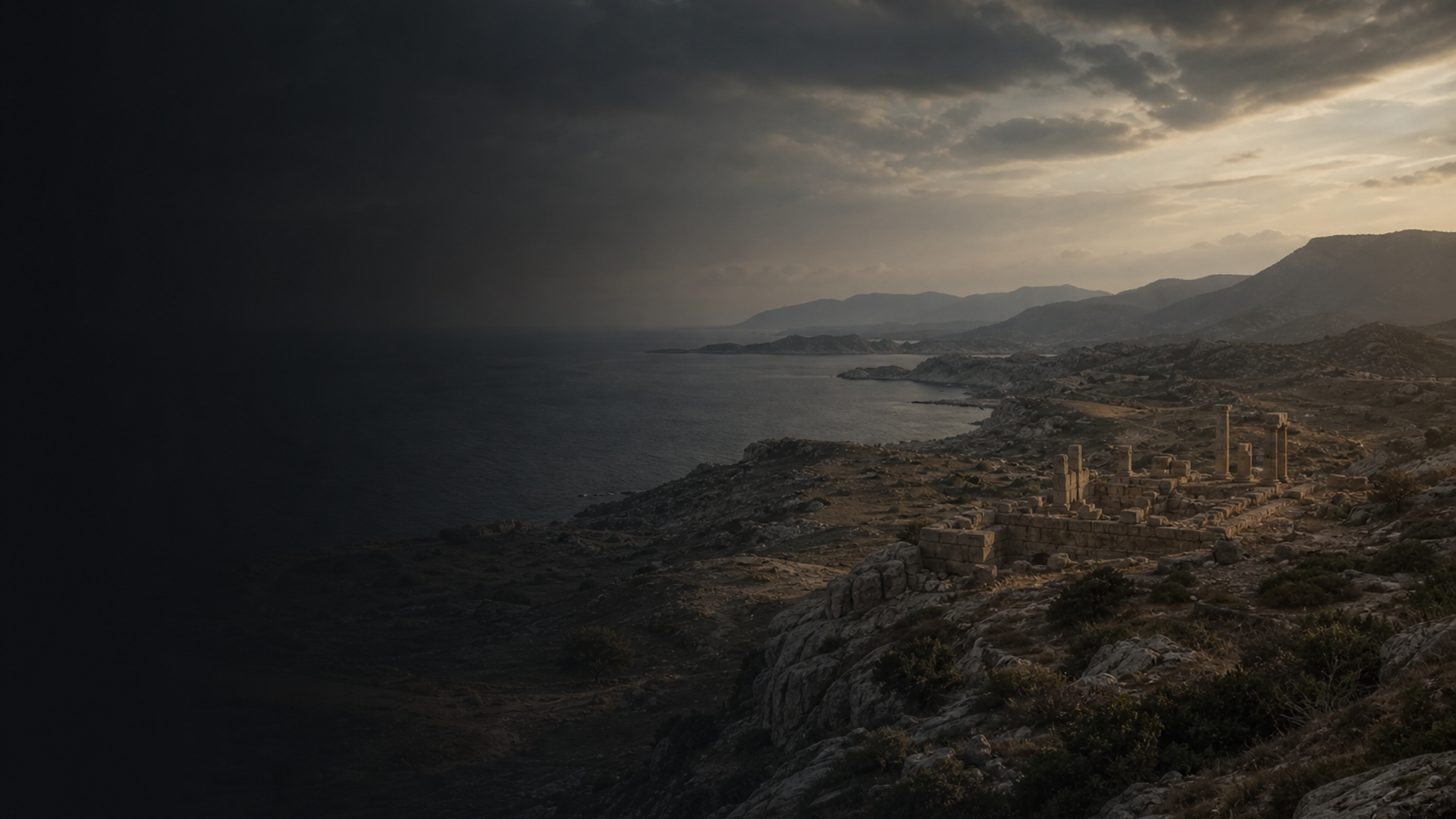
The human stories recovered at Apollonia (Marmara, Gölyazı) and the necropole sites of Camandras and Dalagöz (Yatağan, Muğla) unfold along the busy littoral of Roman Anatolia. Archaeological data indicates these burials date to the Roman Period (roughly 100 BCE–476 CE), a time when imperial administration, trade, and mobility reshaped coastal communities. Excavations at Gölyazı reveal layered occupation on a promontory once threaded with maritime routes; Yatağan’s necropole contexts are small cemetery clusters on the Aegean hinterland.
Material culture — pottery imports, locally produced amphorae, and funerary goods — points to towns plugged into Mediterranean exchange networks. Limited osteological evidence suggests typical Roman-era burial practices in the region, but preservation and small sample sizes constrain firm behavioral reconstructions. Genetic sampling from four individuals provides a delicate thread to trace maternal ancestries back into broader West Eurasian lineages, yet archaeological context remains essential: graves, grave goods, and landscape together narrate lives shaped by seafaring commerce, local traditions, and imperial ties.
Limited evidence suggests continuity of local Anatolian practices blended with Mediterranean influences rather than wholesale population replacement. Archaeological and genetic data together hint at a culturally plural shoreland where identities were negotiated in stone, clay, and bloodlines.