Preparando el informe

Cargando la información y las referencias disponibles

Consultando el registro arqueológico...

Recopilando registros antiguos

Saltar al contenido principal
Whispers from Mayahak Cab Pek
Cultura destacada

Whispers from Mayahak Cab Pek

A lone Archaic-era voice from the Maya Mountains, ~5600 years ago

3761 CE - 36375600 BCE
Belize (Maya Mountains, Toledo District)
Desplázate para empezar
Capítulo I

La historia

Comprender la cultura Whispers from Mayahak Cab Pek

Archaeological remains from Mayahak Cab Pek (Toledo District, Belize) dated to 3761–3637 BCE represent a rare Archaic-period ancient DNA sample. Limited genetic data and single-sample constraints make interpretations tentative, but material culture and landscape context illuminate early Belizean lifeways.

Time Period

ca. 3761–3637 BCE (~5600 BP)

Region

Belize (Maya Mountains, Toledo District)

Common Y-DNA

Not reported / unknown

Common mtDNA

Not reported / unknown

Capítulo II

Cronología

Momentos clave de la historia de esta cultura

3700 BCE

Occupation at Mayahak Cab Pek

Archaeological context and radiocarbon dates place human activity and the sampled burial at Mayahak Cab Pek around 3761–3637 BCE, within Belize's Archaic Period.

Capítulo III

Origins & Emergence

In the damp, forested basin of the Maya Mountains, Mayahak Cab Pek yields a slender but evocative thread into Belize's deep past. Radiocarbon and stratigraphic data place human activity at this site between 3761 and 3637 BCE, situating it squarely within the broader Archaic Period of northern Central America. Archaeological data indicates ephemeral camps, flaked stone tools and food-processing features that suggest mobile foragers exploiting riverine and upland resources.

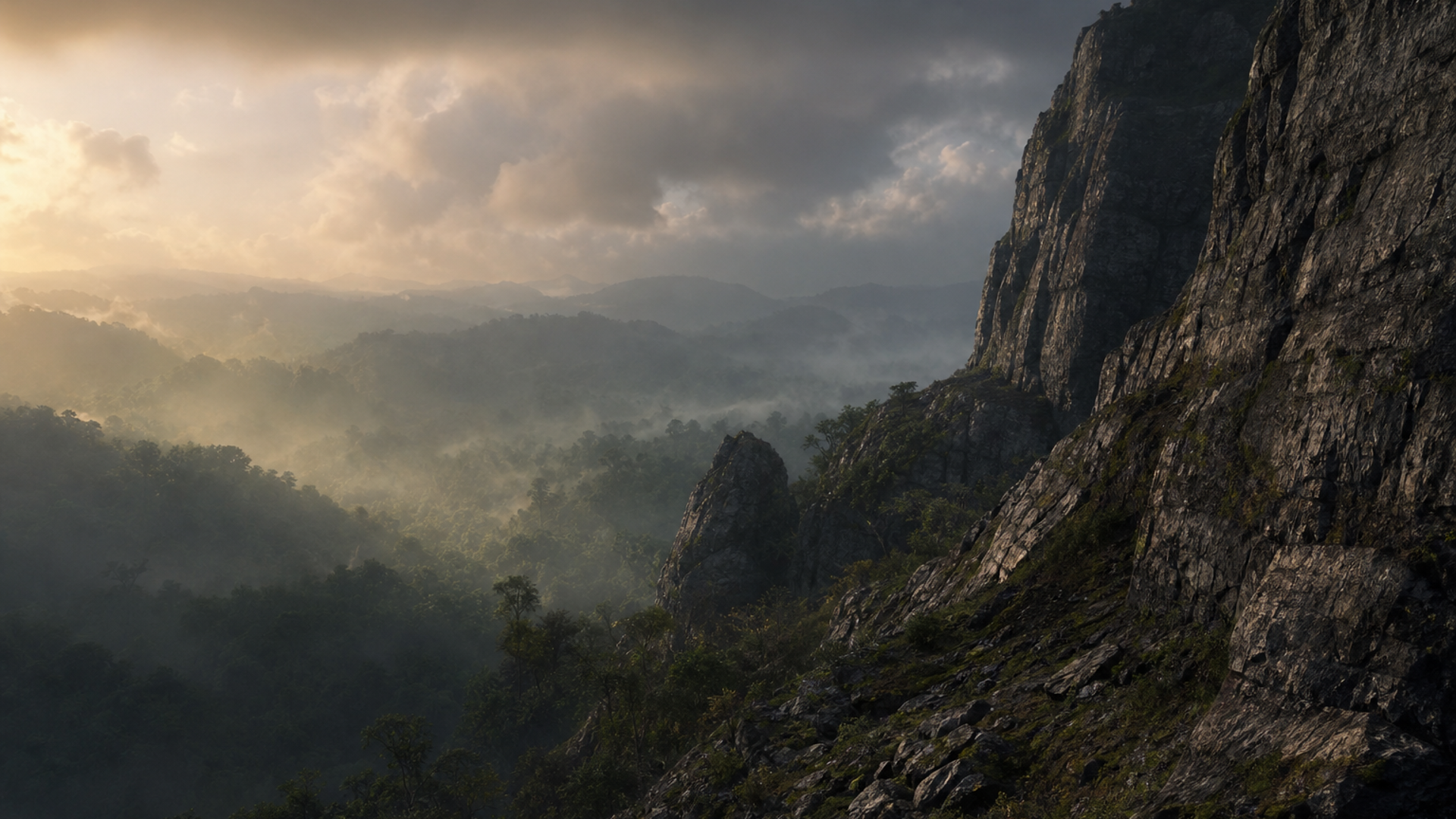
Cinematic in its isolation, the site sits within present-day Bladen Nature Reserve (Toledo District), a landscape of karst ridges, caves and biodiverse forest that would have framed early lifeways. Material traces point to a flexible adaptation: seasonal foraging, tuber and root exploitation, and fishing in nearby waterways. Limited evidence suggests occasional use of local obsidian and chert for tool manufacture, hinting at small-scale networks for raw materials.

Because the dataset for Belize_5600BP is a single specimen, broader origin narratives remain tentative. Archaeological context, however, aligns the site with regional Archaic traditions rather than later sedentary agricultural systems. This places Mayahak Cab Pek among the quiet vanguard of hunting-gathering populations whose lifeways set the stage for millennia of cultural transformation in Mesoamerica.

  • Site dated to ca. 3761–3637 BCE within the Archaic Period
  • Located at Mayahak Cab Pek, Maya Mountains, Bladen Nature Reserve
  • Evidence for mobile foraging and small-scale material exchange
Capítulo IV

Daily Life & Society

Archaeological remains at Mayahak Cab Pek sketch a portrait of intimate, landscape-attuned living. Hearth features, fragmented fauna, and stone tool assemblages imply small groups practicing seasonal rounds: exploiting riverine fish, wild tubers, and forest game. Shell and plant remains are sparse but point to diverse diets tuned to tropical ecologies.

Social organization for such Archaic communities likely emphasized flexible mobility and kin-based bands. Toolkits were lightweight and multifunctional—projectile points, scrapers and grinding stones—suited to a mixed foraging economy. The rugged terrain of the Toledo District, with caves and springs, would have provided reliable microhabitats for food and shelter, shaping patterns of movement and site reuse.

Burials are rare at this site; the single archaeogenetic sample derives from one interment or human-associated context, so funerary practices and social ranking cannot be reconstructed with confidence. Nevertheless, the material record suggests knowledge transmission across generations: refined lithic technology and repeated use of processing areas imply cultural continuity even in small, mobile groups.

Archaeological data indicates these lifeways were part of a long continuum that later enabled more sedentary, agricultural societies in the region.

  • Small, mobile groups exploiting mixed tropical resources
  • Light, multifunctional toolkits and seasonal landscape use
Capítulo V

Genetic Profile

Genetic information for Belize_5600BP is extremely limited: only one ancient individual from Mayahak Cab Pek is represented. Because the sample count is one, any population-level claims must be framed as preliminary. The available dataset does not report definitive Y-chromosome or mitochondrial haplogroups; therefore, lineage-specific assertions are not supported.

Ancient DNA from single specimens can still be informative when integrated with archaeology: the presence of any endogenous DNA demonstrates the potential to link individual lifeways to broader regional histories. For Belize_5600BP, researchers emphasize transparency about uncertainty. With one genome, patterns such as local continuity versus incoming gene flow cannot be robustly tested, and autosomal ancestry components cannot be generalized.

Future comparisons with more Archaic-period samples from Belize and neighboring regions could reveal whether this individual fits into continuities observed elsewhere in pre-ceramic Mesoamerica or represents a distinct local lineage. For now, genetic results serve primarily to anchor a biological presence at Mayahak Cab Pek and to motivate targeted sampling across the Maya Mountains to build statistically supported narratives.

  • Single-sample genetic evidence — interpretations are preliminary
  • No definitive Y- or mtDNA haplogroups reported
Capítulo VI

Legacy & Modern Connections

The lone voice from Mayahak Cab Pek echoes into modern Belizean landscapes and Indigenous histories. While direct genealogical links between this individual and living communities cannot be claimed from a single sample, the site reinforces long-term human habitation and adaptation in the Maya Mountains. Archaeological continuity in tool types and subsistence strategies suggests deep-rooted knowledge systems that later communities transformed as agriculture and sedentism emerged.

In a broader scientific sense, Belize_5600BP highlights the value of combining archaeology and ancient DNA: even a single dated genome anchors cultural interpretations in biological reality, setting benchmarks for future sampling. The discoveries prompt careful, community-engaged research to expand the ancient DNA record, respecting descendant communities and conservation priorities in places like Bladen Nature Reserve.

  • Evidence for deep-time human presence in the Maya Mountains
  • Single-sample genetics motivate further community-centered research
Con IA

Asistente de IA

Haz preguntas sobre la cultura Whispers from Mayahak Cab Pek

Asistente de IA por DNAGENICS

Desbloquear esta función
Pregunta sobre la cultura Whispers from Mayahak Cab Pek. El asistente con IA puede explicar hallazgos genéticos, contexto histórico, pruebas arqueológicas y conexiones modernas, con sus límites de interpretación.

Ejemplo de análisis con IA

La cultura Whispers from Mayahak Cab Pek representa un capítulo de la historia humana...

El análisis genético permite estudiar similitudes con poblaciones anteriores y posibles adaptaciones. Las muestras de ADN antiguo aportan información para investigar patrones migratorios y relaciones entre poblaciones, con límites que dependen del estudio y del contexto arqueológico.

Esta es una vista previa del análisis con IA. Accede al asistente completo para explorar información sobre:

  • Composición y similitud genética
  • Patrones migratorios y orígenes
  • Vida cotidiana y prácticas culturales
  • Contexto genético moderno

Explora más culturas antiguas

Descubre la historia de civilizaciones de distintas partes del mundo antiguo