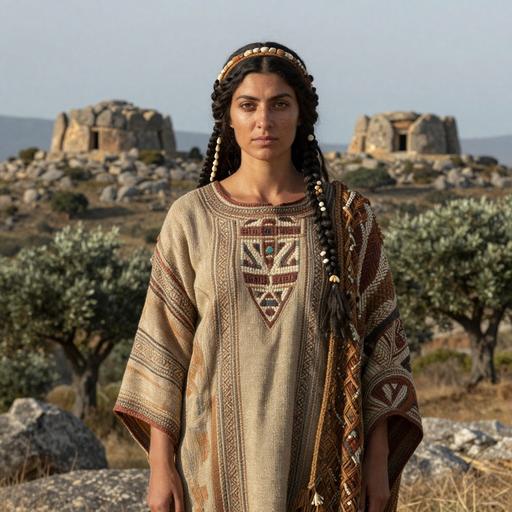
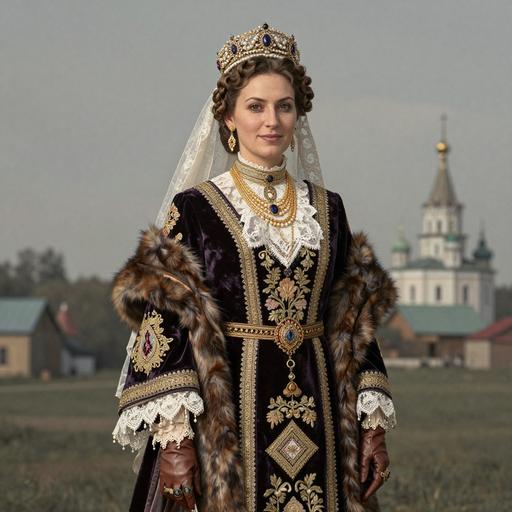
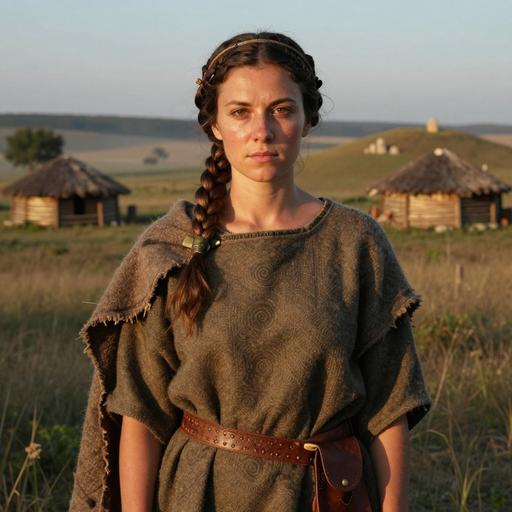
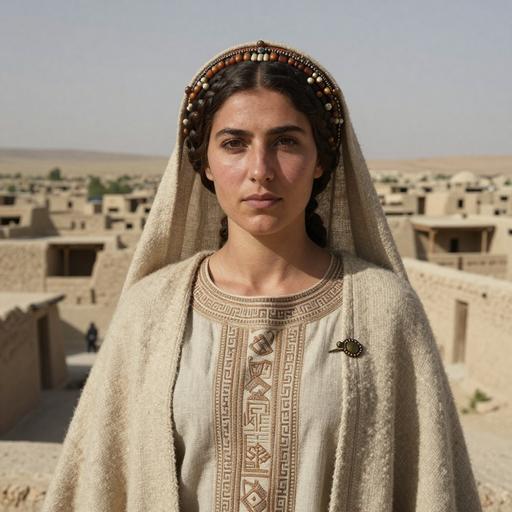
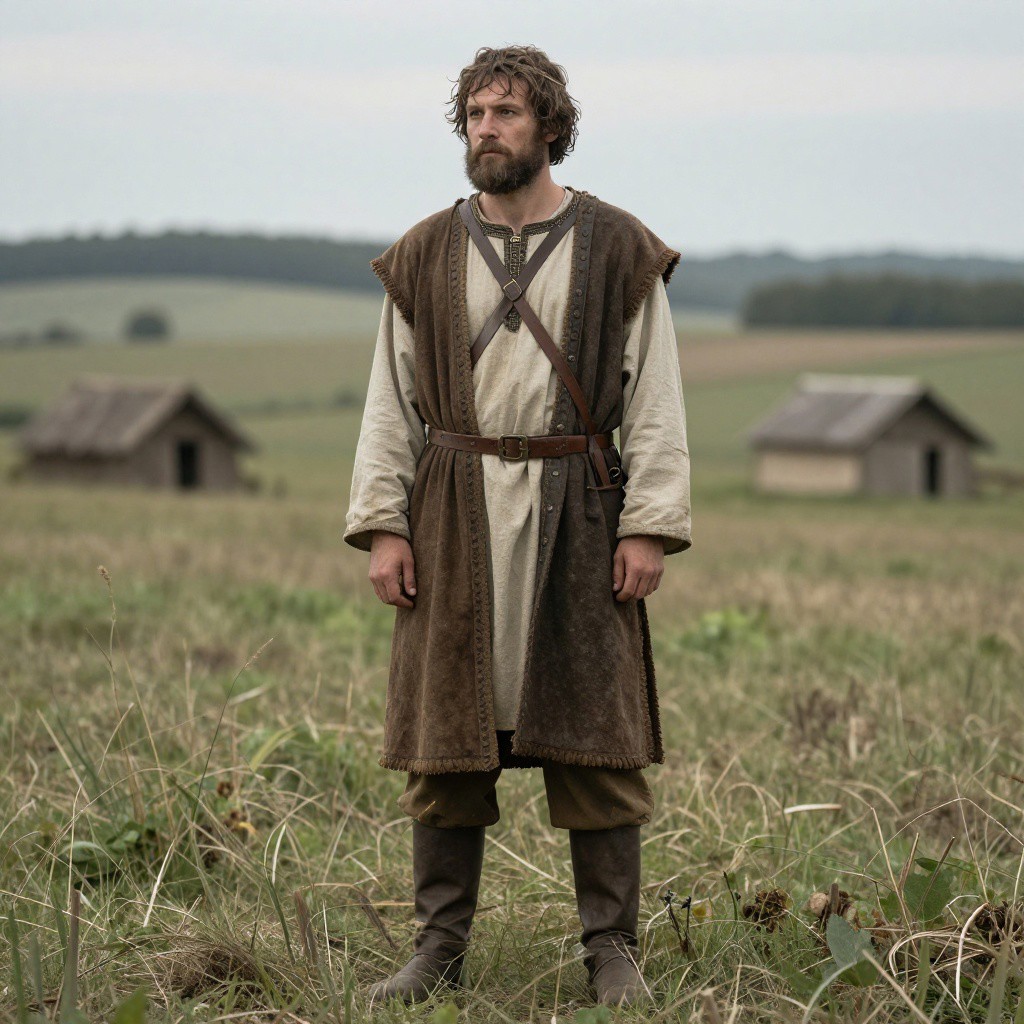
Um perfil de referência de um ramo de linhagem. Compartilhar haplogrupos não demonstra uma relação familiar ou uma identidade cultural.
Perfil de Referência
Contexto do ramo
Contexto histórico de la rama de linaje mtDNA J1C3
Origins and Evolution
mtDNA haplogroup J1C3 is a downstream branch of J1C, itself a subclade of haplogroup J. Haplogroup J has long been associated with post‑glacial and early agricultural expansions originating in the Near East and adjacent regions. J1C3 most likely formed after the initial split of J1C, probably in the Near East or the Caucasus region around the early to mid‑Holocene (roughly ~9 kya), reflecting diversification that accompanied regional population growth and the spread of farming and associated demographic processes.
The formation of J1C3 fits the general pattern for many J sublineages: origin in a Near Eastern refugial or early farming population, followed by dispersal into Europe and the Mediterranean with both Neolithic farmer migrations and later movements. Its persistence in later archaeological and modern samples indicates ongoing local continuity and secondary expansions.
Subclades
J1C3 is itself a terminal or moderately deep subclade within J1C. Where deeper subdivisions exist, they are typically defined by one or more additional coding‑region mutations and control‑region motifs identifiable in high‑resolution sequencing. Known sister clades within J1C (for example J1C1, J1C2 where present) reflect branching events in the same geographic sphere. Molecular dating based on full mitogenomes tends to place J1C3 as younger than basal J1C, consistent with an origin after the initial J1 radiation.
Geographical Distribution
Modern distribution: J1C3 is observed principally in southern Europe and the Near East, with measurable frequencies in Mediterranean populations (Southern and Western Europe), the Caucasus, and North Africa. It is also found in some Central Asian and Jewish (both Ashkenazi and Sephardi) maternal lineages, reflecting historical gene flow and diasporic movements.
Ancient DNA: The haplogroup appears in archaeological contexts (the dataset referenced includes ~48 ancient samples bearing the broader J1C lineage or its subclades), with occurrences in Neolithic and post‑Neolithic sites, suggesting participation in early farmer dispersals and later regional continuity through the Chalcolithic and Bronze Age in some areas.
Historical and Cultural Significance
Because J1C3 belongs to the J family of haplogroups commonly associated with Near Eastern and early agricultural populations, its presence in Europe is often interpreted as a marker of Neolithic or early post‑Neolithic maternal ancestry. In the Mediterranean and parts of North Africa, J1C3 likely reflects both the initial Neolithic influx from Anatolia/Levantine sources and later historical contacts across the Mediterranean basin (trade, migration, and population movements).
Its occurrence among Jewish maternal lineages (Ashkenazi and Sephardi samples) is consistent with the Near Eastern origin of many Jewish maternal lineages and subsequent dispersal into Europe and North Africa during the historical period.
Conclusion
J1C3 is best viewed as a Near Eastern/Caucasus‑origin maternal lineage that diversified in the early Holocene and participated in the demographic processes that shaped Neolithic Europe and the wider Mediterranean. Its detection in multiple modern populations and in a number of ancient DNA samples underscores both its antiquity and its role in regional population histories. High‑resolution mitogenome data continue to refine the internal structure and chronology of J1C3 and related lineages, improving our understanding of maternal migrations in Eurasia and North Africa.
Pontos- Chave
Origins and Evolution
Subclades
Geographical Distribution
Historical and Cultural Significance
Conclusion
Perfil de Referência
Árvore e relações
Contexto filogenético e subclasse
Trajectória evolutiva
Sigue las ramas superiores registradas hasta J1C3. Las fechas son estimaciones y pueden cambiar al revisarse los datos de referencia.
The populations where MTDNA haplogroup J1C3 is found include:
Southern and Western European populations
Middle Eastern populations
North African populations
Caucasus region populations
Some populations in Central Asia
Jewish populations (Ashkenazi and Sephardi)
Contexto Histórico
Uma ramificação através do tempo
Formação estimada em uma cronologia histórica ampla. Os marcadores temporais contribuem contexto e não implicam relação com culturas concretas.
~10k años de antigüedad
Revolução neolítica
Início da agricultura e formação de comunidades sedentárias
~9k años de antigüedad
Haplogrupo J1C3
Formação estimada deste ramo mtDNA; as datas e localizações são estimativas de referência.
Este ramo
~5k años de antigüedad
Idade do Bronze
Metalurgia, escrita e primeiras civilizações
~3k años de antigüedad
Idade do Ferro
Ferramentas de ferro e ampliação de redes comerciais
~2.5k años de antigüedad
Antiguidades clássicas
Desenvolvimento das civilizações grega e romana
Actualidad
Actualidad
Idade moderna
Perfil de Referência
Contexto arqueológico
Asociaciones arqueológicas registradas para la rama mtDNA J1C3
Associações registradas
Esses rótulos descrevem os contextos arqueológicos registrados para as amostras de referência vinculadas a J1C3. Uma associação não demonstra que todos os portadores pertenceram a uma cultura ou seguiram uma rota migratória específica.
Cardial CultureCorded WareEarly Bronze Age SwissFrench Early NeolithicFrench NeolithicGlobular Amphora CultureIclodIrish Late NeolithicIrish Middle NeolithicLos MillaresSwiss Neolithic
As atribuições culturais baseiam-se no contexto arqueológico das amostras de DNA antigo e podem representar associações regionais de períodos concretos.
Perfil de Referência
Catálogo de amostras
38 portadores directos y 62 portadores de subclados del haplogrupo J1C3
10 mostradas 50 amostras correspondentes
Nenhuma amostra coincide com estes filtros. Teste outra marca, localização ou período.
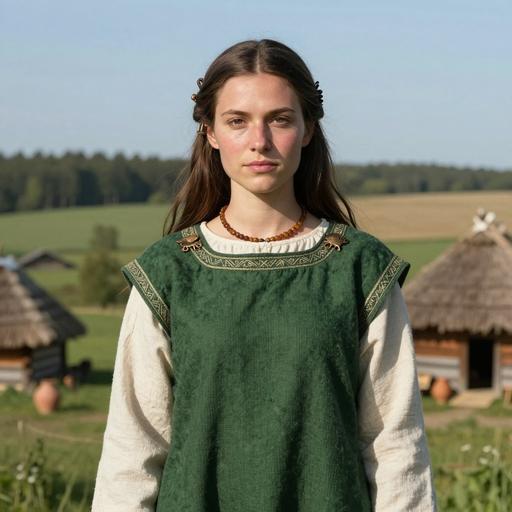
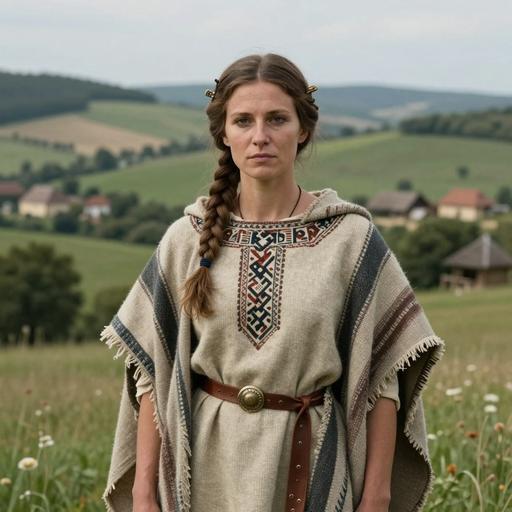
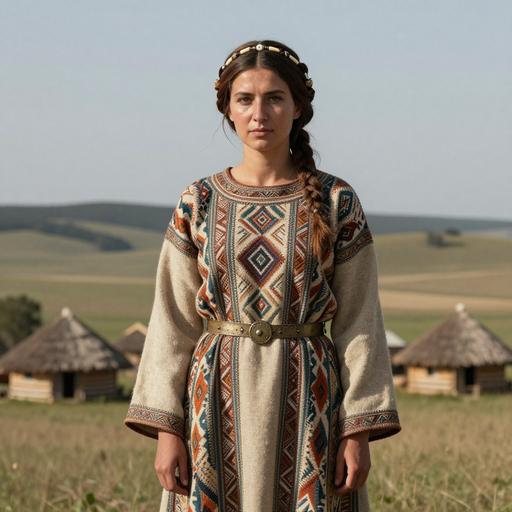
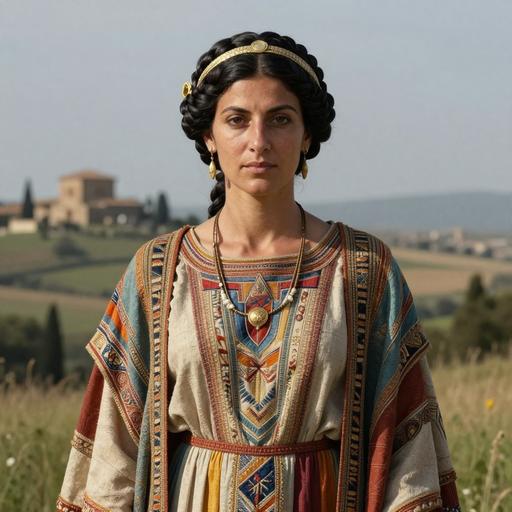
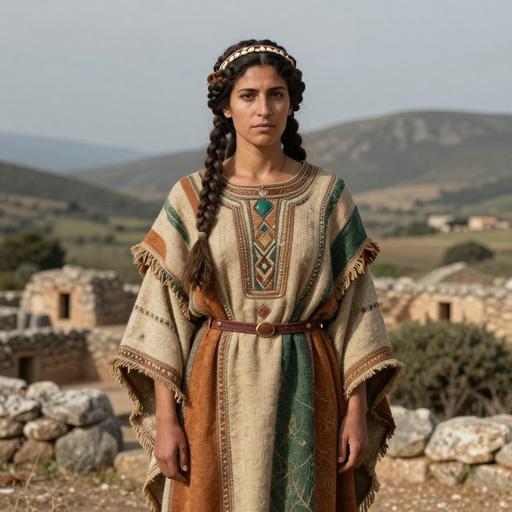
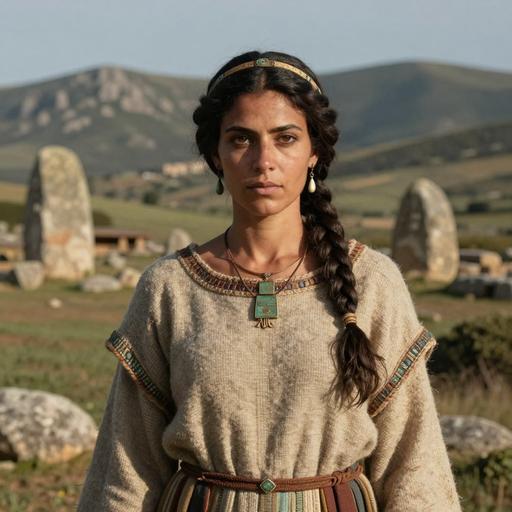
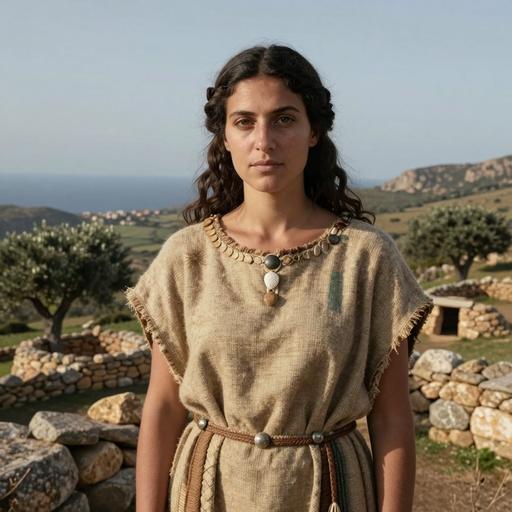
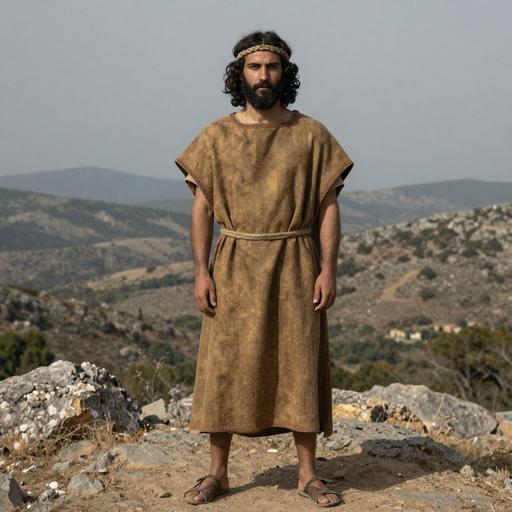
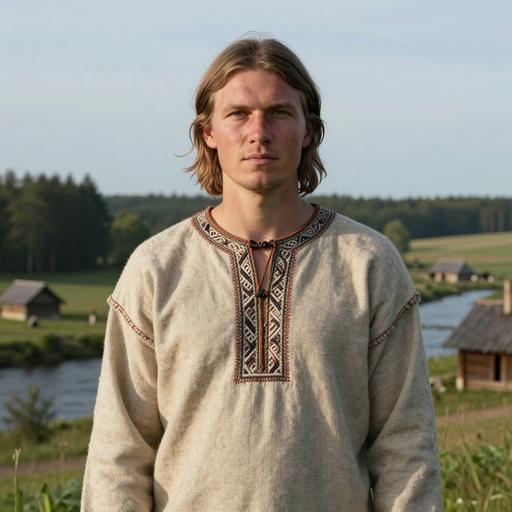
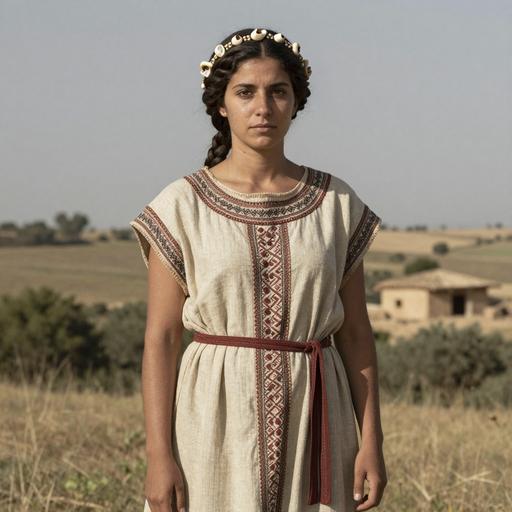
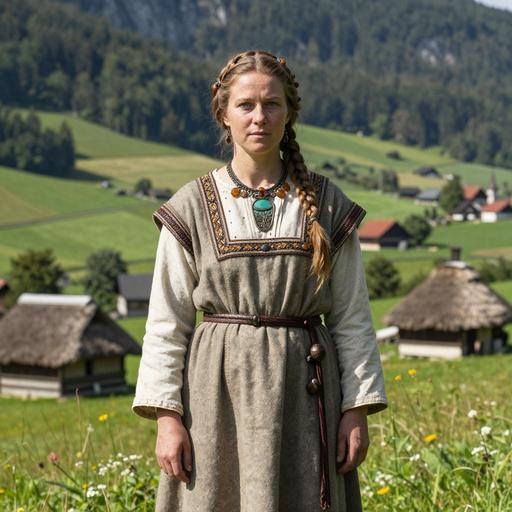
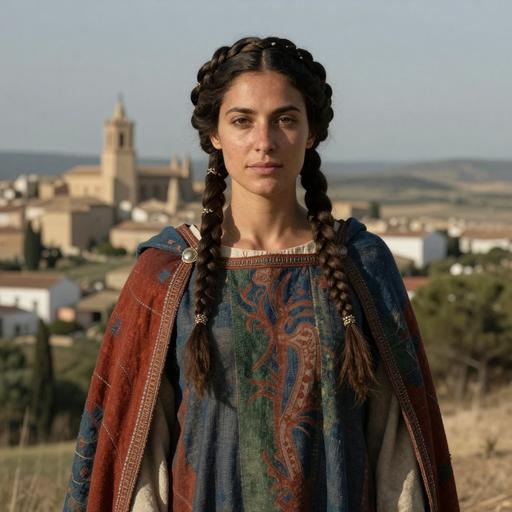
Os retratos são ilustrações geradas com IA. As etiquetas de amostra e os identificadores de acesso identificam os registros de referência.
Retrato
Mostrar
País
Época
Data
Cultura
mtDNA
Corresponder
Identificador de amostra: PCA0089
Poland
Wielbark Culture
132-262 calCE
Wielbark
J1c3
Direct
Identificador de amostra: I18491
Hungary
The La Tene Culture in Hungary
350-250 BCE
La Tene Culture
J1c3
Direct
Identificador de amostra: A181024
Hungary
Early Hun Period Sarmatian Transtisza, Hungary
350-450 CE
Sarmatian Culture
J1c3
Direct
Identificador de amostra: TAQ019
Italy
Etruscan Italy
358-56 calBCE (2160±34 BP, MAMS-40630)
Etruscan
J1c3
Direct
Identificador de amostra: VET006_9
Italy
Etruscan Grosseto, Italy
361-175 calBCE (2197±20 BP, MAMS-42833)
Etruscan
J1c3
Direct
Identificador de amostra: I11156
United Kingdom
England MIA
382-200 calBCE (2223±26 BP, BRAMS-1695)
Middle Iron Age British
J1c3
Direct
Identificador de amostra: MDM002
Netherlands
Saxon Medieval Friesland, Netherlands
420-565 calCE
Saxon Culture
J1c3
Direct
Identificador de amostra: I20982
United Kingdom
Middle to Late Iron Age England
450-1 BCE
Late Iron Age British
J1c3
Direct
Identificador de amostra: I14534
United Kingdom
England EarlyMedieval
500-700 CE
Anglo-Saxon
J1c3
Direct
Identificador de amostra: VEN012
Italy
Basilicata Venosa Culture
600-800 CE
Venosa
J1c3
Direct
Identificador de amostra: I16753
Hungary
Late Avar Period in the Northern Hungary Mountains
Iron Age II Occitanie, France - France - Occitanie (South). Sigean. Pech Maho
France France Occitanie IA2 600-300 BCE
J1c3jSubclado
Identificador de amostra: MGS317
MGS317
Austria Austria Avar 650-800 CE
J1c3gSubclado
Identificador de amostra: KIL024
Anglo-Saxon Early Medieval Kilteasheen, Ireland - Ireland - Roscommon. Kilteasheen
Ireland Anglo-Saxon Early Medieval Kilteasheen, Ireland 700-1300 CE
J1c3fSubclado
MATERNAL LINHAGEM · DNA ANTIGO
Mapa de testes de linhagems antigos
Siga os clados superiores até este ramo e explora onde se encontraram portadores antigos.
A carregar as observações antigas...
A redução do movimento está activada. Use a cronologia ou Mostrar tudo para explorar o seu ritmo.
Ler as observações numa tabela
Observações antigas visíveis por ramo, período e ponto médio da data
Ramada
Período
Intervalo de datas
Mostrar
Identificador de amostra
Localização
Haplogrupo
Relação
Os marcadores são locais de achados arqueológicos. Uma linha de descontínua representa uma transição geográfica proposta e incerta entre ramos consecutivos, apoiada em várias observações fechadas; não é uma rota de viagem exata, um local de nascimento ou um teste de descendência direta. As amostras do clado parental podem pertencer a outros ramos descendentes. As datas das amostras são distintas das datas de formação dos haplogrupos são mantidas.
O agrupamento por período histórico reflete quando viveu cada indivíduo antigo e combina todos os ramos desta cadeia de linhagems; não é uma sequência migratória nem uma cronologia pessoal entre períodos.
Perfil de Referência
Mapa de distribuição de portadores
Distribuição geográfica das amostras de DNA antigo (100), portadores directos ou de subclasses de J1C3
Portador directo Portador de um subclasse
Filtro de Período Temporária
Todos os períodos
Mostrar todas as amostras
Perfil de Referência
Distribuição temporária
Distribuição de portadores por períodos arqueológicos
Perfil de Referência
Distribuição geográfica
Recuentos por país registrado das amostras. Reflejam a seleção de referência disponível, não frequências de população.
Perfil de Referência
Distribuição por país e época
Compare as contagens de amostras registadas por países e períodos arqueológicos. Selecione uma célula com dados para examinar uma amostra.
Dados
Dados e proveniência
Informações sobre fontes e qualidade dos dados
Última actualização2026-02-16
Pontuação de confiança50/100
CoberturaLow
Fonte de Dados
A classificação, as datas estimadas e o contexto geográfico refletem os dados de referência registrados e podem mudar ao revisar os testes. A cobertura de amostras é desigual; os locais registrados e as associações arqueológicas não estabelecem a origem pessoal nem a identidade cultural.