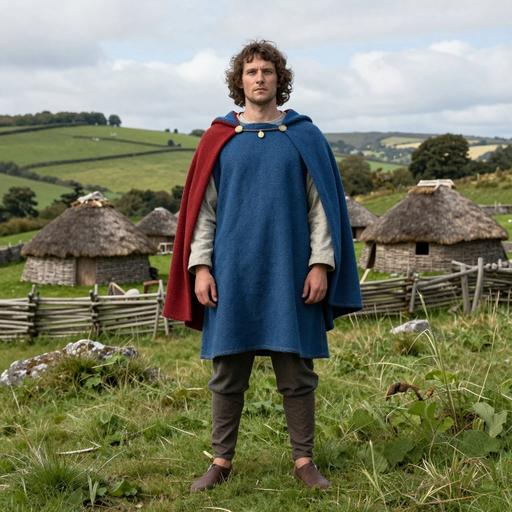
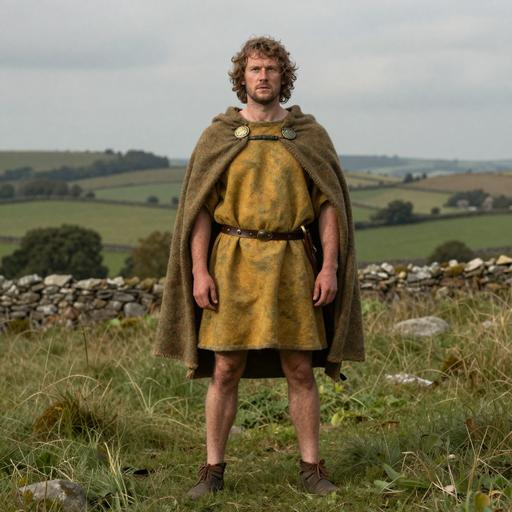
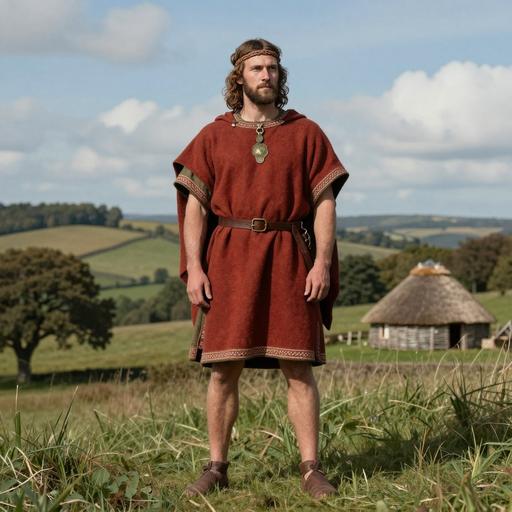
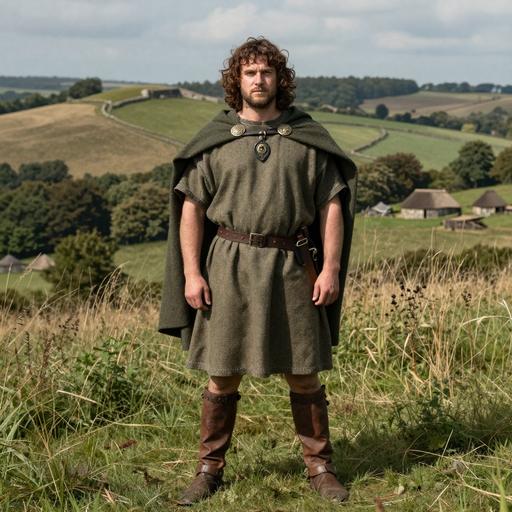
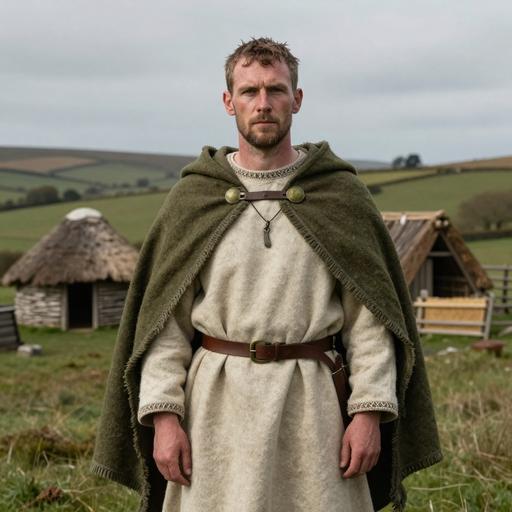
Um perfil de referência de um ramo de linhagem. Compartilhar haplogrupos não demonstra uma relação familiar ou uma identidade cultural.
Perfil de Referência
Contexto do ramo
Contexto histórico de la rama de linaje Y-DNA R1B1A1B1A1A2C1
Origins and Evolution
Y-DNA haplogroup R1b1a1b1a1a2c1 is a subclade of R1b, one of the most widespread paternal lineages in western Eurasia. As a downstream branch of a rare intermediate clade, it likely represents an ancient lineage that diversified in West Eurasia during the late Upper Paleolithic or early Holocene, with its deeper ancestry tied to the broader expansion history of R1b after the Last Glacial Maximum.
Because it is so deeply nested within R1b, this haplogroup is best understood as a surviving minor branch rather than a lineage that rose to high frequency on its own. Its presence across geographically separated regions suggests either very old regional persistence or later dispersals along prehistoric contact networks linking Atlantic Europe, the Mediterranean, and parts of West Asia.
Subclades
As an intermediate-to-downstream clade, R1b1a1b1a1a2c1 may have further private or rare branches not yet fully resolved in public datasets. In phylogenetic terms, such lineages often remain under-sampled, so their internal structure can change as more high-resolution Y-chromosome sequencing becomes available.
Geographical Distribution
This haplogroup appears at low frequency across a broad but discontinuous zone of western Eurasia. Reported or inferred presence includes:
Atlantic Europe, especially the British Isles, Ireland, France, Iberia, and the Low Countries
Southern Europe, including Italy and the Balkans
West Asia, including the Caucasus and Anatolia
The Levant and North Africa, likely reflecting ancient maritime or overland connectivity
Some Central Asian or steppe-adjacent populations, probably due to prehistoric gene flow and long-distance paternal exchange
Its patchy distribution is consistent with a lineage that has survived through genetic drift, founder effects, and localized continuity rather than broad demographic dominance.
Historical and Cultural Significance
Although no single archaeological culture can be uniquely assigned to this haplogroup, its broader R1b background makes it relevant to several major prehistoric processes:
Post-glacial recolonization of western Eurasia
Neolithic and Chalcolithic population interactions between Europe and West Asia
Bronze Age mobility, especially networks associated with steppe-related and western European ancestry shifts
Atlantic and Mediterranean exchange systems, which could explain its scattered modern distribution
Because this clade is rare, it may also be informative for genealogical continuity in specific families or small local populations, where it can persist as a marker of deep paternal descent.
Conclusion
R1b1a1b1a1a2c1 is a rare and geographically dispersed West Eurasian paternal lineage within the R1b tree. Its low frequency and broad distribution suggest an old origin followed by long-term survival in multiple regions, making it a potentially valuable marker for tracing deep paternal ancestry and prehistoric population structure.
Pontos- Chave
Origins and Evolution
Subclades
Geographical Distribution
Historical and Cultural Significance
Conclusion
Perfil de Referência
Árvore e relações
Contexto filogenético e subclasse
Trajectória evolutiva
Sigue las ramas superiores registradas hasta R1B1A1B1A1A2C1. Las fechas son estimaciones y pueden cambiar al revisarse los datos de referencia.
The populations where Y-DNA haplogroup R1b1a1b1a1a2c1 is found include:
Irish and British populations
French, Iberian, and Low Countries populations
Italian and Balkan populations
Caucasus and Anatolian populations
Levantine and North African populations
Some Central Asian and steppe-related populations
Presença regional
Western EuropeHigh
Northern EuropeModerate
Southwestern EuropeLow
North AfricaLow
Western Asia / Near EastLow
North America (diaspora)Low
Oceania (diaspora)Low
Southern EuropeLow
Central AsiaLow
Contexto Histórico
Uma ramificação através do tempo
Formação estimada em uma cronologia histórica ampla. Os marcadores temporais contribuem contexto e não implicam relação com culturas concretas.
~20k años de antigüedad
Último máximo glacial
Máxima extensão da última glaciação e isolamento de populações
~14k años de antigüedad
Haplogrupo R1B1A1B1A1A2C1
Formação estimada deste ramo Y-DNA; as datas e localizações são estimativas de referência.
Este ramo
~10k años de antigüedad
Revolução neolítica
Início da agricultura e formação de comunidades sedentárias
~5k años de antigüedad
Idade do Bronze
Metalurgia, escrita e primeiras civilizações
~3k años de antigüedad
Idade do Ferro
Ferramentas de ferro e ampliação de redes comerciais
~2.5k años de antigüedad
Antiguidades clássicas
Desenvolvimento das civilizações grega e romana
Actualidad
Actualidad
Idade moderna
Perfil de Referência
Contexto arqueológico
Asociaciones arqueológicas registradas para la rama Y-DNA R1B1A1B1A1A2C1
Associações registradas
Esses rótulos descrevem os contextos arqueológicos registrados para as amostras de referência vinculadas a R1B1A1B1A1A2C1. Uma associação não demonstra que todos os portadores pertenceram a uma cultura ou seguiram uma rota migratória específica.
ANATOLIAN_BRONZE_AGEBell BeakerBritish ChalcolithicBritish NeolithicEngland_BellBeaker-ohighEEFScottish Bronze Age
As atribuições culturais baseiam-se no contexto arqueológico das amostras de DNA antigo e podem representar associações regionais de períodos concretos.
Perfil de Referência
Catálogo de amostras
58 portadores directos y 42 portadores de subclados del haplogrupo R1B1A1B1A1A2C1
10 mostradas 50 amostras correspondentes
Nenhuma amostra coincide com estes filtros. Teste outra marca, localização ou período.
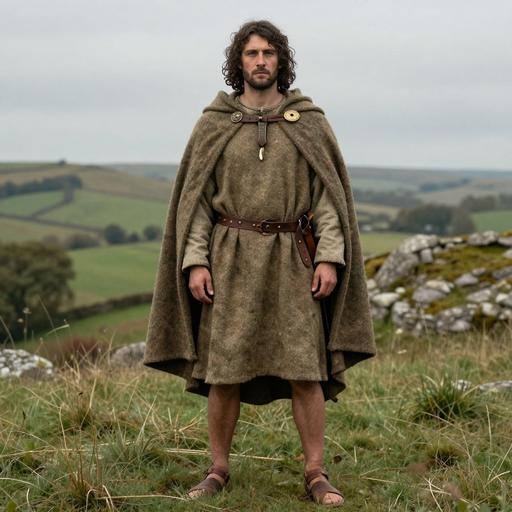
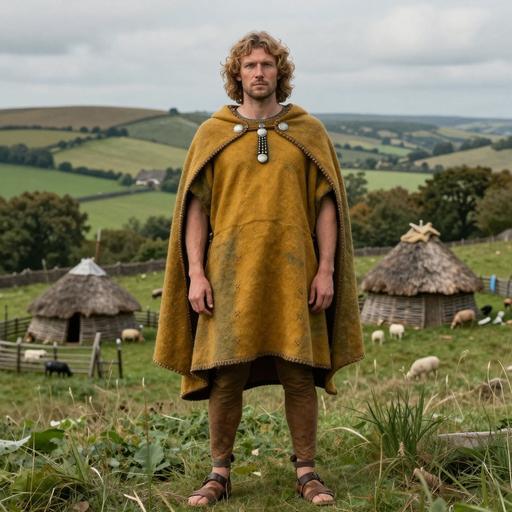
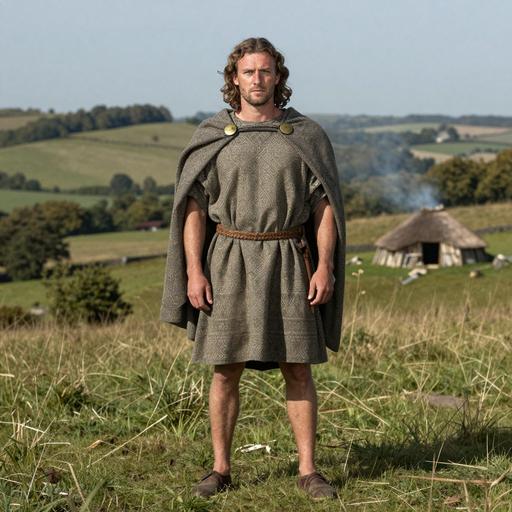
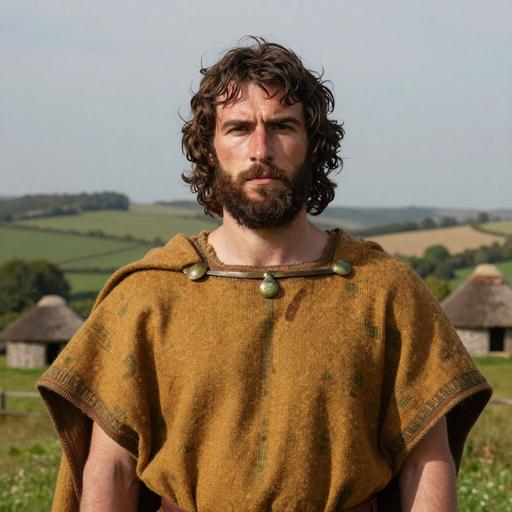
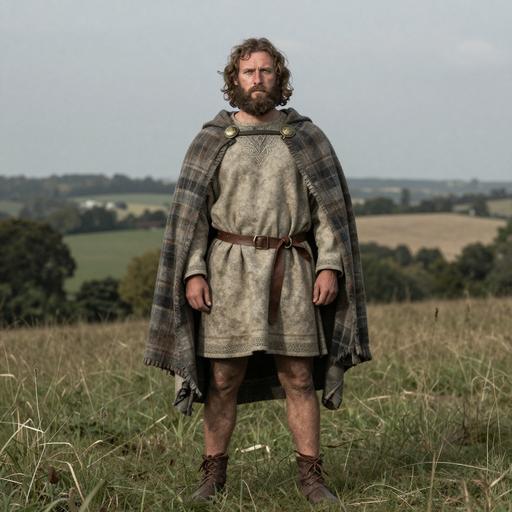
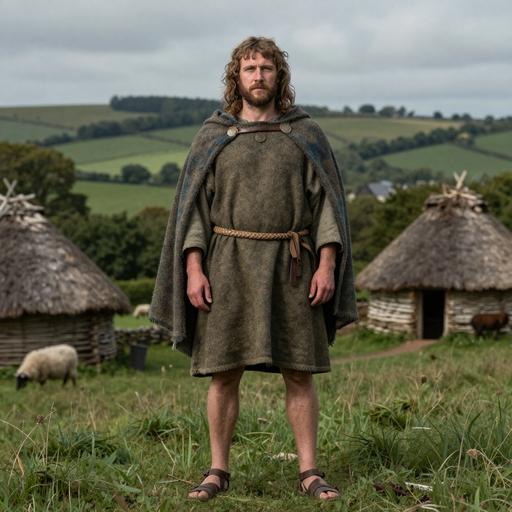
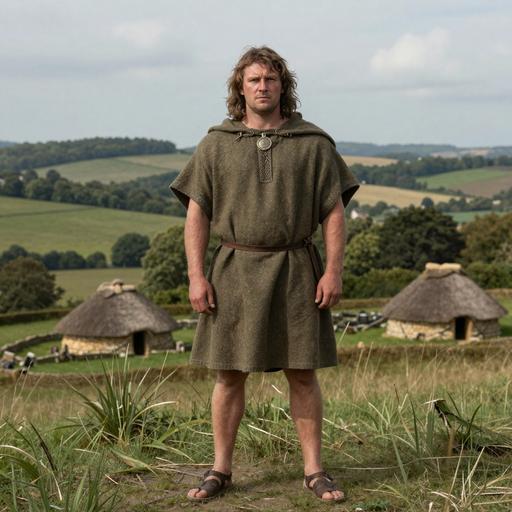
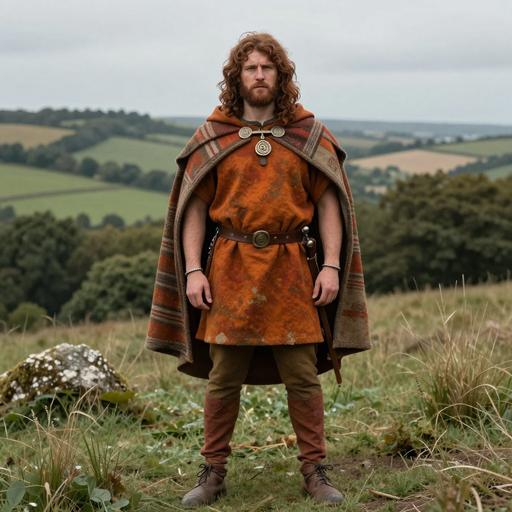
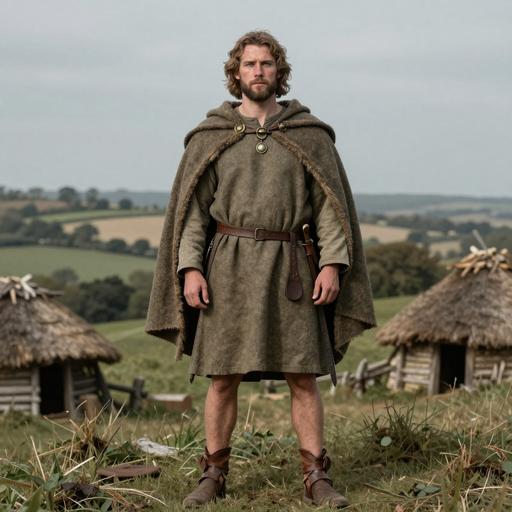
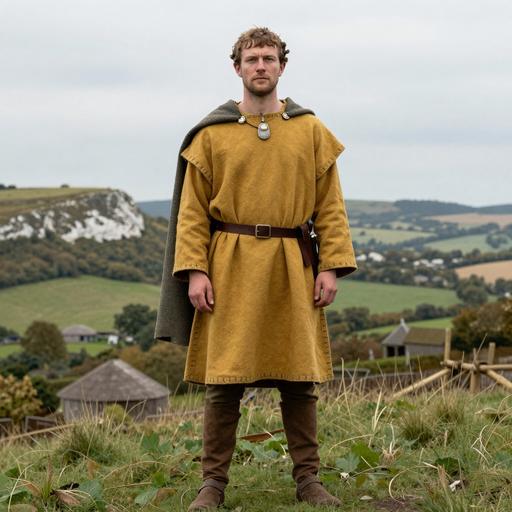
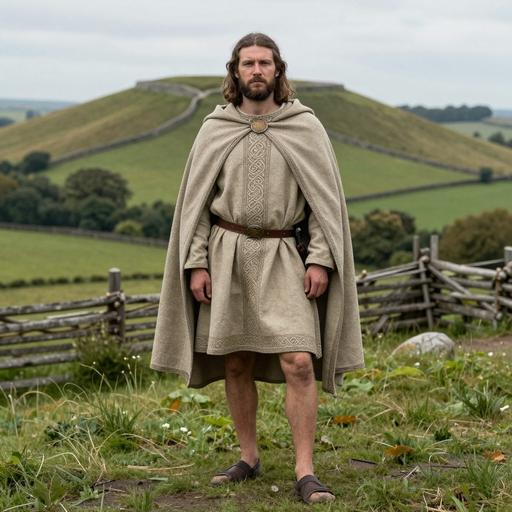
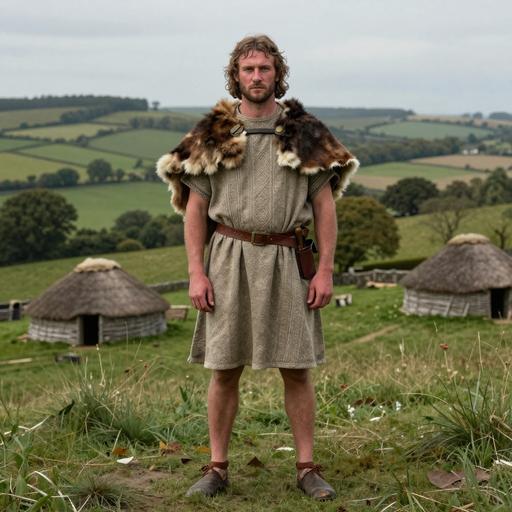
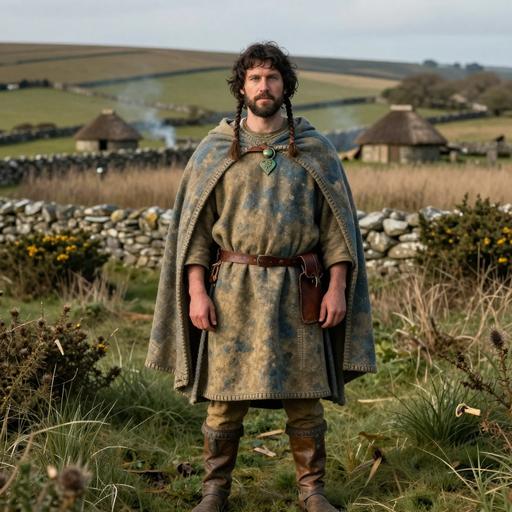
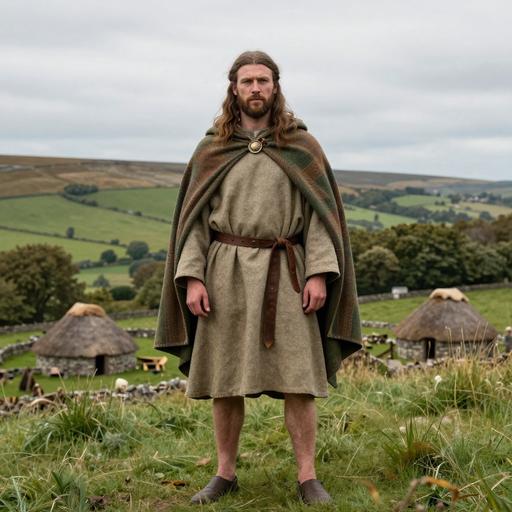
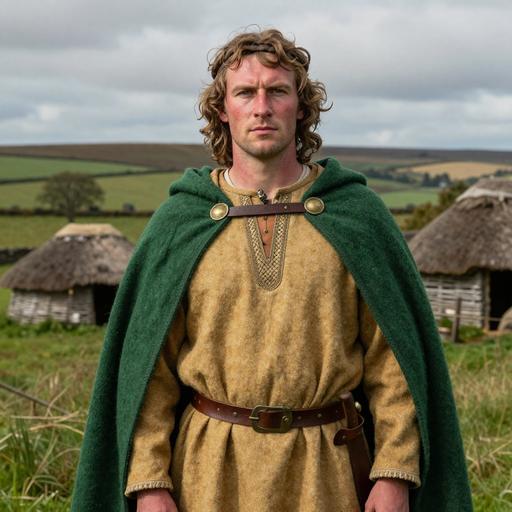
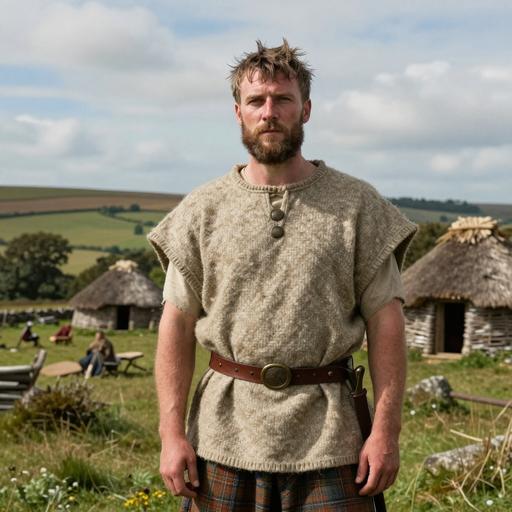
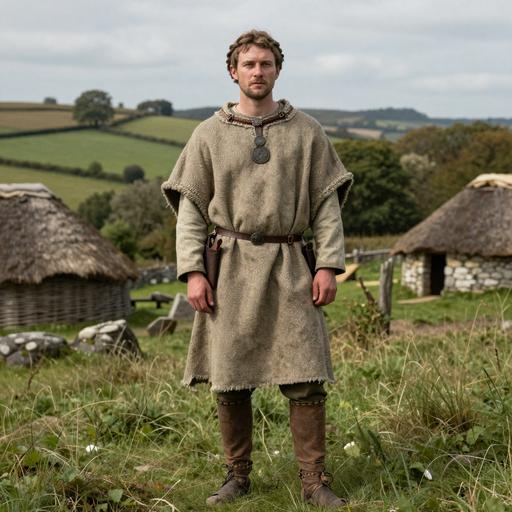
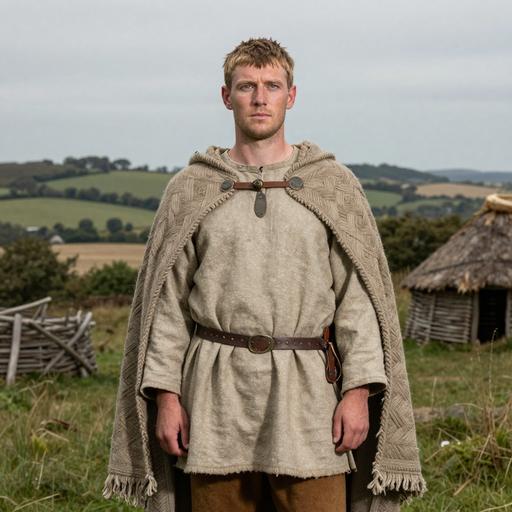
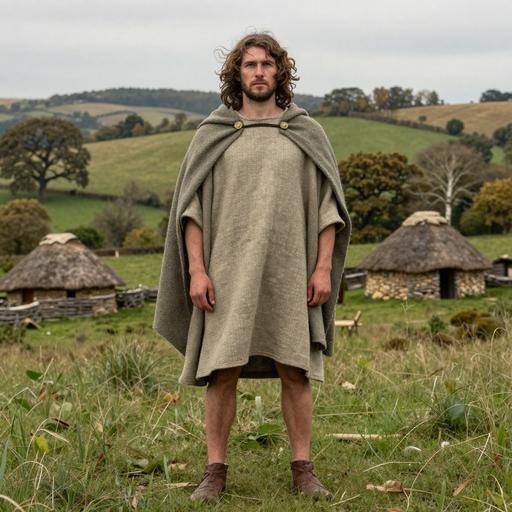
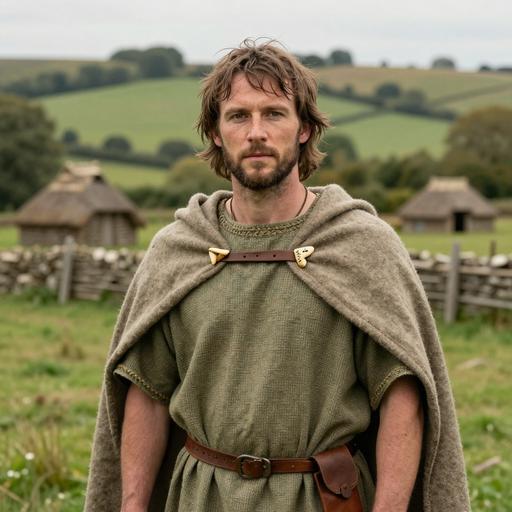
Os retratos são ilustrações geradas com IA. As etiquetas de amostra e os identificadores de acesso identificam os registros de referência.
Iron Age Scotland - United Kingdom - Scotland. East Lothian. Broxmouth
United Kingdom Scotland IA 42 calBCE - 116 calCE (1983±24 BP, SUERC-97411)
R1b1a1b1a1a2c1Direct
Identificador de amostra: I27385
Late Iron Age Scotland - United Kingdom - Scotland. West Lothian. House of Binns
United Kingdom Scotland LIA 43 calBCE - 117 calCE (1984±28 BP, SUERC-50519)
R1b1a1b1a1a2c1Direct
Identificador de amostra: I21302
Late Iron Age England - United Kingdom - England. South Somerset. South Cadbury
United Kingdom England LIA 46 calBCE - 117 calCE (1989±30 BP, SUERC-94994)
R1b1a1b1a1a2c1Direct
Identificador de amostra: I22062
Late Iron Age East Yorkshire, England - United Kingdom - England. East Riding of Yorkshire. Thornholme. Town Pasture
United Kingdom Late Iron Age East Yorkshire, England 50 calBCE - 116 calCE (1997±31 BP, SUERC-52038)
R1b1a1b1a1a2c1Direct
Identificador de amostra: VK203
The Viking Age in Scotland - United Kingdom - Scotland. Orkney. Brough Road Birsay
United Kingdom Scotland Viking 54 CE - 668 CE
R1b1a1b1a1a2c1Direct
Identificador de amostra: I27384
Late Iron Age Scotland - United Kingdom - Scotland. West Lothian. House of Binns
United Kingdom Scotland LIA 90 calBCE - 110 calCE (2010±30 BP, SUERC-50518)
R1b1a1b1a1a2c1Direct
Identificador de amostra: I14096
Late Iron Age England - United Kingdom - England. North Yorkshire. Scorton Quarry
United Kingdom England LIA 101 calBCE - 59 calCE (2035±22 BP) [R_combine: (2056±30 BP, SUERC-95019), (2013±31 BP, SUERC-52144)]
R1b1a1b1a1a2c1Direct
Identificador de amostra: I0156
Iron Age to Early Roman England - United Kingdom - England. South Cambridgeshire. East Anglia. Hinxton
United Kingdom Iron Age to Early Roman England 149 calBCE - 60 calCE (2039±27 BP, OxA-29573)
R1b1a1b1a1a2c1Direct
Identificador de amostra: I11145
Late Iron Age England - United Kingdom - England. Somerset. North Perrott. North Perrott Manor
United Kingdom England LIA 166 calBCE - 14 calCE (2064±30 BP, SUERC-94969)
R1b1a1b1a1a2c1Direct
Identificador de amostra: I3566
Late Iron Age Scotland - United Kingdom - Scotland. Highland. Applecross
United Kingdom Scotland LIA 170 BCE - 10 BCE
R1b1a1b1a1a2c1Direct
Identificador de amostra: I3567
Late Iron Age Scotland - United Kingdom - Scotland. Highland. Applecross
United Kingdom Scotland LIA 173 BCE - 8 BCE
R1b1a1b1a1a2c1Direct
Identificador de amostra: I27379
Late Iron Age England - United Kingdom - England. Sussex. North Bersted
United Kingdom England LIA 174-51 calBCE (2109±17 BP, SUERC-80747)
R1b1a1b1a1a2c1Direct
Identificador de amostra: I11992
Middle to Late Iron Age England - United Kingdom - England. Somerset. Worlebury
United Kingdom Middle to Late Iron Age England 343-50 calBCE (2122±30 BP, SUERC-94963)
R1b1a1b1a1a2c1Direct
Identificador de amostra: I21312
Middle to Late Iron Age England - United Kingdom - England. Wiltshire. Casterley Camp
United Kingdom Middle to Late Iron Age England 343-51 calBCE (2124±27 BP, SUERC-97418)
R1b1a1b1a1a2c1Direct
Identificador de amostra: I11991
Middle to Late Iron Age England - United Kingdom - England. Somerset. Worlebury
United Kingdom Middle to Late Iron Age England 349-50 calBCE (2133±30 BP, SUERC-94962)
R1b1a1b1a1a2c1Direct
Identificador de amostra: I14353
Middle to Late Iron Age England - United Kingdom - England. West Yorkshire. Wattle Syke
United Kingdom Middle to Late Iron Age England 349-51 calBCE (2135±30 BP, SUERC-27295)
R1b1a1b1a1a2c1Direct
Identificador de amostra: I13726
Middle to Late Iron Age England - United Kingdom - England. Somerset. Worlebury
United Kingdom Middle to Late Iron Age England 351-52 calBCE (2141±30 BP, SUERC-94964)
R1b1a1b1a1a2c1Direct
Identificador de amostra: I21309
Middle to Late Iron Age England - United Kingdom - England. Wiltshire. Battlesbury Bowl
United Kingdom Middle to Late Iron Age England 354-57 calBCE (2154±27 BP, SUERC-97431)
R1b1a1b1a1a2c1Direct
Identificador de amostra: I21308
Middle to Late Iron Age England - United Kingdom - England. Wiltshire. Battlesbury Bowl
United Kingdom Middle to Late Iron Age England 356 calBCE - 110 calCE (2083±70 BP, NZA-13631)
R1b1a1b1a1a2c1Direct
Identificador de amostra: I2695
Middle to Late Iron Age Scotland - United Kingdom - Scotland. East Lothian. Broxmouth
United Kingdom Middle to Late Iron Age Scotland 364-121 calBCE (2180±30 BP, SUERC-21990)
R1b1a1b1a1a2c1Direct
Identificador de amostra: I14803
Middle Iron Age England - United Kingdom - England. Oxfordshire. Thame
United Kingdom England MIA 370-175 calBCE (2204±30 BP, SUERC-95011)
R1b1a1b1a1a2c1Direct
Identificador de amostra: I17261
Middle Iron Age England - United Kingdom - England. Hampshire. Middle Wallop. Suddern Farm
United Kingdom England MIA 400-150 BCE
R1b1a1b1a1a2c1Direct
Identificador de amostra: I17016
Middle Iron Age England - United Kingdom - England. Somerset. Christon. Dibbles Farm
United Kingdom England MIA 377-178 calBCE (2210±30 BP, SUERC-94984)
R1b1a1b1a1a2c1Direct
Identificador de amostra: I11151
Middle Iron Age England - United Kingdom - England. Bedfordshire. Broom Quarry
United Kingdom England MIA 379-197 calBCE (2214±27 BP, SUERC-97413)
R1b1a1b1a1a2c1Direct
Identificador de amostra: I11150
Middle Iron Age England - United Kingdom - England. Bedfordshire. Broom Quarry
United Kingdom England MIA 381-197 calBCE (2215±28 BP, SUERC-86441)
R1b1a1b1a1a2c1Direct
Identificador de amostra: I17014
Middle Iron Age England - United Kingdom - England. Somerset. Christon. Dibbles Farm
United Kingdom England MIA 381-179 calBCE (2213±30 BP, SUERC-94982)
R1b1a1b1a1a2c1Direct
Identificador de amostra: I19044
Middle Iron Age England - United Kingdom - England. Cambridgeshire. Marshall's Jaguar Land Rover New Showroom (JLU15)
United Kingdom England MIA 381-199 calBCE (2221±25 BP, SUERC-97424)
R1b1a1b1a1a2c1Direct
Identificador de amostra: I19909
Middle Iron Age England - United Kingdom - England. Kent. East Kent Access Road
United Kingdom England MIA 381-197 calBCE (2215±30 BP, SUERC-40288)
R1b1a1b1a1a2c1Direct
Identificador de amostra: I14800
Middle Iron Age England - United Kingdom - England. Oxfordshire. Thame
United Kingdom England MIA 382-197 calBCE (2216±30 BP, SUERC-95009)
R1b1a1b1a1a2c1Direct
Identificador de amostra: I14380
Middle Iron Age England - United Kingdom - England. Kent. Cliffs End Farm
United Kingdom England MIA 387-203 calBCE (2237±28 BP, OxA-17802)
R1b1a1b1a1a2c1Direct
Identificador de amostra: I19656
Middle Iron Age England - United Kingdom - England. Somerset. Ham Hill
United Kingdom England MIA 387-198 calBCE (2226±30 BP, SUERC-73828)
R1b1a1b1a1a2c1Direct
Identificador de amostra: I20583
Middle Iron Age England - United Kingdom - England. Oxfordshire. Stanton Harcourt. Gravelly Guy
United Kingdom England MIA 387-201 calBCE (2231±30 BP, SUERC-95004)
R1b1a1b1a1a2c1Direct
Identificador de amostra: I20587
Middle Iron Age England - United Kingdom - England. Oxfordshire. Yarnton
United Kingdom England MIA 389-208 calBCE (2250±21 BP, UB-3776)
R1b1a1b1a1a2c1Direct
Identificador de amostra: I13731
Middle Iron Age England - United Kingdom - England. Kent. East Kent Access Road
United Kingdom England MIA 393-206 calBCE (2255±30 BP, SUERC-40302)
R1b1a1b1a1a2c1Direct
Identificador de amostra: I21180
Middle Iron Age England - United Kingdom - England. Oxfordshire. Yarnton
United Kingdom England MIA 396-209 calBCE (2268±20 BP, UB-3922)
R1b1a1b1a1a2c1Direct
Identificador de amostra: I16405
Middle Iron Age Wales - United Kingdom - Wales. Glamorgan. RAF St Athan
United Kingdom Wales MIA 397-205 calBCE (2263±35 BP, Wk-15365)
R1b1a1b1a1a2c1Direct
Identificador de amostra: I13760
East Yorkshire Iron Age - United Kingdom - England. East Riding of Yorkshire. Pocklington (Burnby Lane)
United Kingdom East Yorkshire Iron Age 400-50 BCE
R1b1a1b1a1a2c1Direct
Identificador de amostra: I14102
East Yorkshire Iron Age - United Kingdom - England. East Riding of Yorkshire. Pocklington (Burnby Lane)
United Kingdom East Yorkshire Iron Age 400-50 BCE
R1b1a1b1a1a2c1Direct
Identificador de amostra: I14104
East Yorkshire Iron Age - United Kingdom - England. East Riding of Yorkshire. Pocklington (Burnby Lane)
United Kingdom East Yorkshire Iron Age 400-50 BCE
R1b1a1b1a1a2c1Direct
Identificador de amostra: I5505
East Yorkshire Iron Age - United Kingdom - England. East Riding of Yorkshire. Pocklington (Burnby Lane)
United Kingdom East Yorkshire Iron Age 389-203 calBCE (2239±29 BP, SUERC-96434)
R1b1a1b1a1a2c1Direct
Identificador de amostra: I5508
East Yorkshire Iron Age - United Kingdom - England. East Riding of Yorkshire. Pocklington (Burnby Lane)
United Kingdom East Yorkshire Iron Age 250-1 BCE
R1b1a1b1a1a2c1Direct
Identificador de amostra: I13615
Middle Iron Age England - United Kingdom - England. Kent. East Kent Access Road
United Kingdom England MIA 388-206 calBCE (2243±25 BP, SUERC-132755)
R1b1a1b1a1a2c1Direct
Identificador de amostra: I19211
Middle Iron Age England - United Kingdom - England. Oxfordshire. Yarnton
United Kingdom England MIA 400-200 BCE
R1b1a1b1a1a2c1Direct
Identificador de amostra: I19911
Middle Iron Age England - United Kingdom - England. Kent. East Kent Access Road
United Kingdom England MIA 400-200 BCE
R1b1a1b1a1a2c1Direct
Identificador de amostra: I20586
Middle Iron Age England - United Kingdom - England. Oxfordshire. Yarnton
United Kingdom England MIA 400-200 BCE
R1b1a1b1a1a2c1Direct
Identificador de amostra: I21182
Middle Iron Age England - United Kingdom - England. Oxfordshire. Yarnton
United Kingdom England MIA 400-200 BCE
R1b1a1b1a1a2c1Direct
Identificador de amostra: I12793
Middle to Late Iron Age England - United Kingdom - England. Cornwall. Newquay. Tregunnel
United Kingdom Middle to Late Iron Age England 400-100 BCE
R1b1a1b1a1a2c1Direct
Identificador de amostra: I12926
Middle to Late Iron Age England - United Kingdom - England. Gloucestershire. Fairford. Saxon Way
United Kingdom Middle to Late Iron Age England 400-100 BCE
R1b1a1b1a1a2c1Direct
Identificador de amostra: I19855
Middle to Late Iron Age England - United Kingdom - England. Somerset. Ham Hill
United Kingdom Middle to Late Iron Age England 400-100 BCE
R1b1a1b1a1a2c1Direct
Identificador de amostra: I14100
Middle Iron Age East Yorkshire, England - United Kingdom - England. East Riding of Yorkshire. Pocklington (Burnby Lane)
United Kingdom England EastYorkshire MIA 409-229 calBCE (2302±29 BP, SUERC-78040)
R1b1a1b1a1a2c1Direct
PATERNAL LINHAGEM · DNA ANTIGO
Mapa de testes de linhagems antigos
Siga os clados superiores até este ramo e explora onde se encontraram portadores antigos.
A carregar as observações antigas...
A redução do movimento está activada. Use a cronologia ou Mostrar tudo para explorar o seu ritmo.
Ler as observações numa tabela
Observações antigas visíveis por ramo, período e ponto médio da data
Ramada
Período
Intervalo de datas
Mostrar
Identificador de amostra
Localização
Haplogrupo
Relação
Os marcadores são locais de achados arqueológicos. Uma linha de descontínua representa uma transição geográfica proposta e incerta entre ramos consecutivos, apoiada em várias observações fechadas; não é uma rota de viagem exata, um local de nascimento ou um teste de descendência direta. As amostras do clado parental podem pertencer a outros ramos descendentes. As datas das amostras são distintas das datas de formação dos haplogrupos são mantidas.
O agrupamento por período histórico reflete quando viveu cada indivíduo antigo e combina todos os ramos desta cadeia de linhagems; não é uma sequência migratória nem uma cronologia pessoal entre períodos.
Perfil de Referência
Mapa de distribuição de portadores
Distribuição geográfica das amostras de DNA antigo (100), portadores directos ou de subclasses de R1B1A1B1A1A2C1
Portador directo Portador de um subclasse
Filtro de Período Temporária
Todos os períodos
Mostrar todas as amostras
Perfil de Referência
Distribuição temporária
Distribuição de portadores por períodos arqueológicos
Perfil de Referência
Distribuição geográfica
Recuentos por país registrado das amostras. Reflejam a seleção de referência disponível, não frequências de população.
Perfil de Referência
Distribuição por país e época
Compare as contagens de amostras registadas por países e períodos arqueológicos. Selecione uma célula com dados para examinar uma amostra.
Dados
Dados e proveniência
Informações sobre fontes e qualidade dos dados
Última actualização2026-06-17
Pontuação de confiança50/100
CoberturaLow
Fonte de Dados
A classificação, as datas estimadas e o contexto geográfico refletem os dados de referência registrados e podem mudar ao revisar os testes. A cobertura de amostras é desigual; os locais registrados e as associações arqueológicas não estabelecem a origem pessoal nem a identidade cultural.