A preparar o relatório

A carregar as informações e as referências disponíveis

Consultando el registro arqueológico...

Recopilando registros antiguos

Saltar para o conteúdo principal
Early San Nicolas Islanders
Cultura de destaque

Early San Nicolas Islanders

Maritime foragers of San Nicolas Island (3650–2200 BCE) with distinctive coastal DNA signals

3650 CE - 2200 BCE
San Nicolas Island, California, USA
Desplázate para começar
Capítulo I

A História

Comprender la cultura Early San Nicolas Islanders

Archaeological and genetic evidence from 19 individuals on San Nicolas Island (3650–2200 BCE) reveals a maritime-adapted population dominated by mtDNA A2c and Y-DNA Q lineages, offering insights into early coastal peopling of southern California.

Time Period

3650–2200 BCE

Region

San Nicolas Island, California, USA

Common Y-DNA

Q (11), P (3), C (1)

Common mtDNA

A2c (15), A2 (4)

Capítulo II

Cronologia

Momentos-chave da história desta cultura

2500 BCE

Sustained island occupation

Archaeological deposits indicate a period of sustained seasonal occupation and maritime subsistence on San Nicolas Island around 2500 BCE.

Capítulo III

Origins & Emergence

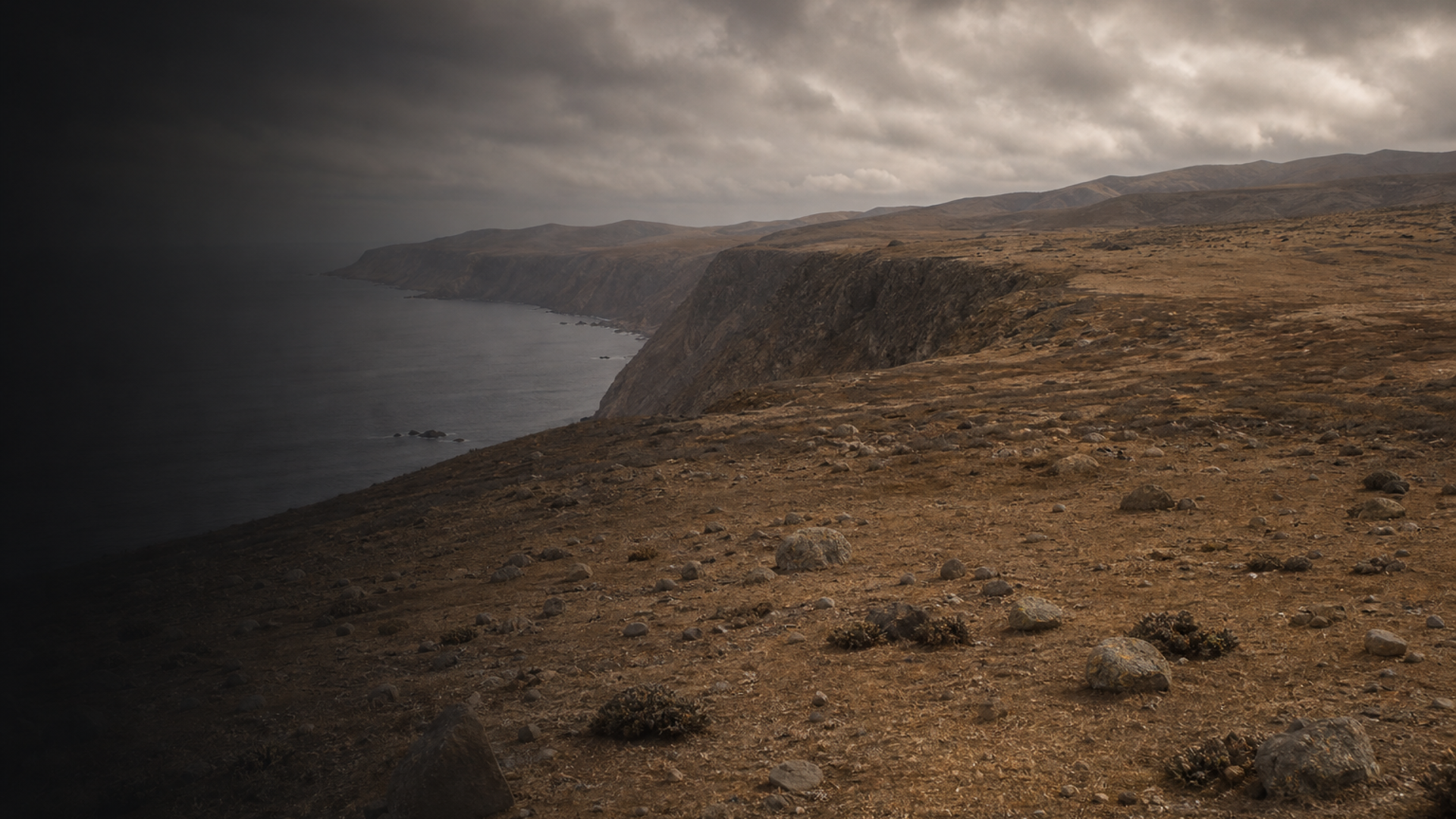
The Early San Nicolas community emerged along the wind-swept shores of San Nicolas Island between roughly 3650 and 2200 BCE. Archaeological data indicates repeated seasonal use of island landscapes: shell middens, isolated hearth features, and burial deposits attest to a long-term maritime focus. The island setting emphasizes seafaring, shoreline foraging, and intimate knowledge of marine resources — fish, shellfish, and sea mammals — rather than agriculture.

Genetically, the assemblage of 19 sampled individuals reveals a tight maternal signature dominated by mtDNA A2c, a lineage known in coastal North America, while Y-DNA is mainly Q with lesser counts of P and C. These patterns are consistent with populations that maintained local continuity on the islands while remaining connected to broader coastal networks.

Limited evidence suggests that population size was small and demographically constrained by island ecology. Archaeological data indicates mobility between islands and the mainland was possible and likely episodic. While the sample of 19 provides a valuable window, geographic concentration on a single island means broader regional generalizations should be made cautiously. Ongoing excavations and comparative sampling from nearby Channel Islands and mainland California are needed to refine models of origin and connections.

  • Occupation dated c. 3650–2200 BCE based on stratified contexts
  • Island economy centered on maritime foraging and seafaring
  • Genetic continuity suggested by dominant mtDNA A2c
Capítulo IV

Daily Life & Society

Life on San Nicolas Island was orchestrated by tide and season. Archaeological remains — dense shell middens, fish bone concentrations, worked stone tools, and probable boat-related artifacts — point to skilled kelp-forest fishing, shellfish gathering, and the hunting of pinnipeds from boats or shoreline ambush. Hearths and ephemeral structures inferred from features suggest seasonal encampments rather than large permanent villages, appropriate for a resource-rich but spatially limited island.

Social organization can be tentatively reconstructed from burial practice and artifact distributions. Burials found in discrete contexts imply care for the dead and possibly small kin groups occupying specific locales. Material culture shows both localized styles and elements that parallel mainland traditions, consistent with intermittent exchange or mobility. Limited evidence leaves open questions about social hierarchy, ritual complexity, and craft specialization; such interpretations remain provisional until larger comparative datasets are available.

Environmental constraints — freshwater availability, storm events, and island size — likely shaped population density, mobility strategies, and social networks with nearby islands and the California coast.

  • Maritime specialization: fishing, shellfish, and marine mammal use
  • Seasonal encampments and small kin-based groups inferred
Capítulo V

Genetic Profile

The DNA dataset from 19 individuals on San Nicolas Island provides a clear but locally focused genetic portrait. Mitochondrial DNA is overwhelmingly A2c (15/19) with the remaining four as A2 — maternal lineages associated with Indigenous peoples of the North American west coast. On the paternal side, Y-DNA is dominated by haplogroup Q (11 individuals), with smaller counts of P (3) and C (1). These results indicate strong maternal continuity and a predominance of Q-related paternal ancestry typical of many Native American contexts.

The heavy presence of A2c suggests either a founder effect, prolonged island isolation, or both. This mitochondrial homogeneity can occur when small island populations persist over multiple generations with limited incoming maternal lineages. Y-DNA diversity, while still mainly Q, shows some variation that could reflect male-mediated gene flow from neighboring islands or the mainland. Archaeogenetic comparisons with other Channel Islands and southern California mainland samples are necessary to determine whether the San Nicolas pattern is island-specific or part of a wider coastal demographic signal.

Because the dataset is geographically concentrated, conclusions about broader migration routes or timing should be cautious. Nonetheless, the genetic evidence meshes with the archaeological picture of enduring coastal forager communities with ties across the southern California seascape.

  • mtDNA overwhelmingly A2c (15/19) indicating strong maternal continuity
  • Y-DNA dominated by Q, with some P and C — hinting at limited male-mediated contacts
Capítulo VI

Legacy & Modern Connections

Archaeological and genetic traces from Early San Nicolas Islanders resonate with living Indigenous histories of the southern California coast. The dominance of A2c and presence of Q link these islanders to broader coastal genetic lineages found among Indigenous communities in the region. Such connections underscore long-term human adaptation to marine environments and the persistence of cultural practices shaped by the sea.

Modern descendants and regional Indigenous groups may share ancestral ties with these ancient island populations, but establishing direct lineage requires careful collaboration, ethical consultation, and expanded sampling. Limited geographic scope of current samples means we must treat links as suggestive rather than definitive. Respectful engagement with descendant communities, combined with additional archaeological and genomic work, will help clarify the living legacies of San Nicolas Island’s ancient people.

  • Genetic links to coastal Indigenous lineages in southern California
  • Further study and community collaboration needed to map direct descent
Com IA

Assistente de IA

Haz preguntas sobre la cultura Early San Nicolas Islanders

Assistente de IA por DNAGENICS

Desbloquear esta função
Pregunta sobre la cultura Early San Nicolas Islanders. El asistente con IA puede explicar hallazgos genéticos, contexto histórico, pruebas arqueológicas y conexiones modernas, con sus límites de interpretación.
Exemplo de análise com IA

La cultura Early San Nicolas Islanders representa un capítulo de la historia humana...

A análise genética permite estudar semelhanças com populações anteriores e possíveis adaptações. As amostras de DNA antigo fornecem informações para investigar padrões migratórios e relações entre populações, com limites que dependem do estudo e do contexto arqueológico.

Esta é uma antevisão da análise com IA. Aceder ao assistente completo para explorar informações sobre:

  • Composição e similaridade genética
  • Padrões migratórios e origens
  • Vida cotidiana e práticas culturais
  • Contexto genético moderno

Explore mais culturas antigas

Descubra a história de civilizações de diferentes partes do mundo antigo