A preparar o relatório

A carregar as informações e as referências disponíveis

Consultando el registro arqueológico...

Recopilando registros antiguos

Saltar para o conteúdo principal
Tren Cave Ancients
Cultura de destaque

Tren Cave Ancients

Two Late Neolithic–Chalcolithic individuals from the Devoll gorge

5000 CE - 3500 BCE
Southeast Albania (Devoll, Tren Cave)
Desplázate para começar
Capítulo I

A História

Comprender la cultura Tren Cave Ancients

Human remains from Tren Cave (Devoll, Albania) dated 5000–3500 BCE reveal maternal lineages HV4 and J1c. Limited samples point to farmer-derived ancestry in the Balkans; conclusions remain preliminary pending more data.

Time Period

5000–3500 BCE (Late Neolithic–Chalcolithic)

Region

Southeast Albania (Devoll, Tren Cave)

Common Y-DNA

Undetermined (insufficient data)

Common mtDNA

HV4 (1), J1c (1)

Capítulo II

Cronologia

Momentos-chave da história desta cultura

2500 BCE

Mid‑Chalcolithic deposition at Tren Cave

Limited radiocarbon evidence places human occupation and burials at Tren Cave around 2500 BCE, within the Late Neolithic–Chalcolithic transition in the Devoll valley.

Capítulo III

Origins & Emergence

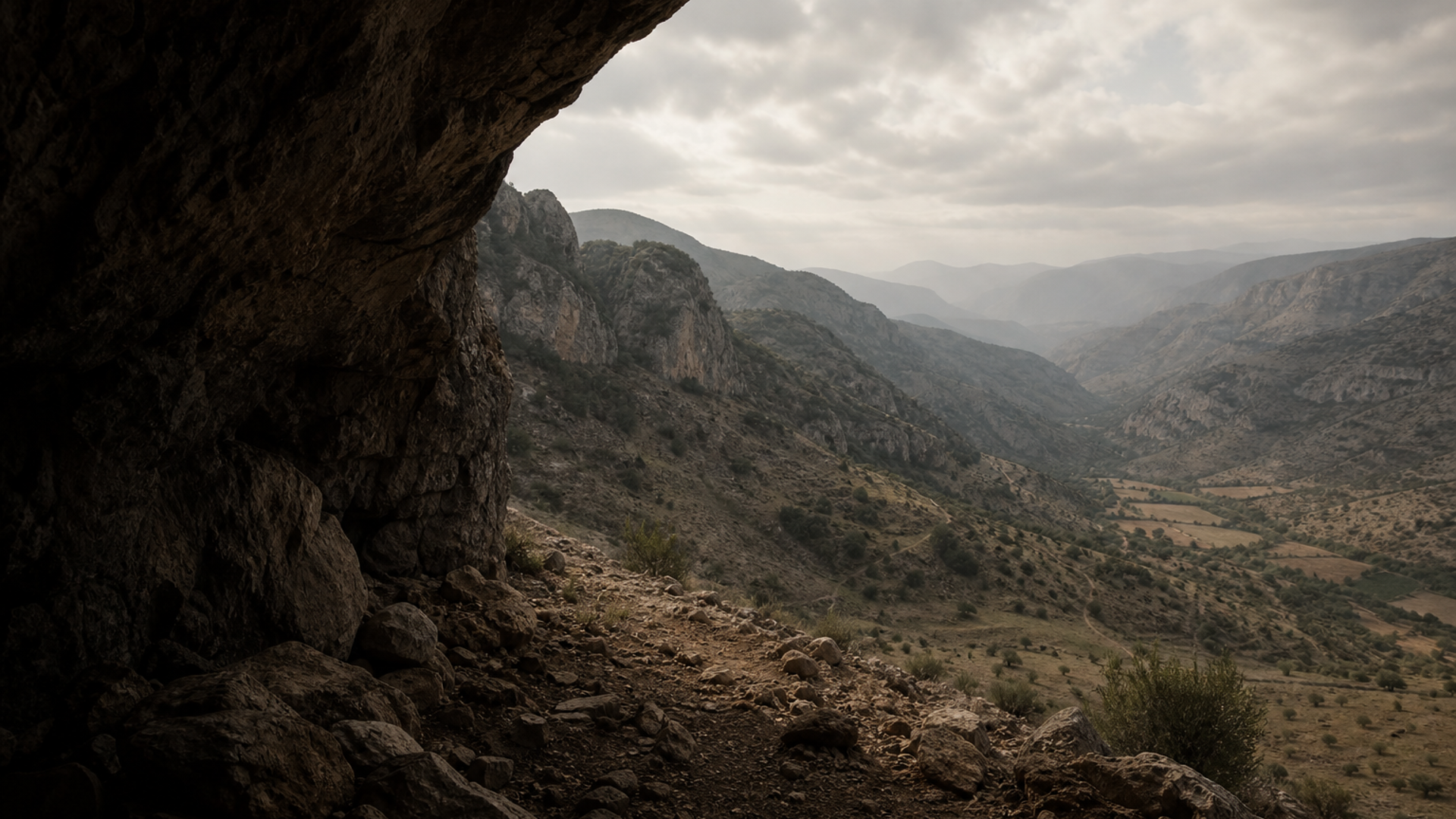
Beneath the limestone of the Devoll valley, Tren Cave preserves a quiet fragment of human history from between 5000 and 3500 BCE. Archaeological data indicates occupation during the Late Neolithic into the Chalcolithic, a time when farming communities across the western Balkans consolidated new lifeways. The two recovered individuals represent a narrow but evocative window: they were deposited in a landscape of terraces, small cultivated plots, and seasonal herding, where material cultures blended long-established Balkan traditions with influences that spread along coast and river.

Limited evidence suggests continuity with broader Neolithic farmer groups of southeast Europe: shared pottery styles, domesticates, and settlement patterns link the Devoll area to networks stretching from the Adriatic into inland Balkans. At the same time, the Chalcolithic era brought subtle shifts — new craft specializations, greater exchange of metal and raw materials, and changing ritual practices — that likely shaped local communities.

Because only two samples are available, interpretations of population movement, migration, or demographic turnover remain tentative. These individuals are best viewed as initial data points that illuminate local developments and invite further targeted excavation and sampling to reveal the fuller story.

  • Site: Tren Cave, Southeast Devoll area, Albania
  • Dates: 5000–3500 BCE (Late Neolithic to Chalcolithic)
  • Evidence indicates local farming communities with regional connections
Capítulo IV

Daily Life & Society

Archaeological traces from the Late Neolithic–Chalcolithic Balkans paint a cinematic tableau: smoke-darkened interiors, patterned pottery drying on low shelves, and the steady rhythm of planting and herding. Though Tren Cave itself yielded limited material remains accompanying the two human burials, regional parallels allow cautious reconstruction. Small farming hamlets organized around family plots and seasonal pastures were typical; cereal cultivation, pulses, sheep and goat herding, and local hunting likely underpinned subsistence.

Craftspeople in nearby sites produced cord-impressed and burnished ceramics, chipped and ground stone tools, and increasingly, hammered native copper objects as the Chalcolithic unfolded. Social life folded around household labor, exchange networks, and ritual acts — burials in caves or shallow graves, curated grave goods, and community feasts. Landscape use combined permanent cultivation on fertile terraces with mobility for grazing and resource collection in upland zones.

Archaeological data indicates that Tren Cave served as both a place of habitation and ritual deposition in some parts of the region. Still, with only two human samples and sparse associated artifacts, any portrait of daily life at Tren remains provisional, best supplemented by broader regional studies and future finds from the Devoll corridor.

  • Mixed farming and herding economy typical for the era
  • Crafts: pottery, stone tools, early metal use in the Chalcolithic
Capítulo V

Genetic Profile

DNA recovered from two individuals at Tren Cave yields clear maternal signals but is limited in scope. Mitochondrial haplogroups identified are HV4 (one individual) and J1c (one individual). Both mtDNA lineages are known from Neolithic and later European contexts and are frequently associated with farmer‑derived maternal ancestries that spread into the Balkans with early agricultural expansions from Anatolia and the Near East. These maternal markers are consistent with archaeological expectations of farming communities in southeast Europe.

No consistent Y‑DNA signal can be reported from these two samples (either not recovered or not assigned), so paternal lineages remain undetermined. Genome-wide ancestry inferences are likewise constrained: with only two genomes, it is not possible to robustly estimate proportions of Anatolian farmer, Western hunter‑gatherer, or Steppe-related ancestry, nor to test hypotheses of male-biased migration.

Because sample count is very small (<10), conclusions must be framed as preliminary. Archaeological and genetic patterns across the Balkans suggest that the Tren individuals likely fit into a broader mosaic of farmer-descended populations with potential local hunter‑gatherer admixture; whether they carried any emerging Chalcolithic signals of long-distance exchange or incoming ancestries cannot be resolved without additional samples from Tren and neighboring sites.

  • mtDNA: HV4 and J1c present — consistent with farmer-associated maternal ancestry
  • Y-DNA: undetermined; genome-wide patterns remain preliminary due to n=2
Capítulo VI

Legacy & Modern Connections

Tren Cave’s two genomes are threads in a larger tapestry connecting ancient Balkan farmers to later populations. Maternal lineages like HV and J persist in parts of modern Europe and the Near East, offering a genetic echo of Neolithic dispersals. Archaeological continuity in settlement and material culture contributes to a story of long-term regional habitation and cultural resilience in the Devoll corridor.

Yet the bridge from 5th–4th millennium BCE individuals to present-day Albanians is complex and non-linear. Centuries of migrations, cultural shifts, and genetic mixing — including Bronze Age and later processes — reshape ancestral signals. Given the very small sample size from Tren, any claims of direct continuity are speculative: these remains instead provide a valuable, if preliminary, glimpse into ancestral lineages that played a role in the deep prehistory of the western Balkans.

  • Maternal haplogroups seen at Tren have modern parallels but continuity is uncertain
  • Small sample size means legacy interpretations are provisional
Com IA

Assistente de IA

Haz preguntas sobre la cultura Tren Cave Ancients

Assistente de IA por DNAGENICS

Desbloquear esta função
Pregunta sobre la cultura Tren Cave Ancients. El asistente con IA puede explicar hallazgos genéticos, contexto histórico, pruebas arqueológicas y conexiones modernas, con sus límites de interpretación.
Exemplo de análise com IA

La cultura Tren Cave Ancients representa un capítulo de la historia humana...

A análise genética permite estudar semelhanças com populações anteriores e possíveis adaptações. As amostras de DNA antigo fornecem informações para investigar padrões migratórios e relações entre populações, com limites que dependem do estudo e do contexto arqueológico.

Esta é uma antevisão da análise com IA. Aceder ao assistente completo para explorar informações sobre:

  • Composição e similaridade genética
  • Padrões migratórios e origens
  • Vida cotidiana e práticas culturais
  • Contexto genético moderno

Explore mais culturas antigas

Descubra a história de civilizações de diferentes partes do mundo antigo