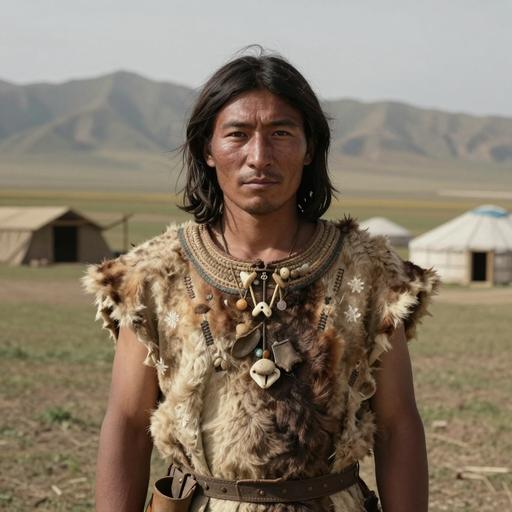
The Afanasievo culture is an early Bronze Age archaeological culture that occupied areas of the Eurasian Steppe. While its core region is typically associated with the Altai Mountains and the Minusinsk Basin in what is now southern Siberia, this culture also made significant inroads into other regions, including what is today known as Nileke in Xinjiang, China.
Geographical Context
The Bronze Age Afanasievo culture in Nileke, Xinjiang, represented a cultural and technological incursion into the region from the north. Nileke lies at the intersection of significant geographical features, including the eastern spur of the Tianshan Mountains and the vast open steppes that extend across Central Asia. This positioning afforded the Afanasievo people several strategic advantages. These include access to diverse ecological zones for hunting, herding, and possibly limited agriculture, as well as connectivity to trade routes vital for cultural exchange.
Chronology
The Afanasievo culture is generally dated to approximately 3300 to 2500 BCE. In the region of Xinjiang, including Nileke, their presence is noted somewhat later, marking the earliest known incursion of a Steppe culture into what is today northwest China. This intrusion laid the groundwork for subsequent cultural and technological exchanges between nomadic Steppe societies and the agricultural civilizations of China.
Cultural Characteristics
Economic Activities
The Afanasievo people in Nileke likely maintained an economy based on pastoralism. Their subsistence strategies would have revolved around the herding of livestock such as cattle, sheep, and goats, complemented by hunting wild game. This semi-nomadic lifestyle allowed them to exploit the varied landscapes of the region effectively.
Technological Developments
The Bronze Age is primarily characterized by the use of bronze—a testament to the Afanasievo's metallurgical skills. They utilized rudimentary metalworking techniques to produce tools and ornaments. Although this technology was not as advanced as later Eurasian cultures, it marked a significant development from the Neolithic practices that preceded it.
Burial Practices
Burial practices are one of the most distinguishing features of the Afanasievo culture. Typical burial sites in the region reveal kurgans—large burial mounds that often contain single or multiple burials. Grave goods, including pottery, beads, and bronze items, suggest the beginnings of a social hierarchy and the significance of personal adornment or status symbols within this community.
Art and Pottery
Afanasievo pottery discovered in Nileke is characterized by simple, utilitarian forms with minimal decoration, contrasting with more ornate styles found in other contemporary cultures. This suggests a culture more focused on practicality than aesthetic expression.
Linguistic and Genetic Legacy
While the Afanasievo culture themselves left no written records, genetic studies suggest that they were part of the early Indo-European-speaking groups. Analysis of ancient DNA indicates a genetic continuity with later Steppe cultures, which would eventually impart linguistic and cultural influences on a broad expanse of Eurasia.
Interactions with Other Cultures
The presence of the Afanasievo culture in Nileke represents early contact between Steppe nomads and the diverse peoples of Xinjiang. Although archaeological evidence of direct interactions is scant, cultural transmissions likely occurred over time. It paved the way for more complex cultural exchanges which would continue with subsequent cultures in the region, like the Andronovo and Yamnaya, and even the Silk Road era interactions.
Legacy and Significance
The exploration of the Afanasievo culture in the Nileke region of Xinjiang sheds light on the early dynamics of pastoral nomadic societies and their movements across the vast Eurasian Steppe. Their legacy is a testament not only to the technological and cultural achievements of the early Bronze Age but also to the foundational role these early migratory patterns played in shaping the broader tapestry of Eurasian history. The Afanasievo culture, therefore, is critical to understanding the early peopling and cultural development of Central Asia and its peripheral regions, particularly in terms of the movement of technologies, languages, and genetic lineages across vast distances.