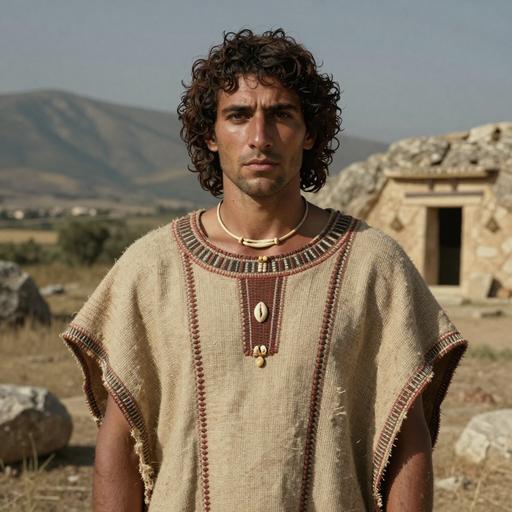
The Early Bronze Age Sarakenos Cave Culture of Helladic Greece marks a fascinating and complex period in prehistoric Greece, characterized by a mix of continuity and innovation. The Helladic period, encompassing the Greek mainland, can be divided into the Early, Middle, and Late Helladic phases, with the Early Helladic lasting from approximately 3000 to 2000 BCE. Within this context, the Sarakenos Cave site provides a unique lens through which archaeologists can explore the cultural, economic, and social dynamics of the time.
Location and Environment
Sarakenos Cave is situated in Boeotia, central Greece, a region that offered varied landscapes, from fertile plains to mountainous terrains. This strategic positioning allowed it to serve as a hub for human occupation and activity. The cave itself provided shelter and a consistent microenvironment for its inhabitants, protecting them from the elements and possibly serving as a focal point for community gatherings, rituals, or storage.
Archaeological Findings
Archaeological excavations at Sarakenos Cave have revealed a wealth of artifacts that shed light on the material culture of its occupants. These include:
Pottery: Early Helladic pottery from Sarakenos Cave reflects a transition from simple, utilitarian forms to more sophisticated designs. Pottery was often decorated with incised or impressed motifs, and the introduction of the potter's wheel during this period suggests advancements in technology and craftsmanship.
Stone Tools: The presence of stone tools, including blades, scrapers, and arrowheads, indicates a society adept in hunting and resource-gathering.
Metalwork: This era saw the early use of bronze, an alloy of copper and tin, which was used to create tools and ornaments. The beginnings of metallurgy signify a transformative period in tool-making and trade.
Economy and Subsistence
The economy of the Early Helladic culture at Sarakenos Cave was likely a mix of agriculture, animal husbandry, hunting, and gathering. The fertile plains surrounding Boeotia provided ideal conditions for growing cereals and legumes, while sheep and goats were common domesticated animals, providing meat, milk, and wool.
Evidence of trade includes materials such as obsidian from the island of Melos and possibly metals from further afield, indicating that Sarakenos Cave was part of broader trade networks within the Aegean and beyond.
Social Structure and Lifestyle
The social structure of the people associated with the Sarakenos Cave is thought to have been organized into small, likely kin-based groups. The presence of communal spaces within the cave suggests a degree of social cohesion and possibly complex social rituals or traditions.
Burial practices from surrounding regions of Helladic Greece during this era hint at a society with emerging social stratification. Grave goods, while not abundantly found at Sarakenos Cave itself, indicate that some individuals may have held higher status, possibly linked to their roles in trade, craftsmanship, or community leadership.
Religion and Ritual
The role of caves in prehistoric religion and ritual is well-documented, and while specific religious artifacts have not been definitively identified at Sarakenos, it is reasonable to hypothesize that the cave served ceremonial purposes. The natural grandeur and seclusion of caves often made them ideal settings for rituals or as places where the natural and supernatural worlds were believed to intersect.
Conclusion
The Early Bronze Age Sarakenos Cave Culture of Helladic Greece represents a society in transition. It was a vibrant era marked by significant technological advancements, evolving social structures, and expanding trade networks. Through the lens of Sarakenos Cave, modern archaeologists gain invaluable insights into the daily lives and broader cultural contexts of prehistoric Greek communities, highlighting the complexity and richness of early human civilizations in the Aegean region.