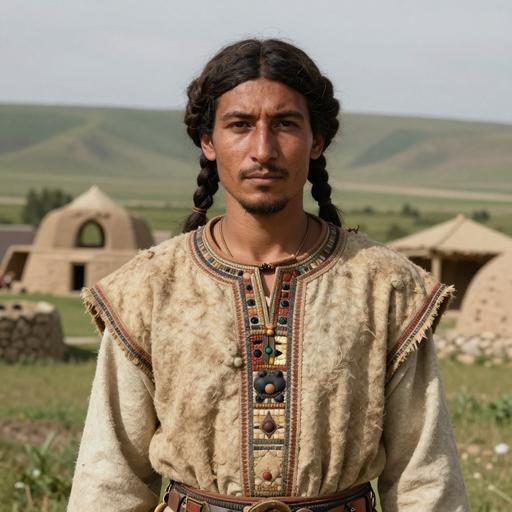
The Kura-Araxes culture, also known as the Early Transcaucasian culture, flourished from around 3400 to 2000 BCE in the Transcaucasian region, encompassing parts of what are now Armenia, Azerbaijan, Georgia, northeastern Turkey, and northwest Iran. While the labeling of this culture as Proto-Armenian is subject to academic debate, it's recognized for its significant role in the ethno-linguistic developments in the Caucasus.
Geographic Distribution:
The Kura-Araxes culture emerged in the area around the Kura and Araxes river basins and eventually expanded to nearby regions. Its extensive reach included parts of the South Caucasus, parts of the Armenian Highland, and extending into some parts of the Levant and Eastern Anatolia.
Archaeological Characteristics:
Pottery:
One of the most distinctive features of the Kura-Araxes culture is its pottery, which is often characterized by black or grey burnished ware. These ceramics typically have a handmade quality, featuring a variety of shapes including bowls, jars, and pitchers, often with incised decorations. The pottery is known for its functional design and aesthetic simplicity.
Architecture:
Settlements typically consisted of small, circular or oval-shaped houses built from mudbrick or stone foundations. These structures often featured a central hearth, indicating the domestic nature of these spaces. Larger buildings might have served communal purposes, although clear findings of public buildings are rare. Some settlements were fortified, suggesting social cohesion and possibly a need for defense.
Metalworking:
The culture is known for its early use of bronze, copper, and occasionally gold, demonstrating advanced metallurgical skills. Tools, weapons, and decorative items found in archaeological sites provide evidence of this sophistication. Metal artifacts include daggers, axes, ornaments, and ceremonial objects.
Economy and Subsistence:
The Kura-Araxes people practiced a mixed economy of agriculture and animal husbandry. They cultivated grains such as wheat and barley and raised livestock including sheep, goats, pigs, and cattle. The mobility required for herding may have facilitated the spread of the culture across such a wide geographical area.
Social Structure:
While detailed understanding of their societal structure is limited, evidence suggests some degree of social stratification. The presence of luxury goods, such as metal ornaments, in certain burials implies disparities in wealth and status.
Trade and Interaction:
Trade networks were markedly extensive, with evidence of exchange activities connecting the Kura-Araxes communities to distant regions. These networks facilitated not only the movement of goods such as ceramics and metals but also the diffusion of cultural practices. The spread into the Levant and Anatolia indicates interactions with contemporary cultures.
Cultural Practices and Beliefs:
The Kura-Araxes culture remains somewhat enigmatic regarding religious beliefs and practices. However, burial practices provide insight; interments varied from simple pit graves to more elaborate kurgan-type burials, sometimes accompanied by grave goods, reflecting beliefs about the afterlife and social distinctions.
Legacy and Influence:
The influence of the Kura-Araxes culture is seen in succeeding cultures and civilizations in the region. Its impact on metallurgy, pottery, architecture, and socio-political structure provided a foundation for the subsequent dominant cultures of the ancient Near East and the Caucasus. Its cultural elements possibly contributed to the ethnogenesis of later groups in the region, including the Armenians, although the direct link to proto-Armenians remains a topic of scholarly debate.
Conclusion:
The Kura-Araxes culture paints a picture of a dynamic and widespread early Bronze Age society with sophisticated material culture and extensive interactions with its neighbors. Its legacy influenced the cultural and socio-political developments across the Caucasus and surrounding areas, marking it as a significant prehistoric culture of the ancient world.