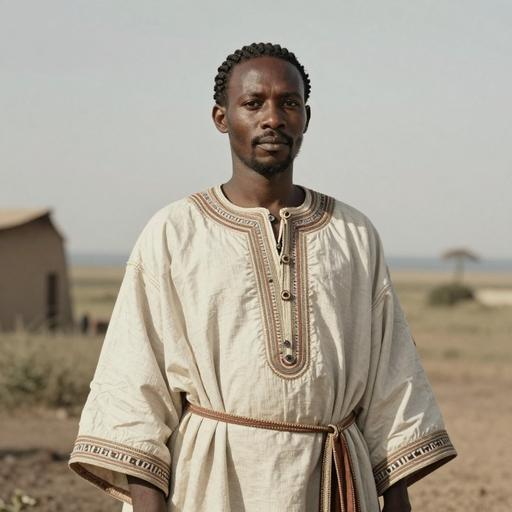
The Swahili culture of Manda Island, part of the Lamu Archipelago off the coast of Kenya, is a unique blend of African, Arab, Persian, Indian, and later European influences that have intertwined over centuries. This rich cultural tapestry is a testament to the island's long history as a hub of trade, interaction, and exchange across the Indian Ocean.
Historical Background
Manda Island's historical significance dates back to the 9th century when it became part of the flourishing Swahili Coast, a region known for its prosperous city-states, which were intricately linked by maritime trade routes. The Swahili people, an ethnic and cultural group inhabiting the coastal areas of East Africa, have been shaped by interactions with various cultures due to trade.
During its peak, particularly around the 9th to the 15th centuries, Manda was an important urban center. The Swahili settlements on the island, characterized by their coral-stone architecture, were part of a network that traded goods like ivory, gold, and spices, along with slaves, with merchants from Arabia, Persia, India, and later Europe.
Architecture and Urban Planning
One of the most striking features of Manda Island’s Swahili culture is its architecture. The use of coral stone and mangrove timber facilitated the construction of grand buildings, including houses with intricate carved wooden doors and elaborate niches. The ruins of Manda town provide a glimpse of a sophisticated urban space with well-planned streets, mosques, and residential houses. The intricate designs reflect not only utility but also aesthetic expressions that integrate local and foreign artistic influences.
Language and Literature
The Swahili language, a Bantu language significantly influenced by Arabic, serves as both a lingua franca of the coastal region and a cultural vessel, carrying traditions, poetry, and literature through generations. The island's cultural manuscripts, often written in Arabic script, encompass various genres, including poetry that showcases the syncretic nature of Swahili cultural identity.
Religion and Spirituality
Islam has played a pivotal role in shaping the cultural and spiritual life of Manda Island since it was introduced by Arab traders and settlers. The island is characterized by the presence of mosques, some of which date back several centuries. Islamic practices, festivals, and teachings are deeply woven into the social and cultural fabric of the community.
Trade and Economy
Historically, the economy of Manda Island and the broader Swahili Coast was bolstered by trade. The strategic location of Manda enabled the Swahili to become prominent traders, facilitating the exchange of local goods like mangrove poles and fish, along with luxury items such as ivory and tortoiseshell. The dhow, a traditional sailing vessel, was crucial for navigating the monsoon winds, fostering links between Africa and distant lands.
Social Structure and Community Life
The Swahili society on Manda Island was traditionally organized in a hierarchical manner, with elites comprising merchant and religious leaders at the top. The community life was marked by intricate social customs, elaborate ceremonies, and an emphasis on kinship and clan affiliations. Storytelling, music, and dance are integral parts of communal activities, reflecting both historical narratives and contemporary experiences.
Art, Craftsmanship, and Cuisine
Swahili culture is renowned for its artistry, evident in the intricate craftsmanship of wood carvings, jewelry, and textiles. The art forms not only serve decorative purposes but also express cultural values and historical narratives.
Swahili cuisine on Manda Island is a delightful blend of local ingredients and foreign influences, showcasing dishes like pilau (spiced rice), samosas, and various seafood delicacies. The use of coconut, spices, and tropical fruits is prevalent, reflecting the diverse interactions across the Indian Ocean.
Modern Influence and Preservation
In contemporary times, Manda Island faces challenges related to modernization, tourism, and environmental changes. Efforts to preserve the island’s rich cultural heritage are ongoing, with initiatives aimed at maintaining historical sites, traditional crafts, and linguistic heritage. The Swahili culture of Manda Island remains a vibrant and enduring testament to centuries of cultural synthesis, reflecting the dynamic interplay of tradition and modernity.