Menu
Currency
Main
Store
Blog

Loading Report

Preparing your ancestry journey

Connecting to ancient matches...

Preparing your report

Skip to main content
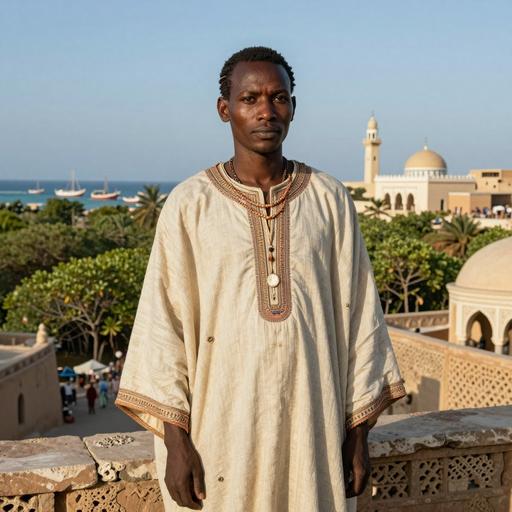
Portrait reconstruction of A man buried in Tanzania in the Swahili era
Ancient Individual

A man buried in Tanzania in the Swahili era

A man buried in Tanzania during the Swahili Culture of Songo Mnara

A fragment of the ancient world, preserved across millennia in strands of DNA.

I19548
1418 CE - 1450 CE
Male
Tanzania
Scroll to begin
Chapter I

Identity

The biological and cultural markers that define this ancient individual

Sample ID

I19548

Date Range

1418 CE - 1450 CE

Cultural Period

Swahili Culture of Songo Mnara

Biological Sex

Male

mtDNA Haplogroup

L3e2b

Y-DNA Haplogroup

E-M2

Chapter II

Place

Where this individual was discovered

Country Tanzania
Locality Songo Mnara (Kilwa District, Songo Mnara Island)
Coordinates -9.0619, 39.5499
Chapter III

Time

When this individual lived in the broader context of human history

I19548 1418 CE - 1450 CE
Chapter IV

Story

The narrative of this ancient life

The Swahili culture of Songo Mnara is a fascinating and rich exemplification of the broader Swahili civilization along the East African coast. Situated in modern-day Tanzania, Songo Mnara forms part of the Kilwa archipelago and is renowned for its archaeological significance and the insights it provides into Swahili society between the 14th and 16th centuries.

Geographic and Historical Context

Songo Mnara is located on a small island within the Kilwa Isles, off the southern coast of Tanzania. The Swahili coast, stretching from southern Somalia to northern Mozambique, is characterized by its strategic position along the Indian Ocean, serving as a nexus of maritime trade for centuries. This location facilitated interactions with traders from Arabia, Persia, India, and later, Europe. As a part of the medieval Swahili towns, Songo Mnara flourished during a period of prosperous trade networks and cultural exchanges.

Urban and Architectural Features

The architecture of Songo Mnara reflects the sophistication of Swahili urban planning and the synthesis of African, Arab, and Persian influences. The town is divided into approximately 40 stone buildings, including residential houses, mosques, and public plazas. The structures are built using coral rag stone and lime mortar, with intricate decorative elements such as carved niches and plasterwork.

The residential buildings typically feature multiple rooms around a central courtyard, with flat roofs and intricately carved wooden doors—hallmarks of Swahili architectural design. These houses were often multistoried, indicating advanced building techniques. Public spaces like the large congregational mosque and open courtyards promote a sense of community life steeped in Islamic practices introduced through trade connections.

Economic Life

The economy of Songo Mnara was based largely on trade. The Swahili coast was integral to the Indian Ocean trade network, dealing in goods such as gold, ivory, timber, and slaves from Africa, which were exchanged for textiles, beads, ceramics, and spices from Asia. Archaeological findings such as Chinese porcelain and Arabian artifacts at Songo Mnara evidence this extensive trade. The town likely served as a point of transshipment where goods were temporarily stored and traded before moving onward.

Social and Cultural Practices

Swahili society at Songo Mnara was cosmopolitan, with a culture that was a blend of African traditions and external influences from the Islamic world and beyond. Swahili people are descendants of Bantu-speaking populations who adopted Islam and integrated customs and technology from incoming traders and settlers, creating a distinct identity.

Islam played a critical role in Swahili culture. It influenced various aspects of life, from architecture and art to social customs and education. The presence of several mosques at Songo Mnara highlights the importance of both public worship and religious activities. The sociopolitical organization was likely hierarchical, with merchants and religious leaders holding substantial influence.

Artistic and Cultural Legacy

Swahili culture is renowned for its contributions to art, literature, and music. Swahili poetry, often written in the Arabic script using the Swahili language, provides insights into the spiritual and cultural ethos of the people. Swahili music and dance incorporate elements from African, Arab, and Persian traditions, and the decorative arts—most notably carved wooden pieces—are celebrated for their craftsmanship and beauty.

Decline and the Modern Era

By the late 16th century, the arrival of the Portuguese disrupted the established trade networks on the Swahili coast. Economic decline and political disruptions led to a reduction in the prosperity of towns like Songo Mnara. Over time, the site was abandoned, but its ruins remain a compelling testament to the Swahili civilization's complexity and its enduring cultural legacy.

Today, Songo Mnara is recognized as a UNESCO World Heritage Site, preserving its historical and cultural significance. Archaeological research continues to reveal new aspects of Swahili life, enhancing our understanding of this vibrant and pivotal African culture. The Swahili culture of Songo Mnara continues to be a subject of scholarly interest and an emblem of the rich cultural tapestry of East Africa.

Context

Related Samples

This individual exists within a broader network of ancient samples. No ancient genome stands alone.

Sample ID Culture/Period Date Location Action
I7934 Swahili Culture of Manda Island 1456 CE Manda (Lamu), Kenya View
I7939 Swahili Culture of Manda Island 1456 CE Manda (Lamu), Kenya View
I7941 Swahili Culture of Manda Island 1485 CE Manda (Lamu), Kenya View
I7942 Swahili Culture of Manda Island 1457 CE Manda (Lamu), Kenya View
I7943 Swahili Culture of Manda Island 1400 CE Manda (Lamu), Kenya View
I7944 Swahili Culture of Songo Mnara 1516 CE Songo Mnara (Kilwa District, Songo Mnara Island), Tanzania View
I8816 Swahili Culture of Kilwa 1300 CE Kilwa (Kilwa District), Tanzania View
I13871 Makwasinyi (Kenya) 1650 CE Makwasinyi (Taita-Taveta), Kenya View
I13872 Makwasinyi (Kenya) 1650 CE Makwasinyi (Taita-Taveta), Kenya View
I13873 Makwasinyi (Kenya) 1650 CE Makwasinyi (Taita-Taveta), Kenya View
I13874 Makwasinyi (Kenya) 1709 CE Makwasinyi (Taita-Taveta), Kenya View
I13875 Makwasinyi (Kenya) 1667 CE Makwasinyi (Taita-Taveta), Kenya View
I13876 Makwasinyi (Kenya) 1650 CE Makwasinyi (Taita-Taveta), Kenya View
I14001 Swahili Culture of Lindi 1511 CE Lindi, Tanzania View
I14780 Makwasinyi (Kenya) 1650 CE Makwasinyi (Taita-Taveta), Kenya View
I14781 Makwasinyi (Kenya) 1698 CE Makwasinyi (Taita-Taveta), Kenya View
I17401 Makwasinyi (Kenya) 1650 CE Makwasinyi (Taita-Taveta), Kenya View
I17402 Makwasinyi (Kenya) 1650 CE Makwasinyi (Taita-Taveta), Kenya View
I17404 Makwasinyi (Kenya) 1650 CE Makwasinyi (Taita-Taveta), Kenya View
I17405 Makwasinyi (Kenya) 1650 CE Makwasinyi (Taita-Taveta), Kenya View
I17406 Swahili Culture of Mtwapa 1250 CE Mtwapa (Kilifi), Kenya View
I17407 Swahili Culture of Mtwapa 1250 CE Mtwapa (Kilifi), Kenya View
I17410 Swahili Culture of Mtwapa 1446 CE Mtwapa (Kilifi), Kenya View
I17419 Swahili Culture of Manda Island 800 CE Manda (Lamu), Kenya View
I19381 Swahili Culture of Mtwapa 1250 CE Mtwapa (Kilifi), Kenya View
I19384 Swahili Culture of Mtwapa 1250 CE Mtwapa (Kilifi), Kenya View
I19385 Swahili Culture of Mtwapa 1250 CE Mtwapa (Kilifi), Kenya View
I19387 Swahili Culture of Mtwapa 1457 CE Mtwapa (Kilifi), Kenya View
I19388 Swahili Culture of Mtwapa 1200 CE Mtwapa (Kilifi), Kenya View
I19390 Swahili Culture of Mtwapa 1250 CE Mtwapa (Kilifi), Kenya View
I19392 Swahili Culture of Mtwapa 1250 CE Mtwapa (Kilifi), Kenya View
I19393 Swahili Culture of Mtwapa 1200 CE Mtwapa (Kilifi), Kenya View
I19394 Swahili Culture of Mtwapa 1200 CE Mtwapa (Kilifi), Kenya View
I19395 Swahili Culture of Mtwapa 1250 CE Mtwapa (Kilifi), Kenya View
I19404 Bungule People of Kenya 1400 CE Bungule (Taita-Taveta), Kenya View
I19407 Swahili Culture of Manda Island 1400 CE Manda (Lamu), Kenya View
I19408 Swahili Culture of Mtwapa 1250 CE Mtwapa (Kilifi), Kenya View
I19411 Swahili Culture of Mtwapa 1496 CE Mtwapa (Kilifi), Kenya View
I19413 Swahili Culture of Mtwapa 1446 CE Mtwapa (Kilifi), Kenya View
I19414 Swahili Culture of Mtwapa 1350 CE Mtwapa (Kilifi), Kenya View
I19416 Swahili Culture of Mtwapa 1445 CE Mtwapa (Kilifi), Kenya View
I19417 Swahili Culture of Mtwapa 1400 CE Mtwapa (Kilifi), Kenya View
I19418 Swahili Culture of Mtwapa 1497 CE Mtwapa (Kilifi), Kenya View
I19419 Swahili Culture of Mtwapa 1250 CE Mtwapa (Kilifi), Kenya View
I19420 Swahili Culture of Mtwapa 1446 CE Mtwapa (Kilifi), Kenya View
I19423 Swahili Culture of Mtwapa 1323 CE Mtwapa (Kilifi), Kenya View
I19547 Swahili Culture of Songo Mnara 1508 CE Songo Mnara (Kilwa District, Songo Mnara Island), Tanzania View
I19548 Swahili Culture of Songo Mnara 1418 CE Songo Mnara (Kilwa District, Songo Mnara Island), Tanzania View
I19550 Swahili Culture of Songo Mnara 1412 CE Songo Mnara (Lindi Region, Kilwa District, Songo Mnara Island) , Tanzania View
I19552 Swahili Culture of Songo Mnara 1402 CE Songo Mnara (Kilwa District, Songo Mnara Island), Tanzania View
I23548 Swahili Culture of Faza 1645 CE Faza (Lamu, Pate Island), Kenya View
I23550 Swahili Culture of Mtwapa 1200 CE Mtwapa (Kilifi), Kenya View
I23551 Swahili Culture of Mtwapa 1250 CE Mtwapa (Kilifi), Kenya View
I23554 Swahili Culture of Mtwapa 1250 CE Mtwapa (Kilifi), Kenya View
I23657 Swahili Culture of Mtwapa 1250 CE Mtwapa (Kilifi), Kenya View
I23660 Swahili Culture of Mtwapa 1435 CE Mtwapa (Kilifi), Kenya View
I23662 Swahili Culture of Mtwapa 1450 CE Mtwapa (Kilifi), Kenya View
I24661 Swahili Culture of Mtwapa 1250 CE Mtwapa (Kilifi), Kenya View
I24662 Swahili Culture of Mtwapa 1250 CE Mtwapa (Kilifi), Kenya View
I24663 Swahili Culture of Mtwapa 1250 CE Mtwapa (Kilifi), Kenya View
I24665 Swahili Culture of Mtwapa 1250 CE Mtwapa (Kilifi), Kenya View
I24975 Swahili Culture of Mtwapa 1250 CE Mtwapa (Kilifi), Kenya View
I13611 Swahili Culture of Mtwapa 1350 CE Mtwapa (Kilifi), Kenya View
I17409 Swahili Culture of Mtwapa 1226 CE Mtwapa (Kilifi), Kenya View
I17412 Swahili Culture of Mtwapa 1250 CE Mtwapa (Kilifi), Kenya View
I17413 Swahili Culture of Mtwapa 1250 CE Mtwapa (Kilifi), Kenya View
I19386 Swahili Culture of Mtwapa 1451 CE Mtwapa (Kilifi), Kenya View
I19391 Swahili Culture of Mtwapa 1200 CE Mtwapa (Kilifi), Kenya View
I19401 Swahili Culture of Mtwapa 1435 CE Mtwapa (Kilifi), Kenya View
I19409 Swahili Culture of Mtwapa 1442 CE Mtwapa (Kilifi), Kenya View
I19415 Swahili Culture of Mtwapa 1408 CE Mtwapa (Kilifi), Kenya View
I19549 Swahili Culture of Songo Mnara 1629 CE Songo Mnara (Kilwa District, Songo Mnara Island), Tanzania View
I21475 Swahili Culture of Mtwapa 1454 CE Mtwapa (Kilifi), Kenya View
I23558 Swahili Culture of Mtwapa 1200 CE Mtwapa (Kilifi), Kenya View
I23561 Swahili Culture of Mtwapa 1424 CE Mtwapa (Kilifi), Kenya View
I7938 Swahili Culture of Manda Island 1437 CE Manda (Lamu), Kenya View
Sample ID Culture/Period Date Location Action
I7944 Swahili Culture of Songo Mnara 1516 CE Songo Mnara (Kilwa District, Songo Mnara Island), Tanzania View
I19547 Swahili Culture of Songo Mnara 1508 CE Songo Mnara (Kilwa District, Songo Mnara Island), Tanzania View
I19548 Swahili Culture of Songo Mnara 1418 CE Songo Mnara (Kilwa District, Songo Mnara Island), Tanzania View
I19550 Swahili Culture of Songo Mnara 1412 CE Songo Mnara (Lindi Region, Kilwa District, Songo Mnara Island) , Tanzania View
I19552 Swahili Culture of Songo Mnara 1402 CE Songo Mnara (Kilwa District, Songo Mnara Island), Tanzania View
I19549 Swahili Culture of Songo Mnara 1629 CE Songo Mnara (Kilwa District, Songo Mnara Island), Tanzania View
Sources

References

Scientific publications and genetic data that inform this profile.

Scientific Publication

Entwined African and Asian genetic roots of medieval peoples of the Swahili coast

Authors Brielle ES, Fleisher J, Wynne-Jones S, Sirak K, Broomandkhoshbacht N et al.
Abstract

The urban peoples of the Swahili coast traded across eastern Africa and the Indian Ocean and were among the first practitioners of Islam among sub-Saharan people1,2. The extent to which these early interactions between Africans and non-Africans were accompanied by genetic exchange remains unknown. Here we report ancient DNA data for 80 individuals from 6 medieval and early modern (AD 1250-1800) coastal towns and an inland town after AD 1650. More than half of the DNA of many of the individuals from coastal towns originates from primarily female ancestors from Africa, with a large proportion-and occasionally more than half-of the DNA coming from Asian ancestors. The Asian ancestry includes components associated with Persia and India, with 80-90% of the Asian DNA originating from Persian men. Peoples of African and Asian origins began to mix by about AD 1000, coinciding with the large-scale adoption of Islam. Before about AD 1500, the Southwest Asian ancestry was mainly Persian-related, consistent with the narrative of the Kilwa Chronicle, the oldest history told by people of the Swahili coast3. After this time, the sources of DNA became increasingly Arabian, consistent with evidence of growing interactions with southern Arabia4. Subsequent interactions with Asian and African people further changed the ancestry of present-day people of the Swahili coast in relation to the medieval individuals whose DNA we sequenced.

Use code for 25% off Expires Jul 12