Menu
Currency
Main
Store
Blog

Loading Report

Preparing your ancestry journey

Connecting to ancient matches...

Preparing your report

Skip to main content
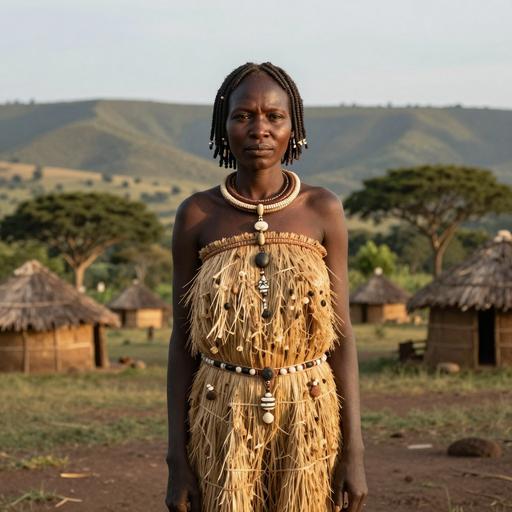
Portrait reconstruction of A woman buried in Malawi in the Bronze Age era
Ancient Individual

A woman buried in Malawi in the Bronze Age era

A woman buried in Malawi during the Fingira Late Stone Age 2500BP in Malawi

A fragment of the ancient world, preserved across millennia in strands of DNA.

I4426
542 BCE - 407 BCE
Female
Malawi
Scroll to begin
Chapter I

Identity

The biological and cultural markers that define this ancient individual

Sample ID

I4426

Date Range

542 BCE - 407 BCE

Cultural Period

Fingira Late Stone Age 2500BP in Malawi

Biological Sex

Female

mtDNA Haplogroup

L0f

Y-DNA Haplogroup

N/A (Female)

Chapter II

Place

Where this individual was discovered

Country Malawi
Locality Fingira
Chapter III

Time

When this individual lived in the broader context of human history

I4426 542 BCE - 407 BCE
Chapter IV

Story

The narrative of this ancient life

The Fingira Late Stone Age (LSA) period in Malawi, dating back approximately 2,500 years Before Present (BP), represents a fascinating era of both continuity and transition in Southern African prehistory. This period is characterized by complex interactions between indigenous hunter-gatherer communities and incoming Bantu-speaking agriculturalists, who began their migrations into what is now Malawi around this time.

Environmental Context

During this era, the environment in Malawi was characterized by a mosaic of savanna woodlands, open grasslands, and the highlands, providing diverse habitats that supported various subsistence strategies. The Great Rift Valley and surrounding highlands offered a climate conducive to both foraging and early agriculture. This ecological setting facilitated interactions between different cultural groups and the exchange of ideas and technologies.

Cultural Characteristics

  1. Technology and Tool Use:

    • The hallmark of the Late Stone Age period in this region was the production of microlithic tools. These were small, finely crafted stone tools designed for specific purposes, indicating a high degree of specialization and adaptability.
    • There was continued use of bone tools and evidence of hafting, suggesting complex tool assemblages for hunting and processing plant materials.
  2. Subsistence Strategies:

    • The Fingira LSA communities primarily relied on hunting and gathering, as evidenced by faunal remains and plant residues found at archaeological sites.
    • The arrival and interaction with Bantu-speaking groups introduced new agricultural practices. The adoption of domestic crops like millet and sorghum began to supplement traditional foraging activities, leading to a mixed subsistence economy.
  3. Social Structure and Settlement Patterns:

    • Settlements during this period were typically small and mobile, reflecting the foraging lifestyle. However, with the introduction of agriculture, there may have been a gradual shift towards more permanent or semi-permanent settlements.
    • Rock shelters and open-air sites were common, with evidence of communal activities such as cooking and tool-making.

Bantu Expansion and Cultural Interactions

The migrations of Bantu-speaking peoples represent a significant cultural and linguistic shift in the region. Approximately 2,500 BP marks a period of interaction where the incoming Bantu agriculturalists began settling in the region occupied by indigenous hunter-gatherers. This interaction was likely multifaceted, involving trade, cultural exchange, and possibly conflict.

  1. Linguistic Impact:

    • The expansion introduced Bantu languages to the region, which gradually became dominant. This linguistic shift was part of the broader Bantu expansion across sub-Saharan Africa.
  2. Technological and Agricultural Exchange:

    • Fingira LSA communities began adopting agricultural techniques, including the cultivation of crops and herding of livestock. Such exchanges were mutually beneficial, allowing for more diverse and resilient subsistence strategies.
  3. Cultural Synthesis:

    • Over time, a blending of cultural practices occurred, leading to the emergence of new traditions and lifestyles that incorporated elements from both indigenous and Bantu cultures. This included changes in pottery styles, tool-making techniques, and burial practices.

Archaeological Evidence

The archaeological record from this period in Malawi, including sites like Fingira, consists of stratified deposits that reveal transitions in material culture. Key findings include:

  • Stone Tool Assemblages: Reflecting a high degree of craftsmanship and specialization.
  • Pottery Fragments: Indicative of early ceramic production, which is often associated with sedentism and agriculture.
  • Faunal and Botanical Remains: Provide insights into diet and environmental adaptation.

Conclusion

The Fingira Late Stone Age period in Malawi represents a pivotal time of cultural and technological evolution marked by the interaction between indigenous foragers and incoming Bantu agriculturalists. This era laid the groundwork for the later development of more complex societies in the region, setting the stage for future socio-economic transformations. The blending of traditions and technologies during this time constitutes a vital chapter in the broader narrative of human adaptation and cultural diversity in Southern Africa.

Context

Related Samples

This individual exists within a broader network of ancient samples. No ancient genome stands alone.

Sample ID Culture/Period Date Location Action
I2966 Hora Late Stone Age 8500BP in Malawi 7131 BCE Mzimba District. Hora, Malawi View
I0589 Zanzibar 1300 Years Before Present in Tanzania 586 CE Zanzibar. Kuumbi Cave, Tanzania View
I3726 Luxmanda 3000 Years Before Present in Tanzania 1204 BCE Luxmanda. UVS40, Tanzania View
KhoesanLeipzigHunter South Africa 2200 Years Before Present 403 BCE St. Helena, South Africa View
MAL-005 Modern Malawi 2000 CE Dedza // Yao, Malawi View
MAL-009 Modern Malawi 2000 CE Machinga // Yao, Malawi View
MAL-011 Modern Malawi 2000 CE Mchinga // Chichewa, Malawi View
MAL-012 Modern Malawi 2000 CE Salima // Chichewa, Malawi View
MAL-014 Modern Malawi 2000 CE Nambuma // Chichewa, Malawi View
MAL-015 Modern Malawi 2000 CE Blantyre // Yao, Malawi View
MAL-018 Modern Malawi 2000 CE Nkotankhota // Chichewa, Malawi View
MAL-019 Modern Malawi 2000 CE Dedza // Chichewa, Malawi View
MAL-023 Modern Malawi 2000 CE Mchisi // Chichewa, Malawi View
MAL-024 Modern Malawi 2000 CE Mangochi // Yao, Malawi View
MAL-025 Modern Malawi 2000 CE Chev // Ngoni, Malawi View
MAL-026 Modern Malawi 2000 CE Chev // Ngoni, Malawi View
MAL-028 Modern Malawi 2000 CE Lilongwe // Chichewa, Malawi View
MAL-032 Modern Malawi 2000 CE Blantyre // Yao, Malawi View
MAL-043 Modern Malawi 2000 CE Chev // Chichewa, Malawi View
MAL-045 Modern Malawi 2000 CE Dowa // Chichewa, Malawi View
MAL-047 Modern Malawi 2000 CE Majimba // Tumbuka, Malawi View
MAL-050 Modern Malawi 2000 CE Zomba // Chichewa, Malawi View
MAL-058 Modern Malawi 2000 CE Mzimba // Tumbuka, Malawi View
MAL-059 Modern Malawi 2000 CE Mzimba // Tumbuka, Malawi View
MAL-065 Modern Malawi 2000 CE Mzimba // Tumbuka, Malawi View
MAL-073 Modern Malawi 2000 CE Mzimba // Tumbuka, Malawi View
MAL-074 Modern Malawi 2000 CE Mzimba // Ngoni, Malawi View
MAL-079 Modern Malawi 2000 CE Karonga // Tumbuka, Malawi View
MAL-097 Modern Malawi 2000 CE Nlekata bay //, Malawi View
MAL-099 Modern Malawi 2000 CE Karonga // Tumbuka, Malawi View
MAL-101 Modern Malawi 2000 CE Machinga // Chichewa, Malawi View
MAL-112 Modern Malawi 2000 CE Mangochi // Chichewa, Malawi View
MAL-122 Modern Malawi 2000 CE Lilongwe // Chichewa, Malawi View
MAL-124 Modern Malawi 2000 CE Chev Distr // Chichewa, Malawi View
MAL-136 Modern Malawi 2000 CE Mangochi // Yao, Malawi View
MAL-196 Modern Malawi 2000 CE Zomba // chiyao, Malawi View
MAL-197 Modern Malawi 2000 CE Majimba // Chichewa, Malawi View
MAL-206 Modern Malawi 2000 CE Mzimba // Tumbuka, Malawi View
I0595 Kenya 400 Years Ago 1445 BCE Kilifi. Panga ya Saidi, Kenya View
I4421 Chencherere Late Stone Age 5200BP in Malawi 3400 BCE Chencherere, Malawi View
I4422 Chencherere Late Stone Age 5200BP in Malawi 3351 BCE Chencherere, Malawi View
I4426 Fingira Late Stone Age 2500BP in Malawi 542 BCE Fingira, Malawi View
I4427 Late Stone Age Malawi 4227 BCE Fingira, Malawi View
I4468 Late Stone Age Malawi 4230 BCE Fingira, Malawi View
I2967 Hora Late Stone Age 8500BP in Malawi 6222 BCE Mzimba District. Hora, Malawi View
UCT473 South Africa 1200 Years Before Present 665 CE Kasteelberg, South Africa View
UCT386 South Africa 1900 Years Before Present 88 BCE Faraoskop Rock Shelter, South Africa View
I1048 Pemba 1400 Years Before Present in Tanzania 539 CE Zanzibar. Pemba Island. Mapangani Cave, Tanzania View
I2298 Pemba 600 Years Before Present in Tanzania 1319 CE Zanzibar. Pemba Island. Mapangani Cave, Tanzania View
UCT473 665 BCE Kasteelberg, South Africa View
UCT386 88 BCE Faraoskop Rock Shelter, South Africa View
I0589 586 BCE Zanzibar. Kuumbi Cave, Tanzania View
I1048 539 BCE Zanzibar. Pemba Island. Mapangani Cave, Tanzania View
I2298 1319 BCE Zanzibar. Pemba Island. Mapangani Cave, Tanzania View
I1048 539 BCE Zanzibar. Pemba Island. Mapangani Cave, Tanzania View
I0595 1445 BCE Kilifi. Panga ya Saidi, Kenya View
I0589 586 BCE Zanzibar. Kuumbi Cave, Tanzania View
I2966 7131 BCE Mzimba District. Hora, Malawi View
I2967 6222 BCE Mzimba District. Hora, Malawi View
I4468 4230 BCE Fingira, Malawi View
I4427 4227 BCE Fingira, Malawi View
I4421 3400 BCE Chencherere, Malawi View
I4422 3351 BCE Chencherere, Malawi View
I3726 1204 BCE Luxmanda. UVS40, Tanzania View
I1048 539 BCE Zanzibar. Pemba Island. Mapangani Cave, Tanzania View
I4426 542 BCE Fingira, Malawi View
Sample ID Culture/Period Date Location Action
I4426 Fingira Late Stone Age 2500BP in Malawi 542 BCE Fingira, Malawi View
Sources

References

Scientific publications and genetic data that inform this profile.

Scientific Publication

Reconstructing Prehistoric African Population Structure

Authors Skoglund P, Thompson JC, Prendergast ME, Mittnik A, Sirak K et al.
Abstract

We assembled genome-wide data from 16 prehistoric Africans. We show that the anciently divergent lineage that comprises the primary ancestry of the southern African San had a wider distribution in the past, contributing approximately two-thirds of the ancestry of Malawi hunter-gatherers ∼8,100-2,500 years ago and approximately one-third of the ancestry of Tanzanian hunter-gatherers ∼1,400 years ago. We document how the spread of farmers from western Africa involved complete replacement of local hunter-gatherers in some regions, and we track the spread of herders by showing that the population of a ∼3,100-year-old pastoralist from Tanzania contributed ancestry to people from northeastern to southern Africa, including a ∼1,200-year-old southern African pastoralist. The deepest diversifications of African lineages were complex, involving either repeated gene flow among geographically disparate groups or a lineage more deeply diverging than that of the San contributing more to some western African populations than to others. We finally leverage ancient genomes to document episodes of natural selection in southern African populations. PAPERCLIP.

Use code for 25% off Expires Jul 13