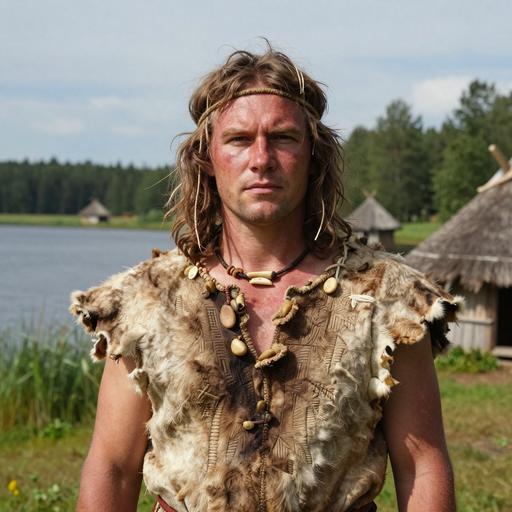
The Middle Neolithic Comb Ceramic Culture (CCC), particularly its second phase, marked a significant period in the history of ancient Estonia and the broader Baltic region. This era, which occurred between approximately 4000 and 2000 BCE, provides extensive insights into the life and practices of the Baltic hunter-gatherer societies.
Geographic Context
The culture thrived in the region surrounding the Baltic Sea, with its influence extending across parts of what are now Estonia, Latvia, Lithuania, and northwestern Russia. The environment during this period was characterized by dense forests, abundant waterways, and a climate that supported a rich biodiversity, making it an ideal setting for hunter-gatherers.
Cultural Practices
Pottery and Material Culture
The Comb Ceramic Culture is primarily identified through its distinctive pottery, which features intricate comb-like patterns created using a variety of techniques, including stamping, incising, and impressing. This pottery was not merely utilitarian but also held symbolic significance, potentially indicating community identity, social status, or spiritual beliefs.
Apart from pottery, other artifacts from this period include tools made primarily from stone, bone, and wood. Flint knives, scrapers, and axes were common, reflecting the adaptation of these people to exploiting their natural surroundings effectively.
Subsistence and Lifestyle
The people of the Middle Neolithic Comb Ceramic Culture were predominantly hunter-gatherers. They relied on a rich variety of resources available in their environment. Hunting game such as elk and deer, fishing in the numerous lakes and rivers, and gathering plant resources formed the backbone of their subsistence strategy. The shell middens and animal bone deposits found at various archaeological sites document their dietary practices and seasonal movements.
Despite being primarily hunter-gatherers, there is some evidence to suggest rudimentary agricultural practices and domestication, particularly in the later phases of the culture. This suggests a complex and dynamic adaptation to their environment, possibly influenced by interactions with neighboring agrarian cultures.
Settlement Patterns
Settlements during this era were typically small, semi-nomadic, and often located near water sources, such as rivers, lakes, or coastal areas. These locations provided strategic advantages for resource acquisition and transportation. The sites typically show evidence of seasonal occupation, reflecting a lifestyle attuned to the cyclical availability of resources.
There are indications of both temporary camps and more permanent dwellings, with the latter being more common towards the end of the Middle Neolithic period. Pit houses with stone-lined hearths have been excavated in various locations, indicating a degree of permanence and adaptation to colder climates.
Social Structure and Exchange
The social organization of these Baltic hunter-gatherers is likely to have been relatively egalitarian, though the presence of specialized tools and ornate pottery suggests some level of social differentiation possibly based on skill, age, or achievement. The movement and trade of materials such as amber and exotic stones imply complex networks of exchange and interaction with other contemporary cultures.
Spiritual and Ritual Practices
While specific details about their spiritual beliefs remain elusive, the symbolic nature of their pottery and the burial practices indicate a complex spiritual life. Burials from this period often include grave goods, suggesting a belief in an afterlife or the spiritual significance of certain objects. Additionally, the orientation and location of graves could imply ritualistic practices tied to their cosmological perspectives.
Conclusion
In summary, the Middle Neolithic Comb Ceramic Culture 2 in Estonia represents a sophisticated and adaptive hunter-gatherer society with a rich material culture and complex social structure. Their legacy, particularly their pottery, provides a window into the lives and beliefs of Baltic peoples during the Neolithic, underlining the importance of context in understanding prehistoric human adaptation and cultural development. The era stands as a testament to the ingenuity and resilience of these ancient communities in a challenging environment.