Zum Hauptinhalt springen
mtDNA · Mütterliche Linie

B4A1

mtDNA Haplogroup B4A1

Ein Referenzprofil für einen Abstammungszweig. Gemeinsame Haplogruppen begründen weder eine familiäre Beziehung noch eine kulturelle Identität.

Referenzprofil

Hintergrund des Zweigs

Historischer Kontext für den mtDNA-Abstammungszweig B4A1

Origins and Evolution

mtDNA haplogroup B4A1 is a downstream branch of B4A, itself a daughter of the broader B4 lineage that originated in East/Southeast Asia. Based on the phylogenetic position of B4A1 relative to other B4A subclades and coalescence estimates for related lineages, B4A1 most likely arose in the early Holocene (roughly around 12 kya, with uncertainty spanning several thousand years). This timing places its origin after the Last Glacial Maximum and during a period of increasing coastal foraging, population density increases, and the beginnings of maritime adaptations in parts of coastal East and Southeast Asia.

Genetically, B4A1 carries defining control-region and coding-region mutations that place it clearly within the B4A clade and distinguish it from sister lineages. Its downstream diversity includes sublineages that later became important markers of Holocene coastal and island expansions.

Subclades

B4A1 is an intermediate node that gave rise to multiple daughter clades. Some of these downstream branches (for example B4A1a and further derivatives) contributed to the well-known Polynesian-associated lineages (the so-called "Polynesian motif" falling in the B4a1a1 group through additional branching). The internal branching structure shows patterns consistent with serial founder events: relatively deep coalescence dates in mainland and Taiwanese populations, followed by radiations and reduced diversity in island populations that were colonized during later maritime dispersals.

Geographical Distribution

B4A1 is concentrated in populations of Island Southeast Asia, Taiwan, and Pacific island groups, with lower-frequency occurrences in mainland East Asian populations. Highest frequencies and haplotype diversity are typically observed among Austronesian-speaking groups in coastal and island settings, and among indigenous Taiwanese groups which serve as a genetic reservoir and geographic node for diversification. In Melanesia and Polynesia, B4A1-derived motifs appear as part of the maternal ancestry introduced by Austronesian voyagers and are found at varying frequencies depending on admixture with preexisting Papuan lineages.

Historical and Cultural Significance

B4A1 and its daughters are strongly associated with the Austronesian expansion, a major maritime dispersal that began approximately 4–5 kya from Taiwan and adjacent parts of coastal China into Island Southeast Asia and across into Remote Oceania. Ancient DNA and modern population genetics show that maternal markers from the B4 family—particularly B4A-derived motifs—traveled with archaeological complexes and linguistic expansions linked to seafaring, agriculture (taro, yam, breadfruit, and in some areas rice), and the spread of pottery traditions such as Lapita in Near Oceania. The distribution of B4A1 therefore documents aspects of prehistoric mobility, female-mediated gene flow, and founder effects associated with island colonization.

Conclusion
B4A1 is an important Holocene maternal lineage that bridges earlier East/Southeast Asian ancestry and the later maritime expansions that shaped the peopling of Island Southeast Asia and the Pacific. Its phylogeographic pattern—higher diversity in Taiwan and parts of coastal SE Asia, with derived but widespread lineages on islands—fits a model of origin on the Asian margins followed by serial founder events during Austronesian dispersals. Continued sampling, especially from underrepresented island and ancient contexts, refines the timing and routes of movement recorded by B4A1 and its descendants.

Wichtige Punkte

  • Origins and Evolution
  • Subclades
  • Geographical Distribution
  • Historical and Cultural Significance
  • Conclusion

Referenzprofil

Baum und Verwandtschaft

Phylogenetischer Kontext und Subkladen

Entwicklungsweg

Folgen Sie den erfassten übergeordneten Zweigen bis B4A1. Die Daten sind Schätzungen und können sich ändern, wenn Referenzdaten überarbeitet werden.

Schritte Haplogruppe Altersschätzung Archäologische Epoche Vergangene Zeit Unmittelbare Nachkommen Getestete moderne Nachkommen Antike Verknüpfungen
1 B4A1 Aktuell ~12,000 years ago Neolithic 12,000 Jahre 2 58 0
2 B4A ~20,000 years ago Mesolithic 20,000 Jahre 10 96 4
3 B4 ~28,000 years ago Paleolithic 28,000 Jahre 4 1,122 7
4 B4'5 ~40,000 years ago Paleolithic 40,000 Jahre 2 1,432 0
5 RA - - - 3 1,452 0
6 R ~55,000 years ago Paleolithic 55,000 Jahre 17 22,830 57
7 NA - - - 1 22,830 0
8 N ~60,000 years ago Paleolithic 60,000 Jahre 16 26,150 13
9 L3 ~70,000 years ago Paleolithic 70,000 Jahre 7 30,162 6
10 L3'4 - - - 2 30,212 0
11 L3'4'6 - - - 2 30,216 0
12 L2'3'4'6 - - - 2 31,333 0
13 L2'3'4'5'6'7 - - - 2 31,349 0
14 L1'2'3'4'5'6'7 - - - 2 31,852 0
15 L ~160,000 years ago Paleolithic 160,000 Jahre 2 32,236 5

Geschwisterzweige (9)

Weitere Zweige derselben übergeordneten Haplogruppe

Referenzprofil

Verbreitung weltweit

Geografische Verbreitung und moderne Präsenz

Erfasster Ursprung

East / Southeast Asia

Moderne Verbreitung

The populations where mtDNA haplogroup B4A1 is found include:

  1. Indigenous Taiwanese (Austronesian-speaking groups)
  2. Filipino and other Philippine island populations
  3. Coastal and island populations of Indonesia (including eastern Indonesia)
  4. Austronesian-speaking Pacific Islanders (Micronesians, Polynesians)
  5. Parts of Island Melanesia (in communities with Austronesian admixture)
  6. Mainland East Asian populations at low to moderate frequency (Han Chinese, southern Chinese groups)
  7. Coastal Southeast Asian populations (Vietnamese, Malay-adjacent groups)
  8. Modern populations in the Americas where recent East/Southeast Asian admixture introduced B4-derived lineages (low frequency)
Historischer Kontext

Ein Zweig durch die Zeit

Geschätzte Entstehung in einer breiten historischen Zeitleiste. Zeitmarken liefern Kontext und implizieren keine Verbindung zu bestimmten Kulturen.

  1. ~12k Jahre zurück

    Haplogruppe B4A1

    Geschätzte Entstehung dieses mtDNA-Zweigs; Daten und Orte sind Referenzschätzungen.

    Dieser Zweig
  2. ~10k Jahre zurück

    Neolithische Revolution
    Beginn der Landwirtschaft und feste Siedlungen

  3. ~5k Jahre zurück

    Bronzezeit

    Metallverarbeitung, Schrift und frühe Zivilisationen

  4. ~3k Jahre zurück

    Eisenzeit

    Eisenwerkzeuge und ausgedehnte Handelsnetze

  5. ~2.5k Jahre zurück

    Klassische Antike

    Blüte griechischer und römischer Kulturen

  6. Gegenwart

    Gegenwart

    Moderne Zeit

Referenzprofil

Archäologischer Kontext

Erfasste archäologische Zuordnungen für den mtDNA-Zweig B4A1

Erfasste Zuordnungen

Diese Bezeichnungen beschreiben archäologische Kontexte erfasster Referenzproben mit Bezug zu B4A1. Eine Zuordnung bedeutet nicht, dass alle Träger einer Kultur angehörten oder einer bestimmten Migrationsroute folgten.

Chinese Paleolithic Dushan Culture Palau_KororQuarry_1500BP Palau_Ngkeklau_1400BP Qinchang Culture Taiwanese Iron Tanjung Pinang Culture Tianyuan Culture Wuzhuangguoliang Culture

Kulturzuordnungen basieren auf dem archäologischen Kontext antiker DNA-Proben und können regionale Verknüpfungen in bestimmten Zeiträumen widerspiegeln.
Referenzprofil

Probencatalog

59 Subkladen-Träger der Haplogruppe B4A1 (keine direkten Träger in der aktuellen Referenzauswahl)

10 angezeigt · 50 passende Proben

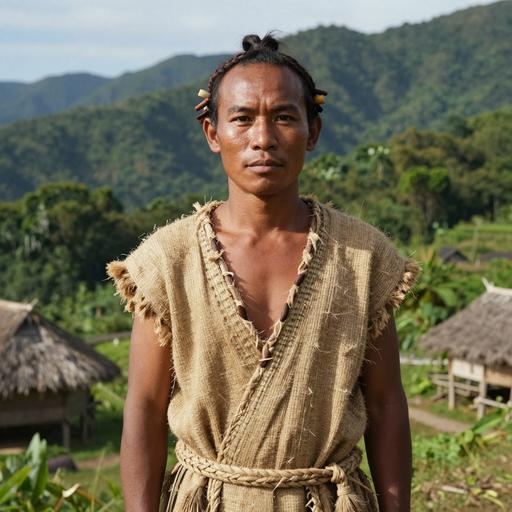
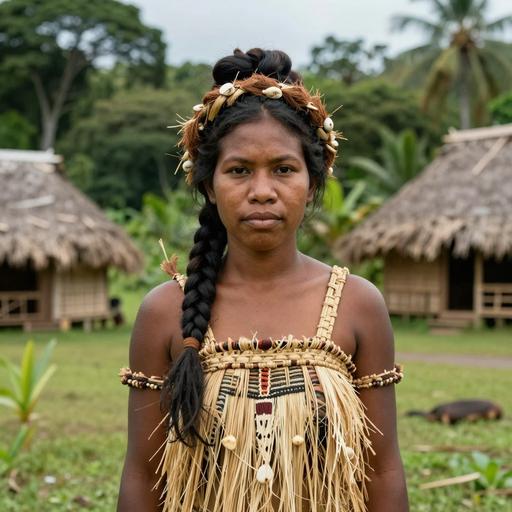
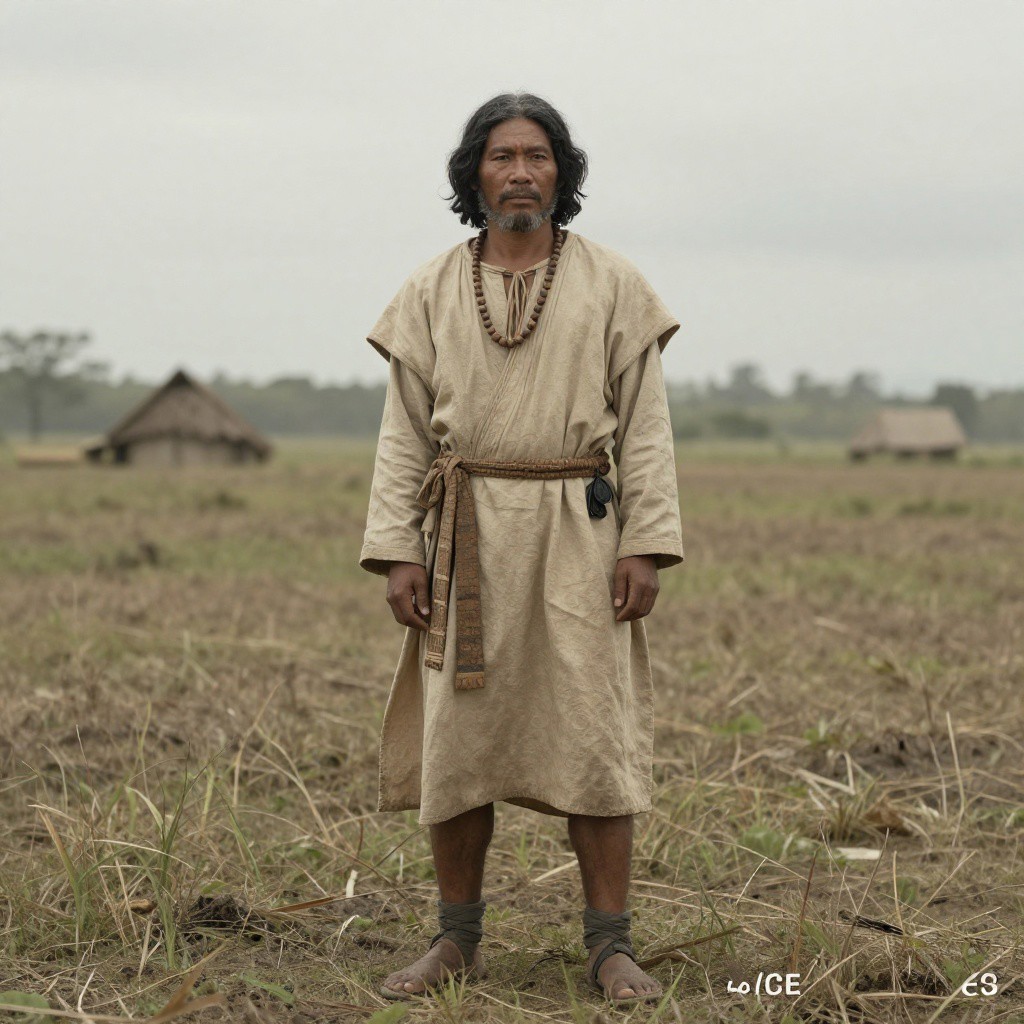
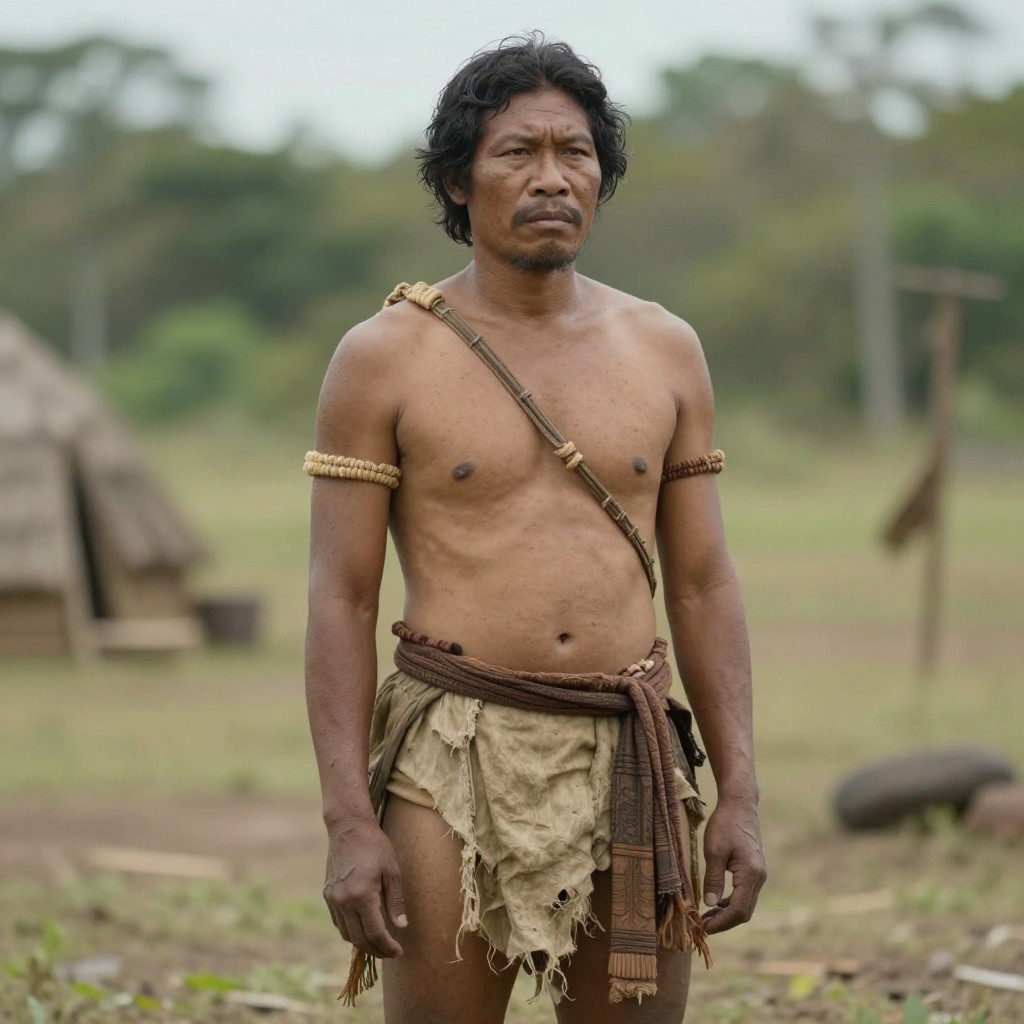
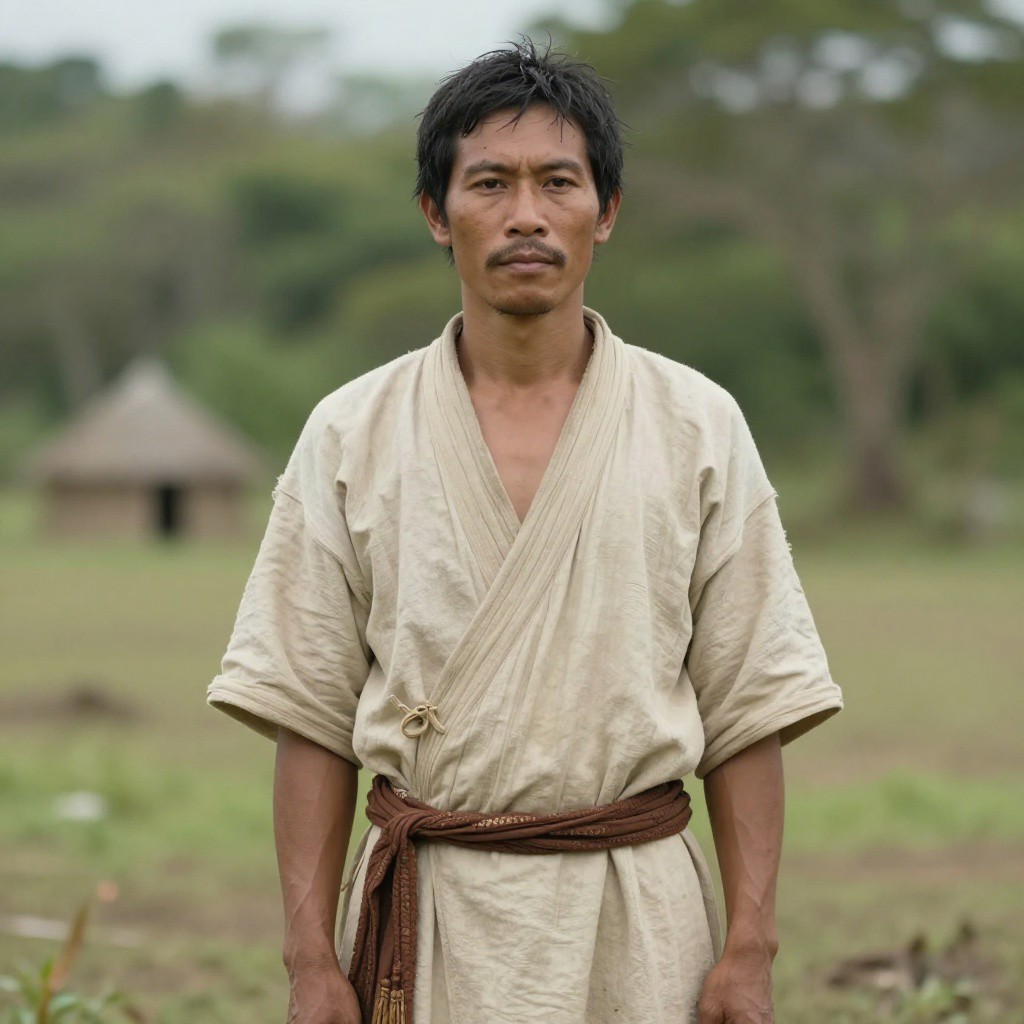
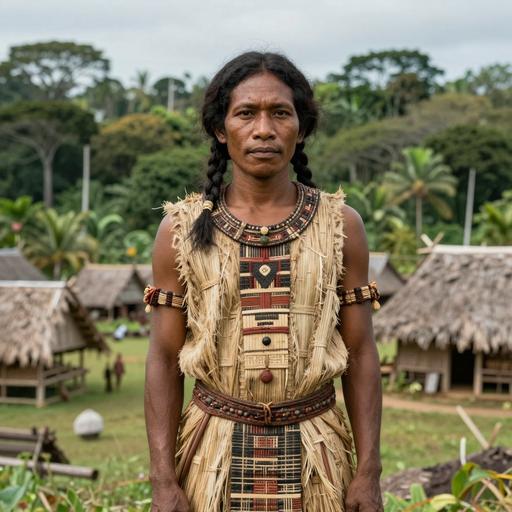
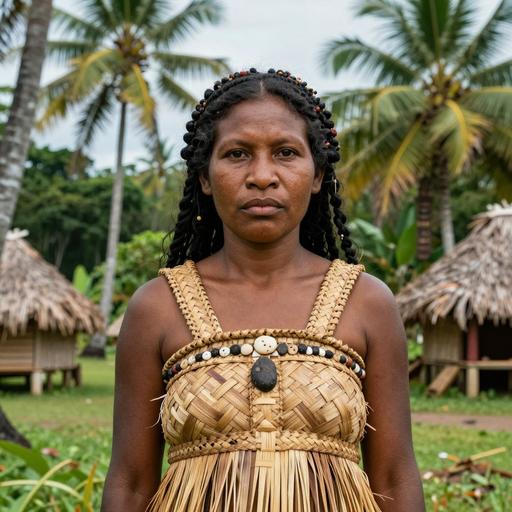
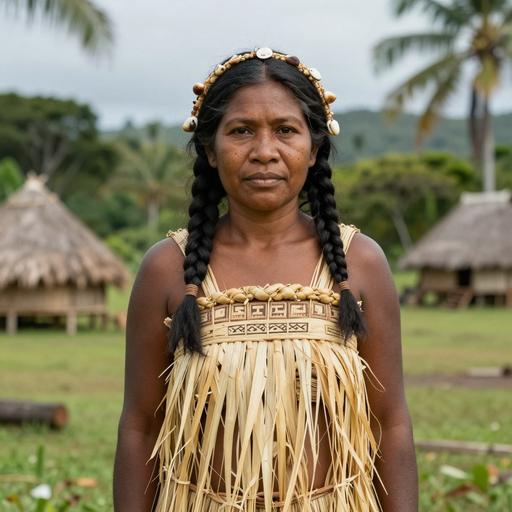
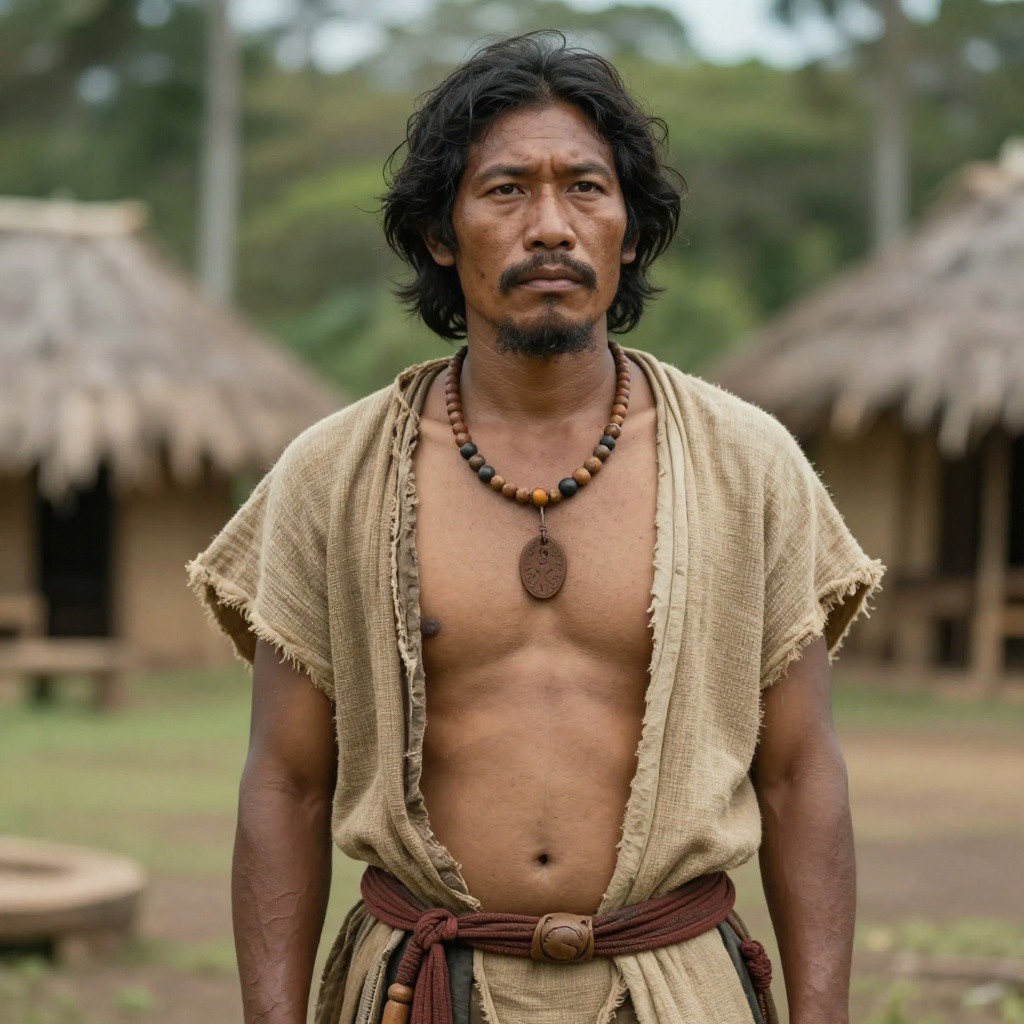
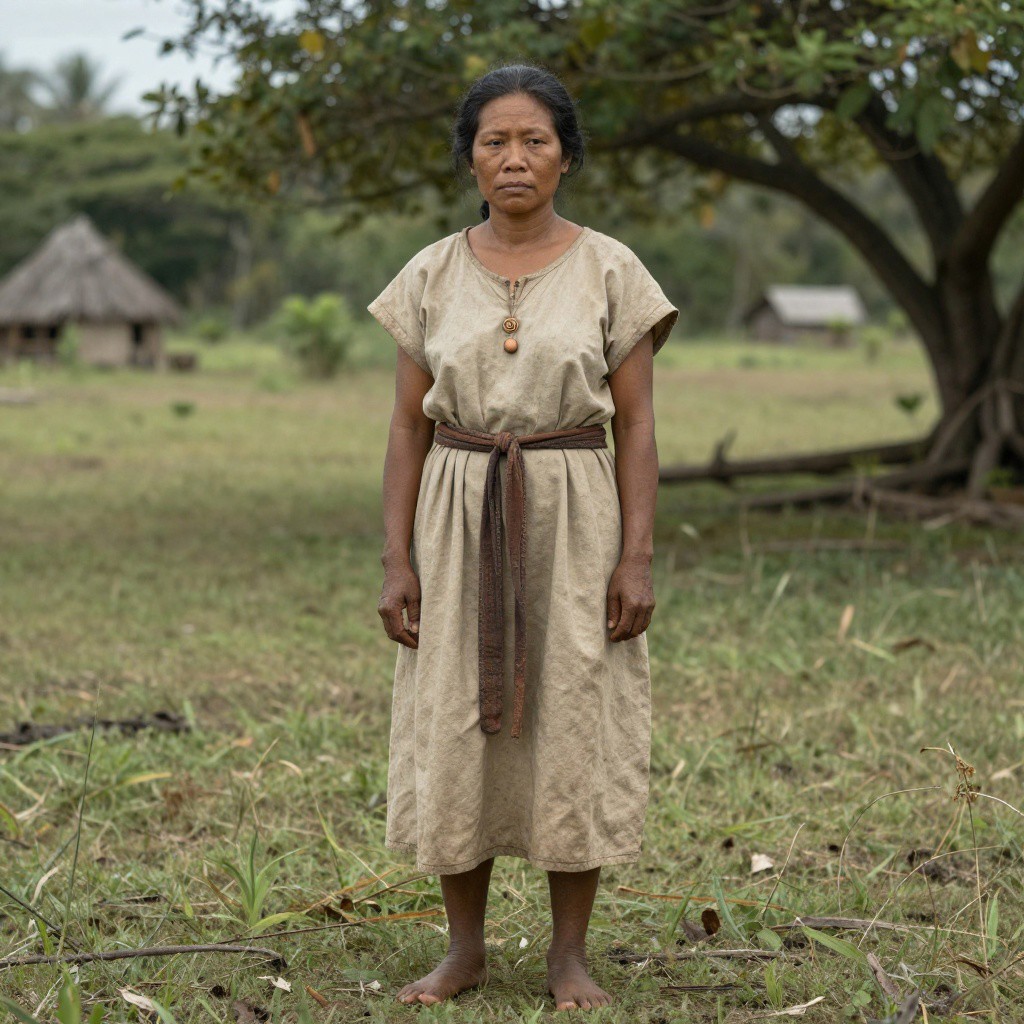
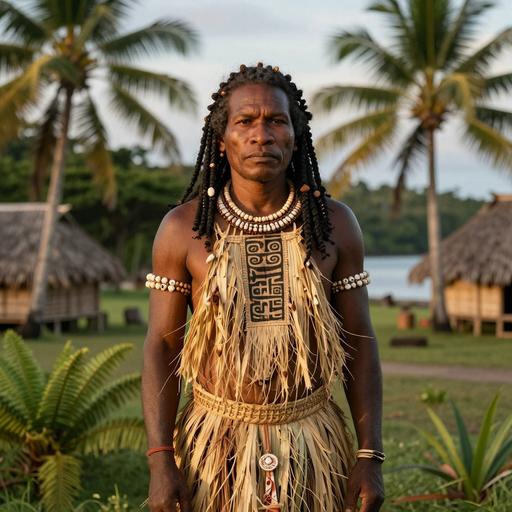
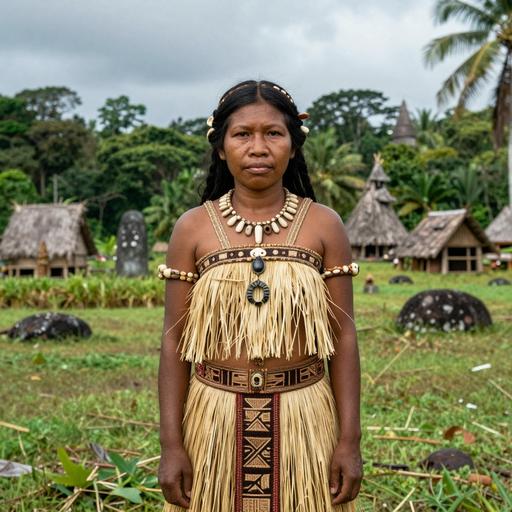
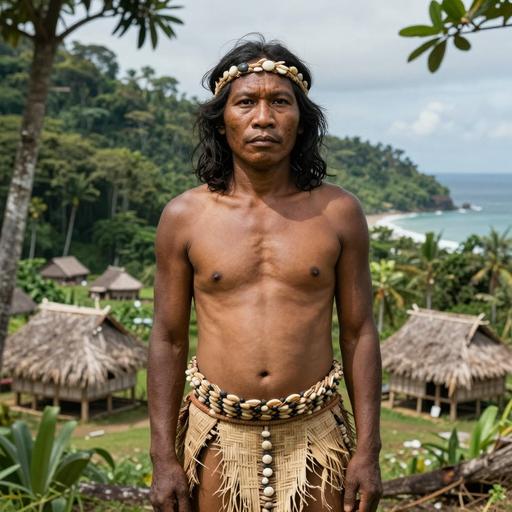
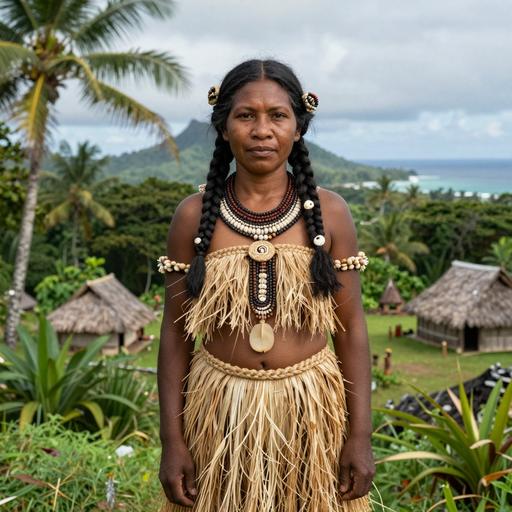
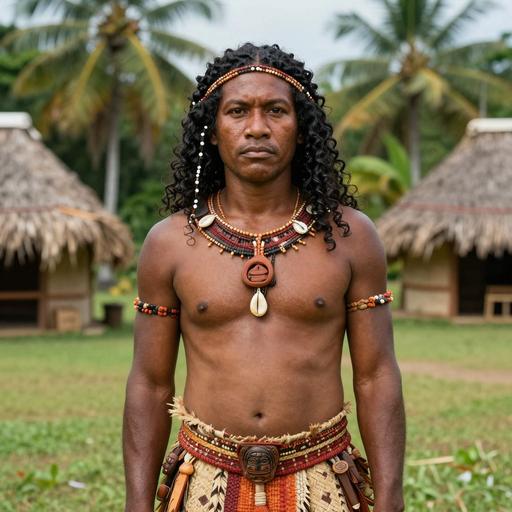
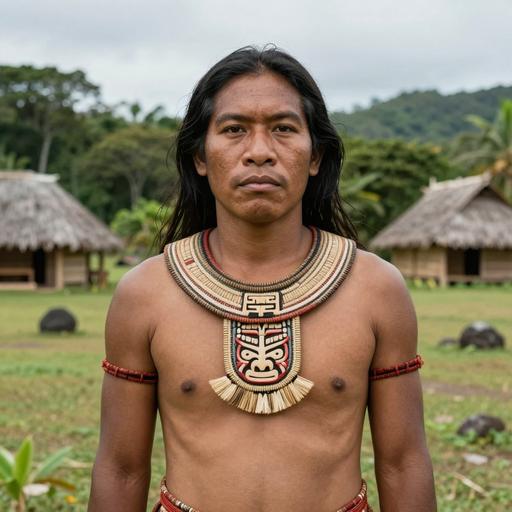
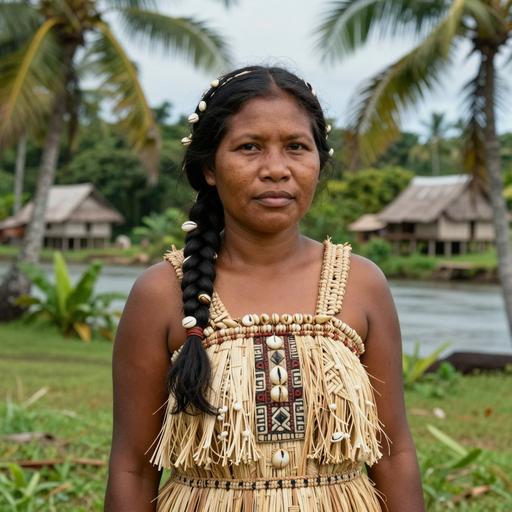
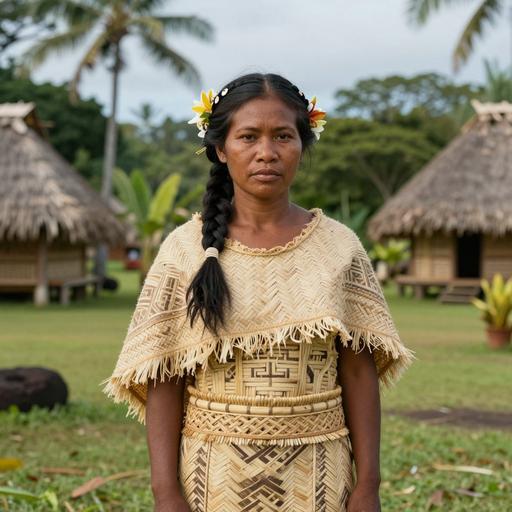
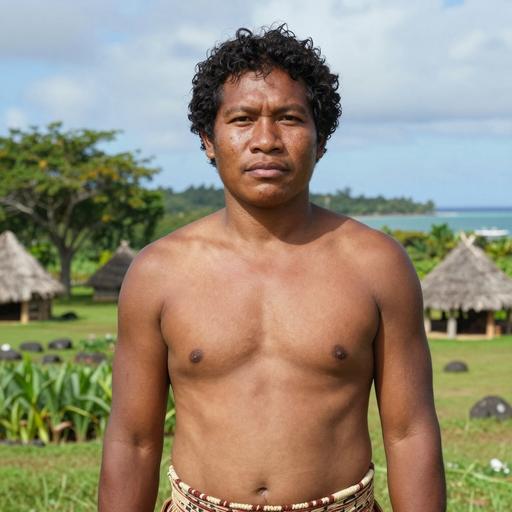
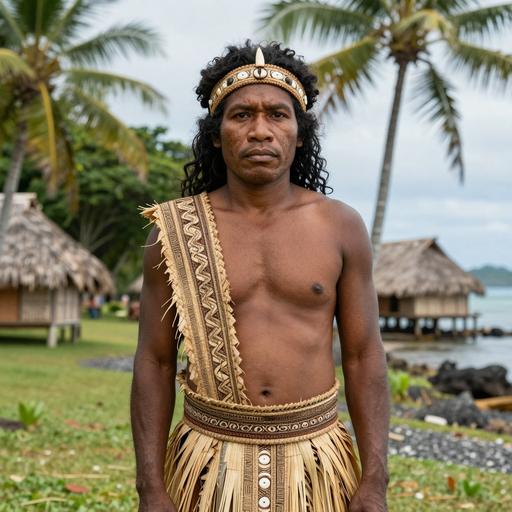
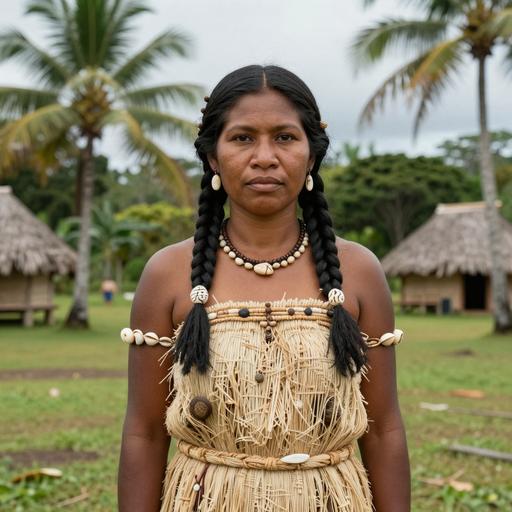
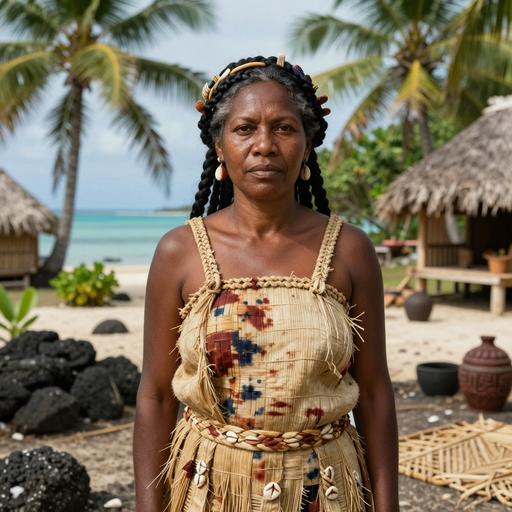
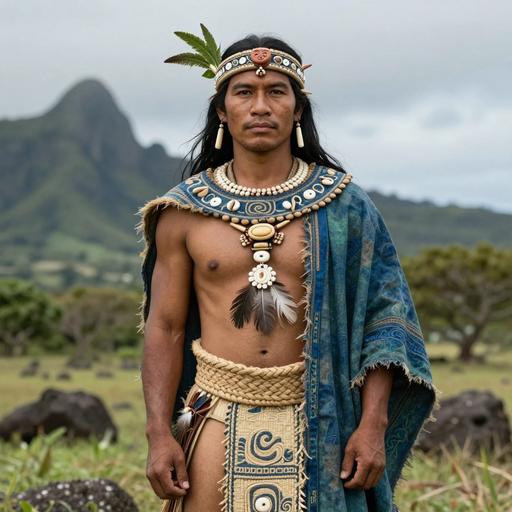
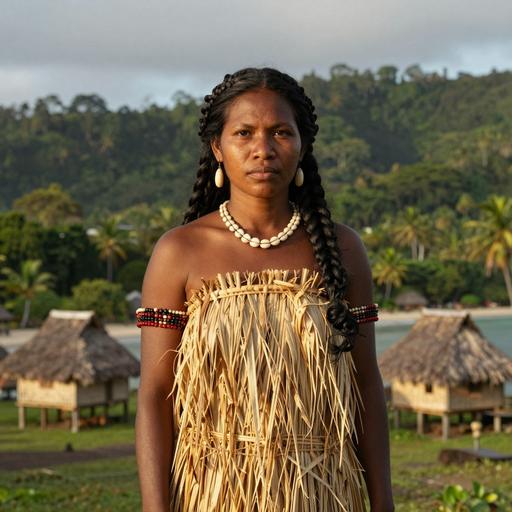
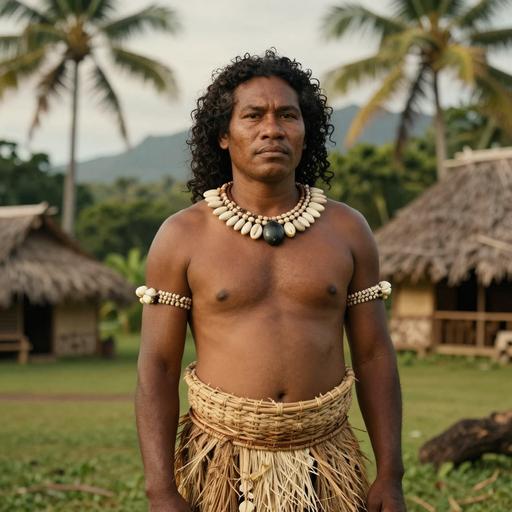
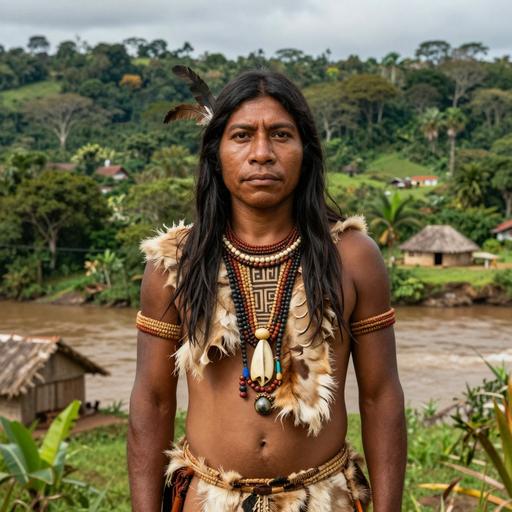
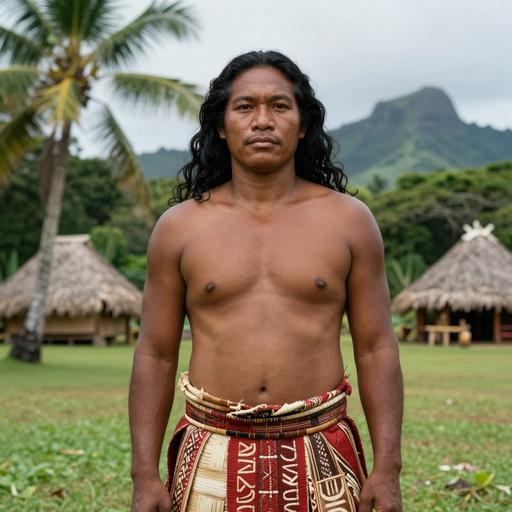
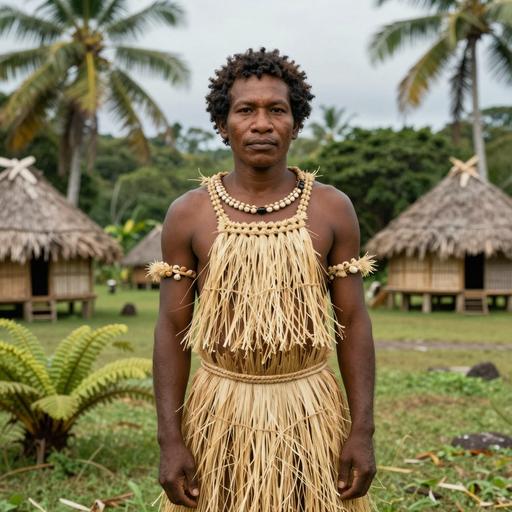
Porträts sind KI-generierte Illustrationen. Probenbezeichnungen und Zugangs-IDs identifizieren die Referenzdatensätze.

Porträt Probe Land Epoche Datum Kultur mtDNA Übereinstimmung
KI-generiertes illustratives Porträt von IA individual, Hanben. Blihun site, Taiwan (1-800 CE)
Proben-ID: I13694
Taiwan Iron Age Taiwan 1-800 CE Taiwanese Iron B4a1a Subklade
KI-generiertes illustratives Porträt von IA individual, Hanben. Blihun site, Taiwan (1-800 CE)
Proben-ID: I14929
Taiwan Iron Age Taiwan 1-800 CE Taiwanese Iron B4a1a Subklade
KI-generiertes illustratives Porträt von IA individual, Hanben. Blihun site, Taiwan (1-800 CE)
Proben-ID: I14937
Taiwan Iron Age Taiwan 1-800 CE Taiwanese Iron B4a1a Subklade
KI-generiertes illustratives Porträt von Austronesian individual, Malakula, Vanuatu (163 BCE-19 CE)
Proben-ID: MAL007
Vanuatu Vanuatu 2000BP 163 calBCE - 19 calCE (2111±30 BP, Wk-30883) Early Vanuatu B4a1a1a Subklade
KI-generiertes illustratives Porträt von Koror Quarry individual, Koror Quarry (Koror Island), Palau (226-574 CE)
Proben-ID: I42650
Palau Palau KororQuarry 1500BP 250-550 CE Palau_KororQuarry_1500BP B4a1a Subklade
KI-generiertes illustratives Porträt von Koror Quarry individual, Koror Quarry (Koror Island), Palau (226-574 CE)
Proben-ID: I42652
Palau Palau KororQuarry 1500BP 250-550 CE Palau_KororQuarry_1500BP B4a1a4 Subklade
KI-generiertes illustratives Porträt von Koror Quarry individual, Koror Quarry (Koror Island), Palau (226-574 CE)
Proben-ID: I43882
Palau Palau KororQuarry 1500BP 250-550 CE Palau_KororQuarry_1500BP B4a1a4 Subklade
KI-generiertes illustratives Porträt von EBA individual, North Moluccas. Morotai. Aru Manara, Indonesia (394-206 BCE)
Proben-ID: AMA001
Indonesia Early Bronze Age Indonesia 394-206 calBCE (2258±30 BP, MAMS-38991/Otago-1043) Early Bronze Indonesian B4a1a1 Subklade
KI-generiertes illustratives Porträt von Austronesian individual, Malakula, Vanuatu (399-201 BCE)
Proben-ID: MAL001
Vanuatu Vanuatu 2200BP 399 BCE - 201 BCE Post-Lapita Vanuatu B4a1a1 Subklade
KI-generiertes illustratives Porträt von Austronesian individual, Malakula, Vanuatu (399-196 BCE)
Proben-ID: MAL008
Vanuatu Vanuatu 2200BP 399 BCE - 196 BCE Post-Lapita Vanuatu B4a1a1a Subklade
MATERNAL LINEAGE · ANCIENT DNA

Ancient lineage evidence map

Follow parent clades toward this branch and explore where ancient carriers were found.

Loading ancient observations…

Markers are archaeological find locations. A dashed connector is an uncertain, proposed geographic transition between consecutive branches supported by multiple dated observations; it is not an exact travel route, birthplace or proof of direct descent. Parent-clade samples may belong to other descendant branches. Gaps remain where evidence is insufficient. Sample dates differ from haplogroup formation dates.

Referenzprofil

Trägerverteilungskarte

Geografische Verteilung von 59 antiken DNA-Proben (direkte und Subkladen-Träger von B4A1)

Subkladen-Träger
Zeitraumfilter
Alle Zeiträume
Alle Proben werden angezeigt
Referenzprofil

Zeitliche Verteilung

Verteilung der Träger über archäologische Epochen

Referenzprofil

Geografische Verteilung

Anzahlen nach erfasstem Probenland. Sie spiegeln die verfügbare Referenzauswahl wider, nicht Bevölkerungshäufigkeiten.

Referenzprofil

Verteilung Land × Epoche

Vergleichen Sie erfasste Probenanzahlen nach Ländern und archäologischen Epochen. Wählen Sie eine belegte Zelle, um eine Probe anzusehen.

Daten

Daten und Herkunft

Quellenangaben und Datenqualität

Zuletzt aktualisiert 2026-02-16
Konfidenzwert 50/100
Abdeckung Low

Datenquelle

Klassifikation, geschätzte Daten und geografischer Kontext spiegeln die erfassten Referenzdaten wider und können sich bei überarbeiteten Belegen ändern. Die Probenabdeckung ist ungleichmäßig; erfasste Orte und archäologische Zuordnungen begründen weder persönliche Herkunft noch kulturelle Identität.