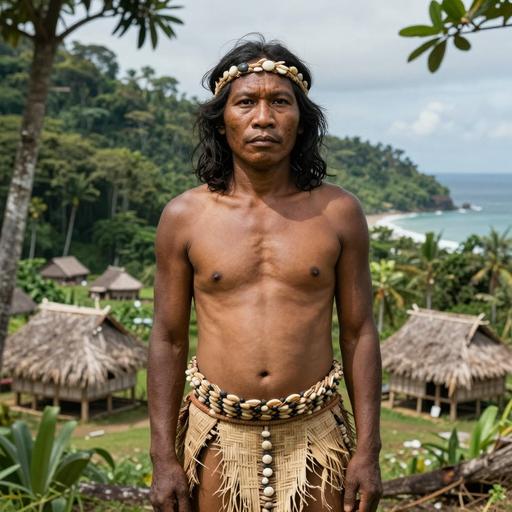
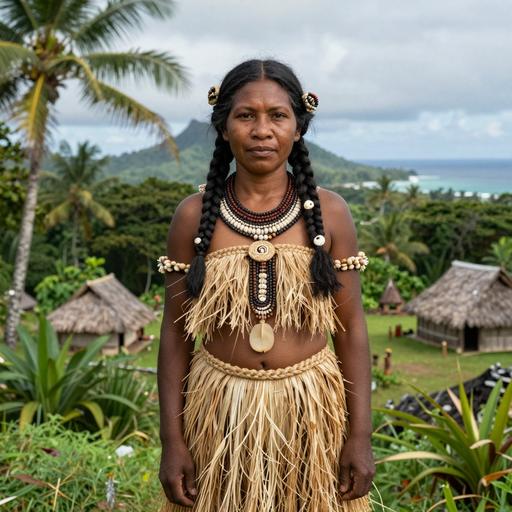
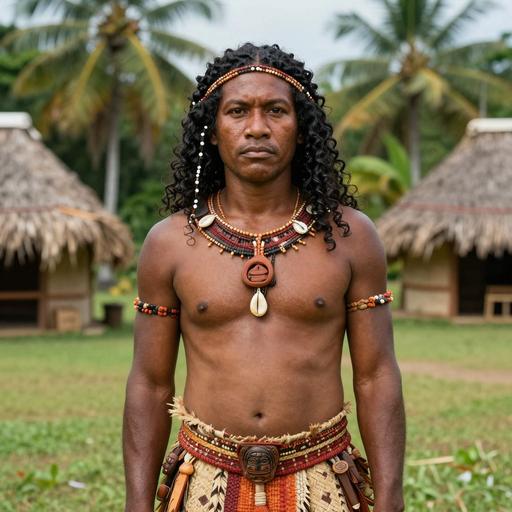
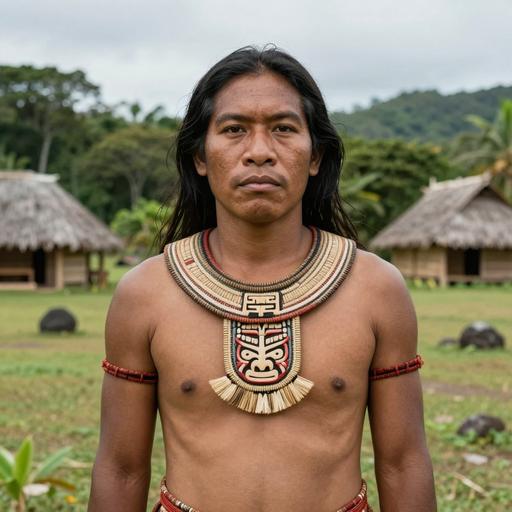
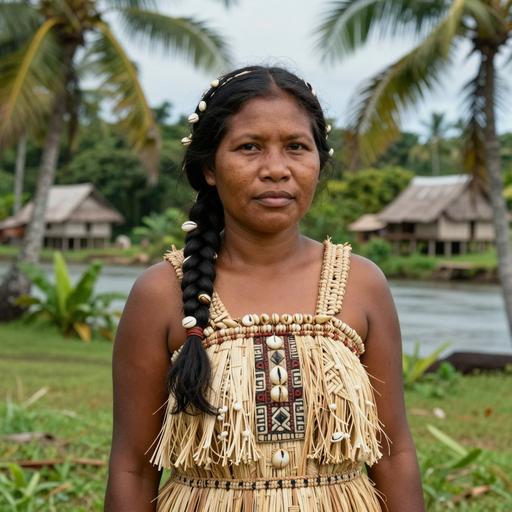
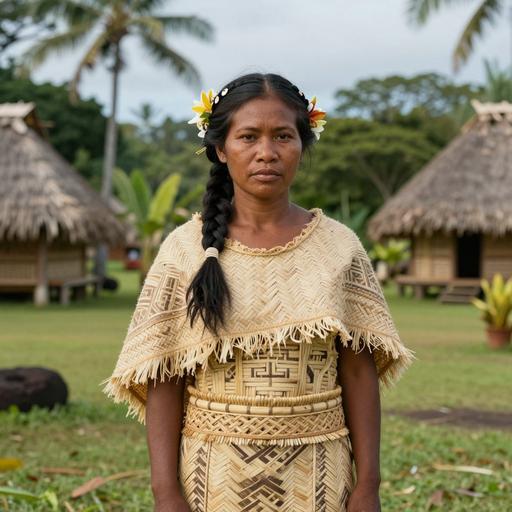
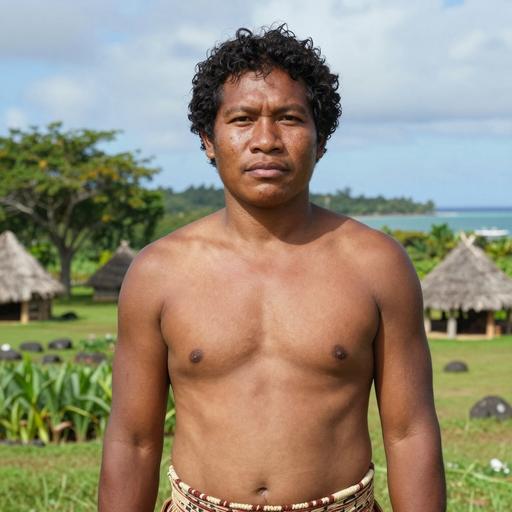
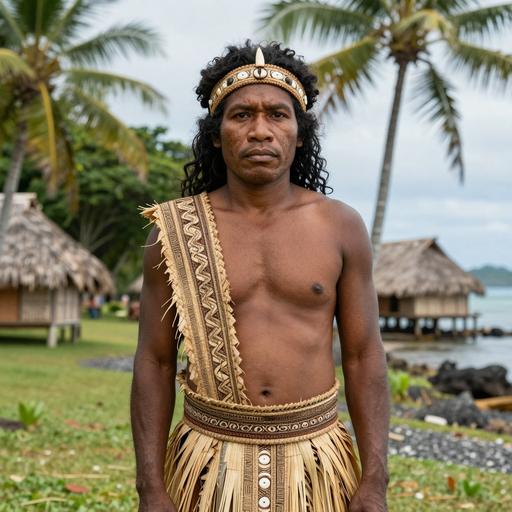
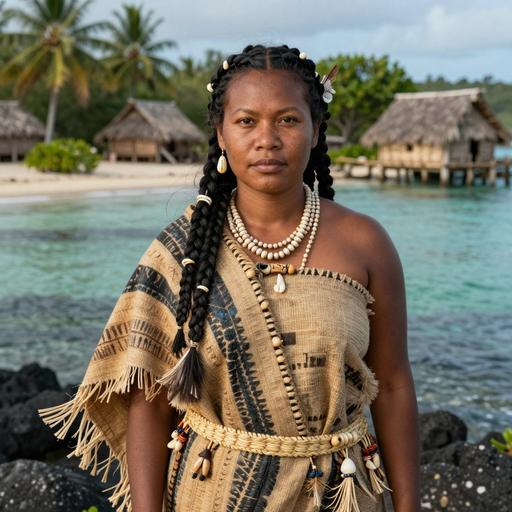
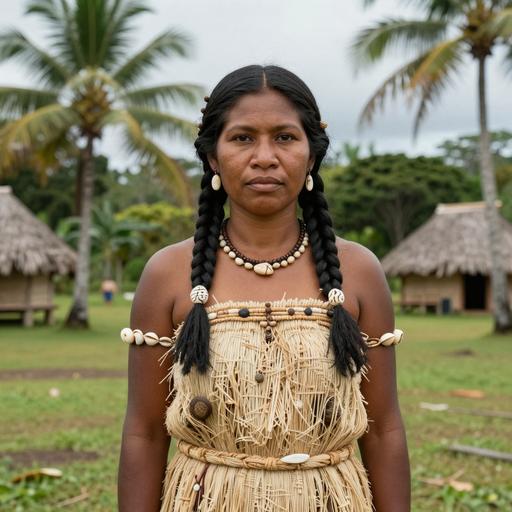
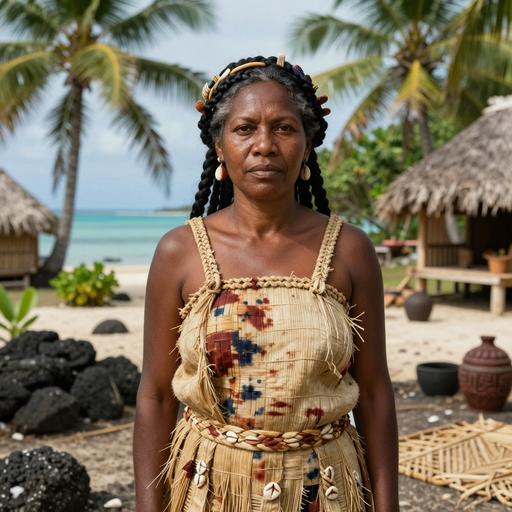
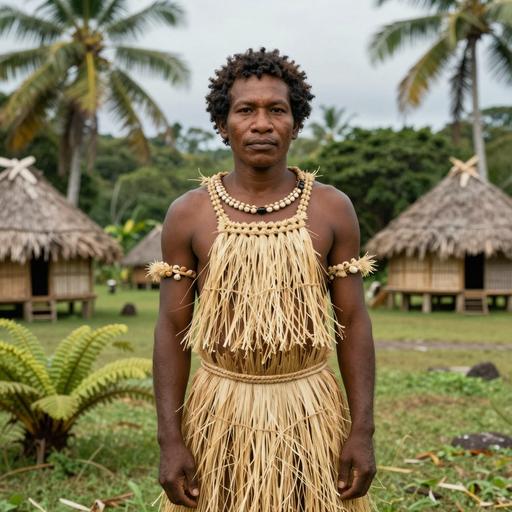
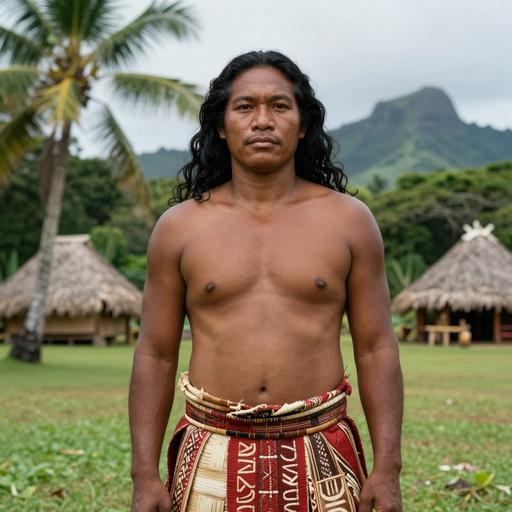
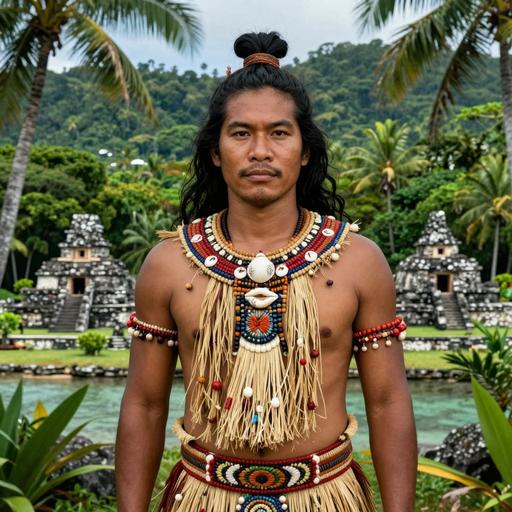
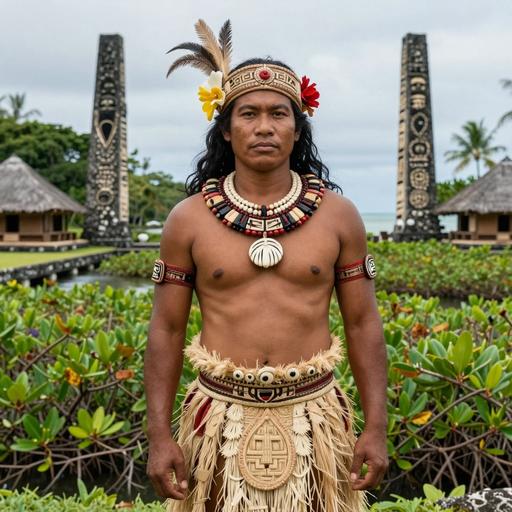
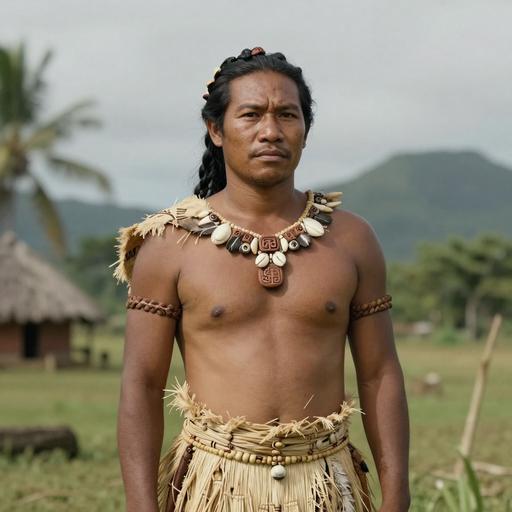
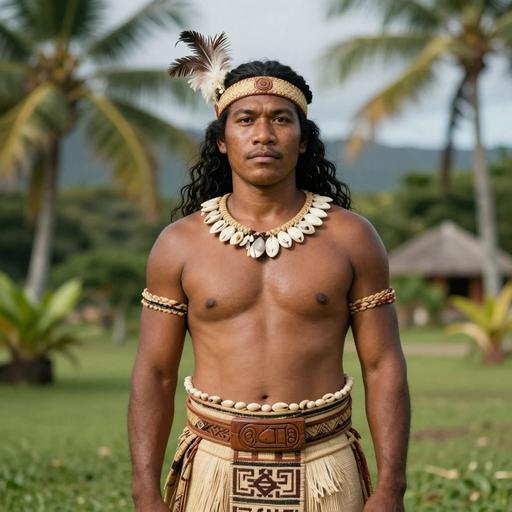
Profil de référence pour une branche de lignée. Des haplogroupes partagés n'établissent pas de lien familial ni d'identité culturelle.
Profil de référence
Contexte de la branche
Contexte historique de la branche de lignée mtDNA B4A1
Origins and Evolution
mtDNA haplogroup B4A1 is a downstream branch of B4A, itself a daughter of the broader B4 lineage that originated in East/Southeast Asia. Based on the phylogenetic position of B4A1 relative to other B4A subclades and coalescence estimates for related lineages, B4A1 most likely arose in the early Holocene (roughly around 12 kya, with uncertainty spanning several thousand years). This timing places its origin after the Last Glacial Maximum and during a period of increasing coastal foraging, population density increases, and the beginnings of maritime adaptations in parts of coastal East and Southeast Asia.
Genetically, B4A1 carries defining control-region and coding-region mutations that place it clearly within the B4A clade and distinguish it from sister lineages. Its downstream diversity includes sublineages that later became important markers of Holocene coastal and island expansions.
Subclades
B4A1 is an intermediate node that gave rise to multiple daughter clades. Some of these downstream branches (for example B4A1a and further derivatives) contributed to the well-known Polynesian-associated lineages (the so-called "Polynesian motif" falling in the B4a1a1 group through additional branching). The internal branching structure shows patterns consistent with serial founder events: relatively deep coalescence dates in mainland and Taiwanese populations, followed by radiations and reduced diversity in island populations that were colonized during later maritime dispersals.
Geographical Distribution
B4A1 is concentrated in populations of Island Southeast Asia, Taiwan, and Pacific island groups, with lower-frequency occurrences in mainland East Asian populations. Highest frequencies and haplotype diversity are typically observed among Austronesian-speaking groups in coastal and island settings, and among indigenous Taiwanese groups which serve as a genetic reservoir and geographic node for diversification. In Melanesia and Polynesia, B4A1-derived motifs appear as part of the maternal ancestry introduced by Austronesian voyagers and are found at varying frequencies depending on admixture with preexisting Papuan lineages.
Historical and Cultural Significance
B4A1 and its daughters are strongly associated with the Austronesian expansion, a major maritime dispersal that began approximately 4–5 kya from Taiwan and adjacent parts of coastal China into Island Southeast Asia and across into Remote Oceania. Ancient DNA and modern population genetics show that maternal markers from the B4 family—particularly B4A-derived motifs—traveled with archaeological complexes and linguistic expansions linked to seafaring, agriculture (taro, yam, breadfruit, and in some areas rice), and the spread of pottery traditions such as Lapita in Near Oceania. The distribution of B4A1 therefore documents aspects of prehistoric mobility, female-mediated gene flow, and founder effects associated with island colonization.
Conclusion
B4A1 is an important Holocene maternal lineage that bridges earlier East/Southeast Asian ancestry and the later maritime expansions that shaped the peopling of Island Southeast Asia and the Pacific. Its phylogeographic pattern—higher diversity in Taiwan and parts of coastal SE Asia, with derived but widespread lineages on islands—fits a model of origin on the Asian margins followed by serial founder events during Austronesian dispersals. Continued sampling, especially from underrepresented island and ancient contexts, refines the timing and routes of movement recorded by B4A1 and its descendants.
Points clés
Origins and Evolution
Subclades
Geographical Distribution
Historical and Cultural Significance
Conclusion
Profil de référence
Arbre et relations
Contexte phylogénétique et sous-clades
Voie évolutive
Suivez les branches parentes consignées jusqu'à B4A1. Les dates sont des estimations et peuvent évoluer lorsque les données de référence sont révisées.
Parts of Island Melanesia (in communities with Austronesian admixture)
Mainland East Asian populations at low to moderate frequency (Han Chinese, southern Chinese groups)
Coastal Southeast Asian populations (Vietnamese, Malay-adjacent groups)
Modern populations in the Americas where recent East/Southeast Asian admixture introduced B4-derived lineages (low frequency)
Contexte historique
Une branche dans le temps
Formation estimée sur une chronologie historique large. Les repères de période servent de contexte et n'impliquent pas de lien avec des cultures particulières.
Il y a ~12k ans
Haplogroupe B4A1
Formation estimée de cette branche mtDNA ; les dates et les lieux sont des estimations de référence.
Cette branche
Il y a ~10k ans
Révolution néolithique
Début de l'agriculture et émergence de communautés sédentaires
Il y a ~5k ans
Âge du bronze
Travail des métaux, écriture et premières civilisations
Il y a ~3k ans
Âge du fer
Outils en fer, réseaux d'échanges élargis
Il y a ~2.5k ans
Antiquité classique
Floraison des civilisations grecque et romaine
Aujourd'hui
Aujourd'hui
Époque moderne
Profil de référence
Contexte archéologique
Associations archéologiques consignées pour la branche mtDNA B4A1
Associations consignées
Ces libellés décrivent des contextes archéologiques consignés pour des échantillons de référence liés à B4A1. Une association n'établit pas que tous les porteurs appartenaient à une culture ni qu'ils ont suivi une route migratoire précise.
Chinese PaleolithicDushan CulturePalau_KororQuarry_1500BPPalau_Ngkeklau_1400BPQinchang CultureTaiwanese IronTanjung Pinang CultureTianyuan CultureWuzhuangguoliang Culture
Les attributions culturelles reposent sur le contexte archéologique des échantillons d'ADN ancien et peuvent refléter des associations régionales à certaines périodes.
Profil de référence
Catalogue d'échantillons
59 porteurs de sous-clade de l'haplogroupe B4A1 (aucun porteur direct dans la sélection de référence actuelle)
10 affiché(s) · 50 échantillons correspondants
Aucun échantillon ne correspond à ces filtres. Essayez un autre libellé, lieu ou période.
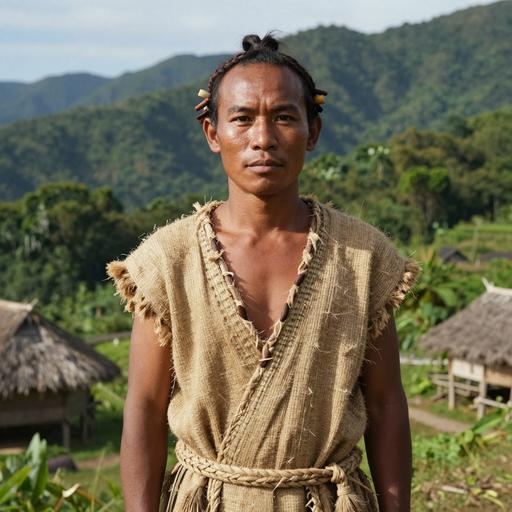
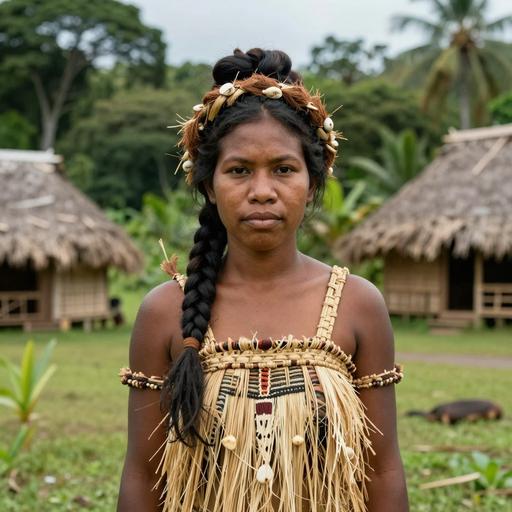
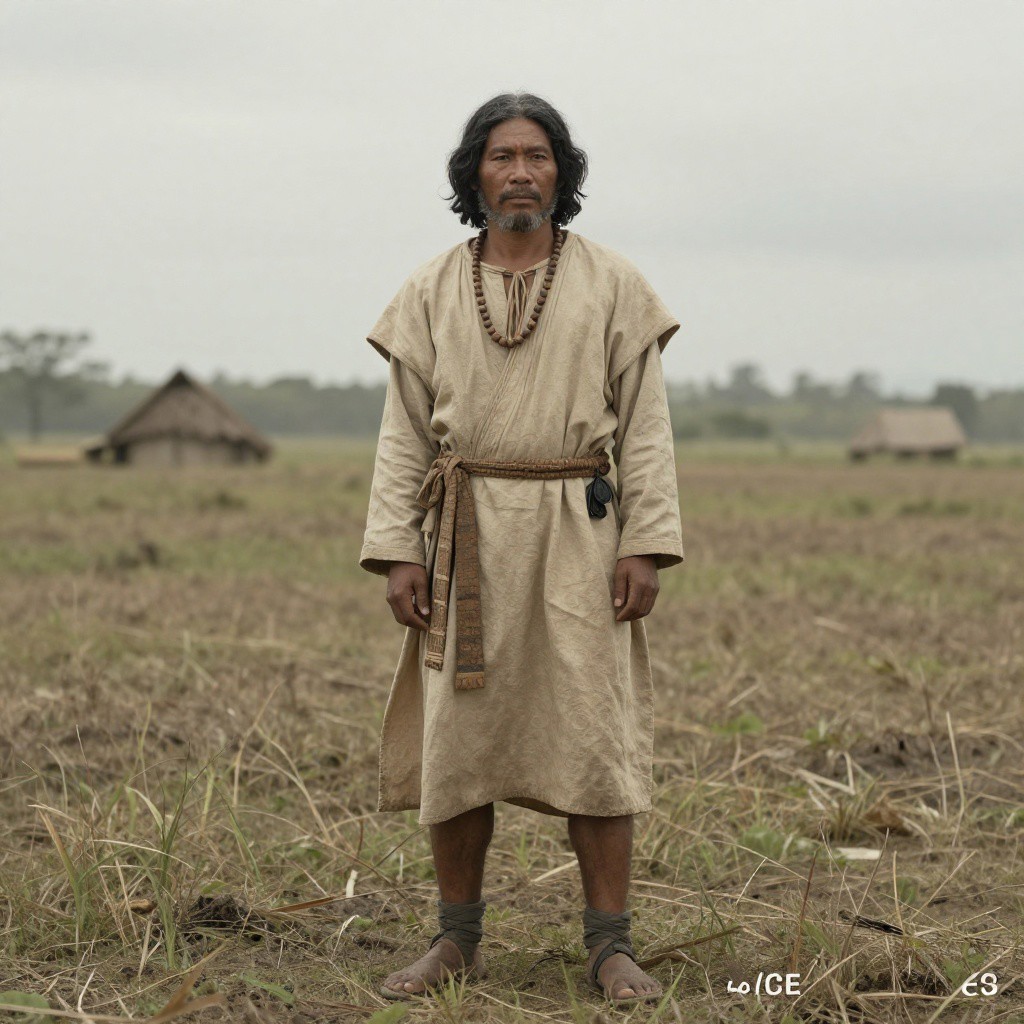
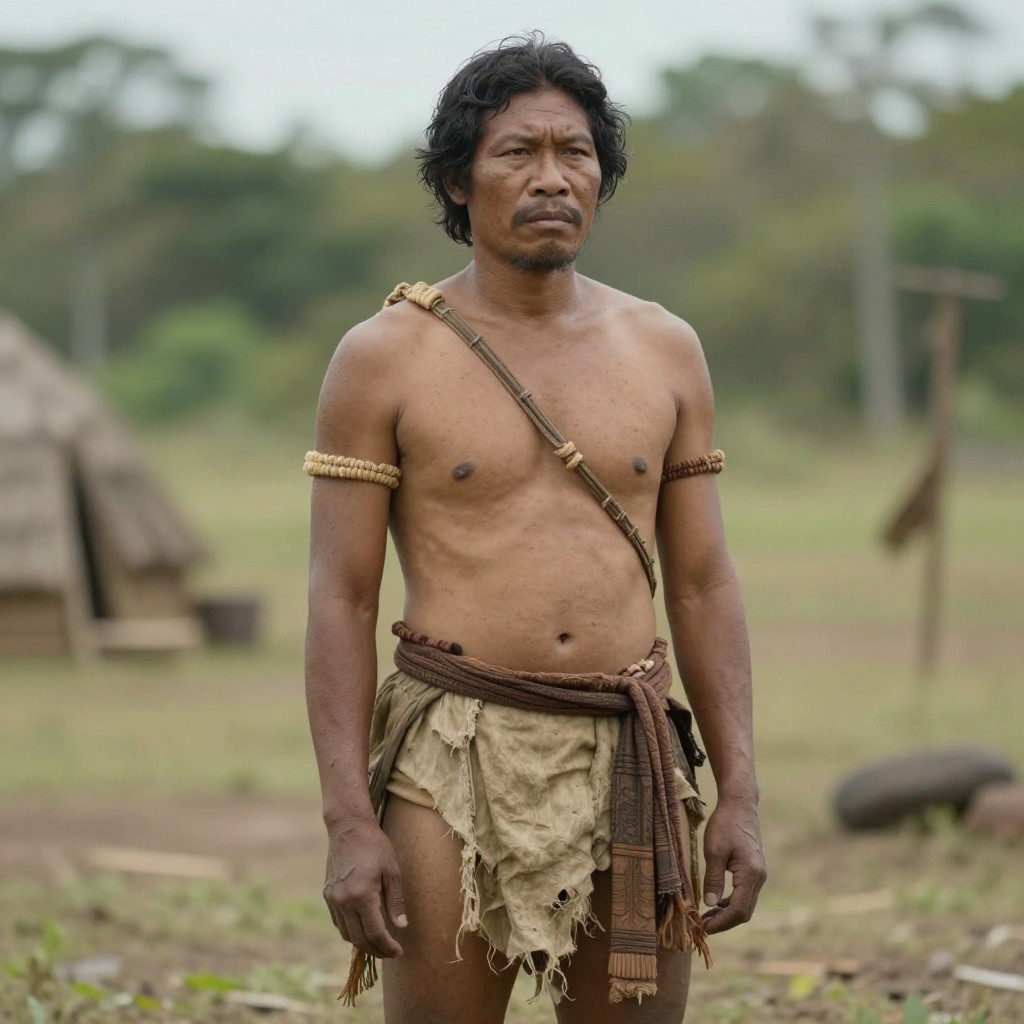
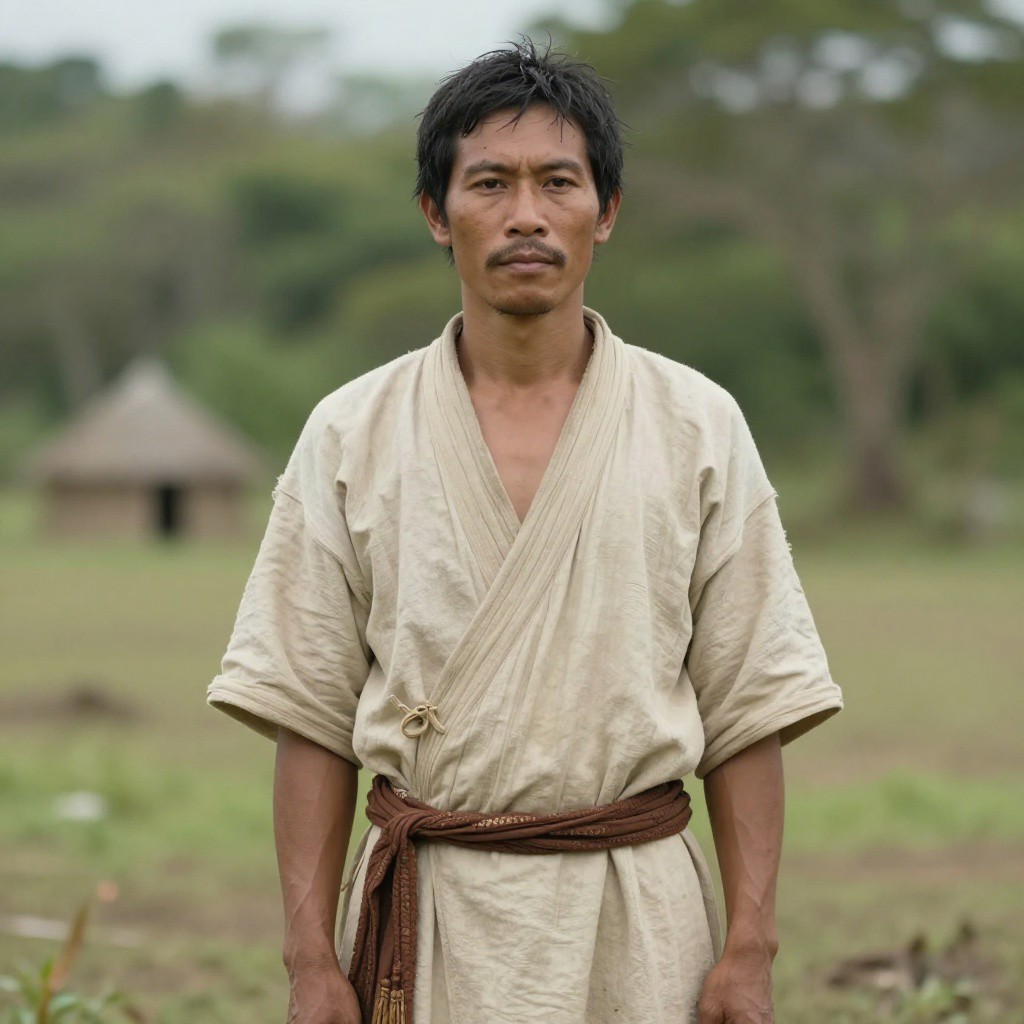
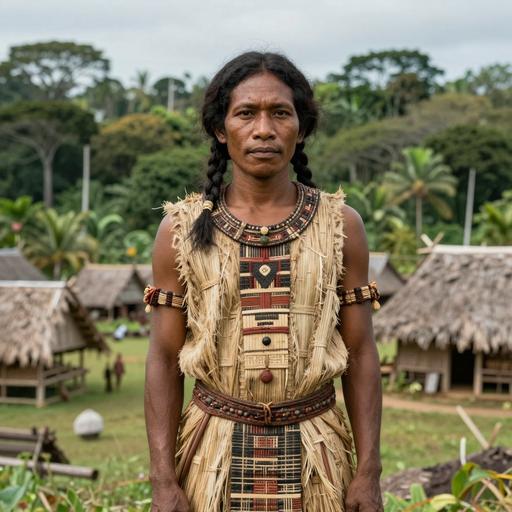
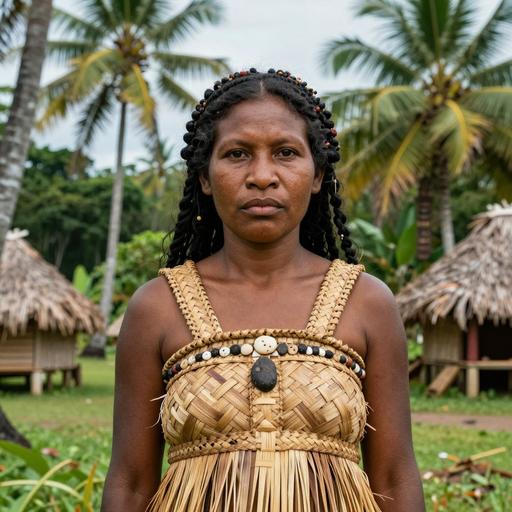
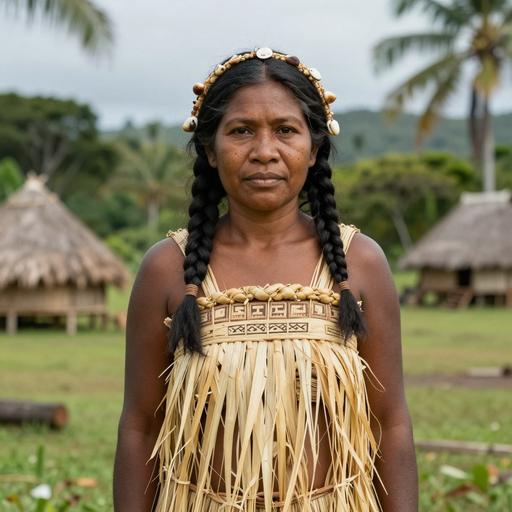
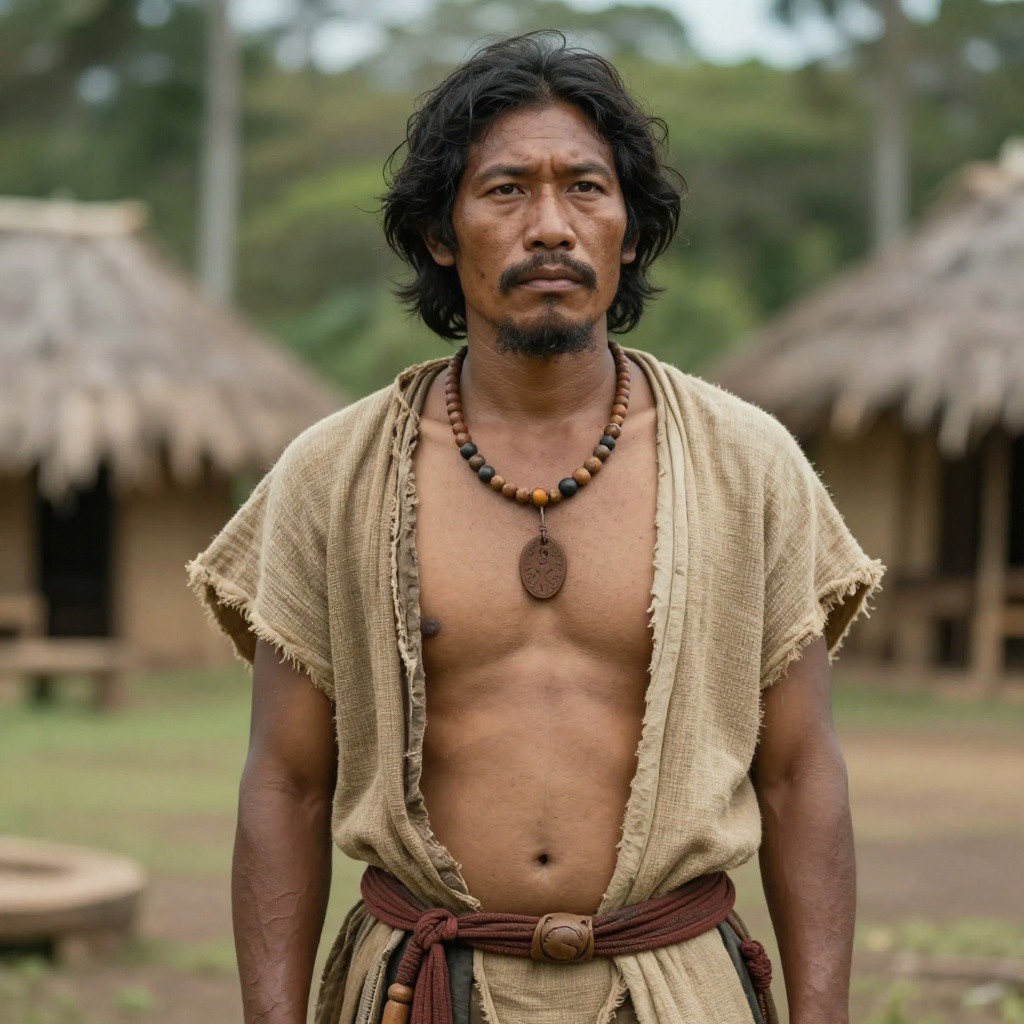
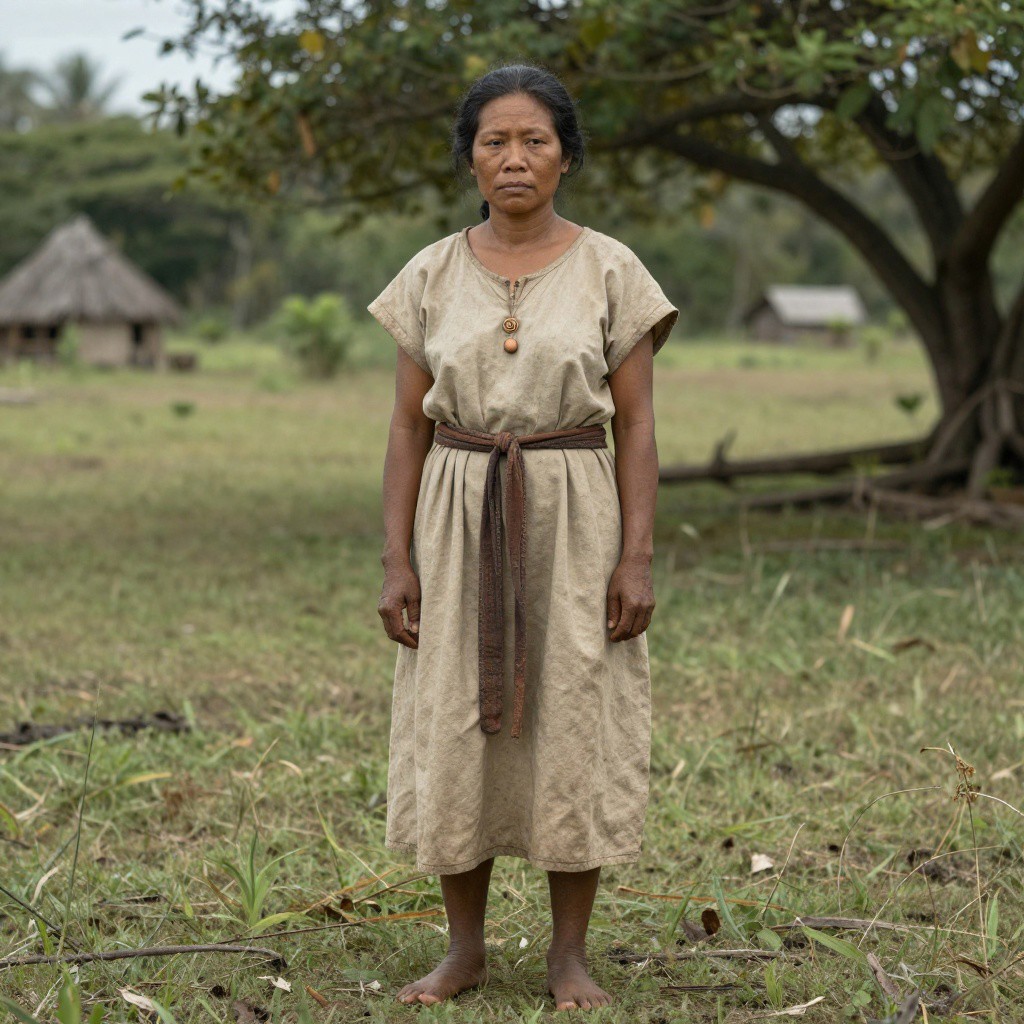
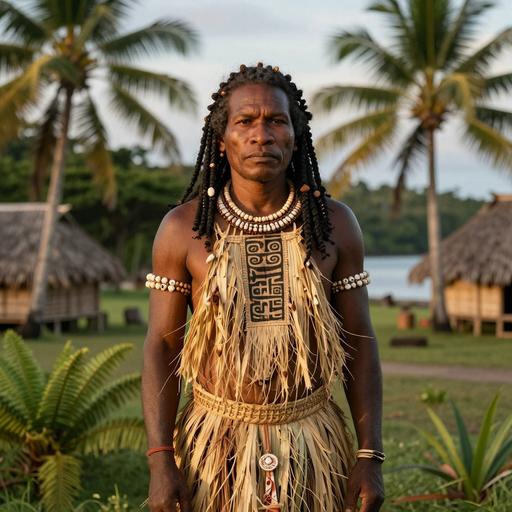
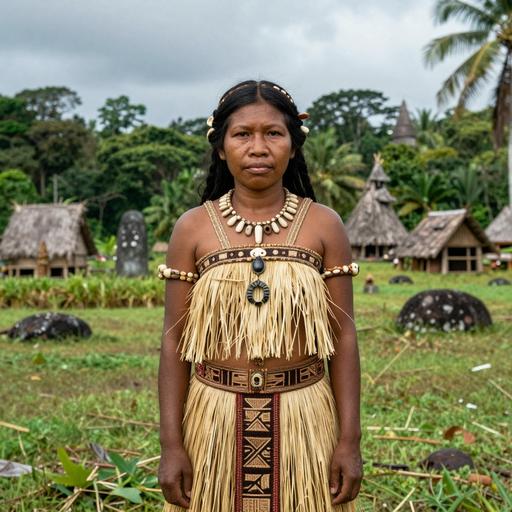
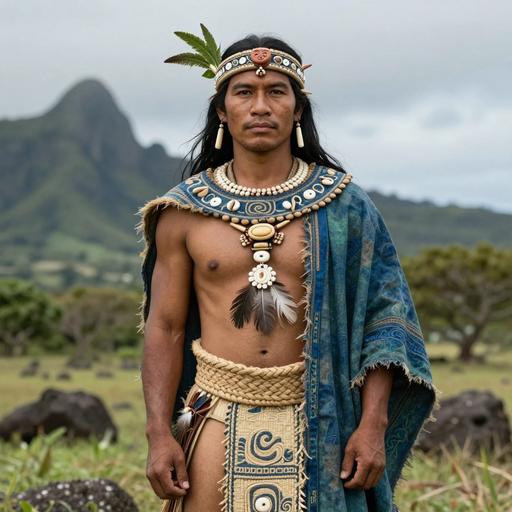
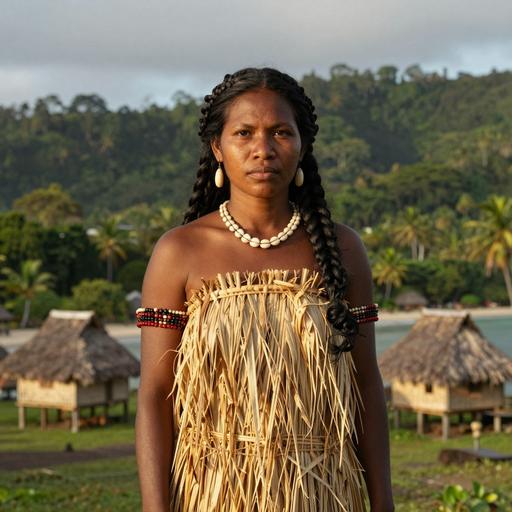
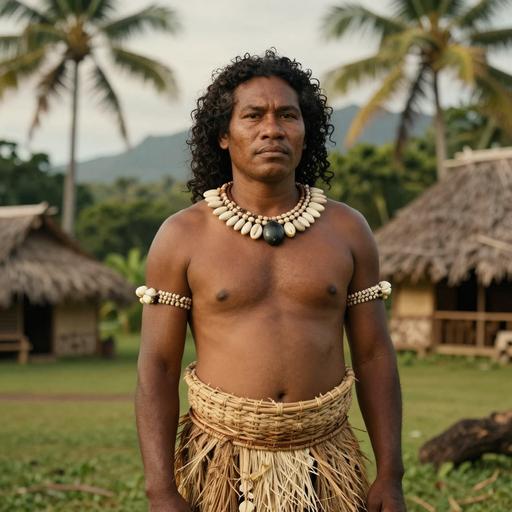
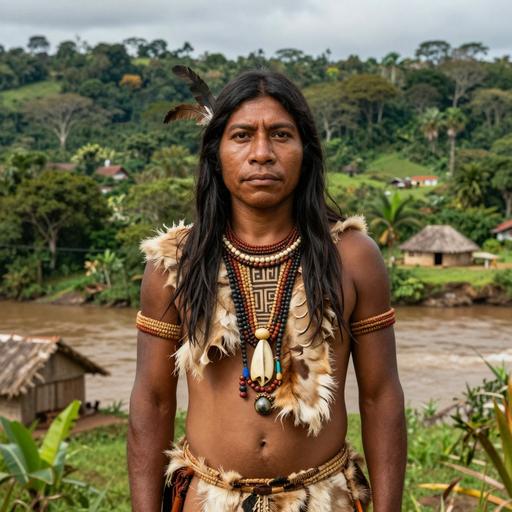
Les portraits sont des illustrations générées par IA. Les libellés d'échantillon et identifiants d'accès désignent les enregistrements de référence.
Vanuatu The First Peoples of Vanuatu 1040 BCE - 800 BCE
B4a1a1Sous-clade
Identifiant d'échantillon : I1369
Vanuatu 2,900 Years Ago - Vanuatu - Efate. Teouma
Vanuatu Vanuatu 2900BP 1070 BCE - 800 BCE
B4a1a1Sous-clade
Identifiant d'échantillon : I1369
Vanuatu The First Peoples of Vanuatu 1070 BCE - 800 BCE
B4a1a1Sous-clade
Identifiant d'échantillon : I1370
Vanuatu 2,900 Years Ago - Vanuatu - Efate. Teouma
Vanuatu Vanuatu 2900BP 1160 BCE - 830 BCE
B4a1a1Sous-clade
Identifiant d'échantillon : I1370
Vanuatu The First Peoples of Vanuatu 1160 BCE - 830 BCE
B4a1a1Sous-clade
Identifiant d'échantillon : I5266
Vanuatu 3,000 Years Ago - Vanuatu - Efate. Teouma
Vanuatu Vanuatu 3000BP 1250-750 BCE
B4a1a1cSous-clade
Identifiant d'échantillon : KMO001
Komodo Ntodo Leseh Majapahit - Indonesia - East Nusa Tengara. Komodo. Ntodo Leseh
Indonesia Komodo Ntodo Leseh Majapahit 1267-1296 calCE (726±19 BP, MAMS-40602/Otago-590)
B4a1a1Sous-clade
Identifiant d'échantillon : I24505
Latte Period, Mariana Islands, USA - USA - Northern Mariana Islands. Saipan. Garapan. Best Sunshine Casino site
USA Latte Period, Mariana Islands, USA 1300-1800 CE
B4a1a1Sous-clade
Identifiant d'échantillon : MAI002
Solomon Islands 500 Years Ago - Solomon Islands - Malaita
Solomon Islands SolomonIslands 500BP 1431 CE - 1617 CE
B4a1a1aSous-clade
Identifiant d'échantillon : MAI002
Solomon Islands Ancient Oceania 1431 CE - 1617 CE
B4a1a1aSous-clade
Identifiant d'échantillon : I10968
Vanuatu 400 Years Ago - Vanuatu - Retoka
Vanuatu Vanuatu 400BP 1450-1650 CE
B4a1a1cSous-clade
Identifiant d'échantillon : Botocudo15
Botocudo People, Brazil - Brazil - Rio Doce Valley
Brazil Botocudo People, Brazil 1450-1850 CE
B4a1a1aSous-clade
Identifiant d'échantillon : TAP003
French Polynesia 400 Years Ago - French Polynesia - French Polynesia. Ra'iatea
French Polynesia FrenchPolynesia 400BP 1508-1654 calCE (318±18 BP, MAMS-30076)
B4a1a1cSous-clade
Identifiant d'échantillon : I30479
The Saudeleur Dynasty in Micronesia - Federated States of Micronesia - Caroline Islands. Pohnpei. Temwen Island. Man Nadol. Lemenkau
Federated States of Micronesia The Saudeleur Dynasty in Micronesia 1636-1795 calCE (255±15 BP, PSUAMS-12041)
B4a1a1Sous-clade
Identifiant d'échantillon : I30477
The Saudeleur Dynasty in Micronesia - Federated States of Micronesia - Caroline Islands. Pohnpei. Temwen Island. Man Nadol. Pahndauwas
Federated States of Micronesia The Saudeleur Dynasty in Micronesia 1644-1797 calCE (235±15 BP, PSUAMS-11009)
B4a1a1a18Sous-clade
Identifiant d'échantillon : I30478
The Saudeleur Dynasty in Micronesia - Federated States of Micronesia - Caroline Islands. Pohnpei. Temwen Island. Man Nadol. Pahndauwas
Federated States of Micronesia The Saudeleur Dynasty in Micronesia 1644-1797 calCE (235±15 BP, PSUAMS-12040)
B4a1a1a18Sous-clade
Identifiant d'échantillon : TAP004
French Polynesia 200 Years Ago - French Polynesia - French Polynesia. Ra'iatea
French Polynesia FrenchPolynesia 200BP 1645 CE - 1800 CE
B4a1a1-cSous-clade
Identifiant d'échantillon : TAP004
French Polynesia Historical Polynesia 1645 CE - 1800 CE
B4a1a1-cSous-clade
LIGNÉE MATERNELLE · ADN ANTIQUE
Carte des preuves de lignées antiques
Suivez les clades parents jusqu'à cette branche et explorez où des porteurs antiques ont été identifiés.
Chargement des observations antiques…
La réduction des animations est activée. Utilisez la chronologie ou Tout afficher pour explorer à votre rythme.
Lire les observations sous forme de tableau
Observations antiques affichées par branche, période et date médiane
Branche
Période
Plage de dates
Échantillon
Identifiant d'échantillon
Emplacement
Haplogroupe
Relation
Les marqueurs indiquent des lieux de découvertes archéologiques. Un trait pointillé représente une transition géographique proposée et incertaine entre branches consécutives, appuyée sur plusieurs observations datées ; ce n'est pas un itinéraire exact, un lieu de naissance ni une preuve de descendance directe. Des échantillons de clades parents peuvent appartenir à d'autres branches descendantes. Des lacunes subsistent lorsque les preuves sont insuffisantes. Les dates d'échantillon diffèrent des dates de formation des haplogroupes.
Le regroupement par période historique reflète quand chaque individu antique a vécu, en combinant toutes les branches de cette chaîne de lignée ; ce n'est pas une séquence migratoire ni une chronologie personnelle entre périodes.
Profil de référence
Carte de répartition des porteurs
Répartition géographique de 59 échantillons d'ADN ancien (porteurs directs et de sous-clade de B4A1)
Porteur de sous-clade
Filtre de période
Toutes les périodes
Affichage de tous les échantillons
Profil de référence
Répartition temporelle
Répartition des porteurs selon les périodes archéologiques
Profil de référence
Répartition géographique
Effectifs par pays d'échantillon consigné. Ils reflètent la sélection de référence disponible, pas des fréquences de population.
Profil de référence
Répartition pays × époque
Comparez les effectifs d'échantillons consignés selon les pays et les périodes archéologiques. Sélectionnez une cellule renseignée pour examiner un échantillon.
Données
Données et provenance
Informations sur les sources et qualité des données
Dernière mise à jour2026-02-16
Score de confiance50/100
CouvertureLow
Source des données
La classification, les dates estimées et le contexte géographique reflètent les données de référence consignées et peuvent évoluer lorsque les éléments sont révisés. La couverture d'échantillons est inégale ; les lieux consignés et les associations archéologiques n'établissent pas une origine personnelle ni une identité culturelle.