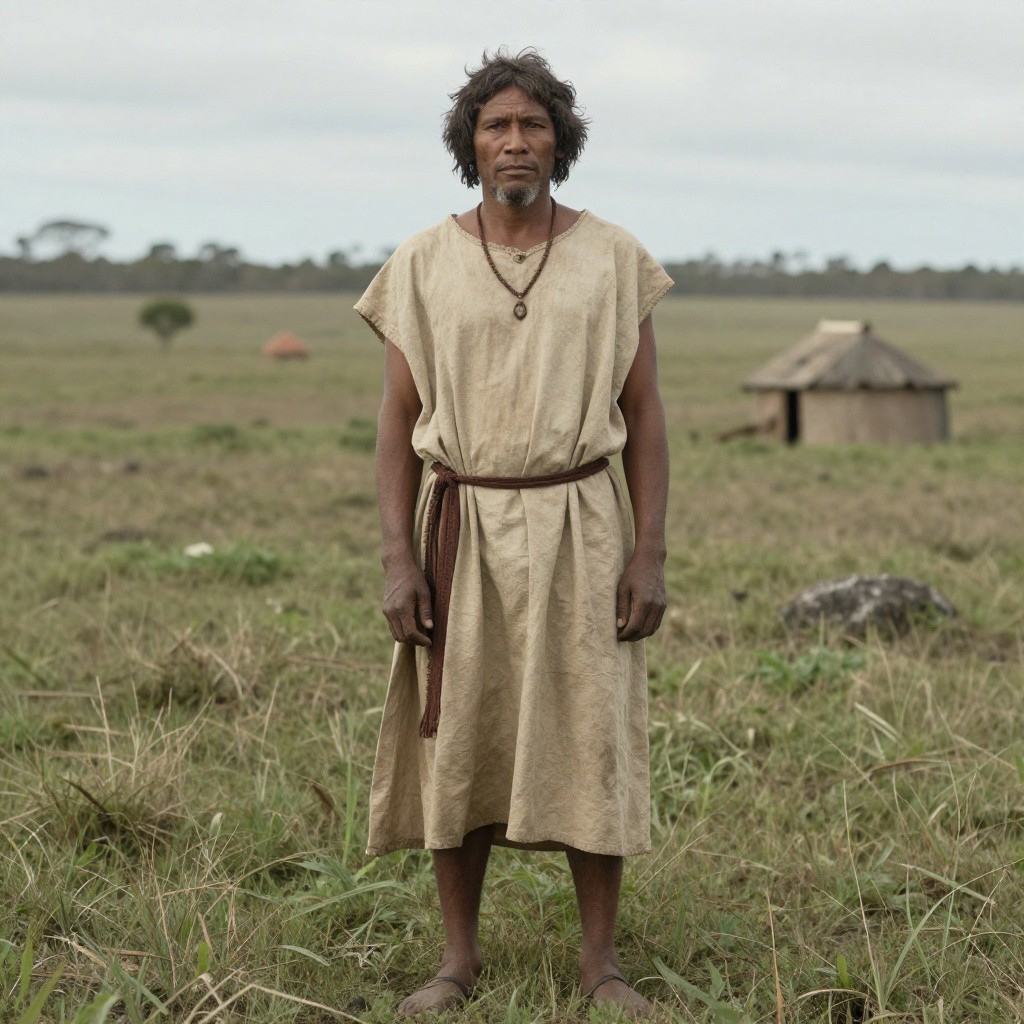
Contexto de la rama
Contexto histórico de la rama de linaje mtDNA S
Haplogroup S is a mitochondrial DNA (mtDNA) haplogroup that is primarily found in Oceania, particularly in Melanesia and parts of Australia. It is part of the larger macrohaplogroup N, which also includes several other haplogroups that are found throughout Asia, Oceania, and Europe. Haplogroup S is of significant interest in the study of human migration, particularly in understanding the early settlement of Near Oceania and the Pacific Islands. This haplogroup is most commonly associated with ancient populations that migrated into the region tens of thousands of years ago.
Origin and Evolution
Haplogroup S is believed to have originated around 40,000 to 50,000 years ago, likely in Near Oceania or Southeast Asia. It emerged as a branch of haplogroup N, which is one of the earliest mitochondrial lineages to have migrated out of Africa. After the initial migration out of Africa, haplogroup N gave rise to various subclades, including S, which diversified as human populations moved into Island Southeast Asia and Oceania.
The exact geographic origin of haplogroup S is thought to be in the islands of Melanesia or nearby regions, as it is primarily found in the Indigenous populations of New Guinea, the Solomon Islands, and surrounding areas. The timing of its emergence corresponds with the arrival of modern humans in Oceania, a region that was settled relatively early in human history.
Geographic Distribution and Significance
Haplogroup S is predominantly found in Melanesia, with notable frequencies in populations from New Guinea, the Bismarck Archipelago, the Solomon Islands, and Vanuatu. It is also present in Australia, particularly among Indigenous Australians, and in some parts of Island Southeast Asia.
Melanesia
Papua New Guinea: Haplogroup S is highly concentrated in the highlands and coastal regions of Papua New Guinea. This region is known for its extreme genetic diversity, and haplogroup S represents one of the ancient lineages that have been preserved in the isolated populations of the island.
Bismarck Archipelago and Solomon Islands: Haplogroup S is found at significant frequencies in the Bismarck Archipelago and Solomon Islands, reflecting the early human settlement of Near Oceania. These islands were some of the first regions settled by humans as they expanded into the Pacific.
Australia
- Indigenous Australians: Haplogroup S has also been detected among Indigenous Australian populations, though at lower frequencies compared to Melanesia. The presence of S in Australia likely reflects ancient genetic links between the populations of Australia and New Guinea, which were connected by land during the last glacial period.
Island Southeast Asia
- Indonesia: While rarer, haplogroup S has been detected in some populations of eastern Indonesia, particularly in the Moluccas and Sulawesi. This region serves as an important bridge between Island Southeast Asia and Oceania, and the presence of S in these populations suggests ancient migratory connections between the two regions.
Role in Human Migration
Haplogroup S provides important clues about the early migrations of human populations into Oceania. The presence of haplogroup S in New Guinea, Melanesia, and Australia suggests that it was carried by some of the first modern human populations to migrate into these regions. These migrations likely occurred between 40,000 and 50,000 years ago, during the Pleistocene, when lower sea levels connected Southeast Asia with Sahul, a supercontinent that included present-day Australia, New Guinea, and Tasmania.
Settlement of Near Oceania
Haplogroup S is particularly important in understanding the early settlement of Near Oceania, which includes the islands of New Guinea, the Bismarck Archipelago, and the Solomon Islands. These regions were among the first places outside of mainland Asia to be settled by modern humans. Populations carrying haplogroup S likely crossed from Island Southeast Asia into New Guinea and the surrounding islands, where they became genetically isolated and diversified.
The settlement of Near Oceania by populations carrying haplogroup S represents one of the earliest successful migrations into the Pacific Islands, preceding later expansions into Remote Oceania, which includes regions like Polynesia and Micronesia.
Subclades of Haplogroup S
Haplogroup S is divided into several subclades, each of which provides insights into the ancient migration patterns of human populations in Oceania and surrounding regions. These subclades have been identified in populations across Melanesia, Australia, and Island Southeast Asia.
S1: This subclade is most commonly found in Papua New Guinea and the Bismarck Archipelago. It represents one of the oldest mitochondrial lineages in the region and is associated with the early settlement of New Guinea.
S2: Found in populations from Australia and New Guinea, S2 provides important insights into the shared genetic history of Indigenous Australians and Melanesians, who were connected by land bridges during the last glacial period.
S3: This is a rarer subclade found in parts of Island Southeast Asia and Melanesia. It may represent an ancient migratory link between Southeast Asia and Oceania.
S4-S6: These are less well-studied subclades, but they are found in various populations throughout New Guinea, the Solomon Islands, and Vanuatu. Their presence highlights the complex population history of the region and the genetic diversity that developed as populations adapted to life in the islands of the Pacific.
Ancient DNA and Archaeological Evidence
Ancient DNA studies and archaeological findings provide important insights into the role of haplogroup S in early human history, particularly in the context of the settlement of Oceania. The identification of haplogroup S in ancient remains from Papua New Guinea and surrounding regions confirms that this haplogroup has been present in Near Oceania for tens of thousands of years.
Papua New Guinea: Ancient DNA from archaeological sites in Papua New Guinea has revealed the presence of haplogroup S, confirming that it was part of the genetic makeup of the region's earliest inhabitants.
Indigenous Australian Remains: Haplogroup S has also been detected in ancient remains from Australia, supporting the idea that populations carrying haplogroup S migrated across Sahul, the landmass that connected Australia and New Guinea during the last glacial period.
Modern Distribution and Frequency
Haplogroup S is found at moderate frequencies in modern populations across Melanesia, with the highest concentrations in New Guinea and the Solomon Islands. It is also present, though at lower frequencies, in Australia and Island Southeast Asia:
New Guinea: S is found at high frequencies in both highland and coastal populations, reflecting the deep genetic diversity of the region.
Solomon Islands: S is present in Indigenous populations throughout the Solomon Islands, where it represents a significant component of the genetic diversity.
Australia: S is found at low frequencies among Indigenous Australians, likely reflecting ancient genetic links between Australia and New Guinea.
Indonesia: S is found at lower frequencies in parts of eastern Indonesia, particularly in the Moluccas and Sulawesi, which serve as geographic bridges between Island Southeast Asia and Melanesia.
Genetic and Evolutionary Significance
Haplogroup S is significant for understanding the genetic diversity and ancient migration patterns of populations in Oceania and Island Southeast Asia. As one of the oldest mitochondrial haplogroups in the region, S reflects the early human settlement of the Pacific and the isolation of populations in New Guinea, Australia, and nearby islands.
The deep genetic roots of haplogroup S highlight the long-term isolation and adaptation of populations in Near Oceania and Australia, where unique genetic lineages developed over tens of thousands of years. Haplogroup S also provides valuable insights into the complex population history of the Pacific, where ancient migrations and later expansions shaped the genetic landscape.
Conclusion
Haplogroup S is an ancient mitochondrial DNA lineage that originated around 40,000 to 50,000 years ago and is primarily found in Melanesia, Australia, and parts of Island Southeast Asia. It played a key role in the early human settlement of Near Oceania and reflects the deep genetic roots of populations in New Guinea, the Solomon Islands, and surrounding regions.
As one of the major haplogroups in Oceania, S provides important insights into the early migrations and genetic diversity of the region’s Indigenous populations. The presence of **S
** in modern populations across Melanesia, Australia, and Southeast Asia underscores the complex history of human migration and adaptation in these regions over tens of thousands of years.
Puntos clave
- Origin and Evolution
- Geographic Distribution and Significance
- Role in Human Migration
- Subclades of Haplogroup S
- Ancient DNA and Archaeological Evidence