Saltar al contenido principal
mtDNA · Materno linaje

N9

mtDNA Haplogroup N9

Un perfil de referencia de una rama de linaje. Compartir haplogrupos no demuestra una relación familiar ni una identidad cultural.

Perfil de referencia

Contexto de la rama

Contexto histórico de la rama de linaje mtDNA N9

Origins and Evolution

Haplogroup N9 is a descendant of macro-haplogroup N, itself a major non-African branch of L3 that expanded during the Out-of-Africa dispersal. N9 most likely arose in East Asia during the Late Upper Paleolithic (roughly ~25 kya by most molecular-clock estimates) as populations that had settled in East and Southeast Asia underwent regional differentiation. The timing of N9's origin places it after the initial N radiation but before or around the Last Glacial Maximum (LGM), allowing its descendants to participate in post-LGM re-expansions and localized continuity in refugial zones.

Subclades

The N9 node gave rise to several recognizable subclades; the most commonly discussed in the literature are N9a and N9b, with smaller or rarer branches (sometimes grouped as N9c or local offshoots) defined in more recent phylogenetic refinements.

  • N9a: Widely distributed across continental East Asia and seen at low-to-moderate frequencies in parts of Southeast Asia and Central Asia. N9a has been identified in ancient and modern samples and often shows signals of Holocene expansions associated with demographic growth in mainland East Asia.
  • N9b: More localized, with high relative frequencies in the Japanese archipelago (including Jomon and some modern populations), certain Siberian groups, and parts of northeastern Asia; it is often treated as a marker of deep continuity in northern island and coastal populations.
  • Other minor branches (occasionally labeled N9c or local sublineages) are recorded in Southeast Asia and isolated inland populations, reflecting structure produced by founder effects and local differentiation.

Geographical Distribution

N9 is predominantly East Asian in its distribution. Modern and ancient DNA studies show:

  • High relative representation of specific N9 subclades (particularly N9b) in the Japanese archipelago and adjacent northeastern Asian coastal regions.
  • Widespread N9a across Han Chinese and other East Asian populations at low-to-moderate frequencies, and detectable presence in many Southeast Asian groups.
  • Scattered occurrences in Central Asia and among some Siberian groups — often reflecting prehistoric east–west gene flow or Holocene mobility.
  • Low, sporadic occurrences in West Eurasia or South Asia usually attributable to later historic movements or rare founder events rather than primary origin.

These patterns reflect a combination of deep Pleistocene structure, post-LGM re-expansions, and Holocene demographic processes including farming-related dispersals and regional continuity in island refugia.

Historical and Cultural Significance

N9 subclades appear in several archaeogenetic contexts that inform on prehistoric demography:

  • Jomon and prehistoric Japan: N9b is frequently discussed in relation to the Jomon period, where its presence in ancient remains supports continuity between Paleolithic/early Holocene inhabitants and some modern Japanese lineages.
  • Post-LGM expansions: N9a lineages show patterns consistent with population growth and geographic spread in mainland East Asia during the Late Glacial and early Holocene, likely tracking improvements in climate and resource availability.
  • Neolithic/Holocene interactions: While many Neolithic expansions in East Asia were driven by multiple maternal lineages (including other N-derived clades and M clades), N9 subclades contributed to the maternal diversity of early farming and foraging communities and thus to the genetic makeup of later historic populations.

Overall, N9 provides a useful maternal marker for studying regional continuity in northeastern Asia (especially Japan) and the broader demographic history of East and parts of Southeast Asia.

Conclusion

mtDNA haplogroup N9 is a mid-level branch of macro-haplogroup N with a likely East Asian origin in the Late Upper Paleolithic. Its major subclades, especially N9a and N9b, illuminate different population processes: N9b highlights deep island/coastal continuity (notably in Japan), while N9a reflects broader mainland expansions during the Late Pleistocene and Holocene. Together these lineages are informative for reconstructing the maternal history of East Asia and its connections to neighboring regions.

Puntos clave

  • Origins and Evolution
  • Subclades
  • Geographical Distribution
  • Historical and Cultural Significance
  • Conclusion

Perfil de referencia

Árbol y relaciones

Contexto filogenético y subclados

Trayectoria evolutiva

Sigue las ramas superiores registradas hasta N9. Las fechas son estimaciones y pueden cambiar al revisarse los datos de referencia.

Pasos Haplogrupo Antigüedad estimada Época arqueológica Tiempo transcurrido Subclados inmediatos Portadores modernos analizados Referencias antiguas
1 N9 Actual ~25,000 years ago Paleolithic 25,000 years 3 178 0
2 N ~60,000 years ago Paleolithic 60,000 years 16 26,150 13
3 L3 ~70,000 years ago Paleolithic 70,000 years 7 30,162 6
4 L3'4 - - - 2 30,212 0
5 L3'4'6 - - - 2 30,216 0
6 L2'3'4'6 - - - 2 31,333 0
7 L2'3'4'5'6'7 - - - 2 31,349 0
8 L1'2'3'4'5'6'7 - - - 2 31,852 0
9 L ~160,000 years ago Paleolithic 160,000 years 2 32,236 5
Perfil de referencia

En el mundo

Distribución geográfica y presencia moderna

Origen registrado

East Asia

Distribución moderna

The populations where mtDNA haplogroup N9 is found include:

  1. Han Chinese and other mainland East Asian populations (China)
  2. Japanese populations (including Jomon-associated ancient samples and modern groups)
  3. Koreans and Manchurian/Tungusic groups of Northeast Asia
  4. Southeast Asian populations (Vietnamese, Thai, Malay, parts of Indonesia)
  5. Indigenous Siberian and Far Eastern groups (e.g., some Buryat, Nivkh, and related peoples)
  6. Central Asian groups at low frequencies (Tajik, Kazakh, and other steppe-adjacent populations)
  7. Insular East Asian island populations (Ryukyu, Okinawa)
  8. Scattered occurrences in South Asia and West Eurasia attributable to historic or rare prehistoric gene flow
  9. Ancient archaeological contexts: Jomon-era remains, Late Pleistocene/Holocene East Asian samples
  10. Modern urban and mixed populations across East and Southeast Asia due to post-contact admixture
Contexto histórico

Una rama a través del tiempo

Formación estimada en una cronología histórica amplia. Los marcadores temporales aportan contexto y no implican relación con culturas concretas.

  1. ~25k años de antigüedad

    Haplogrupo N9

    Formación estimada de esta rama de mtDNA; las fechas y ubicaciones son estimaciones de referencia.

    Esta rama
  2. ~20k años de antigüedad

    Último máximo glacial

    Máxima extensión de la última glaciación y aislamiento de poblaciones

  3. ~10k años de antigüedad

    Revolución neolítica

    Inicio de la agricultura y formación de comunidades sedentarias

  4. ~5k años de antigüedad

    Edad del Bronce

    Metalurgia, escritura y primeras civilizaciones

  5. ~3k años de antigüedad

    Edad del Hierro

    Herramientas de hierro y ampliación de redes comerciales

  6. ~2.5k años de antigüedad

    Antigüedad clásica

    Desarrollo de las civilizaciones griega y romana

  7. Actualidad

    Actualidad

    Época moderna

Perfil de referencia

Contexto arqueológico

Asociaciones arqueológicas registradas para la rama mtDNA N9

Asociaciones registradas

Estas etiquetas describen contextos arqueológicos registrados para las muestras de referencia enlazadas a N9. Una asociación no demuestra que todos los portadores pertenecieran a una cultura ni siguieran una ruta migratoria concreta.

Bohemian Hunter-Gatherer Dzudzuana Funnel Beaker Culture Iraqi PPN Jomon Peștera cu Oase
Las atribuciones culturales se basan en el contexto arqueológico de las muestras de ADN antiguo y pueden representar asociaciones regionales de periodos concretos.
Perfil de referencia

Catálogo de muestras

51 portadores de subclados del haplogrupo N9 (sin portadores directos en la selección de referencia actual)

10 mostradas · 50 muestras coincidentes

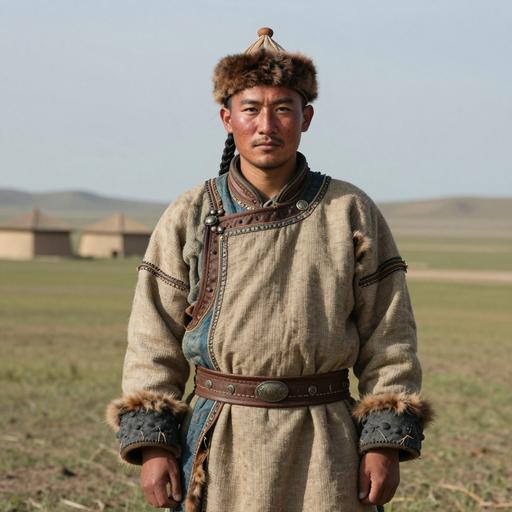
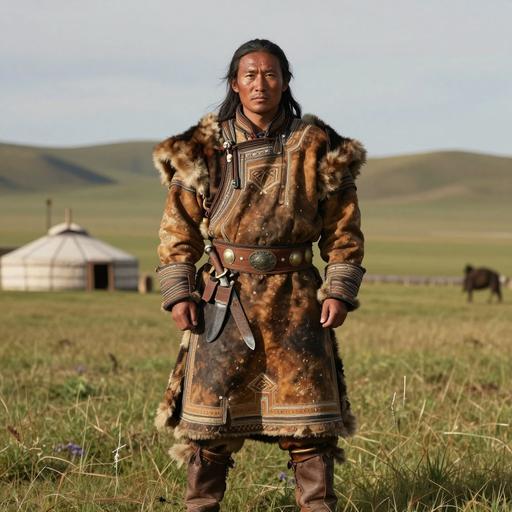
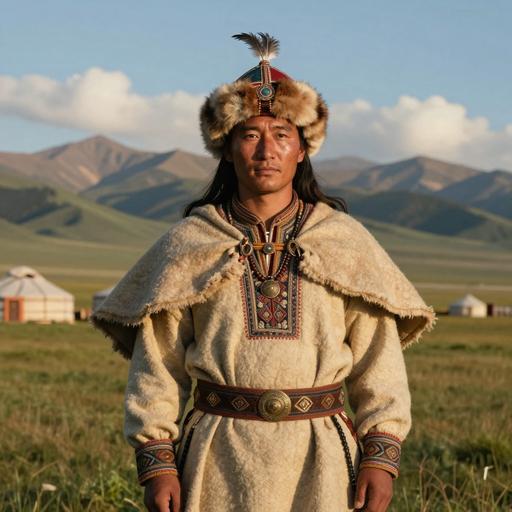
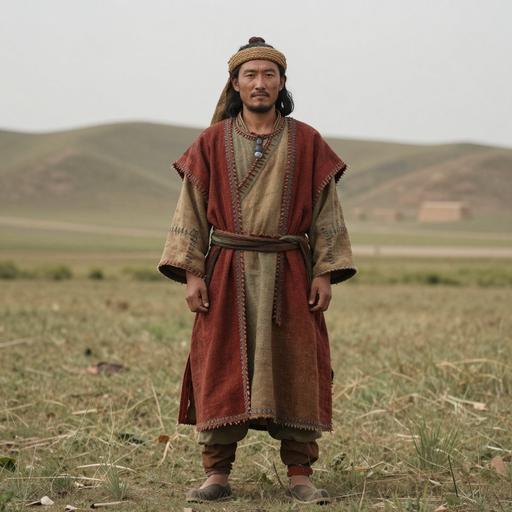
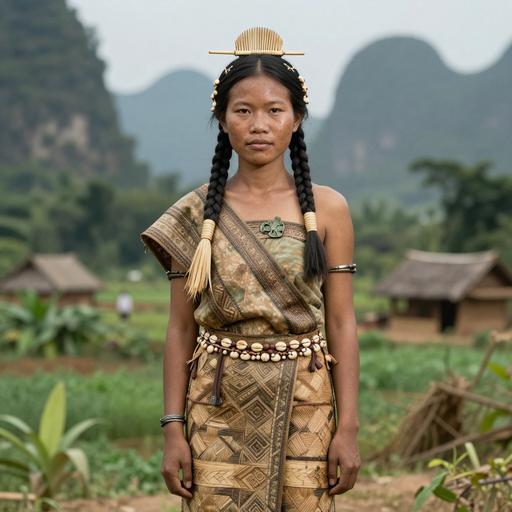
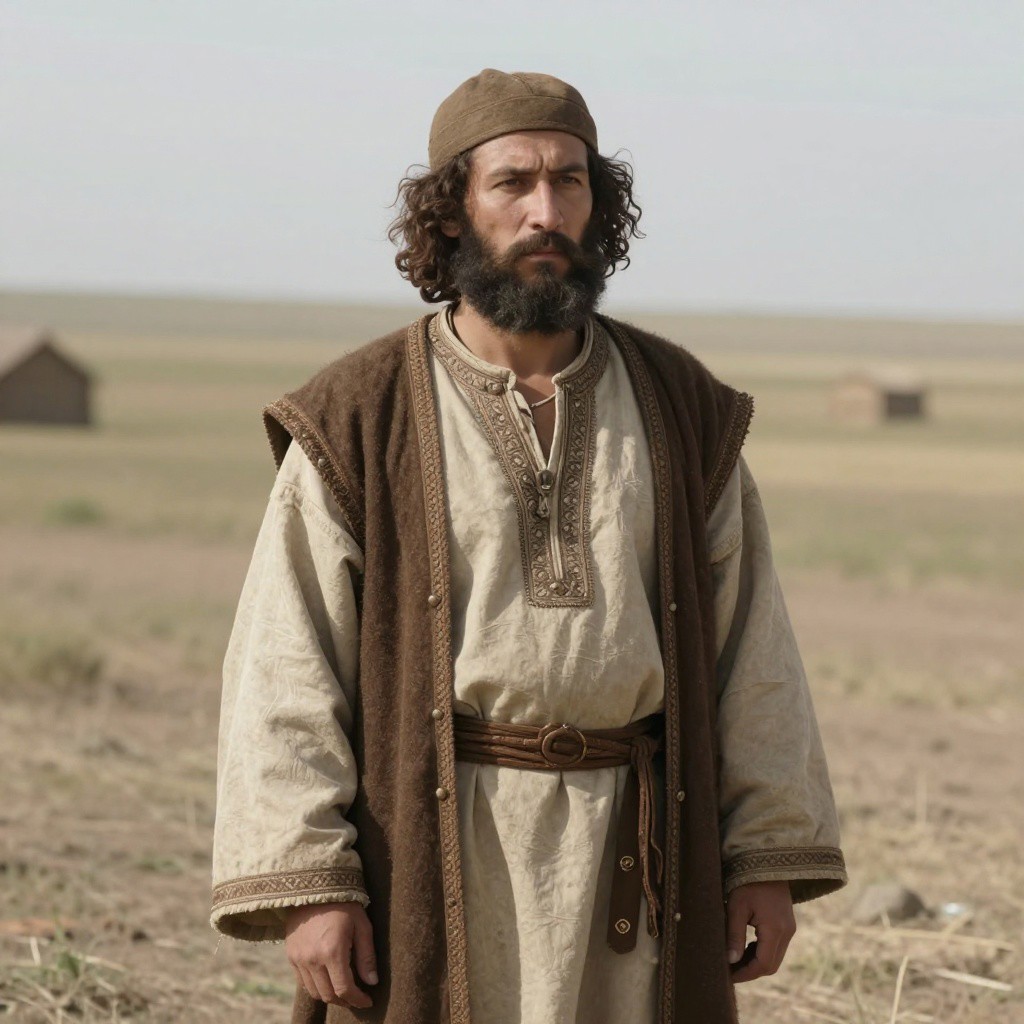
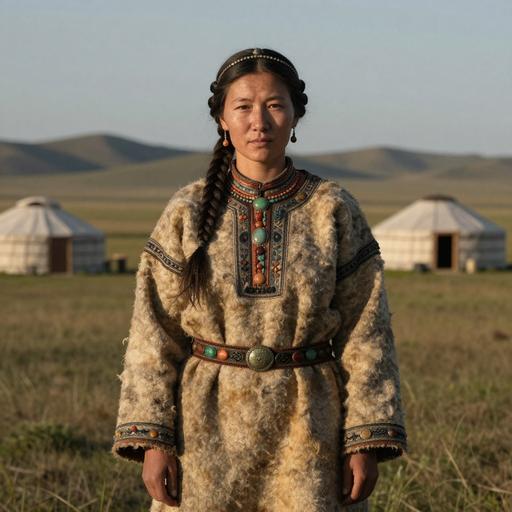
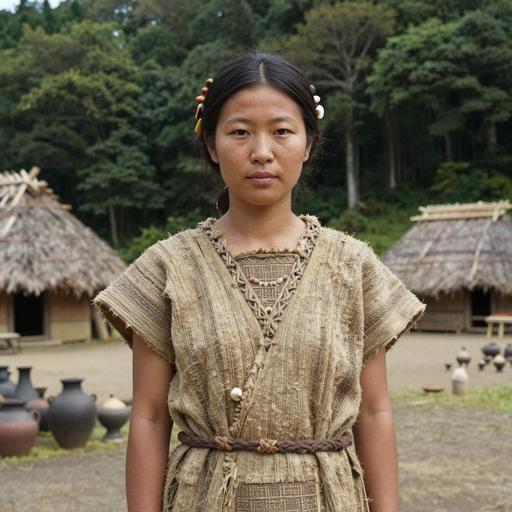
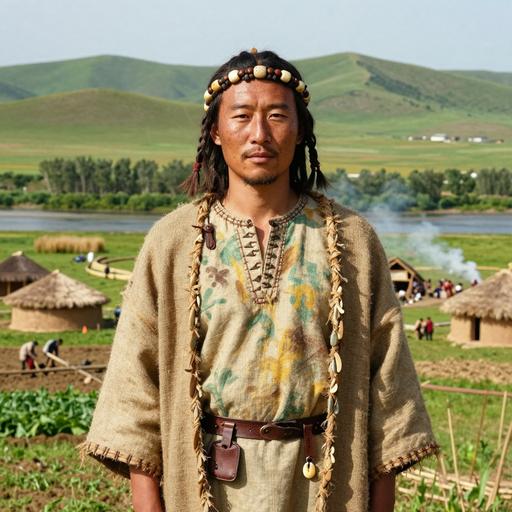
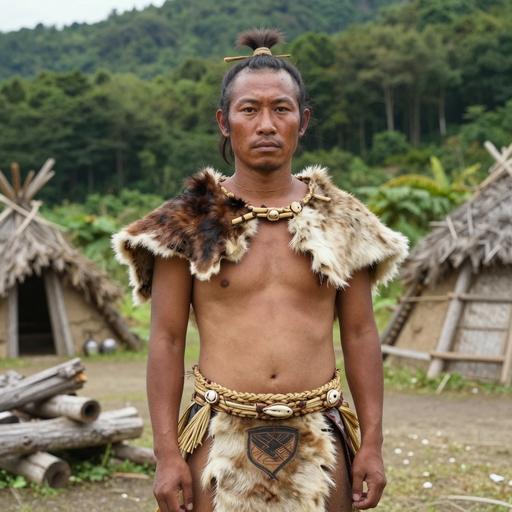
Los retratos son ilustraciones generadas con IA. Las etiquetas de muestra y los identificadores de acceso identifican los registros de referencia.

Retrato Muestra País Época Fecha Cultura mtDNA Coincidencia
Retrato ilustrativo de Ancient Chinese Civilization individual, Inner Mongolia. Hulunbuir. Zhalainuoer. Zhalainuoer mining site, China (81-236 CE) generado con IA
Identificador de muestra: ZLNR-1
China Iron Age China 81 CE - 236 CE Chinese Iron Age N9a9 Subclado
Retrato ilustrativo de China Ia individual, Inner Mongolia. Hulunbuir. Zhalainuoer. Zhalainuoer mining site, China (81-236 CE) generado con IA
Identificador de muestra: ZLNR-1
China Iron Age China 81 CE - 236 CE N9a9 Subclado
Retrato ilustrativo de Nomadic Steppe Cultures individual, Siberia. Tungus & Eastern Steppe, Mongolia (150 BCE-125 CE) generado con IA
Identificador de muestra: DA39
Mongolia Xiongnu Period Mongolia 150 BCE - 125 CE Xiongnu Culture N9a2'4'5'11 Subclado
Retrato ilustrativo de Xiongnu individual, Siberia. Tungus & Eastern Steppe, Mongolia (150 BCE-125 CE) generado con IA
Identificador de muestra: DA39
Mongolia The Xiongnu Empire 150 BCE - 125 CE N9a2'4'5'11 Subclado
Retrato ilustrativo de Buryatia Xiongnu Period individual, Buryatia. Il'movaya Pad, Russia (200 BCE-100 CE) generado con IA
Identificador de muestra: IMA008
Russia Xiongnu Period Buryatia, Russia 50 BCE - 150 CE Xiongnu Buryat N9a Subclado
Retrato ilustrativo de Xiongnu Period individual, Uvurkhangai. Tevsh Mountain, Mongolia (200 BCE-100 CE) generado con IA
Identificador de muestra: TEV003
Mongolia Xiongnu Period Uvurkhangai, Mongolia 200 BCE - 200 CE Xiongnu Culture N9a1 Subclado
Retrato ilustrativo de Nomadic Steppe Cultures individual, Tian Shan. Central Steppe, Kyrgyzstan (265-547 CE) generado con IA
Identificador de muestra: DA65
Kyrgyzstan The Hun Period in Kyrgyzstan 265 CE - 547 CE Hunnic Period N9a9 Subclado
Retrato ilustrativo de Hun individual, Tian Shan. Central Steppe, Kyrgyzstan (265-547 CE) generado con IA
Identificador de muestra: DA65
Kyrgyzstan The Huns 265 CE - 547 CE N9a9 Subclado
Retrato ilustrativo de Ancient Chinese Civilization individual, Xinjiang. Yili Region. Nileke County. Tangbalesayi, China (368-52 BCE) generado con IA
Identificador de muestra: C627
China Iron Age Tangbalesayi, Xinjiang, China 368 BCE - 52 BCE Tangbalesayi Culture N9a9 Subclado
Retrato ilustrativo de Ancient Chinese Civilization individual, Xinjiang. Yili Region. Nileke County. Tangbalesayi, China (368-52 BCE) generado con IA
Identificador de muestra: C4257
China Iron Age Tangbalesayi, Xinjiang, China 368 BCE - 52 BCE Tangbalesayi Culture N9a9 Subclado
MATERNAL LINAJE · ADN ANTIGUO

Mapa de pruebas de linajes antiguos

Sigue los clados superiores hasta esta rama y explora dónde se encontraron portadores antiguos.

Cargando observaciones antiguas...

Los marcadores son ubicaciones de hallazgos arqueológicos. Una línea discontinua representa una transición geográfica propuesta e incierta entre ramas consecutivas, apoyada en varias observaciones fechadas; no es una ruta de viaje exacta, un lugar de nacimiento ni una prueba de descendencia directa. Las muestras del clado parental pueden pertenecer a otras ramas descendientes. Se mantienen huecos cuando las pruebas son insuficientes. Las fechas de las muestras son distintas de las fechas de formación de los haplogrupos.

Perfil de referencia

Mapa de distribución de portadores

Distribución geográfica de muestras de ADN antiguo (51), portadores directos o de subclados de N9

Portador de un subclado
Filtro de periodo temporal
Todos los periodos
Mostrando todas las muestras
Perfil de referencia

Distribución temporal

Distribución de portadores por periodos arqueológicos

Perfil de referencia

Distribución geográfica

Recuentos por país registrado de las muestras. Reflejan la selección de referencia disponible, no frecuencias de población.

Perfil de referencia

Distribución por país y época

Compara los recuentos de muestras registradas por países y periodos arqueológicos. Selecciona una celda con datos para examinar una muestra.

Datos

Datos y procedencia

Información sobre las fuentes y la calidad de los datos

Última actualización 2026-02-16
Puntuación de confianza 50/100
Cobertura Low

Fuente de datos

La clasificación, las fechas estimadas y el contexto geográfico reflejan los datos de referencia registrados y pueden cambiar al revisarse las pruebas. La cobertura de muestras es desigual; las ubicaciones registradas y las asociaciones arqueológicas no establecen el origen personal ni la identidad cultural.