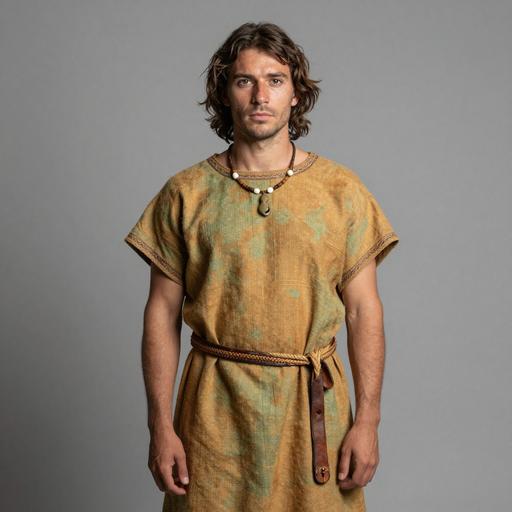
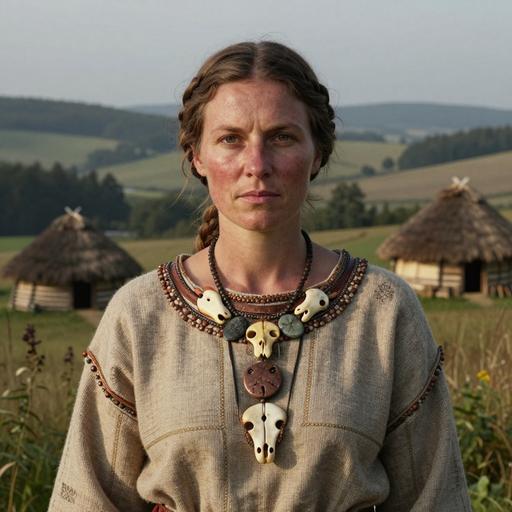
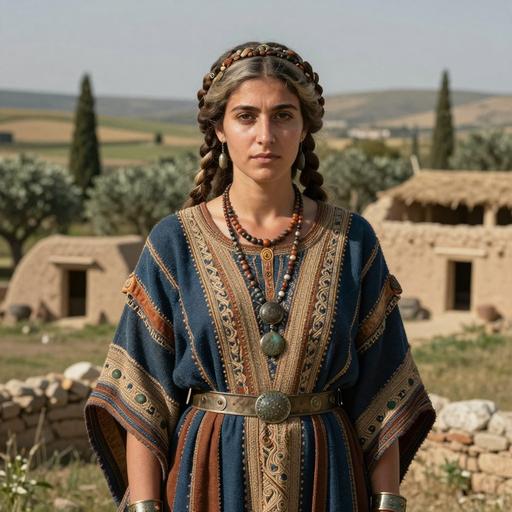
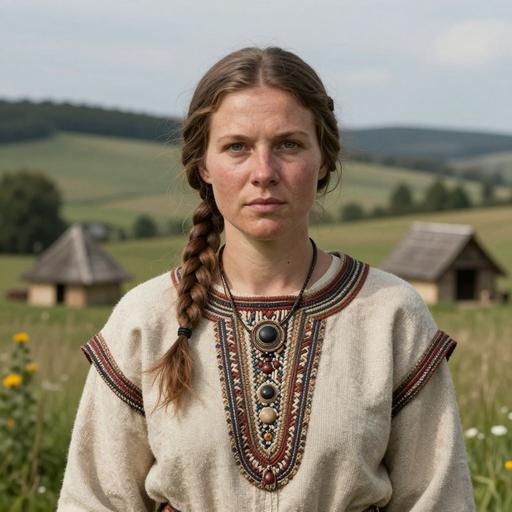
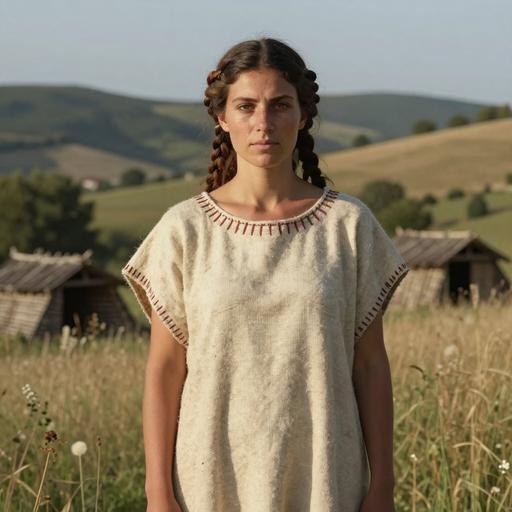
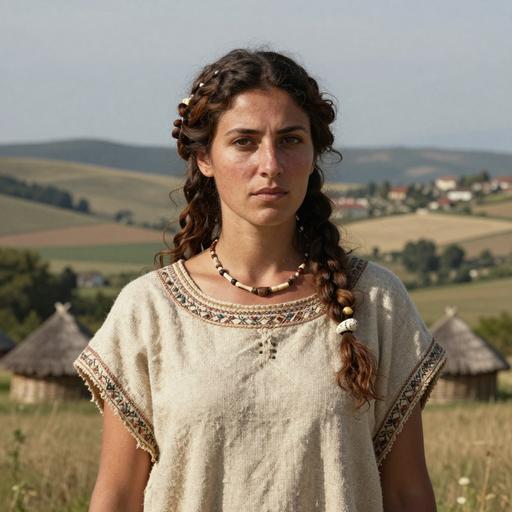
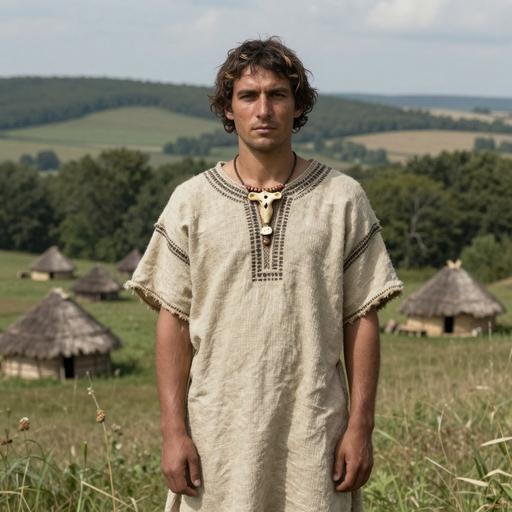
Un perfil de referencia de una rama de linaje. Compartir haplogrupos no demuestra una relación familiar ni una identidad cultural.
Perfil de referencia
Contexto de la rama
Contexto histórico de la rama de linaje mtDNA T2B
Origins and Evolution
Haplogroup T2B is a downstream branch of mtDNA haplogroup T2, itself a descendant of the JT macro-haplogroup. T2 likely diversified near the Near East during or shortly after the Last Glacial Maximum (~21 kya for T2), and T2B represents a later split that genetic evidence and ancient DNA suggest formed during the Late Glacial or early postglacial period (roughly ~14 kya in this estimate). Its evolution is tied to the broader post-LGM recolonization of Europe from refugia around the Mediterranean and Near East and later to the Neolithic demographic expansion of early farmers.
Genetic studies have recovered T2B in Mesolithic-to-Neolithic transition contexts and across many later archaeological horizons, indicating continuity and repeated incorporation into expanding populations. The internal diversity of T2B in modern and ancient samples supports a scenario of an origin in or near the Near East with subsequent dispersal into Europe and peripheral regions.
Subclades
T2B contains further substructure (for example named branches often reported in sequence-based studies such as T2b1, T2b2, etc.), with some sub-lineages showing more restricted geographic patterns. Some subclades are more frequent in southern and central Europe, while others appear in the Near East and North Africa. High-resolution phylogenies built from full mitogenomes are required to resolve fine-scale subclade relationships and to date internal nodes accurately.
Geographical Distribution
T2B is widespread but uneven in frequency. It is most commonly observed in Southern and Central Europe, occurs at moderate frequencies in Eastern Europe and the Near East, and is present at lower frequencies in North Africa, parts of the Caucasus, and Central Asia. Ancient DNA demonstrates T2B in early farmer contexts in Europe (e.g., Early Neolithic agricultural communities) and in later archaeological cultures, indicating both early arrival with farming groups and persistence through subsequent demographic events.
Historical and Cultural Significance
The occurrence of T2B in early Neolithic farmer remains links it to the demic diffusion of agriculture from the Near East into Europe. Because T2 lineages are commonly found among ancient Early European Farmers (EEF), T2B is often treated as part of that maternal genetic signature. T2B is also observed in later archaeological horizons (e.g., Chalcolithic and Bronze Age samples) and in modern populations that descend from or admixed with those earlier groups.
T2B has been reported among some Jewish communities (including Ashkenazi lineages) and in North African groups at lower frequencies, reflecting historical migrations and gene flow across the Mediterranean. Its presence in many ancient samples (hundreds in aggregated databases) makes it a useful lineage for tracing maternal ancestry in archaeological and population-genetic studies.
Conclusion
mtDNA haplogroup T2B is a Neolithic- and postglacial-era maternal lineage that links the Near East and Mediterranean refugia with the peopling of Europe. It exemplifies how maternal lineages moved with both hunter-gatherer re-expansion after the LGM and later with the spread of farming populations, and it remains detectable in a wide range of modern and ancient populations across Europe, the Near East, North Africa, and adjacent regions.
Puntos clave
Origins and Evolution
Subclades
Geographical Distribution
Historical and Cultural Significance
Conclusion
Perfil de referencia
Árbol y relaciones
Contexto filogenético y subclados
Trayectoria evolutiva
Sigue las ramas superiores registradas hasta T2B. Las fechas son estimaciones y pueden cambiar al revisarse los datos de referencia.
The populations where mtDNA haplogroup T2B is found include:
Southern and Central European populations (Italy, Iberia, Balkans)
Eastern European populations
Near Eastern populations (Anatolia, Levant)
North African populations (at lower frequencies)
Caucasus populations (sporadic occurrences)
Central Asian populations (low frequencies)
Jewish populations (including some Ashkenazi lineages)
Contexto histórico
Una rama a través del tiempo
Formación estimada en una cronología histórica amplia. Los marcadores temporales aportan contexto y no implican relación con culturas concretas.
~20k años de antigüedad
Último máximo glacial
Máxima extensión de la última glaciación y aislamiento de poblaciones
~14k años de antigüedad
Haplogrupo T2B
Formación estimada de esta rama de mtDNA; las fechas y ubicaciones son estimaciones de referencia.
Esta rama
~10k años de antigüedad
Revolución neolítica
Inicio de la agricultura y formación de comunidades sedentarias
~5k años de antigüedad
Edad del Bronce
Metalurgia, escritura y primeras civilizaciones
~3k años de antigüedad
Edad del Hierro
Herramientas de hierro y ampliación de redes comerciales
~2.5k años de antigüedad
Antigüedad clásica
Desarrollo de las civilizaciones griega y romana
Actualidad
Actualidad
Época moderna
Perfil de referencia
Contexto arqueológico
Asociaciones arqueológicas registradas para la rama mtDNA T2B
Asociaciones registradas
Estas etiquetas describen contextos arqueológicos registrados para las muestras de referencia enlazadas a T2B. Una asociación no demuestra que todos los portadores pertenecieran a una cultura ni siguieran una ruta migratoria concreta.
Las atribuciones culturales se basan en el contexto arqueológico de las muestras de ADN antiguo y pueden representar asociaciones regionales de periodos concretos.
Perfil de referencia
Catálogo de muestras
57 portadores directos y 43 portadores de subclados del haplogrupo T2B
10 mostradas · 50 muestras coincidentes
Ninguna muestra coincide con estos filtros. Prueba otra etiqueta, ubicación o periodo.
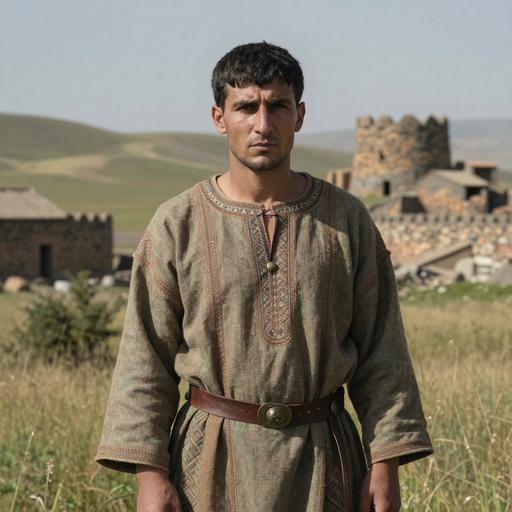
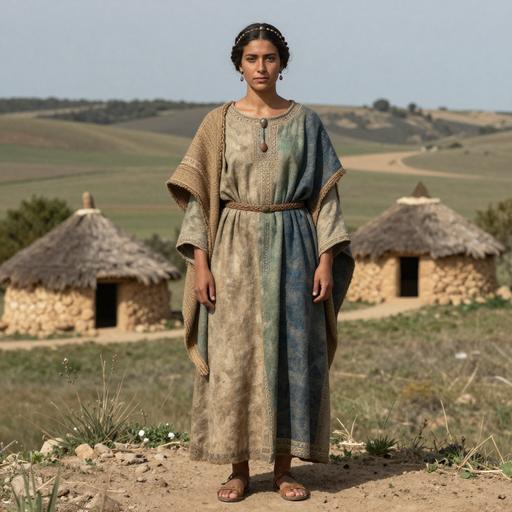
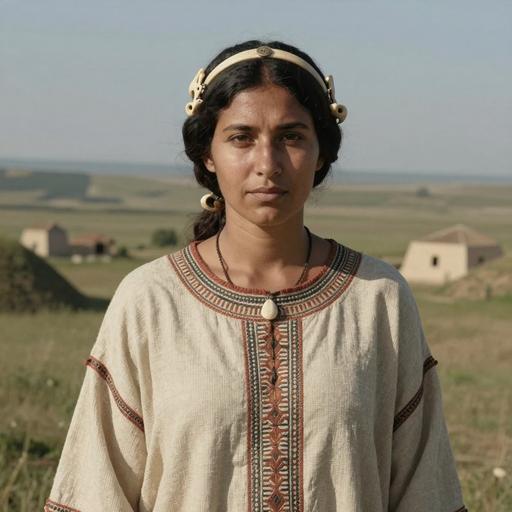
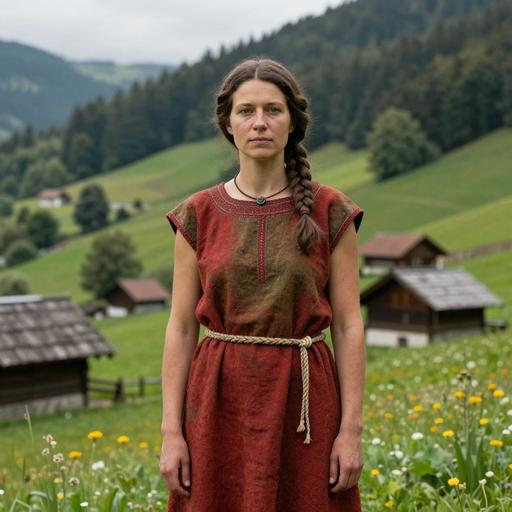
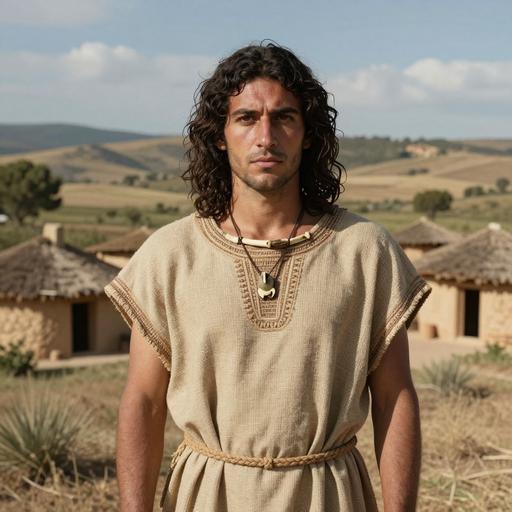
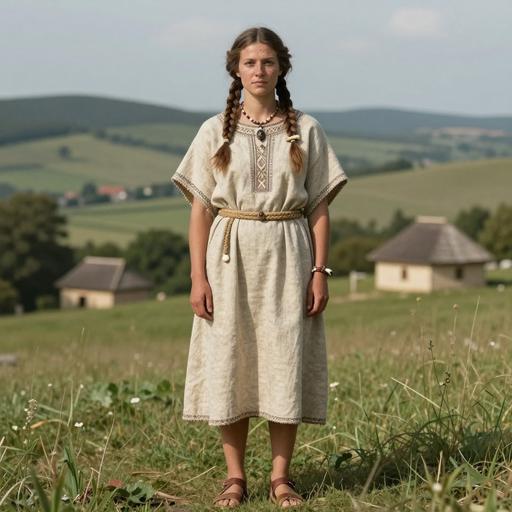
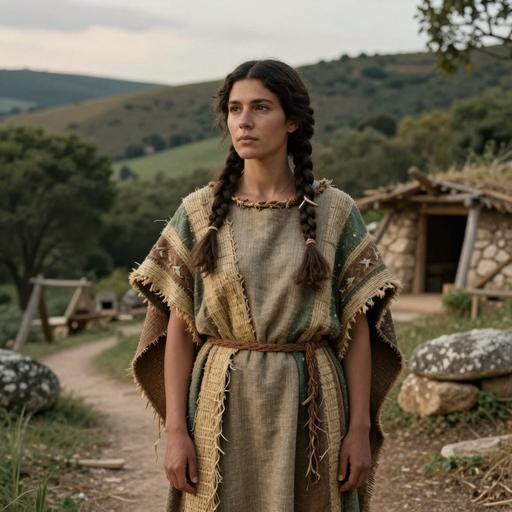
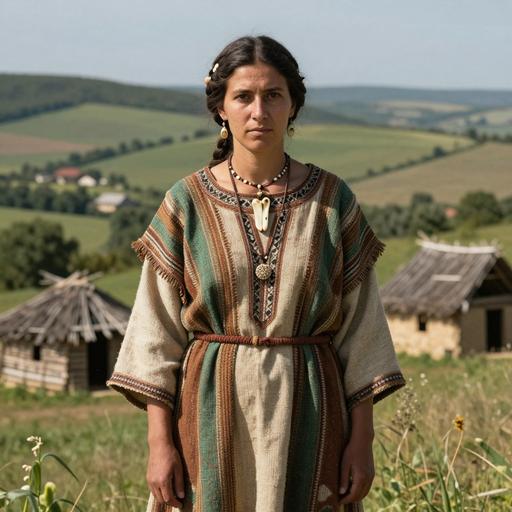
Los retratos son ilustraciones generadas con IA. Las etiquetas de muestra y los identificadores de acceso identifican los registros de referencia.
Retrato
Muestra
País
Época
Fecha
Cultura
mtDNA
Coincidencia
Identificador de muestra: I8475
Spain
Roman Period Spain
100-200 CE
Roman Hispania
T2b
Direct
Identificador de muestra: BUR001
Mongolia
Early Medieval Xiongnu
103 calBCE - 13 calCE (2051±15 BP, GrM-13986)
Xiongnu
T2b
Direct
Identificador de muestra: AMC014
Italy
Roman Period Sardinia, Italy
126-310 calCE (1837±26 BP, MAMS-39522)
Roman Sardinian
T2b
Direct
Identificador de muestra: I11701
Austria
Austria IA LaTene
500-200 BCE
La Tène Culture
T2b
Direct
Identificador de muestra: CL121
Italy
Early Medieval Langobards, Northern Italy
550-650 CE
Langobard
T2b
Direct
Identificador de muestra: CL145
Italy
Early Medieval Langobards, Northern Italy
550-650 CE
Langobard
T2b
Direct
Identificador de muestra: CL151
Italy
Early Medieval Langobards, Northern Italy
550-650 CE
Langobard
T2b
Direct
Identificador de muestra: I14688
Albania
The Transition to Iron Age in Albania
600-400 BCE
Albanian Iron Age
T2b
Direct
Identificador de muestra: I16219
Armenia
Early Iron Age Armenia
773-523 calBCE (2490±25 BP, PSUAMS-7192)
Early Iron Age Armenian
T2b
Direct
Identificador de muestra: I17181
Armenia
Early Iron Age Armenia
776-545 calBCE (2510±20 BP, PSUAMS-7908)
Early Iron Age Armenian
T2b
Direct
Identificador de muestra: I23904
Croatia
Croatia EIA
789-568 calBCE (2535±15 BP, UCIAMS-169836)
Croatian Iron Age
T2b
Direct
Identificador de muestra: Turlojiske1
Lithuania
Bronze Age Lithuania
928-810 calBCE (2730±30 BP, Poz-66904)
Lithuanian Bronze Age
T2b
Direct
Identificador de muestra: R65
Italy
Medieval to Early Modern Italy
1070 CE - 1150 CE
Medieval Italian
T2b
Direct
Identificador de muestra: I7626
United Kingdom
England MBA
1399-1130 calBCE (3025±35 BP, SUERC-25533)
British Middle Bronze Age
T2b
Direct
Identificador de muestra: I3491
Spain
Spain EBA
1850-1150 BCE
Early Bronze Age Iberian
T2b
Direct
Identificador de muestra: I5377
United Kingdom
Chalcolithic to Early Bronze Age England
1895 BCE - 1693 BCE
British Chalcolithic
T2b
Direct
Identificador de muestra: MIB001
Czech Republic
Early Bronze Age Unetice Culture, Bohemia, Czech Republic
1919-1751 calBCE (3516±20 BP, MAMS-30481)
Unetice Culture
T2b
Direct
Identificador de muestra: PMI009
Czech Republic
Early Bronze Age Unetice Culture, Bohemia, Czech Republic
2021-1773 calBCE (3560±35 BP, UtC-13190)
Unetice Culture
T2b
Direct
Identificador de muestra: MOK21A
Serbia
The Maros Culture in Serbia
2100-1800 BCE
Maros
T2b
Direct
Identificador de muestra: MOK9B
Serbia
The Maros Culture in Serbia
2100-1800 BCE
Maros
T2b
Direct
Identificador de muestra: I3255
United Kingdom
England BellBeaker
2139-1947 calBCE (3661±31 BP, SUERC-49482)
Bell Beaker
T2b
Direct
Identificador de muestra: BNL004
Czech Republic
Early Bronze Age Unetice Culture, Bohemia, Czech Republic
2150-1950 BCE
Unetice Culture
T2b
Direct
Identificador de muestra: MX189
Switzerland
Switzerland EBA 2
2199-2035 calBCE (3721±20 BP, BE-7986.1.1)
Early Bronze Age Swiss
T2b
Direct
Identificador de muestra: VLI039
Czech Republic
Early Bronze Age Unetice Culture, Bohemia, Czech Republic
2200-1900 BCE
Unetice Culture
T2b
Direct
Identificador de muestra: I3256
United Kingdom
England BellBeaker
2269-2027 calBCE (3722±31 BP)
Bell Beaker
T2b
Direct
Identificador de muestra: I5382
United Kingdom
England BellBeaker
2282-1980 calBCE (3725±40 BP, OxA-8728)
Bell Beaker
T2b
Direct
Identificador de muestra: I5514
Czech Republic
Bell Beaker Culture, Czech Republic
2287-2140 calBCE (3780±20 BP, PSUAMS-2864)
Bell Beaker
T2b
Direct
Identificador de muestra: I2787
Hungary
Hungary EBA BellBeaker
2456-2200 calBCE (3840±35 BP, Poz-83640)
Bell Beaker
T2b
Direct
Identificador de muestra: PRU003
Czech Republic
Bell Beaker Culture, Bohemia, Czech Republic
2570-2348 calBCE (3957±24 BP, MAMS-30801)
Bell Beaker
T2b
Direct
Identificador de muestra: I2683
Turkey
Turkey EBA
2621-2467 calBCE (4015±30 BP, PSUAMS-1988)
Early Bronze Anatolia
T2b
Direct
Identificador de muestra: I5531
Germany
Bell Beaker Culture, Germany
2800-1800 BCE
Bell Beaker
T2b
Direct
Identificador de muestra: KON001
Czech Republic
Corded Ware Culture, Bohemia, Czech Republic
2874-2627 calBCE (4147±24 BP, MAMS-45787)
Corded Ware
T2b
Direct
Identificador de muestra: ILK002
Ukraine
Early Bronze Age Globular Amphora Culture, Ukraine
2889-2675 calBCE (4192±22 BP, MAMS-30073)
Globular Amphora Culture
T2b
Direct
Identificador de muestra: I6629
Spain
Spain C
2900-2300 BCE
Los Millares
T2b
Direct
Identificador de muestra: I2180
Bulgaria
Early Bronze Age Bulgaria
3098-2914 calBCE (4394±29 BP, OxA-23059)
Bulgarian EBA
T2b
Direct
Identificador de muestra: I2370
Hungary
Hungary LateC Baden
3345-2937 calBCE (4460±40 BP, Poz-88230)
Baden Culture
T2b
Direct
Identificador de muestra: I0172
Germany
Middle Neolithic Esperstedt, Germany
3363 BCE - 3029 BCE
Esperstedt Culture
T2b
Direct
Identificador de muestra: I10285
Spain
Spain MLN
3400-2500 BCE
Iberian Neolithic
T2b
Direct
Identificador de muestra: PB581
Ireland
Ireland MN
3625-3363 calBCE (4679±48 BP, UBA-38316)
Irish Middle Neolithic
T2b
Direct
Identificador de muestra: CBT001
Turkey
Late Chalcolithic Çamlıbel Tarlası, Turkey
3627-3377 calBCE (4725±20 BP, MAMS-41627)
Çamlıbel Tarlası
T2b
Direct
Identificador de muestra: I6677
Czech Republic
Baalberge Culture
3800-3400 BCE
Baalberge Culture
T2b
Direct
Identificador de muestra: I2110
Ukraine
Ukraine Eneolithic Trypillia
3911-3650 calBCE (4976±33 BP, OxA-26203)
Trypillia Culture
T2b
Direct
Identificador de muestra: I10272
Croatia
Croatia C Lasinja
4230-3967 calBCE (5240±40 BP, Beta-233122)
Lasinja Culture
T2b
Direct
Identificador de muestra: I4189
Hungary
Hungary C Balaton Lasinja
4300-3900 BCE
Balaton-Lasinja
T2b
Direct
Identificador de muestra: I10050
Croatia
Croatia C Lasinja
4300-3900 BCE
Lasinja Culture
T2b
Direct
Identificador de muestra: I10275
Croatia
Croatia C Lasinja
4300-3900 BCE
Lasinja Culture
T2b
Direct
Identificador de muestra: I10295
Croatia
Croatia C Lasinja
4300-3900 BCE
Lasinja Culture
T2b
Direct
Identificador de muestra: ROS82
France
Middle Neolithic Grand Est, France
4780-4552 calBCE (5816±28 BP, SUERC-46435)
Middle Neolithic Culture
T2b
Direct
Identificador de muestra: TU915(SX29)
France
Middle Neolithic Lingolsheim, Alsace, France
4800-4500 BCE
Lingolsheim Culture
T2b
Direct
Identificador de muestra: I1899
Hungary
Hungary LN Lengyel
4900-4300 BCE
Lengyel Culture
T2b
Direct
Identificador de muestra: I8475
Roman Period Spain - Spain - Girona. Empuries. necropolis Centre de Visitants
Middle Neolithic Grand Est, France - France - Grand-Est (East). Rosheim. Rosheim "Mittelfeld" "Rosenmeer
France Middle Neolithic Grand Est, France 4780-4552 calBCE (5816±28 BP, SUERC-46435)
T2bDirect
Identificador de muestra: TU915(SX29)
Middle Neolithic Lingolsheim, Alsace, France - France - Alsace. Lingolsheim
France Middle Neolithic Lingolsheim, Alsace, France 4800-4500 BCE
T2bDirect
Identificador de muestra: I1899
Late Neolithic Lengyel Culture, Hungary - Hungary - Veszprém Jutasi út
Hungary Hungary LN Lengyel 4900-4300 BCE
T2bDirect
MATERNAL LINAJE · ADN ANTIGUO
Mapa de pruebas de linajes antiguos
Sigue los clados superiores hasta esta rama y explora dónde se encontraron portadores antiguos.
Cargando observaciones antiguas...
La reducción de movimiento está activada. Utiliza la cronología o Mostrar todo para explorar a tu ritmo.
Leer las observaciones en una tabla
Observaciones antiguas visibles por rama, periodo y punto medio de la fecha
Rama
Periodo
Intervalo de fechas
Muestra
Identificador de muestra
Ubicación
Haplogrupo
Relación
Los marcadores son ubicaciones de hallazgos arqueológicos. Una línea discontinua representa una transición geográfica propuesta e incierta entre ramas consecutivas, apoyada en varias observaciones fechadas; no es una ruta de viaje exacta, un lugar de nacimiento ni una prueba de descendencia directa. Las muestras del clado parental pueden pertenecer a otras ramas descendientes. Se mantienen huecos cuando las pruebas son insuficientes. Las fechas de las muestras son distintas de las fechas de formación de los haplogrupos.
La agrupación por periodo histórico refleja cuándo vivió cada individuo antiguo y combina todas las ramas de esta cadena de linajes; no es una secuencia migratoria ni una cronología personal entre periodos.
Perfil de referencia
Mapa de distribución de portadores
Distribución geográfica de muestras de ADN antiguo (100), portadores directos o de subclados de T2B
Portador directo Portador de un subclado
Filtro de periodo temporal
Todos los periodos
Mostrando todas las muestras
Perfil de referencia
Distribución temporal
Distribución de portadores por periodos arqueológicos
Perfil de referencia
Distribución geográfica
Recuentos por país registrado de las muestras. Reflejan la selección de referencia disponible, no frecuencias de población.
Perfil de referencia
Distribución por país y época
Compara los recuentos de muestras registradas por países y periodos arqueológicos. Selecciona una celda con datos para examinar una muestra.
Datos
Datos y procedencia
Información sobre las fuentes y la calidad de los datos
Última actualización2026-02-16
Puntuación de confianza50/100
CoberturaLow
Fuente de datos
La clasificación, las fechas estimadas y el contexto geográfico reflejan los datos de referencia registrados y pueden cambiar al revisarse las pruebas. La cobertura de muestras es desigual; las ubicaciones registradas y las asociaciones arqueológicas no establecen el origen personal ni la identidad cultural.