Un perfil de referencia de una rama de linaje. Compartir haplogrupos no demuestra una relación familiar ni una identidad cultural.
Perfil de referencia
Contexto de la rama
Contexto histórico de la rama de linaje mtDNA T2B3
Origins and Evolution
mtDNA haplogroup T2B3 is a downstream branch of T2B, itself a subclade of the broader haplogroup T2. T2 lineages are generally associated with populations that expanded from refugia in the Near East and Mediterranean after the Last Glacial Maximum. Based on the phylogenetic position of T2B3 below T2B (parent node dated ~14 kya) and its occurrence in early Holocene and Neolithic contexts, T2B3 most plausibly arose in the Near East or Mediterranean fringe during the early Holocene (roughly the 10–8 kya window) and subsequently dispersed into Europe with the expansion of farmer populations and continued coastal and inland gene flow.
Subclades (if applicable)
At present T2B3 is recognized as a distinct branch within T2B; published and database lineages sometimes resolve further downstream subclades (for example, labels such as T2B3a or similarly numbered subbranches where high-resolution complete mitogenomes are available). Where such subclades are robustly defined they typically reflect regionally restricted expansions (for instance, localized Mediterranean or Balkan founder effects). Because resolution depends on complete mitogenomes and dense sampling, the substructure of T2B3 continues to be refined as more ancient and modern full mitogenomes are sequenced.
Geographical Distribution
T2B3 is most commonly observed across the Mediterranean and southern Europe, with additional occurrences in the Near East, parts of North Africa, the Caucasus, and low-frequency appearances in Central and Eastern Europe. In modern populations its frequency is typically moderate in Southern Europe and the Near East and low but detectable elsewhere. Archaeogenetic data show T2-lineages (including T2B subclades) in Early Neolithic farmer assemblages across Anatolia and southeast Europe, and sporadically in later Bronze Age and Iron Age contexts, consistent with a primary Neolithic expansion and subsequent population movements and local differentiation.
Historical and Cultural Significance
The presence of T2B3 in early farming contexts ties it to the demic diffusion of agriculture from Anatolia and the Near East into Europe. It is therefore associated with the maternal legacy of Early European Farmers (EEF) and their descendant archaeological cultures. Later archaeological periods show continuity in some regions and admixture in others: coastal and Mediterranean populations commonly retain T2-derived lineages, while inland and northern populations show reduced frequencies due to later demographic events. T2B3 is also reported at low frequencies in some Jewish communities (including certain Ashkenazi maternal lineages), reflecting either Near Eastern maternal ancestry or later gene flow and founder effects.
Conclusion
T2B3 is a regionally informative maternal lineage that reflects post-glacial and early Holocene population dynamics across the Near East and Mediterranean into Europe. It is particularly useful in archaeogenetic studies as a marker of Neolithic farmer ancestry in southern and central Europe, while its scattered presence elsewhere records later migrations, local founder events, and interactions among Mediterranean, Near Eastern and European populations. Continued high-resolution mitogenome sequencing—especially of ancient samples—will refine the internal structure and temporal dynamics of T2B3.
Puntos clave
Origins and Evolution
Subclades (if applicable)
Geographical Distribution
Historical and Cultural Significance
Conclusion
Perfil de referencia
Árbol y relaciones
Contexto filogenético y subclados
Trayectoria evolutiva
Sigue las ramas superiores registradas hasta T2B3. Las fechas son estimaciones y pueden cambiar al revisarse los datos de referencia.
The populations where mtDNA haplogroup T2B3 is found include:
Southern and Central European populations (Italy, Iberia, Balkans)
Eastern European populations
Near Eastern populations (Anatolia, Levant)
North African populations (at lower frequencies)
Caucasus populations (sporadic occurrences)
Central Asian populations (low frequencies)
Jewish populations (including some Ashkenazi lineages)
Contexto histórico
Una rama a través del tiempo
Formación estimada en una cronología histórica amplia. Los marcadores temporales aportan contexto y no implican relación con culturas concretas.
~10k años de antigüedad
Revolución neolítica
Inicio de la agricultura y formación de comunidades sedentarias
~9k años de antigüedad
Haplogrupo T2B3
Formación estimada de esta rama de mtDNA; las fechas y ubicaciones son estimaciones de referencia.
Esta rama
~5k años de antigüedad
Edad del Bronce
Metalurgia, escritura y primeras civilizaciones
~3k años de antigüedad
Edad del Hierro
Herramientas de hierro y ampliación de redes comerciales
~2.5k años de antigüedad
Antigüedad clásica
Desarrollo de las civilizaciones griega y romana
Actualidad
Actualidad
Época moderna
Perfil de referencia
Contexto arqueológico
Asociaciones arqueológicas registradas para la rama mtDNA T2B3
Asociaciones registradas
Estas etiquetas describen contextos arqueológicos registrados para las muestras de referencia enlazadas a T2B3. Una asociación no demuestra que todos los portadores pertenecieran a una cultura ni siguieran una ruta migratoria concreta.
Cardial CultureCardial WareFrälsegårdenFrance_Occitanie_Gard_AvendelaBoucle_NHjelmars RörIberian NeolithicIrish Middle NeolithicLublin-Volhynian CultureMiddle Neolithic French
Las atribuciones culturales se basan en el contexto arqueológico de las muestras de ADN antiguo y pueden representar asociaciones regionales de periodos concretos.
Perfil de referencia
Catálogo de muestras
35 portadores directos y 23 portadores de subclados del haplogrupo T2B3
10 mostradas · 50 muestras coincidentes
Ninguna muestra coincide con estos filtros. Prueba otra etiqueta, ubicación o periodo.
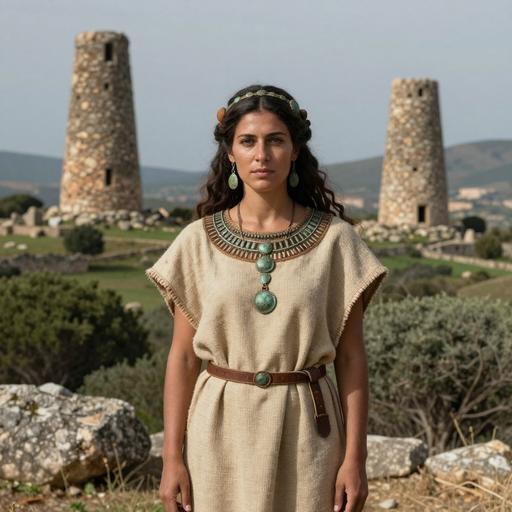
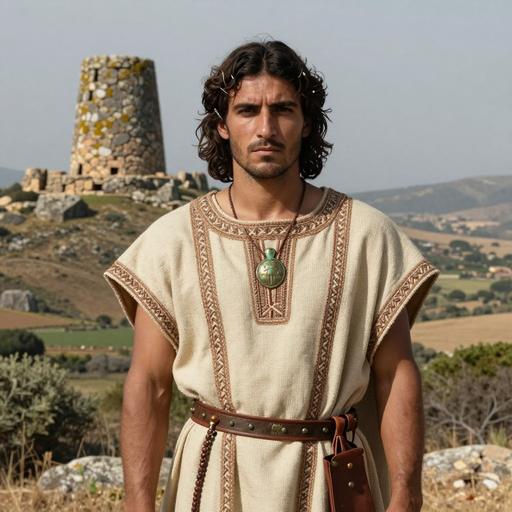
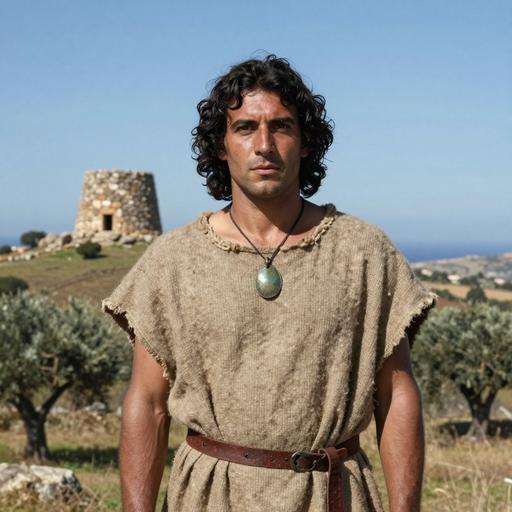
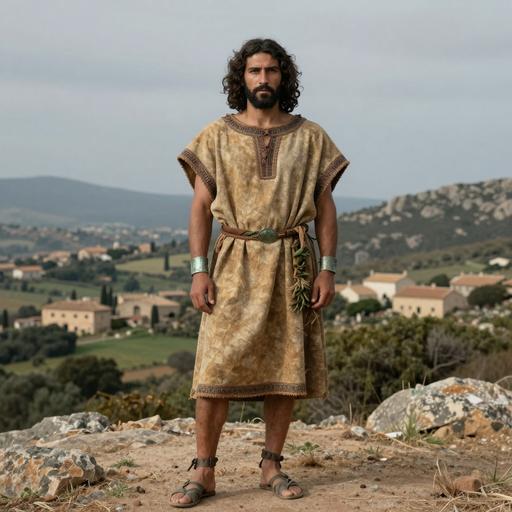
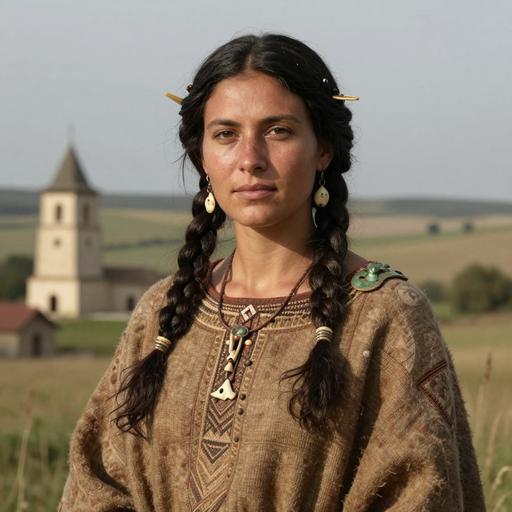
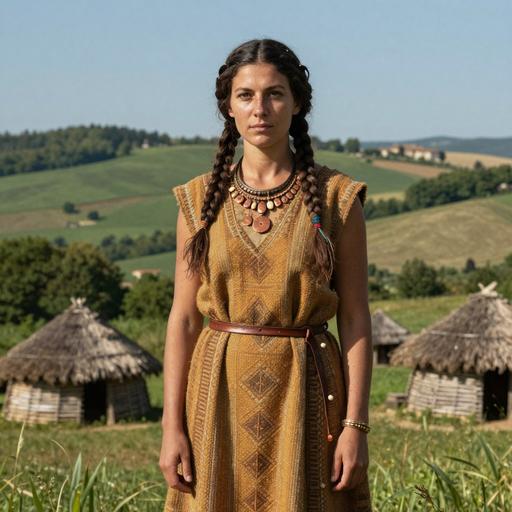
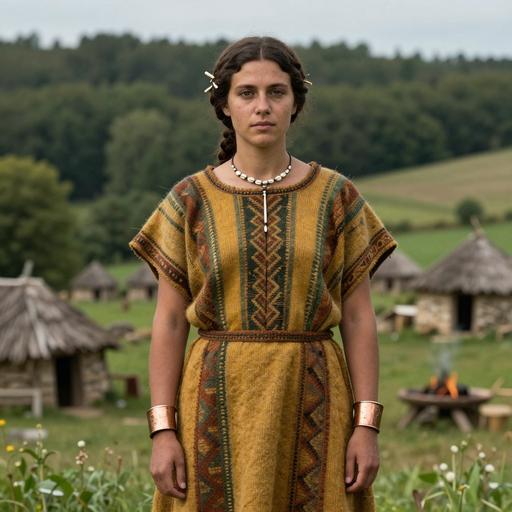
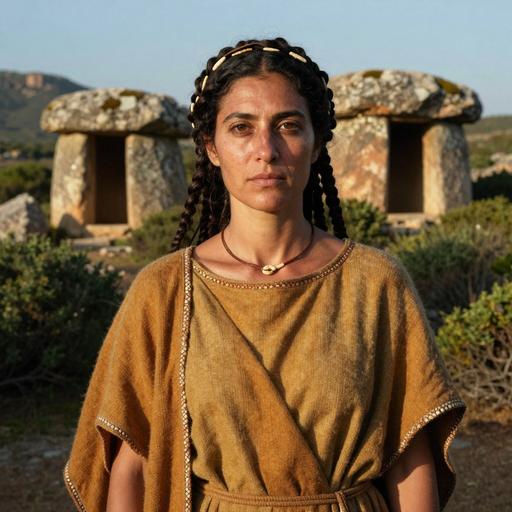
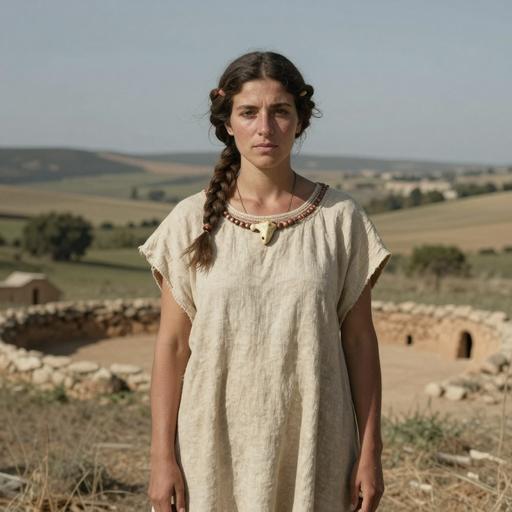
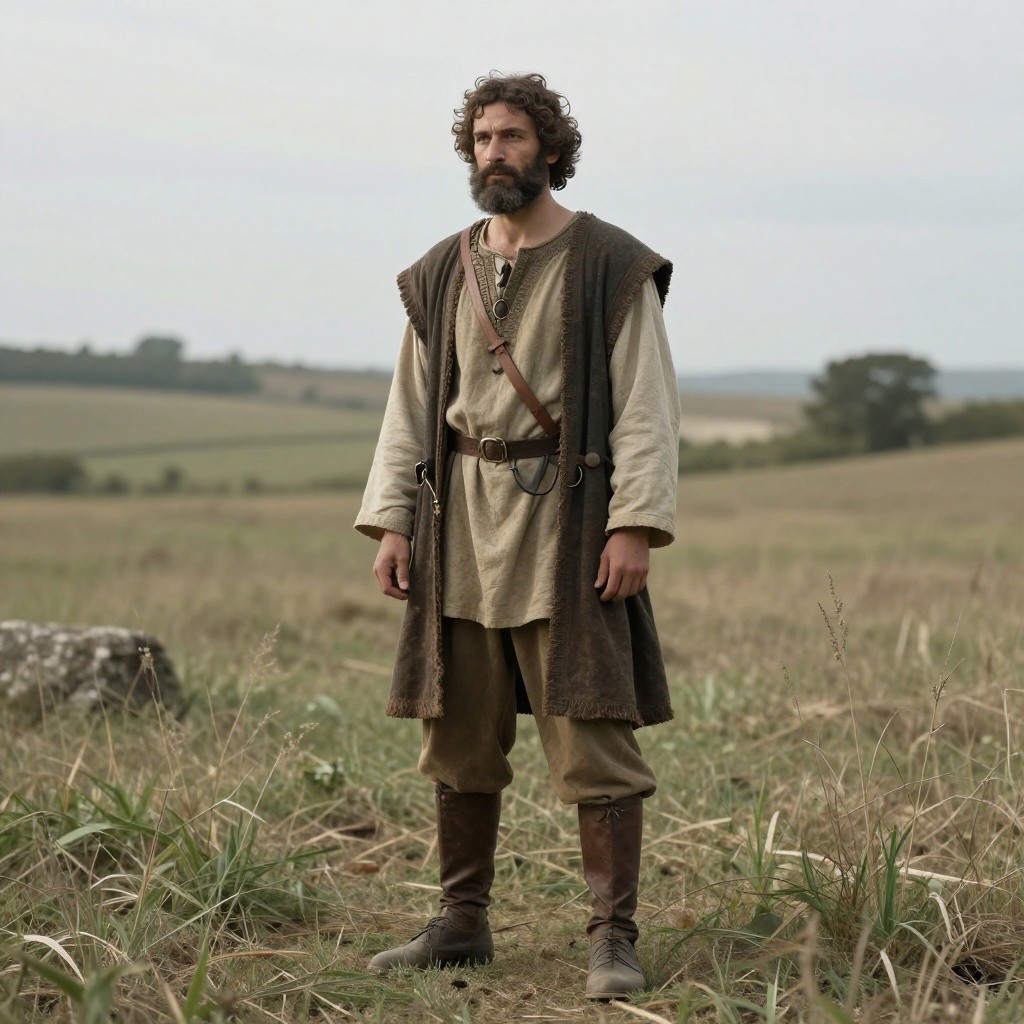
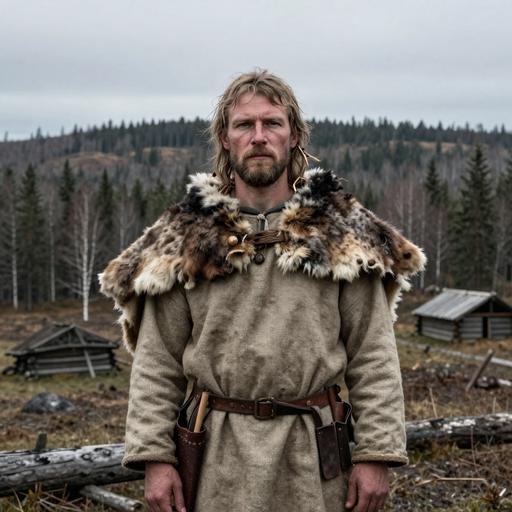
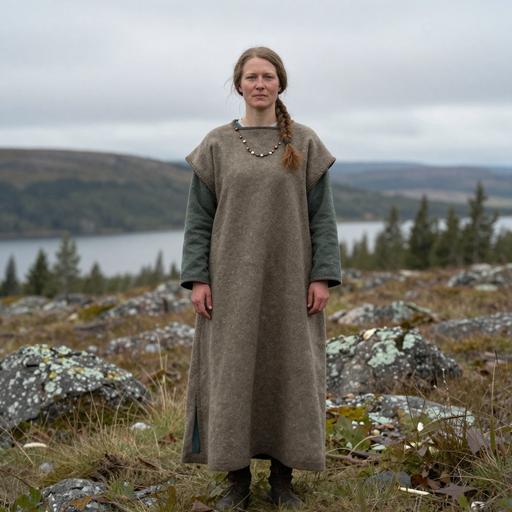
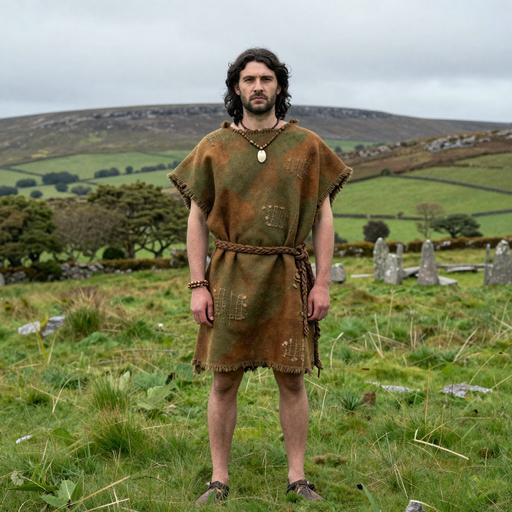
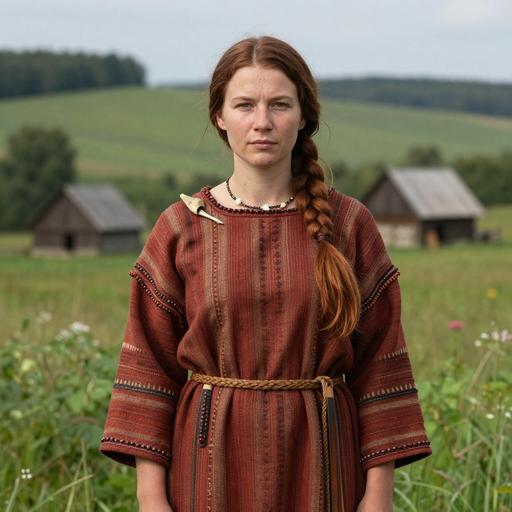
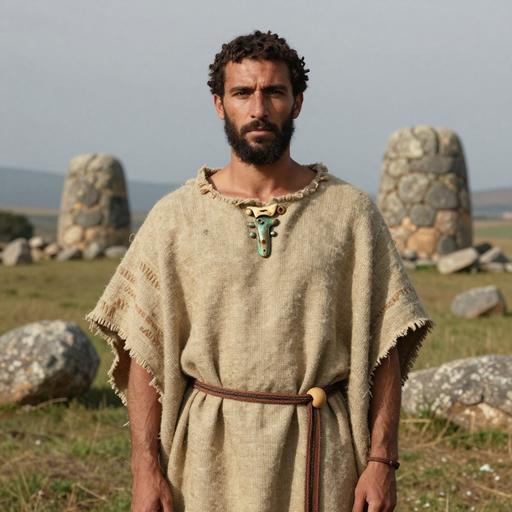
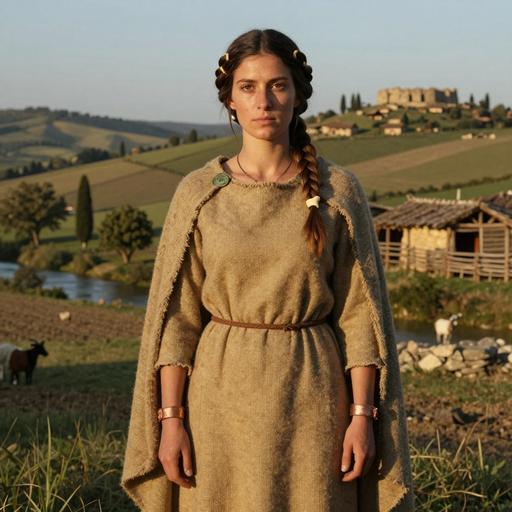
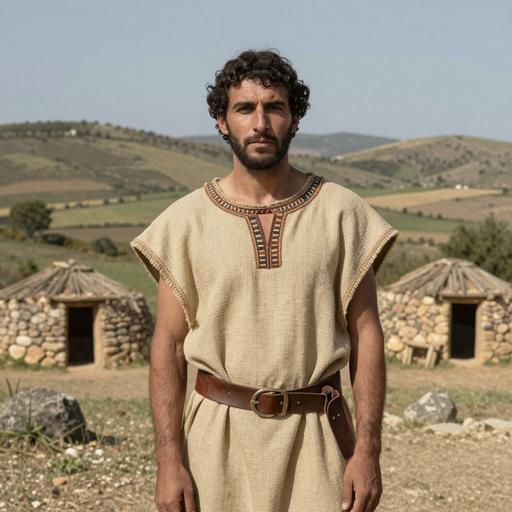
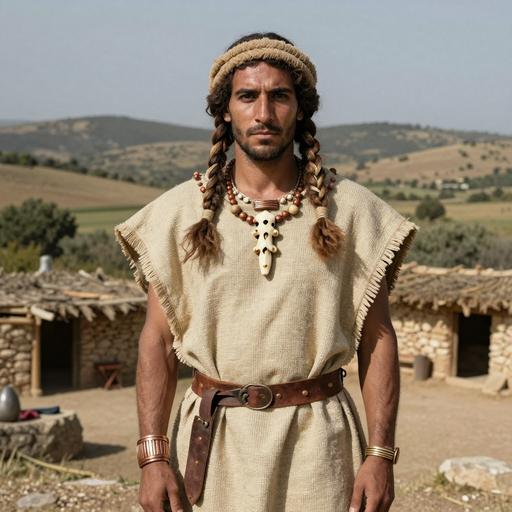
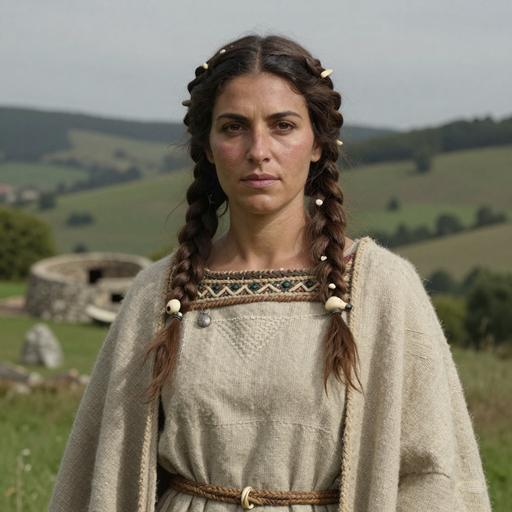
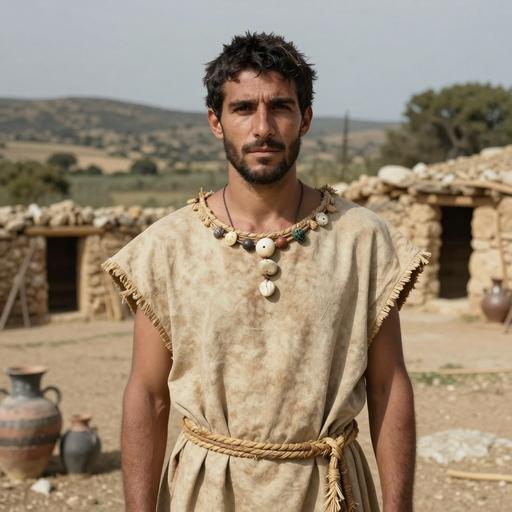
Los retratos son ilustraciones generadas con IA. Las etiquetas de muestra y los identificadores de acceso identifican los registros de referencia.
Retrato
Muestra
País
Época
Fecha
Cultura
mtDNA
Coincidencia
Identificador de muestra: I20817
France
France GrandEst IA2
300-200 BCE
Iron Age II Culture
T2b3+151
Direct
Identificador de muestra: HID003
Germany
Saxon Early Medieval Hiddestorf, Germany
300-500 CE
Saxon Hiddestorf
T2b3+151
Direct
Identificador de muestra: CSB-3
Hungary
Hungary Hun
350-450 CE
Hun Culture
T2b3+151
Direct
Identificador de muestra: I21178
United Kingdom
England MIA
400-200 BCE
Middle Iron Age British
T2b3+151
Direct
Identificador de muestra: I35286
Tunisia
Tunisia Punic
450-200 BCE
Punic Culture
T2b3+151
Direct
Identificador de muestra: CL146
Italy
Early Medieval Langobards, Northern Italy
550-650 CE
Langobard
T2b3
Direct
Identificador de muestra: I13128
Italy
Iron Age Sicani of Sicily
765-489 calBCE (2475±20 BP, PSUAMS-11942)
Sicani Culture
T2b3+151
Direct
Identificador de muestra: I13387
Italy
Iron Age Sicily
850-550 BCE
Sicilian Iron Age
T2b3+151
Direct
Identificador de muestra: ORC009
Italy
Italy Sardinia BA Nuragic
1211-1016 calBCE (2917±24 BP, MAMS-38288)
Nuragic Culture
T2b3
Direct
Identificador de muestra: JK2825
Italy
Italy Sardinia BA Nuragic
1224 BCE - 1049 BCE
Nuragic Culture
T2b3
Direct
Identificador de muestra: JK2825
Italy
The Nuragic Civilization
1224 BCE - 1049 BCE
890
T2b3
Direct
Identificador de muestra: I10502
Italy
Italy Sardinia LBA
1369 BCE - 1117 BCE
Nuragic Culture
T2b3
Direct
Identificador de muestra: I10502
Italy
The Nuragic Civilization
1369 BCE - 1117 BCE
890
T2b3
Direct
Identificador de muestra: ALM032
Spain
The Argaric Culture of Spain
1750-1550 BCE
El Argar
T2b3+151
Direct
Identificador de muestra: I0207
Italy
Italy Sardinia EBA
1800-1600 BCE
Early Bronze Age Sardinian
T2b3
Direct
Identificador de muestra: S1250
Italy
Italy Sardinia EBA
1800 BCE - 1600 BCE
Early Bronze Age Sardinian
T2b3
Direct
Identificador de muestra: RISE349
Hungary
Early Bronze Age Maros Culture, Hungary
2034 BCE - 1780 BCE
Maros Culture
T2b3
Direct
Identificador de muestra: RISE349
Hungary
Middle Bronze Age Balkans
2034 BCE - 1780 BCE
T2b3
Direct
Identificador de muestra: I1979
Italy
Bell Beaker Culture 1, Northern Italy
2200-1900 BCE
Bell Beaker
T2b3
Direct
Identificador de muestra: I3874
France
France BellBeaker
2201-2035 calBCE (3725±25 BP, PSUAMS-1835)
Bell Beaker
T2b3
Direct
Identificador de muestra: ISC001
Italy
Italy Sardinia EBA Nuragic
2297-2139 calBCE (3794±25 BP, MAMS-38277)
Early Nuragic
T2b3
Direct
Identificador de muestra: I16169
Italy
Italy Sardinia C
2334-2140 calBCE (3795±25 BP, PSUAMS-6934)
Pre-Nuragic Culture
T2b3
Direct
Identificador de muestra: I4247
Spain
Spain C
2462-2209 calBCE (3870±30 BP, PSUAMS-2120)
Los Millares
T2b3
Direct
Identificador de muestra: BOU37
France
France Occitanie Gard AvendelaBoucle N
2950-2700 BCE
France_Occitanie_Gard_AvendelaBoucle_N
T2b3
Direct
Identificador de muestra: FRA033
Sweden
Northern Swedish Frälsegården
3011 BCE - 2903 BCE
Frälsegården
T2b3+151
Direct
Identificador de muestra: FRA032
Sweden
Northern Swedish Frälsegården
3089-2917 calBCE (4385±20 BP; UCIAMS-278074)
Frälsegården
T2b3+151
Direct
Identificador de muestra: FRA034
Sweden
Northern Swedish Frälsegården
3091 BCE - 2918 BCE
Frälsegården
T2b3+151
Direct
Identificador de muestra: FRA029
Sweden
Northern Swedish Frälsegården
3092-2925 calBCE (4400±15 BP; UCIAMS-278065)
Frälsegården
T2b3+151
Direct
Identificador de muestra: FRA035
Sweden
Northern Swedish Frälsegården
3092-2921 calBCE (4395±20 BP; UCIAMS-278103)
Frälsegården
T2b3+151
Direct
Identificador de muestra: BOU28
France
France Occitanie Gard AvendelaBoucle N
3283-2913 calBCE (4401±30 BP, LTL-22108)
France_Occitanie_Gard_AvendelaBoucle_N
T2b3
Direct
Identificador de muestra: HJE001
Sweden
Hjelmars Rör Culture
3350-2900 BCE
Hjelmars Rör
T2b3+151
Direct
Identificador de muestra: HJE013
Sweden
Hjelmars Rör Culture
3350 BCE - 2900 BCE
Hjelmars Rör
T2b3+151
Direct
Identificador de muestra: PB1327
Ireland
Ireland MN
3626-3356 calBCE (4667±54 BP, UBA-39195)
Irish Middle Neolithic
T2b3
Direct
Identificador de muestra: poz375
Poland
Lublin-Volhynian Culture
3951-3710 calBCE (5032±41 BP, AA-90114)
Lublin-Volhynian Culture
T2b3+151
Direct
Identificador de muestra: NEO631
Portugal
Portugal EN Cardial
5306-5063 calBCE (6237±35 BP, UBA-40087)
Cardial Ware
T2b3+151
Direct
Identificador de muestra: VK29
Sweden
Sweden Viking
900 CE - 1200 CE
Viking
T2b3b*
Subclado
Identificador de muestra: VK98
Iceland
Iceland Viking
900 CE - 1300 CE
Norse
T2b3b*
Subclado
Identificador de muestra: VK29
Sweden
The Viking Age
900 CE - 1200 CE
T2b3b*
Subclado
Identificador de muestra: VK98
Iceland
The Viking Age
900 CE - 1300 CE
T2b3b*
Subclado
Identificador de muestra: JK2714
Italy
Italy Sardinia BA Nuragic
1411-1228 calBCE (3060±28 BP, MAMS-28654)
Nuragic Culture
T2b3a
Subclado
Identificador de muestra: I10365
Italy
Italy Sardinia MBA
1663 BCE - 1234 BCE
Proto-Nuragic
T2b3a
Subclado
Identificador de muestra: I10365
Italy
The Nuragic Civilization
1663 BCE - 1234 BCE
890
T2b3a
Subclado
Identificador de muestra: I2477
Italy
Bell Beaker Culture 2, Northern Italy
2200-1900 BCE
Bell Beaker
T2b3-a
Subclado
Identificador de muestra: I6539
Spain
Spain C
2500-2000 BCE
Los Millares
T2b3-a
Subclado
Identificador de muestra: I7587
Spain
Spain C
2900-2500 BCE
Los Millares
T2b3-a
Subclado
Identificador de muestra: I8148
Spain
Spain C
2900-2500 BCE
Los Millares
T2b3-a
Subclado
Identificador de muestra: I8149
Spain
Spain C
2900-2500 BCE
Los Millares
T2b3-a
Subclado
Identificador de muestra: I1846
Spain
Spain C
3100-2650 BCE
Los Millares
T2b3d
Subclado
Identificador de muestra: I10287
Spain
Spain MLN
3400 BCE - 2500 BCE
Iberian Neolithic
T2b3-a
Subclado
Identificador de muestra: I10287
Spain
Middle to Late Neolithic Iberia
3400 BCE - 2500 BCE
T2b3-a
Subclado
Identificador de muestra: I20817
Iron Age II Grand Est, France - France - Marne. Chemin de Coupetz. Faux-Vesigneul
Chalcolithic Spain - Spain - Basque Country. Araba/Álava. Laguardia. Alto de la Huesera
Spain Spain C 3100-2650 BCE
T2b3dSubclado
Identificador de muestra: I10287
Middle to Late Neolithic Spain - Spain - Barcelona. Cova de la Guineu
Spain Spain MLN 3400 BCE - 2500 BCE
T2b3-aSubclado
Identificador de muestra: I10287
Spain Middle to Late Neolithic Iberia 3400 BCE - 2500 BCE
T2b3-aSubclado
MATERNAL LINAJE · ADN ANTIGUO
Mapa de pruebas de linajes antiguos
Sigue los clados superiores hasta esta rama y explora dónde se encontraron portadores antiguos.
Cargando observaciones antiguas...
La reducción de movimiento está activada. Utiliza la cronología o Mostrar todo para explorar a tu ritmo.
Leer las observaciones en una tabla
Observaciones antiguas visibles por rama, periodo y punto medio de la fecha
Rama
Periodo
Intervalo de fechas
Muestra
Identificador de muestra
Ubicación
Haplogrupo
Relación
Los marcadores son ubicaciones de hallazgos arqueológicos. Una línea discontinua representa una transición geográfica propuesta e incierta entre ramas consecutivas, apoyada en varias observaciones fechadas; no es una ruta de viaje exacta, un lugar de nacimiento ni una prueba de descendencia directa. Las muestras del clado parental pueden pertenecer a otras ramas descendientes. Se mantienen huecos cuando las pruebas son insuficientes. Las fechas de las muestras son distintas de las fechas de formación de los haplogrupos.
La agrupación por periodo histórico refleja cuándo vivió cada individuo antiguo y combina todas las ramas de esta cadena de linajes; no es una secuencia migratoria ni una cronología personal entre periodos.
Perfil de referencia
Mapa de distribución de portadores
Distribución geográfica de muestras de ADN antiguo (58), portadores directos o de subclados de T2B3
Portador directo Portador de un subclado
Filtro de periodo temporal
Todos los periodos
Mostrando todas las muestras
Perfil de referencia
Distribución temporal
Distribución de portadores por periodos arqueológicos
Perfil de referencia
Distribución geográfica
Recuentos por país registrado de las muestras. Reflejan la selección de referencia disponible, no frecuencias de población.
Perfil de referencia
Distribución por país y época
Compara los recuentos de muestras registradas por países y periodos arqueológicos. Selecciona una celda con datos para examinar una muestra.
Datos
Datos y procedencia
Información sobre las fuentes y la calidad de los datos
Última actualización2026-02-16
Puntuación de confianza50/100
CoberturaLow
Fuente de datos
La clasificación, las fechas estimadas y el contexto geográfico reflejan los datos de referencia registrados y pueden cambiar al revisarse las pruebas. La cobertura de muestras es desigual; las ubicaciones registradas y las asociaciones arqueológicas no establecen el origen personal ni la identidad cultural.