Un perfil de referencia de una rama de linaje. Compartir haplogrupos no demuestra una relación familiar ni una identidad cultural.
Perfil de referencia
Contexto de la rama
Contexto histórico de la rama de linaje mtDNA U5A2A
Origins and Evolution
mtDNA haplogroup U5A2A is a subclade of U5A2, itself a branch of the broader U5a lineage that is deeply rooted in European maternal ancestry. U5 lineages expanded in Europe during and after the Last Glacial Maximum (LGM); U5A2 likely arose in Northern/Eastern Europe in the Late Upper Paleolithic (around ~18 kya by parent-haplogroup estimates), with U5A2A representing a downstream diversification that probably coalesced in the early to mid-Mesolithic (roughly ~14 kya by phylogenetic inference). This timing and placement are inferred from the phylogenetic position within U5a, patterns seen in ancient DNA (aDNA) datasets, and the geographic clustering of modern carriers.
Subclades (if applicable)
U5A2A is a terminal or near-terminal subclade within U5A2 in many published trees; published aDNA and modern-mtDNA sequencing occasionally resolve further substructure within U5A2A (regional sublineages specific to Scandinavia, the Baltic or northwestern Russia). Where deeper sequencing and larger sample sets exist, researchers sometimes identify private variants that define localized subbranches, consistent with long-term continuity and drift in northern hunter-gatherer and small, partially isolated populations.
Geographical Distribution
Modern distribution: U5A2A is concentrated in Northern Europe (particularly Scandinavia and Finland) and in parts of northwestern Russia and the Baltic region. It occurs at moderate frequency in some Finno-Ugric-speaking populations and is present at lower frequencies across broader Central and Western Europe. Sparse occurrences are reported in the Caucasus, North Africa and Central Asia, generally at low frequency and often attributable to later gene flow or rare long-distance dispersal.
Ancient DNA: U5A2 and related U5a sublineages are recurrent in Mesolithic European hunter-gatherer samples from Scandinavia and the Baltic; U5A2A-type motifs have been observed in Mesolithic and later contexts, supporting continuity from post-LGM hunter-gatherers into the Neolithic and beyond in northern Europe.
Historical and Cultural Significance
U5A2A is strongly associated with Mesolithic hunter-gatherer populations that recolonized northern Europe after the ice sheets retreated. Because U5 lineages were common among pre-Neolithic foragers, U5A2A represents an element of maternal ancestry that predates farming and the major Neolithic demic expansions from the Near East. In later periods, U5A2A continued to persist among northern and eastern European groups—even as Neolithic farmers and later Bronze Age and Iron Age migrations changed the overall genetic landscape—providing an important marker for tracing maternal continuity and local survival of Paleolithic-derived lineages. In some modern indigenous and isolated northern populations (for example, certain groups in Fennoscandia), U5A2A contributes to the distinctive maternal profile alongside other U5 subclades.
Conclusion
U5A2A is best understood as a regional northern/eastern European Mesolithic-derived mtDNA lineage that exemplifies the long-term survival of Paleolithic maternal ancestry in Europe. It is useful in population-genetic and archaeological contexts for identifying continuity from post-LGM hunter-gatherers into later historic and modern northern European populations, and for tracking regional demographic processes such as drift, isolation, and limited gene flow.
Puntos clave
Origins and Evolution
Subclades (if applicable)
Geographical Distribution
Historical and Cultural Significance
Conclusion
Perfil de referencia
Árbol y relaciones
Contexto filogenético y subclados
Trayectoria evolutiva
Sigue las ramas superiores registradas hasta U5A2A. Las fechas son estimaciones y pueden cambiar al revisarse los datos de referencia.
Western and Central Europeans at lower to moderate frequencies
Ancient European hunter-gatherer populations (Mesolithic archaeological contexts)
Populations in the Caucasus at low frequencies
Isolated occurrences in North Africa and Central Asia (low frequency)
Contexto histórico
Una rama a través del tiempo
Formación estimada en una cronología histórica amplia. Los marcadores temporales aportan contexto y no implican relación con culturas concretas.
~20k años de antigüedad
Último máximo glacial
Máxima extensión de la última glaciación y aislamiento de poblaciones
~14k años de antigüedad
Haplogrupo U5A2A
Formación estimada de esta rama de mtDNA; las fechas y ubicaciones son estimaciones de referencia.
Esta rama
~10k años de antigüedad
Revolución neolítica
Inicio de la agricultura y formación de comunidades sedentarias
~5k años de antigüedad
Edad del Bronce
Metalurgia, escritura y primeras civilizaciones
~3k años de antigüedad
Edad del Hierro
Herramientas de hierro y ampliación de redes comerciales
~2.5k años de antigüedad
Antigüedad clásica
Desarrollo de las civilizaciones griega y romana
Actualidad
Actualidad
Época moderna
Perfil de referencia
Contexto arqueológico
Asociaciones arqueológicas registradas para la rama mtDNA U5A2A
Asociaciones registradas
Estas etiquetas describen contextos arqueológicos registrados para las muestras de referencia enlazadas a U5A2A. Una asociación no demuestra que todos los portadores pertenecieran a una cultura ni siguieran una ruta migratoria concreta.
Las atribuciones culturales se basan en el contexto arqueológico de las muestras de ADN antiguo y pueden representar asociaciones regionales de periodos concretos.
Perfil de referencia
Catálogo de muestras
31 portadores directos y 28 portadores de subclados del haplogrupo U5A2A
10 mostradas · 50 muestras coincidentes
Ninguna muestra coincide con estos filtros. Prueba otra etiqueta, ubicación o periodo.
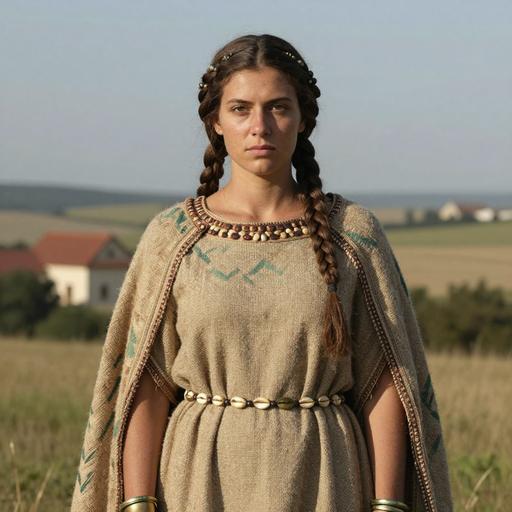
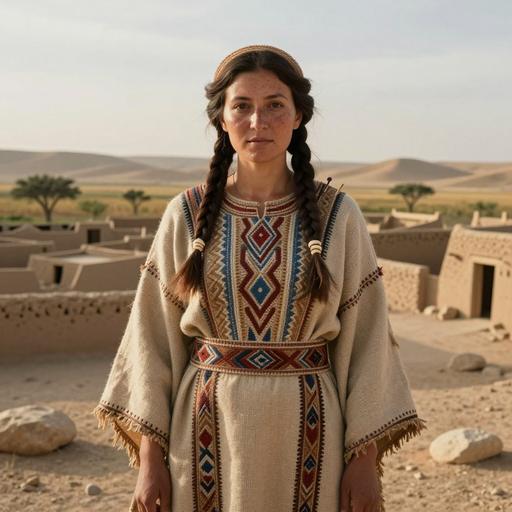
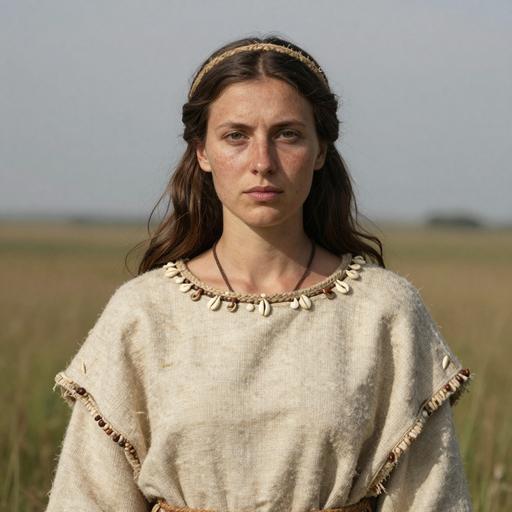
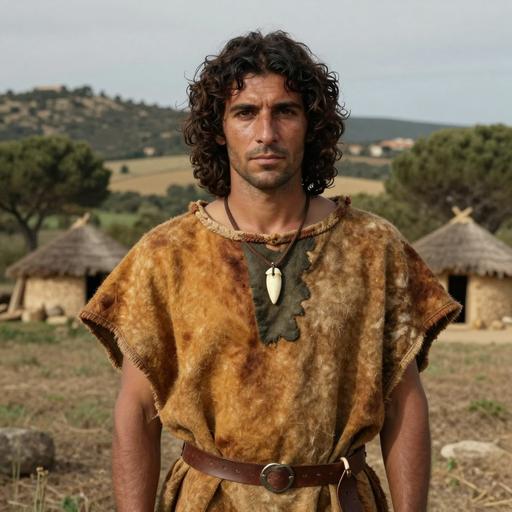
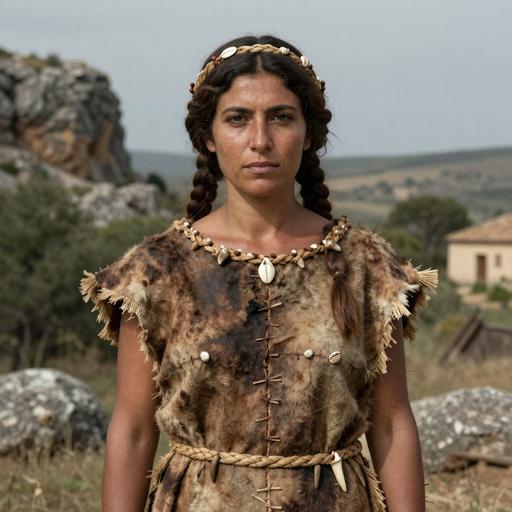
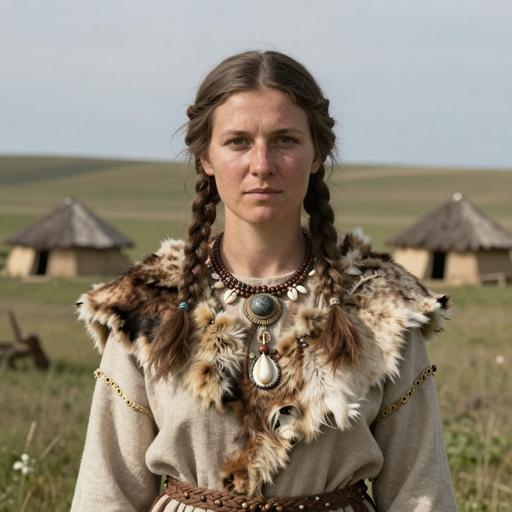
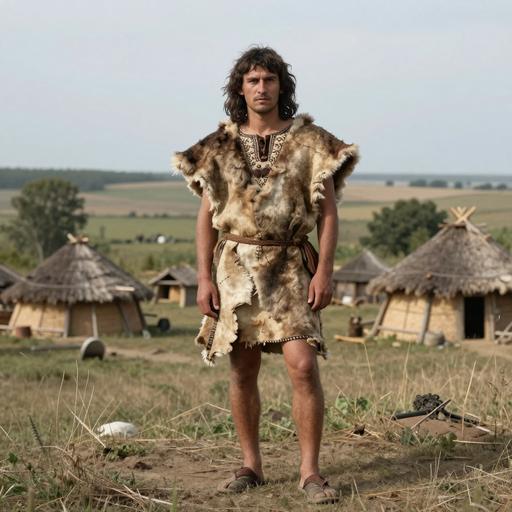
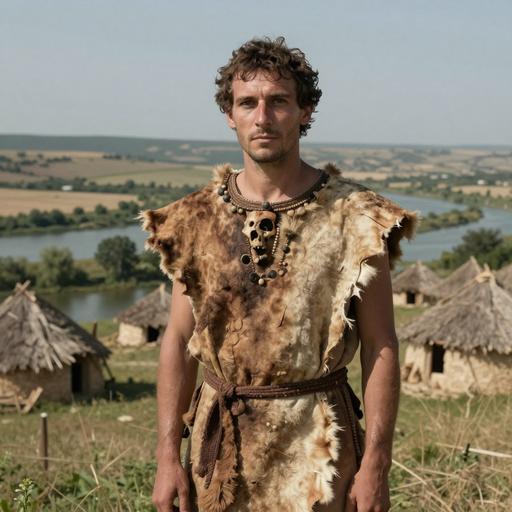
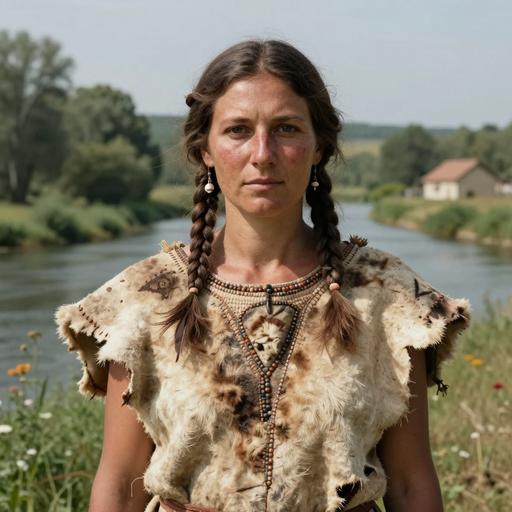
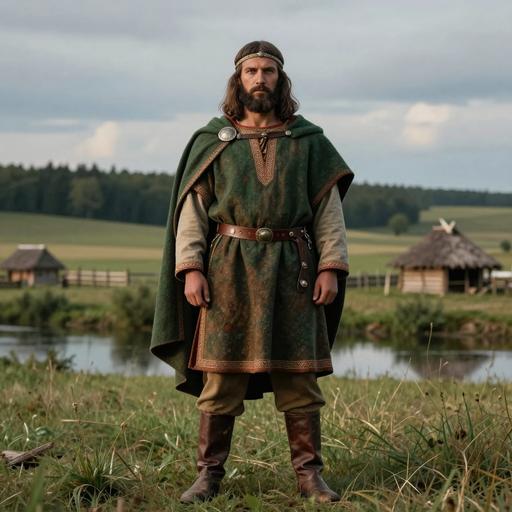
Los retratos son ilustraciones generadas con IA. Las etiquetas de muestra y los identificadores de acceso identifican los registros de referencia.
Italy Late Antique Sardinia, Italy 607 CE - 660 CE
U5a2a1Subclado
Identificador de muestra: I12220
Italy Late Antiquity Sardinia 607 CE - 660 CE
U5a2a1Subclado
Identificador de muestra: Kivutkalns164
Bronze Age Latvia - Latvia - Kivutkalns
Latvia Bronze Age Latvia 719-393 calBCE (2385±30 BP, Hela-3739)
U5a2a1Subclado
Identificador de muestra: C3365
Iron Age Sahaxibei, Xinjiang, China - China - Xinjiang. Yili Region. Xinyuan County. Sahaxibei
China China Xinjiang Sahaxibei IA 800-400 BCE
U5a2a1Subclado
Identificador de muestra: I16453
Iron Age England - United Kingdom - England. Cornwall. St. Mawes. Tregear Vean
United Kingdom England IA 800 BCE - 1 BCE
U5a2a1Subclado
Identificador de muestra: VK278
Viking Age Denmark - Denmark - Funen. Galgedil
Denmark Denmark Viking 800 CE - 1100 CE
U5a2a1Subclado
Identificador de muestra: VK278
Denmark The Viking Age 800 CE - 1100 CE
U5a2a1Subclado
Identificador de muestra: vik_97026
Viking Age Sweden - Sweden - Sigtuna. mass grave (St. Lars)
Sweden Sweden Viking 900 CE - 1200 CE
U5a2a1Subclado
Identificador de muestra: vik_97026
Sweden The Viking Age 900 CE - 1200 CE
U5a2a1Subclado
Identificador de muestra: Anapa-9
Medieval Caucasus, Russia - Russia - KrasnodarKrai. Anapa-AndreyevskayaShhel
Russia Medieval Caucasus, Russia 1024-1157 calCE (968±22 BP, DeA-23560)
U5a2a1Subclado
Identificador de muestra: X10
Bronze Age Estonia - Estonia - Harju. Lõokese e at Muuksi. cist C
Estonia Bronze Age Estonia 1218 BCE - 1017 BCE
U5a2a1Subclado
MATERNAL LINAJE · ADN ANTIGUO
Mapa de pruebas de linajes antiguos
Sigue los clados superiores hasta esta rama y explora dónde se encontraron portadores antiguos.
Cargando observaciones antiguas...
La reducción de movimiento está activada. Utiliza la cronología o Mostrar todo para explorar a tu ritmo.
Leer las observaciones en una tabla
Observaciones antiguas visibles por rama, periodo y punto medio de la fecha
Rama
Periodo
Intervalo de fechas
Muestra
Identificador de muestra
Ubicación
Haplogrupo
Relación
Los marcadores son ubicaciones de hallazgos arqueológicos. Una línea discontinua representa una transición geográfica propuesta e incierta entre ramas consecutivas, apoyada en varias observaciones fechadas; no es una ruta de viaje exacta, un lugar de nacimiento ni una prueba de descendencia directa. Las muestras del clado parental pueden pertenecer a otras ramas descendientes. Se mantienen huecos cuando las pruebas son insuficientes. Las fechas de las muestras son distintas de las fechas de formación de los haplogrupos.
La agrupación por periodo histórico refleja cuándo vivió cada individuo antiguo y combina todas las ramas de esta cadena de linajes; no es una secuencia migratoria ni una cronología personal entre periodos.
Perfil de referencia
Mapa de distribución de portadores
Distribución geográfica de muestras de ADN antiguo (59), portadores directos o de subclados de U5A2A
Portador directo Portador de un subclado
Filtro de periodo temporal
Todos los periodos
Mostrando todas las muestras
Perfil de referencia
Distribución temporal
Distribución de portadores por periodos arqueológicos
Perfil de referencia
Distribución geográfica
Recuentos por país registrado de las muestras. Reflejan la selección de referencia disponible, no frecuencias de población.
Perfil de referencia
Distribución por país y época
Compara los recuentos de muestras registradas por países y periodos arqueológicos. Selecciona una celda con datos para examinar una muestra.
Datos
Datos y procedencia
Información sobre las fuentes y la calidad de los datos
Última actualización2026-02-16
Puntuación de confianza50/100
CoberturaLow
Fuente de datos
La clasificación, las fechas estimadas y el contexto geográfico reflejan los datos de referencia registrados y pueden cambiar al revisarse las pruebas. La cobertura de muestras es desigual; las ubicaciones registradas y las asociaciones arqueológicas no establecen el origen personal ni la identidad cultural.