Un perfil de referencia de una rama de linaje. Compartir haplogrupos no demuestra una relación familiar ni una identidad cultural.
Perfil de referencia
Contexto de la rama
Contexto histórico de la rama de linaje mtDNA U5B2B
Origins and Evolution
mtDNA haplogroup U5B2B is a downstream branch of U5b2, itself part of the broader U5 maternal lineage that is one of the oldest and most characteristic mtDNA haplogroups of post-glacial Europe. U5 lineages expanded and diversified during and after the Late Glacial and Mesolithic periods as human populations recolonized northern and western Europe following the Last Glacial Maximum. Based on its phylogenetic position beneath U5b2 (a clade with an estimated origin around ~12 kya) and its representation in ancient samples, U5B2B most likely arose in Western/Northern Europe in the early Holocene (roughly ~10 kya) as local hunter-gatherer populations differentiated maternally.
Subclades
U5B2B is a relatively narrow and low-frequency branch in the U5 phylogeny. High-resolution mitogenomes have identified a limited number of downstream variants assigned to U5B2B in both ancient DNA (aDNA) and modern samples, but the clade does not yet show extensive, well-defined substructure compared with larger European mtDNA clades (e.g., H or some U5 subclades). Ongoing sequencing of modern and ancient mitogenomes continues to refine its internal structure; currently U5B2B is treated as a distinct tip clade with a few local derivative lineages in northern and western Europe.
Geographical Distribution
U5B2B is observed primarily in northern and western Europe at low to moderate frequencies in certain localized populations. It is most strongly represented in regions with long-term Mesolithic and post-Mesolithic continuity (e.g., parts of Scandinavia and northern Europe), and has been reported sporadically at low frequency in central and eastern Europe, and rarely in Anatolia/Caucasus and North Africa—likely reflecting later movements, gene flow, or low-level ancient connections. In total, U5B2B has been identified in multiple ancient DNA contexts (including 56 samples in the referenced database), which supports its long-term presence in Europe from the Mesolithic into later periods.
Historical and Cultural Significance
The distribution and antiquity of U5B2B link it to Mesolithic hunter-gatherer ancestry in Europe. As farming and later cultural complexes spread across the continent during the Neolithic and Bronze Age, maternal lineages from Mesolithic populations (including U5 subclades) persisted in many regions, sometimes at reduced frequency but often contributing to the maternal ancestry of later populations. U5B2B therefore represents maternal continuity from post-glacial hunter-gatherers in parts of northern and western Europe and contributes to the genetic signature observed in some indigenous and northern groups (for example, among Saami and certain Scandinavian populations where U5 lineages are relatively enriched). Its sporadic presence outside core European areas (Anatolia/Caucasus, North Africa) is consistent with rare maternal gene flow events or migration-mediated dispersal over millennia.
Conclusion
U5B2B is a geographically and historically informative mtDNA subclade that acts as a marker of Mesolithic-derived maternal ancestry in parts of northern and western Europe. While not highly frequent, its presence in multiple ancient DNA samples underscores continuity of maternal lineages from the early Holocene into later archaeological cultures. Continued mitogenome sequencing of both modern and ancient populations will clarify its finer substructure and precise demographic history.
Puntos clave
Origins and Evolution
Subclades
Geographical Distribution
Historical and Cultural Significance
Conclusion
Perfil de referencia
Árbol y relaciones
Contexto filogenético y subclados
Trayectoria evolutiva
Sigue las ramas superiores registradas hasta U5B2B. Las fechas son estimaciones y pueden cambiar al revisarse los datos de referencia.
The populations where mtDNA haplogroup U5B2B is found include:
Western European populations
Northern European populations (including Saami and other indigenous groups)
Central European populations
Eastern European populations
North African populations (low frequency, sporadic)
Caucasus and Anatolia (low frequency, sporadic)
Contexto histórico
Una rama a través del tiempo
Formación estimada en una cronología histórica amplia. Los marcadores temporales aportan contexto y no implican relación con culturas concretas.
~10k años de antigüedad
Revolución neolítica
Inicio de la agricultura y formación de comunidades sedentarias
~10k años de antigüedad
Haplogrupo U5B2B
Formación estimada de esta rama de mtDNA; las fechas y ubicaciones son estimaciones de referencia.
Esta rama
~5k años de antigüedad
Edad del Bronce
Metalurgia, escritura y primeras civilizaciones
~3k años de antigüedad
Edad del Hierro
Herramientas de hierro y ampliación de redes comerciales
~2.5k años de antigüedad
Antigüedad clásica
Desarrollo de las civilizaciones griega y romana
Actualidad
Actualidad
Época moderna
Perfil de referencia
Contexto arqueológico
Asociaciones arqueológicas registradas para la rama mtDNA U5B2B
Asociaciones registradas
Estas etiquetas describen contextos arqueológicos registrados para las muestras de referencia enlazadas a U5B2B. Una asociación no demuestra que todos los portadores pertenecieran a una cultura ni siguieran una ruta migratoria concreta.
Las atribuciones culturales se basan en el contexto arqueológico de las muestras de ADN antiguo y pueden representar asociaciones regionales de periodos concretos.
Perfil de referencia
Catálogo de muestras
46 portadores directos y 54 portadores de subclados del haplogrupo U5B2B
10 mostradas · 50 muestras coincidentes
Ninguna muestra coincide con estos filtros. Prueba otra etiqueta, ubicación o periodo.
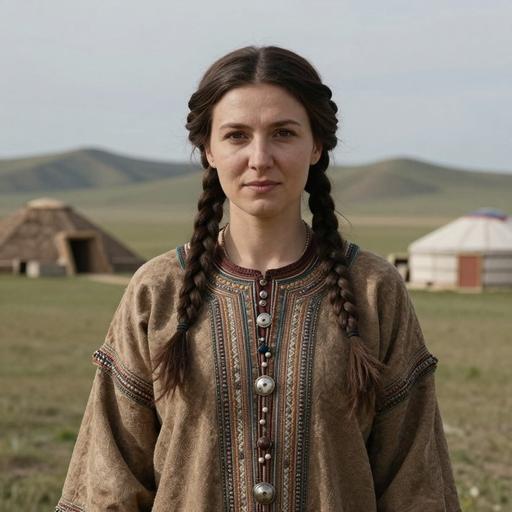
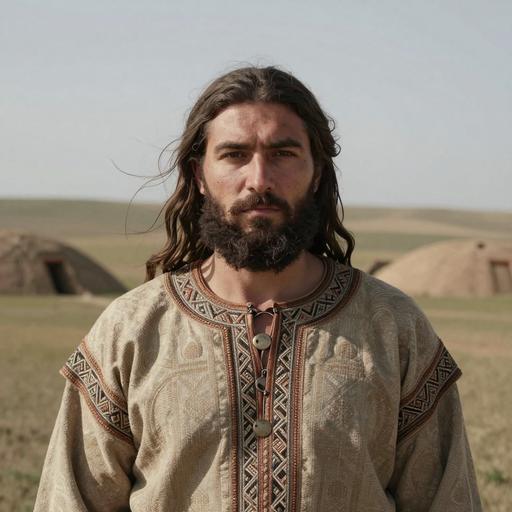
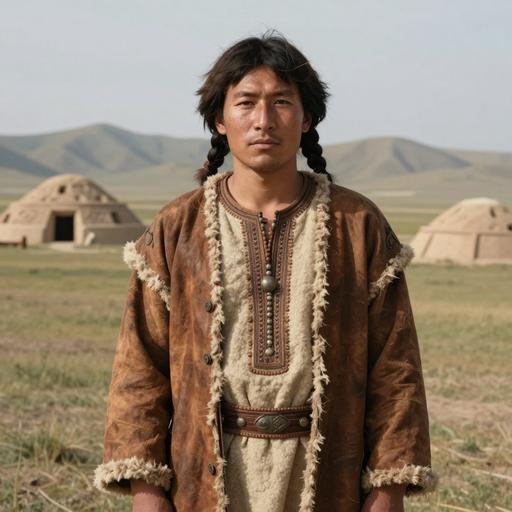
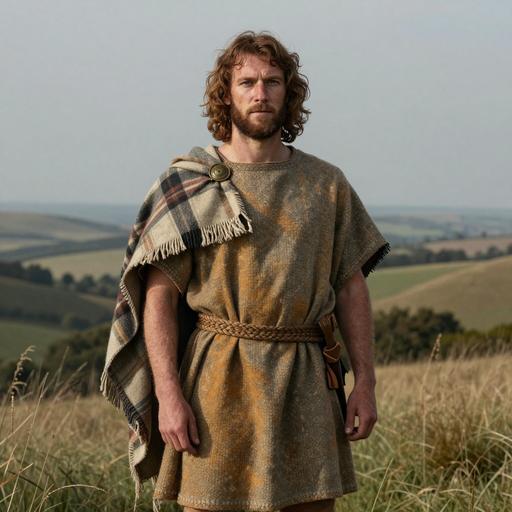
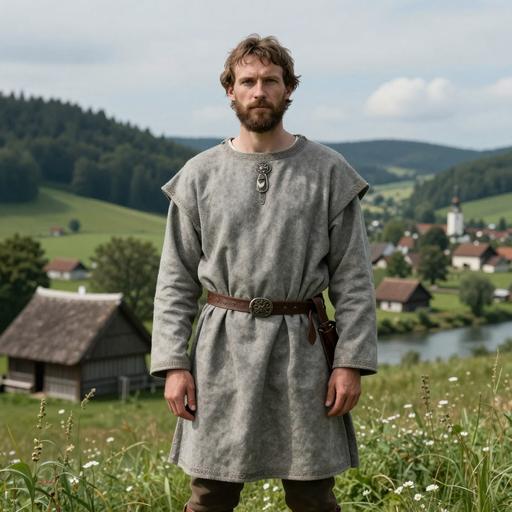
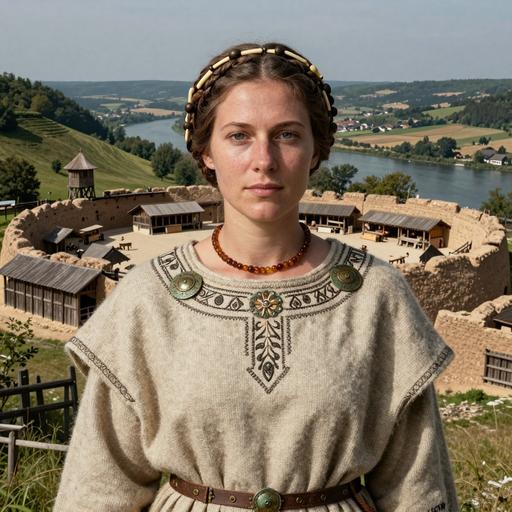
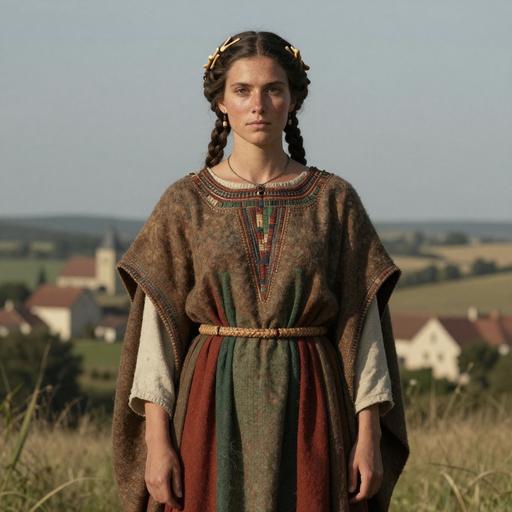
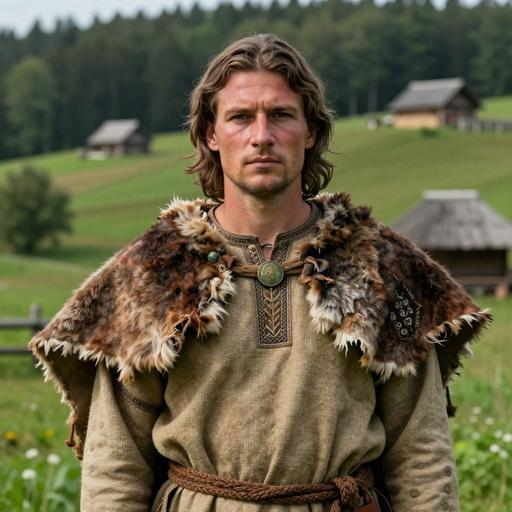
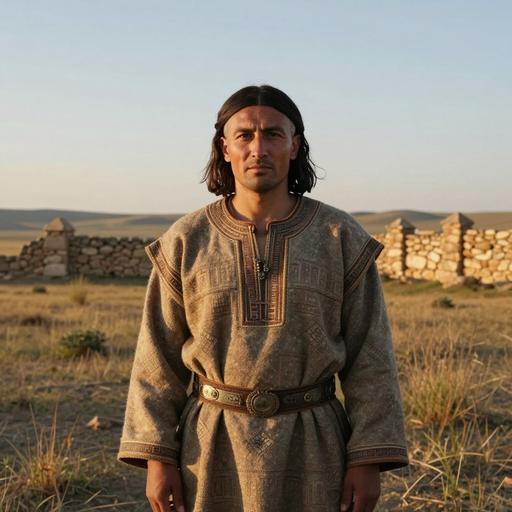
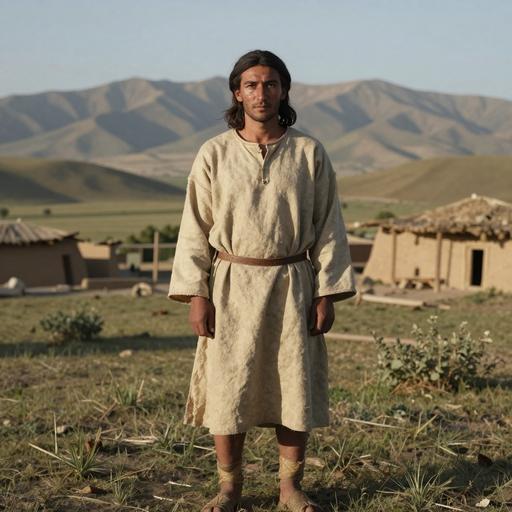
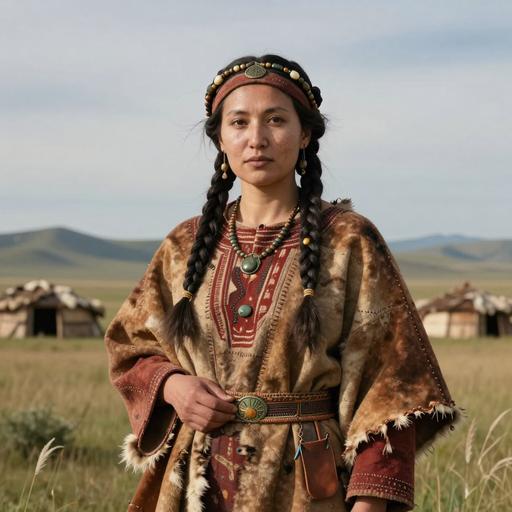
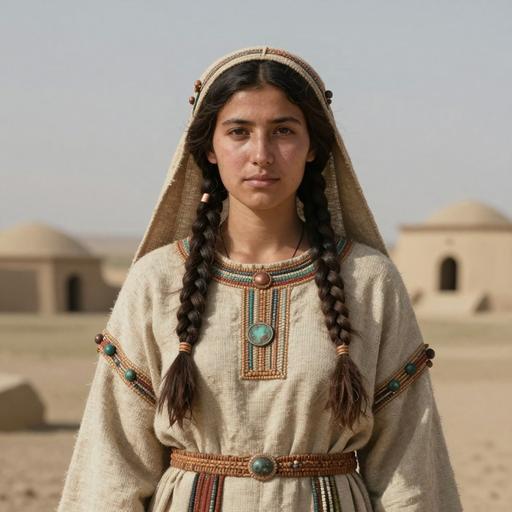
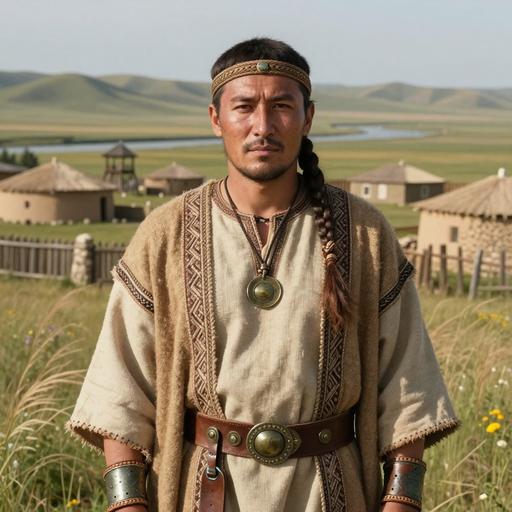
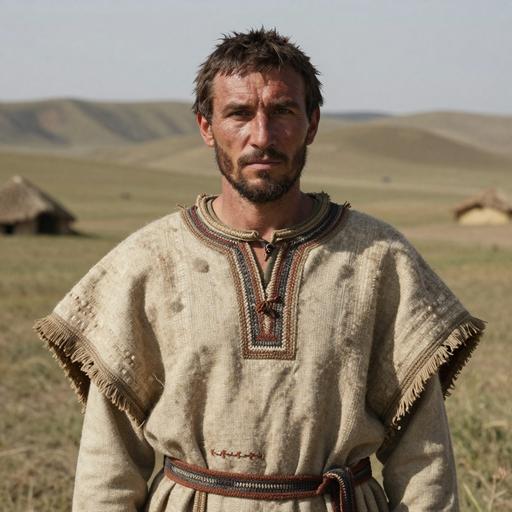
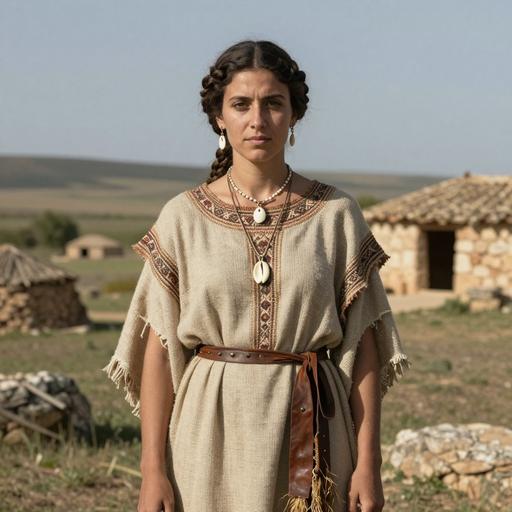
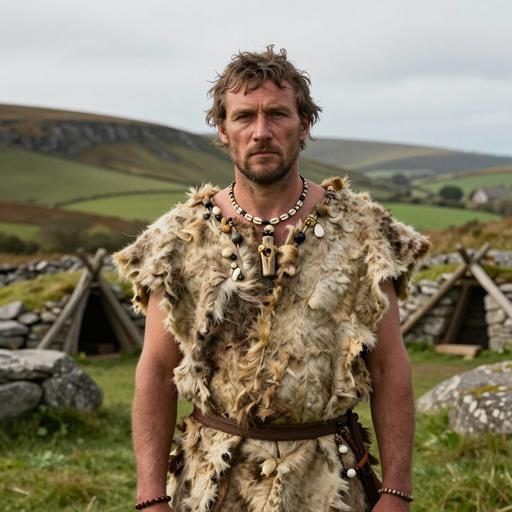
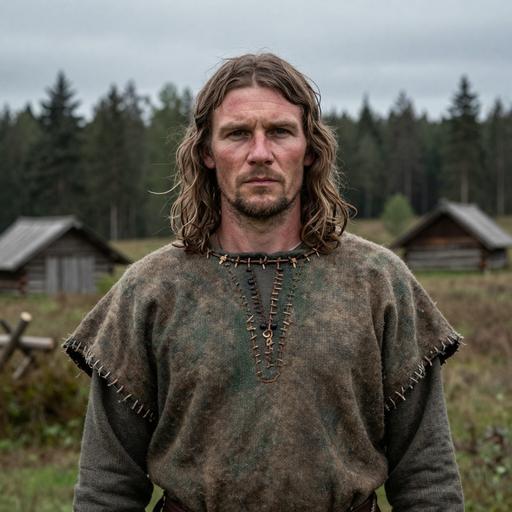
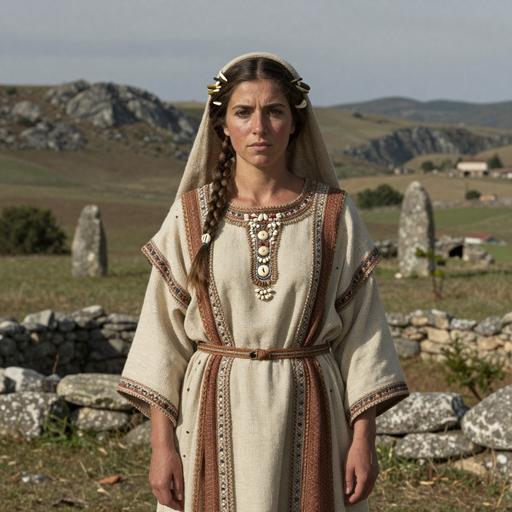
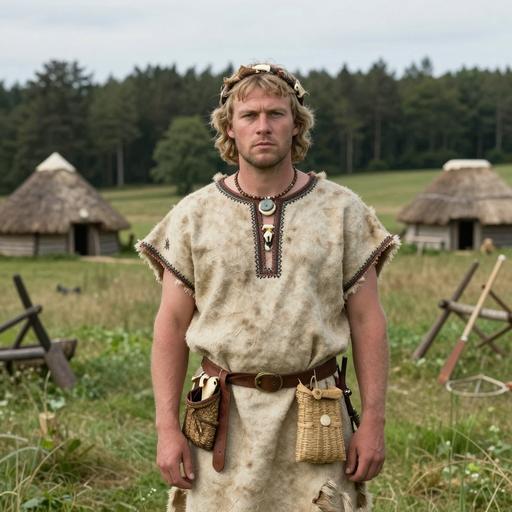
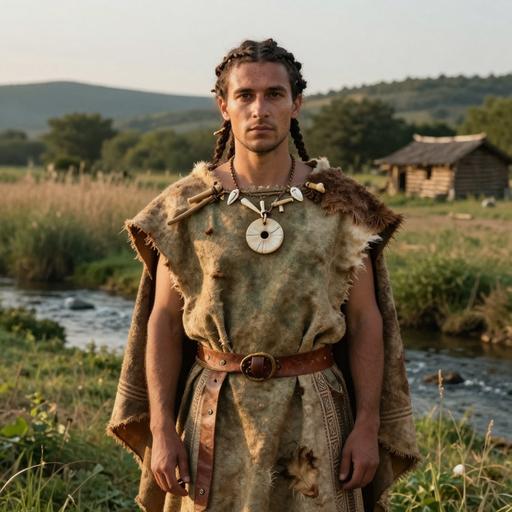
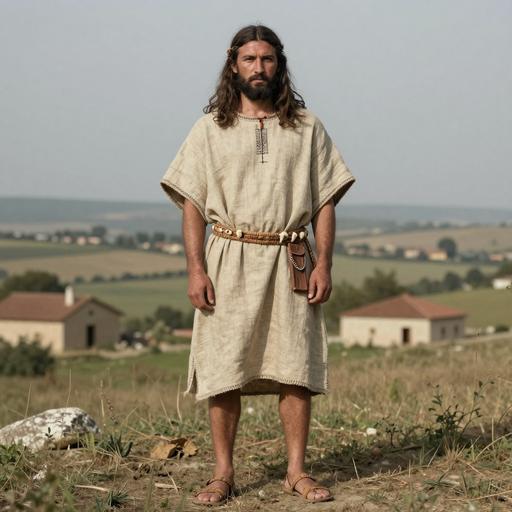
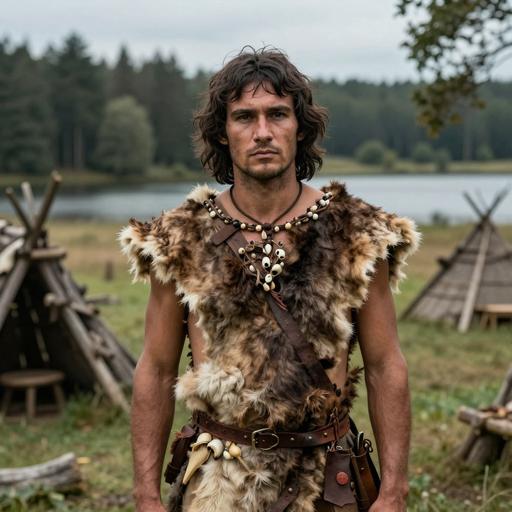
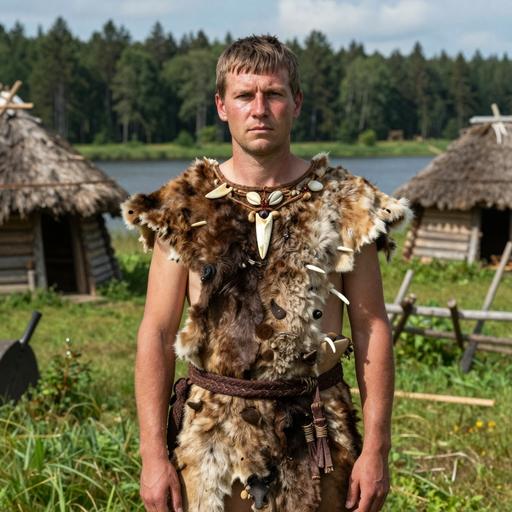
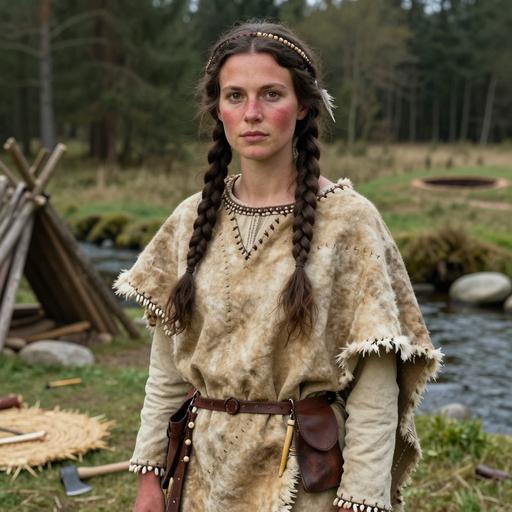
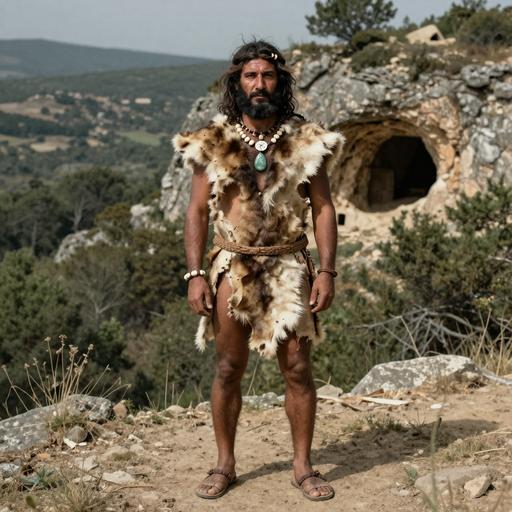
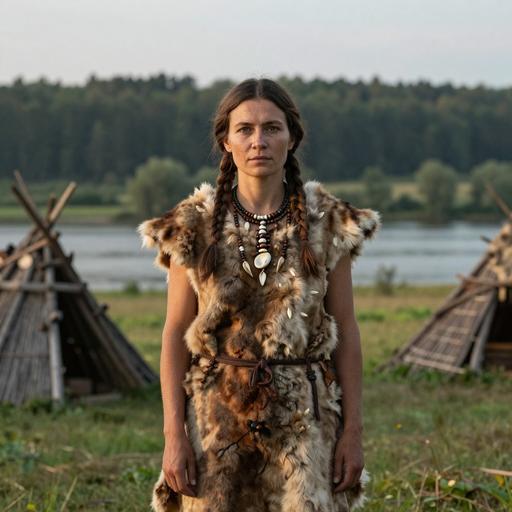
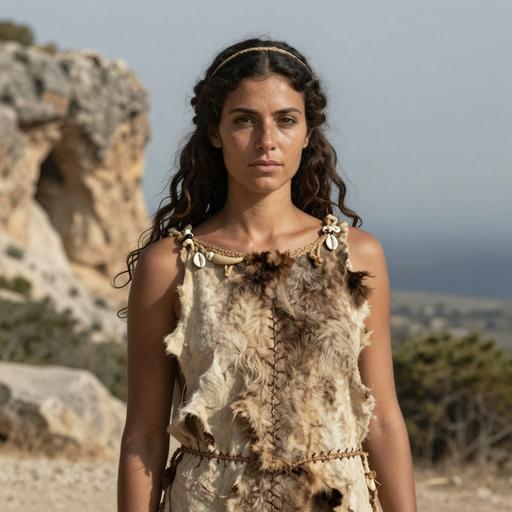
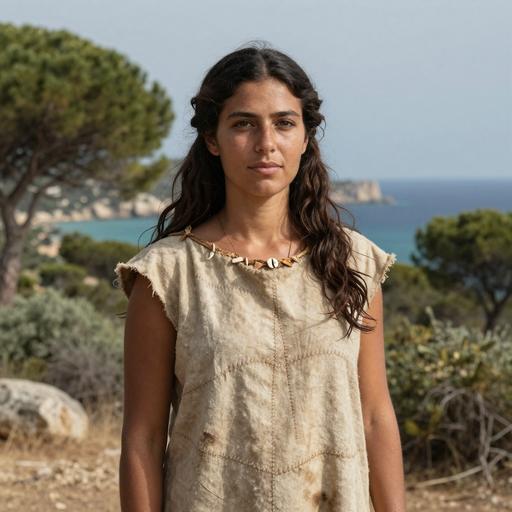
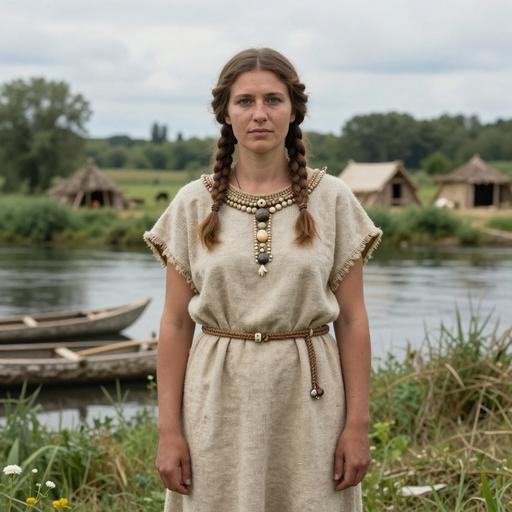
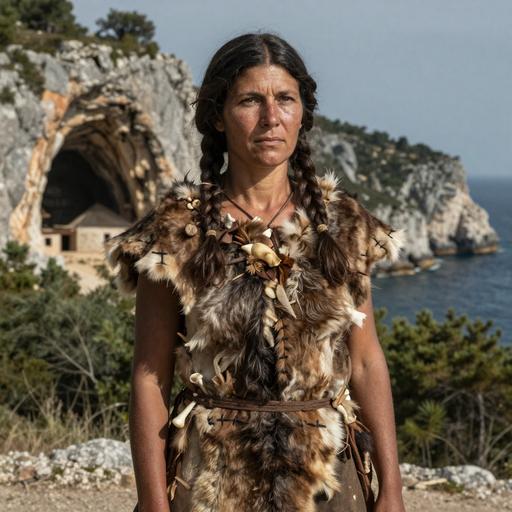
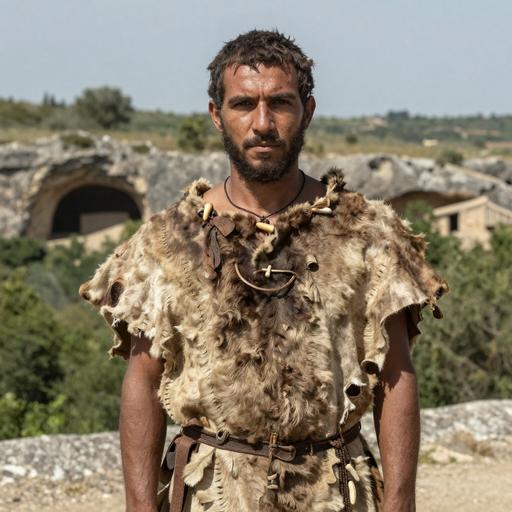
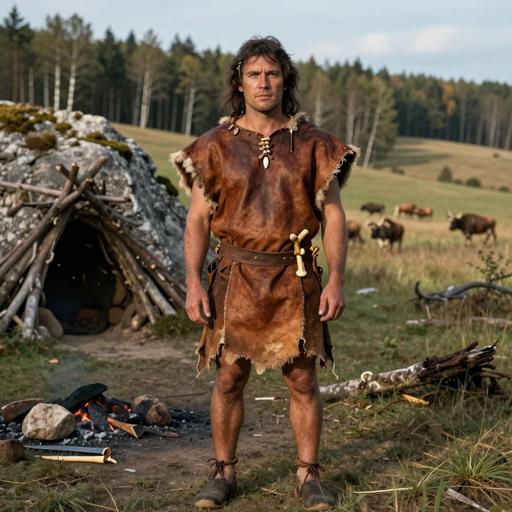
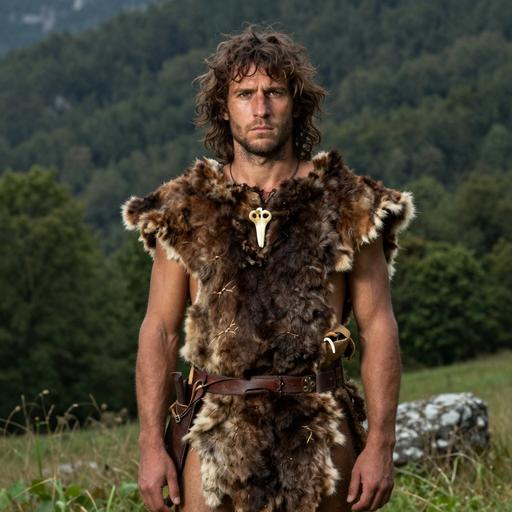
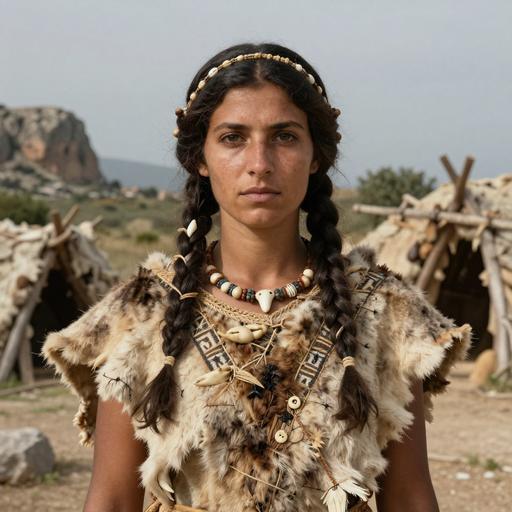
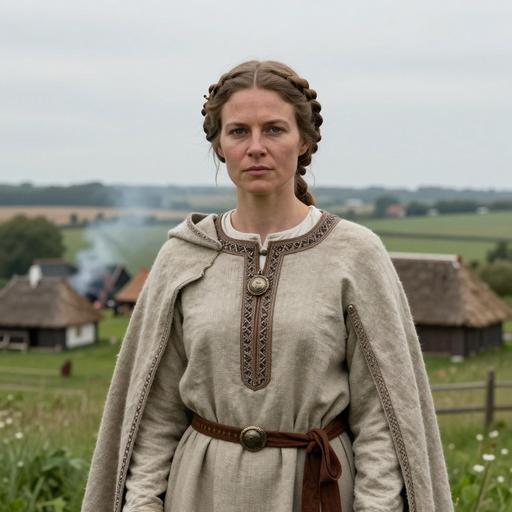
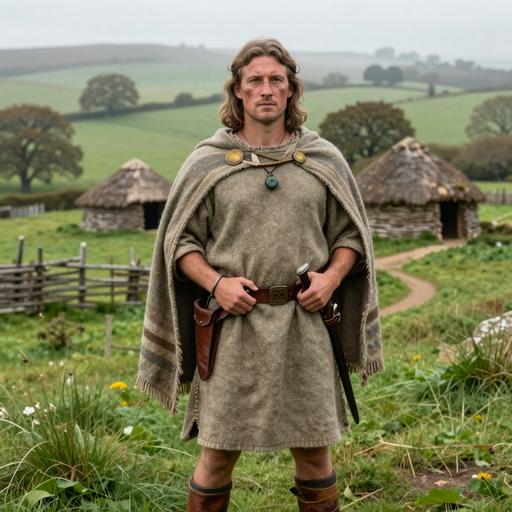
Los retratos son ilustraciones generadas con IA. Las etiquetas de muestra y los identificadores de acceso identifican los registros de referencia.
Retrato
Muestra
País
Época
Fecha
Cultura
mtDNA
Coincidencia
Identificador de muestra: tem001
Russia
Russia LateSarmatian
129 CE - 321 CE
Sarmatian Culture
U5b2b
Direct
Identificador de muestra: tem003
Russia
Russia LateSarmatian
131 CE - 336 CE
Sarmatian Culture
U5b2b
Direct
Identificador de muestra: I15520
Serbia
Serbia Roman
207-326 calCE (1810±20 BP, PSUAMS-9559)
Roman Provincial
U5b2b
Direct
Identificador de muestra: MJ-53
Kazakhstan
Tasmola Culture in Kazakhstan
393 BCE - 206 BCE
Tasmola
U5b2b
Direct
Identificador de muestra: I19873
United Kingdom
England MIA
400-209 calBCE (2279±25 BP, SUERC-132756)
Middle Iron Age British
U5b2b
Direct
Identificador de muestra: AED249
Germany
Early Medieval Germany
480 CE - 510 CE
Early Medieval German
U5b2b
Direct
Identificador de muestra: HEU001
Germany
Hallstatt Culture
550-500 BCE
Hallstatt
U5b2b
Direct
Identificador de muestra: NIED
France
Late Bronze Age Grand Est, France
950-800 BCE
Late Bronze Age Culture
U5b2b
Direct
Identificador de muestra: PCA0424
Poland
Iron Age Santok Culture
1000-1200 CE
Santok Culture
U5b2b
Direct
Identificador de muestra: I3977
Kazakhstan
Late Bronze Zevakinskiy
1190-999 calBCE (2885±20 BP, PSUAMS-2507)
Zevakinskiy Culture
U5b2b
Direct
Identificador de muestra: I4153
Uzbekistan
Bronze Age Kashkarchi
1200-1000 BCE
Kashkarchi
U5b2b
Direct
Identificador de muestra: I4782
Kazakhstan
Mid-Late Bronze Kazakh Mys
1741-1549 calBCE (3370±20 BP, PSUAMS-2915)
Kazakh Mys Culture
U5b2b
Direct
Identificador de muestra: I11538
Kazakhstan
Middle Bronze Chanchar
1741 BCE - 1613 BCE
Chanchar Culture
U5b2b
Direct
Identificador de muestra: I3767
Kazakhstan
Ak-Moustafa Mid-Late Bronze Age
1872-1636 calBCE (3430±20 BP, PSUAMS-2496)
Ak-Moustafa Culture
U5b2b
Direct
Identificador de muestra: I2602
United Kingdom
Chalcolithic to Early Bronze Age England
1892-1699 calBCE (3490±30 BP, SUERC-40290)
British Chalcolithic
U5b2b
Direct
Identificador de muestra: I3393
Russia
Mid-Late Bronze Krasnoyarsk
1650-1400 BCE
Krasnoyarsk Culture
U5b2b
Direct
Identificador de muestra: I0459
Spain
Spain C
2600-2200 BCE
Los Millares
U5b2b
Direct
Identificador de muestra: I11592
Portugal
Portugal C
2800-2600 BCE
Portuguese Chalcolithic
U5b2b
Direct
Identificador de muestra: I16491
United Kingdom
Wales N
2876-2680 calBCE (4170±100 BP, OxA-3817)
Welsh Neolithic
U5b2b
Direct
Identificador de muestra: FRA024
Sweden
Northern Swedish Frälsegården
3082-2919 calBCE (4385±15 BP; UCIAMS-278088)
Frälsegården
U5b2b
Direct
Identificador de muestra: I3277
Spain
Spain C
3150-2850 BCE
Los Millares
U5b2b
Direct
Identificador de muestra: NEO962
Denmark
Danish Early Neolithic
3977-3796 calBCE (5102±37 BP, AAR-7416-2)
Danish Early Neolithic
U5b2b
Direct
Identificador de muestra: I4167
Croatia
Croatia N Starcevo
4792 BCE - 4552 BCE
Starčevo Culture
U5b2b
Direct
Identificador de muestra: POP07
Croatia
Middle Neolithic Popova Culture
4792 BCE - 4552 BCE
Popova Culture
U5b2b
Direct
Identificador de muestra: NEO732
Denmark
Ertebølle culture
5299-5063 calBCE (6223±22 BP, P-48475)
Ertebølle
U5b2b
Direct
Identificador de muestra: NEO733
Denmark
Ertebølle culture
5299-5063 calBCE (6223±22 BP, P-48474)
Ertebølle
U5b2b
Direct
Identificador de muestra: DRI001
Germany
Mesolithic Germany
5462-4997 calBCE (6250±80 BP, UZ-4093)
German Mesolithic
U5b2b
Direct
Identificador de muestra: Kretuonas2
Lithuania
Lithuania EMN Narva
5500 BCE - 2900 BCE
Narva Culture
U5b2b
Direct
Identificador de muestra: Kretuonas2
Lithuania
Early Middle Neolithic Baltic
5500 BCE - 2900 BCE
U5b2b
Direct
Identificador de muestra: GFW002
Germany
Mesolithic Germany
6022 BCE - 5832 BCE
German Mesolithic
U5b2b
Direct
Identificador de muestra: GFW003
Germany
Mesolithic Germany
6022 BCE - 5832 BCE
German Mesolithic
U5b2b
Direct
Identificador de muestra: GFW002_GFW003_merge
Germany
Mesolithic Germany
6022 BCE - 5832 BCE
German Mesolithic
U5b2b
Direct
Identificador de muestra: GFW002
Germany
Mesolithic Germany
6022 BCE - 5832 BCE
German Mesolithic
U5b2b
Direct
Identificador de muestra: I8130
Spain
Hunter-Gatherer Spain
6064-5926 calBCE (7135±25 BP, PSUAMS-4429)
Mesolithic Iberian
U5b2b
Direct
Identificador de muestra: hoe003
France
France Mesolithic
6100-5000 BCE
French Mesolithic
U5b2b
Direct
Identificador de muestra: I5885
Ukraine
Ukraine Mesolithic
6392 BCE - 5921 BCE
Mesolithic Ukrainian
U5b2b
Direct
Identificador de muestra: UZZ4446
Italy
Late Mesolithic Castelnovian Culture, Sicily, Italy
6633-6469 calBCE (7713±26 BP)
Castelnovian Culture
U5b2b
Direct
Identificador de muestra: UZZ069
Italy
Late Mesolithic Castelnovian Culture, Sicily, Italy
6773-6597 calBCE (7848±26 BP)
Castelnovian Culture
U5b2b
Direct
Identificador de muestra: NEO521
Ukraine
Dnieper Neolithic Culture
7032-6645 calBCE (7901±42 BP, UBA-40053)
Dnieper-Donets Culture
U5b2b
Direct
Identificador de muestra: I1875
Croatia
Croatia Mesolithic HG
7321-6834 calBCE (8110±50 BP, Poz-90130)
Croatian Mesolithic
U5b2b
Direct
Identificador de muestra: Iboussieres39
France
Iboussieres 39 Site, France
9992 BCE - 9456 BCE
Iboussieres Culture
U5b2b
Direct
Identificador de muestra: Iboussieres39
France
Paleolithic France
9992 BCE - 9456 BCE
U5b2b
Direct
Identificador de muestra: Rochedane
France
Rochedane Site, France
11207 BCE - 10955 BCE
Rochedane Culture
U5b2b
Direct
Identificador de muestra: Villabruna
Italy
Villabruna Hunter-Gatherer, Northern Italy
12268 BCE - 11851 BCE
Villabruna
U5b2b
Direct
Identificador de muestra: MA1863
Italy
Italy Sicily Epigravettian
12000-8500 BCE
Sicilian Epigravettian
U5b2b
Direct
Identificador de muestra: MA1864
Italy
Italy Sicily Epigravettian
12000-8500 BCE
Sicilian Epigravettian
U5b2b
Direct
Identificador de muestra: MDM003
Netherlands
Netherlands Friesland Medieval Saxon
350-550 CE
Frisian-Saxon Culture
U5b2b3
Subclado
Identificador de muestra: I17317
Czech Republic
Iron Age La Tène Culture, Czech Republic
400-200 BCE
La Tène Culture
U5b2b2
Subclado
Identificador de muestra: I13754
United Kingdom
East Yorkshire Iron Age
400-50 BCE
East Yorkshire
U5b2b3
Subclado
Identificador de muestra: I20987
United Kingdom
Middle to Late Iron Age England
450-1 BCE
Late Iron Age British
U5b2b3
Subclado
Identificador de muestra: tem001
Late Sarmatian Culture, Russia - Russia - Republic of Bashkortostan. Baymak Distict. Temyaysovo-1 burial ground
Russia Russia LateSarmatian 129 CE - 321 CE
U5b2bDirect
Identificador de muestra: tem003
Late Sarmatian Culture, Russia - Russia - Republic of Bashkortostan. Baymak Distict. Temyaysovo-1 burial ground
Russia Russia LateSarmatian 131 CE - 336 CE
U5b2bDirect
Identificador de muestra: I15520
Roman Serbia - Serbia - Viminacium-Vise-Grobalja (Braničevo District, Požarevac Municipality, Kostolac)
Serbia Serbia Roman 207-326 calCE (1810±20 BP, PSUAMS-9559)
U5b2bDirect
Identificador de muestra: MJ-53
Tasmola Culture in Kazakhstan - Kazakhstan - Nurken-2. Mound 6
Kazakhstan Tasmola Culture in Kazakhstan 393 BCE - 206 BCE
U5b2bDirect
Identificador de muestra: I19873
Middle Iron Age England - United Kingdom - England. Kent. East Kent Access Road
United Kingdom England MIA 400-209 calBCE (2279±25 BP, SUERC-132756)
U5b2bDirect
Identificador de muestra: AED249
Early Medieval Germany - Germany - Bavaria. Altenerding- Klettham
Netherlands Netherlands Friesland Medieval Saxon 350-550 CE
U5b2b3Subclado
Identificador de muestra: I17317
Iron Age La Tène Culture, Czech Republic - Czech Republic - Central Bohemia. Prague 5. Prague-Jinonice (Holmanʼs Garden Centre)
Czech Republic Iron Age La Tène Culture, Czech Republic 400-200 BCE
U5b2b2Subclado
Identificador de muestra: I13754
East Yorkshire Iron Age - United Kingdom - England. East Riding of Yorkshire. Pocklington (Burnby Lane)
United Kingdom East Yorkshire Iron Age 400-50 BCE
U5b2b3Subclado
Identificador de muestra: I20987
Middle to Late Iron Age England - United Kingdom - England. Hampshire. Middle Wallop. Suddern Farm
United Kingdom Middle to Late Iron Age England 450-1 BCE
U5b2b3Subclado
MATERNAL LINAJE · ADN ANTIGUO
Mapa de pruebas de linajes antiguos
Sigue los clados superiores hasta esta rama y explora dónde se encontraron portadores antiguos.
Cargando observaciones antiguas...
La reducción de movimiento está activada. Utiliza la cronología o Mostrar todo para explorar a tu ritmo.
Leer las observaciones en una tabla
Observaciones antiguas visibles por rama, periodo y punto medio de la fecha
Rama
Periodo
Intervalo de fechas
Muestra
Identificador de muestra
Ubicación
Haplogrupo
Relación
Los marcadores son ubicaciones de hallazgos arqueológicos. Una línea discontinua representa una transición geográfica propuesta e incierta entre ramas consecutivas, apoyada en varias observaciones fechadas; no es una ruta de viaje exacta, un lugar de nacimiento ni una prueba de descendencia directa. Las muestras del clado parental pueden pertenecer a otras ramas descendientes. Se mantienen huecos cuando las pruebas son insuficientes. Las fechas de las muestras son distintas de las fechas de formación de los haplogrupos.
La agrupación por periodo histórico refleja cuándo vivió cada individuo antiguo y combina todas las ramas de esta cadena de linajes; no es una secuencia migratoria ni una cronología personal entre periodos.
Perfil de referencia
Mapa de distribución de portadores
Distribución geográfica de muestras de ADN antiguo (100), portadores directos o de subclados de U5B2B
Portador directo Portador de un subclado
Filtro de periodo temporal
Todos los periodos
Mostrando todas las muestras
Perfil de referencia
Distribución temporal
Distribución de portadores por periodos arqueológicos
Perfil de referencia
Distribución geográfica
Recuentos por país registrado de las muestras. Reflejan la selección de referencia disponible, no frecuencias de población.
Perfil de referencia
Distribución por país y época
Compara los recuentos de muestras registradas por países y periodos arqueológicos. Selecciona una celda con datos para examinar una muestra.
Datos
Datos y procedencia
Información sobre las fuentes y la calidad de los datos
Última actualización2026-02-16
Puntuación de confianza50/100
CoberturaLow
Fuente de datos
La clasificación, las fechas estimadas y el contexto geográfico reflejan los datos de referencia registrados y pueden cambiar al revisarse las pruebas. La cobertura de muestras es desigual; las ubicaciones registradas y las asociaciones arqueológicas no establecen el origen personal ni la identidad cultural.