Saltar al contenido principal
mtDNA · Materno linaje

U5a1

mtDNA Haplogroup U5a1

Un perfil de referencia de una rama de linaje. Compartir haplogrupos no demuestra una relación familiar ni una identidad cultural.

Perfil de referencia

Contexto de la rama

Contexto histórico de la rama de linaje mtDNA U5a1

Haplogroup U5a1 is a subclade of the mitochondrial DNA (mtDNA) haplogroup U5a, which itself is part of the larger haplogroup U5. As one of the oldest and most significant mtDNA lineages in Europe, U5a1 has deep genetic roots that date back to the Upper Paleolithic period, making it critical for understanding the genetic history of early human populations in Europe. The distribution of U5a1 is closely tied to ancient hunter-gatherer populations and provides insights into early migrations, population expansions, and the genetic continuity of European populations from the Paleolithic through the Neolithic and beyond.

Origin and Evolution

Haplogroup U5a is estimated to have originated around 25,000 to 30,000 years ago, and its subclade U5a1 likely emerged around 20,000 to 25,000 years ago. This period corresponds to the Last Glacial Maximum (LGM), when much of Europe was covered by ice. U5a1, like its parent haplogroup U5a, likely developed in the hunter-gatherer populations who survived the harsh climatic conditions in glacial refugia in southern Europe, such as the Iberian Peninsula and Italy.

As the climate warmed and the ice sheets retreated, populations carrying U5a1 expanded northward and eastward, contributing to the genetic landscape of Europe, particularly in Northern, Western, and Eastern Europe.

Geographic Distribution and Significance

Haplogroup U5a1 is primarily found in Europe, where it has been detected in both modern and ancient populations. It is most commonly associated with Northern and Eastern Europe, but it is also present in Western Europe and parts of Central Asia. Its distribution reflects the post-glacial expansion of European hunter-gatherers and their role in shaping the genetic diversity of the continent.

Northern Europe

  • Scandinavia: U5a1 is prevalent in Scandinavia, particularly among the Saami people of Finland, Norway, and Sweden. The Saami have some of the highest frequencies of U5a1, which reflects their deep genetic connection to ancient European hunter-gatherer populations.

  • Finland: U5a1 is also found at high frequencies among Finnish populations, where it represents a significant portion of the mitochondrial DNA pool. Its presence in Finland and other parts of Northern Europe suggests that U5a1 was part of the genetic legacy of Mesolithic hunter-gatherers who recolonized northern Europe after the Last Glacial Maximum.

Eastern Europe

  • Russia and Poland: U5a1 is present in Eastern European populations, particularly in Russia, Poland, and other Slavic populations. The distribution of U5a1 in Eastern Europe reflects the eastward spread of hunter-gatherer populations during the Mesolithic and Neolithic periods.

Western Europe

  • British Isles and France: U5a1 has been found in populations from the British Isles and Western Europe, including France. Its presence in these regions highlights the role of U5a1 in the genetic makeup of ancient European populations, particularly those who lived in Western Europe during the Paleolithic and Mesolithic periods.

Role in Human Migration

Haplogroup U5a1 is significant for understanding the early migrations and expansions of human populations in Europe during the Upper Paleolithic, Mesolithic, and Neolithic periods. It represents a direct genetic link to the early hunter-gatherer populations who survived the Last Glacial Maximum and later recolonized much of Europe.

Post-Glacial Recolonization

After the Last Glacial Maximum, human populations carrying U5a1 expanded from glacial refugia in southern Europe into newly habitable areas of Northern and Eastern Europe. This post-glacial recolonization was a critical event in the shaping of Europe’s genetic landscape. As hunter-gatherer populations migrated into Scandinavia, Eastern Europe, and other parts of the continent, U5a1 became one of the dominant mitochondrial haplogroups in these regions.

Mesolithic Hunter-Gatherers

During the Mesolithic period (after the end of the Last Glacial Maximum, around 10,000 years ago), U5a1 continued to be an important mitochondrial lineage among European hunter-gatherers. These populations, particularly in Northern and Eastern Europe, played a key role in the genetic continuity of European populations as they adapted to new environmental conditions.

Neolithic Transition

Although U5a1 is most strongly associated with hunter-gatherer populations, it persisted in Europe during the Neolithic period, when farming communities from the Near East migrated into Europe, bringing new genetic lineages such as haplogroups H, J, and T. The presence of U5a1 in Neolithic remains suggests that hunter-gatherer groups continued to contribute to the genetic diversity of Europe, even as agriculture spread across the continent.

Ancient DNA and Archaeological Evidence

Ancient DNA studies have confirmed the presence of U5a1 in Paleolithic, Mesolithic, and Neolithic human remains across Europe, providing valuable insights into the genetic history of early European populations.

  • Paleolithic and Mesolithic Remains: U5a1 has been identified in human remains from both Paleolithic and Mesolithic archaeological sites in Western, Northern, and Eastern Europe. These findings confirm that U5a1 was a dominant haplogroup among early European populations, particularly among hunter-gatherers who lived during the Mesolithic period.

  • Neolithic Farmers: Although less common in Neolithic remains, U5a1 has been detected in some early farming communities, particularly in regions where hunter-gatherers and Neolithic farmers intermingled. This suggests that U5a1 persisted in certain regions of Europe during the Neolithic period.

Subclades of Haplogroup U5a1
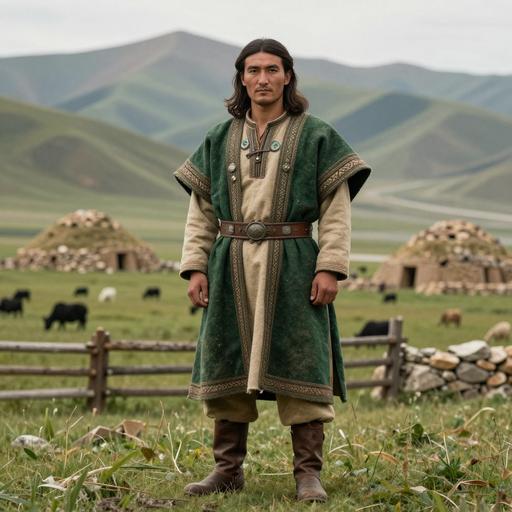
Haplogroup U5a1 is further divided into several subclades, each with its own geographic distribution and historical significance:

  1. U5a1a: This subclade is found across Northern and Western Europe and has been detected in ancient hunter-gatherer remains. It is closely associated with populations from the British Isles, France, and Scandinavia.

  2. U5a1b: U5a1b is found at significant frequencies in Eastern Europe and Russia. It likely reflects the ancient eastward migrations of European hunter-gatherer populations and their interactions with other groups in the region.

Modern Distribution and Frequency

Today, haplogroup U5a1 is found at varying frequencies across Europe, with its highest concentrations in Northern and Eastern Europe:

  • Scandinavia: U5a1 is found at high frequencies among the Saami people and Finns, where it accounts for a significant portion of the mitochondrial DNA in these populations. In the Saami, it can make up to 40% of the mitochondrial gene pool.

  • Eastern Europe: U5a1 is present at moderate frequencies in Russia, Poland, and other Eastern European populations, where it reflects the ancient genetic legacy of European hunter-gatherers.

  • Western Europe: U5a1 is found at lower frequencies in Western European populations, including in France, Britain, and the Iberian Peninsula.

Genetic and Evolutionary Significance

Haplogroup U5a1 is one of the oldest mitochondrial DNA lineages in Europe and represents a direct genetic link to the continent’s earliest human inhabitants. Its presence in Paleolithic and Mesolithic populations highlights the long-term genetic continuity of European hunter-gatherers, who played a critical role in shaping the genetic diversity of modern European populations.

As one of the key mitochondrial lineages in ancient European populations, U5a1 provides important insights into early human migrations, the survival of hunter-gatherer groups during the Last Glacial Maximum, and the genetic contributions of these groups to modern Europeans.

Conclusion

Haplogroup U5a1 is a mitochondrial DNA lineage that originated around 20,000 to 25,000 years ago and played a critical role in the genetic history of Europe. Closely associated with Paleolithic and Mesolithic hunter-gatherer populations, U5a1 is particularly prevalent in Northern and Eastern Europe, where it has persisted for thousands of years.

Today, U5a1 is found at high frequencies in Scandinavia, especially among the Saami, and remains an important genetic marker for studying the early human migrations that shaped the genetic landscape of Europe. As one of the oldest mitochondrial haplogroups in Europe, U5a1 provides valuable insights into the ancient history of the continent and the genetic diversity of modern European populations.

Puntos clave

  • Origin and Evolution
  • Geographic Distribution and Significance
  • Role in Human Migration
  • Ancient DNA and Archaeological Evidence
  • Subclades of Haplogroup U5a1

Perfil de referencia

Árbol y relaciones

Contexto filogenético y subclados

Trayectoria evolutiva

Sigue las ramas superiores registradas hasta U5a1. Las fechas son estimaciones y pueden cambiar al revisarse los datos de referencia.

Pasos Haplogrupo Antigüedad estimada Época arqueológica Tiempo transcurrido Subclados inmediatos Portadores modernos analizados Referencias antiguas
1 U5a1 Actual ~18,000 years ago Mesolithic 18,000 years 9 521 0
2 U5a ~17,000 years ago Mesolithic 17,000 years 2 659 110
3 U5A'B - - - 2 1,339 0
4 U5 ~35,000 years ago Paleolithic 35,000 years 1 1,339 142
5 U ~46,000 years ago Paleolithic 46,000 years 5 5,557 110
6 R ~55,000 years ago Paleolithic 55,000 years 17 22,830 57
7 NA - - - 1 22,830 0
8 N ~60,000 years ago Paleolithic 60,000 years 16 26,150 13
9 L3 ~70,000 years ago Paleolithic 70,000 years 7 30,162 6
10 L3'4 - - - 2 30,212 0
11 L3'4'6 - - - 2 30,216 0
12 L2'3'4'6 - - - 2 31,333 0
13 L2'3'4'5'6'7 - - - 2 31,349 0
14 L1'2'3'4'5'6'7 - - - 2 31,852 0
15 L ~160,000 years ago Paleolithic 160,000 years 2 32,236 5

Ramas hermanas (1)

Otras ramas del mismo haplogrupo superior

Perfil de referencia

En el mundo

Distribución geográfica y presencia moderna

Origen registrado

Europe, particularly in Northern and Eastern Europe, with some spread into Central Asia. It is associated with ancient hunter-gatherer populations in these regions

Distribución moderna

MTDNA haplogroup U5a1 is primarily found in the following populations:

  • European populations (especially in Northern and Eastern Europe)
  • Indigenous populations of Northern Europe (notably among the Saami people of Scandinavia)
  • Some populations in Central and Western Europe
  • Some populations in the Caucasus region
  • Some populations in North Africa (at lower frequencies)

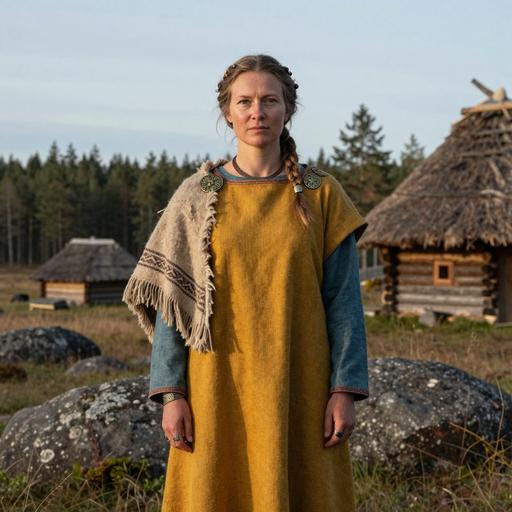
Haplogroup U5a1 is a subclade of U5a and shares a similar distribution, with a strong presence in Northern Europe, especially among indigenous populations such as the Saami. It is one of the oldest maternal lineages in Europe.
Contexto histórico

Una rama a través del tiempo

Formación estimada en una cronología histórica amplia. Los marcadores temporales aportan contexto y no implican relación con culturas concretas.

  1. ~20k años de antigüedad

    Último máximo glacial

    Máxima extensión de la última glaciación y aislamiento de poblaciones

  2. ~18k años de antigüedad

    Haplogrupo U5a1

    Formación estimada de esta rama de mtDNA; las fechas y ubicaciones son estimaciones de referencia.

    Esta rama
  3. ~10k años de antigüedad

    Revolución neolítica

    Inicio de la agricultura y formación de comunidades sedentarias

  4. ~5k años de antigüedad

    Edad del Bronce

    Metalurgia, escritura y primeras civilizaciones

  5. ~3k años de antigüedad

    Edad del Hierro

    Herramientas de hierro y ampliación de redes comerciales

  6. ~2.5k años de antigüedad

    Antigüedad clásica

    Desarrollo de las civilizaciones griega y romana

  7. Actualidad

    Actualidad

    Época moderna

Perfil de referencia

Contexto arqueológico

Asociaciones arqueológicas registradas para la rama mtDNA U5a1
Asociaciones registradas

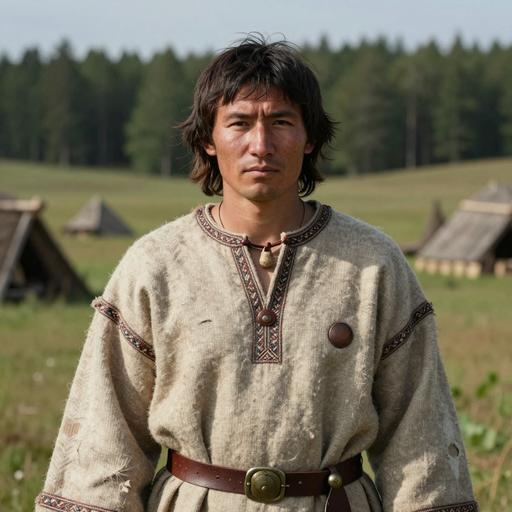
Estas etiquetas describen contextos arqueológicos registrados para las muestras de referencia enlazadas a U5a1. Una asociación no demuestra que todos los portadores pertenecieran a una cultura ni siguieran una ruta migratoria concreta.

Castelnovian Culture Iron Gates Culture Minino Russia_Vologda_Mesolithic Scandinavian Mesolithic Veretye Volga-Oka Culture Yuzhny Oleny Ostrov
Las atribuciones culturales se basan en el contexto arqueológico de las muestras de ADN antiguo y pueden representar asociaciones regionales de periodos concretos.
Perfil de referencia

Catálogo de muestras

2 portadores directos y 98 portadores de subclados del haplogrupo U5a1

10 mostradas · 50 muestras coincidentes

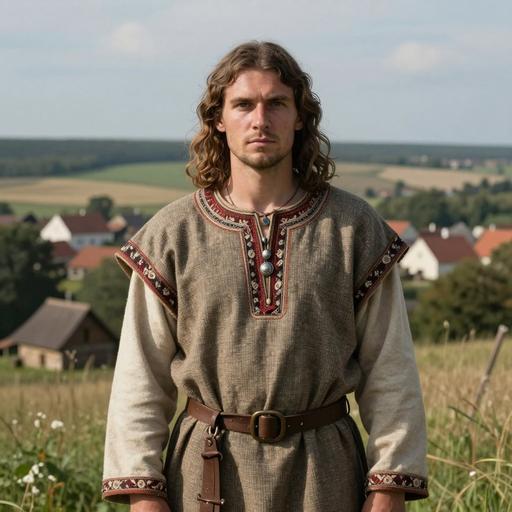
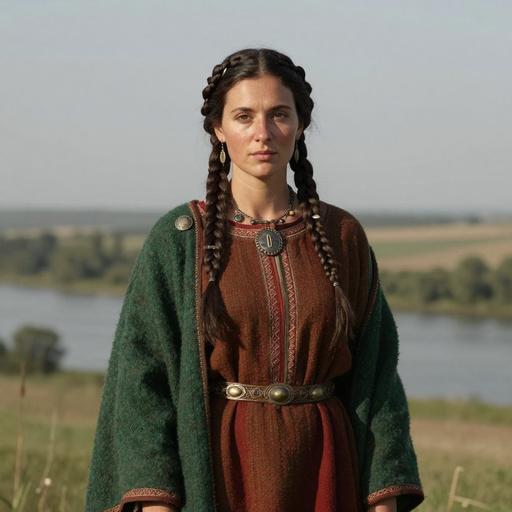
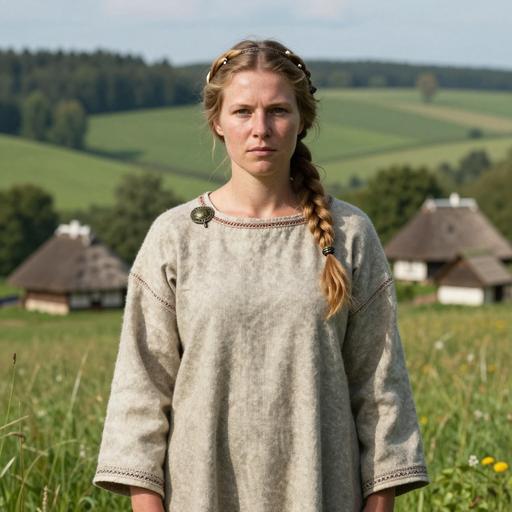
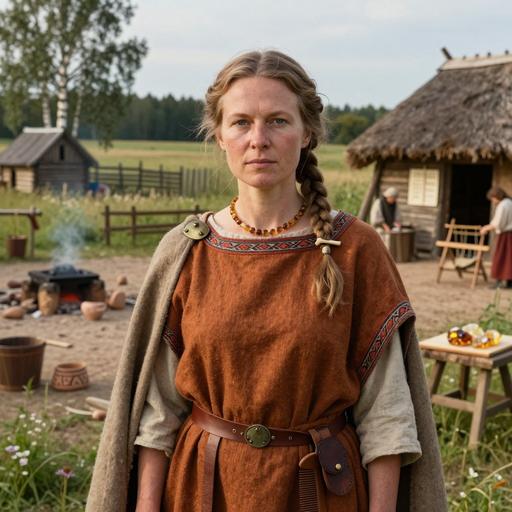
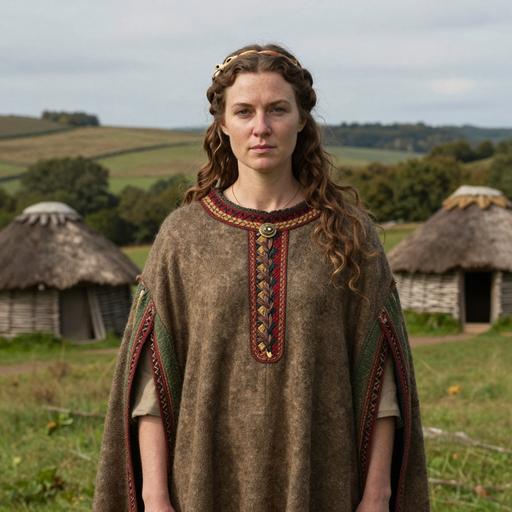
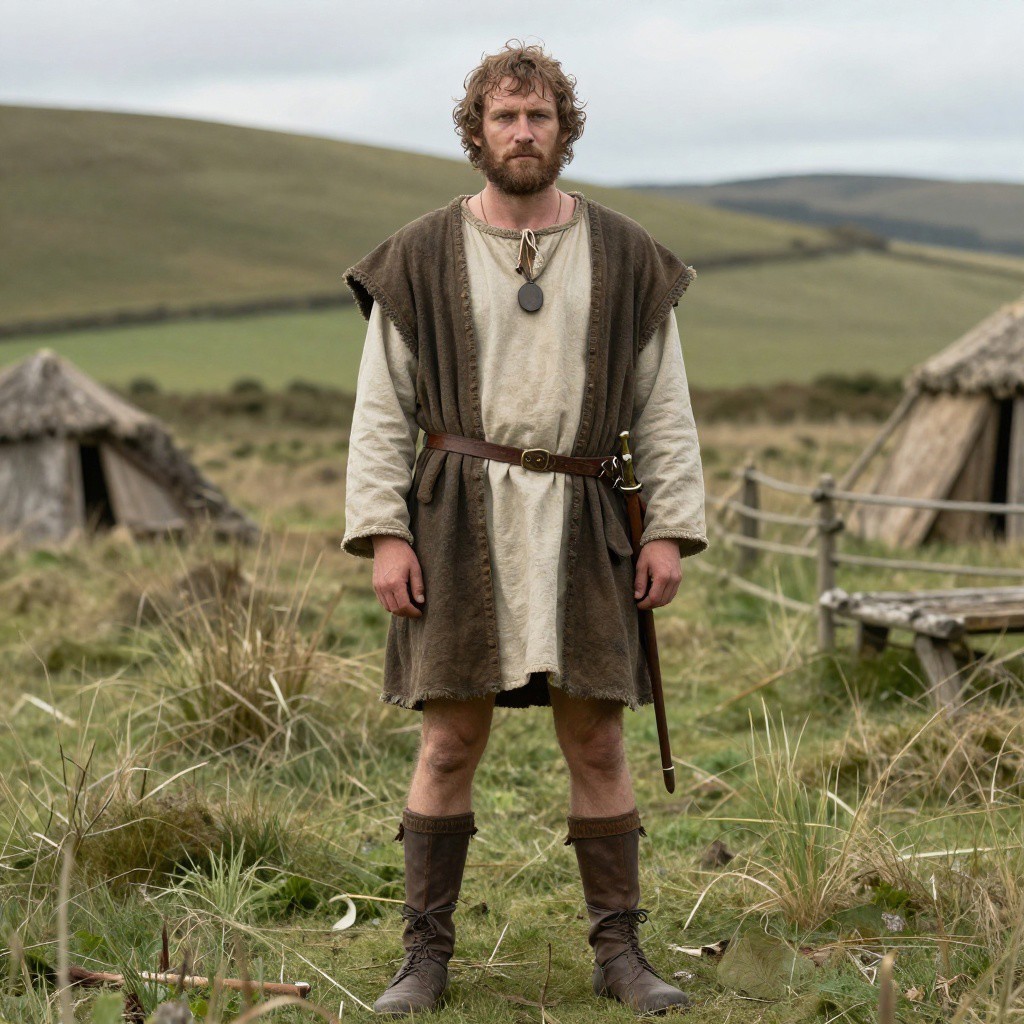
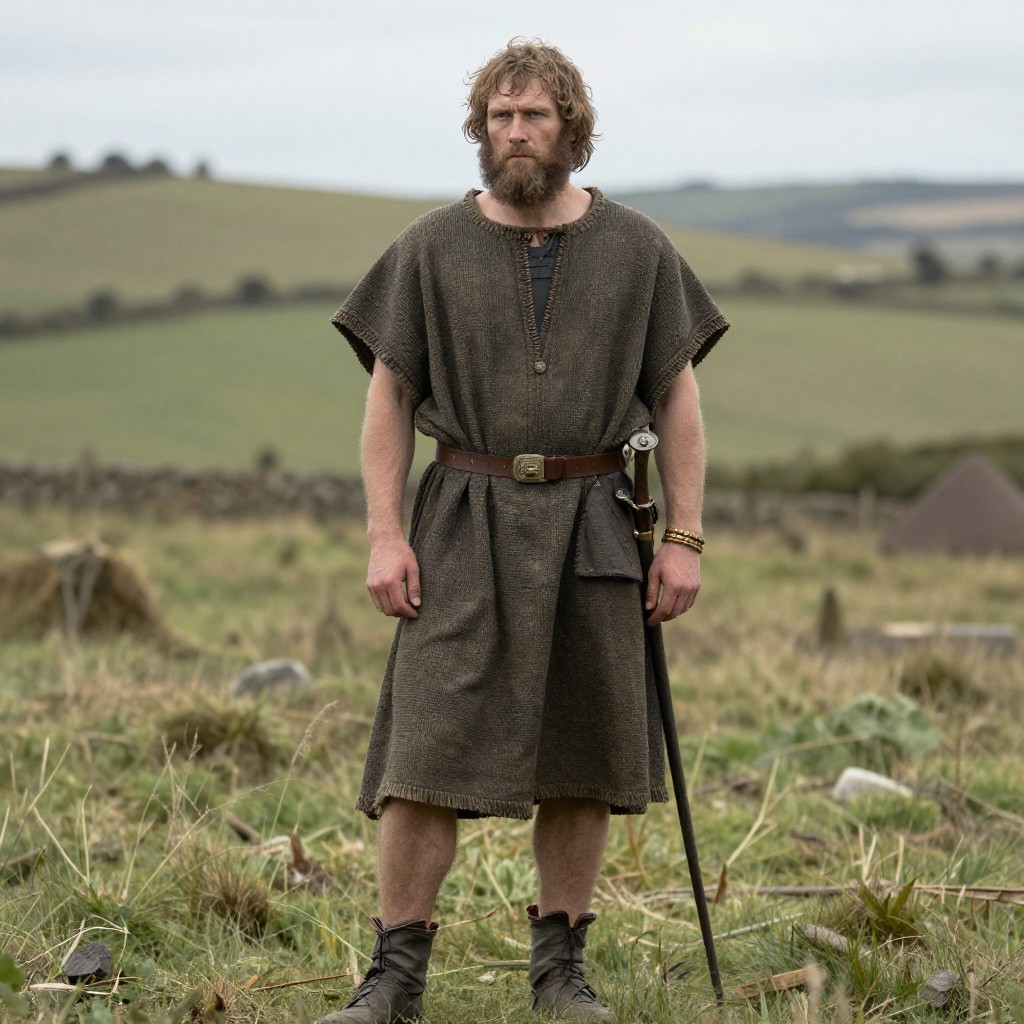
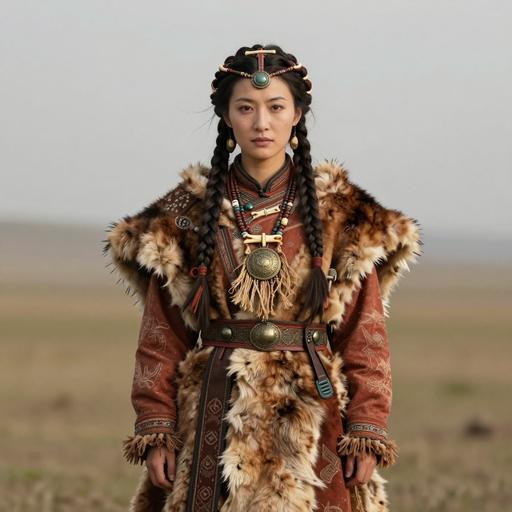
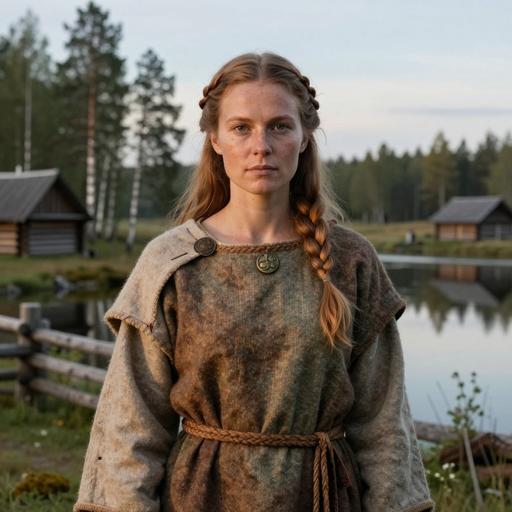
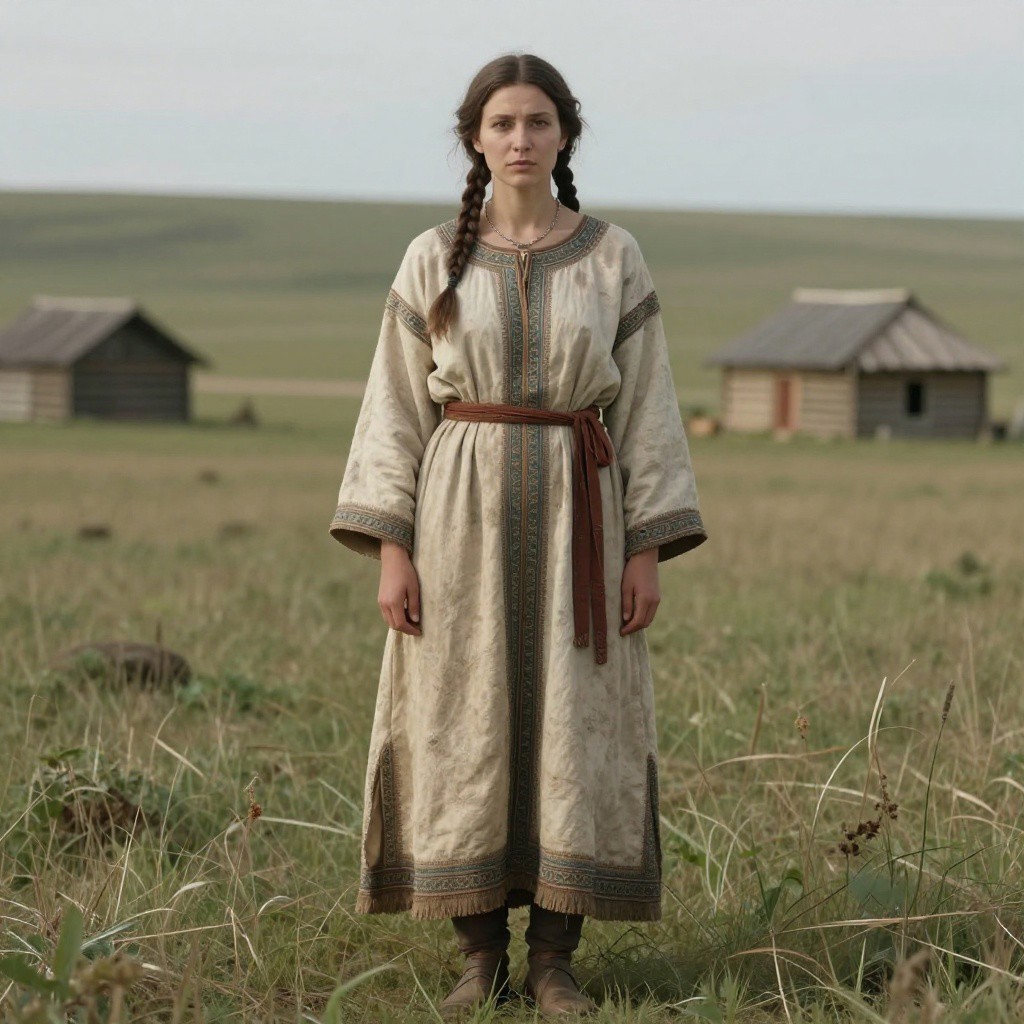
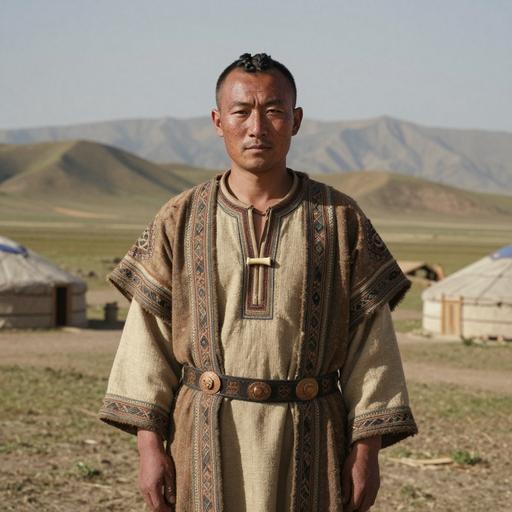
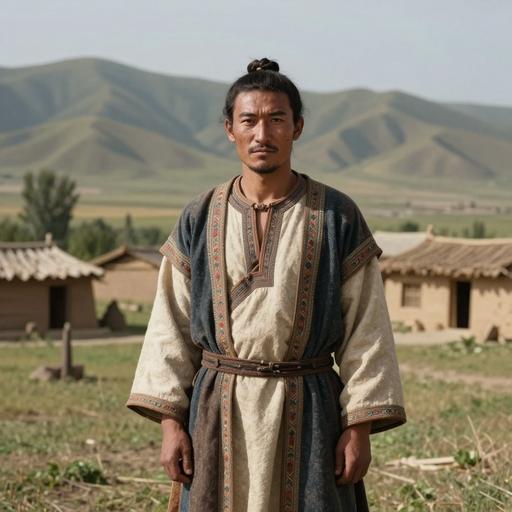
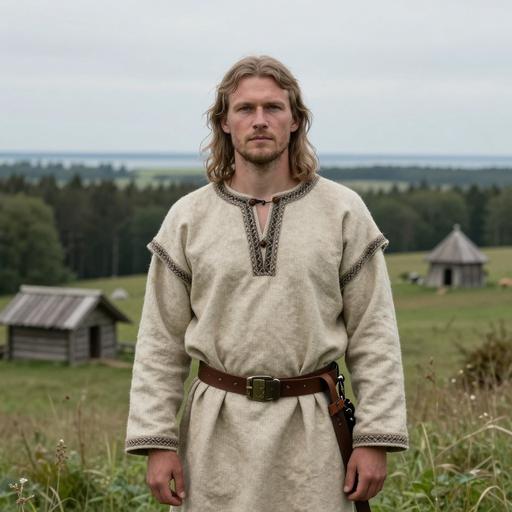
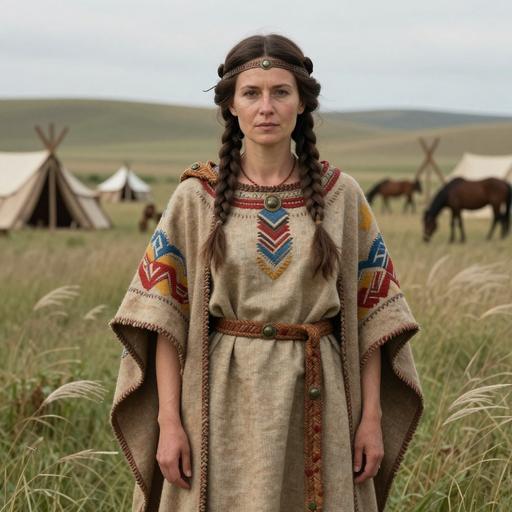
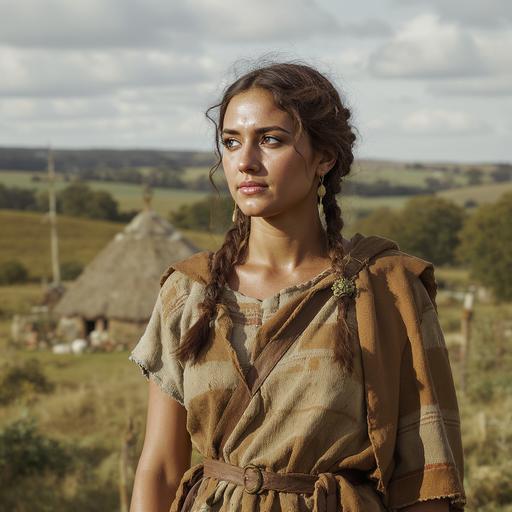
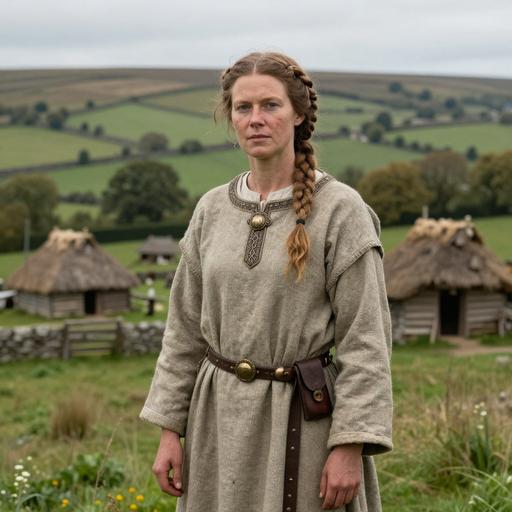
Los retratos son ilustraciones generadas con IA. Las etiquetas de muestra y los identificadores de acceso identifican los registros de referencia.

Retrato Muestra País Época Fecha Cultura mtDNA Coincidencia
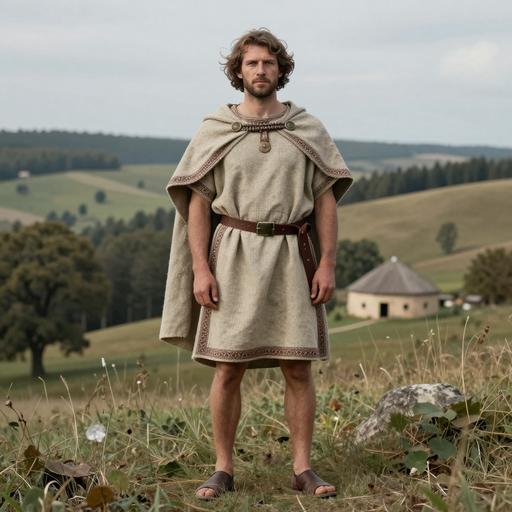
Retrato ilustrativo de Roman Wielbark individual, Pruszcz Gdański (Pomeranian Province, Gdańsk, Pruszcz Gdański), Poland (100-300 CE) generado con IA
Identificador de muestra: PCA0499
Poland Wielbark Culture 100-300 CE Wielbark U5a1 Direct

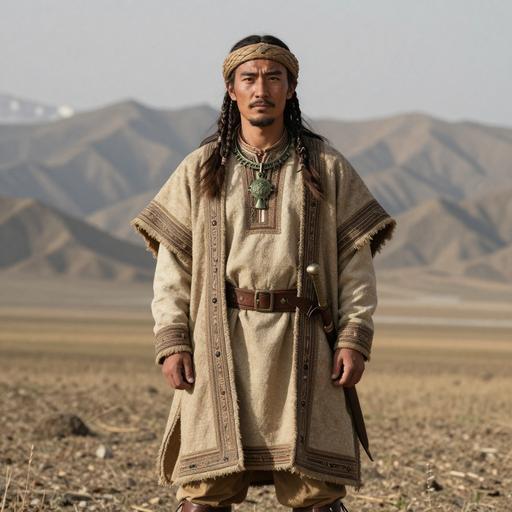
Retrato ilustrativo de Early Avar-o High East Asia individual, Danube-Tisza Interfluve. Kunpeszér - Felsőpeszéri út, Hungary (630-670 CE) generado con IA
Identificador de muestra: A1816
Hungary Early Avar Period Danube-Tisza, Hungary 600-700 CE Early Avar U5a1 Direct

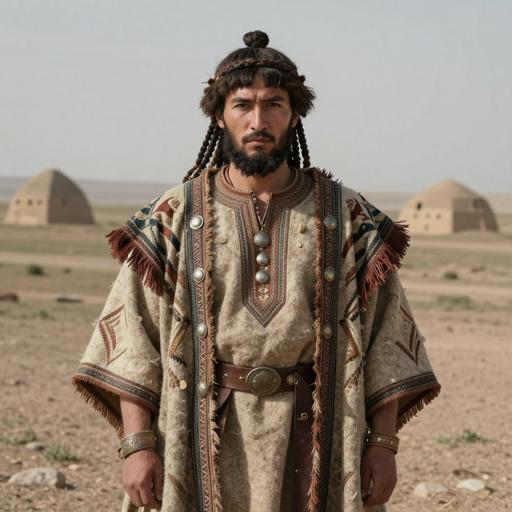
Retrato ilustrativo de Scotland IA individual, Orkney. Westray. Knowe of Skea, United Kingdom (1-250 CE) generado con IA
Identificador de muestra: KD042
United Kingdom Iron Age Orkney, Scotland 1-250 CE Orcadian Iron Age U5a1b1a Subclado
Retrato ilustrativo de Late Antiquity Imperial Roman individual, Viminacium-Pécine (Braničevo District, Požarevac Municipality, Kostolac), Serbia (1-400 CE) generado con IA
Identificador de muestra: I15536
Serbia Serbia Roman 1-400 CE Roman Provincial U5a1j Subclado
Retrato ilustrativo de IA Wielbark individual, Kowalewko (Greater Poland Province, Oborniki), Poland (16-141 CE) generado con IA
Identificador de muestra: PCA0052
Poland Wielbark Culture 150-1 BCE Wielbark U5a1a1 Subclado
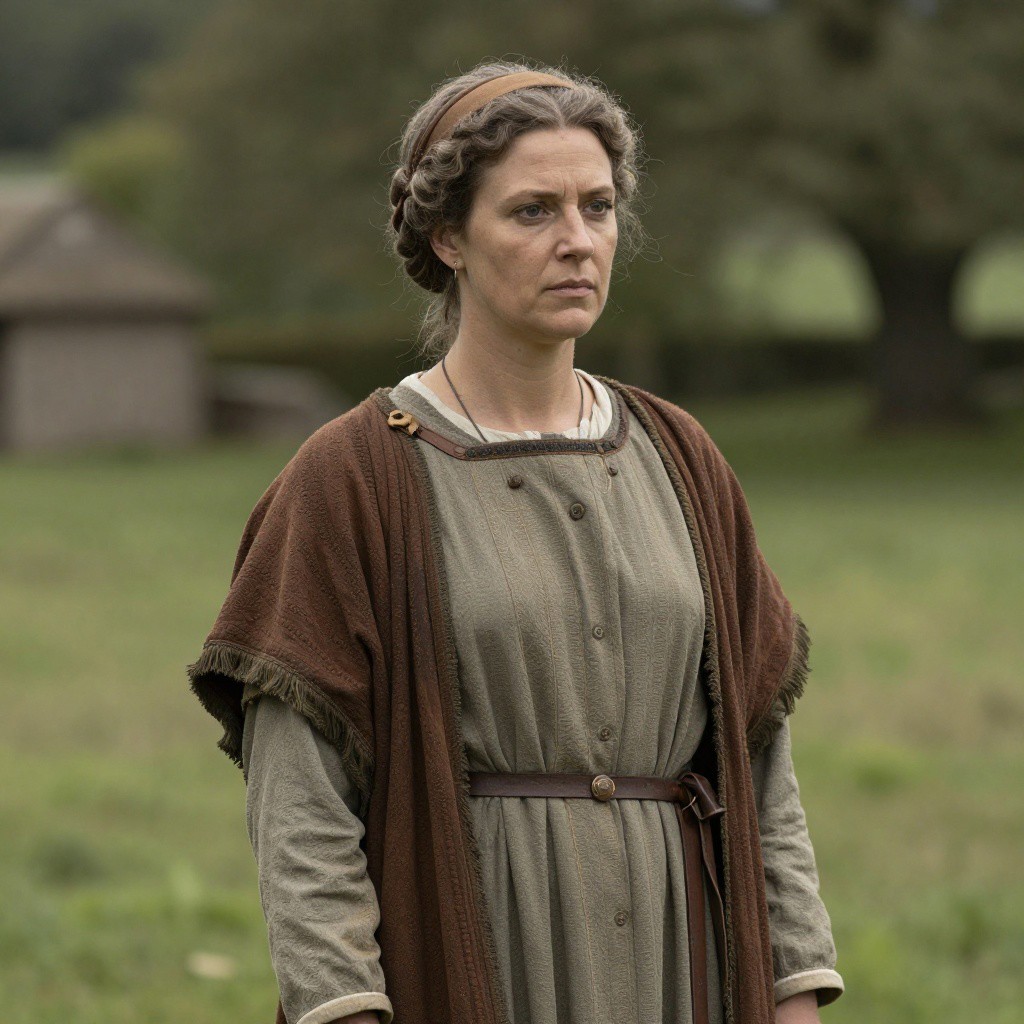
Retrato ilustrativo de England IA individual, Winterbourne Kingston (England, Dorset), United Kingdom (37 BCE-123 CE) generado con IA
Identificador de muestra: WBK07
United Kingdom England IA 40 calBCE - 120 calCE (1976±25 BP, UBA-45877) British Iron Age U5a1b1g Subclado
Retrato ilustrativo de Xinjiang Abusanteer Antiquity individual, Xinjiang. Yili Region. Chabuchaer County. Abusanteer, China (85-241 CE) generado con IA
Identificador de muestra: C4140
China Historical Period Abusanteer, Xinjiang, China 50-250 BCE Abusanteer Culture U5a1d2 Subclado
Retrato ilustrativo de Scotland LIA individual, Scotland. East Lothian. North Berwick. Law Road, United Kingdom (97-107 BCE) generado con IA
Identificador de muestra: I16418
United Kingdom Scotland LIA 97 calBCE - 107 calCE (2019±30 BP, SUERC-94959) Scottish Iron Age U5a1d2a Subclado
Retrato ilustrativo de Imperial Roman-o Local individual, Girona. Empuries. necropolis Centre de Visitants, Spain (100-200 CE) generado con IA
Identificador de muestra: I8474
Spain Roman Period Spain 100-200 CE Roman Hispania U5a1a2b Subclado
Retrato ilustrativo de Imperial Roman-o Africa individual, Girona. Empuries. necropolis Centre de Visitants, Spain (100-200 CE) generado con IA
Identificador de muestra: I10865
Spain Roman Period Spain 100-200 CE Roman Hispania U5a1a1 Subclado
MATERNAL LINAJE · ADN ANTIGUO

Mapa de pruebas de linajes antiguos

Sigue los clados superiores hasta esta rama y explora dónde se encontraron portadores antiguos.

Cargando observaciones antiguas...

Los marcadores son ubicaciones de hallazgos arqueológicos. Una línea discontinua representa una transición geográfica propuesta e incierta entre ramas consecutivas, apoyada en varias observaciones fechadas; no es una ruta de viaje exacta, un lugar de nacimiento ni una prueba de descendencia directa. Las muestras del clado parental pueden pertenecer a otras ramas descendientes. Se mantienen huecos cuando las pruebas son insuficientes. Las fechas de las muestras son distintas de las fechas de formación de los haplogrupos.

Perfil de referencia

Mapa de distribución de portadores

Distribución geográfica de muestras de ADN antiguo (100), portadores directos o de subclados de U5a1

Portador directo Portador de un subclado
Filtro de periodo temporal
Todos los periodos
Mostrando todas las muestras
Perfil de referencia

Distribución temporal

Distribución de portadores por periodos arqueológicos

Perfil de referencia

Distribución geográfica

Recuentos por país registrado de las muestras. Reflejan la selección de referencia disponible, no frecuencias de población.

Perfil de referencia

Distribución por país y época

Compara los recuentos de muestras registradas por países y periodos arqueológicos. Selecciona una celda con datos para examinar una muestra.

Datos

Datos y procedencia

Información sobre las fuentes y la calidad de los datos

Última actualización 2026-01-15

Fuente de datos

La clasificación, las fechas estimadas y el contexto geográfico reflejan los datos de referencia registrados y pueden cambiar al revisarse las pruebas. La cobertura de muestras es desigual; las ubicaciones registradas y las asociaciones arqueológicas no establecen el origen personal ni la identidad cultural.