Saltar al contenido principal
Y-DNA · Paterno linaje

E1B1B

Y-DNA Haplogroup E1B1B

Un perfil de referencia de una rama de linaje. Compartir haplogrupos no demuestra una relación familiar ni una identidad cultural.

Perfil de referencia

Contexto de la rama

Contexto histórico de la rama de linaje Y-DNA E1B1B

Origins and Evolution

Haplogroup E1B1B (frequently referenced by its defining SNP E-M215 in modern literature) is a primary descendant of E1B1 and is generally reconstructed to have arisen in Northeast Africa in the Late Pleistocene (roughly the upper tens of thousands of years before present). From this ancestral node, a series of downstream lineages (most notably those grouped under the long-recognized E-M35 clade and its branches) diversified in East Africa and the Sahara/North African corridor. Genetic and phylogenetic evidence indicates that while the clade has a deep African origin, several subclades expanded out of Africa into the Near East and across the Mediterranean at different times, especially during the Neolithic and later prehistory.

Subclades (if applicable)

E1B1B/E-M215 comprises multiple important downstream lineages with distinct geographic patterns: E-M35 (a major radiation that includes many widely distributed subclades), E-M78 (frequent in Northeast Africa and parts of the Balkans), E-V13 (a Balkan/European-associated branch with notable local expansions), E-M81 (a strongly North-West African/Berber-associated subclade), and E-M34/M84 (found in the Near East, Levant and parts of North Africa). These subclades have different coalescence times and demographic histories; some show signals of Neolithic-era expansions, others reflect later regional demographic processes (Bronze Age, historic movements, and localized founder effects).

Geographical Distribution

E1B1B is today highest in frequency in North Africa and parts of the Horn of Africa, with substantial presence in Northeast Africa and measurable frequencies across the Levant and southern Mediterranean Europe. Specific subclades (for example E-M81) reach very high frequencies in Berber-speaking populations of the Maghreb, while other subclades (E-V13, E-M78) are more prominent in parts of the Balkans and Italy. The haplogroup is also present at lower frequencies throughout the Near East and has contributed to paternal lineages in southern Europe via ancient and historic gene flow across the Mediterranean. Due to the Atlantic slave trade, E1B1B lineages are also encountered in the Americas within populations of African descent.

Historical and Cultural Significance

Population-genetic and ancient-DNA studies indicate that E1B1B lineages were involved in key demographic processes: the spread of pastoralism and Afroasiatic-speaking groups in Northeast Africa, movements of Neolithic farmers or gene flow from the Near East into Mediterranean Europe, and localized expansions tied to North African prehistory (e.g., Capsian/Neolithic contexts) and later historical periods. Certain subclades (notably E-M81) are strongly associated with Berber identity in the Maghreb, while others (E-V13) reflect expansion events in the Balkans that have been linked to post-Neolithic demographic growth. Overall, E1B1B illustrates how a lineage with African origin contributed both to intra-African diversity and to cross-Mediterranean connections since the early Holocene.

Conclusion

E1B1B/E-M215 is a pivotal paternal lineage for understanding the genetic prehistory of North Africa, the Horn, the Near East and parts of southern Europe. Its internal diversity and geographic structure record a mix of deep African origins and subsequent region-specific expansions during the Neolithic and later periods. Interpretation of E1B1B patterns requires attention to subclade resolution, because different downstream branches have distinct ages and migration histories.

Puntos clave

  • Origins and Evolution
  • Subclades (if applicable)
  • Geographical Distribution
  • Historical and Cultural Significance
  • Conclusion
Perfil de referencia

Árbol y relaciones

Contexto filogenético y subclados

Trayectoria evolutiva

Sigue las ramas superiores registradas hasta E1B1B. Las fechas son estimaciones y pueden cambiar al revisarse los datos de referencia.

Pasos Haplogrupo Antigüedad estimada Época arqueológica Tiempo transcurrido Subclados inmediatos Portadores modernos analizados Referencias antiguas
1 E1B1B Actual ~26,000 years ago Paleolithic 26,000 years 1 1,116 2
2 E1B1 ~28,000 years ago Paleolithic 28,000 years 2 1,572 0
3 E1B ~30,000 years ago Paleolithic 30,000 years 1 1,583 0
4 E1 ~50,000 years ago Paleolithic 50,000 years 2 1,667 2
5 E ~50,000 years ago Paleolithic 50,000 years 3 1,813 3

Ramas hermanas (1)

Otras ramas del mismo haplogrupo superior

Perfil de referencia

En el mundo

Distribución geográfica y presencia moderna

Origen registrado

NorthEast Africa

Distribución moderna

The populations where Y-DNA haplogroup E1B1B is found include:

  1. Berber (Amazigh) groups of North Africa
  2. Ethiopian, Somali and other Horn of Africa populations
  3. Egyptian and Nile Valley populations
  4. Levantine and Near Eastern populations (e.g., Palestinians, Lebanese)
  5. Southern European populations, especially the Balkans, Italy and parts of Iberia
  6. Sahel and some East African pastoralist groups
  7. Jewish communities (at variable frequencies in some Levantine and Mediterranean groups)
  8. African-descended populations in the Americas and Caribbean (resulting from the transatlantic slave trade)

Presencia regional

North Africa High
East Africa / Horn High
Near East / Western Asia Moderate
Southern Europe Moderate
West Africa / Sahel Low
North America (diaspora) Low
North Africa High
East Africa (Horn) Moderate
Near East / Levant Moderate
Southern Europe (Mediterranean) Low
Balkans / Southeast Europe Moderate
Contexto histórico

Una rama a través del tiempo

Formación estimada en una cronología histórica amplia. Los marcadores temporales aportan contexto y no implican relación con culturas concretas.

  1. ~26k años de antigüedad

    Haplogrupo E1B1B

    Formación estimada de esta rama de Y-DNA; las fechas y ubicaciones son estimaciones de referencia.

    Esta rama
  2. ~20k años de antigüedad

    Último máximo glacial

    Máxima extensión de la última glaciación y aislamiento de poblaciones

  3. ~10k años de antigüedad

    Revolución neolítica

    Inicio de la agricultura y formación de comunidades sedentarias

  4. ~5k años de antigüedad

    Edad del Bronce

    Metalurgia, escritura y primeras civilizaciones

  5. ~3k años de antigüedad

    Edad del Hierro

    Herramientas de hierro y ampliación de redes comerciales

  6. ~2.5k años de antigüedad

    Antigüedad clásica

    Desarrollo de las civilizaciones griega y romana

  7. Actualidad

    Actualidad

    Época moderna

Perfil de referencia

Contexto arqueológico

Asociaciones arqueológicas registradas para la rama Y-DNA E1B1B

Asociaciones registradas

Estas etiquetas describen contextos arqueológicos registrados para las muestras de referencia enlazadas a E1B1B. Una asociación no demuestra que todos los portadores pertenecieran a una cultura ni siguieran una ruta migratoria concreta.

Moroccan Transitional Mtwapa Natufian Nazari Culture PPNB Udegram Culture
Las atribuciones culturales se basan en el contexto arqueológico de las muestras de ADN antiguo y pueden representar asociaciones regionales de periodos concretos.
Perfil de referencia

Catálogo de muestras

1 portador directo y 1 portador de un subclado del haplogrupo E1B1B

2 mostradas · 2 muestras coincidentes

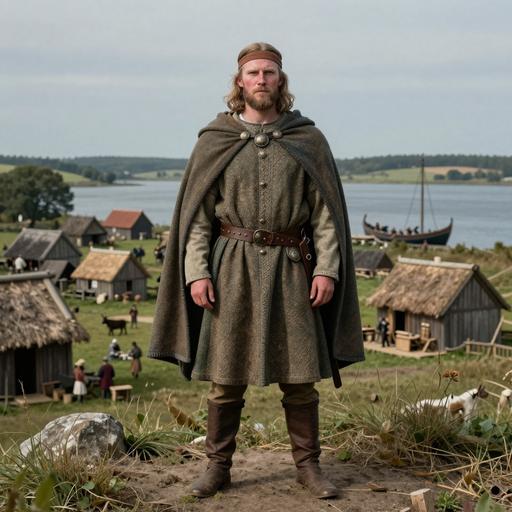
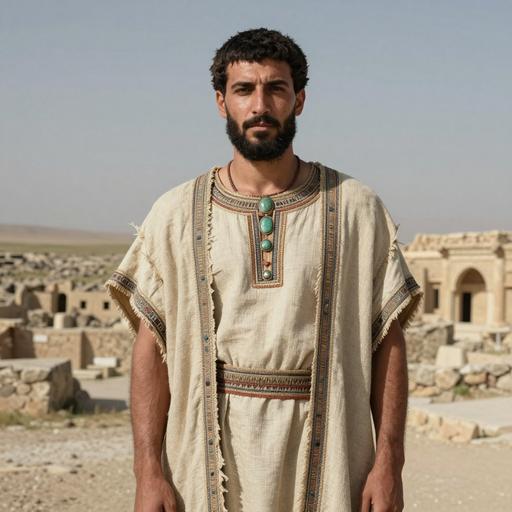
Los retratos son ilustraciones generadas con IA. Las etiquetas de muestra y los identificadores de acceso identifican los registros de referencia.

Retrato Muestra País Época Fecha Cultura Y-DNA Coincidencia
Retrato ilustrativo de Medieval individual, Tjærby (Randers Municipality), Denmark (1,000-1,300 CE) generado con IA
Identificador de muestra: CGG100653
Denmark Denmark Medieval 1000-1300 CE Danish Medieval E1b1b Direct
Retrato ilustrativo de MLBA individual, Hatay. Tell Atchana (Alalakh), Turkey (2,000-1,200 BCE) generado con IA
Identificador de muestra: ALA136
Turkey Middle to Late Bronze Age Tell Atchana, Turkey 2000-1200 BCE Tell Atchana E1b1b1 Subclado
PATERNAL LINAJE · ADN ANTIGUO

Mapa de pruebas de linajes antiguos

Sigue los clados superiores hasta esta rama y explora dónde se encontraron portadores antiguos.

Cargando observaciones antiguas...

Los marcadores son ubicaciones de hallazgos arqueológicos. Una línea discontinua representa una transición geográfica propuesta e incierta entre ramas consecutivas, apoyada en varias observaciones fechadas; no es una ruta de viaje exacta, un lugar de nacimiento ni una prueba de descendencia directa. Las muestras del clado parental pueden pertenecer a otras ramas descendientes. Se mantienen huecos cuando las pruebas son insuficientes. Las fechas de las muestras son distintas de las fechas de formación de los haplogrupos.

Perfil de referencia

Mapa de distribución de portadores

Distribución geográfica de muestras de ADN antiguo (2), portadores directos o de subclados de E1B1B

Portador directo Portador de un subclado
Filtro de periodo temporal
Todos los periodos
Mostrando todas las muestras
Perfil de referencia

Distribución temporal

Distribución de portadores por periodos arqueológicos

Perfil de referencia

Distribución geográfica

Recuentos por país registrado de las muestras. Reflejan la selección de referencia disponible, no frecuencias de población.

Perfil de referencia

Distribución por país y época

Compara los recuentos de muestras registradas por países y periodos arqueológicos. Selecciona una celda con datos para examinar una muestra.

Datos

Datos y procedencia

Información sobre las fuentes y la calidad de los datos

Última actualización 2026-06-15
Puntuación de confianza 50/100
Cobertura Low

Fuente de datos

La clasificación, las fechas estimadas y el contexto geográfico reflejan los datos de referencia registrados y pueden cambiar al revisarse las pruebas. La cobertura de muestras es desigual; las ubicaciones registradas y las asociaciones arqueológicas no establecen el origen personal ni la identidad cultural.