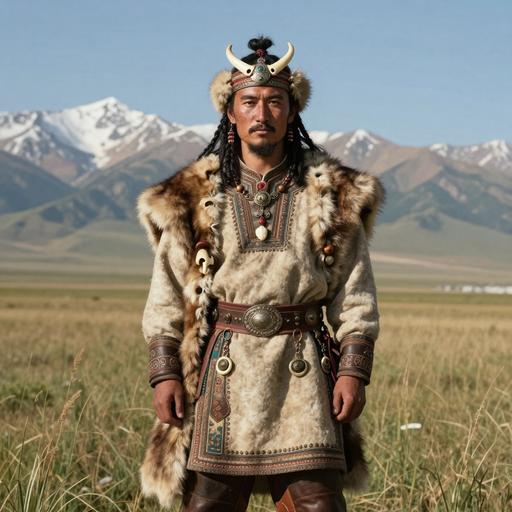
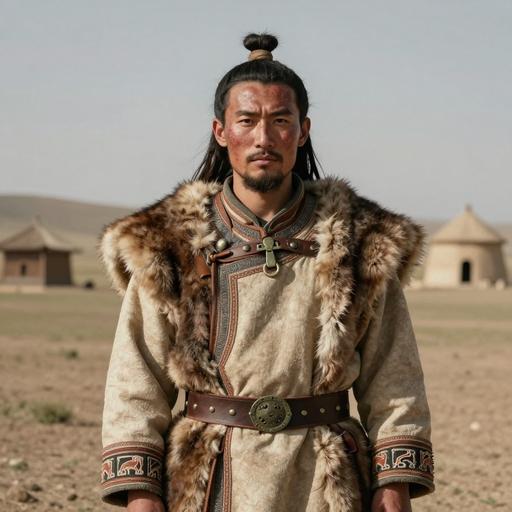
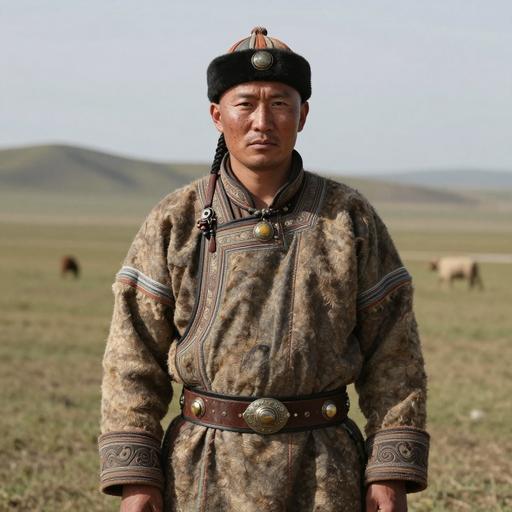
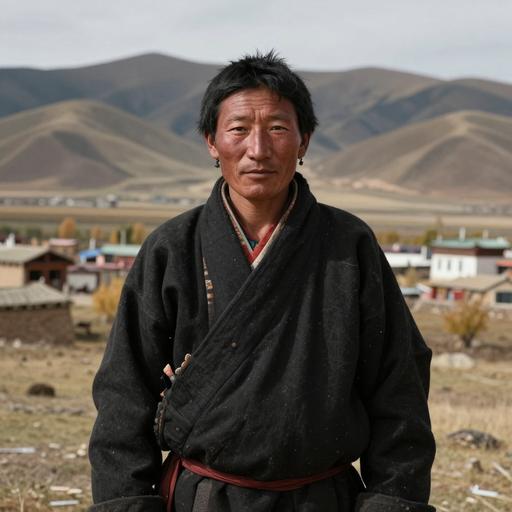
Profil de référence pour une branche de lignée. Des haplogroupes partagés n'établissent pas de lien familial ni d'identité culturelle.
Profil de référence
Contexte de la branche
Contexte historique de la branche de lignée mtDNA F1B1
Origins and Evolution
mtDNA haplogroup F1b1 is a downstream lineage of the broader F1B branch of haplogroup F, a maternal clade that arose in East to Southeast Asia during the Late Pleistocene to early Holocene. Based on its phylogenetic position beneath F1B and the geographic pattern of related subclades, F1b1 most likely diversified in the early Holocene (roughly within the last ~10,000 years) as human populations in East and Southeast Asia underwent demographic growth and range shifts following the Last Glacial Maximum. Its emergence fits a pattern of postglacial local expansions and later Neolithic demographic processes in mainland East Asia and coastal dispersals into island Southeast Asia.
Subclades
F1b1 itself may contain regionally restricted sub-lineages that are observed at low to moderate frequency in different populations (for example, lineages more common in mainland East Asia versus those enriched in island Southeast Asia). Where high-resolution mitogenomes are available, researchers typically find additional branching below F1b1 reflecting localized founder effects, especially in island populations where drift and founder events amplify particular maternal lineages.
Geographical Distribution
F1b1 shows a concentration in East Asia (including Han Chinese, Japanese and Korean samples) and mainland Southeast Asia (Vietnamese, Thai, Lao), with noticeable representation in Island Southeast Asia (Philippines, Indonesia, Malay populations) and occasional presence in Near Oceania (Austronesian-related communities). Low-frequency occurrences have been reported in Tibeto-Burman groups on the Himalayan fringe, some Central Asian and southern Siberian samples, and rare detections in South Asian populations, consistent with episodic gene flow or rare lineages carried along trading and migration routes.
Historical and Cultural Significance
F1b1's distribution aligns with multiple well-documented demographic processes in eastern Eurasia. Its presence in mainland East Asia may reflect continuity from Mesolithic and early Holocene hunter-gatherer and early farming communities, while its representation in Island Southeast Asia and Near Oceania is consistent with Austronesian-associated maritime dispersals during the mid-Holocene. In Japan, low to moderate frequencies in modern samples may reflect both Jomon-era continuity and later gene flow associated with Yayoi period movements. Overall, F1b1 is informative for studying maternal line continuity, localized founder events on islands, and Holocene-era population movements across coastal Asia.
Conclusion
As a subclade of F1B, F1b1 is an East-to-Southeast-Asian maternal lineage that emerged in the early Holocene and today contributes to the mitochondrial diversity of a broad swath of eastern Eurasia and island Oceania. Continued mitogenome sequencing and ancient DNA sampling refine the branching structure under F1b1 and improve resolution on its timing, substructure, and role in past demographic events such as Neolithic expansions and Austronesian dispersals.
Points clés
Origins and Evolution
Subclades
Geographical Distribution
Historical and Cultural Significance
Conclusion
Profil de référence
Arbre et relations
Contexte phylogénétique et sous-clades
Voie évolutive
Suivez les branches parentes consignées jusqu'à F1B1. Les dates sont des estimations et peuvent évoluer lorsque les données de référence sont révisées.
The populations where mtDNA haplogroup F1B1 is found include:
Han Chinese and other East Chinese populations
Japanese (including some Ryukyu/Okinawan groups)
Koreans
Vietnamese and other mainland Southeast Asian groups (Thai, Lao)
Filipinos and other Austronesian-speaking populations in Island Southeast Asia
Indonesians and Malays
Austronesian-derived populations in Near Oceania (parts of Melanesia and Micronesia)
Tibeto-Burman and Himalayan fringe groups (low to moderate frequency)
Scattered Central Asian and southern Siberian groups (low frequency)
Occasional reports in South Asian populations (rare, low frequency)
Contexte historique
Une branche dans le temps
Formation estimée sur une chronologie historique large. Les repères de période servent de contexte et n'impliquent pas de lien avec des cultures particulières.
Il y a ~10k ans
Révolution néolithique
Début de l'agriculture et émergence de communautés sédentaires
Il y a ~9k ans
Haplogroupe F1B1
Formation estimée de cette branche mtDNA ; les dates et les lieux sont des estimations de référence.
Cette branche
Il y a ~5k ans
Âge du bronze
Travail des métaux, écriture et premières civilisations
Il y a ~3k ans
Âge du fer
Outils en fer, réseaux d'échanges élargis
Il y a ~2.5k ans
Antiquité classique
Floraison des civilisations grecque et romaine
Aujourd'hui
Aujourd'hui
Époque moderne
Profil de référence
Contexte archéologique
Associations archéologiques consignées pour la branche mtDNA F1B1
Associations consignées
Ces libellés décrivent des contextes archéologiques consignés pour des échantillons de référence liés à F1B1. Une association n'établit pas que tous les porteurs appartenaient à une culture ni qu'ils ont suivi une route migratoire précise.
Chinese NeolithicDongmaili CultureDornod CultureEarly BuryatLena River CultureMongolian NeolithicNorthern Mongolian CultureSakaShamanka CultureSlab Grave CultureSongshugou CultureTransbaikal Culture
Les attributions culturelles reposent sur le contexte archéologique des échantillons d'ADN ancien et peuvent refléter des associations régionales à certaines périodes.
Profil de référence
Catalogue d'échantillons
4 porteurs directs et 72 porteurs de sous-clade de l'haplogroupe F1B1
10 affiché(s) · 50 échantillons correspondants
Aucun échantillon ne correspond à ces filtres. Essayez un autre libellé, lieu ou période.
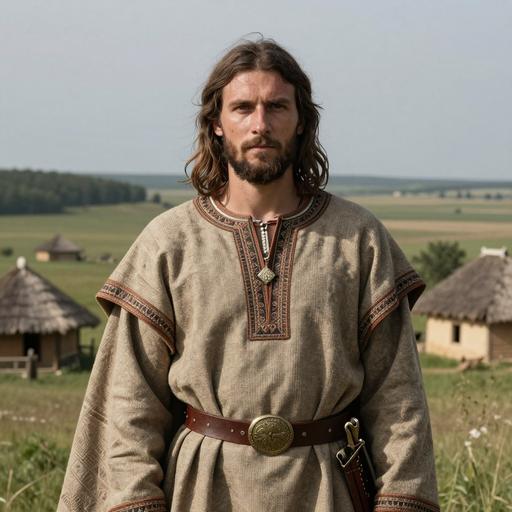
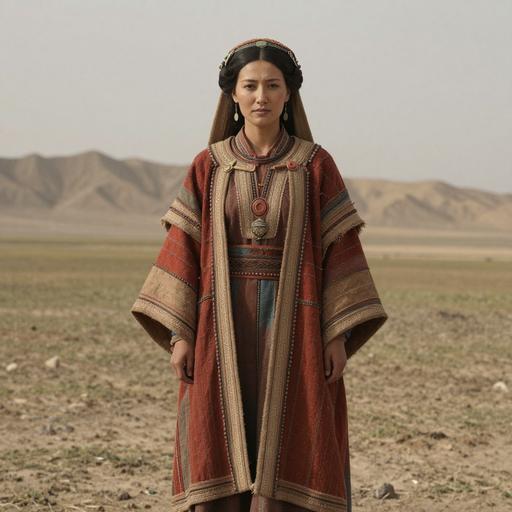
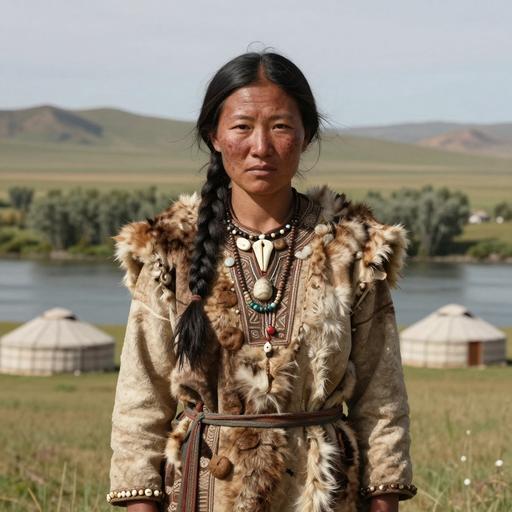
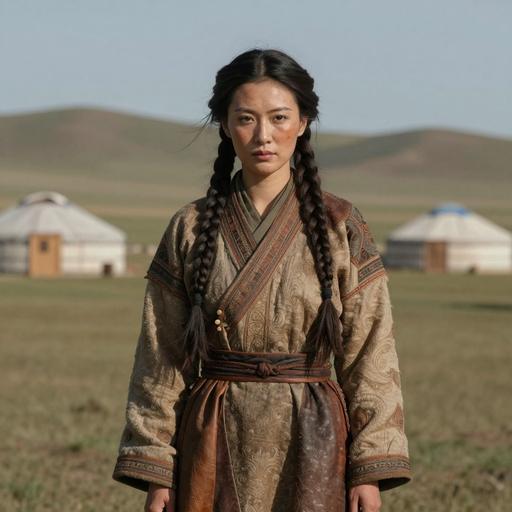
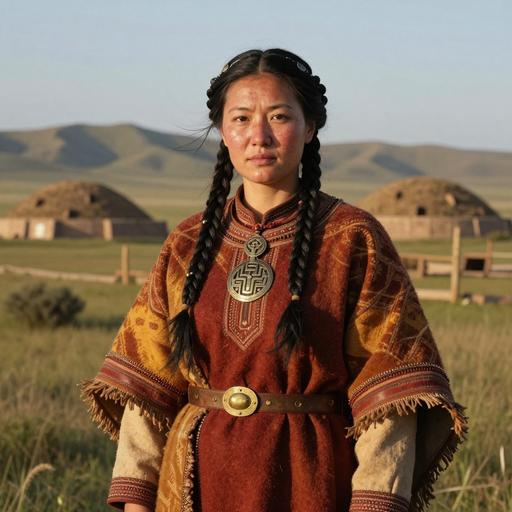
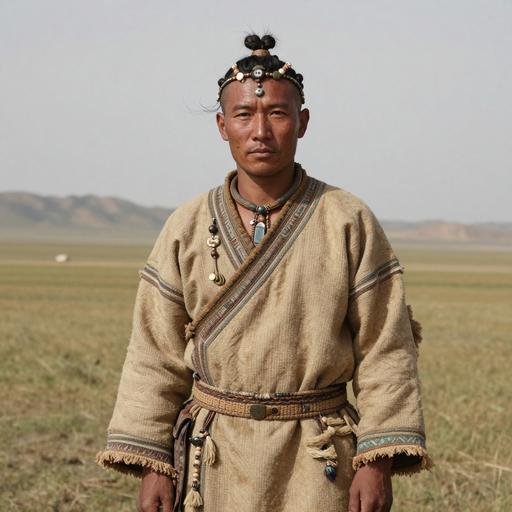
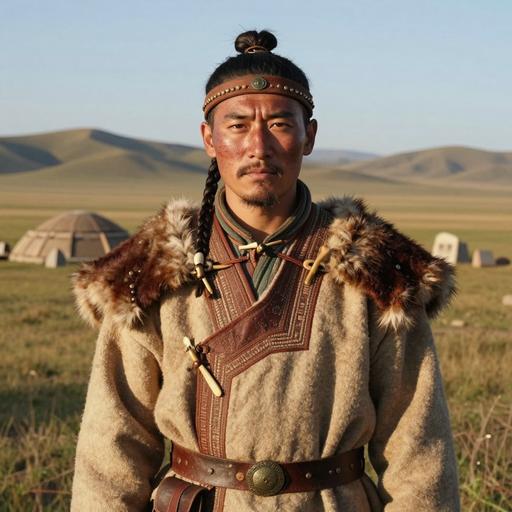
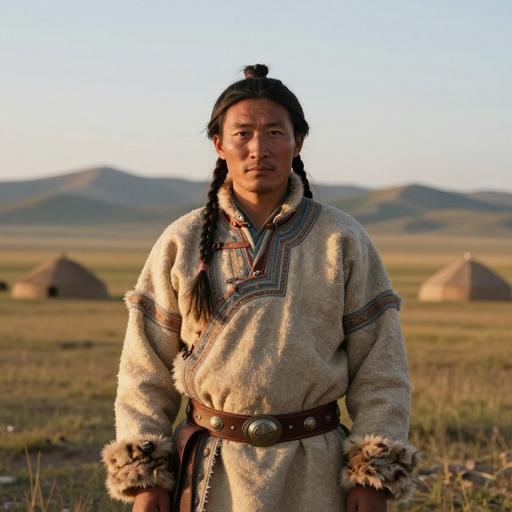
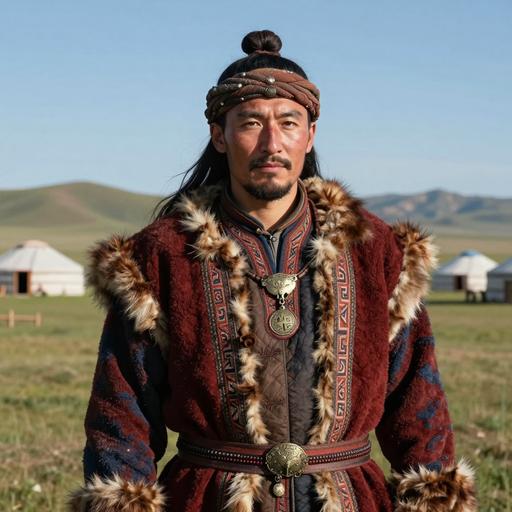
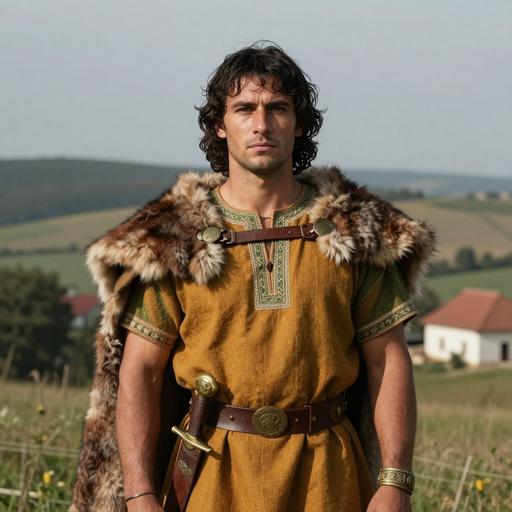
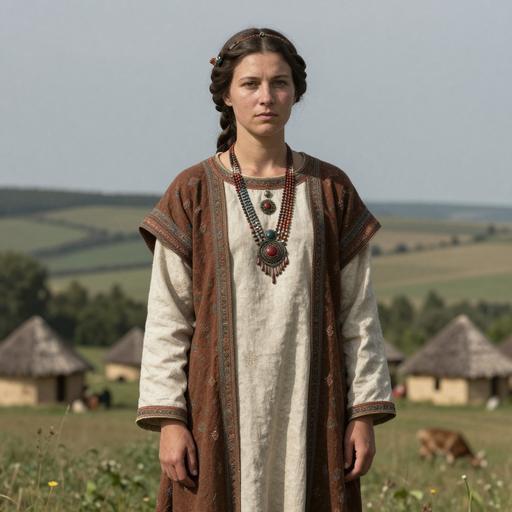
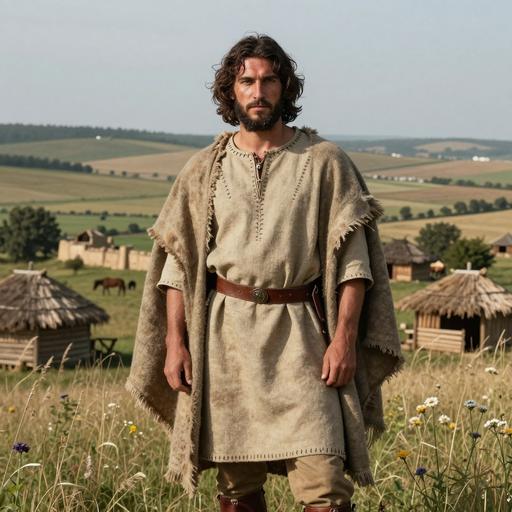
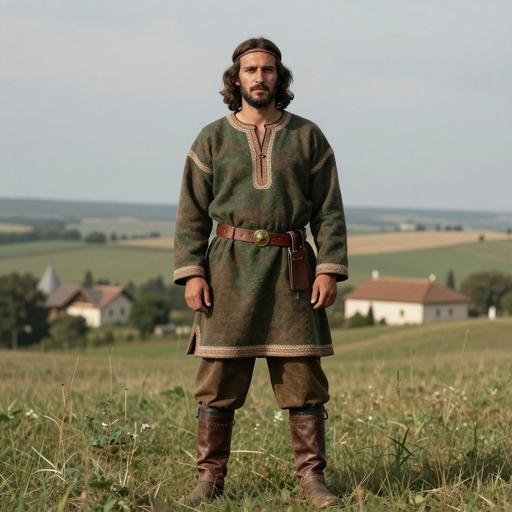
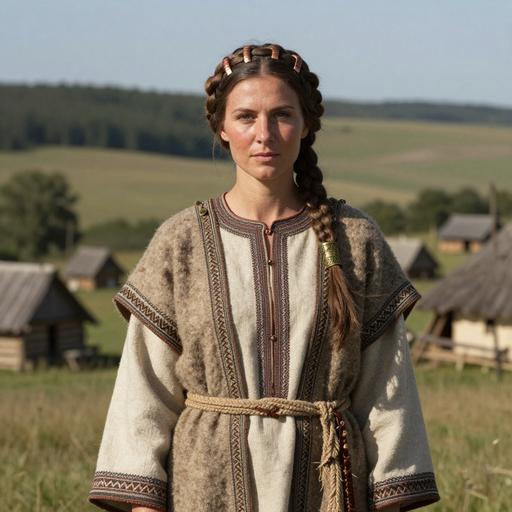
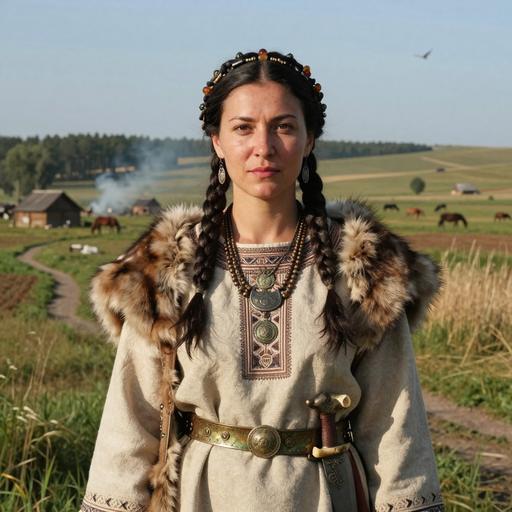
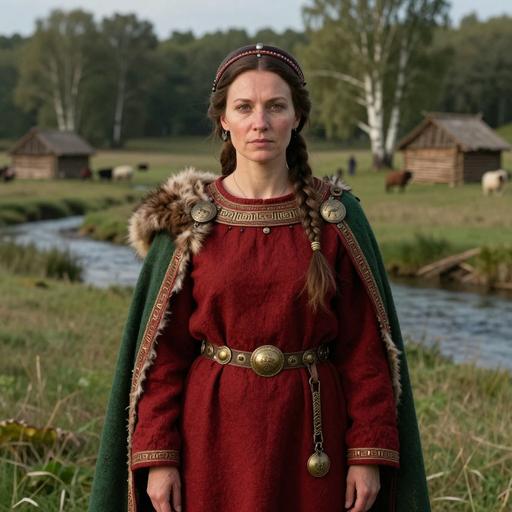
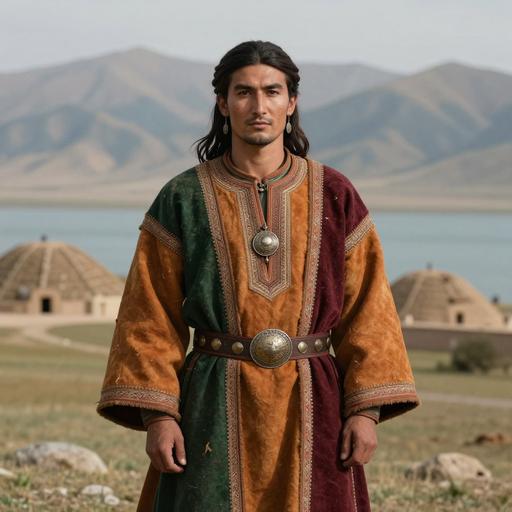
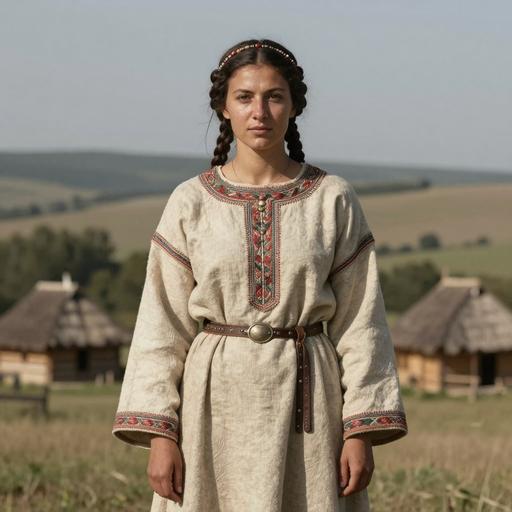
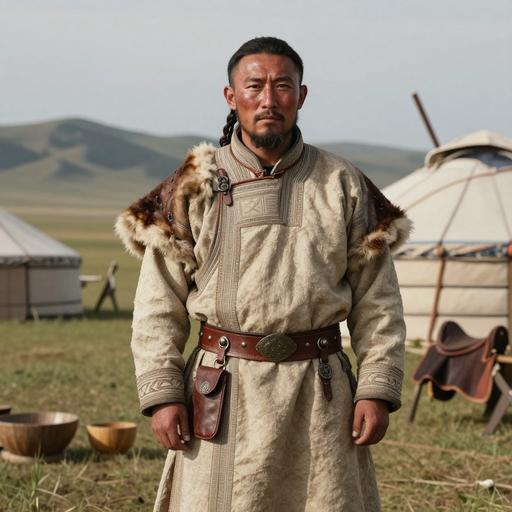
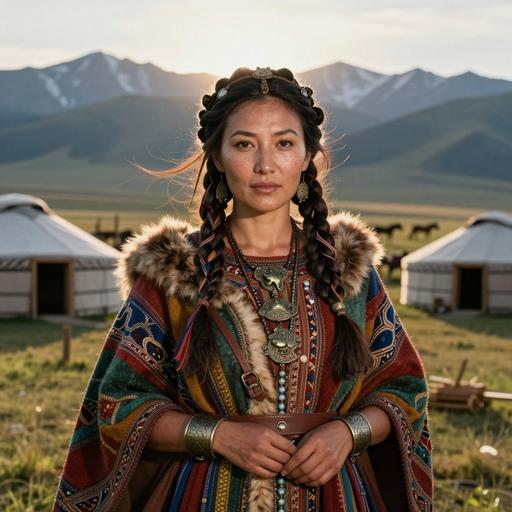
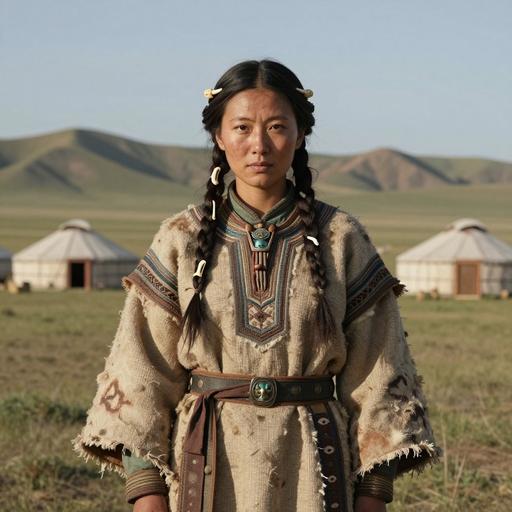
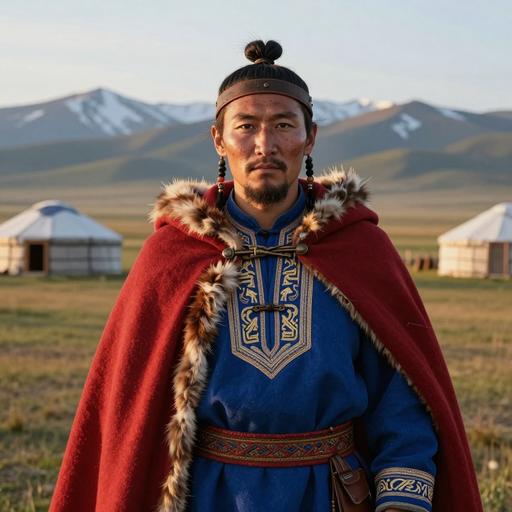
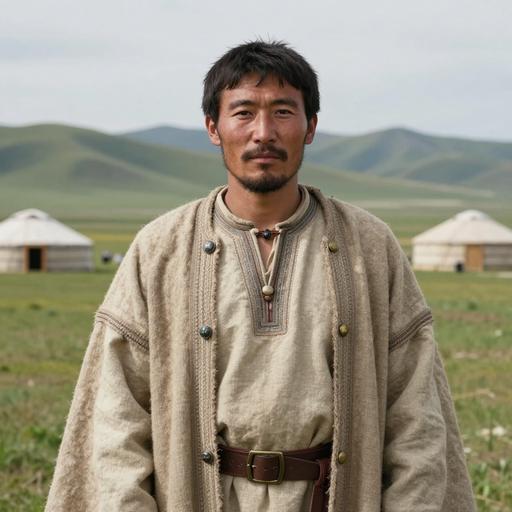
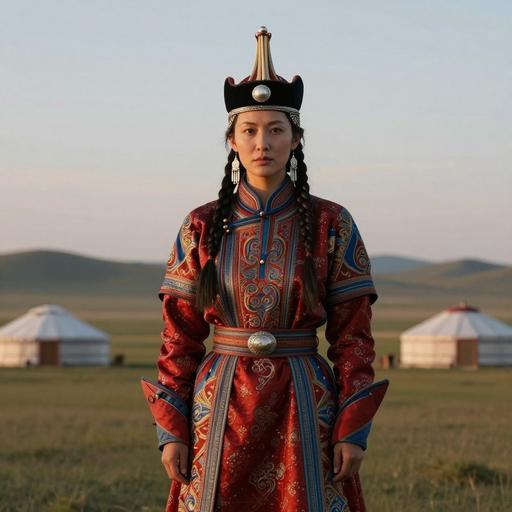
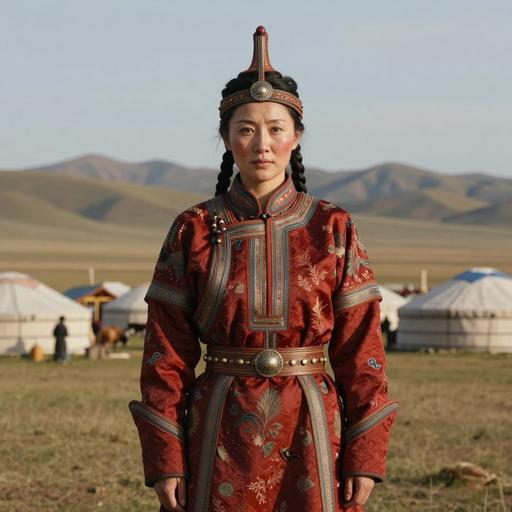
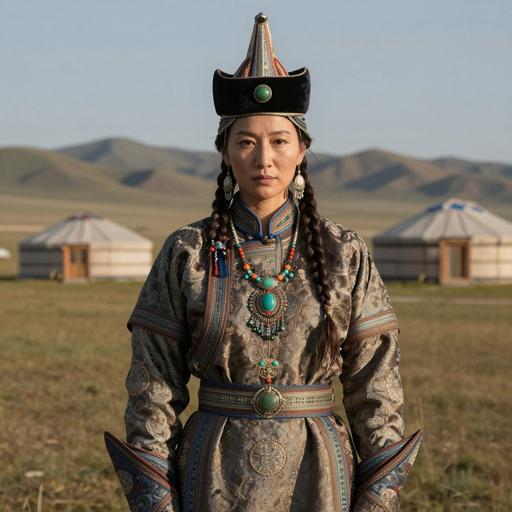
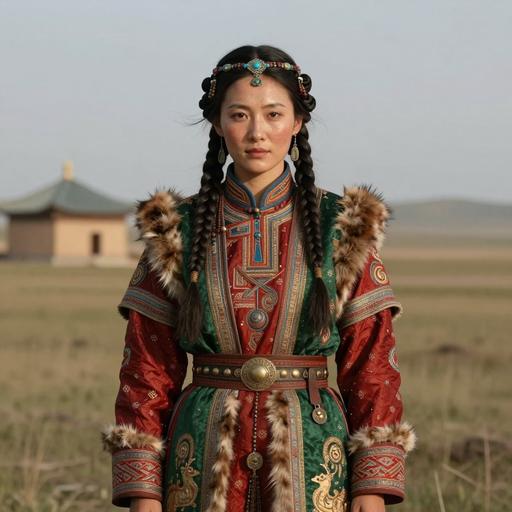
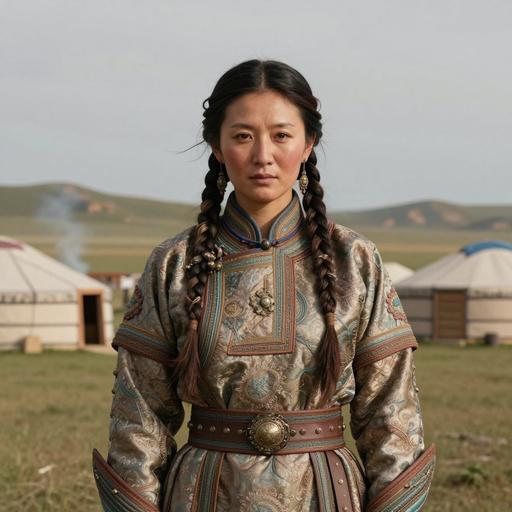
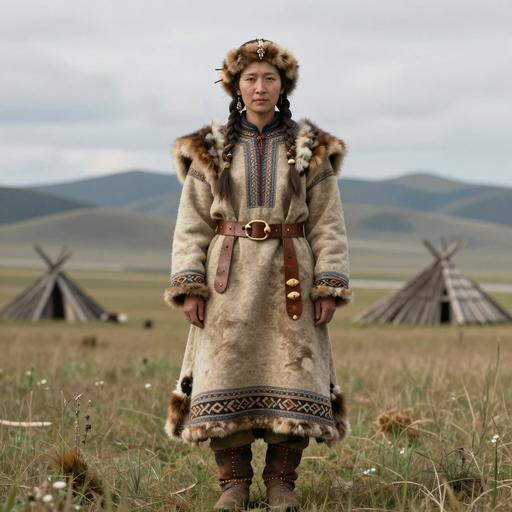
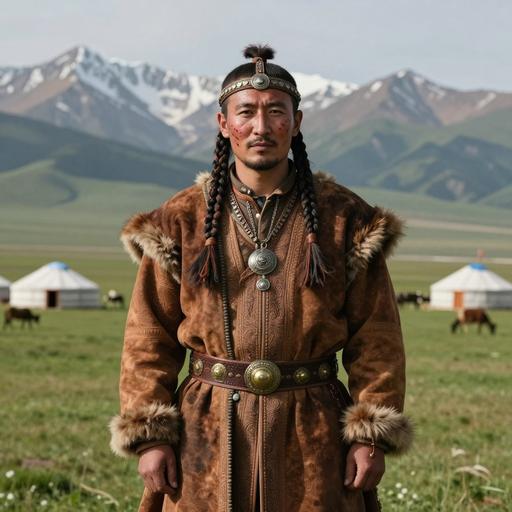
Les portraits sont des illustrations générées par IA. Les libellés d'échantillon et identifiants d'accès désignent les enregistrements de référence.
Portrait
Échantillon
Pays
Époque
Date
Culture
mtDNA
Correspondance
Identifiant d'échantillon : RKF184
Hungary
Hungary LateAvar
650-900 CE
Avar Culture
F1b1
Direct
Identifiant d'échantillon : FU-215
Hungary
Hungary EarlyAvar
667-775 calCE (1290±17 BP, DeA-26543)
Early Avar
F1b1
Direct
Identifiant d'échantillon : C3346
China
China Xinjiang Songshugou EIA
800-450 BCE
Songshugou Culture
F1b1
Direct
Identifiant d'échantillon : SOU001
Mongolia
Pre-Bronze Age Dornod, Mongolia
6000-4450 BCE
Dornod Culture
F1b1
Direct
Identifiant d'échantillon : DA104
Kyrgyzstan
The Hun Period in Kyrgyzstan
1 CE - 700 CE
Hunnic Period
F1b1-a
Sous-clade
Identifiant d'échantillon : DA104
Kyrgyzstan
The Huns
1 CE - 700 CE
F1b1-a
Sous-clade
Identifiant d'échantillon : SAN001
Mongolia
Xiongnu Period Dornod, Mongolia
10-120 calCE (1964±15 BP, GrM-12931)
Xiongnu Culture
F1b1e
Sous-clade
Identifiant d'échantillon : DA105
Kyrgyzstan
The Hun Period in Kyrgyzstan
125 CE - 321 CE
Hunnic Period
F1b1-a
Sous-clade
Identifiant d'échantillon : DA105
Kyrgyzstan
The Huns
125 CE - 321 CE
F1b1-a
Sous-clade
Identifiant d'échantillon : JAG001
Mongolia
Xiongnu Period Khentii, Mongolia
197-53 calBCE (2120±15 BP, GrM-12929)
Xiongnu Culture
F1b1f
Sous-clade
Identifiant d'échantillon : SKT005
Mongolia
Xiongnu to Late Medieval Khuvsgul, Mongolia
200-1 BCE
Khuvsgul Transition
F1b1f
Sous-clade
Identifiant d'échantillon : C5085
China
Tibetan Plateau Gangre
213-361 calBCE (1780±30 BP)
Gangre Culture
F1b1c
Sous-clade
Identifiant d'échantillon : BRE008
Kazakhstan
Iron Age Kazakhstan
252-402 calCE (1730±13 BP)
Kazakh Iron Age
F1b1f
Sous-clade
Identifiant d'échantillon : AKG_10210
South Korea
The Three Kingdoms of Korea
300-500 CE
Three Kingdoms Period
F1b1a1a1
Sous-clade
Identifiant d'échantillon : I6231
Mongolia
Mongolia EIA Sagly 4
357-167 calBCE (2180±20 BP, PSUAMS-7397)
Sagly Culture
F1b1b
Sous-clade
Identifiant d'échantillon : I6233
Mongolia
Mongolia EIA Sagly 4
370 BCE - 197 BCE
Sagly Culture
F1b1-a
Sous-clade
Identifiant d'échantillon : CHN008
Mongolia
Early Iron Age to Xiongnu to Late Medieval Uvs, Mongolia
370-197 calBCE (2210±20 BP, PSUAMS-7272)
Uvs Multi-Period
F1b1-a2
Sous-clade
Identifiant d'échantillon : GD2-4
Mongolia
First Turkic Khaganate of Mongolia
550-635 calCE (IAAA-180767)
Göktürk
F1b1e
Sous-clade
Identifiant d'échantillon : KUP002
Hungary
Hungary EarlyAvar
580 CE - 670 CE
Early Avar
F1b1b
Sous-clade
Identifiant d'échantillon : MM-151
Hungary
Hungary EarlyAvar
600-650 CE
Early Avar
F1b1b
Sous-clade
Identifiant d'échantillon : A1812
Hungary
Middle Avar Period Danube-Tisza, Hungary
600-700 CE
Middle Avar
F1b1f
Sous-clade
Identifiant d'échantillon : A1821
Hungary
Early Avar Period Danube-Tisza, Hungary
600-700 CE
Early Avar
F1b1b
Sous-clade
Identifiant d'échantillon : LEO117
Austria
Austria Avar
650-800 CE
Austria_Avar
F1b1e
Sous-clade
Identifiant d'échantillon : RKF018
Hungary
Hungary LateAvar
650-900 CE
Avar Culture
F1b1b
Sous-clade
Identifiant d'échantillon : RKF020
Hungary
Hungary LateAvar
650-900 CE
Avar Culture
F1b1b
Sous-clade
Identifiant d'échantillon : RKF098
Hungary
Hungary MiddleAvar
650-900 CE
Avar Culture
F1b1b
Sous-clade
Identifiant d'échantillon : KFJ013
Hungary
Hungary MiddleLateAvar
650-850 CE
Avar
F1b1e
Sous-clade
Identifiant d'échantillon : KFJ014
Hungary
Hungary MiddleLateAvar
650-850 CE
Avar
F1b1e
Sous-clade
Identifiant d'échantillon : KFJ015
Hungary
Hungary MiddleLateAvar
670 CE - 804 CE
Avar
F1b1e
Sous-clade
Identifiant d'échantillon : A1811
Hungary
Middle to Late Avar Period Danube-Tisza, Hungary
700-800 CE
Middle-Late Avar
F1b1f
Sous-clade
Identifiant d'échantillon : CHK004
Kyrgyzstan
Iron Age Saka Culture, Kyrgyzstan
709-884 calCE (1213±21 BP)
Saka Culture
F1b1f
Sous-clade
Identifiant d'échantillon : KFJ023
Hungary
Hungary LateAvar
700-850 CE
Avar Culture
F1b1e
Sous-clade
Identifiant d'échantillon : DAR001
Mongolia
Early Iron Age to Late Medieval Mongolia
750-407 calBCE (2436±26 BP, OxA-36233)
Mongolian
F1b1f
Sous-clade
Identifiant d'échantillon : DA11
Kazakhstan
Saka Culture in Kazakhstan
777 BCE - 423 BCE
Saka
F1b1-a
Sous-clade
Identifiant d'échantillon : DA11
Kazakhstan
The Scythian and Saka Cultures
777 BCE - 423 BCE
F1b1-a
Sous-clade
Identifiant d'échantillon : TSI001
Mongolia
Middle to Late Bronze Age Mongolia
900-806 calBCE (2693±25 BP, MAMS-41126)
Late Bronze Age Mongolian
F1b1f
Sous-clade
Identifiant d'échantillon : I12116
Kazakhstan
Kazakhstan Karluk 2
995 CE - 1153 CE
Karluk Culture
F1b1e
Sous-clade
Identifiant d'échantillon : DA230
Kazakhstan
Kazakhstan Karluk 2
995-1153 calCE (990±20 BP, PSUAMS-8993)
Karluk Culture
F1b1e
Sous-clade
Identifiant d'échantillon : I12116
Kazakhstan
Medieval Turkic Tribes
995 CE - 1153 CE
F1b1e
Sous-clade
Identifiant d'échantillon : IKU001
Mongolia
Late Medieval Umungobi, Mongolia
1000-1500 CE
Umungobi Medieval
F1b1b
Sous-clade
Identifiant d'échantillon : KHL001
Mongolia
Mongolia Khovd LateMedieval
1000-1500 CE
Mongol Period
F1b1b
Sous-clade
Identifiant d'échantillon : KNU001
Mongolia
Mongolia Arkhangai LateMedieval
1000-1500 CE
Late Medieval Mongolian
F1b1f
Sous-clade
Identifiant d'échantillon : RAH001
Mongolia
Mongolia Khentii LateMedieval
1000-1500 CE
Mongol Period
F1b1e
Sous-clade
Identifiant d'échantillon : TSA006
Mongolia
Mongolia Dornod LateMedieval
1000-1500 CE
Late Medieval Mongolian
F1b1f
Sous-clade
Identifiant d'échantillon : DA9
Russia
Russia Tagar
1000 BCE - 800 BCE
Tagar Culture
F1b1b
Sous-clade
Identifiant d'échantillon : DA9
Russia
Iron Age West Siberia
1000 BCE - 800 BCE
F1b1b
Sous-clade
Identifiant d'échantillon : RISE554
Russia
Late Bronze Age 2 Russia
1009 BCE - 835 BCE
Late Bronze Age Culture
F1b1b
Sous-clade
Identifiant d'échantillon : RISE554
Russia
Late Bronze Age West Siberia
1009 BCE - 835 BCE
F1b1b
Sous-clade
Identifiant d'échantillon : DA23
Kazakhstan
Kipchak Period 2, Kazakhstan
1036 CE - 1206 CE
Kipchak Culture
F1b1b
Sous-clade
Identifiant d'échantillon : DA23
Kazakhstan
Medieval Turkic Tribes
1036 CE - 1206 CE
F1b1b
Sous-clade
Identifiant d'échantillon : RKF184
Late Avar Period Hungary - Hungary - Rákóczifalva-Bagi-földek (Jász-Nagykun-Szolnok Coiunty, Szolnok)
Hungary Hungary LateAvar 650-900 CE
F1b1Direct
Identifiant d'échantillon : FU-215
Early Avar Period Hungary - Hungary - Csongrád-Csanád County. Felgyő-Ürmöstanya
Kazakhstan Medieval Turkic Tribes 995 CE - 1153 CE
F1b1eSous-clade
Identifiant d'échantillon : IKU001
Late Medieval Umungobi, Mongolia - Mongolia - Umungobi. Ikh Uvgun
Mongolia Late Medieval Umungobi, Mongolia 1000-1500 CE
F1b1bSous-clade
Identifiant d'échantillon : KHL001
Late Medieval Khovd, Mongolia - Mongolia - Khovd. Khalzan Khoshuu. Bodonch Gol
Mongolia Mongolia Khovd LateMedieval 1000-1500 CE
F1b1bSous-clade
Identifiant d'échantillon : KNU001
Late Medieval Mongolia - Mongolia - Arkhangai. Khanui
Mongolia Mongolia Arkhangai LateMedieval 1000-1500 CE
F1b1fSous-clade
Identifiant d'échantillon : RAH001
Late Medieval Khentii, Mongolia - Mongolia - Khentii. Rahsaan Khad
Mongolia Mongolia Khentii LateMedieval 1000-1500 CE
F1b1eSous-clade
Identifiant d'échantillon : TSA006
Late Medieval Mongolia - Mongolia - Dornod. Tsagaan Chuluut
Mongolia Mongolia Dornod LateMedieval 1000-1500 CE
F1b1fSous-clade
Identifiant d'échantillon : DA9
Tagar Culture, Russia - Russia - Siberia. Tungus & Eastern Steppe
Russia Russia Tagar 1000 BCE - 800 BCE
F1b1bSous-clade
Identifiant d'échantillon : DA9
Russia Iron Age West Siberia 1000 BCE - 800 BCE
F1b1bSous-clade
Identifiant d'échantillon : RISE554
Late Bronze Age 2 Russia - Russia - Afontova Gora
Russia Late Bronze Age 2 Russia 1009 BCE - 835 BCE
F1b1bSous-clade
Identifiant d'échantillon : RISE554
Russia Late Bronze Age West Siberia 1009 BCE - 835 BCE
F1b1bSous-clade
Identifiant d'échantillon : DA23
Kipchak Period 2, Kazakhstan - Kazakhstan - Tian Shan. Central Steppe
Kazakhstan Kipchak Period 2, Kazakhstan 1036 CE - 1206 CE
F1b1bSous-clade
Identifiant d'échantillon : DA23
Kazakhstan Medieval Turkic Tribes 1036 CE - 1206 CE
F1b1bSous-clade
LIGNÉE MATERNELLE · ADN ANTIQUE
Carte des preuves de lignées antiques
Suivez les clades parents jusqu'à cette branche et explorez où des porteurs antiques ont été identifiés.
Chargement des observations antiques…
La réduction des animations est activée. Utilisez la chronologie ou Tout afficher pour explorer à votre rythme.
Lire les observations sous forme de tableau
Observations antiques affichées par branche, période et date médiane
Branche
Période
Plage de dates
Échantillon
Identifiant d'échantillon
Emplacement
Haplogroupe
Relation
Les marqueurs indiquent des lieux de découvertes archéologiques. Un trait pointillé représente une transition géographique proposée et incertaine entre branches consécutives, appuyée sur plusieurs observations datées ; ce n'est pas un itinéraire exact, un lieu de naissance ni une preuve de descendance directe. Des échantillons de clades parents peuvent appartenir à d'autres branches descendantes. Des lacunes subsistent lorsque les preuves sont insuffisantes. Les dates d'échantillon diffèrent des dates de formation des haplogroupes.
Le regroupement par période historique reflète quand chaque individu antique a vécu, en combinant toutes les branches de cette chaîne de lignée ; ce n'est pas une séquence migratoire ni une chronologie personnelle entre périodes.
Profil de référence
Carte de répartition des porteurs
Répartition géographique de 76 échantillons d'ADN ancien (porteurs directs et de sous-clade de F1B1)
Porteur direct Porteur de sous-clade
Filtre de période
Toutes les périodes
Affichage de tous les échantillons
Profil de référence
Répartition temporelle
Répartition des porteurs selon les périodes archéologiques
Profil de référence
Répartition géographique
Effectifs par pays d'échantillon consigné. Ils reflètent la sélection de référence disponible, pas des fréquences de population.
Profil de référence
Répartition pays × époque
Comparez les effectifs d'échantillons consignés selon les pays et les périodes archéologiques. Sélectionnez une cellule renseignée pour examiner un échantillon.
Données
Données et provenance
Informations sur les sources et qualité des données
Dernière mise à jour2026-02-16
Score de confiance50/100
CouvertureLow
Source des données
La classification, les dates estimées et le contexte géographique reflètent les données de référence consignées et peuvent évoluer lorsque les éléments sont révisés. La couverture d'échantillons est inégale ; les lieux consignés et les associations archéologiques n'établissent pas une origine personnelle ni une identité culturelle.