Profil de référence pour une branche de lignée. Des haplogroupes partagés n'établissent pas de lien familial ni d'identité culturelle.
Profil de référence
Contexte de la branche
Contexte historique de la branche de lignée mtDNA HV
Origins and Evolution
Haplogroup HV derives from the major macro-haplogroup R and is best understood as a West Eurasian branch that formed during the Late Pleistocene (roughly the Upper Paleolithic). Estimates place the origin of HV at about ~25–35 kya, likely in the Near East or adjacent parts of Western Asia, a region that acted as a refugium and corridor between Southwest Asia, the Caucasus, and Ice Age Europe. From HV arose several important descendant lineages—most notably H and V—that later became prominent in Europe.
Over time HV diversified into internal branches (often labeled HV0, HV1, HV2, etc.) with differing geographic footprints; some lineages remained concentrated in the Near East and Caucasus, while others expanded into Europe during postglacial recolonizations and later demographic events.
Subclades
H (mtDNA H): The largest and most widespread descendant of HV, H experienced a major expansion in Europe, particularly during the Late Paleolithic and Mesolithic and continuing into the Neolithic and later periods. H reaches high frequencies in many contemporary European populations.
V (mtDNA V): A smaller branch derived from HV that is notable for elevated frequency in Northwest Europe and among some Saami and other circumarctic groups; V is often interpreted as a postglacial re-expansion lineage from southwestern refugia.
Other HV sublineages (HV0, HV1, HV2, etc.): Several less common branches persist across the Near East, Caucasus, and parts of Europe and North Africa; some of these represent deep regional continuity while others reflect later movement and admixture.
Geographical Distribution
HV and its descendants show a classic West Eurasian distribution. Modern and ancient DNA studies indicate:
Southern and Western Europe: High representation of descendant haplogroup H (derived from HV) and detectable HV lineages, reflecting both Paleolithic presence and later demographic expansions.
Northern Europe and Scandinavia: Presence of V and some H subclades, with V particularly notable among Saami and certain Atlantic coastal populations, consistent with postglacial recolonization routes.
Near East and Caucasus: Many basal HV and HV-derived lineages persist, indicating an origin or long-term presence in this region and acting as a source reservoir for later European dispersals.
North Africa and Central/South Asia: Low-frequency occurrences of HV lineages reflect prehistoric connections, trade, and episodic gene flow between West Eurasia and neighboring regions.
Ancient DNA has repeatedly recovered HV or its descendants in Upper Paleolithic, Mesolithic, and Neolithic contexts in Europe and the Near East, supporting a long-term role in Eurasian maternal ancestry.
Historical and Cultural Significance
Haplogroup HV (through its major daughter H) is central to discussions of European maternal ancestry. The expansion of H is often associated with postglacial recolonization of northern Europe and with major demographic shifts during the Mesolithic and Neolithic. Sublineage V has been used in studies of Uralic- and Saami-related histories because of its elevated frequencies in those groups.
HV-lineages appear in a variety of archaeological contexts — from Upper Paleolithic hunter-gatherers to Neolithic farming communities and Bronze Age cultures in Europe — making this haplogroup informative for reconstructing maternal lineage continuity, migration routes, and demographic events across West Eurasia.
Conclusion
mtDNA haplogroup HV is a pivotal West Eurasian lineage that links the broader R macro-haplogroup to the highly successful European haplogroups H and V. Its origin in the Near East/Western Asia during the Late Pleistocene and subsequent dispersal into Europe underpin much of the maternal genetic landscape of modern Europeans, while residual basal HV lineages preserve genetic signatures of ancient Near Eastern and Caucasian populations.
Points clés
Origins and Evolution
Subclades
Geographical Distribution
Historical and Cultural Significance
Conclusion
Profil de référence
Arbre et relations
Contexte phylogénétique et sous-clades
Voie évolutive
Suivez les branches parentes consignées jusqu'à HV. Les dates sont des estimations et peuvent évoluer lorsque les données de référence sont révisées.
The populations where mtDNA haplogroup HV is found include:
Western and Southern European populations (high presence of descendant H and detectable HV)
Northern European populations, including Scandinavian coastal groups and the Saami (notable for V)
Near Eastern populations (Anatolia, Levant, Caucasus) with basal HV lineages
North African populations at low to moderate frequencies (historical and prehistoric gene flow)
Central and South Asian populations at low frequencies (historic contacts and migrations)
Contexte historique
Une branche dans le temps
Formation estimée sur une chronologie historique large. Les repères de période servent de contexte et n'impliquent pas de lien avec des cultures particulières.
Il y a ~30k ans
Haplogroupe HV
Formation estimée de cette branche mtDNA ; les dates et les lieux sont des estimations de référence.
Cette branche
Il y a ~20k ans
Dernier maximum glaciaire
Apogée de la dernière période glaciaire, populations isolées
Il y a ~10k ans
Révolution néolithique
Début de l'agriculture et émergence de communautés sédentaires
Il y a ~5k ans
Âge du bronze
Travail des métaux, écriture et premières civilisations
Il y a ~3k ans
Âge du fer
Outils en fer, réseaux d'échanges élargis
Il y a ~2.5k ans
Antiquité classique
Floraison des civilisations grecque et romaine
Aujourd'hui
Aujourd'hui
Époque moderne
Profil de référence
Contexte archéologique
Associations archéologiques consignées pour la branche mtDNA HV
Associations consignées
Ces libellés décrivent des contextes archéologiques consignés pour des échantillons de référence liés à HV. Une association n'établit pas que tous les porteurs appartenaient à une culture ni qu'ils ont suivi une route migratoire précise.
Ganj Dareh CultureHajji FiruzIron Gates CulturePottery NeolithicPPNA AnatoliaStarčevoStarčevo CultureSzatmár Group
Les attributions culturelles reposent sur le contexte archéologique des échantillons d'ADN ancien et peuvent refléter des associations régionales à certaines périodes.
Profil de référence
Catalogue d'échantillons
34 porteurs directs et 66 porteurs de sous-clade de l'haplogroupe HV
10 affiché(s) · 50 échantillons correspondants
Aucun échantillon ne correspond à ces filtres. Essayez un autre libellé, lieu ou période.
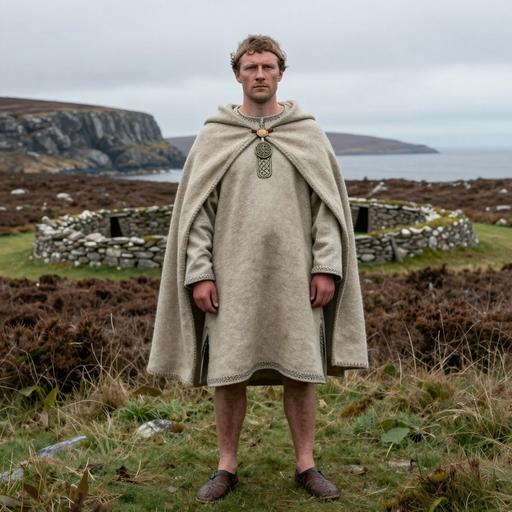
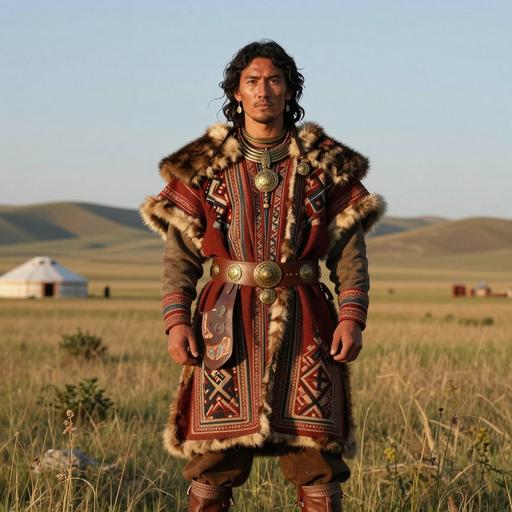
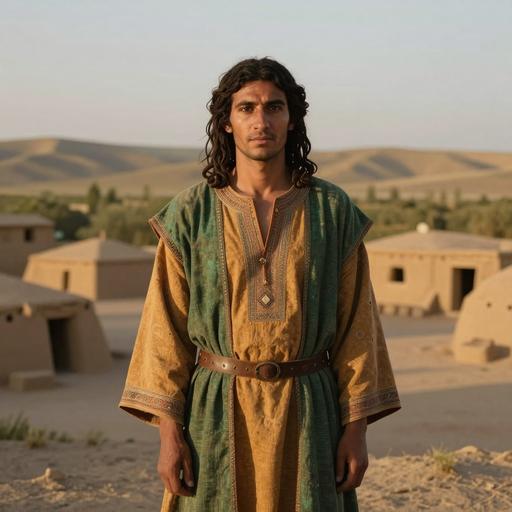
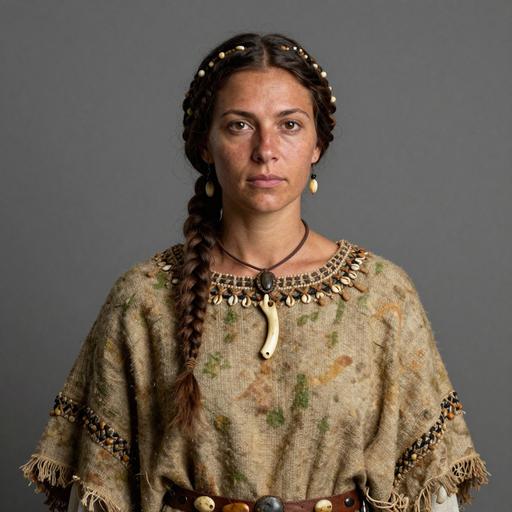
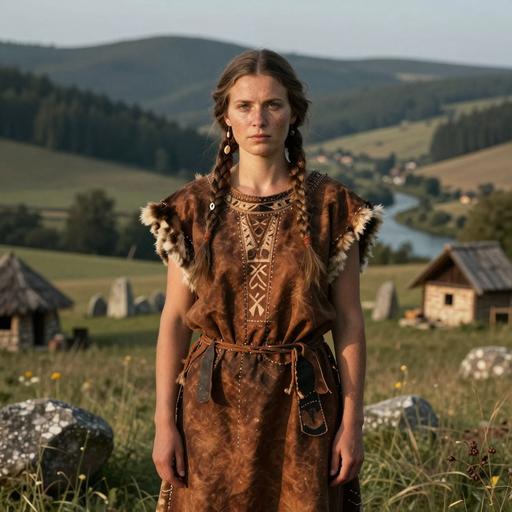
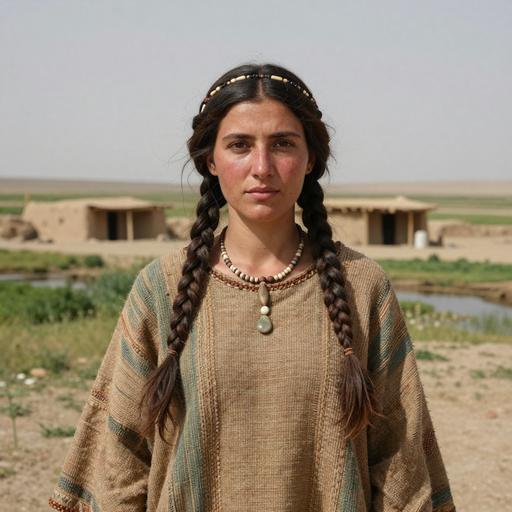
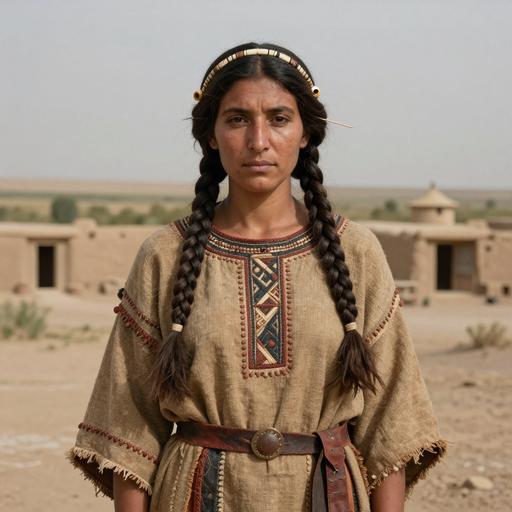
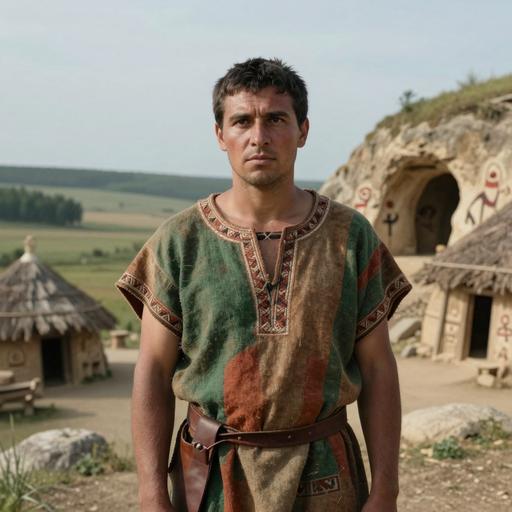
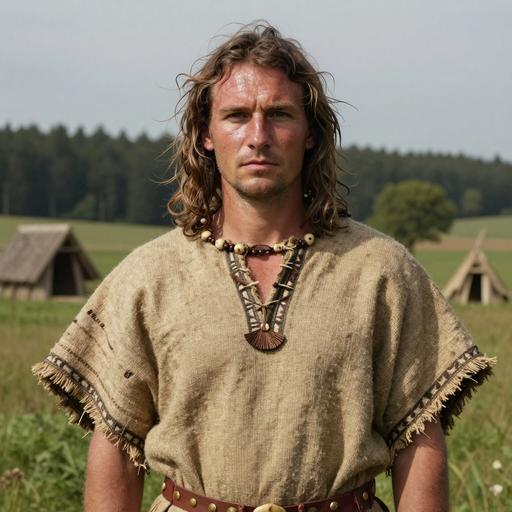
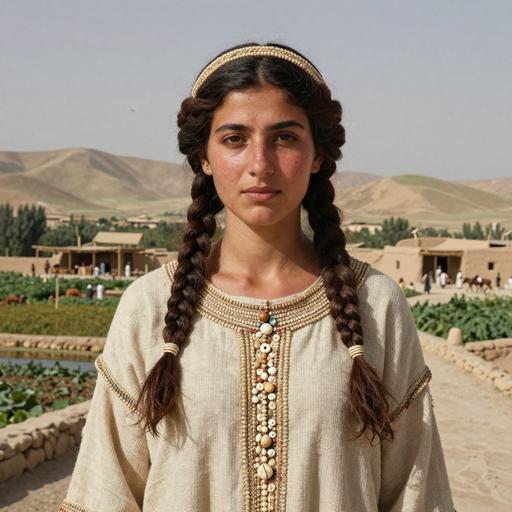
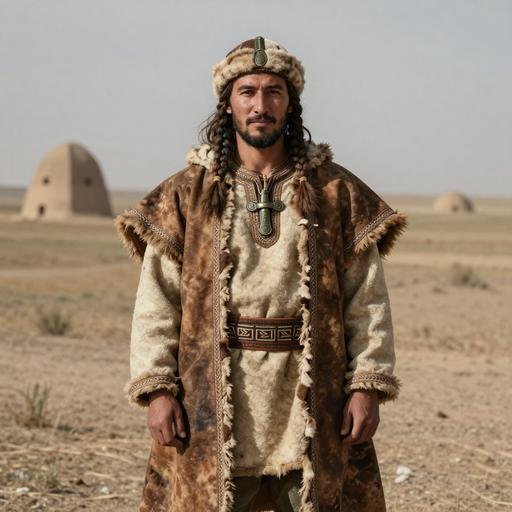
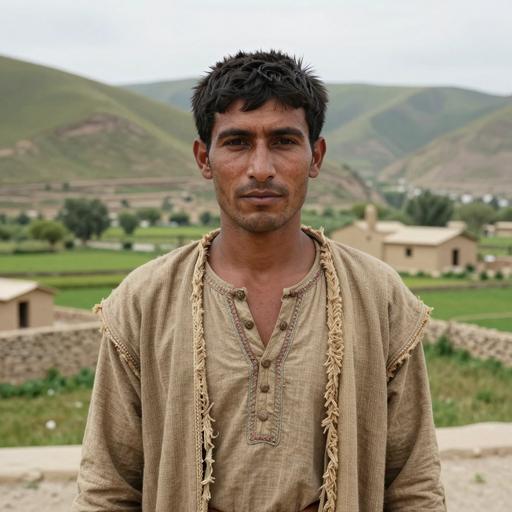
Les portraits sont des illustrations générées par IA. Les libellés d'échantillon et identifiants d'accès désignent les enregistrements de référence.
Portrait
Échantillon
Pays
Époque
Date
Culture
mtDNA
Correspondance
Identifiant d'échantillon : R37
Italy
Imperial Rome
1-400 CE
Roman Empire
HV
Direct
Identifiant d'échantillon : I2699
United Kingdom
Scotland LIA
159 calBCE - 26 calCE (2050±30 BP, SUERC-24241)
Scottish Iron Age
HV
Direct
Identifiant d'échantillon : DRU001
Germany
Saxon Medieval Drantum, Germany
600-900 CE
Saxon Drantum
HV
Direct
Identifiant d'échantillon : TMH-199
Hungary
Hungary LateAvar
663-818 calCE (1280±27 BP, DeA-22541)
Avar Culture
HV
Direct
Identifiant d'échantillon : ETR004
Italy
Early Medieval Siena, Tuscany, Italy
700-1200 CE
Siena Culture
HV
Direct
Identifiant d'échantillon : I3752
Kazakhstan
Kazakhstan IA Saka
777 BCE - 547 BCE
Saka Culture
HV
Direct
Identifiant d'échantillon : KPN014
Denmark
Saxon Medieval Zealand, Denmark
1000-1100 CE
Zealand Saxon
HV
Direct
Identifiant d'échantillon : I19354
Armenia
Late Bronze Age Armenia
1203-1014 calBCE (2910±25 BP, PSUAMS-9009)
Late Bronze Age Armenian
HV
Direct
Identifiant d'échantillon : R61
Italy
Medieval to Early Modern Italy
1280 CE - 1430 CE
Medieval Italian
HV
Direct
Identifiant d'échantillon : I14872
Greece
Mycenaean Greece
1516-1436 calBCE (3220±20 BP, PSUAMS-7863)
Mycenaean
HV
Direct
Identifiant d'échantillon : I4899
Uzbekistan
Bronze Age Bustan
1600-1300 BCE
Bustan Culture
HV
Direct
Identifiant d'échantillon : I6935
India
India Roopkund B
1671-1945 calCE (150±15 BP, PSUAMS-5472)
Roopkund B Group
HV
Direct
Identifiant d'échantillon : ALA095
Turkey
Middle to Late Bronze Age Turkey
1922-1750 calBCE (3516±25 BP, MAMS-41109)
Anatolian Bronze Age
HV
Direct
Identifiant d'échantillon : VERT113
Ukraine
The Corded Ware Culture in Verteba Cave, Ukraine
1958-1771 calBCE (3545±25 BP, PSUAMS-3153)
Corded Ware
HV
Direct
Identifiant d'échantillon : KO1014
Czech Republic
Early Bronze Age Unetice Culture, Bohemia, Czech Republic
2050-1900 BCE
Unetice Culture
HV
Direct
Identifiant d'échantillon : KO1003
Czech Republic
Bell Beaker Culture, Bohemia, Czech Republic
2294-2136 calBCE (3783±25 BP, MAMS-30782)
Bell Beaker
HV
Direct
Identifiant d'échantillon : HOP004
Czech Republic
Bell Beaker Culture, Bohemia, Czech Republic
2451-2147 calBCE (3826±27 BP, MAMS-38921)
Bell Beaker
HV
Direct
Identifiant d'échantillon : I0118
Germany
Late Neolithic Alberstedt, Germany
2469 BCE - 2238 BCE
Alberstedt Culture
HV
Direct
Identifiant d'échantillon : KO1001
Czech Republic
Neolithic Rivnac Culture, Bohemia, Czech Republic
2899-2699 calBCE (4216±24 BP, MAMS-30781)
Rivnac Culture
HV
Direct
Identifiant d'échantillon : KO1016
Czech Republic
Neolithic Rivnac Culture, Bohemia, Czech Republic
2900-2700 BCE
Rivnac Culture
HV
Direct
Identifiant d'échantillon : I2512
Iran
Chalcolithic Tepe Hissar
2917-2786 calBCE (4265±25 BP, PSUAMS-1914)
Tepe Hissar
HV
Direct
Identifiant d'échantillon : VLI088
Czech Republic
Corded Ware Culture, Bohemia, Czech Republic
3081-2497 calBCE (4217±92 BP, CRL-9199)
Corded Ware
HV
Direct
Identifiant d'échantillon : I12483
Turkmenistan
Chalcolithic Geoksyur
3300-2850 BCE
Geoksyur Culture
HV
Direct
Identifiant d'échantillon : I12480
Turkmenistan
Chalcolithic Geoksyur
3400-2800 BCE
Geoksyur Culture
HV
Direct
Identifiant d'échantillon : I0559
Germany
Middle Neolithic Baalberge Culture, Germany
3646-3528 calBCE (4815±26 BP, MAMS-22818)
Baalberge Culture
HV
Direct
Identifiant d'échantillon : I1720
Russia
Russia Caucasus Maikop
3700 BCE - 3000 BCE
Maikop Culture
HV
Direct
Identifiant d'échantillon : I2111
Ukraine
Ukraine Eneolithic Trypillia
3765 BCE - 3543 BCE
Trypillia Culture
HV
Direct
Identifiant d'échantillon : DER009
Germany
Neolithic Linear Pottery Culture in Saxony, Germany
5209 BCE - 4957 BCE
Linear Pottery Culture
HV
Direct
Identifiant d'échantillon : DER031
Germany
Neolithic Linear Pottery Culture in Saxony, Germany
5211-4993 calBCE (6141±33 BP, KIA-30402)
Linear Pottery Culture
HV
Direct
Identifiant d'échantillon : DER032
Germany
Neolithic Linear Pottery Culture in Saxony, Germany
5316-5066 calBCE (6257±40 BP, KIA-30403)
Linear Pottery Culture
HV
Direct
Identifiant d'échantillon : DER021
Germany
Neolithic Linear Pottery Culture in Saxony, Germany
5400-4900 BCE
Linear Pottery Culture
HV
Direct
Identifiant d'échantillon : I0633
Serbia
Serbia EN
5610 BCE - 5376 BCE
Starčevo
HV
Direct
Identifiant d'échantillon : I5405
Serbia
Serbia IronGates N
5836-5632 calBCE (6829±53 BP, AA-58320)
Iron Gates Culture
HV
Direct
Identifiant d'échantillon : I4351
Iran
Chalcolithic Hajji Firuz
6065 BCE - 5889 BCE
Hajji Firuz
HV
Direct
Identifiant d'échantillon : I20000
Turkey
Roman Period 5 Turkey
27 BCE - 476 CE
Roman Turkey
HV4
Sous-clade
Identifiant d'échantillon : UGU011
Mongolia
Medieval Xiongnu
50 BCE - 850 CE
Xiongnu
HV6
Sous-clade
Identifiant d'échantillon : KNT004
Kazakhstan
Late Iron Age Kazakhstan
242-342 calCE (1762?14 BP)
Late Iron Age
HV18
Sous-clade
Identifiant d'échantillon : I21401
France
France GrandEst IA2
300-200 BCE
Iron Age II Culture
HV0
Sous-clade
Identifiant d'échantillon : I19500
Bulgaria
Late Iron Age Bulgaria
300-200 BCE
Bulgarian LIA
HV9
Sous-clade
Identifiant d'échantillon : A181026
Hungary
Early Hun Period Sarmatian Transtisza, Hungary
350-450 CE
Sarmatian Culture
HV0
Sous-clade
Identifiant d'échantillon : I8245
Pakistan
Aligrama Iron Age Site in Swat Valley, Pakistan
355-114 calBCE (2165±20 BP, PSUAMS-6197)
Aligrama Culture
HV6
Sous-clade
Identifiant d'échantillon : C3331
China
Iron Age Possible Scythian Wusun G218, Xinjiang, China
400 BCE - 50 CE
Wusun Culture
HV18
Sous-clade
Identifiant d'échantillon : C3354
China
China Xinjiang Tielieketesai IA 1
400-200 BCE
Tielieketesai Culture
HV20
Sous-clade
Identifiant d'échantillon : ERS86
France
France GrandEst IA2
400-100 BCE
Iron Age II Culture
HV0
Sous-clade
Identifiant d'échantillon : TAQ006
Italy
Etruscan Italy
400-1 BCE
Etruscan
HV22
Sous-clade
Identifiant d'échantillon : TAQ008
Italy
Etruscan Italy
400-1 BCE
Etruscan
HV0
Sous-clade
Identifiant d'échantillon : CSN010
Italy
Etruscan Grosseto, Italy
395-209 calBCE (2265±20 BP, PSUAMS-2386)
Etruscan
HV0
Sous-clade
Identifiant d'échantillon : SZ38
Hungary
Langobard Period Hungary
400-650 CE
Langobard Culture
HV0
Sous-clade
Identifiant d'échantillon : I20986
United Kingdom
Middle to Late Iron Age England
450-1 BCE
Late Iron Age British
HV0
Sous-clade
Identifiant d'échantillon : I11573
United Kingdom
England EarlyMedieval
500-700 CE
Anglo-Saxon
HV6
Sous-clade
Identifiant d'échantillon : R37
Imperial Rome - Italy - Isola Sacra
Italy Imperial Rome 1-400 CE
HVDirect
Identifiant d'échantillon : I2699
Late Iron Age Scotland - United Kingdom - Scotland. South Uist. Hornish Point
United Kingdom Scotland LIA 159 calBCE - 26 calCE (2050±30 BP, SUERC-24241)
Middle to Late Iron Age England - United Kingdom - England. Hampshire. Middle Wallop. Suddern Farm
United Kingdom Middle to Late Iron Age England 450-1 BCE
HV0Sous-clade
Identifiant d'échantillon : I11573
Early Medieval England - United Kingdom - England. Dorset. Worth Matravers
United Kingdom England EarlyMedieval 500-700 CE
HV6Sous-clade
LIGNÉE MATERNELLE · ADN ANTIQUE
Carte des preuves de lignées antiques
Suivez les clades parents jusqu'à cette branche et explorez où des porteurs antiques ont été identifiés.
Chargement des observations antiques…
La réduction des animations est activée. Utilisez la chronologie ou Tout afficher pour explorer à votre rythme.
Lire les observations sous forme de tableau
Observations antiques affichées par branche, période et date médiane
Branche
Période
Plage de dates
Échantillon
Identifiant d'échantillon
Emplacement
Haplogroupe
Relation
Les marqueurs indiquent des lieux de découvertes archéologiques. Un trait pointillé représente une transition géographique proposée et incertaine entre branches consécutives, appuyée sur plusieurs observations datées ; ce n'est pas un itinéraire exact, un lieu de naissance ni une preuve de descendance directe. Des échantillons de clades parents peuvent appartenir à d'autres branches descendantes. Des lacunes subsistent lorsque les preuves sont insuffisantes. Les dates d'échantillon diffèrent des dates de formation des haplogroupes.
Le regroupement par période historique reflète quand chaque individu antique a vécu, en combinant toutes les branches de cette chaîne de lignée ; ce n'est pas une séquence migratoire ni une chronologie personnelle entre périodes.
Profil de référence
Carte de répartition des porteurs
Répartition géographique de 100 échantillons d'ADN ancien (porteurs directs et de sous-clade de HV)
Porteur direct Porteur de sous-clade
Filtre de période
Toutes les périodes
Affichage de tous les échantillons
Profil de référence
Répartition temporelle
Répartition des porteurs selon les périodes archéologiques
Profil de référence
Répartition géographique
Effectifs par pays d'échantillon consigné. Ils reflètent la sélection de référence disponible, pas des fréquences de population.
Profil de référence
Répartition pays × époque
Comparez les effectifs d'échantillons consignés selon les pays et les périodes archéologiques. Sélectionnez une cellule renseignée pour examiner un échantillon.
Données
Données et provenance
Informations sur les sources et qualité des données
Dernière mise à jour2026-02-09
Source des données
La classification, les dates estimées et le contexte géographique reflètent les données de référence consignées et peuvent évoluer lorsque les éléments sont révisés. La couverture d'échantillons est inégale ; les lieux consignés et les associations archéologiques n'établissent pas une origine personnelle ni une identité culturelle.