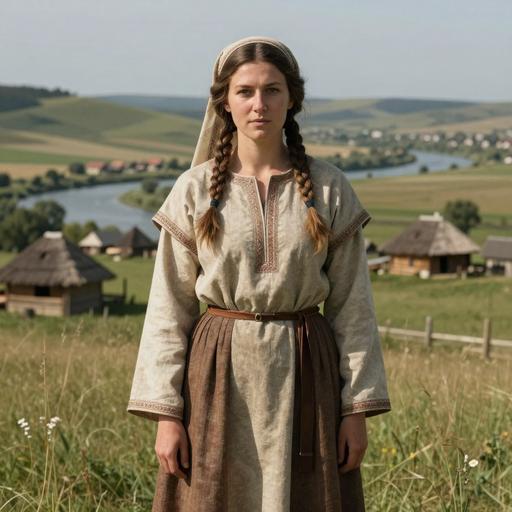
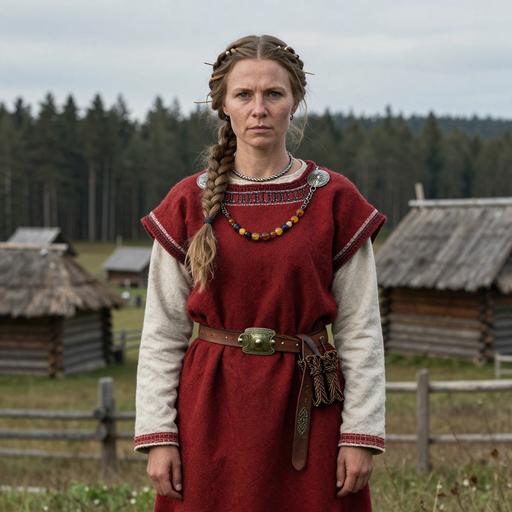
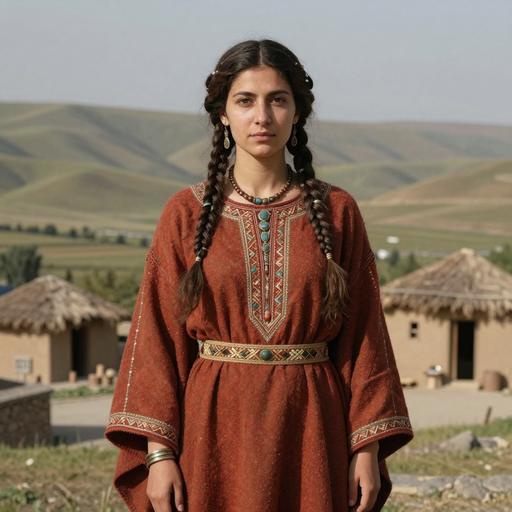
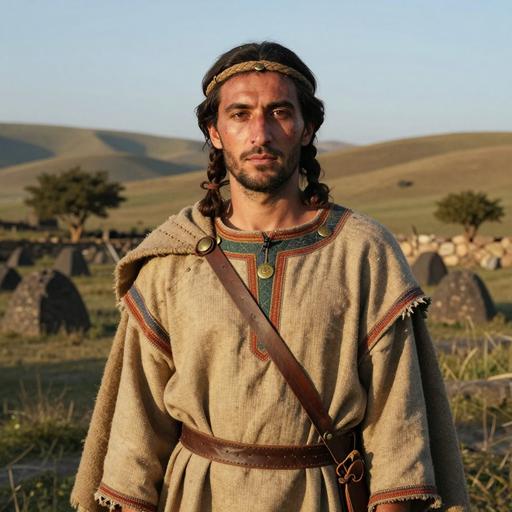
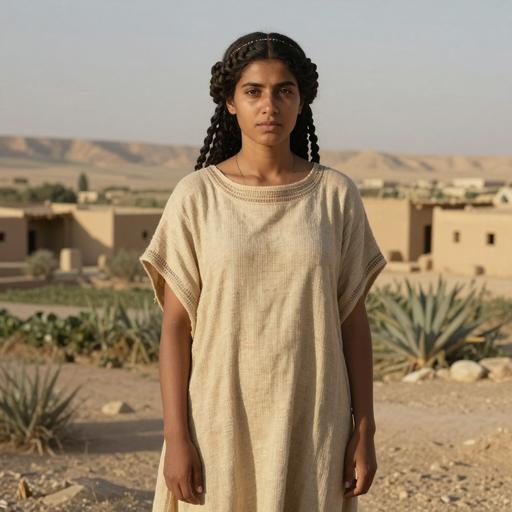
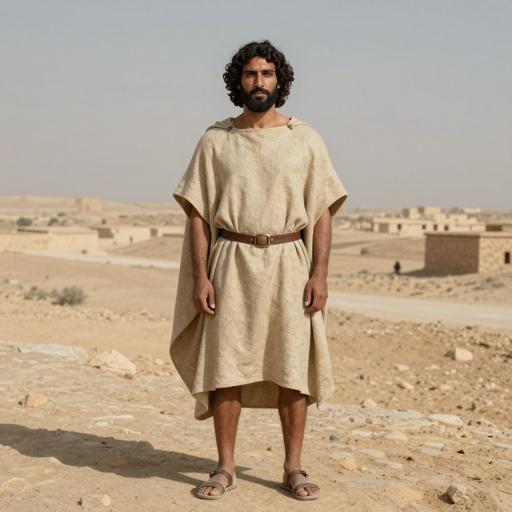
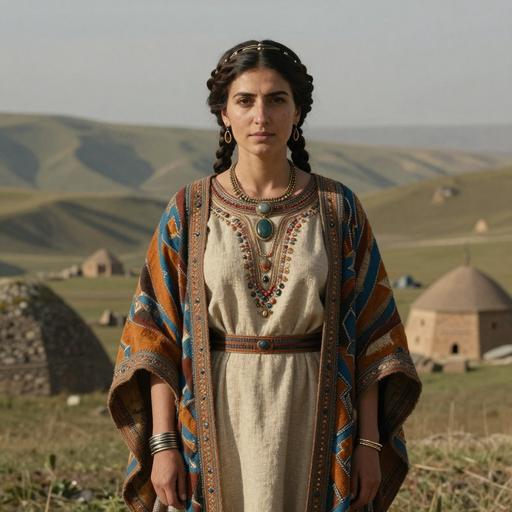
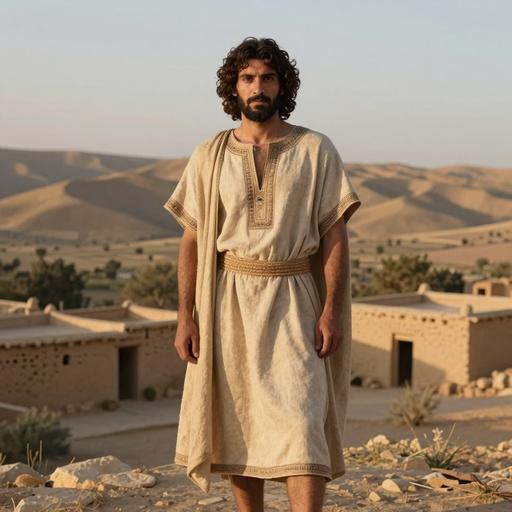
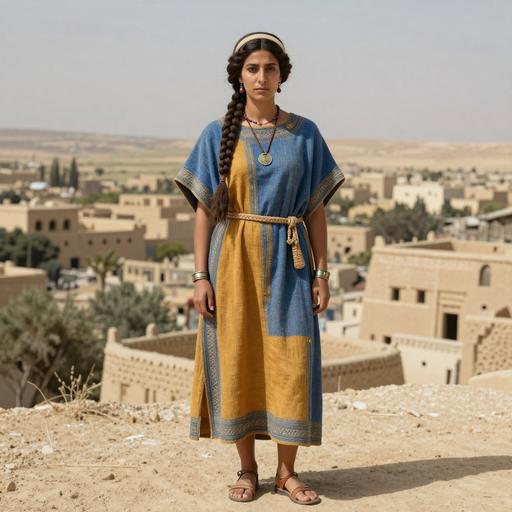
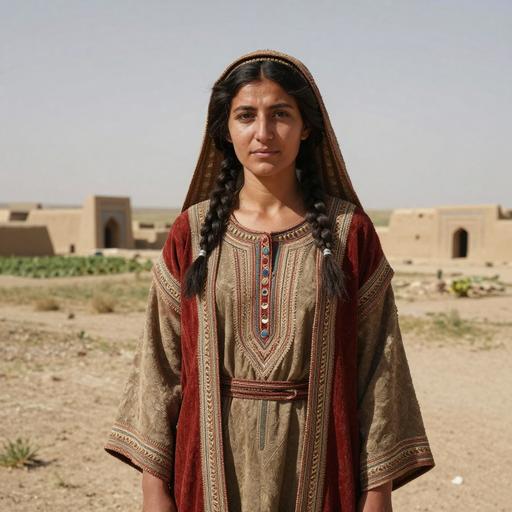
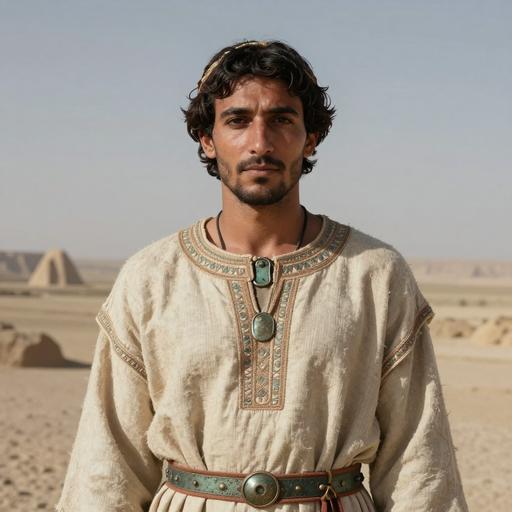
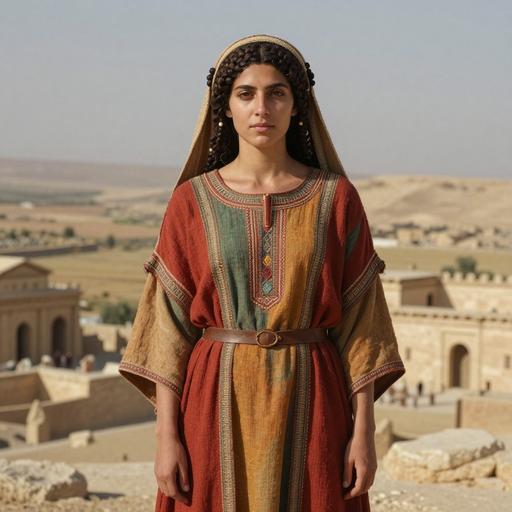
Profil de référence pour une branche de lignée. Des haplogroupes partagés n'établissent pas de lien familial ni d'identité culturelle.
Profil de référence
Contexte de la branche
Contexte historique de la branche de lignée mtDNA N1B1
Origins and Evolution
mtDNA haplogroup N1B1 derives from the broader N1B lineage, itself a branch of macro-haplogroup N. Based on the phylogenetic position of N1B and observed diversity in downstream lineages, N1B1 most likely split from other N1B branches in the Late Pleistocene to Early Holocene (roughly ~14 kya) in the Near East / Caucasus region. The timing and geographic pattern are consistent with a Near Eastern origin followed by local differentiation and occasional expansions tied to post-glacial population movements and, later, to Neolithic and Bronze Age demographic processes.
Genetic diversity and the topology of N1B1 on modern and ancient mtDNA phylogenies indicate that N1B1 did not undergo a single major continent-scale expansion; instead it shows multiple localized founder events and modest dispersals that spread maternal lineages into neighboring regions (Anatolia, the Levant, the Caucasus) and across maritime and overland routes into the Mediterranean and parts of North and East Africa.
Subclades
Within N1B1 there are several downstream branches documented in population surveys and targeted mtDNA sequencing; some of these show strong geographic localization (for example, subclades found mainly in the Caucasus or restricted Near Eastern communities). These localized subclades are consistent with founder effects and genetic drift in relatively small or endogamous populations, including historical community bottlenecks observed in some Jewish and Levantine groups. As more complete mitogenomes are sequenced, additional fine-scale structure within N1B1 continues to be resolved, clarifying migratory routes and timing.
Geographical Distribution
N1B1 occurs at its highest relative frequencies and greatest diversity in the Near East and adjacent Caucasus, with broader but lower-frequency presence in Anatolia, the Levant, the Arabian Peninsula, parts of the Mediterranean (southern Europe), North Africa, and the Horn of Africa. The pattern is one of regional concentration with scattered peripheral occurrences rather than ubiquitous high frequency. Ancient DNA records (several reported occurrences in Holocene contexts) support continuity in parts of the Levant and Near East and episodic presence in archaeological samples from surrounding regions.
Historical and Cultural Significance
Because N1B1 is concentrated in the Near East and neighboring zones, it is informative for studies of post-glacial re-peopling, the spread of Near Eastern farmers during the Neolithic, and later historical movements (trade, migration, and community-specific demographic events). Its presence at low frequencies in some Jewish communities and in the Horn of Africa highlights complex regional interactions: maritime and overland connections between the Levant, Arabia, and East Africa and later historical admixture. Localized subclades found in island or coastal Mediterranean contexts are consistent with limited maritime dispersal and founder events.
Conclusion
mtDNA haplogroup N1B1 is a regionally informative maternal lineage rooted in the Near East / Caucasus that illustrates how small-to-moderate size demographic events, local founder effects, and repeated low-level dispersals can shape the geographic distribution of a haplogroup. Ongoing mitogenome sequencing and ancient DNA sampling are refining its internal structure and clarifying the timing and routes by which N1B1 spread into adjacent regions.
Points clés
Origins and Evolution
Subclades
Geographical Distribution
Historical and Cultural Significance
Conclusion
Profil de référence
Arbre et relations
Contexte phylogénétique et sous-clades
Voie évolutive
Suivez les branches parentes consignées jusqu'à N1B1. Les dates sont des estimations et peuvent évoluer lorsque les données de référence sont révisées.
North African coastal groups (Egyptians, Libyans, Tunisian coast)
Horn of Africa populations (Ethiopians, Somali, Eritreans)
Southern European Mediterranean groups (Italy, Greece, Sardinia at low-moderate levels)
Jewish communities (observed in some Ashkenazi, Sephardic and Mizrahi lineages at low frequencies)
Arabian Peninsula groups (Yemen, Oman at low-to-moderate frequencies)
Scattered occurrences in Balkan and Central Mediterranean populations
Contexte historique
Une branche dans le temps
Formation estimée sur une chronologie historique large. Les repères de période servent de contexte et n'impliquent pas de lien avec des cultures particulières.
Il y a ~20k ans
Dernier maximum glaciaire
Apogée de la dernière période glaciaire, populations isolées
Il y a ~14k ans
Haplogroupe N1B1
Formation estimée de cette branche mtDNA ; les dates et les lieux sont des estimations de référence.
Cette branche
Il y a ~10k ans
Révolution néolithique
Début de l'agriculture et émergence de communautés sédentaires
Il y a ~5k ans
Âge du bronze
Travail des métaux, écriture et premières civilisations
Il y a ~3k ans
Âge du fer
Outils en fer, réseaux d'échanges élargis
Il y a ~2.5k ans
Antiquité classique
Floraison des civilisations grecque et romaine
Aujourd'hui
Aujourd'hui
Époque moderne
Profil de référence
Contexte archéologique
Associations archéologiques consignées pour la branche mtDNA N1B1
Associations consignées
Ces libellés décrivent des contextes archéologiques consignés pour des échantillons de référence liés à N1B1. Une association n'établit pas que tous les porteurs appartenaient à une culture ni qu'ils ont suivi une route migratoire précise.
Alföld Linear PotteryAnatolian NeolithicCanaaniteEarly Roman LebaneseGhassulianNatufianPPNBTepecik-Çiftlik
Les attributions culturelles reposent sur le contexte archéologique des échantillons d'ADN ancien et peuvent refléter des associations régionales à certaines périodes.
Profil de référence
Catalogue d'échantillons
5 porteurs directs et 61 porteurs de sous-clade de l'haplogroupe N1B1
10 affiché(s) · 50 échantillons correspondants
Aucun échantillon ne correspond à ces filtres. Essayez un autre libellé, lieu ou période.
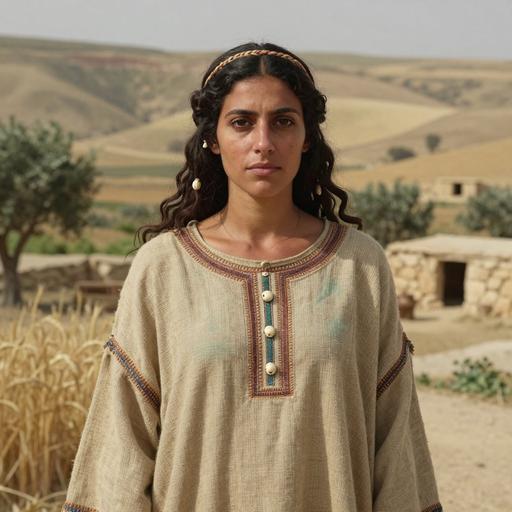
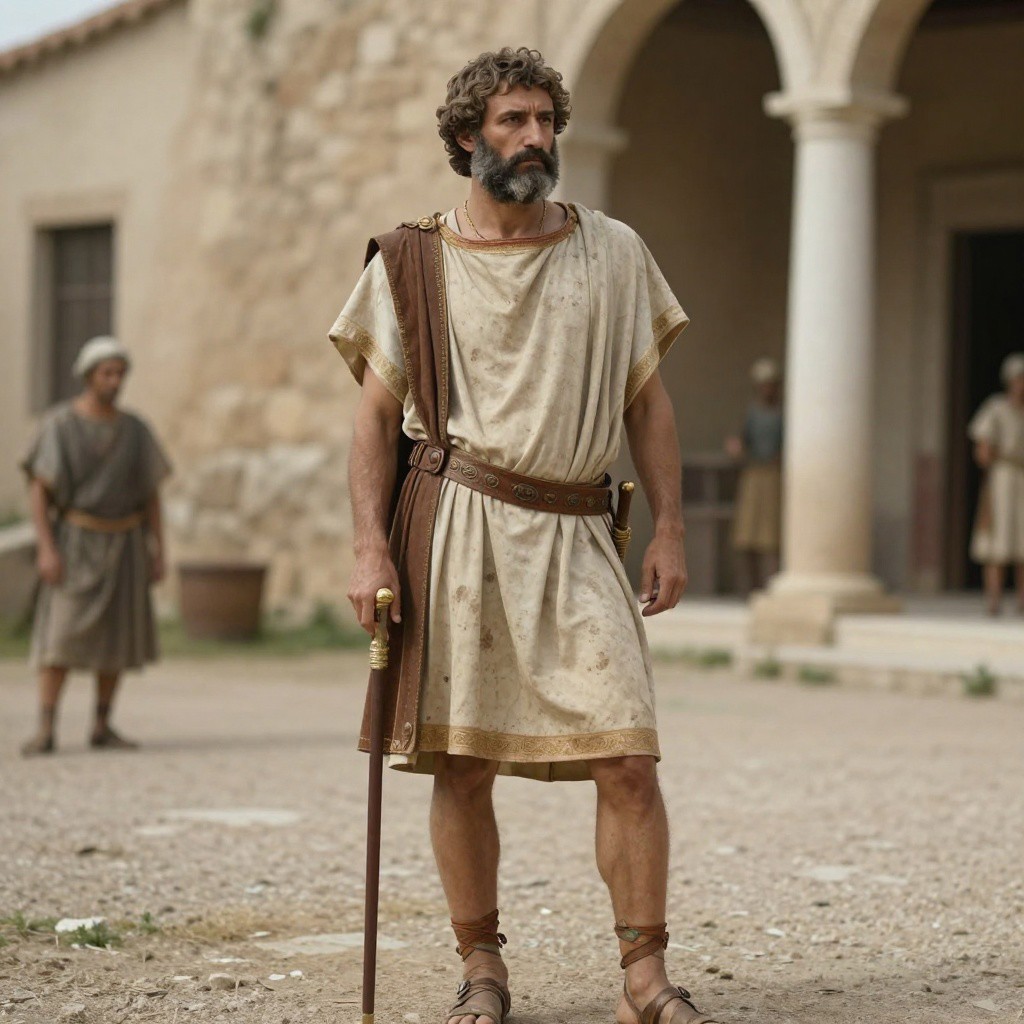
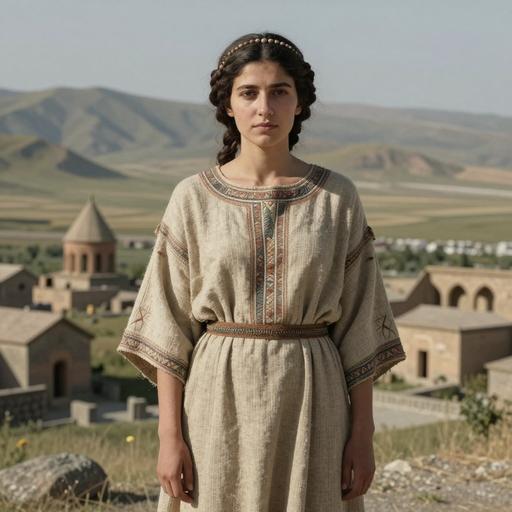
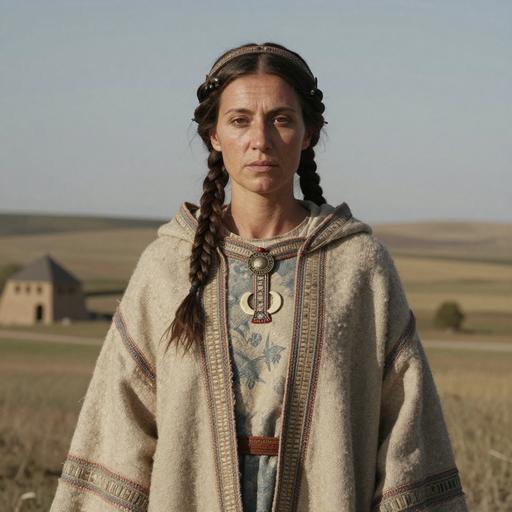
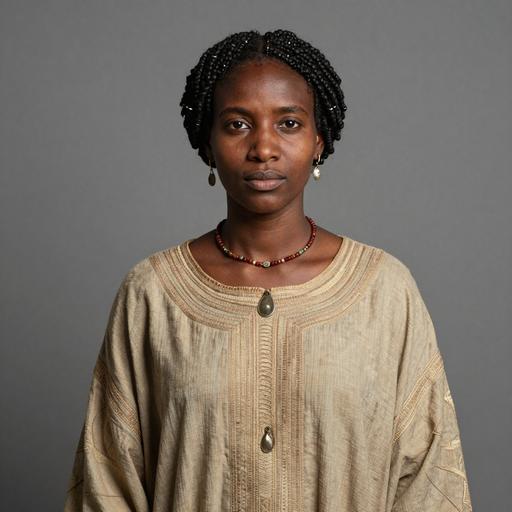
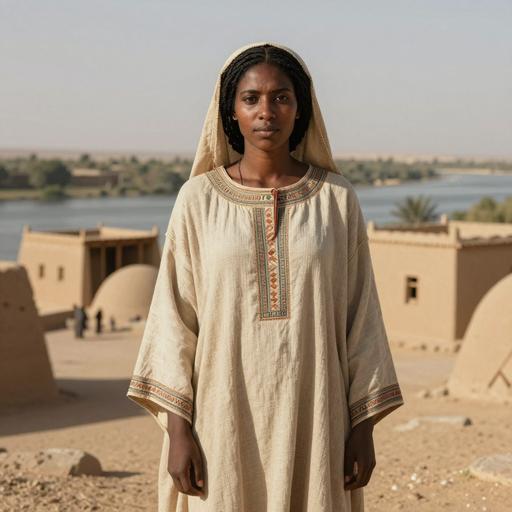
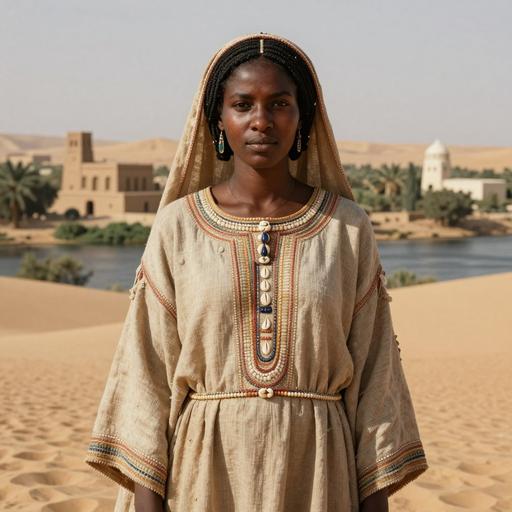
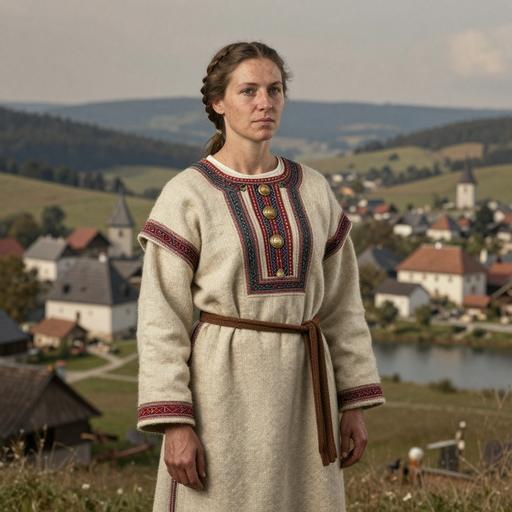
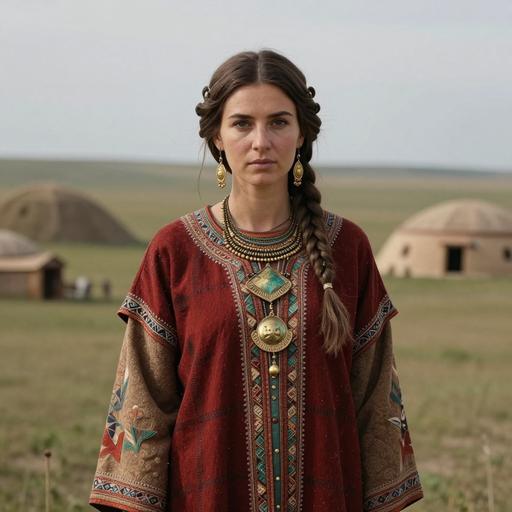
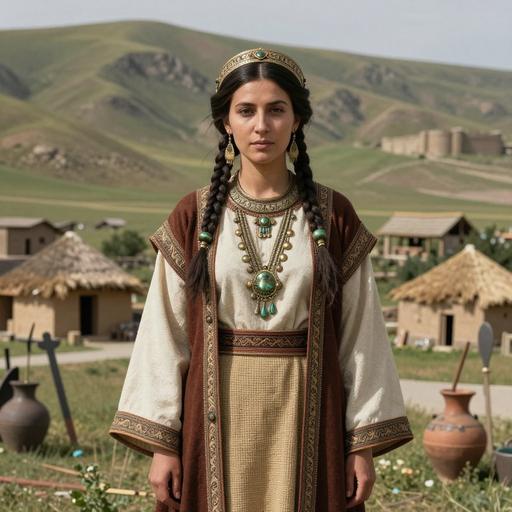
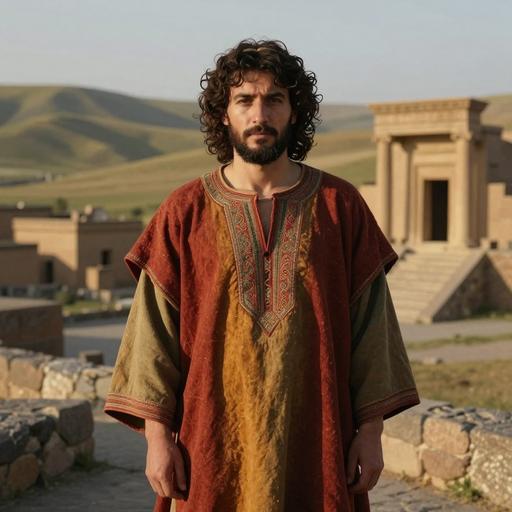
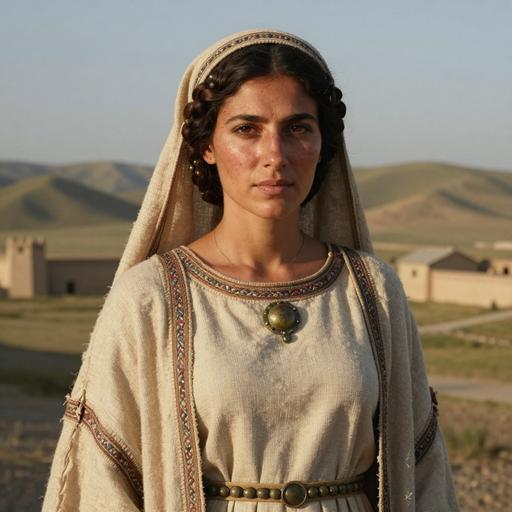
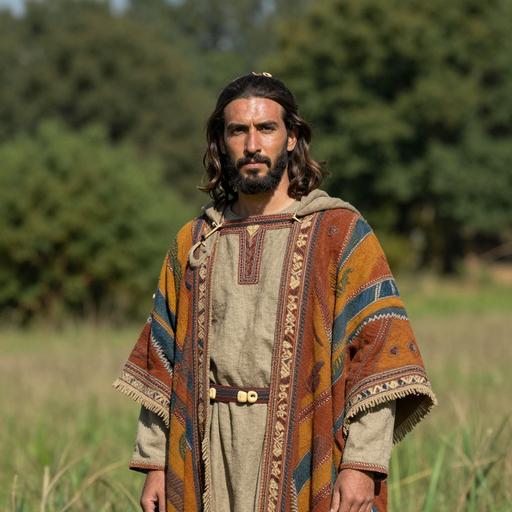
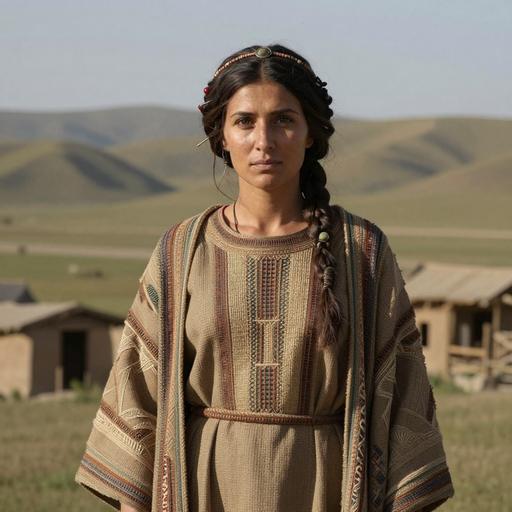
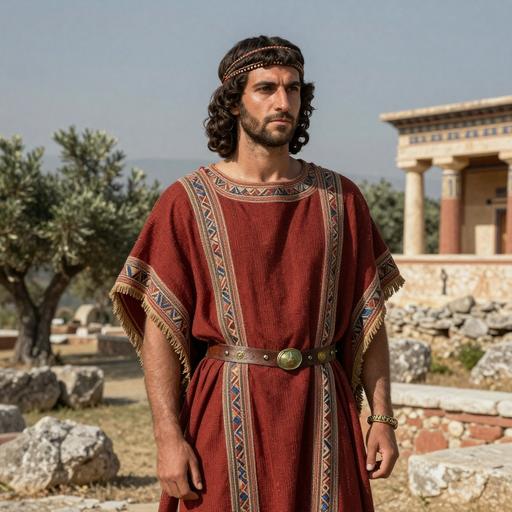
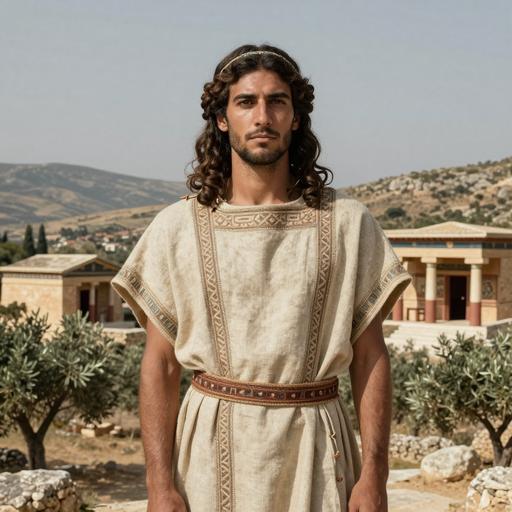
Les portraits sont des illustrations générées par IA. Les libellés d'échantillon et identifiants d'accès désignent les enregistrements de référence.
Late Helladic Culture of Aidonia - Greece - Aidonia (Corinthia,Phlious Valley)
Greece Late Helladic Culture of Aidonia 1400-1200 BCE
N1b1a2Sous-clade
Identifiant d'échantillon : AID008
Late Helladic Culture of Aidonia - Greece - Aidonia (Peloponnisoy, Corinthia)
Greece Late Helladic Culture of Aidonia 1400-1200 BCE
N1b1a2Sous-clade
Identifiant d'échantillon : I3707
Late Bronze Age Jordan - Jordan - Baq'ah
Jordan Jordan LBA 1413-1264 calBCE (3070±25 BP, PSUAMS-1991)
N1b1aSous-clade
Identifiant d'échantillon : I3985
Late Bronze Age Jordan - Jordan - Baq'ah
Jordan Jordan LBA 1415-1230 calBCE (3065±30 BP, PSUAMS-1992)
N1b1a2Sous-clade
Identifiant d'échantillon : I18272
Armenian LBA - Armenia - Lchashen cemetery
Armenia Armenian LBA 1450-1250 BCE
N1b1a3Sous-clade
Identifiant d'échantillon : I18276
Armenian LBA - Armenia - Lchashen cemetery
Armenia Armenian LBA 1450-1250 BCE
N1b1a3Sous-clade
Identifiant d'échantillon : I6461
Middle to Late Bronze Age Israel - Jordan - Baq'ah
Jordan Israel MLBA 1450-1250 BCE
N1b1aSous-clade
Identifiant d'échantillon : I3832
Middle to Late Bronze Age Israel - Israel - Hazor
Israel Israel MLBA 1450-1250 BCE
N1b1bSous-clade
Identifiant d'échantillon : poz660
poz660
Poland Poland BA Trzciniec 1507-1323 calBCE (3170±35, Poz-101468)
N1b1a5Sous-clade
Identifiant d'échantillon : poz659
poz659
Poland Poland BA Trzciniec 1598-1416 calBCE (3220±35, Poz-104812)
N1b1a5Sous-clade
Identifiant d'échantillon : I11025
Bronze Age Bustan - Uzbekistan - Bustan
Uzbekistan Bronze Age Bustan 1600-1300 BCE
N1b1aSous-clade
Identifiant d'échantillon : I4274
The Transition from Bronze Age to Iron Age in Iran - Iran - Dinkha Tepe
Iran The Transition from Bronze Age to Iron Age in Iran 1890-1749 calBCE (3505±20 BP, PSUAMS-3119)
N1b1a5Sous-clade
Identifiant d'échantillon : I10092
Middle to Late Bronze Age Israel - Israel - Megiddo. Jezreel Valley
Israel Israel MLBA 1900-1700 BCE
N1b1a2Sous-clade
Identifiant d'échantillon : ALA023
Middle to Late Bronze Age Turkey - Turkey - Hatay Province. Tell Atchana/Alalakh
Turkey Middle to Late Bronze Age Turkey 1928-1751 calBCE (3520±25 BP, MAMS-38610)
N1b1aSous-clade
Identifiant d'échantillon : I7003
Middle to Late Bronze Age Israel - Israel - Yehud
Israel Israel MLBA 2000-1550 BCE
N1b1a2Sous-clade
Identifiant d'échantillon : KVO008
KVO008
Russia Russia MLBA Caucasus 2272-2036 calBCE (3736±27 BP, MAMS-45965)
N1b1aSous-clade
LIGNÉE MATERNELLE · ADN ANTIQUE
Carte des preuves de lignées antiques
Suivez les clades parents jusqu'à cette branche et explorez où des porteurs antiques ont été identifiés.
Chargement des observations antiques…
La réduction des animations est activée. Utilisez la chronologie ou Tout afficher pour explorer à votre rythme.
Lire les observations sous forme de tableau
Observations antiques affichées par branche, période et date médiane
Branche
Période
Plage de dates
Échantillon
Identifiant d'échantillon
Emplacement
Haplogroupe
Relation
Les marqueurs indiquent des lieux de découvertes archéologiques. Un trait pointillé représente une transition géographique proposée et incertaine entre branches consécutives, appuyée sur plusieurs observations datées ; ce n'est pas un itinéraire exact, un lieu de naissance ni une preuve de descendance directe. Des échantillons de clades parents peuvent appartenir à d'autres branches descendantes. Des lacunes subsistent lorsque les preuves sont insuffisantes. Les dates d'échantillon diffèrent des dates de formation des haplogroupes.
Le regroupement par période historique reflète quand chaque individu antique a vécu, en combinant toutes les branches de cette chaîne de lignée ; ce n'est pas une séquence migratoire ni une chronologie personnelle entre périodes.
Profil de référence
Carte de répartition des porteurs
Répartition géographique de 66 échantillons d'ADN ancien (porteurs directs et de sous-clade de N1B1)
Porteur direct Porteur de sous-clade
Filtre de période
Toutes les périodes
Affichage de tous les échantillons
Profil de référence
Répartition temporelle
Répartition des porteurs selon les périodes archéologiques
Profil de référence
Répartition géographique
Effectifs par pays d'échantillon consigné. Ils reflètent la sélection de référence disponible, pas des fréquences de population.
Profil de référence
Répartition pays × époque
Comparez les effectifs d'échantillons consignés selon les pays et les périodes archéologiques. Sélectionnez une cellule renseignée pour examiner un échantillon.
Données
Données et provenance
Informations sur les sources et qualité des données
Dernière mise à jour2026-02-16
Score de confiance50/100
CouvertureLow
Source des données
La classification, les dates estimées et le contexte géographique reflètent les données de référence consignées et peuvent évoluer lorsque les éléments sont révisés. La couverture d'échantillons est inégale ; les lieux consignés et les associations archéologiques n'établissent pas une origine personnelle ni une identité culturelle.