Profil de référence pour une branche de lignée. Des haplogroupes partagés n'établissent pas de lien familial ni d'identité culturelle.
Profil de référence
Contexte de la branche
Contexte historique de la branche de lignée mtDNA U1
Origins and Evolution
Haplogroup U1 is a subclade of the ancient mtDNA haplogroup U, which itself has deep roots in Eurasia. U1 most likely arose in the Near East / western Asia region after the Last Glacial Maximum, roughly in the Late Upper Paleolithic to early post-glacial period (on the order of ~25–35 kya), before becoming regionally established. From a phylogenetic perspective, U1 branches from the broader U tree and subsequently split into downstream lineages (commonly described as U1a, U1b and further sublineages), reflecting diversification within West Asian and adjacent populations.
Subclades (if applicable)
U1 divides into several downstream branches that show differing geographic affinities. The major recognized subdivisions are typically labeled U1a and U1b, with additional further splits described in high-resolution mtDNA studies. U1a lineages are often more common in the Caucasus, Iran and parts of South Asia, whereas other U1 subbranches show patchy distributions across the Near East, North Africa and southern Europe. Because U1 is less frequent than some other U subclades (for example U5 or U6), many of its subclades are relatively localized and can exhibit strong geographic structure when sampled densely.
Geographical Distribution
In modern populations U1 is most consistently reported at low-to-moderate frequencies in the Near East and the Caucasus, with detectable presence in Iran, the Levant, Turkey and surrounding areas. U1 also appears intermittently in South Asia (India and Pakistan), North Africa (notably among some Berber groups), and southern and eastern parts of Europe at low frequencies — often reflecting historical gene flow from western Asia. Ancient DNA research and population surveys indicate that U1 represents a Near Eastern maternal component with both deep local continuity and episodes of dispersal tied to prehistoric and historic movements.
Historical and Cultural Significance
U1's pattern — concentrated in the Near East/Caucasus with extensions into South Asia and North Africa — is consistent with a role in post-glacial regional continuity and later demographic events such as Neolithic expansions and historic movements across West Eurasia. U1 lineages could have been carried by early farming communities dispersing from Anatolia and the Levant into adjacent regions, and they also persist in populations that experienced less replacement, producing the localized high-resolution structure seen in some modern groups. While U1 is not typically associated with a single well-known archaeological culture at high frequency, it is part of the maternal genetic landscape that shaped populations during the Neolithic and Bronze Age transitions in western Asia and South Asia.
Conclusion
mtDNA haplogroup U1 is an informative maternal lineage for reconstructing population history in the Near East, the Caucasus and parts of South Asia. Its age and phylogenetic position make it a marker of post-LGM diversification in western Eurasia, and its present-day distribution reflects a mix of ancient regional continuity and later dispersals tied to farming expansions and historic interactions. Though not as common as some sister clades of U, U1 provides useful resolution for regional maternal ancestry studies when combined with dense sampling and high-resolution sequencing.
Points clés
Origins and Evolution
Subclades (if applicable)
Geographical Distribution
Historical and Cultural Significance
Conclusion
Profil de référence
Arbre et relations
Contexte phylogénétique et sous-clades
Voie évolutive
Suivez les branches parentes consignées jusqu'à U1. Les dates sont des estimations et peuvent évoluer lorsque les données de référence sont révisées.
South Asian populations (India and Pakistan, at low-to-moderate frequencies)
North African groups (sporadic presence, including some Berber populations)
Southern and Eastern European populations (low-frequency, often reflecting westward gene flow)
Jewish populations (sporadic presence in some community studies)
Small/localized groups showing regional continuity in West Asia and adjacent areas
Contexte historique
Une branche dans le temps
Formation estimée sur une chronologie historique large. Les repères de période servent de contexte et n'impliquent pas de lien avec des cultures particulières.
Il y a ~28k ans
Haplogroupe U1
Formation estimée de cette branche mtDNA ; les dates et les lieux sont des estimations de référence.
Cette branche
Il y a ~20k ans
Dernier maximum glaciaire
Apogée de la dernière période glaciaire, populations isolées
Il y a ~10k ans
Révolution néolithique
Début de l'agriculture et émergence de communautés sédentaires
Il y a ~5k ans
Âge du bronze
Travail des métaux, écriture et premières civilisations
Il y a ~3k ans
Âge du fer
Outils en fer, réseaux d'échanges élargis
Il y a ~2.5k ans
Antiquité classique
Floraison des civilisations grecque et romaine
Aujourd'hui
Aujourd'hui
Époque moderne
Profil de référence
Contexte archéologique
Associations archéologiques consignées pour la branche mtDNA U1
Associations consignées
Ces libellés décrivent des contextes archéologiques consignés pour des échantillons de référence liés à U1. Une association n'établit pas que tous les porteurs appartenaient à une culture ni qu'ils ont suivi une route migratoire précise.
Les attributions culturelles reposent sur le contexte archéologique des échantillons d'ADN ancien et peuvent refléter des associations régionales à certaines périodes.
Profil de référence
Catalogue d'échantillons
98 porteurs de sous-clade de l'haplogroupe U1 (aucun porteur direct dans la sélection de référence actuelle)
10 affiché(s) · 50 échantillons correspondants
Aucun échantillon ne correspond à ces filtres. Essayez un autre libellé, lieu ou période.
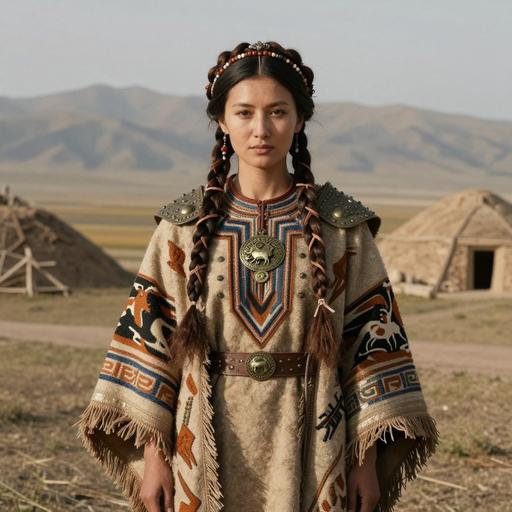
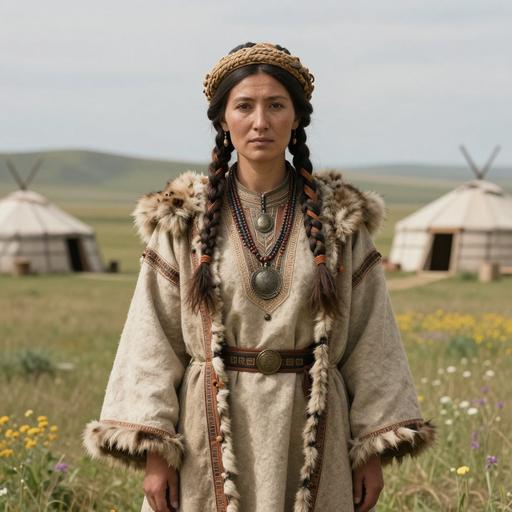
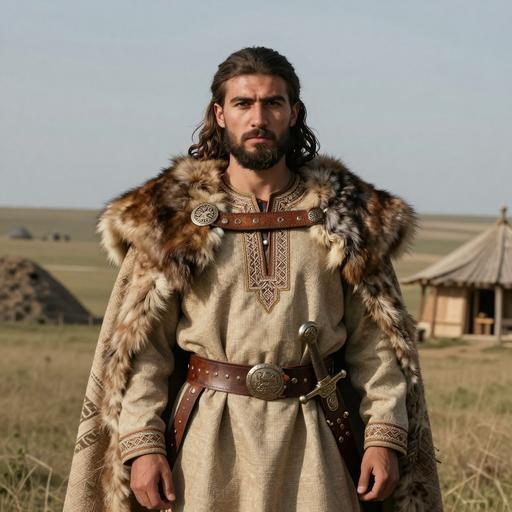
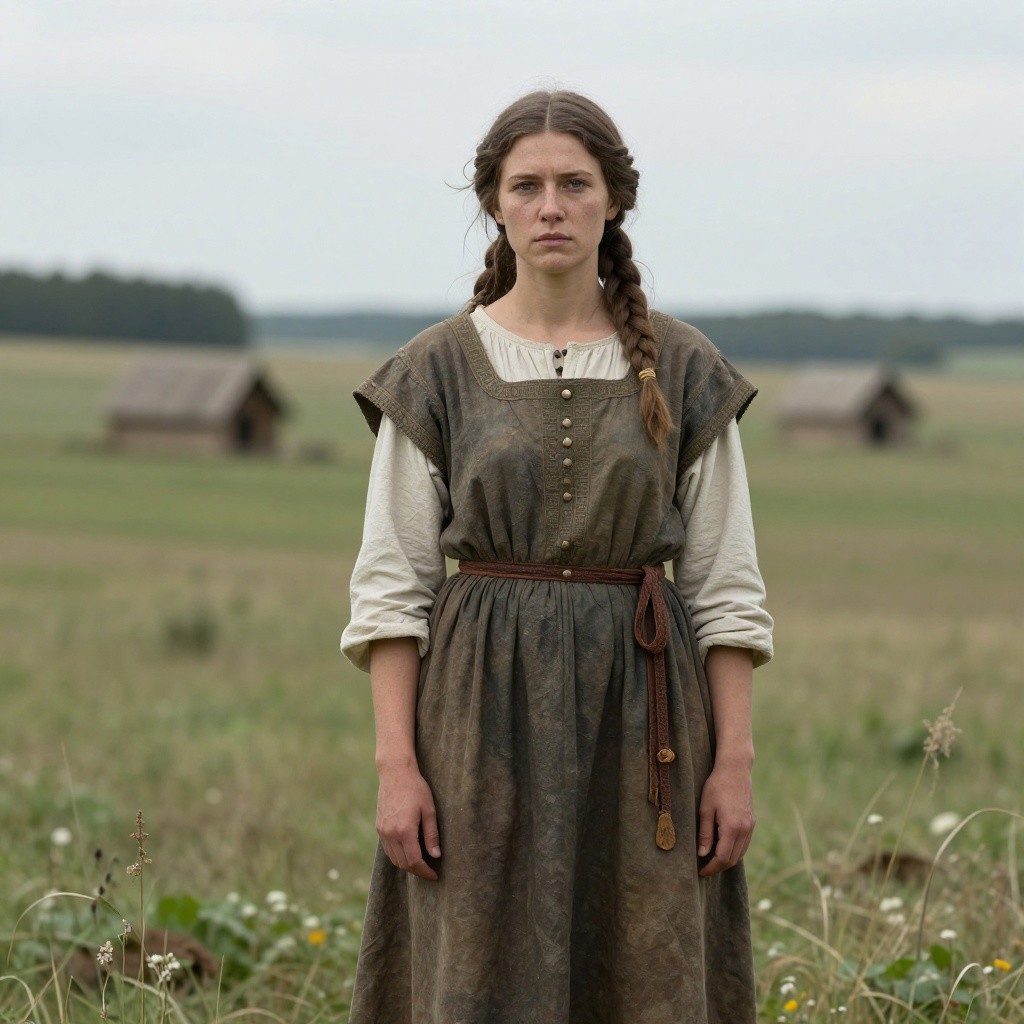
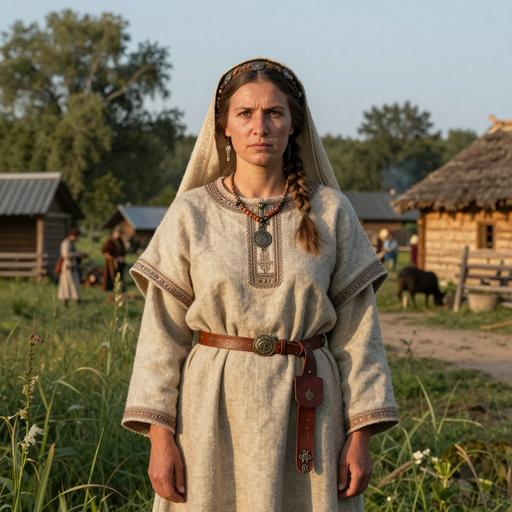
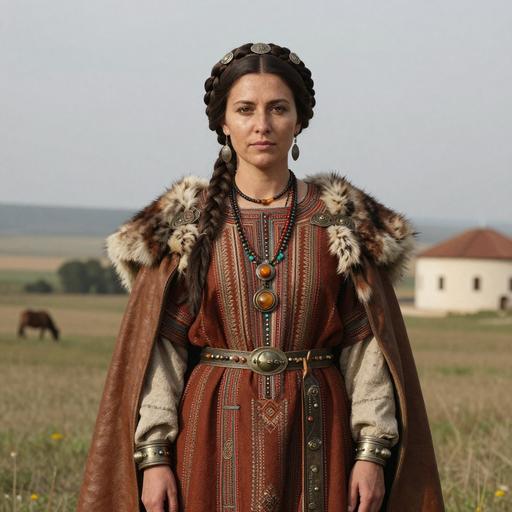
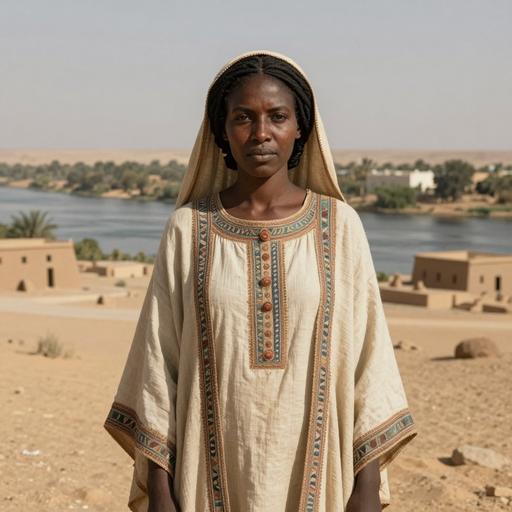
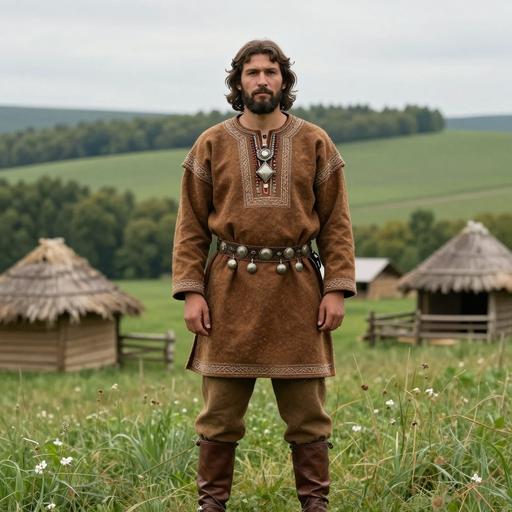
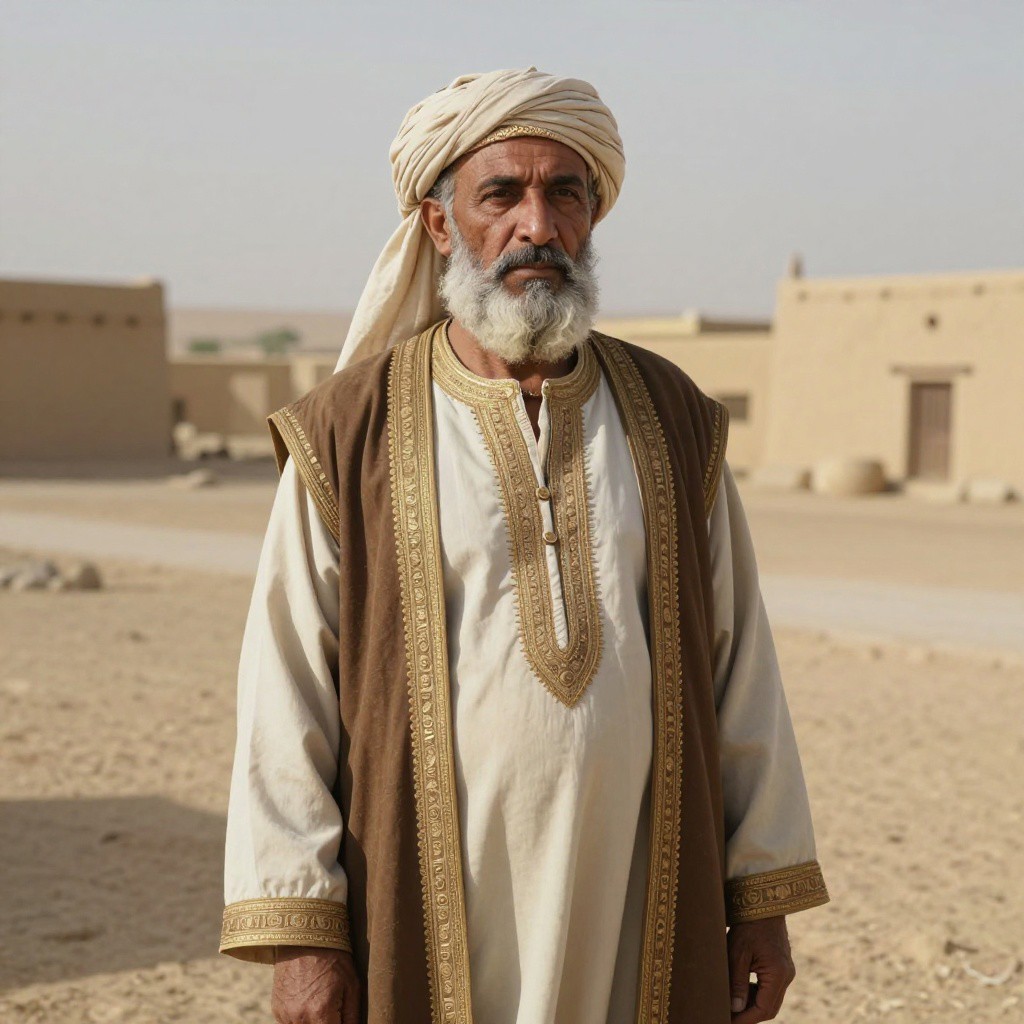
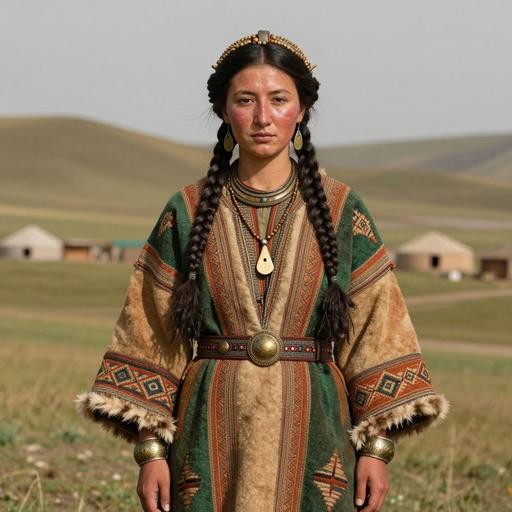
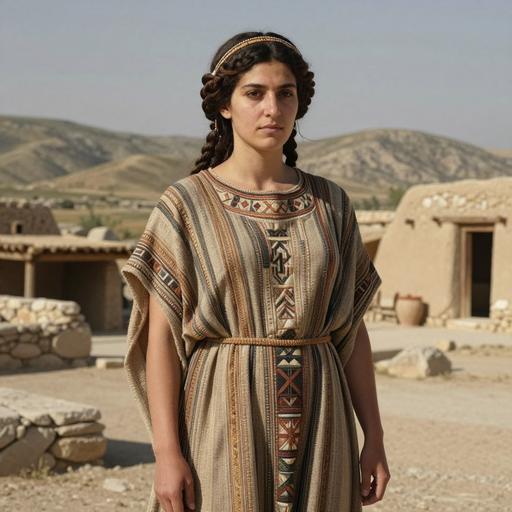
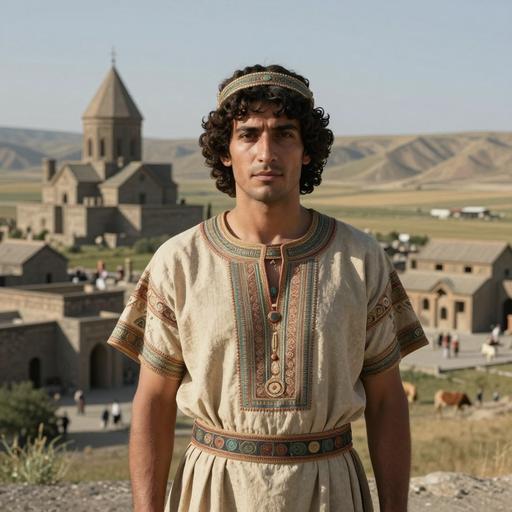
Les portraits sont des illustrations générées par IA. Les libellés d'échantillon et identifiants d'accès désignent les enregistrements de référence.
Portrait
Échantillon
Pays
Époque
Date
Culture
mtDNA
Correspondance
Identifiant d'échantillon : R114
Italy
Imperial Rome
1-200 CE
Roman Empire
U1b1
Sous-clade
Identifiant d'échantillon : R42
Italy
Imperial Rome
26-126 calCE (1940±15 BP, UCIAMS-198587)
Roman Empire
U1a1
Sous-clade
Identifiant d'échantillon : I3685
Italy
Italy Campania ImperialRoman 2
79 CE
Italy_Campania_ImperialRoman-2
U1a1
Sous-clade
Identifiant d'échantillon : I24680
Italy
Italy Sicily ImperialRoman Sicilia
215-326 calCE (1800±20 BP, PSUAMS-9237)
Italy_Sicily_ImperialRoman_Sicilia
U1a1a
Sous-clade
Identifiant d'échantillon : CHK005
Kyrgyzstan
Iron Age Saka Culture, Kyrgyzstan
300 BCE - 100 CE
Saka Culture
U1a
Sous-clade
Identifiant d'échantillon : I26764
Croatia
Roman Period Croatia (Sisak-Pogorelec)
300-450 CE
Roman Croatia
U1a1a
Sous-clade
Identifiant d'échantillon : I33812
Croatia
Croatia LateAntiquity
300-500 CE
Late Antique
U1a3
Sous-clade
Identifiant d'échantillon : BRE006
Kazakhstan
Iron Age Kazakhstan
150-450 CE
Kazakh Iron Age
U1b2
Sous-clade
Identifiant d'échantillon : Pr4
Russia
Russia EarlySarmatian
400 BCE - 100 BCE
Early Sarmatian
U1a
Sous-clade
Identifiant d'échantillon : Pr4
Russia
The Sarmatian Culture
400 BCE - 100 BCE
U1a
Sous-clade
Identifiant d'échantillon : I7224
Italy
Sicilian Greek (Himeran)
409 BCE
Himeran Greek
U1a1a
Sous-clade
Identifiant d'échantillon : I14839
Turkey
West Byzantine Turkey
426-541 calCE (1590±20 BP, PSUAMS-6792)
Byzantine Culture
U1a1a3
Sous-clade
Identifiant d'échantillon : SFI-50
Lebanon
Lebanon IA3
540 BCE - 330 BCE
Persian Period Lebanon
U1a
Sous-clade
Identifiant d'échantillon : SFI-50
Lebanon
The Achaemenid Empire
540 BCE - 330 BCE
U1a
Sous-clade
Identifiant d'échantillon : RKF102
Hungary
Hungary Avar
550-850 CE
Avar
U1a1
Sous-clade
Identifiant d'échantillon : CSK015
Austria
Austria Avar
600-800 CE
Austria_Avar
U1a1a2
Sous-clade
Identifiant d'échantillon : CSK082
Austria
Austria Avar
600-800 CE
Austria_Avar
U1a1a+16129
Sous-clade
Identifiant d'échantillon : SZM-259
Hungary
Middle Avar Period Hungary
600-700 CE
Avar Culture
U1a1a2
Sous-clade
Identifiant d'échantillon : DA190
Russia
Russia SaltovoMayaki
610 CE - 775 CE
Saltovo-Mayaki
U1a1c1
Sous-clade
Identifiant d'échantillon : DA190
Russia
The Saltovo-Mayaki Culture
610 CE - 775 CE
U1a1c1
Sous-clade
Identifiant d'échantillon : MGS057
Austria
Austria Avar
650-800 CE
Austria_Avar
U1a1a2
Sous-clade
Identifiant d'échantillon : MGS339
Austria
Austria Avar
650-800 CE
Austria_Avar
U1a1a
Sous-clade
Identifiant d'échantillon : MGS480
Austria
Austria Avar
650-800 CE
Austria_Avar
U1a1a2
Sous-clade
Identifiant d'échantillon : RKC013
Hungary
Hungary LateAvar
650-900 CE
Avar Culture
U1a1
Sous-clade
Identifiant d'échantillon : RKC029
Hungary
Hungary LateAvar
650-900 CE
Avar Culture
U1a1a
Sous-clade
Identifiant d'échantillon : I6330
Sudan
Early Christian Era in Sudan
673-825 calCE (1260±22 BP, UGAMS-34394)
Nubian Christian
U1a1
Sous-clade
Identifiant d'échantillon : KIL002
Ireland
Anglo-Saxon Early Medieval Kilteasheen, Ireland
700-1300 CE
Kilteasheen
U1a1a3
Sous-clade
Identifiant d'échantillon : KD-16
Hungary
Middle Avar Period Hungary
700-800 CE
Avar Culture
U1b2
Sous-clade
Identifiant d'échantillon : I20702
Yemen
Yemen Medieval Soqotri
750-1050 CE
Yemen_Medieval_Soqotri
U1a1
Sous-clade
Identifiant d'échantillon : ALN006
Kyrgyzstan
Iron Age Kyrgyzstan
749-409 calBCE (2439±22 BP)
Kyrgyz Iron Age
U1a1c1d
Sous-clade
Identifiant d'échantillon : I20227
Turkey
Archaic SubGeometric Turkey
750-450 BCE
Anatolian Geometric
U1a1a3
Sous-clade
Identifiant d'échantillon : I8209
Spain
Greek Period Spain
752 BCE - 417 BCE
Hellenic Iberian
U1a1a
Sous-clade
Identifiant d'échantillon : I3402
India
India Roopkund A
774-885 calCE (1200±20 BP, PSUAMS-5466)
Roopkund Culture
U1a1a
Sous-clade
Identifiant d'échantillon : I17184
Armenia
Iron Age Armenia
783-549 calBCE (2525±20 BP, PSUAMS-7898)
Iron Age Armenian
U1a1a1
Sous-clade
Identifiant d'échantillon : I11794
Israel
Israel Phoenician
756-414 calBCE (2455±35 BP, PSUAMS-7869)
Israel_Phoenician
U1b3
Sous-clade
Identifiant d'échantillon : I13031
Armenia
The Urartian Empire
891-793 calBCE (2655±20 BP, PSUAMS-6166)
Urartian
U1a1a1
Sous-clade
Identifiant d'échantillon : I21108
Yemen
Yemen Medieval Soqotri
993-1030 calCE (1025±15 BP, PSUAMS-9539)
Yemen_Medieval_Soqotri
U1a1
Sous-clade
Identifiant d'échantillon : I12968
Pakistan
Butkara: Iron Age Religious and Cultural Center in Swat Valley, Pakistan
1000-800 BCE
Butkara Culture
U1a1
Sous-clade
Identifiant d'échantillon : I12464
Pakistan
The Pakistan Katelai Iron Age Culture
1000-800 BCE
Katelai Culture
U1a
Sous-clade
Identifiant d'échantillon : I14635
Turkey
Turkey IA
1000-100 BCE
Anatolian Iron Age
U1a1
Sous-clade
Identifiant d'échantillon : SFI-56
Lebanon
Lebanon IA2
1000 BCE - 539 BCE
Phoenician Iron II
U1a1a
Sous-clade
Identifiant d'échantillon : I12449
Pakistan
Butkara: Iron Age Religious and Cultural Center in Swat Valley, Pakistan
1000 BCE - 800 BCE
Butkara Culture
U1a1c1d
Sous-clade
Identifiant d'échantillon : I12449
Pakistan
The SPGT Culture
1000 BCE - 800 BCE
U1a1c1d
Sous-clade
Identifiant d'échantillon : SFI-56
Lebanon
The Assyrian Empire
1000 BCE - 539 BCE
U1a1a
Sous-clade
Identifiant d'échantillon : I3260
Pakistan
Udegram Iron Age Fortified Settlement in Swat Valley, Pakistan
Suivez les clades parents jusqu'à cette branche et explorez où des porteurs antiques ont été identifiés.
Chargement des observations antiques…
La réduction des animations est activée. Utilisez la chronologie ou Tout afficher pour explorer à votre rythme.
Lire les observations sous forme de tableau
Observations antiques affichées par branche, période et date médiane
Branche
Période
Plage de dates
Échantillon
Identifiant d'échantillon
Emplacement
Haplogroupe
Relation
Les marqueurs indiquent des lieux de découvertes archéologiques. Un trait pointillé représente une transition géographique proposée et incertaine entre branches consécutives, appuyée sur plusieurs observations datées ; ce n'est pas un itinéraire exact, un lieu de naissance ni une preuve de descendance directe. Des échantillons de clades parents peuvent appartenir à d'autres branches descendantes. Des lacunes subsistent lorsque les preuves sont insuffisantes. Les dates d'échantillon diffèrent des dates de formation des haplogroupes.
Le regroupement par période historique reflète quand chaque individu antique a vécu, en combinant toutes les branches de cette chaîne de lignée ; ce n'est pas une séquence migratoire ni une chronologie personnelle entre périodes.
Profil de référence
Carte de répartition des porteurs
Répartition géographique de 98 échantillons d'ADN ancien (porteurs directs et de sous-clade de U1)
Porteur de sous-clade
Filtre de période
Toutes les périodes
Affichage de tous les échantillons
Profil de référence
Répartition temporelle
Répartition des porteurs selon les périodes archéologiques
Profil de référence
Répartition géographique
Effectifs par pays d'échantillon consigné. Ils reflètent la sélection de référence disponible, pas des fréquences de population.
Profil de référence
Répartition pays × époque
Comparez les effectifs d'échantillons consignés selon les pays et les périodes archéologiques. Sélectionnez une cellule renseignée pour examiner un échantillon.
Données
Données et provenance
Informations sur les sources et qualité des données
Dernière mise à jour2026-02-16
Score de confiance50/100
CouvertureLow
Source des données
La classification, les dates estimées et le contexte géographique reflètent les données de référence consignées et peuvent évoluer lorsque les éléments sont révisés. La couverture d'échantillons est inégale ; les lieux consignés et les associations archéologiques n'établissent pas une origine personnelle ni une identité culturelle.