Profil de référence pour une branche de lignée. Des haplogroupes partagés n'établissent pas de lien familial ni d'identité culturelle.
Profil de référence
Contexte de la branche
Contexte historique de la branche de lignée mtDNA U5A1B1
Origins and Evolution
mtDNA haplogroup U5A1B1 is a downstream branch of U5A1B, itself a subclade of U5a1. The broader U5 lineage is among the oldest maternal lineages in Europe and is frequently associated with Late Upper Paleolithic and Mesolithic hunter‑gatherer populations. Based on its phylogenetic position under U5A1B (parental node commonly placed around ~12 kya) and the distribution of derived mutations, U5A1B1 most likely formed in the late Mesolithic to early post‑glacial period (roughly 9 kya) in northern or northeastern Europe. The lineage represents continued maternal ancestry from pre‑farming forager groups that persisted into later archaeological periods.
Subclades (if applicable)
As a fine‑scale subclade of U5A1B, U5A1B1 may itself carry further downstream variation that appears in individual modern and ancient samples; however, U5A1B1 is defined by a specific set of control‑region and coding‑region mutations that distinguish it from sibling branches. In published and database sample sets the subclade appears as a modestly diverse cluster rather than a very large radiation, consistent with a regional, long‑term presence rather than a continent‑wide explosive expansion.
Geographical Distribution
U5A1B1 is concentrated in northern and eastern Europe, with highest relative representation in Scandinavia and the Baltic region, and notable persistence among indigenous Saami populations of northern Fennoscandia. It is present at lower frequencies across central and western Europe and occurs sporadically in the Caucasus, parts of Central Asia, and rare instances in North Africa — patterns compatible with north‑to‑south and east‑to‑west gene flow over millennia as well as recent historical mobility. In ancient DNA datasets U5A1B1 has been identified in multiple Mesolithic and later archaeological contexts (the dataset referenced here contains 26 aDNA occurrences), demonstrating continuity from prehistoric northern Europe into later periods.
Historical and Cultural Significance
U5A1B1 is most strongly tied to Mesolithic hunter‑gatherer societies of northern and eastern Europe and illustrates maternal continuity in regions that were only slowly impacted by incoming Neolithic farmer lineages. Its persistence among the Saami and detection in later Neolithic, Chalcolithic and Bronze Age samples suggests that descendants of Mesolithic maternal lineages contributed to local gene pools through the Neolithic and into historical periods, often coexisting with incoming farmer and steppe‑related ancestries. U5A1B1 therefore provides a useful marker for studies of population continuity, regional persistence, and the interactions between indigenous foragers and migrating farmers and pastoralists.
Conclusion
U5A1B1 is a regionally informative mtDNA subclade reflecting post‑glacial northern European maternal ancestry. It is valuable for reconstructing Mesolithic population structure, tracing continuity in indigenous northern populations (notably the Saami), and understanding the mosaic of maternal lineages that contributed to modern northern and eastern European populations. Its modest diversity and localized distribution make it a marker of long‑term, regionally rooted maternal heritage rather than a signature of a wide, rapid expansion.
Points clés
Origins and Evolution
Subclades (if applicable)
Geographical Distribution
Historical and Cultural Significance
Conclusion
Profil de référence
Arbre et relations
Contexte phylogénétique et sous-clades
Voie évolutive
Suivez les branches parentes consignées jusqu'à U5A1B1. Les dates sont des estimations et peuvent évoluer lorsque les données de référence sont révisées.
The populations where mtDNA haplogroup U5A1B1 is found include:
Northern European populations (e.g., Scandinavia)
Indigenous Saami populations of northern Scandinavia
Eastern European populations (Baltic region, parts of Russia)
Central and Western European populations (lower to moderate frequencies)
Caucasus populations (low frequency)
Some Central Asian and North African populations (sporadic, low frequency)
Contexte historique
Une branche dans le temps
Formation estimée sur une chronologie historique large. Les repères de période servent de contexte et n'impliquent pas de lien avec des cultures particulières.
Il y a ~10k ans
Révolution néolithique
Début de l'agriculture et émergence de communautés sédentaires
Il y a ~9k ans
Haplogroupe U5A1B1
Formation estimée de cette branche mtDNA ; les dates et les lieux sont des estimations de référence.
Cette branche
Il y a ~5k ans
Âge du bronze
Travail des métaux, écriture et premières civilisations
Il y a ~3k ans
Âge du fer
Outils en fer, réseaux d'échanges élargis
Il y a ~2.5k ans
Antiquité classique
Floraison des civilisations grecque et romaine
Aujourd'hui
Aujourd'hui
Époque moderne
Profil de référence
Contexte archéologique
Associations archéologiques consignées pour la branche mtDNA U5A1B1
Associations consignées
Ces libellés décrivent des contextes archéologiques consignés pour des échantillons de référence liés à U5A1B1. Une association n'établit pas que tous les porteurs appartenaient à une culture ni qu'ils ont suivi une route migratoire précise.
Bell BeakerChemurcheck CultureHungary_LateC_EBA_YamnayaLos MillaresMarosMoldova_EBA_YamnayaUneticeUnetice Culture
Les attributions culturelles reposent sur le contexte archéologique des échantillons d'ADN ancien et peuvent refléter des associations régionales à certaines périodes.
Profil de référence
Catalogue d'échantillons
28 porteurs directs et 33 porteurs de sous-clade de l'haplogroupe U5A1B1
10 affiché(s) · 50 échantillons correspondants
Aucun échantillon ne correspond à ces filtres. Essayez un autre libellé, lieu ou période.
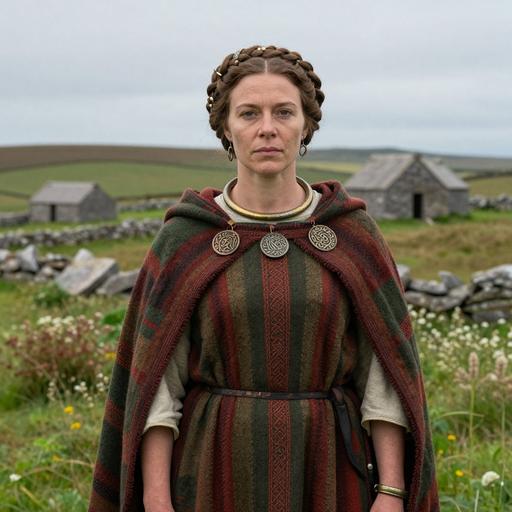
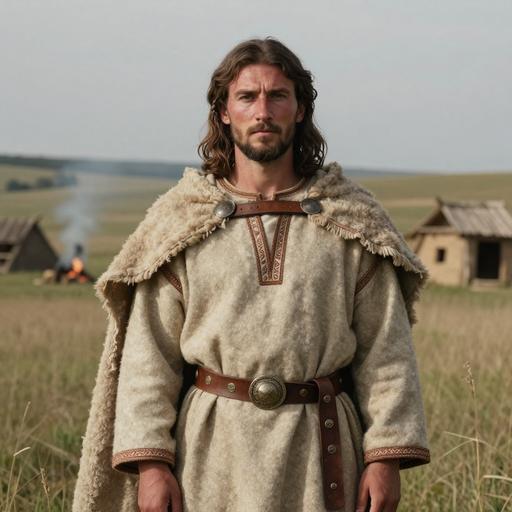
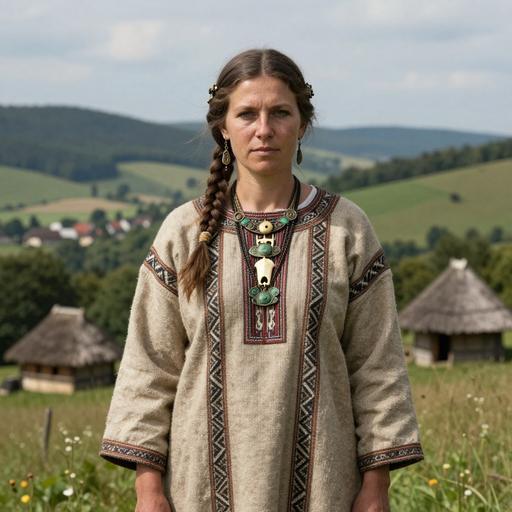
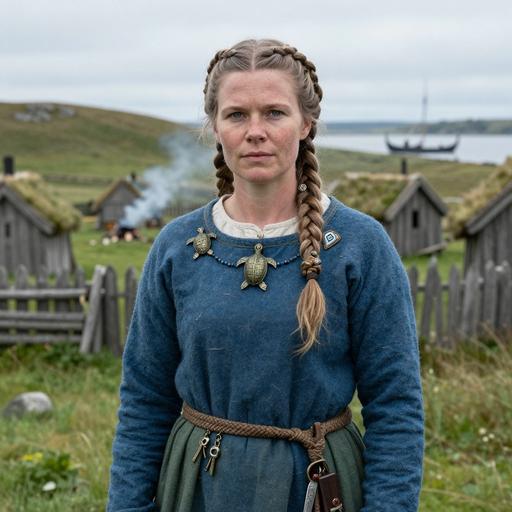
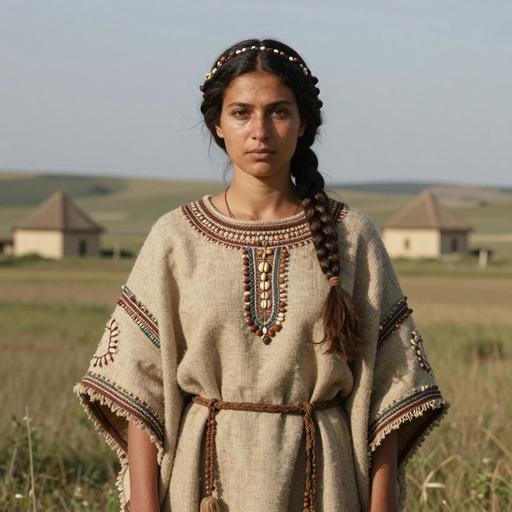
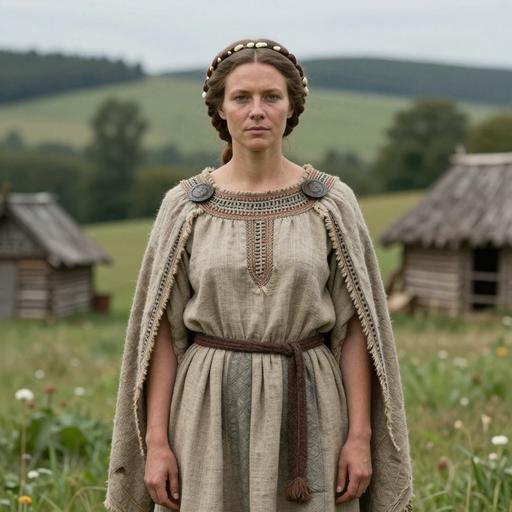
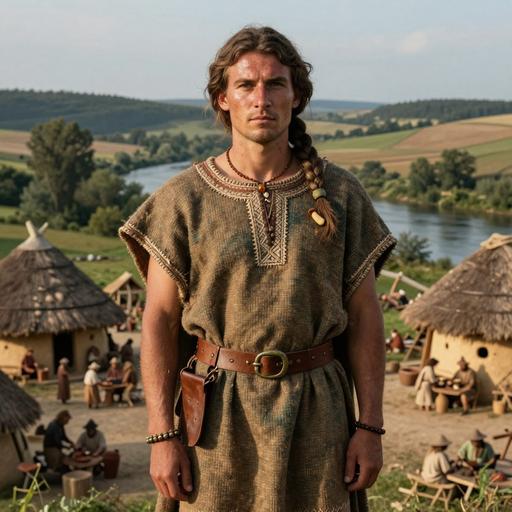
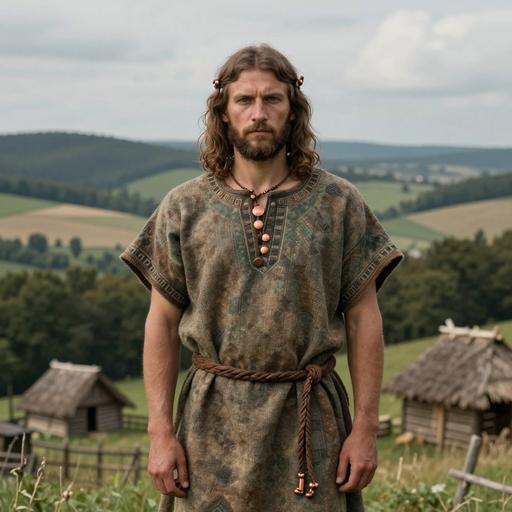
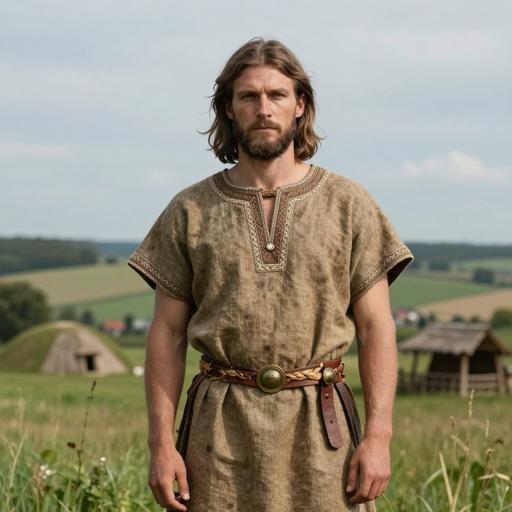
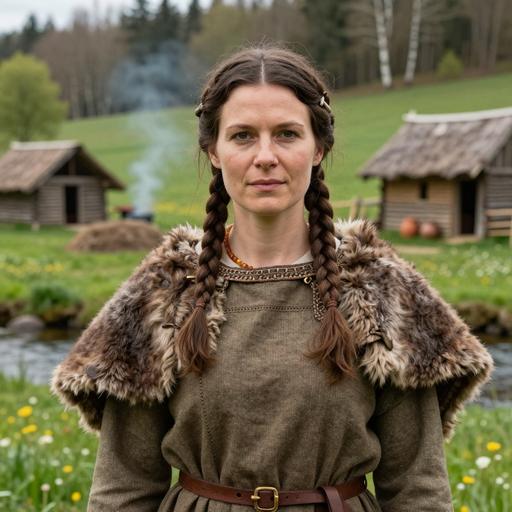
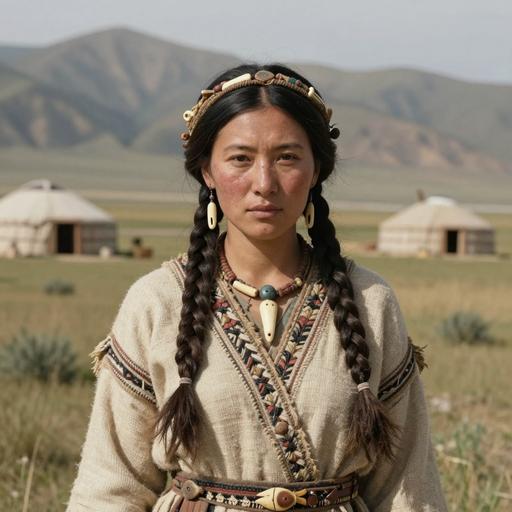
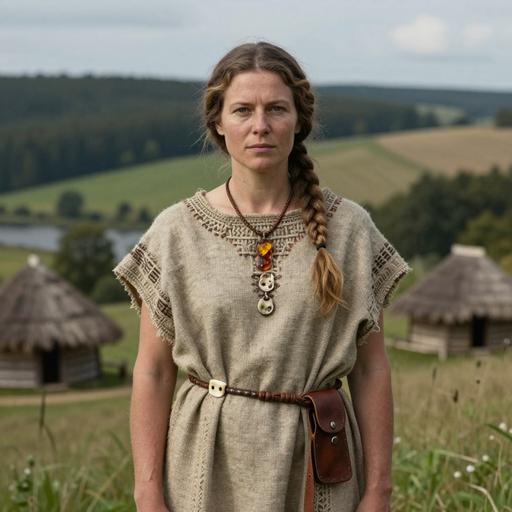
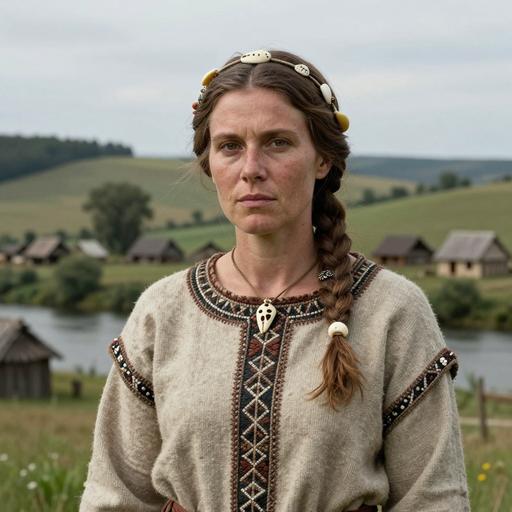
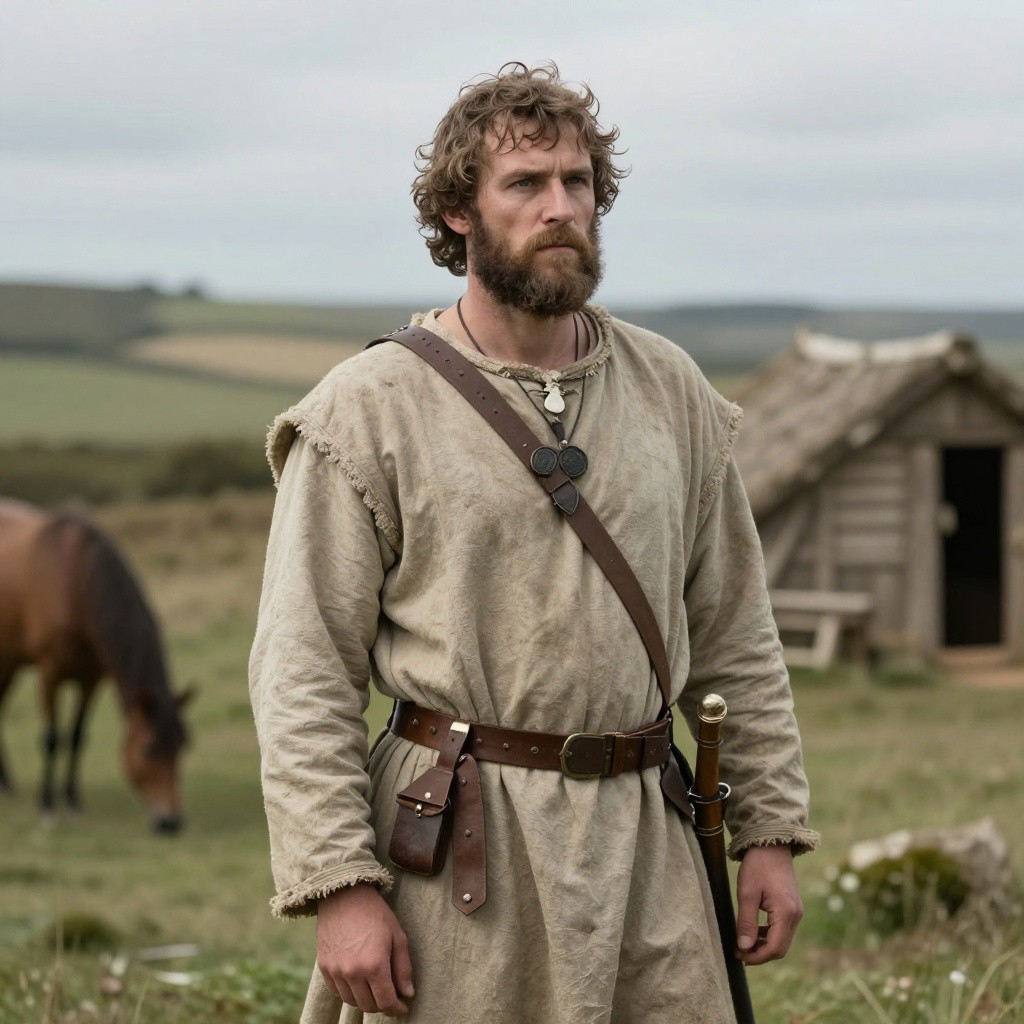
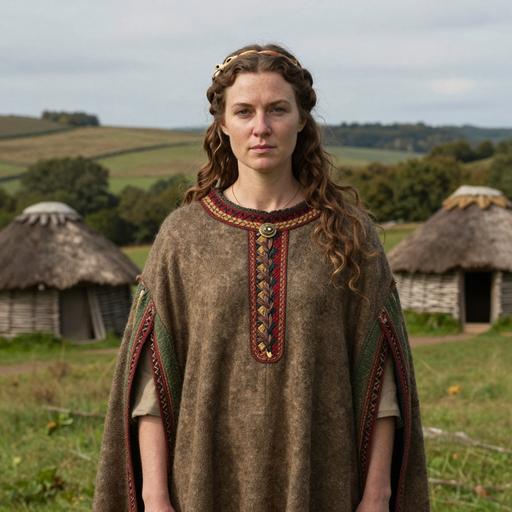
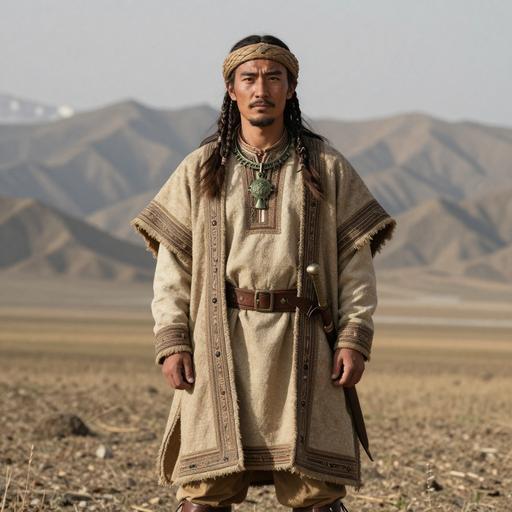
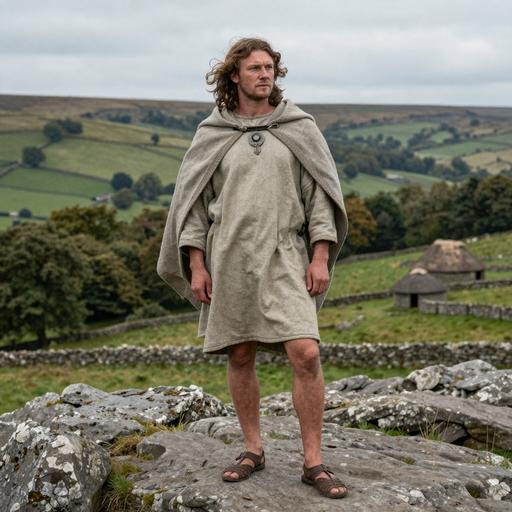
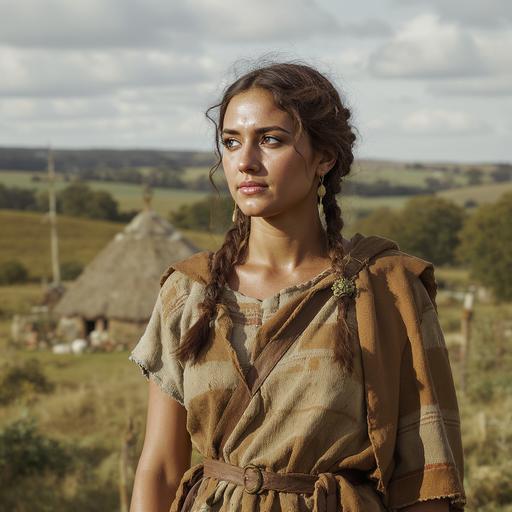
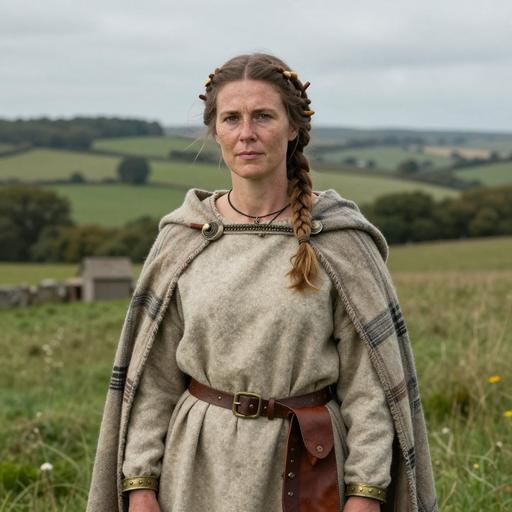
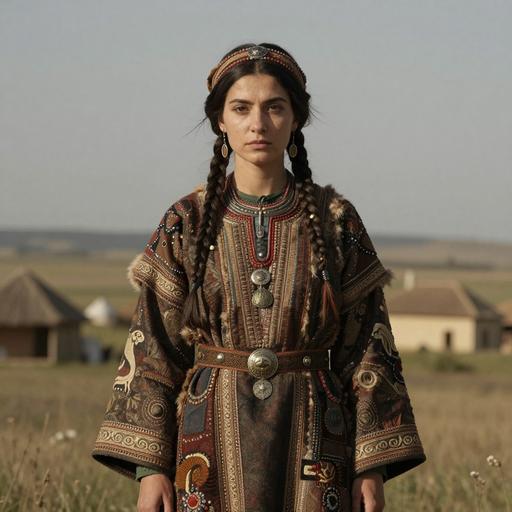
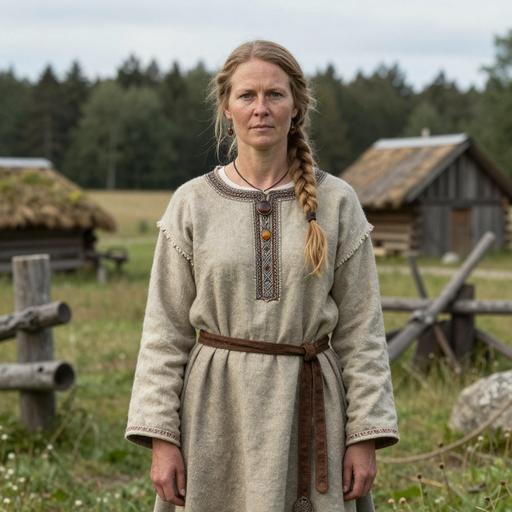
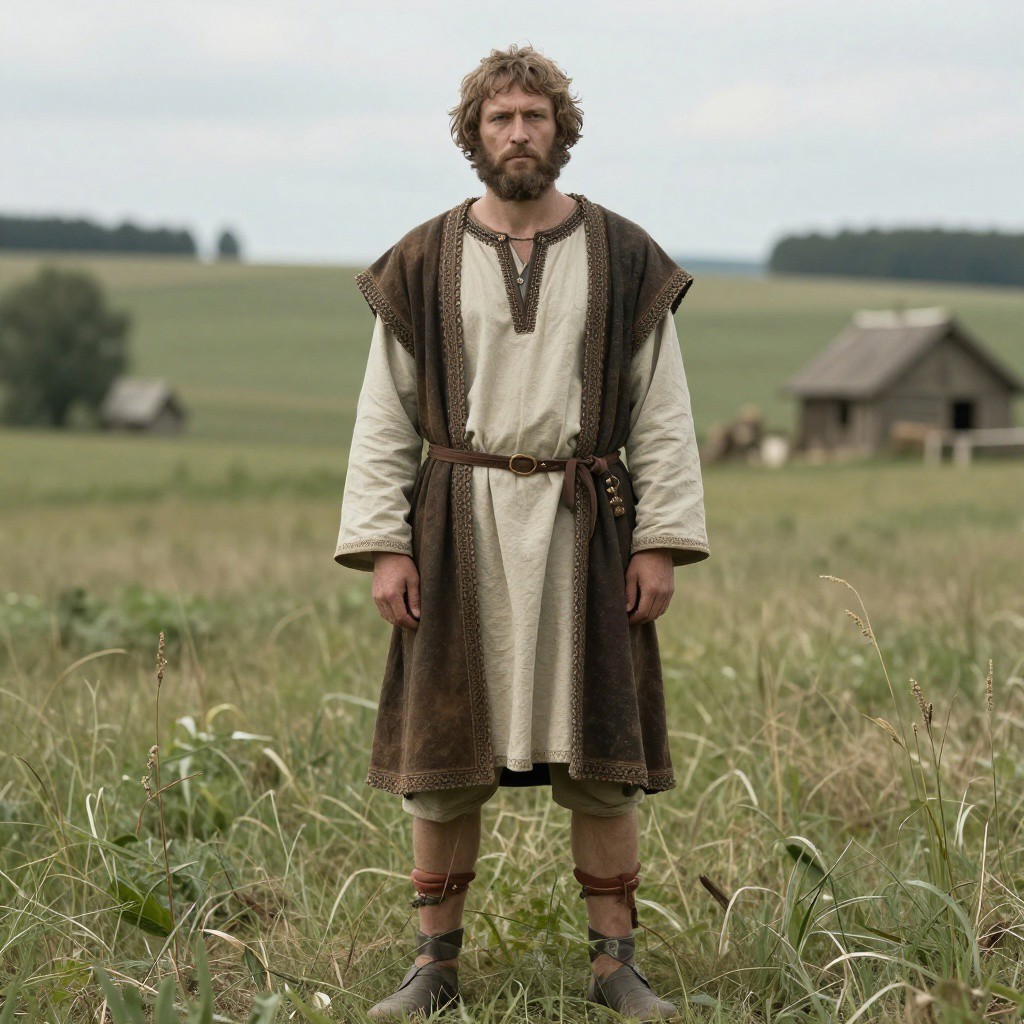
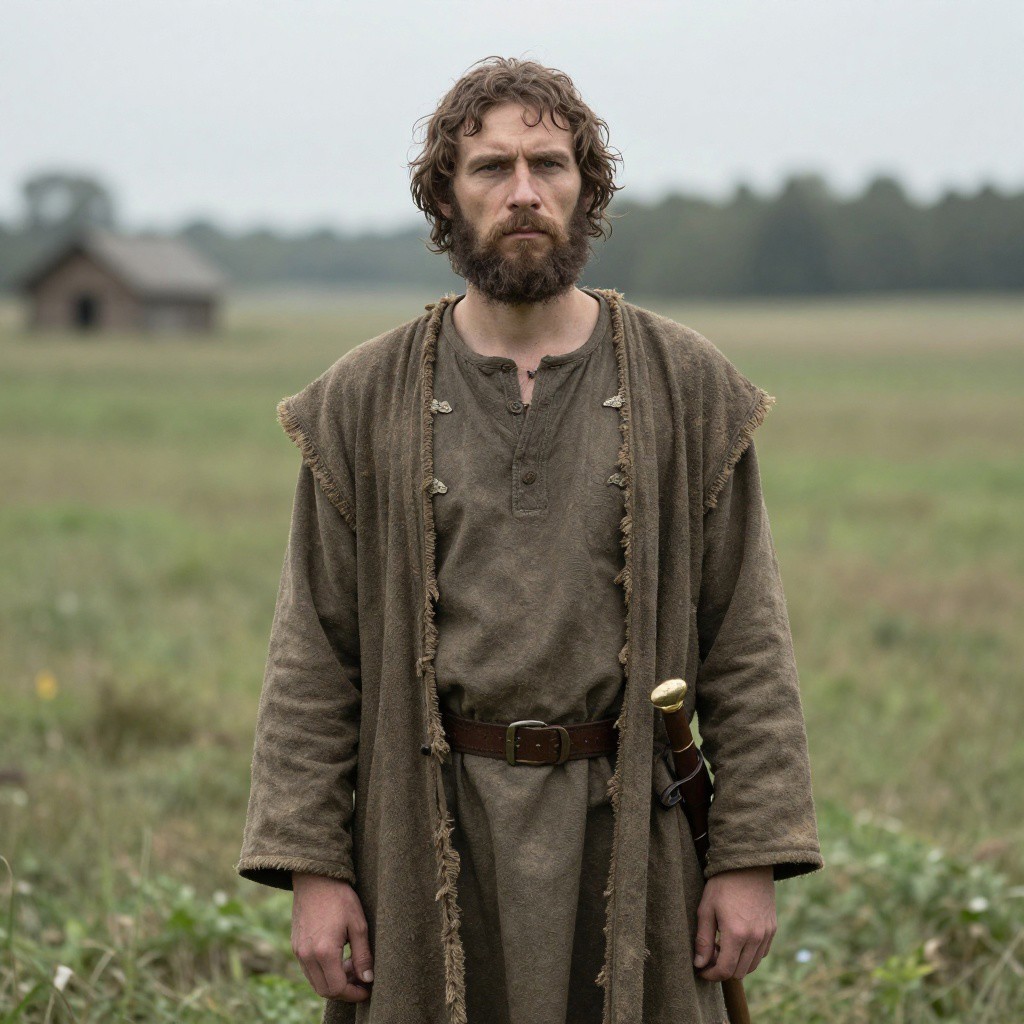
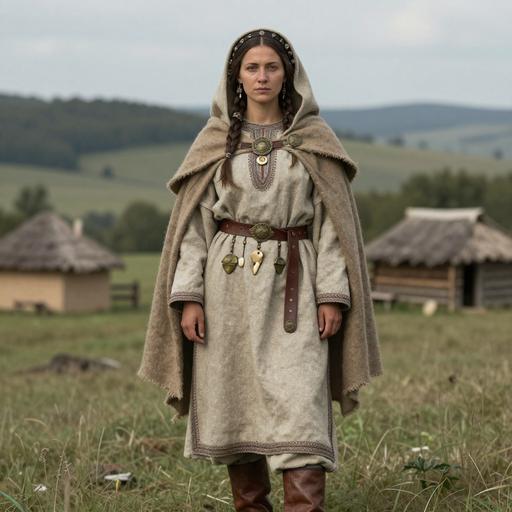
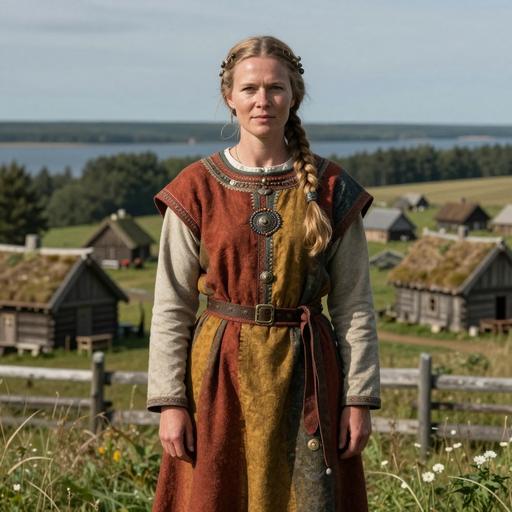
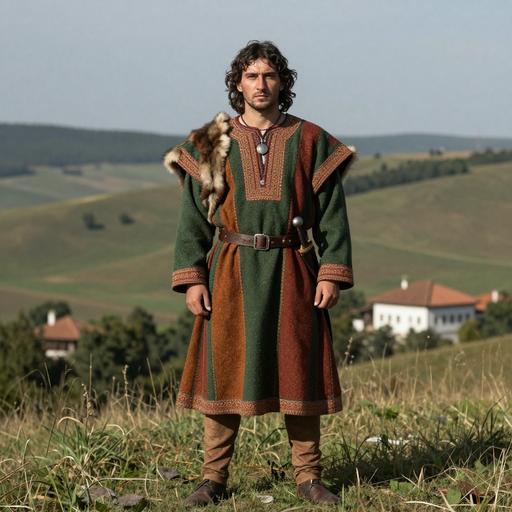
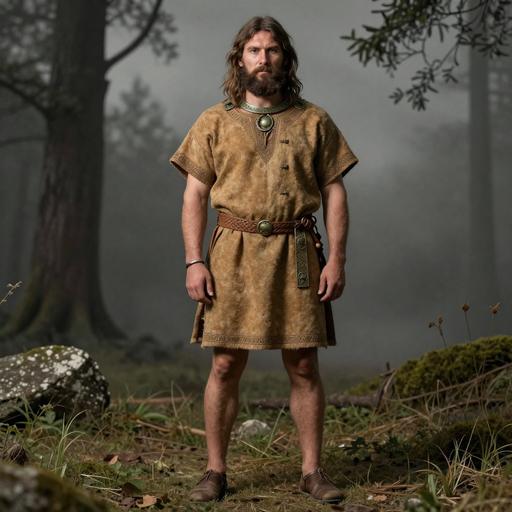
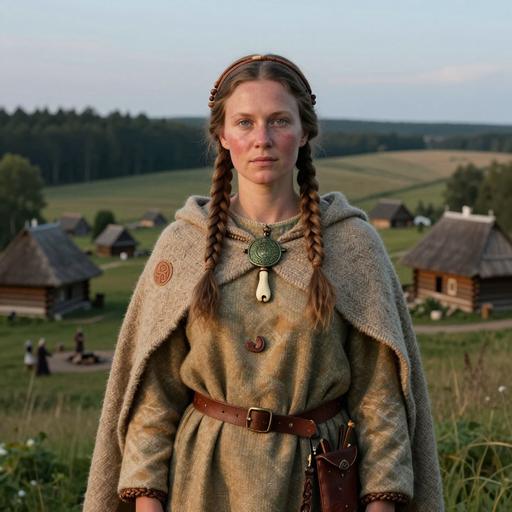
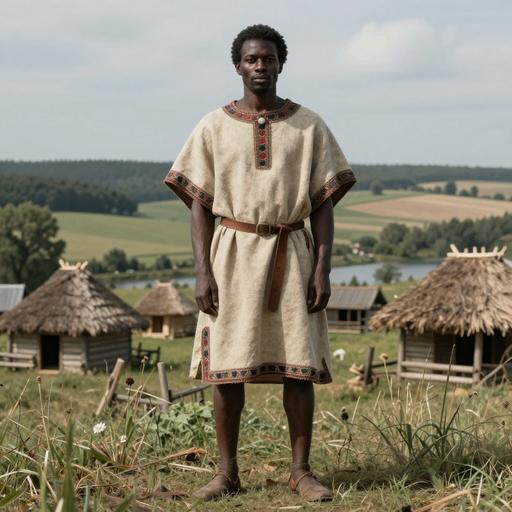
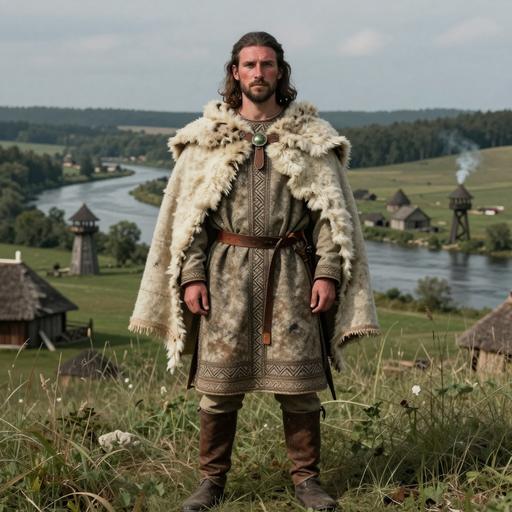
Les portraits sont des illustrations générées par IA. Les libellés d'échantillon et identifiants d'accès désignent les enregistrements de référence.
Portrait
Échantillon
Pays
Époque
Date
Culture
mtDNA
Correspondance
Identifiant d'échantillon : I26629
United Kingdom
ChannelIslands LIA LaTene
170 BCE - 90 BCE
La Tene
U5a1b1
Direct
Identifiant d'échantillon : I3866
Spain
Visigothic Period Barcelona, Spain
600-700 CE
Visigothic Culture
U5a1b1
Direct
Identifiant d'échantillon : CSPF-37
Hungary
Hungary MiddleAvar
600-700 CE
Avar Culture
U5a1b1
Direct
Identifiant d'échantillon : I11722
Slovakia
The Vekerzug Culture in Slovakia
650-500 BCE
Vekerzug Culture
U5a1b1
Direct
Identifiant d'échantillon : VK94
Denmark
Denmark Viking
800 CE - 1100 CE
Viking Denmark
U5a1b1
Direct
Identifiant d'échantillon : VK94
Denmark
The Viking Age
800 CE - 1100 CE
U5a1b1
Direct
Identifiant d'échantillon : SWG001
Germany
Saxon Late Medieval Schleswig, Germany
1100-1200 CE
Saxon Schleswig
U5a1b1
Direct
Identifiant d'échantillon : I16488
United Kingdom
Wales LBA
1201-1015 calBCE (2910±20 BP, PSUAMS-8441)
Welsh Bronze Age
U5a1b1
Direct
Identifiant d'échantillon : MJ-31
Ukraine
Cimmerian Culture, Ukraine
1284 BCE - 1055 BCE
Cimmerian
U5a1b1
Direct
Identifiant d'échantillon : MJ-31
Ukraine
The Cimmerians
1284 BCE - 1055 BCE
U5a1b1
Direct
Identifiant d'échantillon : b13-1
Russia
Srubnaya-Alakul Culture
1878-1692 calBCE
Srubnaya-Alakul
U5a1b1
Direct
Identifiant d'échantillon : RISE150
Poland
Poland EBA Unetice
1886 BCE - 1691 BCE
Unetice
U5a1b1
Direct
Identifiant d'échantillon : RISE150
Poland
The Unetice Culture
1886 BCE - 1691 BCE
U5a1b1
Direct
Identifiant d'échantillon : I23212
Serbia
The Maros Culture in Serbia
2100-1800 BCE
Maros
U5a1b1
Direct
Identifiant d'échantillon : PDA001
Czech Republic
Early Bronze Age Unetice Culture, Bohemia, Czech Republic
2140-1973 calBCE (3675±22 BP, MAMS-30755)
Unetice Culture
U5a1b1
Direct
Identifiant d'échantillon : I13468
Czech Republic
Early Bronze Age Unetice Culture, Czech Republic
2150-1850 BCE
Unetice Culture
U5a1b1
Direct
Identifiant d'échantillon : PDA004
Czech Republic
Early Bronze Age Unetice Culture, Bohemia, Czech Republic
2197-2035 calBCE (3717±20 BP, MAMS-30757)
Unetice Culture
U5a1b1
Direct
Identifiant d'échantillon : PDA002
Czech Republic
Early Bronze Age Unetice Culture, Bohemia, Czech Republic
2199-2035 calBCE (3720±21 BP, MAMS-30756)
Unetice Culture
U5a1b1
Direct
Identifiant d'échantillon : LEU034
Germany
Early Bronze Age Unetice Culture, Germany
2200-2000 BCE
Unetice
U5a1b1
Direct
Identifiant d'échantillon : LEU009
Germany
Early Bronze Age Unetice Culture, Germany
2150-2000 BCE
Unetice
U5a1b1
Direct
Identifiant d'échantillon : KO7003
Czech Republic
Early Bronze Age Unetice Culture, Bohemia, Czech Republic
2284-2046 calBCE (3761±24 BP, MAMS-30793)
Unetice Culture
U5a1b1
Direct
Identifiant d'échantillon : PDA003
Czech Republic
Early Bronze Age Unetice Culture, Bohemia, Czech Republic
2286-2050 calBCE (3765±24 BP, MAMS-38479)
Unetice Culture
U5a1b1
Direct
Identifiant d'échantillon : EHU001
Spain
Spain C
2287-2044 cal BCE (3760±30 BP, Beta-492280)
Los Millares
U5a1b1
Direct
Identifiant d'échantillon : C2049
China
The Bronze Age Chemurcheck culture
2450-2100 BCE
Chemurcheck Culture
U5a1b1
Direct
Identifiant d'échantillon : I1546
Germany
Bell Beaker Culture, Germany
2500-2050 BCE
Bell Beaker
U5a1b1
Direct
Identifiant d'échantillon : I6476
Czech Republic
Bell Beaker Culture, Czech Republic
2500-1800 BCE
Bell Beaker
U5a1b1
Direct
Identifiant d'échantillon : I7847
Moldova
Moldova EBA Yamnaya
3017-2906 calBCE (4350±20 BP, PSUAMS-4406)
Moldova_EBA_Yamnaya
U5a1b1
Direct
Identifiant d'échantillon : I2363
Hungary
Hungary LateC EBA Yamnaya
3365-3095 calBCE (4520±40 BP, deb-6869)
Hungary_LateC_EBA_Yamnaya
U5a1b1
Direct
Identifiant d'échantillon : KD042
United Kingdom
Iron Age Orkney, Scotland
1-250 CE
Orcadian Iron Age
U5a1b1a
Sous-clade
Identifiant d'échantillon : WBK07
United Kingdom
England IA
40 calBCE - 120 calCE (1976±25 BP, UBA-45877)
British Iron Age
U5a1b1g
Sous-clade
Identifiant d'échantillon : I5365
United Kingdom
England LIA
103 calBCE - 107 calCE (2023±31 BP, SUERC-50796)
British Late Iron Age
U5a1b1e
Sous-clade
Identifiant d'échantillon : DA101
Kyrgyzstan
The Hun Period in Kyrgyzstan
212 CE - 351 CE
Hunnic Period
U5a1b1e
Sous-clade
Identifiant d'échantillon : DA101
Kyrgyzstan
The Huns
212 CE - 351 CE
U5a1b1e*
Sous-clade
Identifiant d'échantillon : I12775
United Kingdom
England MIA
361-177 calBCE (2200±20 BP, PSUAMS-8287)
Middle Iron Age British
U5a1b1e
Sous-clade
Identifiant d'échantillon : I16592
United Kingdom
England MIA
387-199 calBCE (2227±30 BP, SUERC-94989)
Middle Iron Age British
U5a1b1e
Sous-clade
Identifiant d'échantillon : I11147
United Kingdom
England MIA
392-204 calBCE (2248±30 BP, SUERC-94978)
Middle Iron Age British
U5a1b1e
Sous-clade
Identifiant d'échantillon : I13685
United Kingdom
England MIA
400-208 calBCE (2276±30 BP, SUERC-94980)
Middle Iron Age British
U5a1b1e
Sous-clade
Identifiant d'échantillon : RKF278
Hungary
Hungary Avar
550-850 CE
Avar
U5a1b1c1
Sous-clade
Identifiant d'échantillon : lau001
Sweden
Pre-Viking Gotland Culture
500-1050 CE
Early Gotland
U5a1b1h
Sous-clade
Identifiant d'échantillon : MGS053
Austria
Austria Avar
650-800 CE
Austria_Avar
U5a1b1c1
Sous-clade
Identifiant d'échantillon : MGS122
Austria
Austria Avar
650-800 CE
Austria_Avar
U5a1b1c
Sous-clade
Identifiant d'échantillon : KUP016
Hungary
Hungary LateAvar
700-850 CE
Avar Culture
U5a1b1c1
Sous-clade
Identifiant d'échantillon : VK294
Denmark
Denmark Viking
850 CE - 900 CE
Viking Denmark
U5a1b1h
Sous-clade
Identifiant d'échantillon : VK294
Denmark
The Viking Age
850 CE - 900 CE
U5a1b1h
Sous-clade
Identifiant d'échantillon : I2525
Bulgaria
Medieval Bulgaria
889-989 calCE (1120±20 BP, PSUAMS-2222)
Bulgarian Medieval
U5a1b1c
Sous-clade
Identifiant d'échantillon : PCA0191
Poland
Iron Age Lusatian culture of Poland
1000-1200 CE
Lusatian Culture
U5a1b1e
Sous-clade
Identifiant d'échantillon : PCA0313
Poland
Iron Age Płońsk Culture
1000-1200 CE
Płońsk Culture
U5a1b1e
Sous-clade
Identifiant d'échantillon : PCA0328
Poland
Iron Age Płońsk Culture
1000-1200 CE
Płońsk Culture
U5a1b1e
Sous-clade
Identifiant d'échantillon : PCA0334
Poland
Iron Age Ostrów Lednicki Culture
1000-1200 CE
Ostrów Lednicki Culture
U5a1b1e
Sous-clade
Identifiant d'échantillon : PCA0387
Poland
Iron Age Santok Culture
1000-1200 CE
Santok Culture
U5a1b1e
Sous-clade
Identifiant d'échantillon : I26629
The La Tene Culture in the Channel Islands - United Kingdom - Channel Islands. Alderney. Longis Common
United Kingdom ChannelIslands LIA LaTene 170 BCE - 90 BCE
U5a1b1Direct
Identifiant d'échantillon : I3866
Visigothic Period Barcelona, Spain - Spain - Barcelona. Roda de Ter. L'Esquerda
Spain Visigothic Period Barcelona, Spain 600-700 CE
U5a1b1Direct
Identifiant d'échantillon : CSPF-37
Middle Avar Period Hungary - Hungary - Bács-Kiskun County. Csólyospálos-Felsőpálos
Hungary Hungary MiddleAvar 600-700 CE
U5a1b1Direct
Identifiant d'échantillon : I11722
The Vekerzug Culture in Slovakia - Slovakia - Komárno. Chotín IA
Slovakia The Vekerzug Culture in Slovakia 650-500 BCE
U5a1b1Direct
Identifiant d'échantillon : VK94
Viking Age Denmark - Denmark - Sealand. Gl. Lejre
Denmark Denmark Viking 800 CE - 1100 CE
U5a1b1Direct
Identifiant d'échantillon : VK94
Denmark The Viking Age 800 CE - 1100 CE
U5a1b1Direct
Identifiant d'échantillon : SWG001
Saxon Late Medieval Schleswig, Germany - Germany - Schleswig-Holstein. Schleswig
Germany Saxon Late Medieval Schleswig, Germany 1100-1200 CE
U5a1b1Direct
Identifiant d'échantillon : I16488
Late Bronze Age Wales - United Kingdom - Wales. West Glamorgan. Gower Peninsula. Port Eynon. Culver Hole Cave
United Kingdom Wales LBA 1201-1015 calBCE (2910±20 BP, PSUAMS-8441)
U5a1b1Direct
Identifiant d'échantillon : MJ-31
Cimmerian Culture, Ukraine - Ukraine - Dykyi Sad hillfort. "Citadel". Room №7 in the "Citadel
Iron Age Lusatian culture of Poland - Poland - Ląd (Greater Poland Province, Słupca County, Lądek)
Poland Iron Age Lusatian culture of Poland 1000-1200 CE
U5a1b1eSous-clade
Identifiant d'échantillon : PCA0313
Iron Age Płońsk Culture - Poland - Płońsk (Masovian Province, Płońsk)
Poland Iron Age Płońsk Culture 1000-1200 CE
U5a1b1eSous-clade
Identifiant d'échantillon : PCA0328
Iron Age Płońsk Culture - Poland - Płońsk (Masovian Province, Płońsk)
Poland Iron Age Płońsk Culture 1000-1200 CE
U5a1b1eSous-clade
Identifiant d'échantillon : PCA0334
Iron Age Ostrów Lednicki Culture - Poland - Ostrów Lednicki (Greater Poland Province, Gniezno, Łubowo)
Poland Iron Age Ostrów Lednicki Culture 1000-1200 CE
U5a1b1eSous-clade
Identifiant d'échantillon : PCA0387
Iron Age Santok Culture - Poland - Santok (Lubusz Province, Gorzów Wielkopolski, Santok)
Poland Iron Age Santok Culture 1000-1200 CE
U5a1b1eSous-clade
LIGNÉE MATERNELLE · ADN ANTIQUE
Carte des preuves de lignées antiques
Suivez les clades parents jusqu'à cette branche et explorez où des porteurs antiques ont été identifiés.
Chargement des observations antiques…
La réduction des animations est activée. Utilisez la chronologie ou Tout afficher pour explorer à votre rythme.
Lire les observations sous forme de tableau
Observations antiques affichées par branche, période et date médiane
Branche
Période
Plage de dates
Échantillon
Identifiant d'échantillon
Emplacement
Haplogroupe
Relation
Les marqueurs indiquent des lieux de découvertes archéologiques. Un trait pointillé représente une transition géographique proposée et incertaine entre branches consécutives, appuyée sur plusieurs observations datées ; ce n'est pas un itinéraire exact, un lieu de naissance ni une preuve de descendance directe. Des échantillons de clades parents peuvent appartenir à d'autres branches descendantes. Des lacunes subsistent lorsque les preuves sont insuffisantes. Les dates d'échantillon diffèrent des dates de formation des haplogroupes.
Le regroupement par période historique reflète quand chaque individu antique a vécu, en combinant toutes les branches de cette chaîne de lignée ; ce n'est pas une séquence migratoire ni une chronologie personnelle entre périodes.
Profil de référence
Carte de répartition des porteurs
Répartition géographique de 61 échantillons d'ADN ancien (porteurs directs et de sous-clade de U5A1B1)
Porteur direct Porteur de sous-clade
Filtre de période
Toutes les périodes
Affichage de tous les échantillons
Profil de référence
Répartition temporelle
Répartition des porteurs selon les périodes archéologiques
Profil de référence
Répartition géographique
Effectifs par pays d'échantillon consigné. Ils reflètent la sélection de référence disponible, pas des fréquences de population.
Profil de référence
Répartition pays × époque
Comparez les effectifs d'échantillons consignés selon les pays et les périodes archéologiques. Sélectionnez une cellule renseignée pour examiner un échantillon.
Données
Données et provenance
Informations sur les sources et qualité des données
Dernière mise à jour2026-02-16
Score de confiance50/100
CouvertureLow
Source des données
La classification, les dates estimées et le contexte géographique reflètent les données de référence consignées et peuvent évoluer lorsque les éléments sont révisés. La couverture d'échantillons est inégale ; les lieux consignés et les associations archéologiques n'établissent pas une origine personnelle ni une identité culturelle.