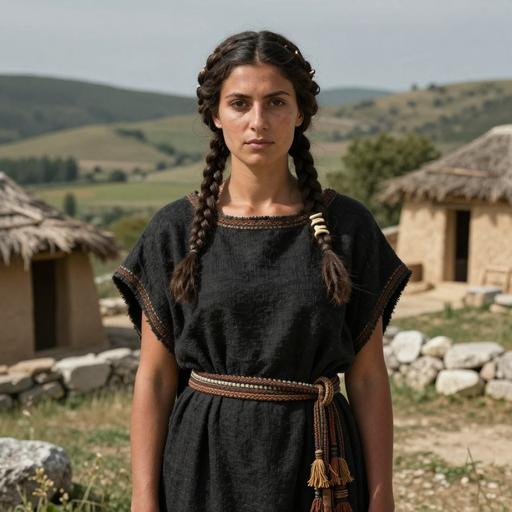
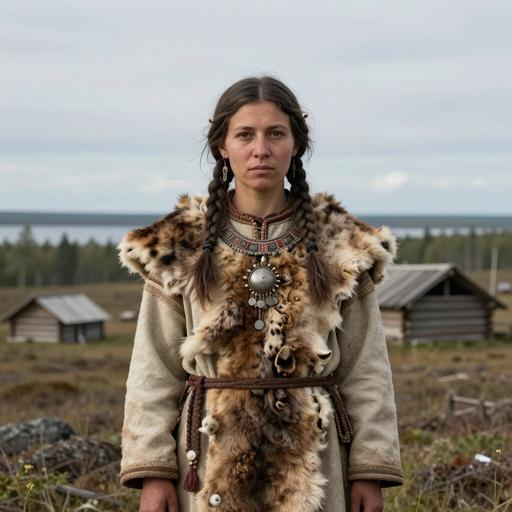
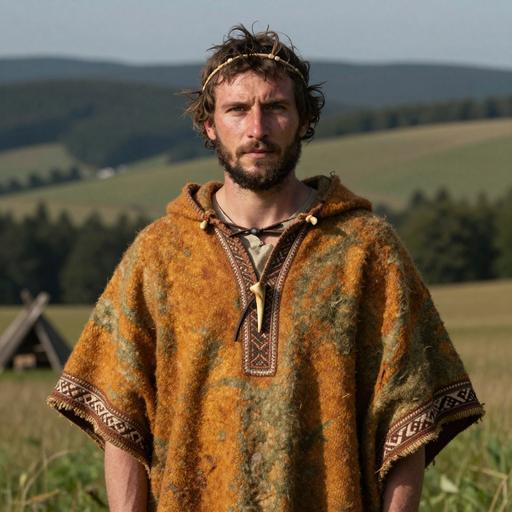
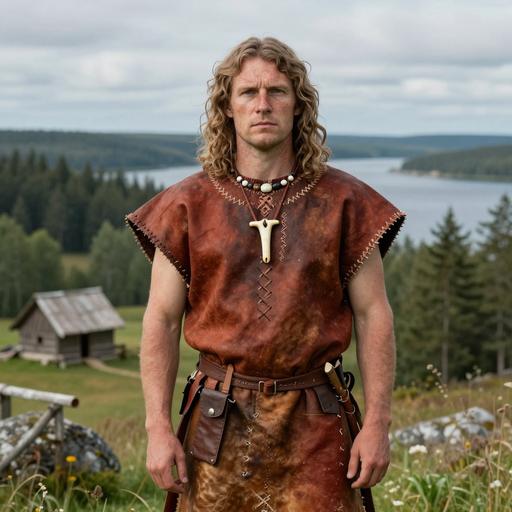
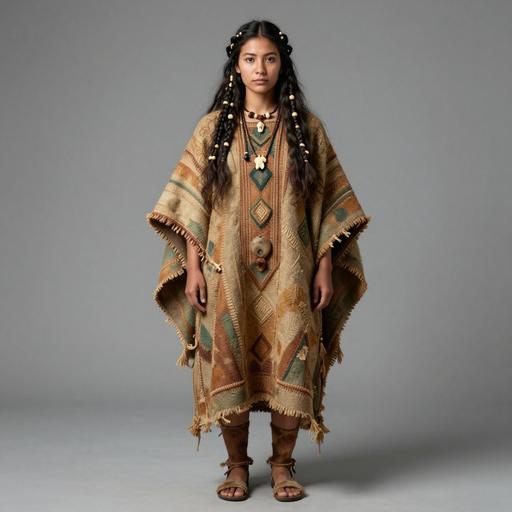
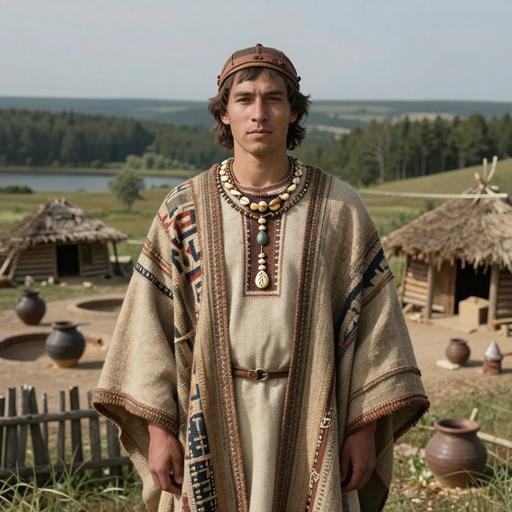
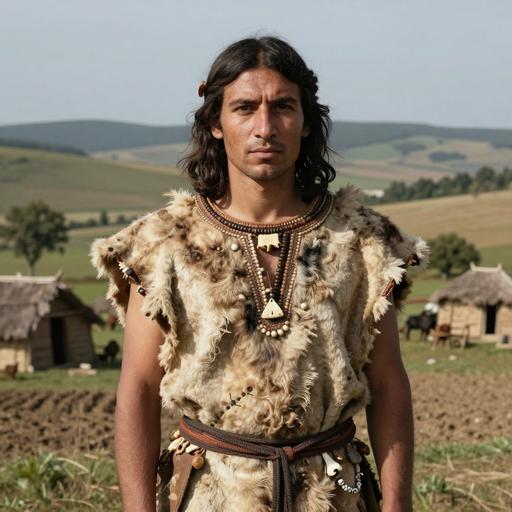
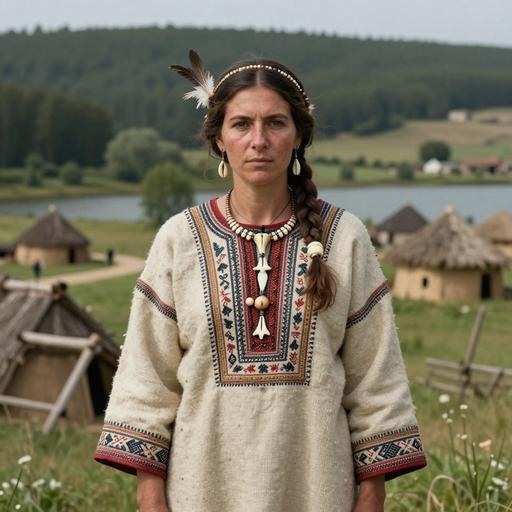
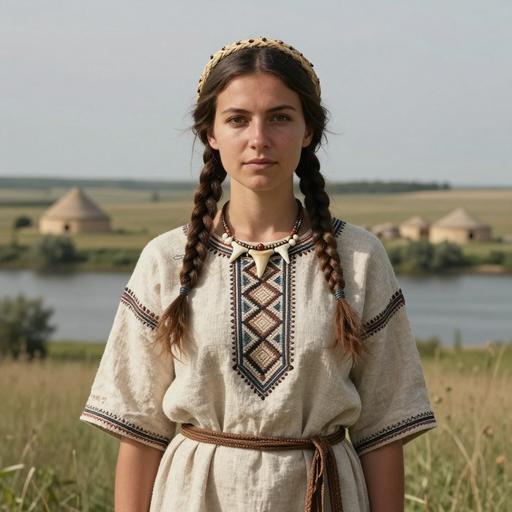
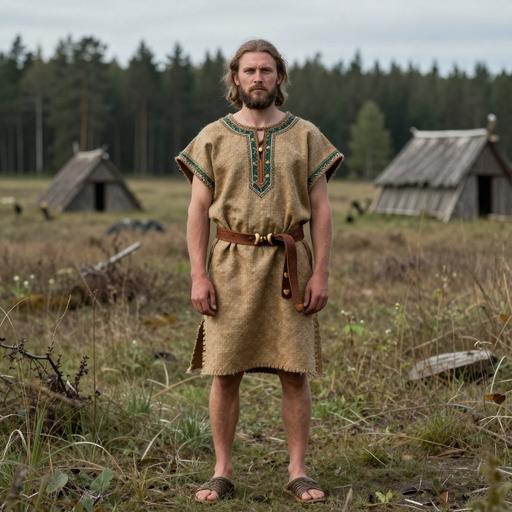
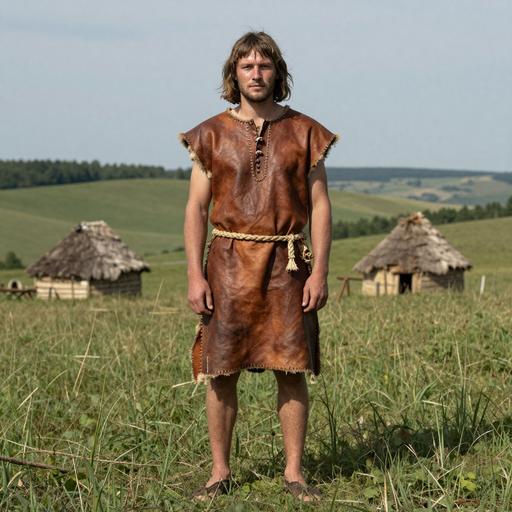
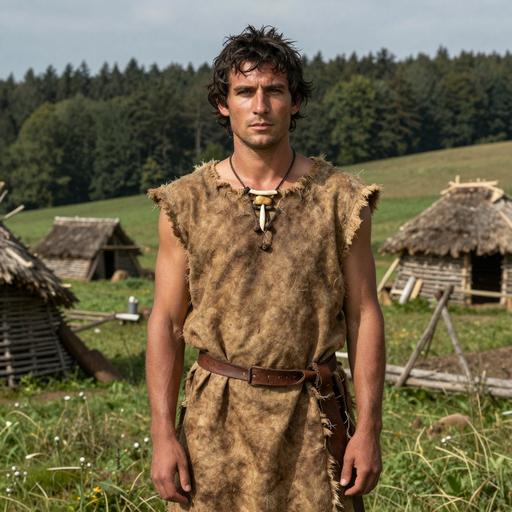
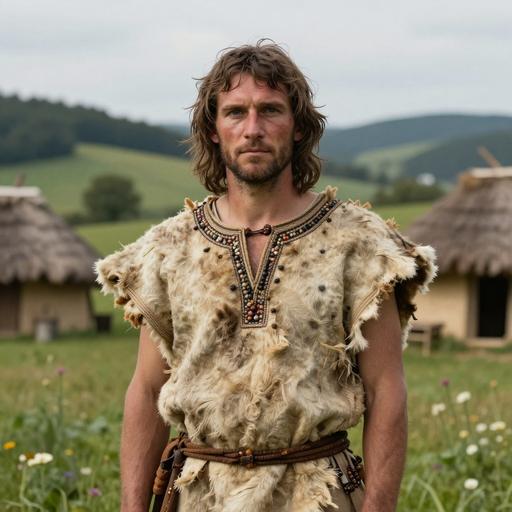
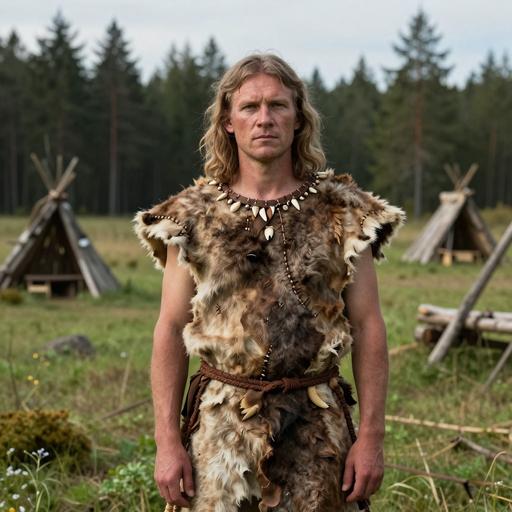
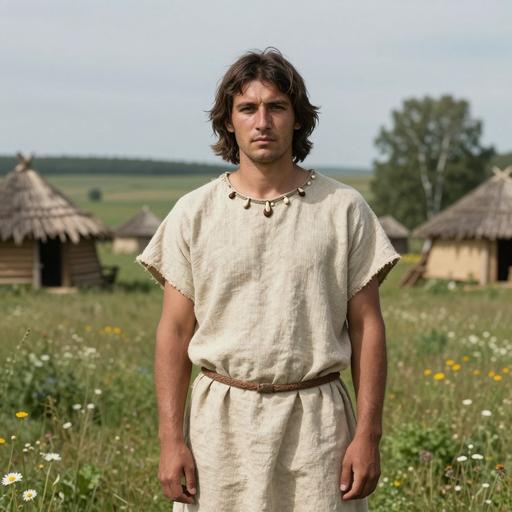
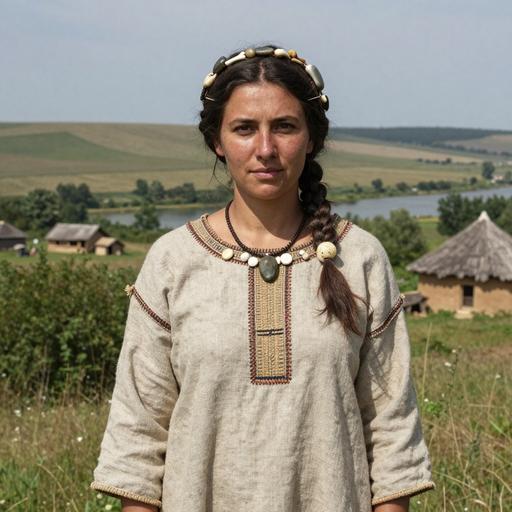
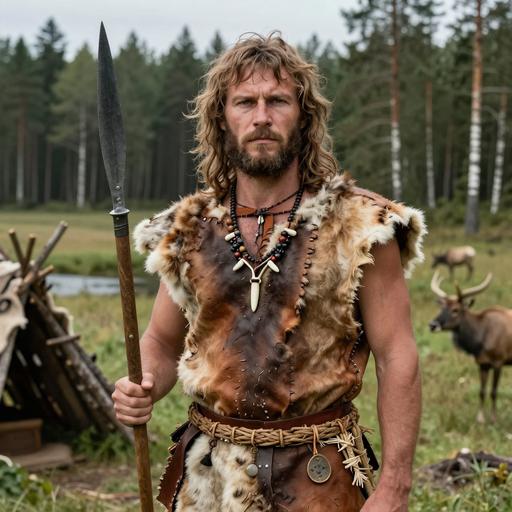
Profil de référence pour une branche de lignée. Des haplogroupes partagés n'établissent pas de lien familial ni d'identité culturelle.
Profil de référence
Contexte de la branche
Contexte historique de la branche de lignée mtDNA U5A2D
Origins and Evolution
U5A2D is a subclade of mtDNA haplogroup U5A2, itself a branch of the deep European lineage U5a. Haplogroup U5a and its subclades are closely associated with post-Last Glacial Maximum re-expansion of human populations within Europe. U5A2D, as a derived branch of U5A2, most likely formed in Northern or Northeastern Europe during the later Mesolithic to early Neolithic timeframe (roughly ~7 kya, though confidence intervals allow a few thousand years either direction). The timing and phylogenetic position indicate it stemmed from hunter-gatherer maternal pools that persisted in high latitudes after the ice sheets retreated.
Genetic studies of modern populations and ancient mitochondrial genomes show a pattern in which U5-derived lineages are common in Mesolithic contexts and remain at elevated frequency in some modern northern populations. U5A2D appears in multiple ancient DNA datasets and in modern samples from northern Europe, consistent with continuity from late-glacial and Mesolithic maternal lineages.
Subclades
As a defined downstream clade of U5A2, U5A2D may itself host additional micro-subclades identified by private mutations in complete mitochondrial genomes. The resolution and naming of these microclades depends on full mitogenome sequencing and continued sampling of both modern and ancient individuals. In phylogenetic terms, U5A2 is the immediate parent clade; broader related branches include other U5a and U5b sublineages that share the deeper U5 ancestry.
Geographical Distribution
U5A2D shows a northern and northeastern European concentration in both modern and ancient samples. It is most frequently observed among populations in Scandinavia, Finland, and the Baltic region, and is found at elevated frequency among Saami groups relative to more southerly European populations. Lower but detectable frequencies occur in eastern and central Europe and in isolated instances in the Caucasus and areas of historical contact to the east. The presence of U5A2D in Mesolithic and later archaeological contexts across northern Europe supports a long-term regional continuity.
Historical and Cultural Significance
Because U5 lineages are tied to Paleolithic and Mesolithic hunter-gatherer groups in Europe, U5A2D is informative for tracing maternal continuity of pre-farming populations in high-latitude Europe. Its persistence into later archaeological periods and presence among groups traditionally described as descended from long-term northern inhabitants (for example, the Saami and other Fennoscandian populations) make it useful for studies of population continuity, migration, and admixture. Ancient DNA occurrences (dozens of identified samples in multiple databases) indicate U5A2D was present in archaeological remains from Mesolithic/Neolithic contexts and persisted through subsequent cultural transitions at varying frequencies.
Conclusion
U5A2D represents a regional, Europe-centered maternal lineage that likely arose after the Last Glacial Maximum from the broader U5a pool and persisted chiefly in northern and northeastern Europe. Its distribution and age make it a marker of Mesolithic-derived maternal ancestry in northern Europe and a valuable lineage for reconstructing regional continuity and the maternal contributions to modern populations such as the Saami and other northern Europeans. Ongoing mitogenome sequencing and ancient DNA sampling will refine the internal branching, timing, and finer-scale geographic patterns of U5A2D.
Points clés
Origins and Evolution
Subclades
Geographical Distribution
Historical and Cultural Significance
Conclusion
Profil de référence
Arbre et relations
Contexte phylogénétique et sous-clades
Voie évolutive
Suivez les branches parentes consignées jusqu'à U5A2D. Les dates sont des estimations et peuvent évoluer lorsque les données de référence sont révisées.
Western and Central Europeans at lower to moderate frequencies
Populations in the Caucasus at low frequencies
Isolated occurrences in Central Asia and North Africa (low frequency)
Ancient European hunter-gatherer populations (Mesolithic archaeological contexts)
Contexte historique
Une branche dans le temps
Formation estimée sur une chronologie historique large. Les repères de période servent de contexte et n'impliquent pas de lien avec des cultures particulières.
Il y a ~10k ans
Révolution néolithique
Début de l'agriculture et émergence de communautés sédentaires
Il y a ~7k ans
Haplogroupe U5A2D
Formation estimée de cette branche mtDNA ; les dates et les lieux sont des estimations de référence.
Cette branche
Il y a ~5k ans
Âge du bronze
Travail des métaux, écriture et premières civilisations
Il y a ~3k ans
Âge du fer
Outils en fer, réseaux d'échanges élargis
Il y a ~2.5k ans
Antiquité classique
Floraison des civilisations grecque et romaine
Aujourd'hui
Aujourd'hui
Époque moderne
Profil de référence
Contexte archéologique
Associations archéologiques consignées pour la branche mtDNA U5A2D
Associations consignées
Ces libellés décrivent des contextes archéologiques consignés pour des échantillons de référence liés à U5A2D. Une association n'établit pas que tous les porteurs appartenaient à une culture ni qu'ils ont suivi une route migratoire précise.
Alföld Linear PotteryDnieper-MariupolIron Gates CultureKundaLithuanian MesolithicMotala CultureRussia_Ivanovo_LN_LyalovoVeretyeYasinovatkaYuzhny Oleny Ostrov
Les attributions culturelles reposent sur le contexte archéologique des échantillons d'ADN ancien et peuvent refléter des associations régionales à certaines périodes.
Profil de référence
Catalogue d'échantillons
37 porteurs directs et 10 porteurs de sous-clade de l'haplogroupe U5A2D
10 affiché(s) · 47 échantillons correspondants
Aucun échantillon ne correspond à ces filtres. Essayez un autre libellé, lieu ou période.
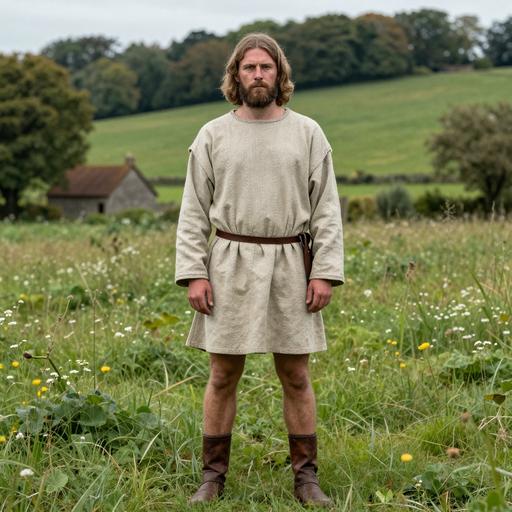
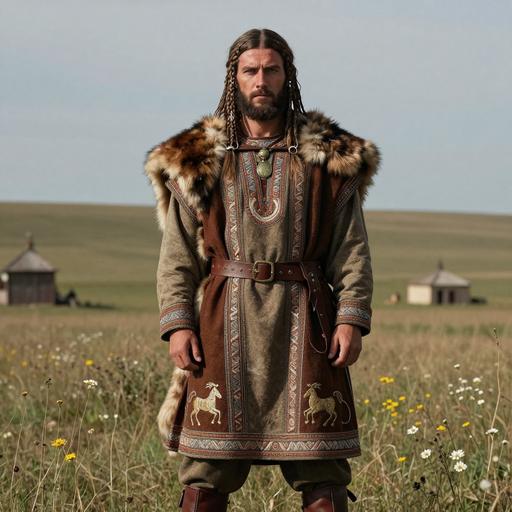
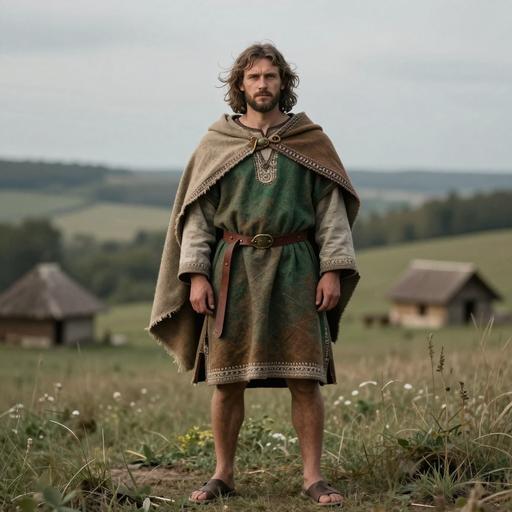
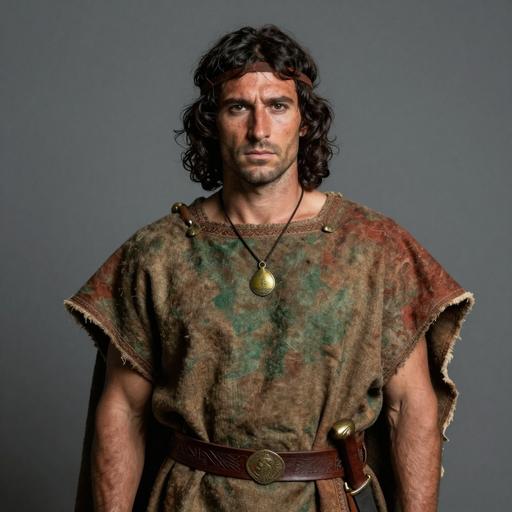
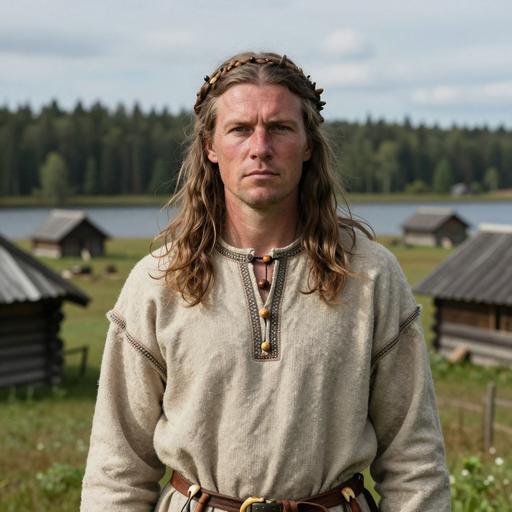
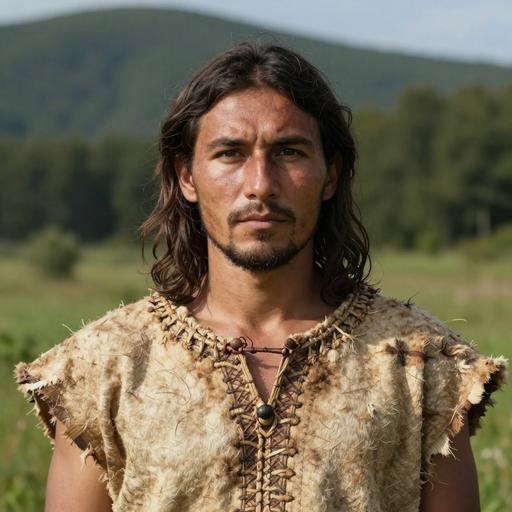
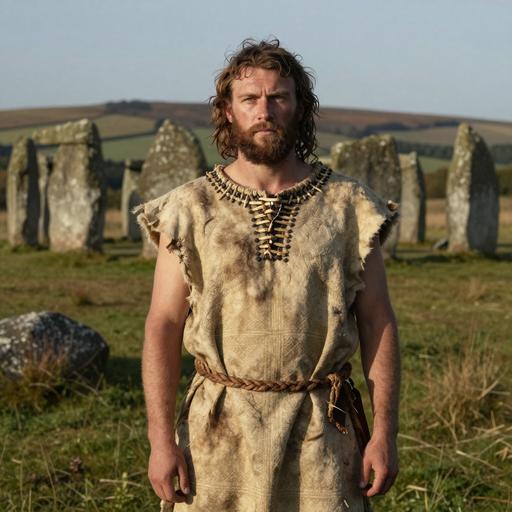
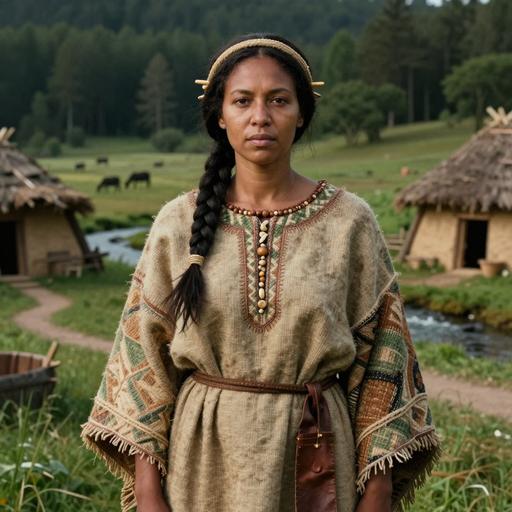
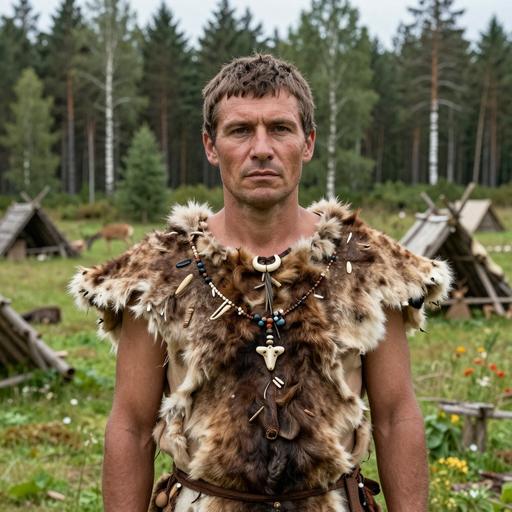
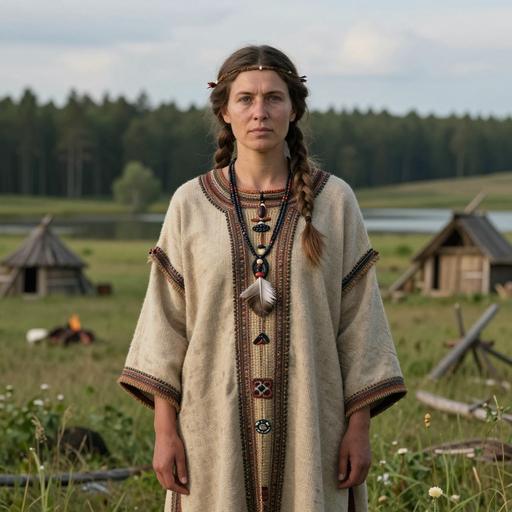
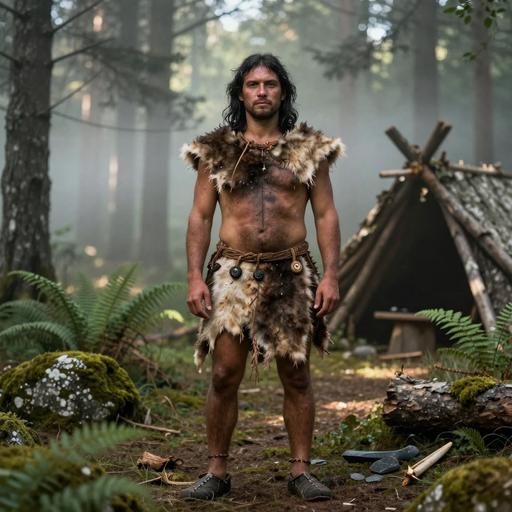
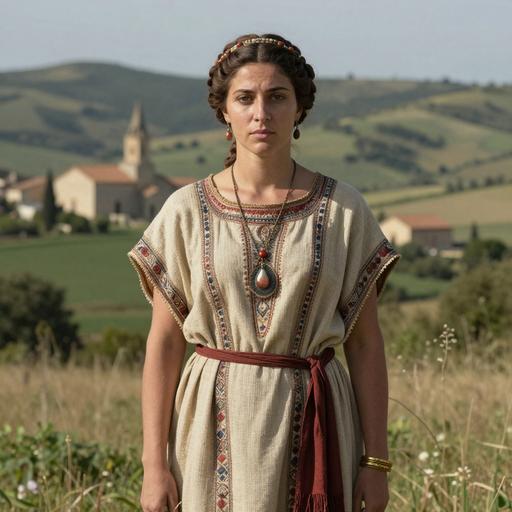
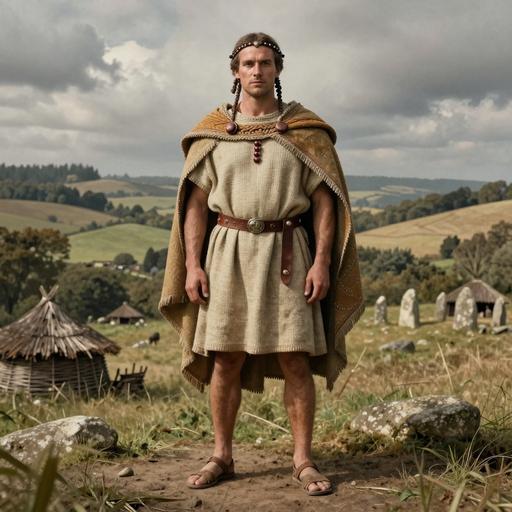
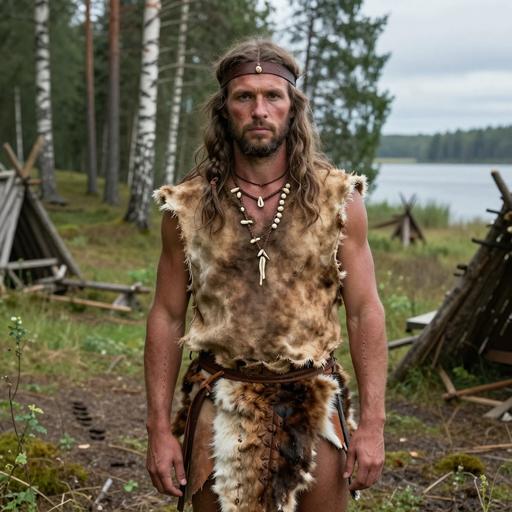
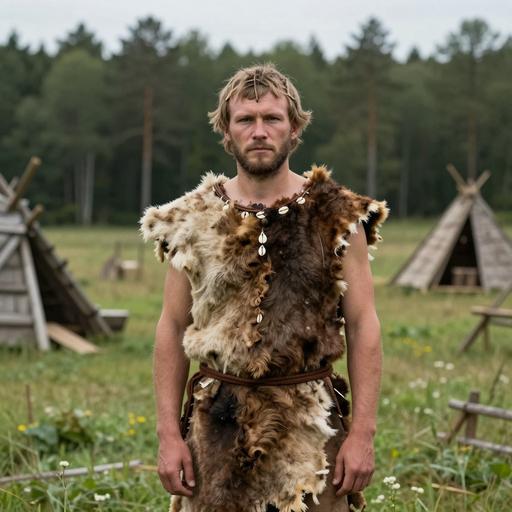
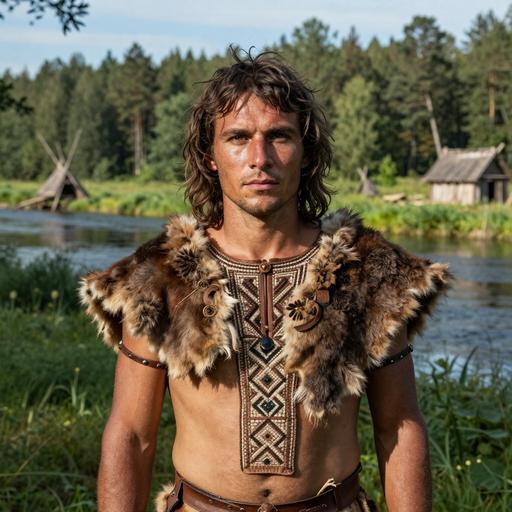
Les portraits sont des illustrations générées par IA. Les libellés d'échantillon et identifiants d'accès désignent les enregistrements de référence.
Portrait
Échantillon
Pays
Époque
Date
Culture
mtDNA
Correspondance
Identifiant d'échantillon : I20600
United Kingdom
England EarlyMedieval Saxon
450-650 CE
Anglo-Saxon
U5a2d
Direct
Identifiant d'échantillon : NEO518
Ukraine
Scythian Culture
542-392 calBCE (2378±29 BP, UBA-40052)
Scythian Culture
U5a2d
Direct
Identifiant d'échantillon : PCA0399
Poland
Iron Age Santok Culture
1000-1200 CE
Santok Culture
U5a2d
Direct
Identifiant d'échantillon : I13169
Montenegro
Montenegro MLBA
1407-1271 calBCE (3070±20 BP, PSUAMS-7923)
Montenegrin Bronze Age
U5a2d
Direct
Identifiant d'échantillon : I13777
Montenegro
Montenegro MLBA
1450-1250 BCE
Montenegrin Bronze Age
U5a2d
Direct
Identifiant d'échantillon : I13776
Montenegro
Montenegro MLBA
1450-1250 BCE
Montenegrin Bronze Age
U5a2d
Direct
Identifiant d'échantillon : NEO61
Russia
Bolshoy Oleniy Ostrov Culture
1738-1541 calBCE (3358±28 BP, UBA-39938)
Bolshoy Oleniy
U5a2d
Direct
Identifiant d'échantillon : VPR001
Czech Republic
Neolithic Rivnac Culture, Bohemia, Czech Republic
2899-2697 calBCE (4213±25 BP, MAMS-41373)
Rivnac Culture
U5a2d
Direct
Identifiant d'échantillon : ROS026
Sweden
Sweden Rossberga N
2904-2632 calBCE (4205±45 BP; UBA-36309)
Rossberga Culture
U5a2d
Direct
Identifiant d'échantillon : FRA107
Sweden
Northern Swedish Frälsegården
3262-2930 calBCE (4420±15 BP; UCIAMS-278071)
Frälsegården
U5a2d
Direct
Identifiant d'échantillon : NEO197
Russia
Volosovo culture
3651-3527 calBCE (4827±34 BP, UBA-40007)
Volosovo Culture
U5a2d
Direct
Identifiant d'échantillon : I30301
United Kingdom
Megalithic Neolithic England
3750-3500 BCE
British Megalithic
U5a2d
Direct
Identifiant d'échantillon : NEO179
Russia
Volosovo culture
3772 BCE - 3640 BCE
Volosovo Culture
U5a2d
Direct
Identifiant d'échantillon : NEO184
Russia
Lyalovo culture
3946 BCE - 3659 BCE
Lyalovo Culture
U5a2d
Direct
Identifiant d'échantillon : NEO189
Russia
Volosovo culture
4046 BCE - 3809 BCE
Volosovo Culture
U5a2d
Direct
Identifiant d'échantillon : NEO195
Russia
Volosovo culture
4048 BCE - 3770 BCE
Volosovo Culture
U5a2d
Direct
Identifiant d'échantillon : I7127
Romania
Romania C Bodrogkeresztur
4224-3976 calBCE (5240±25 BP, PSUAMS-4226)
Bodrogkeresztur
U5a2d
Direct
Identifiant d'échantillon : SRA62
Ireland
Ireland Mesolithic
4226-3961 calBCE (5227±36 BP, UB-15772)
Irish Mesolithic
U5a2d
Direct
Identifiant d'échantillon : I7129
Romania
Romania C Bodrogkeresztur
4240-4049 calBCE (5310±25 BP, PSUAMS-4228)
Bodrogkeresztur
U5a2d
Direct
Identifiant d'échantillon : ukr123
Ukraine
Ukraine Eneolithic SeredniiStih
4342-4171 calBCE (5910±30 BP, Beta-448538)
Serednii Stih
U5a2d
Direct
Identifiant d'échantillon : Kivisaare3
Estonia
Estonia EMN Narva
4776-4542 calBCE (5796±37 BP, UBA-25993)
Narva Culture
U5a2d
Direct
Identifiant d'échantillon : ukr111
Ukraine
Ukraine N
4834-4621 calBCE (6370±30 BP, Beta-445790)
Ukrainian Neolithic
U5a2d
Direct
Identifiant d'échantillon : XN173
Germany
Early Neolithic Linear Pottery Culture, Germany
5210-5007 calBCE (6155±31 BP, MAMS-25933)
Linear Pottery Culture
U5a2d
Direct
Identifiant d'échantillon : I25334
Austria
Austria N LBK
5300-5000 BCE
Linear Pottery Culture
U5a2d
Direct
Identifiant d'échantillon : I27789
Austria
Austria N LBK
5300 BCE - 5000 BCE
Linear Pottery Culture
U5a2d
Direct
Identifiant d'échantillon : Latvia_HG3
Latvia
Latvian Mesolithic Culture
5304 BCE - 4848 BCE
Latvian Mesolithic
U5a2d
Direct
Identifiant d'échantillon : ukr158
Ukraine
Neolithic Yasinovatka Culture
5314-5076 calBCE (6760±30 BP, Beta-445799)
Yasinovatka
U5a2d
Direct
Identifiant d'échantillon : NEO503
Ukraine
Dnieper-Mariupol Culture
5473-5217 calBCE (6359±50 BP, UBA-40045)
Dnieper-Mariupol
U5a2d
Direct
Identifiant d'échantillon : I18658
Hungary
Hungary MN AVK
5500-4800 BCE
Alföld Linear Pottery
U5a2d
Direct
Identifiant d'échantillon : I21763
Hungary
Hungary MN AVK
5500-4750 BCE
Alföld Linear Pottery
U5a2d
Direct
Identifiant d'échantillon : NEO304
Ukraine
Dnieper-Mariupol Culture
5613-5477 calBCE (6568±32 BP, UBA-40030)
Dnieper-Mariupol
U5a2d
Direct
Identifiant d'échantillon : I0014
Sweden
Hunter-Gatherer Motala, Sweden
5885-5624 calBCE (6842±68 BP, Ua-42118)
Motala Culture
U5a2d
Direct
Identifiant d'échantillon : I0015
Sweden
Hunter-Gatherer Motala, Sweden
5967-5627 calBCE (6863±75 BP, Ua-42120)
Motala Culture
U5a2d
Direct
Identifiant d'échantillon : UOO049
Russia
Yuzhny Oleny Ostrov Culture
6078-5926 calBCE (7163±38 BP, OxA-35619)
Yuzhny Oleny Ostrov
U5a2d
Direct
Identifiant d'échantillon : NEO307
Latvia
Kunda Culture
6336-6062 calBCE (7313±49 BP, UBA-40033)
Kunda
U5a2d
Direct
Identifiant d'échantillon : NEO554
Russia
Veretye culture
6421-6241 calBCE (7472±42 BP, UBA-40069)
Veretye
U5a2d
Direct
Identifiant d'échantillon : DON005
Lithuania
Lithuania Mesolithic
6464 BCE - 6390 BCE
Lithuanian Mesolithic
U5a2d
Direct
Identifiant d'échantillon : VEN021
Italy
Basilicata Venosa Culture
600-800 CE
Venosa
U5a2d1
Sous-clade
Identifiant d'échantillon : ARS003
Mongolia
Late Bronze Age Khovsgol 6, Mongolia
1423-1127 calBCE (3044±50 BP, A-)
Khovsgol Culture
U5a2d1
Sous-clade
Identifiant d'échantillon : I4950
United Kingdom
England BellBeaker
2800-1800 BCE
Bell Beaker
U5a2d1
Sous-clade
Identifiant d'échantillon : I2611
United Kingdom
England N
3092-2905 calBCE (4370±35 BP, Poz-83500)
British Neolithic
U5a2d1
Sous-clade
Identifiant d'échantillon : I4628
Latvia
Hunter-Gatherer Latvia
5304 BCE - 4848 BCE
Baltic Hunter-Gatherer
U5a2d4
Sous-clade
Identifiant d'échantillon : I4628
Latvia
Ancient Hunter-Gatherers of the Baltic
5304 BCE - 4848 BCE
U5a2d4
Sous-clade
Identifiant d'échantillon : I4628
Latvia
Ancient Hunter-Gatherers of the Baltic
5304 BCE - 4848 BCE
U5a2d4
Sous-clade
Identifiant d'échantillon : Donkalnis7
Lithuania
Lithuania EMN Narva
5374-4939 calBCE (6220±90 BP, Poz-61576)
Narva Culture
U5a2d1
Sous-clade
Identifiant d'échantillon : I4434
Latvia
Hunter-Gatherer Latvia
5611-5382 calBCE (6530±35 BP, PSUAMS-2231)
Baltic Hunter-Gatherer
U5a2d3
Sous-clade
Identifiant d'échantillon : I4596
Latvia
Hunter-Gatherer Latvia
6069 BCE - 5984 BCE
Baltic Hunter-Gatherer
U5a2d3
Sous-clade
Identifiant d'échantillon : I20600
Early Medieval Saxon England - United Kingdom - West Sussex. Chichester. Apple Down
United Kingdom England EarlyMedieval Saxon 450-650 CE
Suivez les clades parents jusqu'à cette branche et explorez où des porteurs antiques ont été identifiés.
Chargement des observations antiques…
La réduction des animations est activée. Utilisez la chronologie ou Tout afficher pour explorer à votre rythme.
Lire les observations sous forme de tableau
Observations antiques affichées par branche, période et date médiane
Branche
Période
Plage de dates
Échantillon
Identifiant d'échantillon
Emplacement
Haplogroupe
Relation
Les marqueurs indiquent des lieux de découvertes archéologiques. Un trait pointillé représente une transition géographique proposée et incertaine entre branches consécutives, appuyée sur plusieurs observations datées ; ce n'est pas un itinéraire exact, un lieu de naissance ni une preuve de descendance directe. Des échantillons de clades parents peuvent appartenir à d'autres branches descendantes. Des lacunes subsistent lorsque les preuves sont insuffisantes. Les dates d'échantillon diffèrent des dates de formation des haplogroupes.
Le regroupement par période historique reflète quand chaque individu antique a vécu, en combinant toutes les branches de cette chaîne de lignée ; ce n'est pas une séquence migratoire ni une chronologie personnelle entre périodes.
Profil de référence
Carte de répartition des porteurs
Répartition géographique de 47 échantillons d'ADN ancien (porteurs directs et de sous-clade de U5A2D)
Porteur direct Porteur de sous-clade
Filtre de période
Toutes les périodes
Affichage de tous les échantillons
Profil de référence
Répartition temporelle
Répartition des porteurs selon les périodes archéologiques
Profil de référence
Répartition géographique
Effectifs par pays d'échantillon consigné. Ils reflètent la sélection de référence disponible, pas des fréquences de population.
Profil de référence
Répartition pays × époque
Comparez les effectifs d'échantillons consignés selon les pays et les périodes archéologiques. Sélectionnez une cellule renseignée pour examiner un échantillon.
Données
Données et provenance
Informations sur les sources et qualité des données
Dernière mise à jour2026-02-16
Score de confiance50/100
CouvertureLow
Source des données
La classification, les dates estimées et le contexte géographique reflètent les données de référence consignées et peuvent évoluer lorsque les éléments sont révisés. La couverture d'échantillons est inégale ; les lieux consignés et les associations archéologiques n'établissent pas une origine personnelle ni une identité culturelle.