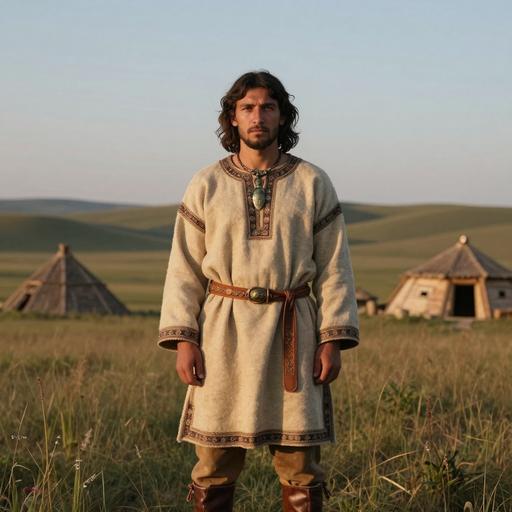
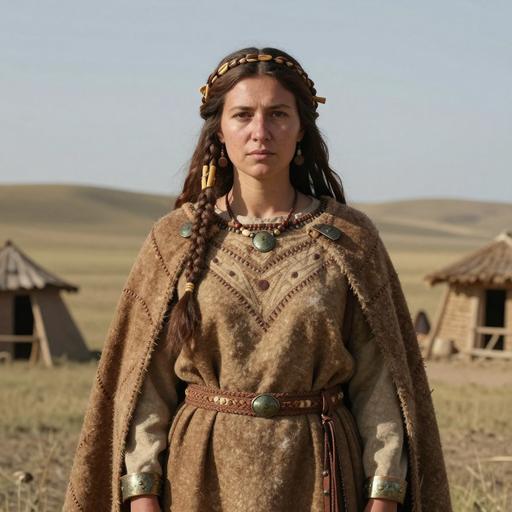
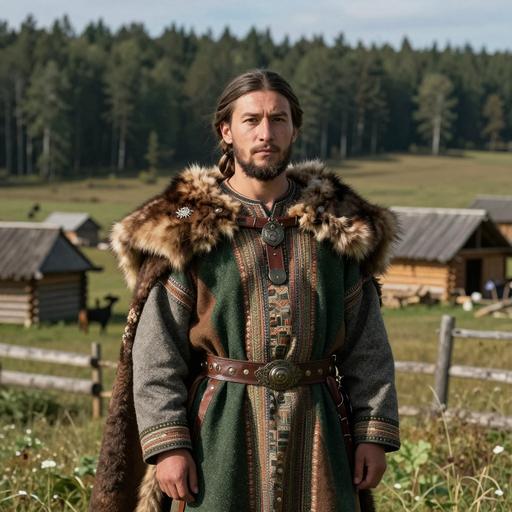
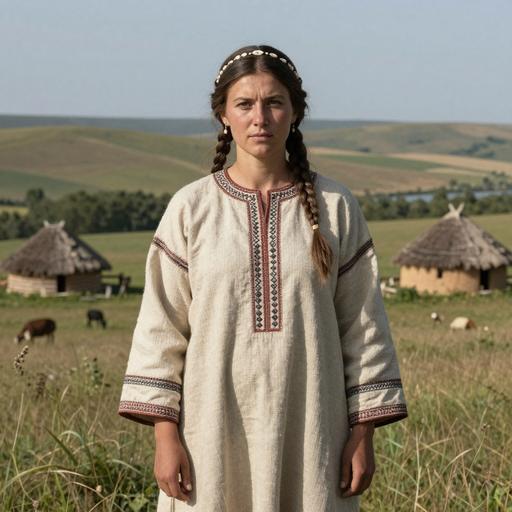
Profil de référence pour une branche de lignée. Des haplogroupes partagés n'établissent pas de lien familial ni d'identité culturelle.
Profil de référence
Contexte de la branche
Contexte historique de la branche de lignée mtDNA U5B2A1A
Origins and Evolution
mtDNA haplogroup U5B2A1A is a subclade of U5B2A1, itself part of the broader U5 family that is characteristic of Late Glacial and Mesolithic European maternal ancestry. As a downstream branch, U5B2A1A likely arose after the establishment of U5B2A1 in the post-glacial landscapes of Western and Northern Europe. Based on the parent clade age (~10.5 kya) and the phylogenetic depth of U5 substructure, a reasonable estimate places the origin of U5B2A1A in the early to mid-Holocene (roughly 7 kya), consistent with diversification that continued among hunter-gatherer groups and small, partly isolated populations.
Subclades
U5B2A1A itself is a fine-scale terminal clade (or near-terminal) within the U5B2A1 branch. Where dense mitogenome sampling exists, U5B2A1A may be subdivided further by private mutations in regional samples, but it is generally treated as a localized derived lineage of U5B2A1. Genetic studies that sequence full mitochondrial genomes are most informative for resolving additional sub-branches under U5B2A1A.
Geographical Distribution
U5B2A1A is primarily associated with Western and Northern Europe, with occurrences documented in Mesolithic and later ancient samples from Scandinavia and adjacent regions, and at low frequencies in modern populations across northern and parts of central Europe. The haplogroup appears sporadically in central and eastern European contexts and very rarely in peripheral regions such as North Africa and Anatolia, probably reflecting later mobility and gene flow rather than an original homeland outside Europe.
Ancient DNA research shows U5 lineages (including U5B sublineages) concentrated among Mesolithic hunter-gatherers and persisting into the Neolithic and later periods in some regions. The persistence of U5B2A1A in modern northern European groups is consistent with demographic continuity in areas where early farmer expansion had limited maternal turnover.
Historical and Cultural Significance
The presence of U5B2A1A ties it to Mesolithic hunter-gatherer maternal ancestry and to populations that inhabited post-glacial Europe. While U5 lineages are canonical markers of pre-Neolithic European maternal lineages, specific subclades like U5B2A1A can illuminate regional continuity (for example in Scandinavia and parts of Western Europe) and the survival of hunter-gatherer maternal lines into the Neolithic, Bronze Age, and historic periods.
In archaeological contexts, U5B2A1A or closely related U5B subclades have been found in hunter-gatherer assemblages and in later individuals from cultures that show admixture between local foragers and incoming farming or pastoralist groups. Thus, U5B2A1A serves as a marker for tracing maternal continuity and the complex demographic interactions (admixture, persistence, and replacement) that shaped European populations across the Holocene.
Conclusion
U5B2A1A is a geographically focused, downstream mtDNA lineage of the ancient U5 family, best understood as part of the maternal legacy of European Mesolithic hunter-gatherers. Its distribution and survival at low to moderate frequencies in modern northern and western European groups make it useful for studies of regional continuity, population structure, and the maternal impact of post-glacial demographic events. High-resolution mitogenome sampling and further ancient DNA discoveries will refine its internal structure and the timing of its spread.
Points clés
Origins and Evolution
Subclades
Geographical Distribution
Historical and Cultural Significance
Conclusion
Profil de référence
Arbre et relations
Contexte phylogénétique et sous-clades
Voie évolutive
Suivez les branches parentes consignées jusqu'à U5B2A1A. Les dates sont des estimations et peuvent évoluer lorsque les données de référence sont révisées.
The populations where mtDNA haplogroup U5B2A1A is found include:
Western European populations
Northern European populations (including Scandinavian groups and Saami)
Central European populations (sporadic/low frequency)
Eastern European populations (sporadic/low frequency)
Scandinavian hunter-gatherer and continuity-descended groups
Peripheral occurrences in North Africa and Anatolia (very low frequency, sporadic)
Contexte historique
Une branche dans le temps
Formation estimée sur une chronologie historique large. Les repères de période servent de contexte et n'impliquent pas de lien avec des cultures particulières.
Il y a ~10k ans
Révolution néolithique
Début de l'agriculture et émergence de communautés sédentaires
Il y a ~7k ans
Haplogroupe U5B2A1A
Formation estimée de cette branche mtDNA ; les dates et les lieux sont des estimations de référence.
Cette branche
Il y a ~5k ans
Âge du bronze
Travail des métaux, écriture et premières civilisations
Il y a ~3k ans
Âge du fer
Outils en fer, réseaux d'échanges élargis
Il y a ~2.5k ans
Antiquité classique
Floraison des civilisations grecque et romaine
Aujourd'hui
Aujourd'hui
Époque moderne
Profil de référence
Contexte archéologique
Associations archéologiques consignées pour la branche mtDNA U5B2A1A
Associations consignées
Ces libellés décrivent des contextes archéologiques consignés pour des échantillons de référence liés à U5B2A1A. Une association n'établit pas que tous les porteurs appartenaient à une culture ni qu'ils ont suivi une route migratoire précise.
Les attributions culturelles reposent sur le contexte archéologique des échantillons d'ADN ancien et peuvent refléter des associations régionales à certaines périodes.
Profil de référence
Catalogue d'échantillons
19 porteurs directs et 31 porteurs de sous-clade de l'haplogroupe U5B2A1A
10 affiché(s) · 50 échantillons correspondants
Aucun échantillon ne correspond à ces filtres. Essayez un autre libellé, lieu ou période.
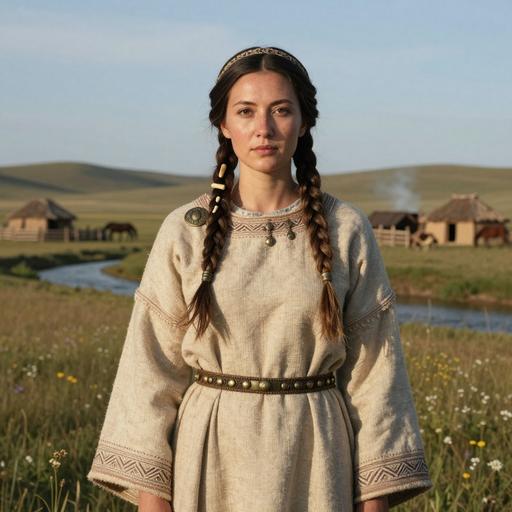
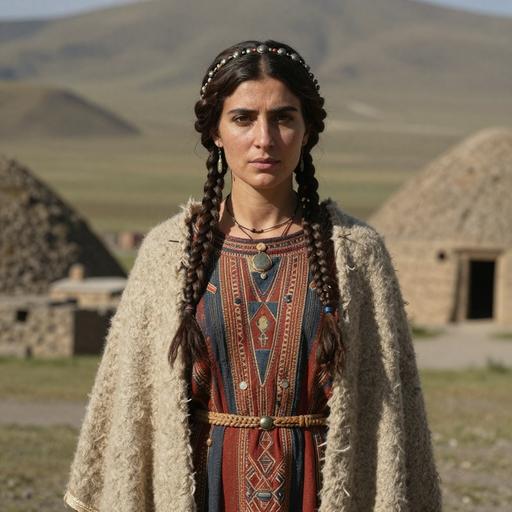
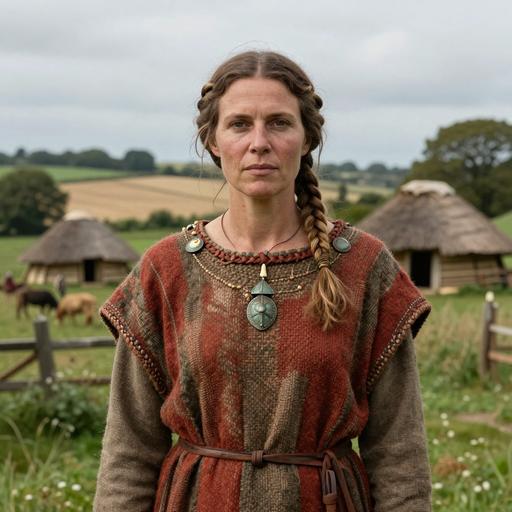
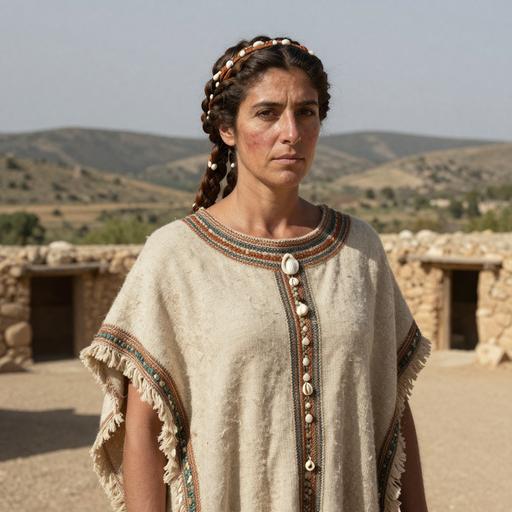
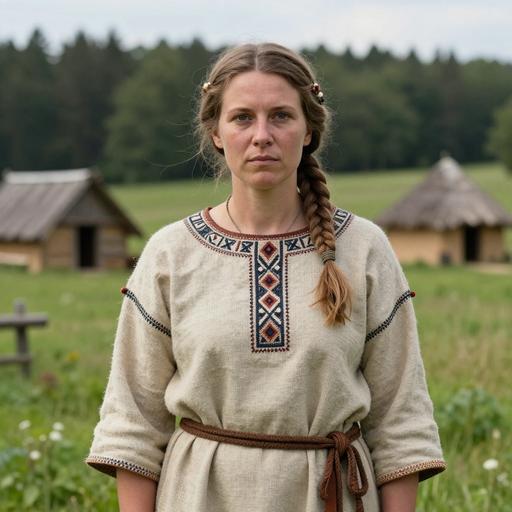
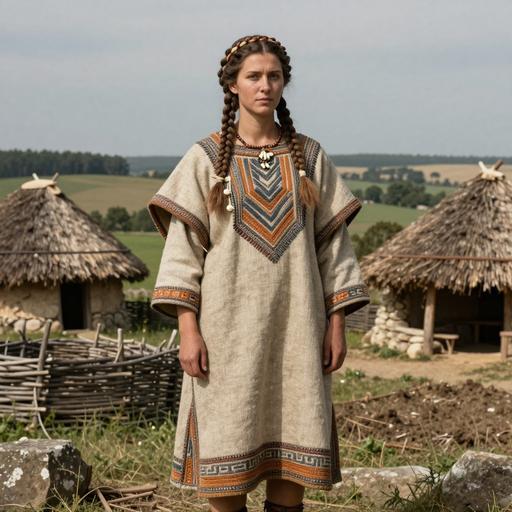
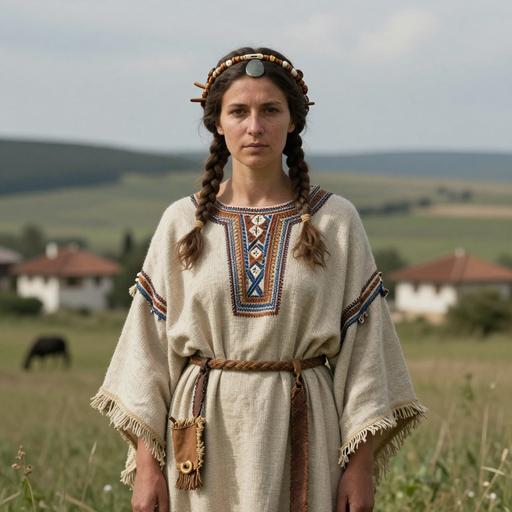
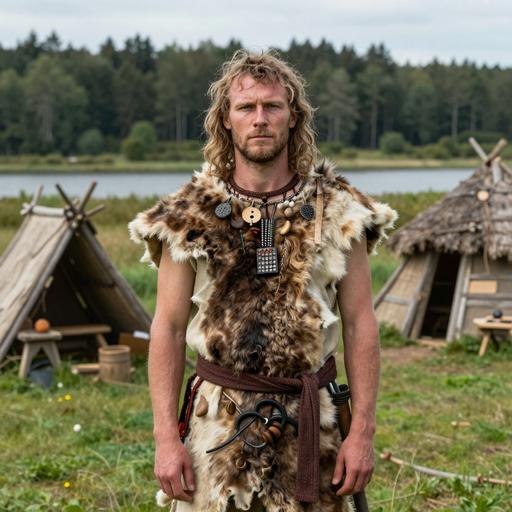
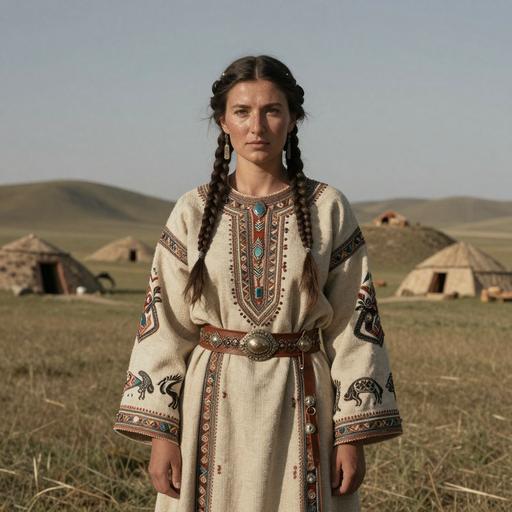
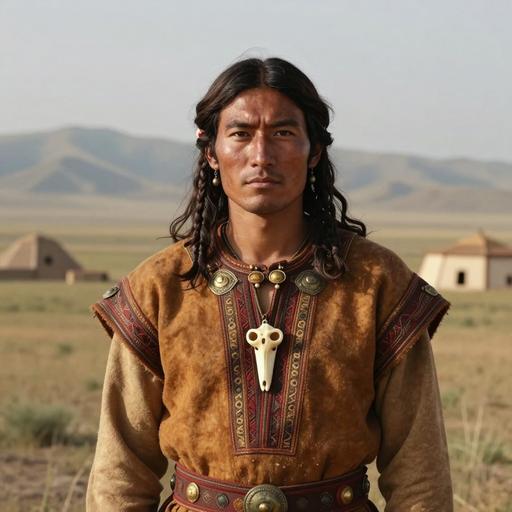
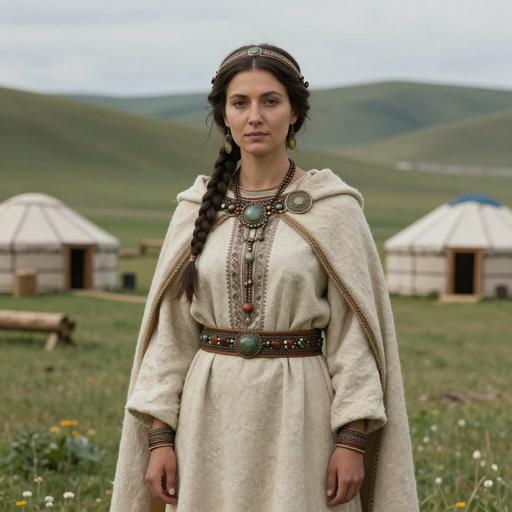
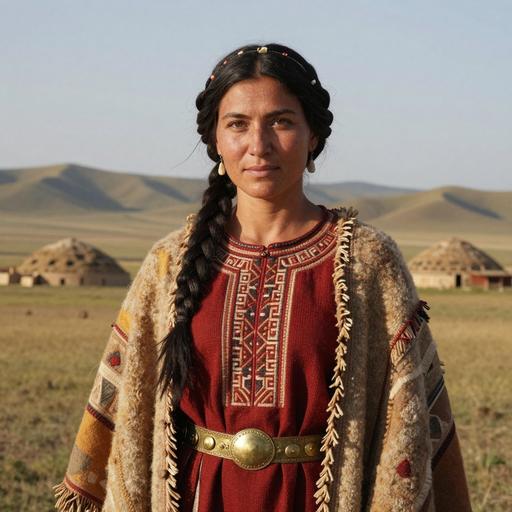
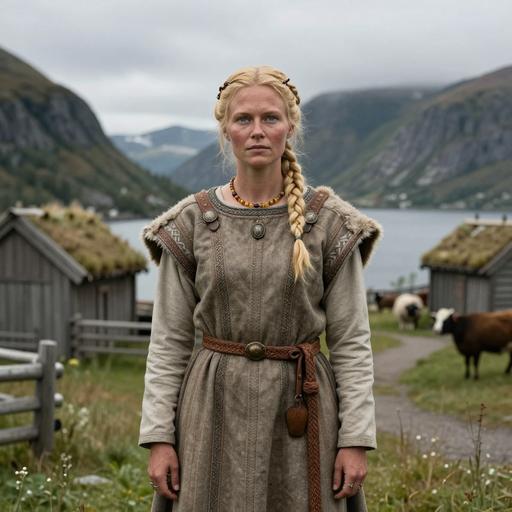
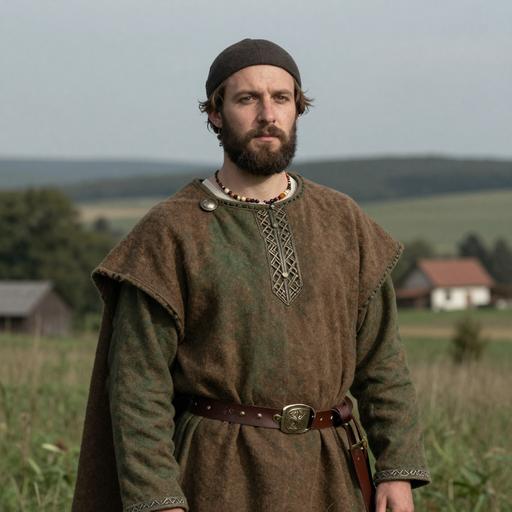
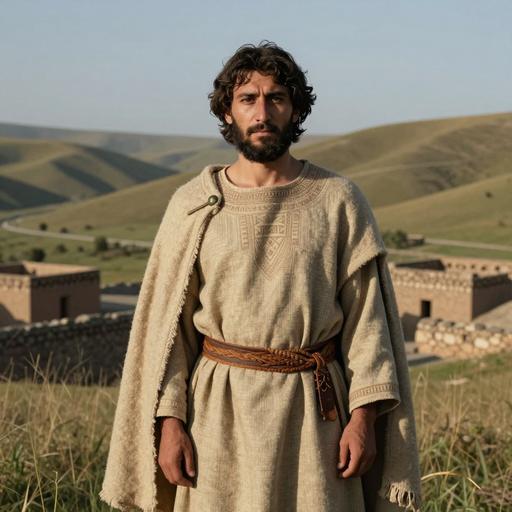
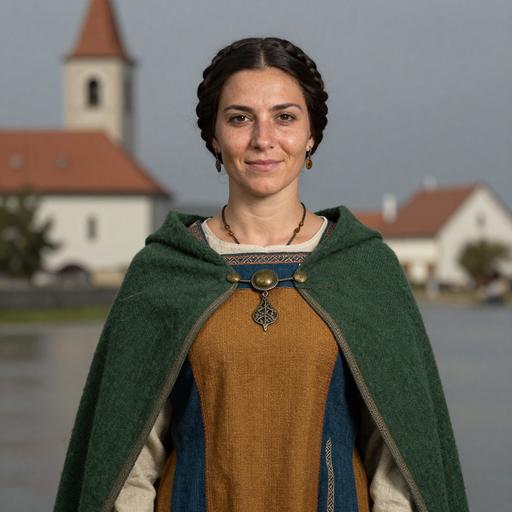
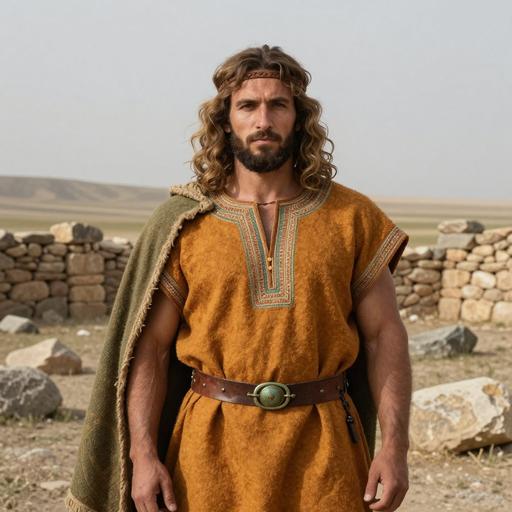
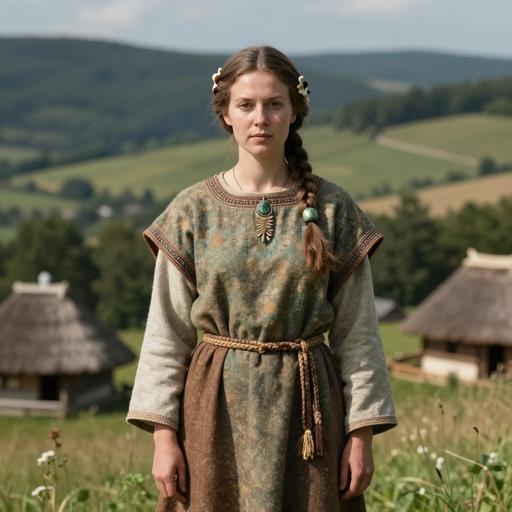
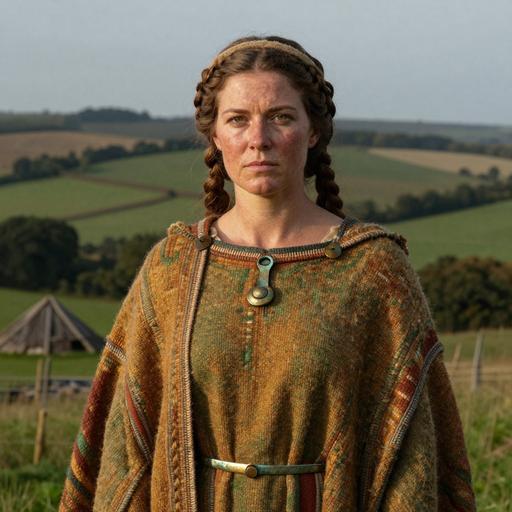
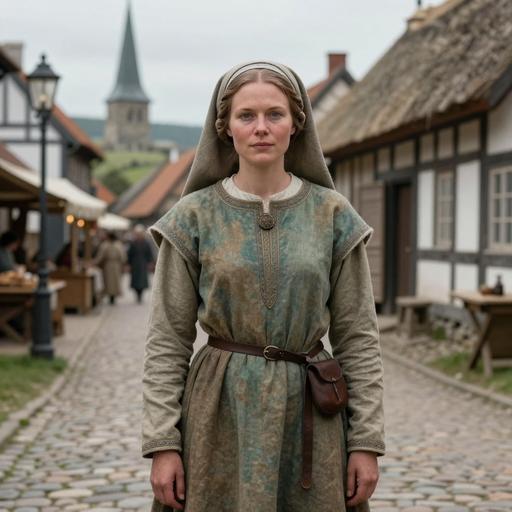
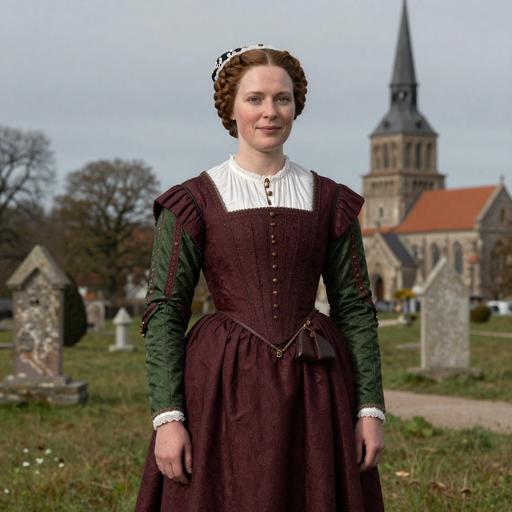
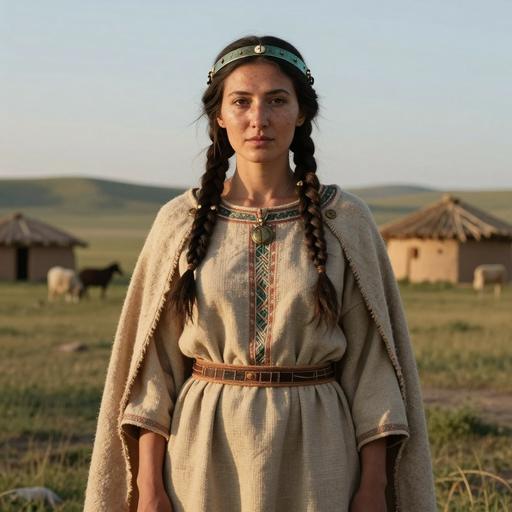
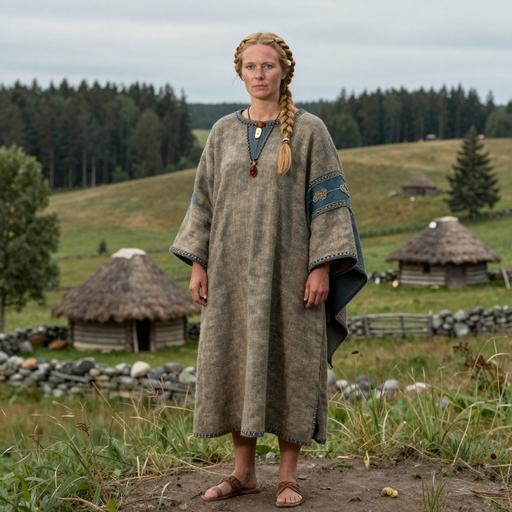
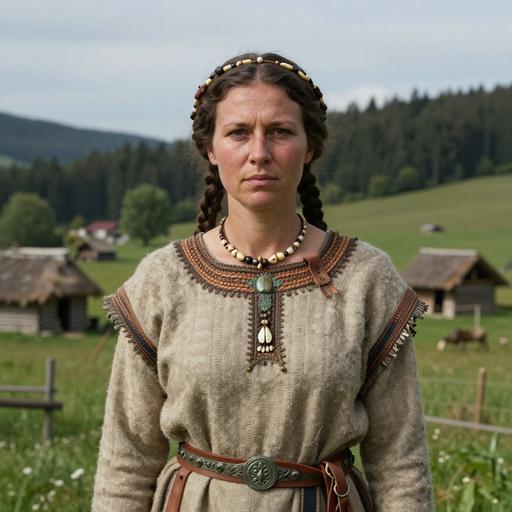
Les portraits sont des illustrations générées par IA. Les libellés d'échantillon et identifiants d'accès désignent les enregistrements de référence.
Portrait
Échantillon
Pays
Époque
Date
Culture
mtDNA
Correspondance
Identifiant d'échantillon : R137
Italy
Late Antiquity Italy
300-500 CE
Late Roman
U5b2a1a
Direct
Identifiant d'échantillon : RKC001
Hungary
Hungary Avar
550-850 CE
Avar
U5b2a1a+16311
Direct
Identifiant d'échantillon : I19352
Armenia
Late Bronze Age Armenia
1400-900 BCE
Late Bronze Age Armenian
U5b2a1a
Direct
Identifiant d'échantillon : I7579
United Kingdom
England MBA
1499-1299 calBCE (3135±35 BP, SUERC-25532)
British Middle Bronze Age
U5b2a1a
Direct
Identifiant d'échantillon : I1723
Russia
North Caucasus Culture, Russia
2877 BCE - 2626 BCE
North Caucasus Culture
U5b2a1a
Direct
Identifiant d'échantillon : I1723
Russia
The Yamnaya Culture
2877 BCE - 2626 BCE
U5b2a1a
Direct
Identifiant d'échantillon : I0456
Spain
Spain C
3000-2100 BCE
Los Millares
U5b2a1a
Direct
Identifiant d'échantillon : N42
Poland
Poland BKG
4233 BCE - 3980 BCE
Brześć Kujawski Culture
U5b2a1a
Direct
Identifiant d'échantillon : N42
Poland
Neolithic Poland
4233 BCE - 3980 BCE
U5b2a1a
Direct
Identifiant d'échantillon : poz120
Poland
Late Lengyel Culture from Krusza Zamkowa
4333-4057 calBCE (5375±35 BP, Poz-69312)
Lengyel Culture
U5b2a1a
Direct
Identifiant d'échantillon : I2519
Bulgaria
Bulgaria C
4341-4245 calBCE (5425±25 BP, PSUAMS-1813)
Bulgarian Chalcolithic
U5b2a1a
Direct
Identifiant d'échantillon : NEO569
Denmark
Ertebølle culture
4544-4348 calBCE (5611±53 BP, UBA-35704)
Ertebølle
U5b2a1a
Direct
Identifiant d'échantillon : NEO679
Sweden
Late Mesolithic Ertebølle Culture of Sweden
5198-4715 calBCE (5990±70 BP, Lu-2116)
Ertebølle
U5b2a1a
Direct
Identifiant d'échantillon : I3716
Ukraine
Ukraine N
5473 BCE - 5320 BCE
Ukrainian Neolithic
U5b2a1a
Direct
Identifiant d'échantillon : I3716
Ukraine
Ukraine N
5473 BCE - 5320 BCE
Ukrainian Neolithic
U5b2a1a
Direct
Identifiant d'échantillon : I6133
Ukraine
Ukraine N
6500 BCE - 4000 BCE
Ukrainian Neolithic
U5b2a1a
Direct
Identifiant d'échantillon : I6133
Ukraine
Ukraine N
6500 BCE - 4000 BCE
Ukrainian Neolithic
U5b2a1a
Direct
Identifiant d'échantillon : DOG006
Netherlands
Doggerland Mesolithic Culture
6686-6502 calBCE (7781±35 BP, MAMS-34584)
Doggerland
U5b2a1a
Direct
Identifiant d'échantillon : I4871
Serbia
Serbia IronGates Mesolithic
9800-5800 BCE
Iron Gates Culture
U5b2a1a
Direct
Identifiant d'échantillon : DA69
Kyrgyzstan
The Hun Period in Kyrgyzstan
266 CE - 539 CE
Hunnic Period
U5b2a1a2
Sous-clade
Identifiant d'échantillon : DA69
Kyrgyzstan
The Huns
266 CE - 539 CE
U5b2a1a2
Sous-clade
Identifiant d'échantillon : I20828
France
France GrandEst IA2
300-200 BCE
Iron Age II Culture
U5b2a1a1
Sous-clade
Identifiant d'échantillon : I14353
United Kingdom
Middle to Late Iron Age England
349-51 calBCE (2135±30 BP, SUERC-27295)
Late Iron Age British
U5b2a1a1
Sous-clade
Identifiant d'échantillon : MJ-44
Russia
Middle Sarmatian Culture, Southern Urals, Russia
367 BCE - 155 BCE
Sarmatian Culture
U5b2a1a1
Sous-clade
Identifiant d'échantillon : MJ-44
Russia
The Scythian and Sarmatian Cultures
367 BCE - 155 BCE
U5b2a1a1
Sous-clade
Identifiant d'échantillon : IND001
Germany
Saxon Early Medieval Alt Inden, Germany
400-800 CE
Saxon Culture
U5b2a1a2
Sous-clade
Identifiant d'échantillon : KSH003
Kazakhstan
Early Iron Age Tasmola Culture, Kazakhstan
700-500 BCE
Tasmola Culture
U5b2a1a2
Sous-clade
Identifiant d'échantillon : MJ-41
Russia
Early Sarmatian Culture, Southern Urals, Russia
749 BCE - 399 BCE
Early Sarmatian
U5b2a1a2
Sous-clade
Identifiant d'échantillon : MJ-41
Russia
The Scythian and Sarmatian Cultures
749 BCE - 399 BCE
U5b2a1a2
Sous-clade
Identifiant d'échantillon : KSH001
Kazakhstan
Early Iron Age Tasmola Culture, Kazakhstan
781-544 calBCE (2515±27 BP)
Tasmola Culture
U5b2a1a2
Sous-clade
Identifiant d'échantillon : VK520
Norway
Norway Viking
900 CE - 1000 CE
Viking Culture
U5b2a1a2
Sous-clade
Identifiant d'échantillon : VK520
Norway
The Viking Age
900 CE - 1000 CE
U5b2a1a2
Sous-clade
Identifiant d'échantillon : I35012
Croatia
Croatia EarlyMedieval
1000-1250 CE
Early Croatian
U5b2a1a1
Sous-clade
Identifiant d'échantillon : I14588
Armenia
Late Bronze Age to Early Iron Age Armenia
1150-800 BCE
Armenian LBA-EIA
U5b2a1a1
Sous-clade
Identifiant d'échantillon : I34980
Croatia
Croatia EarlyMedieval
1053-1216 calCE (890±15 BP, PSUAMS-14733)
Early Croatian
U5b2a1a1
Sous-clade
Identifiant d'échantillon : I3976
Kazakhstan
Late Bronze Zevakinskiy
1196-1010 calBCE (2900±20 BP, PSUAMS-2506)
Zevakinskiy Culture
U5b2a1a2
Sous-clade
Identifiant d'échantillon : I17311
Czech Republic
Late Bronze Age to Iron Age Knoviz-Hallstatt Culture, Czech Republic
1200-850 BCE
Knoviz-Hallstatt Culture
U5b2a1a1
Sous-clade
Identifiant d'échantillon : I7580
United Kingdom
England MBA
1257-1016 calBCE (2935±35 BP, SUERC-25537)
British Middle Bronze Age
U5b2a1a3
Sous-clade
Identifiant d'échantillon : CGG101691
Denmark
Denmark Medieval
1300-1350 CE
Danish Medieval
U5b2a1a1
Sous-clade
Identifiant d'échantillon : CGG100530
Denmark
Danish Post-Medieval
1536 CE - 1806 CE
Danish Post-Medieval
U5b2a1a1
Sous-clade
Identifiant d'échantillon : I4776
Kazakhstan
Mid-Late Bronze Kairan
1863-1628 calBCE (3415±20 BP, PSUAMS-2912)
Kairan Culture
U5b2a1a2
Sous-clade
Identifiant d'échantillon : NEO225
Sweden
Sweden LN EBA
1900-1695 calBCE (3491±33 BP, UBA-30768)
Nordic Late Neolithic
U5b2a1a1
Sous-clade
Identifiant d'échantillon : OBKR_73
Germany
Early Bronze Age Lech Valley, Germany
2027 BCE - 1893 BCE
Lech Valley Bronze Age
U5b2a1a1
Sous-clade
Identifiant d'échantillon : OBKR_73
Germany
Early Bronze Age Central Europe
2027 BCE - 1893 BCE
U5b2a1a1
Sous-clade
Identifiant d'échantillon : I1082
Russia
Russia MLBA Sintashta
2050-1700 BCE
Sintashta Culture
U5b2a1a2
Sous-clade
Identifiant d'échantillon : I1089
Russia
Russia MLBA Sintashta
2050-1700 BCE
Sintashta Culture
U5b2a1a2
Sous-clade
Identifiant d'échantillon : KON004
Czech Republic
Corded Ware Culture, Bohemia, Czech Republic
2567-2344 calBCE (3947±24 BP, MAMS-45788)
Corded Ware
U5b2a1a1
Sous-clade
Identifiant d'échantillon : NAU002
Russia
Fatyanovo Culture
2841 BCE - 2466 BCE
Fatyanovo
U5b2a1a2
Sous-clade
Identifiant d'échantillon : NAU002
Russia
The Fatyanovo Culture
2841 BCE - 2466 BCE
U5b2a1a2
Sous-clade
Identifiant d'échantillon : MAJ004
Ukraine
Usatove Culture
2863-2573 calBCE (4107±25 BP, MAMS-48820)
Usatove
U5b2a1a1
Sous-clade
Identifiant d'échantillon : R137
Late Antiquity Italy - Italy - Marcellino & Pietro
Suivez les clades parents jusqu'à cette branche et explorez où des porteurs antiques ont été identifiés.
Chargement des observations antiques…
La réduction des animations est activée. Utilisez la chronologie ou Tout afficher pour explorer à votre rythme.
Lire les observations sous forme de tableau
Observations antiques affichées par branche, période et date médiane
Branche
Période
Plage de dates
Échantillon
Identifiant d'échantillon
Emplacement
Haplogroupe
Relation
Les marqueurs indiquent des lieux de découvertes archéologiques. Un trait pointillé représente une transition géographique proposée et incertaine entre branches consécutives, appuyée sur plusieurs observations datées ; ce n'est pas un itinéraire exact, un lieu de naissance ni une preuve de descendance directe. Des échantillons de clades parents peuvent appartenir à d'autres branches descendantes. Des lacunes subsistent lorsque les preuves sont insuffisantes. Les dates d'échantillon diffèrent des dates de formation des haplogroupes.
Le regroupement par période historique reflète quand chaque individu antique a vécu, en combinant toutes les branches de cette chaîne de lignée ; ce n'est pas une séquence migratoire ni une chronologie personnelle entre périodes.
Profil de référence
Carte de répartition des porteurs
Répartition géographique de 50 échantillons d'ADN ancien (porteurs directs et de sous-clade de U5B2A1A)
Porteur direct Porteur de sous-clade
Filtre de période
Toutes les périodes
Affichage de tous les échantillons
Profil de référence
Répartition temporelle
Répartition des porteurs selon les périodes archéologiques
Profil de référence
Répartition géographique
Effectifs par pays d'échantillon consigné. Ils reflètent la sélection de référence disponible, pas des fréquences de population.
Profil de référence
Répartition pays × époque
Comparez les effectifs d'échantillons consignés selon les pays et les périodes archéologiques. Sélectionnez une cellule renseignée pour examiner un échantillon.
Données
Données et provenance
Informations sur les sources et qualité des données
Dernière mise à jour2026-02-16
Score de confiance50/100
CouvertureLow
Source des données
La classification, les dates estimées et le contexte géographique reflètent les données de référence consignées et peuvent évoluer lorsque les éléments sont révisés. La couverture d'échantillons est inégale ; les lieux consignés et les associations archéologiques n'établissent pas une origine personnelle ni une identité culturelle.