Region & Environment
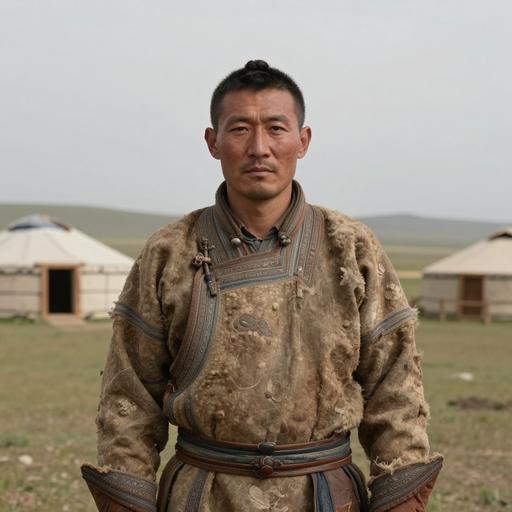
The Zubu Mongols are placed in Mongolia, within the steppe ecologies that supported seasonal herding and riding-based travel. Grasslands and water access structured routes between pastures, while the open terrain favored rapid movement and flexible settlement strategies.
Historical Context
This timeframe falls within the Mongol period, after the major consolidation of Mongol leadership in the early 13th century. Rather than a single unified imperial system in day-to-day life for all groups, tribal and regional identities remained important, interacting with larger imperial authority and regional political arrangements.
Populations & Lifeways
Zubu groups would have lived primarily as mobile or semi-mobile pastoralists, with lifeways organized around herding and seasonal movement. Clan affiliations mattered for forming alliances, maintaining obligations, and mobilizing riders for regional political needs, whether for defense, escort, or campaigning.
Archaeology & Material Culture
Material culture for Mongol-period Mongolia typically combines steppe traditions with broader patterns visible across the Mongol sphere. Archaeological evidence may include burial features and associated goods, alongside portable domestic equipment consistent with mobility, though local variation is expected across the region.
Culture & Society
Tribal society emphasized lineage ties, shared ritual and social norms, and practical cooperation among mobile households. Within the larger Mongol political environment, tribal leaders would have negotiated the balance between autonomy and obligations to higher-level authorities.
Legacy & Transition
By the 13th to 14th centuries, Mongol political structures continued to evolve, with authority becoming increasingly regional. The Zubu Mongols thus represent one strand in the broader transformation of steppe governance, where tribal networks remained essential even as overarching systems shifted.