Menu
Currency
Main
Store
Blog

Loading Report

Preparing your ancestry journey

Connecting to ancient matches...

Preparing your report

Skip to main content
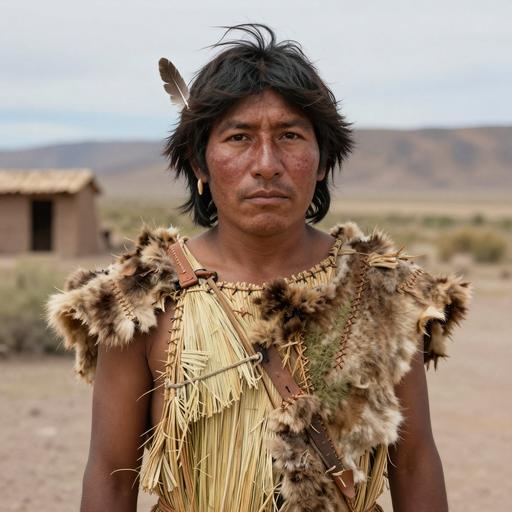
Portrait reconstruction of A man buried in Chile in the Ancient South America era
Ancient Individual

A man buried in Chile in the Ancient South America era

A man buried in Chile during the Los Rieles Site, Chile 12,000 Years Ago

A fragment of the ancient world, preserved across millennia in strands of DNA.

I11974
10420 BCE - 9450 BCE
Male
Chile
Scroll to begin
Chapter I

Identity

The biological and cultural markers that define this ancient individual

Sample ID

I11974

Date Range

10420 BCE - 9450 BCE

Cultural Period

Los Rieles Site, Chile 12,000 Years Ago

Biological Sex

Male

mtDNA Haplogroup

C1b45

Y-DNA Haplogroup

Q-M902

Chapter II

Place

Where this individual was discovered

Country Chile
Locality Coquimbo. Los Vilos. Los Rieles
Chapter III

Time

When this individual lived in the broader context of human history

I11974 10420 BCE - 9450 BCE
Chapter IV

Story

The narrative of this ancient life

The Los Rieles site in Chile, dating back approximately 12,000 years BP (Before Present), offers a fascinating glimpse into the Paleo-Indian period of South America. This era marks a critical moment in human history, as early hunter-gatherer societies navigated the challenges of the last Ice Age and the transition into the Holocene epoch.

Geography and Environment

Located in the northern part of Chile, Los Rieles is situated in an area that would have been ecologically distinct from today’s arid conditions. Approximately 12,000 years ago, the climate was cooler and possibly wetter, shaped by the retreating glaciers of the Pleistocene epoch. This would have supported a diverse array of flora and fauna, providing ample resources for human habitation. The region may have featured grasslands, shrublands, and more substantial water sources, such as rivers or lakes, sustaining both wildlife and human populations.

Archaeological Finds

The Los Rieles site is an archaeological treasure trove that has unearthed a variety of artifacts critical to understanding the lifestyle of its ancient inhabitants. These include stone tools, such as projectile points, scrapers, and bifacial implements, indicative of a people skilled in hunting and processing animal hides. The lithic technology often reflects a high degree of sophistication, hinting at a nuanced understanding of local materials and tool-making techniques.

Subsistence and Economy

The Paleo-Indian inhabitants of Los Rieles were primarily hunter-gatherers. Their diet would have been rich in protein, sourced from a variety of megafauna that roamed the region, such as guanacos, vicuñas, and possibly larger now-extinct species like the gomphothere. Archaeological evidence suggests the practice of communal hunting strategies and the use of specialized tools for butchering and processing meat.

Gathering was also likely a significant part of their subsistence strategy. Plant materials, nuts, seeds, fruits, and tubers would have been collected seasonally. This diverse diet implies a broad ecological knowledge, allowing these ancient peoples to adapt to changing environmental conditions.

Social Organization and Culture

While direct evidence of social structures is scarce, the organization of sites like Los Rieles can offer clues. The presence of communal hunting tools could imply some form of social collaboration or organization. The Paleo-Indian societies were likely organized into family or kin-based groups, working cooperatively to secure resources.

Artistic expression, although less documented, could have existed through personal adornments, body paint, or simple carvings. Such expressions would have played a role in cultural or spiritual identity, transmitting cultural knowledge and traditions.

Migration and Technological Exchange

Los Rieles is part of a broader narrative of human migration across the Americas. The movement of peoples into South America and the adaptation to diverse environments showcases a remarkable period of human innovation and adaptability. The technological traits observed in Los Rieles may share similarities with other contemporaneous sites, suggesting interactions or shared knowledge across vast distances.

Challenges and Adaptations

Life for the Los Rieles inhabitants was challenging. They had to contend with climatic changes at the end of the Ice Age, requiring adaptive strategies to cope with changing flora and fauna resources. As glaciers retreated and sea levels rose, these communities would have experienced shifts in their landscapes, requiring flexible subsistence strategies and perhaps encouraging innovation in tool-making and social cooperation.

In conclusion, the Los Rieles site aligns with the broader Paleo-Indian period's themes of adaptation, resourcefulness, and migration. It offers a window into the lives of early South American settlers, reflecting a blend of survival strategies and cultural developments that set the stage for subsequent indigenous civilizations in the region. The study of Los Rieles continues to contribute significantly to our understanding of human history in the Americas.

Context

Related Samples

This individual exists within a broader network of ancient samples. No ancient genome stands alone.

Sample ID Culture/Period Date Location Action
I0041 Lauricocha, Peru 8,600 Years Ago 6640 BCE Lauricocha. Highlands, Peru View
I0039 Lauricocha, Peru 3,500 Years Ago 1660 BCE Lauricocha. Highlands, Peru View
I0040 Lauricocha, Peru 5,800 Years Ago 3990 BCE Lauricocha. Highlands, Peru View
I1748 Arroyo Seco 2 Site 7200 Years Ago 5460 BCE Arroyo Seco II, Argentina View
I0309 Arroyo Seco 2 Site 7700 Years Ago 5850 BCE Arroyo Seco II, Argentina View
I1357 Laramate, Peru 900 Years Ago 900 CE Botigiriayocc. Laramate. Highlands, Peru View
I1484 Laramate, Peru 900 Years Ago 1050 CE Botigiriayocc. Laramate. Highlands, Peru View
I0238 Lauricocha, Peru 8,600 Years Ago 7000 BCE Lauricocha. Highlands, Peru View
I1485 Laramate, Peru 900 Years Ago 790 CE Cueva Yacotogia. Laramate. Highlands, Peru View
I1742 Laramate, Peru 900 Years Ago 750 CE Tranca. Laramate. Highlands, Peru View
I0237 Laramate, Peru 900 Years Ago 1030 CE Botigiriayocc. Laramate. Highlands, Peru View
I0038 Lauricocha, Peru 8,600 Years Ago 6780 BCE Lauricocha. Highlands, Peru View
I0308 Arroyo Seco 2 Site 7700 Years Ago 5620 BCE Arroyo Seco II, Argentina View
I2230 Arroyo Seco 2 Site 7700 Years Ago 7010 BCE Arroyo Seco II, Argentina View
I2232 Arroyo Seco 2 Site 7700 Years Ago 6570 BCE Arroyo Seco II, Argentina View
I2261 La Galgada, Peru 4,100 Years Ago 2280 BCE La Galgada. Highlands, Peru View
I2537 Pica Ocho Site, Chile 700 Years Ago 1230 CE Pica Ocho. Coast, Chile View
I2551 Laramate, Peru 900 Years Ago 1040 CE Huayuncalla. Laramate. Highlands, Peru View
I1752 Conchali, Chile 700 Years Ago 1300 CE Conchalí. Santiago. RM, Chile View
I1753 Los Rieles Site, Chile 5,100 Years Ago 3360 BCE Coquimbo. Los Vilos. Los Rieles, Chile View
I1754 Conchali, Chile 700 Years Ago 1040 CE Conchalí. Santiago. RM, Chile View
Lapa14 Lapa do Santo Site, Brazil 9,600 Years Ago 7600 BCE Lapa do Santo, Brazil View
Lapa01 Lapa do Santo Site, Brazil 9,600 Years Ago 8210 BCE Lapa do Santo, Brazil View
Lapa22 Lapa do Santo Site, Brazil 9,600 Years Ago 8250 BCE Lapa do Santo, Brazil View
Lapa15 Lapa do Santo Site, Brazil 9,600 Years Ago 7730 BCE Lapa do Santo, Brazil View
Lapa05 Lapa do Santo Site, Brazil 9,600 Years Ago 8250 BCE Lapa do Santo, Brazil View
Cuncaicha15-07 Cuncaicha, Peru 9,000 Years Ago 7290 BCE Cuncaicha. Highlands, Peru View
Cuncaicha15-03 Cuncaicha, Peru 4,200 Years Ago 2300 BCE Cuncaicha. Highlands, Peru View
I5456 Saki Tzul Site, Belize 7,400 Years Ago 5490 BCE Saki Tzul, Belize View
I5457 Saki Tzul Site, Belize 7,400 Years Ago 5513 BCE Saki Tzul, Belize View
I7088 Arroyo Seco 2 Site 7400 Years Ago 5620 BCE Arroyo Seco II, Argentina View
I7086 Arroyo Seco 2 Site 7700 Years Ago 5975 BCE Arroyo Seco II, Argentina View
I7090 Arroyo Seco 2 Site 7200 Years Ago 5462 BCE Arroyo Seco II, Argentina View
I8348 Laguna Chica Site 6800 Years Ago 5010 BCE Pampas. Laguna Chica, Argentina View
I8349 Laguna Chica Site 6800 Years Ago 4830 BCE Pampas. Laguna Chica, Argentina View
Cuncaicha15-04 Cuncaicha, Peru 3,300 Years Ago 1431 BCE Cuncaicha. Highlands, Peru View
LAR001 Laranjal Site, Brazil 6,700 Years Ago 4710 BCE Laranjal, Brazil View
LAR002 Laranjal Site, Brazil 6,700 Years Ago 4950 BCE Laranjal, Brazil View
MOS001 Moraes Site, Brazil 5,800 Years Ago 3960 BCE Moraes, Brazil View
I11974 Los Rieles Site, Chile 12,000 Years Ago 10420 BCE Coquimbo. Los Vilos. Los Rieles, Chile View
Lapa24 Lapa do Santo Site, Brazil 9,600 Years Ago 7460 BCE Lapa do Santo, Brazil View
Lapa25 Lapa do Santo Site, Brazil 9,600 Years Ago 7720 BCE Lapa do Santo, Brazil View
I9058 Jabuticabeira 2 Site, Brazil 2,000 Years Ago 410 BCE Jabuticabeira Shell Midden II, Brazil View
I9054 Jabuticabeira 2 Site, Brazil 2,000 Years Ago 90 BCE Jabuticabeira Shell Midden II, Brazil View
I9056 Jabuticabeira 2 Site, Brazil 2,000 Years Ago 670 CE Jabuticabeira Shell Midden II, Brazil View
I9055 Jabuticabeira 2 Site, Brazil 2,000 Years Ago 40 BCE Jabuticabeira Shell Midden II, Brazil View
I9057 Jabuticabeira 2 Site, Brazil 2,000 Years Ago 390 BCE Jabuticabeira Shell Midden II, Brazil View
I3443 Mayahak Cab Pek Site, Belize 9,300 Years Ago 7472 BCE Mayahak Cab Pek, Belize View
I8350 Laguna Chica Site 6800 Years Ago 7000 BCE Pampas. Laguna Chica, Argentina View
I9056 670 CE Jabuticabeira Shell Midden II, Brazil View
I9057 390 BCE Jabuticabeira Shell Midden II, Brazil View
I9054 90 BCE Jabuticabeira Shell Midden II, Brazil View
I9055 40 BCE Jabuticabeira Shell Midden II, Brazil View
Lapa24 7460 BCE Lapa do Santo, Brazil View
Lapa25 7720 BCE Lapa do Santo, Brazil View
I11974 10420 BCE Coquimbo. Los Vilos. Los Rieles, Chile View
I9058 410 BCE Jabuticabeira Shell Midden II, Brazil View
I3443 7472 BCE Mayahak Cab Pek, Belize View
I11974 10420 BCE Coquimbo. Los Vilos. Los Rieles, Chile View
I8350 7000 BCE Pampas. Laguna Chica, Argentina View
I11974 10420 BCE Coquimbo. Los Vilos. Los Rieles, Chile View
Sample ID Culture/Period Date Location Action
I11974 Los Rieles Site, Chile 12,000 Years Ago 10420 BCE Coquimbo. Los Vilos. Los Rieles, Chile View
Sources

References

Scientific publications and genetic data that inform this profile.

Scientific Publication

Reconstructing the Deep Population History of Central and South America

Authors Posth C, Nakatsuka N, Lazaridis I, Skoglund P, Mallick S et al.
Abstract

We report genome-wide ancient DNA from 49 individuals forming four parallel time transects in Belize, Brazil, the Central Andes, and the Southern Cone, each dating to at least ∼9,000 years ago. The common ancestral population radiated rapidly from just one of the two early branches that contributed to Native Americans today. We document two previously unappreciated streams of gene flow between North and South America. One affected the Central Andes by ∼4,200 years ago, while the other explains an affinity between the oldest North American genome associated with the Clovis culture and the oldest Central and South Americans from Chile, Brazil, and Belize. However, this was not the primary source for later South Americans, as the other ancient individuals derive from lineages without specific affinity to the Clovis-associated genome, suggesting a population replacement that began at least 9,000 years ago and was followed by substantial population continuity in multiple regions.

Use code for 25% off Expires Jul 13