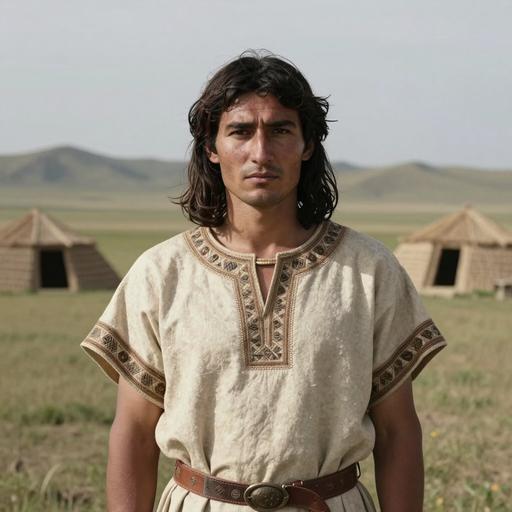
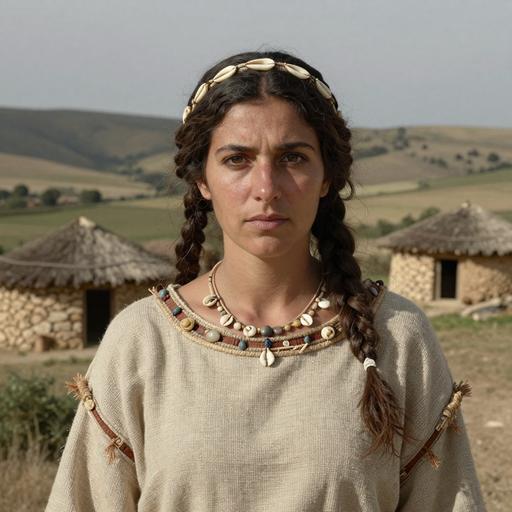
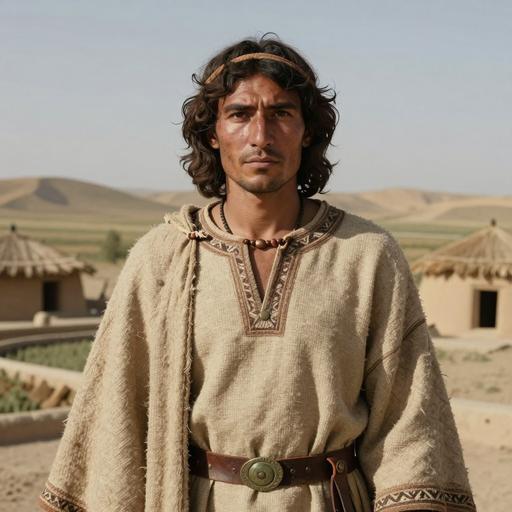
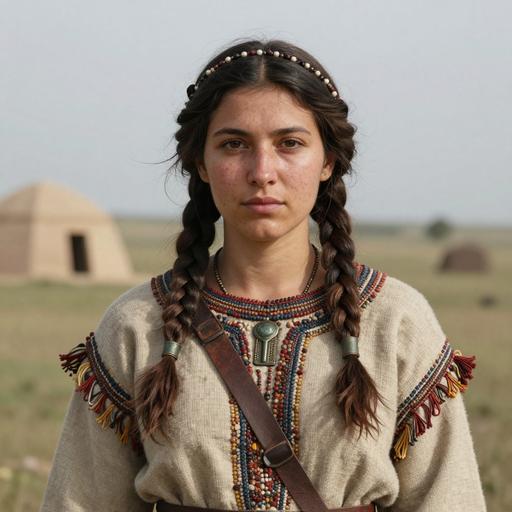
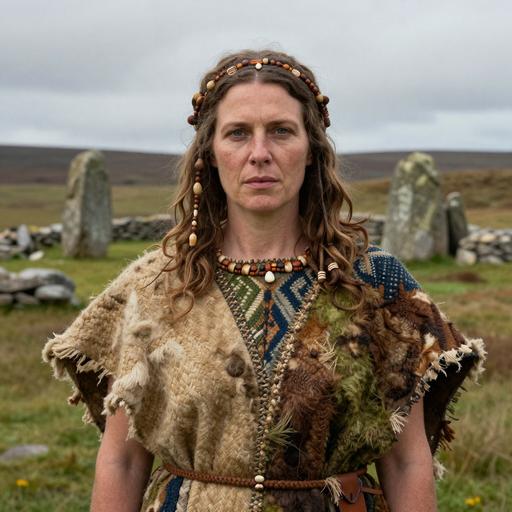
Un perfil de referencia de una rama de linaje. Compartir haplogrupos no demuestra una relación familiar ni una identidad cultural.
Perfil de referencia
Contexto de la rama
Contexto histórico de la rama de linaje mtDNA K1
Origins and Evolution
mtDNA haplogroup K1 is a primary subclade of haplogroup K, which itself derives from U8b. Based on phylogenetic relationships and ancient DNA evidence, K1 likely coalesced in the Late Glacial to Early Holocene (roughly ~13 kya) in the Near East / Anatolia region. From that core area K1 diversified into multiple lineages before and during the early Neolithic period and spread westward into Europe with migrating farming populations.
K1 sits within a broader maternal clade (K) that shows a clear signal of expansion associated with the spread of agriculture from Anatolia into Europe. The timing and geographic pattern are consistent with an origin in post-glacial Near Eastern refugia followed by dispersal linked to Neolithic demic diffusion.
Subclades
K1 comprises several distinguishable sublineages (commonly catalogued in literature as K1a, K1b, K1c, and downstream branches). K1a is the most widespread in Europe and is the dominant K1 branch found in many modern European and Ashkenazi Jewish samples; other subclades (K1b, K1c, etc.) show more restricted and patchy distributions. Several sub-subclades within K1a show signatures of population bottlenecks and founder events (for example, particular K1a sublineages are highly overrepresented among Ashkenazi maternal founder lineages).
Geographical Distribution
Today K1 is found across the Near East, Europe, parts of North Africa, and at low frequencies into Central Asia. Its highest concentrations and diversity are observed in regions that acted as Neolithic source areas (Anatolia and the Levant) and in parts of Southern and Western Europe where early farming communities established. Island and isolated populations (e.g., Sardinia and some Mediterranean islands) can show elevated frequencies for particular K1 subclades due to founder effects and genetic drift. Low but detectable frequencies in North Africa and Central Asia reflect historical gene flow and long-range contacts between west and east Eurasian populations.
Historical and Cultural Significance
The distribution and age of K1 link it tightly to the Neolithic transition in Europe. Ancient DNA from early farmers in Central Europe (Linearbandkeramik, LBK) and Anatolia frequently includes K1 lineages, supporting the role of K1 as part of the maternal signature of migrating Neolithic farmer communities. Later cultural complexes in Europe (e.g., Bell Beaker, Corded Ware, Bronze Age groups) show variable incorporation of K1 depending on local admixture with farmer-descended and hunter-gatherer populations.
K1 also features prominently in studies of modern founder populations: several K1 sublineages are among the maternal founders of Ashkenazi Jewish mitochondrial diversity, where specific K1a subclades reached high frequency through small founder groups followed by demographic expansion.
Conclusion
mtDNA haplogroup K1 is a Near Eastern–derived maternal lineage that expanded into Europe with early farmers during the Neolithic and persisted into modern populations through a combination of continued gene flow, local drift, and founder events. Its phylogeographic pattern makes K1 a useful marker for tracing Anatolian–Neolithic ancestry in ancient and modern maternal lineages and for identifying population-specific founder events in groups such as Ashkenazi Jews and some Mediterranean island communities.
Puntos clave
Origins and Evolution
Subclades
Geographical Distribution
Historical and Cultural Significance
Conclusion
Perfil de referencia
Árbol y relaciones
Contexto filogenético y subclados
Trayectoria evolutiva
Sigue las ramas superiores registradas hasta K1. Las fechas son estimaciones y pueden cambiar al revisarse los datos de referencia.
The populations where mtDNA haplogroup K1 is found include:
Ashkenazi Jewish communities
Anatolian (modern Turkey) populations
European Early Neolithic farmer-descended populations (e.g., Central Europe LBK descendants)
Southern European populations (Iberia, Italy, Greece)
Western and Northern European populations (British Isles, Scandinavia) at moderate frequencies
Caucasus populations (Armenians, Georgians)
North African groups (coastal communities and groups with Near Eastern admixture)
Iranian and Levantine populations
Island and isolated populations (e.g., Sardinians and some Mediterranean islands)
Small but detectable frequencies in parts of Central Asia due to west–east contacts
Contexto histórico
Una rama a través del tiempo
Formación estimada en una cronología histórica amplia. Los marcadores temporales aportan contexto y no implican relación con culturas concretas.
~13k años de antigüedad
Haplogrupo K1
Formación estimada de esta rama de mtDNA; las fechas y ubicaciones son estimaciones de referencia.
Esta rama
~10k años de antigüedad
Revolución neolítica
Inicio de la agricultura y formación de comunidades sedentarias
~5k años de antigüedad
Edad del Bronce
Metalurgia, escritura y primeras civilizaciones
~3k años de antigüedad
Edad del Hierro
Herramientas de hierro y ampliación de redes comerciales
~2.5k años de antigüedad
Antigüedad clásica
Desarrollo de las civilizaciones griega y romana
Actualidad
Actualidad
Época moderna
Perfil de referencia
Contexto arqueológico
Asociaciones arqueológicas registradas para la rama mtDNA K1
Asociaciones registradas
Estas etiquetas describen contextos arqueológicos registrados para las muestras de referencia enlazadas a K1. Una asociación no demuestra que todos los portadores pertenecieran a una cultura ni siguieran una ruta migratoria concreta.
Las atribuciones culturales se basan en el contexto arqueológico de las muestras de ADN antiguo y pueden representar asociaciones regionales de periodos concretos.
Perfil de referencia
Catálogo de muestras
1 portador directo y 99 portadores de subclados del haplogrupo K1
10 mostradas · 50 muestras coincidentes
Ninguna muestra coincide con estos filtros. Prueba otra etiqueta, ubicación o periodo.
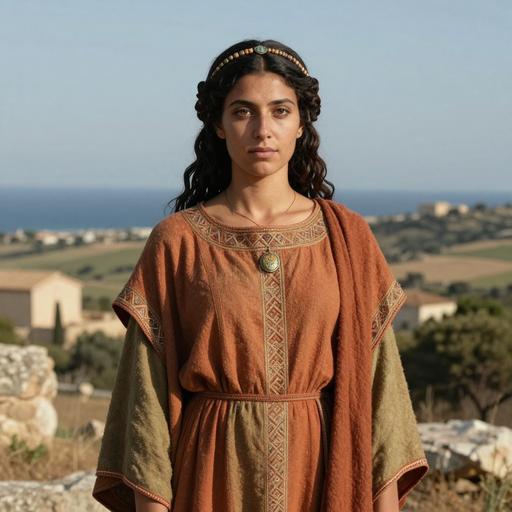
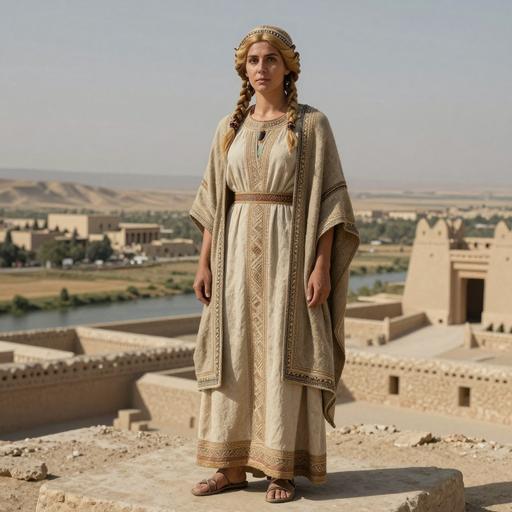
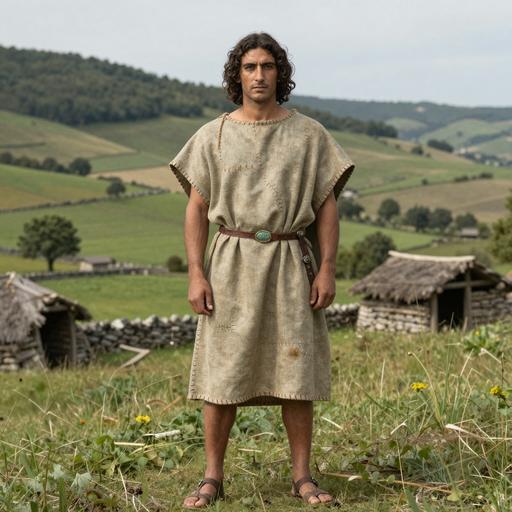
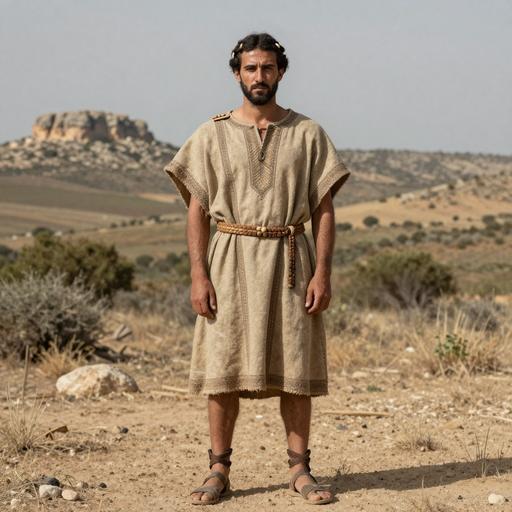
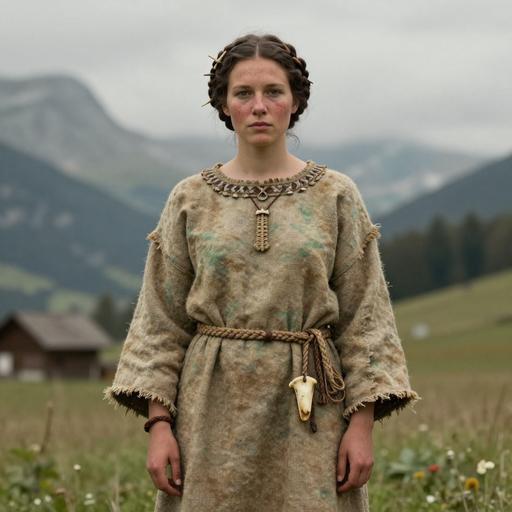
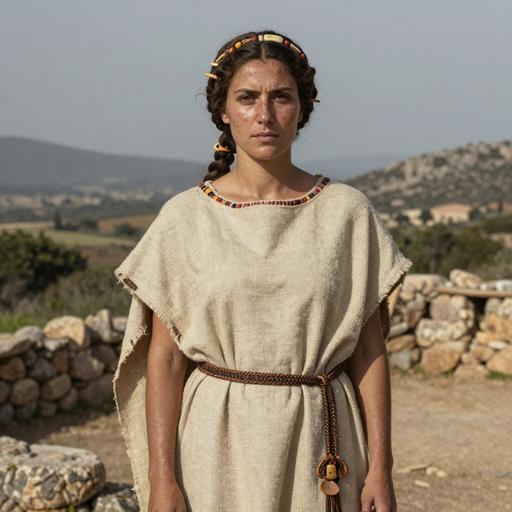
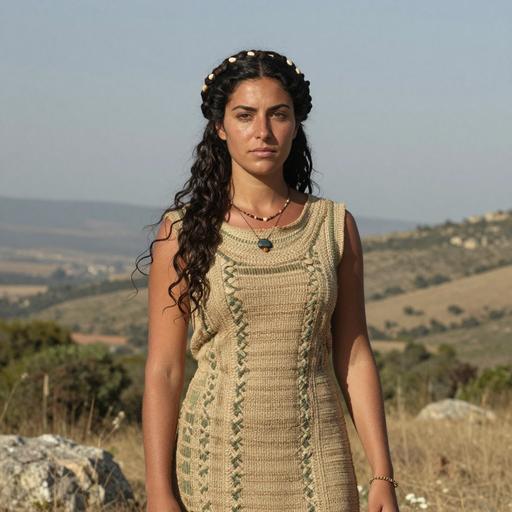
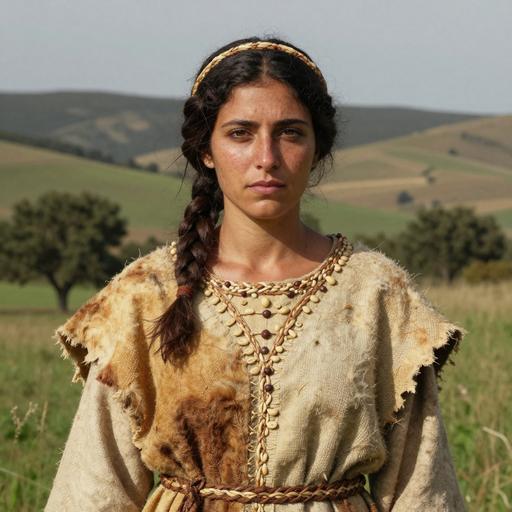
Los retratos son ilustraciones generadas con IA. Las etiquetas de muestra y los identificadores de acceso identifican los registros de referencia.
Retrato
Muestra
País
Época
Fecha
Cultura
mtDNA
Coincidencia
Identificador de muestra: I5244
Serbia
Serbia IronGates Mesolithic
9115 BCE - 8555 BCE
Iron Gates Culture
K1
Direct
Identificador de muestra: I8339
Spain
Roman Period Spain
125-220 calCE (1870±15 BP, PSUAMS-8175)
Roman Hispania
K1a-a4
Subclado
Identificador de muestra: R31
Italy
Late Antiquity Italy
261-535 calCE (1655±25 BP, UCIAMS-213627)
Late Roman
K1c1
Subclado
Identificador de muestra: R33
Italy
Late Antiquity Italy
300-700 CE
Late Roman
K1a1
Subclado
Identificador de muestra: I8340
Spain
Greek Period Spain
500-350 BCE
Hellenic Iberian
K1a-a4
Subclado
Identificador de muestra: HOC002
Germany
Hallstatt Culture
550-500 BCE
Hallstatt
K1a4c1*1
Subclado
Identificador de muestra: VK190
Greenland
Greenland LateNorse
1035 CE - 1211 CE
Norse Greenland
K1a-a4
Subclado
Identificador de muestra: SAL007
Italy
Daunian Culture Salapia, Italy
1300 BCE - 200 BCE
Daunian Culture
K1a
Subclado
Identificador de muestra: I3878
Italy
Italy Sicily LBA
1382-1134 calBCE (3015±20 BP, PSUAMS-3995)
Sicilian Bronze Age
K1a-a4
Subclado
Identificador de muestra: I10373
Italy
Italy Sicily LBA
1400-1150 BCE
Sicilian Bronze Age
K1a-a4
Subclado
Identificador de muestra: ALA039
Turkey
Middle to Late Bronze Age Turkey
1491-1301 calBCE (3125±24 BP, MAMS-33700)
Anatolian Bronze Age
K1a-a
Subclado
Identificador de muestra: I2472
Spain
Spain MBA
1533-1427 calBCE (3220±30 BP, Beta-299309)
Iberian Middle Bronze
K1a-a4
Subclado
Identificador de muestra: I1856
Russia
Mid-Late Bronze Krasnoyarsk
1686-1518 calBCE (3330±25 BP, PSUAMS-2067)
Krasnoyarsk Culture
K1a-a4
Subclado
Identificador de muestra: I12855
Spain
Spain EBA
1900-1750 BCE
Early Bronze Age Iberian
K1a-a4
Subclado
Identificador de muestra: I4262
Kazakhstan
Mid-Late Bronze Karagash
1881-1693 calBCE (3465±25 BP, PSUAMS-2122)
Karagash Culture
K1a-a4
Subclado
Identificador de muestra: I6610
Spain
Spain C
2008-1744 calBCE (3530±40 BP, Ua-35014)
Los Millares
K1a-a4
Subclado
Identificador de muestra: I7492
Uzbekistan
Bronze Age Sapalli Tepe
2010 BCE - 1779 BCE
Sapalli
K1-a
Subclado
Identificador de muestra: OBKR_9A
Germany
Early Bronze Age Lech Valley, Germany
2026 BCE - 1888 BCE
Lech Valley Bronze Age
K1a2a
Subclado
Identificador de muestra: I1062
Russia
Russia MLBA Sintashta
2050-1700 BCE
Sintashta Culture
K1a-a4
Subclado
Identificador de muestra: I1013
Russia
Russia MLBA Sintashta
2050-1700 BCE
Sintashta Culture
K1a-a4
Subclado
Identificador de muestra: I8140
Spain
Spain C
2121 BCE - 1777 BCE
Los Millares
K1a-a4
Subclado
Identificador de muestra: I8140
Spain
Copper Age Iberia
2121 BCE - 1777 BCE
K1a-a4
Subclado
Identificador de muestra: I1502
Hungary
Early Bronze Age Makó Culture, Hungary
2195 BCE - 1973 BCE
Makó
K1c1
Subclado
Identificador de muestra: I1502
Hungary
Early Bronze Age Balkans
2195 BCE - 1973 BCE
K1c1*
Subclado
Identificador de muestra: I1502
Hungary
Early Bronze Age Balkans
2195 BCE - 1973 BCE
K1c1*
Subclado
Identificador de muestra: RISE98
Sweden
Sweden LN
2278 BCE - 2032 BCE
Nordic Late Neolithic
K1b1a1
Subclado
Identificador de muestra: RISE98
Sweden
Late Neolithic Nordic Countries
2278 BCE - 2032 BCE
K1b1a1*
Subclado
Identificador de muestra: MX193
Switzerland
Switzerland EBA 1
2283-2030 calBCE (3738±37 BP, BE-7446.1.1)
Swiss Early Bronze
K1a-a4
Subclado
Identificador de muestra: SUC004
Italy
Italy Sardinia EBA
2296 BCE - 2144 BCE
Early Bronze Age Sardinian
K1a-a4
Subclado
Identificador de muestra: SUC004
Italy
Early Bronze Age Sardinia
2296 BCE - 2144 BCE
K1a-a4
Subclado
Identificador de muestra: I5037
Czech Republic
Early Bronze Age Proto-Unetice Culture, Czech Republic
2300-2000 BCE
Proto-Unetice Culture
K1a-a
Subclado
Identificador de muestra: I7212
Czech Republic
Bell Beaker Culture, Czech Republic
2454-2201 calBCE (3840±25 BP, PSUAMS-4346)
Bell Beaker
K1b1a1-a
Subclado
Identificador de muestra: I4936
Italy
Italy Sicily BellBeaker
2500 BCE - 1900 BCE
Bell Beaker
K1a-a4
Subclado
Identificador de muestra: I0462
Spain
Spain C
2569-2344 calBCE (3950±26 BP, MAMS-25936)
Los Millares
K1a-a4
Subclado
Identificador de muestra: Kou01
Greece
Early Bronze Age Cycladic Koufonisi, Greece
2600-2000 BCE
Cycladic Culture
K1a2c
Subclado
Identificador de muestra: Kou03
Greece
Early Bronze Age Cycladic Koufonisi, Greece
2600-2000 BCE
Cycladic Culture
K1a1
Subclado
Identificador de muestra: I7196
Czech Republic
Early Bronze Age Czech Republic
2800-1800 BCE
Únětice Culture
K1a-a4
Subclado
Identificador de muestra: RISE1246
Poland
Globular Amphora Culture Ksiaznice, Poland
2895 BCE - 2632 BCE
Globular Amphora
K1a-a4
Subclado
Identificador de muestra: R4
Italy
Chalcolithic Italy
2906-2880 calBCE (4260±15 BP, UCIAMS-198576)
Italian Chalcolithic
K1-a4l
Subclado
Identificador de muestra: Aes10
Switzerland
Switzerland LN
2912-2784 calBCE (4256±23 BP, BE-9179.1.1)
Swiss Neolithic
K1a-a4
Subclado
Identificador de muestra: RA44
Switzerland
Switzerland LN
2913-2779 calBCE (4253±24 BP, BE-8007.1.1)
Swiss Neolithic
K1a-a4
Subclado
Identificador de muestra: MX211
Switzerland
Switzerland LN
3264-2923 calBCE (4415±21 BP, BE-8003.1.1)
Swiss Neolithic
K1a-a4
Subclado
Identificador de muestra: I3138
United Kingdom
Scotland N
3312 BCE - 2920 BCE
Scottish Neolithic
K1a4a1
Subclado
Identificador de muestra: I2606
United Kingdom
England N
3350-2900 BCE
British Neolithic
K1a-a4
Subclado
Identificador de muestra: I2069
Russia
Russia Afanasievo
3331-2921 calBCE (4430±40 BP, Poz-83425)
Afanasievo
K1b2a
Subclado
Identificador de muestra: I2979
United Kingdom
Scotland N
3334-2935 calBCE (4447±29 BP, SUERC-68726)
Scottish Neolithic
K1a-a4
Subclado
Identificador de muestra: I2978
United Kingdom
Scotland N
3336 BCE - 3024 BCE
Scottish Neolithic
K1b1a1
Subclado
Identificador de muestra: MX187
Switzerland
Switzerland LN
3337-2909 calBCE (4416±69 BP, BE-5451.1.1)
Swiss Neolithic
K1a-a4
Subclado
Identificador de muestra: I3085
United Kingdom
Scotland N
3340-3027 calBCE (4471±29 BP, SUERC-68724)
Scottish Neolithic
K1a-a4
Subclado
Identificador de muestra: MX183
Switzerland
Switzerland LN
3344-3036 calBCE (4486±28 BP, MAMS-27568)
Swiss Neolithic
K1a-a4
Subclado
Identificador de muestra: I5244
Mesolithic Iron Gates, Serbia - Serbia - Padina
Serbia Serbia IronGates Mesolithic 9115 BCE - 8555 BCE
K1Direct
Identificador de muestra: I8339
Roman Period Spain - Spain - Girona. Empuries. necropolis Centre de Visitants
Spain Roman Period Spain 125-220 calCE (1870±15 BP, PSUAMS-8175)
K1a-a4Subclado
Identificador de muestra: R31
Late Antiquity Italy - Italy - Mausoleo di Augusto
Italy Late Antiquity Italy 261-535 calCE (1655±25 BP, UCIAMS-213627)
K1c1Subclado
Identificador de muestra: R33
Late Antiquity Italy - Italy - Mausoleo di Augusto
Italy Late Antiquity Italy 300-700 CE
K1a1Subclado
Identificador de muestra: I8340
Greek Period Spain - Spain - Girona. Empuries. necropolis Centre de Visitants
Sigue los clados superiores hasta esta rama y explora dónde se encontraron portadores antiguos.
Cargando observaciones antiguas...
La reducción de movimiento está activada. Utiliza la cronología o Mostrar todo para explorar a tu ritmo.
Leer las observaciones en una tabla
Observaciones antiguas visibles por rama, periodo y punto medio de la fecha
Rama
Periodo
Intervalo de fechas
Muestra
Identificador de muestra
Ubicación
Haplogrupo
Relación
Los marcadores son ubicaciones de hallazgos arqueológicos. Una línea discontinua representa una transición geográfica propuesta e incierta entre ramas consecutivas, apoyada en varias observaciones fechadas; no es una ruta de viaje exacta, un lugar de nacimiento ni una prueba de descendencia directa. Las muestras del clado parental pueden pertenecer a otras ramas descendientes. Se mantienen huecos cuando las pruebas son insuficientes. Las fechas de las muestras son distintas de las fechas de formación de los haplogrupos.
La agrupación por periodo histórico refleja cuándo vivió cada individuo antiguo y combina todas las ramas de esta cadena de linajes; no es una secuencia migratoria ni una cronología personal entre periodos.
Perfil de referencia
Mapa de distribución de portadores
Distribución geográfica de muestras de ADN antiguo (100), portadores directos o de subclados de K1
Portador directo Portador de un subclado
Filtro de periodo temporal
Todos los periodos
Mostrando todas las muestras
Perfil de referencia
Distribución temporal
Distribución de portadores por periodos arqueológicos
Perfil de referencia
Distribución geográfica
Recuentos por país registrado de las muestras. Reflejan la selección de referencia disponible, no frecuencias de población.
Perfil de referencia
Distribución por país y época
Compara los recuentos de muestras registradas por países y periodos arqueológicos. Selecciona una celda con datos para examinar una muestra.
Datos
Datos y procedencia
Información sobre las fuentes y la calidad de los datos
Última actualización2026-02-09
Fuente de datos
La clasificación, las fechas estimadas y el contexto geográfico reflejan los datos de referencia registrados y pueden cambiar al revisarse las pruebas. La cobertura de muestras es desigual; las ubicaciones registradas y las asociaciones arqueológicas no establecen el origen personal ni la identidad cultural.