Un perfil de referencia de una rama de linaje. Compartir haplogrupos no demuestra una relación familiar ni una identidad cultural.
Perfil de referencia
Contexto de la rama
Contexto histórico de la rama de linaje mtDNA K1B1
Origins and Evolution
mtDNA haplogroup K1B1 is a defined subclade within haplogroup K1B, itself nested under K1 and the broader haplogroup K. Given the phylogenetic position of K1B and the archaeological and genetic evidence linking K lineages to early Holocene Near Eastern populations, K1B1 most likely arose in the Near East or Anatolia shortly after the Last Glacial Maximum, in the early Neolithic window. Its estimated time depth (on the order of ~9 thousand years ago) places its origin broadly within the period when Anatolian and Levantine maternal lineages contributed to the demographic expansion of farming populations into Europe.
Subclades
K1B1 sits beneath K1B in the mitochondrial tree; more fine-grained substructure within K1B1 is reported in population surveys but remains less-studied than some other K subclades. Where high-resolution mitogenomes are available, researchers can resolve intra-clade branches that reflect local founder effects (for example in island or isolated populations) or diaspora-specific bottlenecks (for example in some Jewish communities). Continued mitogenome sequencing and ancient DNA sampling will better resolve internal branching and age estimates for K1B1 sublineages.
Geographical Distribution
K1B1 shows a patchy but geographically coherent distribution consistent with a Near Eastern origin and Neolithic dispersal into Europe. Modern and ancient DNA studies identify K1B1 in Anatolia and the Levant, in early European farmer contexts (e.g., Linearbandkeramik-related populations), and across southern Europe (Italy, Iberia, Greece and Mediterranean islands such as Sardinia). It also appears at low-to-moderate frequencies in western and northern Europe, in the Caucasus, and at low frequency in North Africa and parts of Central Asia likely reflecting later contacts and gene flow. In addition, K1B1 is reported in Ashkenazi Jewish communities, where maternal lineages of Near Eastern and European origin are both represented.
The haplogroup has been observed in multiple ancient DNA samples (10 in the dataset referenced), demonstrating its presence in archaeological contexts and supporting its role in early farmer expansions and subsequent population movements.
Historical and Cultural Significance
Because K1B1 is associated with the broader K1/K haplogroups that track the spread of early Near Eastern farmers, its presence in Europe is often interpreted as part of the mitochondrial signature of Neolithic agriculturalists. This links K1B1 to major cultural and demographic transitions in prehistory, including the spread of Neolithic technologies and lineages from Anatolia into Europe (e.g., Cardial and LBK trajectories). In later millennia, K1B1 persisted in Mediterranean and Near Eastern populations and can reflect subsequent historical processes such as trade, migration, and diaspora events (including those affecting Jewish populations). Local founder effects can amplify K1B1 in insular or endogamous groups, making it useful for regional phylogeographic inference.
Conclusion
K1B1 is a Neolithic-era maternal lineage derived from a Near Eastern/Anatolian gene pool that contributed to the peopling of Europe with farming communities. It is informative for studies of Neolithic expansion, Mediterranean and Near Eastern population history, and diasporic maternal ancestry. Future high-resolution mitogenome sequencing and expanded ancient DNA sampling will refine its internal structure, precise age estimates, and the details of its spread and local demographic history.
Puntos clave
Origins and Evolution
Subclades
Geographical Distribution
Historical and Cultural Significance
Conclusion
Perfil de referencia
Árbol y relaciones
Contexto filogenético y subclados
Trayectoria evolutiva
Sigue las ramas superiores registradas hasta K1B1. Las fechas son estimaciones y pueden cambiar al revisarse los datos de referencia.
The populations where mtDNA haplogroup K1B1 is found include:
Ashkenazi Jewish communities
Anatolian (modern Turkey) populations
European Early Neolithic farmer-descended populations (e.g., LBK descendants in Central Europe)
Southern European populations (Iberia, Italy, Greece)
Western and Northern European populations (British Isles, Scandinavia) at moderate to low frequencies
Caucasus populations (Armenians, Georgians)
North African coastal groups with Near Eastern admixture
Iranian and Levantine populations
Island and isolated Mediterranean populations (e.g., Sardinia and other islands)
Low-frequency occurrences in parts of Central Asia from west–east contacts
Contexto histórico
Una rama a través del tiempo
Formación estimada en una cronología histórica amplia. Los marcadores temporales aportan contexto y no implican relación con culturas concretas.
~10k años de antigüedad
Revolución neolítica
Inicio de la agricultura y formación de comunidades sedentarias
~9k años de antigüedad
Haplogrupo K1B1
Formación estimada de esta rama de mtDNA; las fechas y ubicaciones son estimaciones de referencia.
Esta rama
~5k años de antigüedad
Edad del Bronce
Metalurgia, escritura y primeras civilizaciones
~3k años de antigüedad
Edad del Hierro
Herramientas de hierro y ampliación de redes comerciales
~2.5k años de antigüedad
Antigüedad clásica
Desarrollo de las civilizaciones griega y romana
Actualidad
Actualidad
Época moderna
Perfil de referencia
Contexto arqueológico
Asociaciones arqueológicas registradas para la rama mtDNA K1B1
Asociaciones registradas
Estas etiquetas describen contextos arqueológicos registrados para las muestras de referencia enlazadas a K1B1. Una asociación no demuestra que todos los portadores pertenecieran a una cultura ni siguieran una ruta migratoria concreta.
Las atribuciones culturales se basan en el contexto arqueológico de las muestras de ADN antiguo y pueden representar asociaciones regionales de periodos concretos.
Perfil de referencia
Catálogo de muestras
5 portadores directos y 95 portadores de subclados del haplogrupo K1B1
10 mostradas · 50 muestras coincidentes
Ninguna muestra coincide con estos filtros. Prueba otra etiqueta, ubicación o periodo.
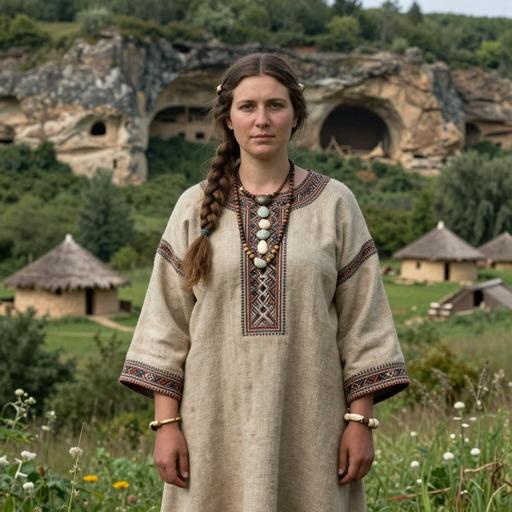
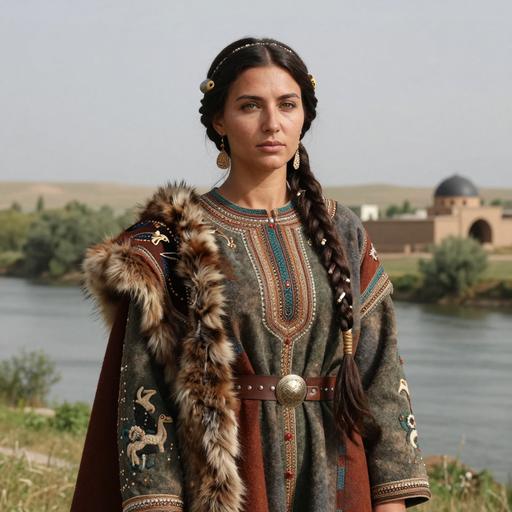
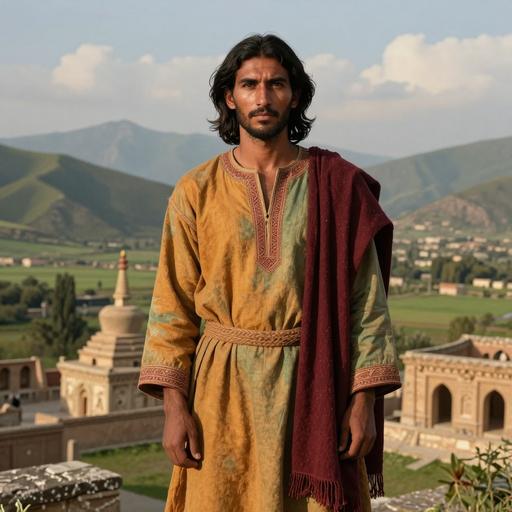
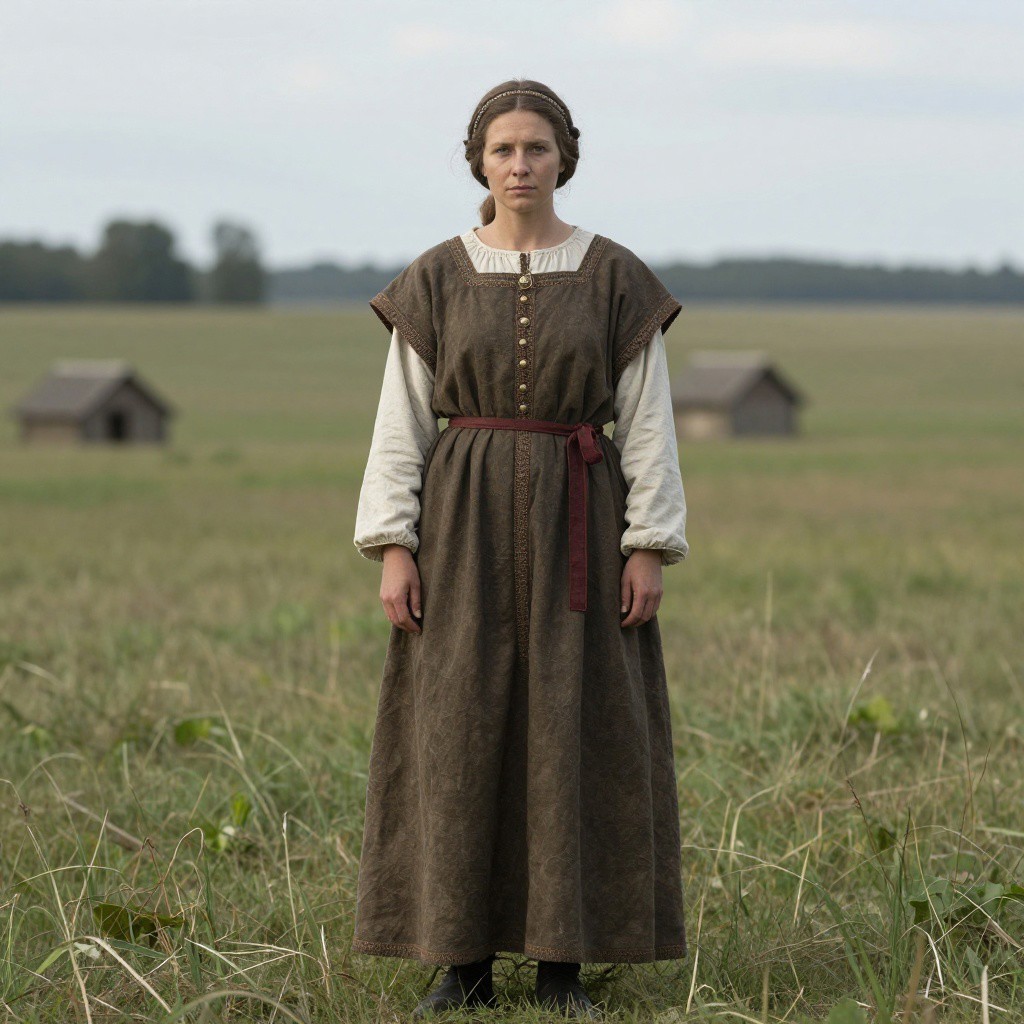
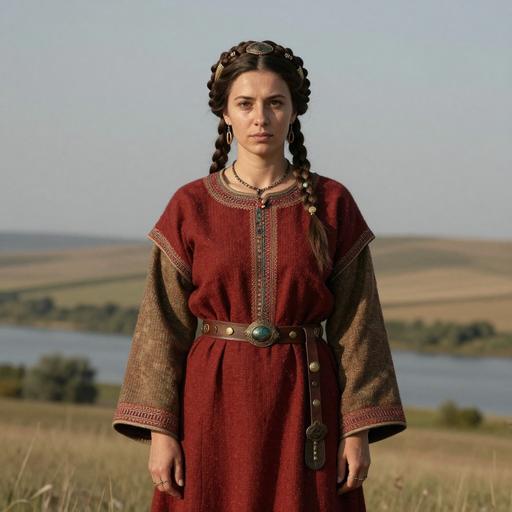
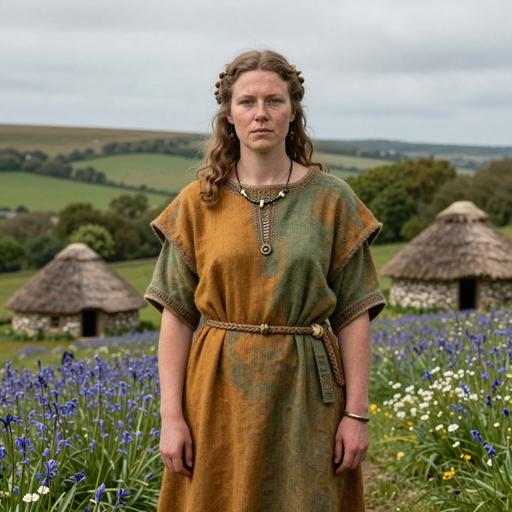
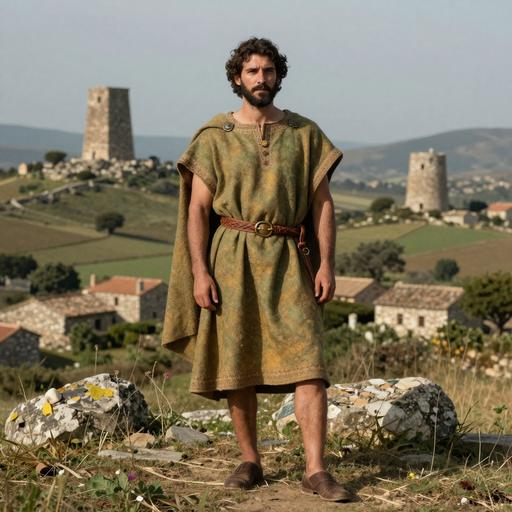
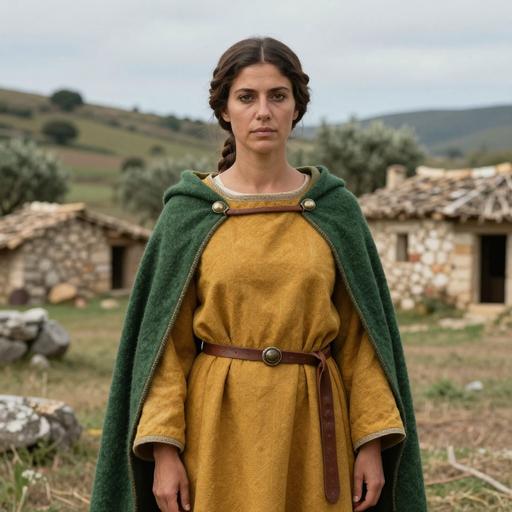
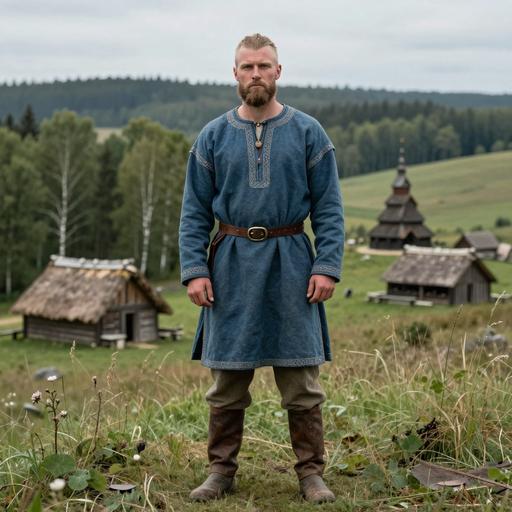
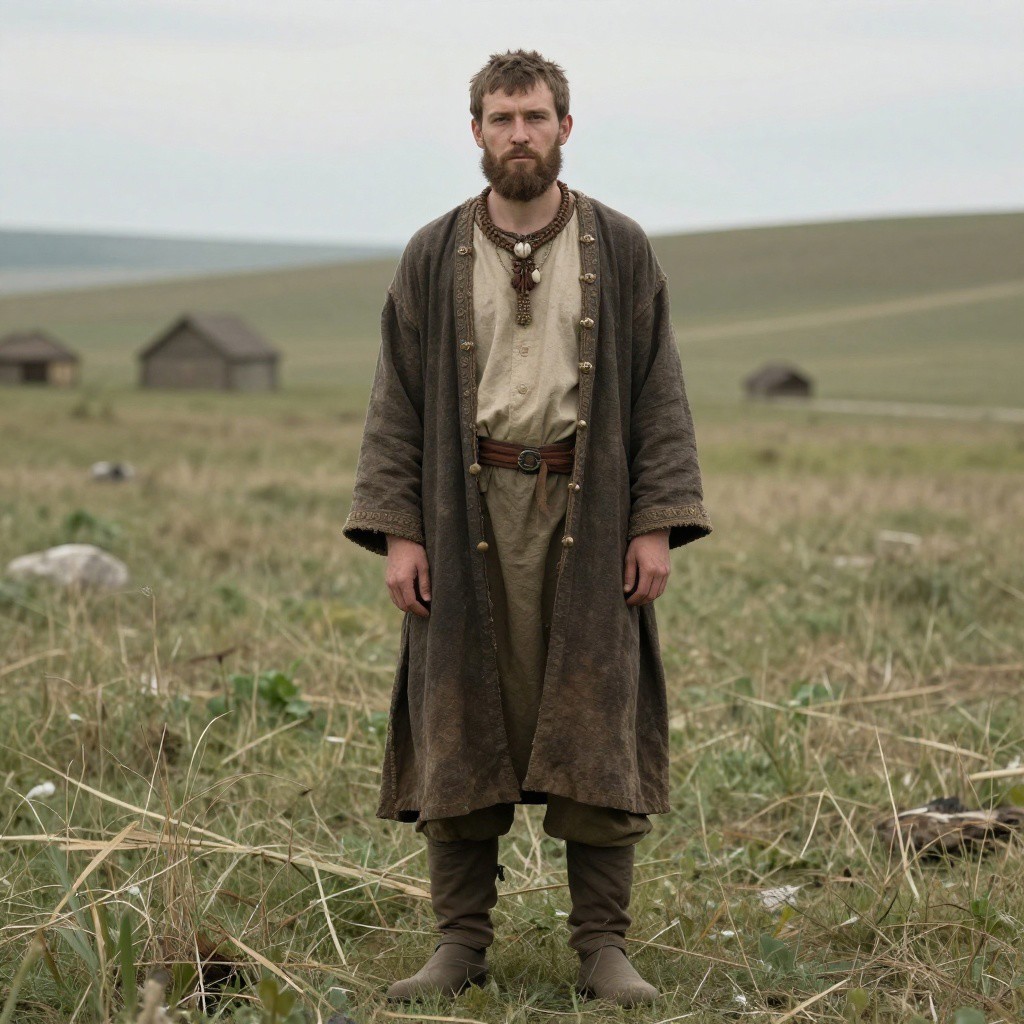
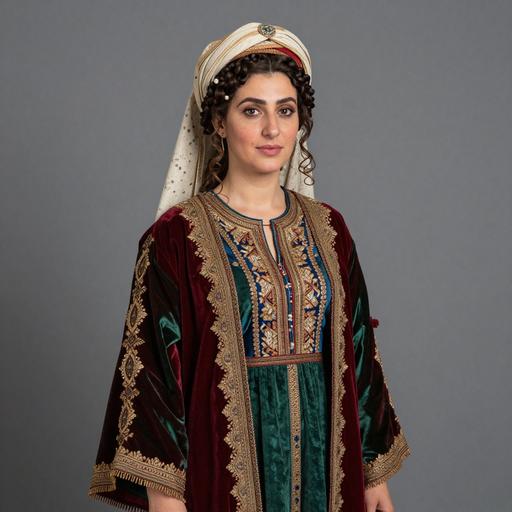
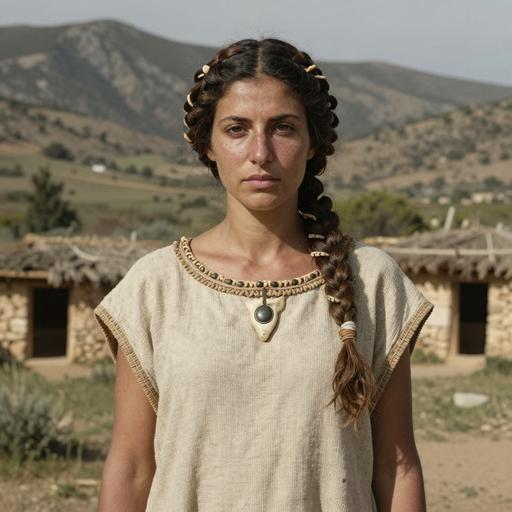
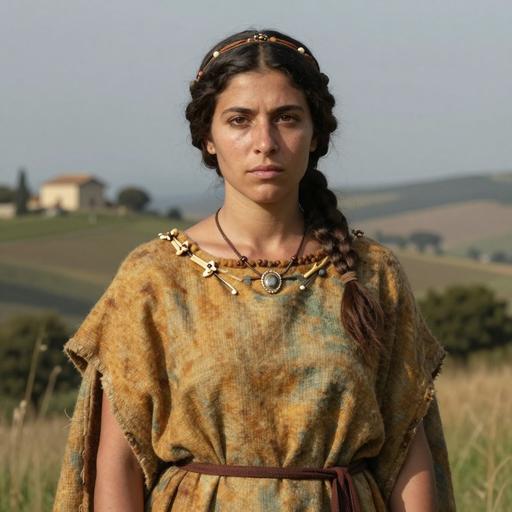
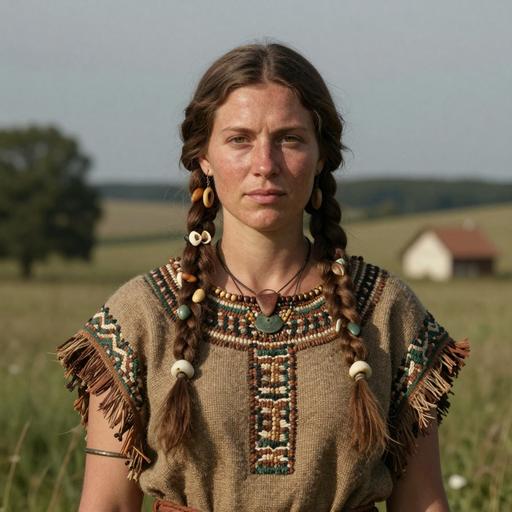
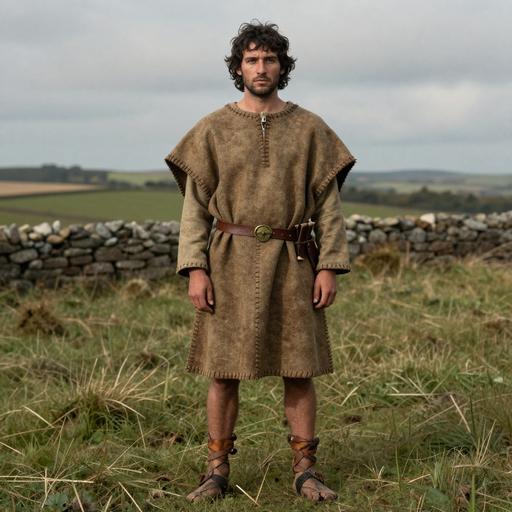
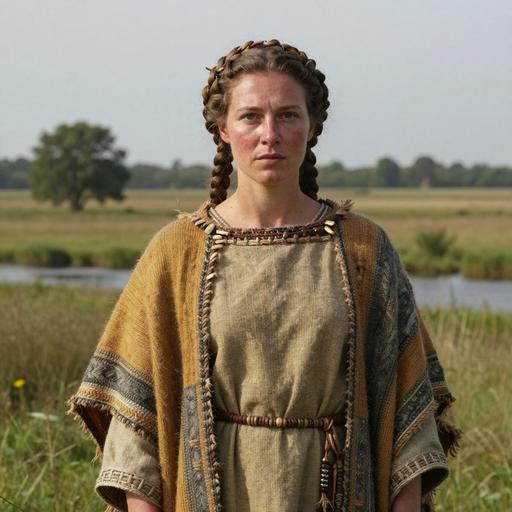
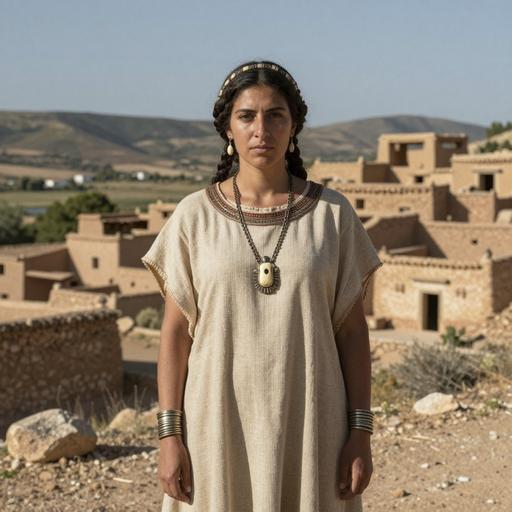
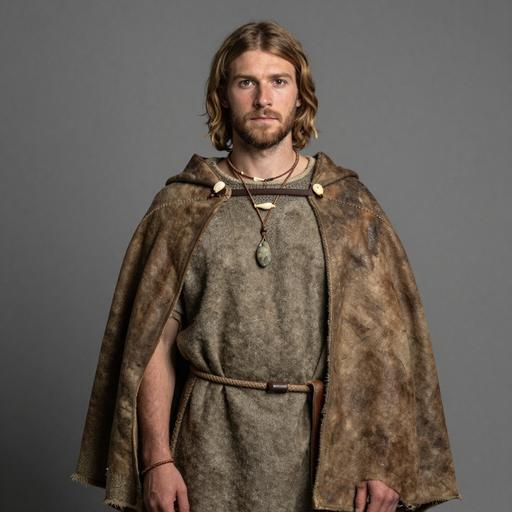
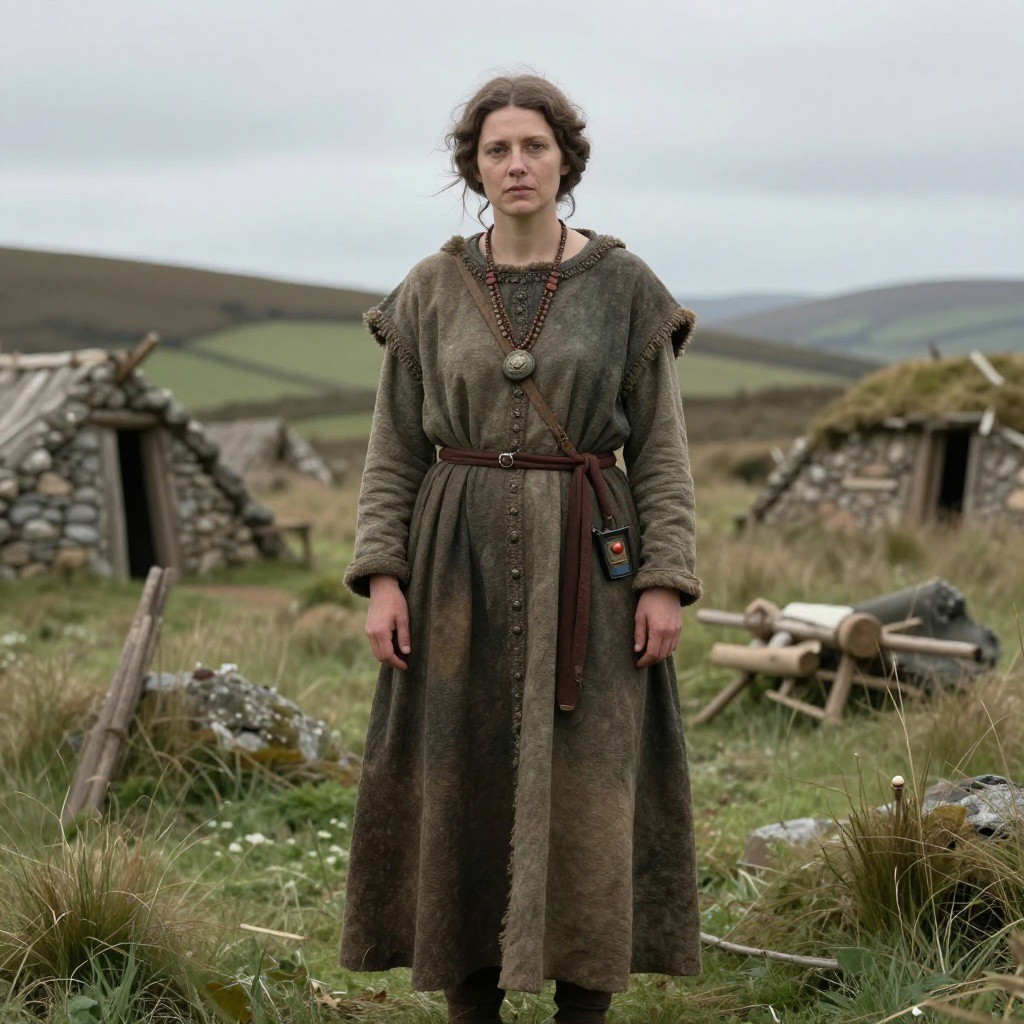
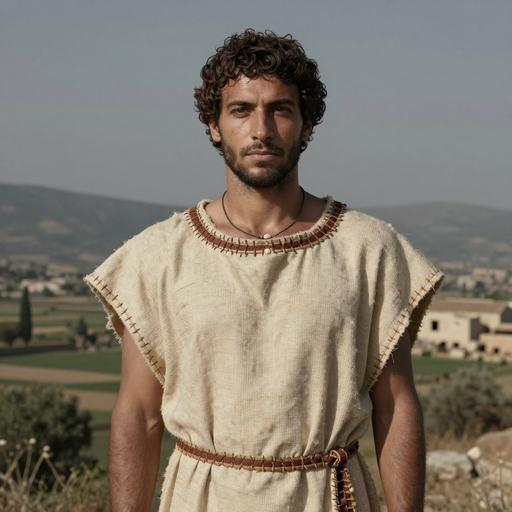
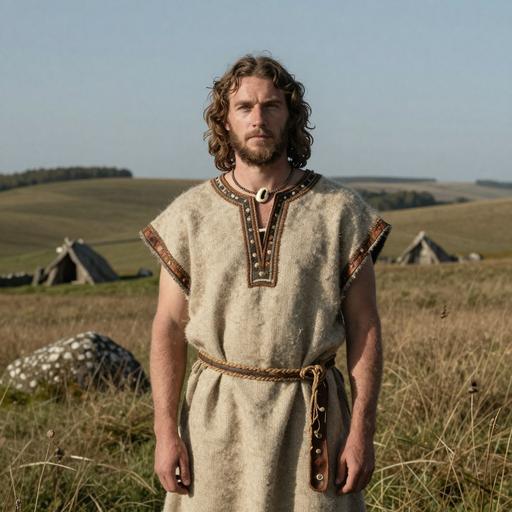
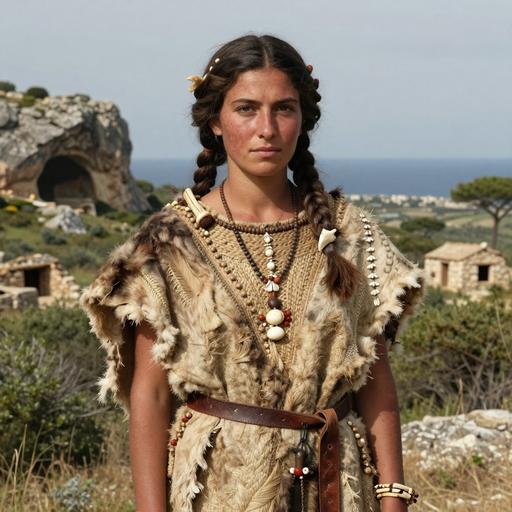
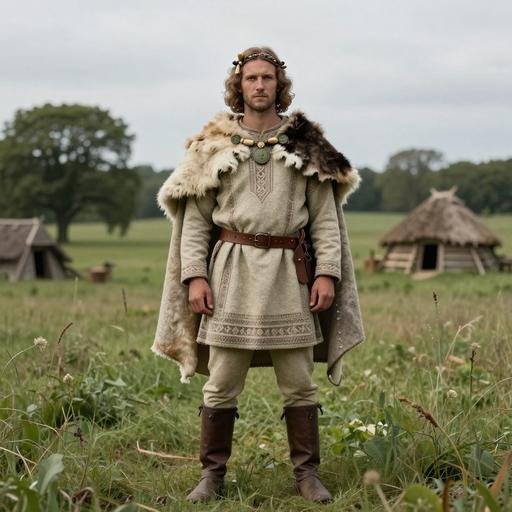
Los retratos son ilustraciones generadas con IA. Las etiquetas de muestra y los identificadores de acceso identifican los registros de referencia.
Retrato
Muestra
País
Época
Fecha
Cultura
mtDNA
Coincidencia
Identificador de muestra: I5689
Slovenia
Slovenia EIA
750-415 calBCE (2450±20 BP, KIA-37316)
Hallstatt Culture
K1b1
Direct
Identificador de muestra: VERT111
Ukraine
Middle to Late Trypillia Culture, Verteba Cave, Ukraine
3800-3500 BCE
Trypillia Culture
K1b1
Direct
Identificador de muestra: I23351
Romania
Romania C Bodrogkeresztur
4233-3987 calBCE (5270±30 BP, PSUAMS-14160)
Bodrogkeresztur
K1b1+(16093)
Direct
Identificador de muestra: FLR004
France
France MN
4678-4458 calBCE (5720±30 BP, Beta-413158)
Middle Neolithic French
K1b1
Direct
Identificador de muestra: I2387
Hungary
Hungary LN Tisza
5000-4500 BCE
Tisza Culture
K1b1
Direct
Identificador de muestra: R81
Italy
Imperial Rome
1-200 CE
Roman Empire
K1b1c
Subclado
Identificador de muestra: I26752
Croatia
Late Imperial Roman (Osijek)
200-300 CE
Late Imperial Roman
K1b1a1a
Subclado
Identificador de muestra: SGZ001
Kazakhstan
Iron Age Sarmatian, Kazakhstan
375-201 calBCE (2220±19 BP)
Sarmatian Culture
K1b1a
Subclado
Identificador de muestra: I22055
United Kingdom
England EastYorkshire MIA
391-201 calBCE (2239±31 BP, SUERC-52014)
Middle Iron Age
K1b1a1c1
Subclado
Identificador de muestra: I3582
Spain
Visigothic Period Granada, Spain
400-600 CE
Visigothic Culture
K1b1a
Subclado
Identificador de muestra: I7718
Pakistan
Saidu Sharif Iron Age Complex in Swat Valley, Pakistan
400-200 BCE
Saidu Sharif Culture
K1b1a1-a
Subclado
Identificador de muestra: CSK034
Austria
Austria Avar
600-800 CE
Austria_Avar
K1b1c
Subclado
Identificador de muestra: SSD-35
Hungary
Middle Avar Period Hungary
652-773 calCE (1333±16 BP, DeA-26577)
Avar Culture
K1b1a1+199
Subclado
Identificador de muestra: I19287
United Kingdom
England EIA
761-422 calBCE (2468±26 BP, SUERC-53039)
Early British Iron Age
K1b1a
Subclado
Identificador de muestra: COR002
Italy
Italy Sardinia EarlyMedieval
772-943 calCE (1182±21 BP, MAMS-38279)
Early Medieval Sardinian
K1b1a1
Subclado
Identificador de muestra: COR001
Italy
Italy Sardinia EarlyMedieval
885-992 calCE (1124±23 BP, MAMS-38279)
Early Medieval Sardinian
K1b1a1
Subclado
Identificador de muestra: VK309
Sweden
Sweden Viking
900 CE - 1200 CE
Viking
K1b1c
Subclado
Identificador de muestra: VK309
Sweden
The Viking Age
900 CE - 1200 CE
K1b1c
Subclado
Identificador de muestra: PCA0350
Poland
Iron Age Dziekanowice Culture
986-1155 calCE
Dziekanowice Culture
K1b1a
Subclado
Identificador de muestra: MK3001
Russia
Russia Koban
1048-921 calBCE (2831±20 BP, MAMS29808)
Russia_Koban
K1b1a1
Subclado
Identificador de muestra: I20323
Turkey
Ottoman Period Arab Graves, Turkey
1300-1650 CE
Ottoman Burial Culture
K1b1c
Subclado
Identificador de muestra: I8136
Spain
Spain EBA
1534-1422 calBCE (3216±33 BP, Ua-39408)
Early Bronze Age Iberian
K1b1a1
Subclado
Identificador de muestra: I2471
Spain
Spain EBA
1620-1462 calBCE (3280±30 BP, Beta-299311)
Early Bronze Age Iberian
K1b1a
Subclado
Identificador de muestra: VLI053
Czech Republic
Early Bronze Age Unetice Culture, Bohemia, Czech Republic
1700-1500 BCE
Unetice Culture
K1b1a1
Subclado
Identificador de muestra: JAG85
Croatia
Middle Bronze Age Jagodnjak, Croatia
1800-1600 BCE
Jagodnjak Culture
K1b1b1
Subclado
Identificador de muestra: BNL010
Czech Republic
Early Bronze Age Unetice Culture, Bohemia, Czech Republic
Germany Bell Beaker Culture, Germany 2500-2000 BCE
K1b1a1Subclado
Identificador de muestra: I5661
Bell Beaker Culture, Germany - Germany - Irlbach LKR
Germany Bell Beaker Culture, Germany 2500 BCE - 2000 BCE
K1b1b1Subclado
Identificador de muestra: I5661
Germany The Bell Beaker Culture 2500 BCE - 2000 BCE
K1b1b1Subclado
Identificador de muestra: TORTC
Late Neolithic to Early Bronze Age Veraza Culture, La Clape, France - France - La Clape. Grotte des Tortues
France Late Neolithic to Early Bronze Age Veraza Culture, La Clape, France 2578-2472 calBCE (4020±20 BP, UCAIMS-229426)
K1b1aSubclado
Identificador de muestra: I5750
Bell Beaker Culture, Netherlands - Netherlands - Noord-Holland. Oostwoud. De Tuithoorn
Netherlands Bell Beaker Culture, Netherlands 2600-1600 BCE
K1b1a1-aSubclado
Identificador de muestra: I6466
Chalcolithic Portugal - Portugal - Lisbon. Verdelha dos Ruivos
Portugal Portugal C 2700-2300 BCE
K1b1a1Subclado
Identificador de muestra: TIM001
Bronze Age Fatyanovo Culture, Ivanovo, Russia - Russia - Ivanovo. Timofeyevka
Russia Bronze Age Fatyanovo Culture, Ivanovo, Russia 2700 BCE - 2000 BCE
K1b1a1-aSubclado
MATERNAL LINAJE · ADN ANTIGUO
Mapa de pruebas de linajes antiguos
Sigue los clados superiores hasta esta rama y explora dónde se encontraron portadores antiguos.
Cargando observaciones antiguas...
La reducción de movimiento está activada. Utiliza la cronología o Mostrar todo para explorar a tu ritmo.
Leer las observaciones en una tabla
Observaciones antiguas visibles por rama, periodo y punto medio de la fecha
Rama
Periodo
Intervalo de fechas
Muestra
Identificador de muestra
Ubicación
Haplogrupo
Relación
Los marcadores son ubicaciones de hallazgos arqueológicos. Una línea discontinua representa una transición geográfica propuesta e incierta entre ramas consecutivas, apoyada en varias observaciones fechadas; no es una ruta de viaje exacta, un lugar de nacimiento ni una prueba de descendencia directa. Las muestras del clado parental pueden pertenecer a otras ramas descendientes. Se mantienen huecos cuando las pruebas son insuficientes. Las fechas de las muestras son distintas de las fechas de formación de los haplogrupos.
La agrupación por periodo histórico refleja cuándo vivió cada individuo antiguo y combina todas las ramas de esta cadena de linajes; no es una secuencia migratoria ni una cronología personal entre periodos.
Perfil de referencia
Mapa de distribución de portadores
Distribución geográfica de muestras de ADN antiguo (100), portadores directos o de subclados de K1B1
Portador directo Portador de un subclado
Filtro de periodo temporal
Todos los periodos
Mostrando todas las muestras
Perfil de referencia
Distribución temporal
Distribución de portadores por periodos arqueológicos
Perfil de referencia
Distribución geográfica
Recuentos por país registrado de las muestras. Reflejan la selección de referencia disponible, no frecuencias de población.
Perfil de referencia
Distribución por país y época
Compara los recuentos de muestras registradas por países y periodos arqueológicos. Selecciona una celda con datos para examinar una muestra.
Datos
Datos y procedencia
Información sobre las fuentes y la calidad de los datos
Última actualización2026-02-16
Puntuación de confianza50/100
CoberturaLow
Fuente de datos
La clasificación, las fechas estimadas y el contexto geográfico reflejan los datos de referencia registrados y pueden cambiar al revisarse las pruebas. La cobertura de muestras es desigual; las ubicaciones registradas y las asociaciones arqueológicas no establecen el origen personal ni la identidad cultural.