Aller au contenu principal
mtDNA · lignée Maternelle

A2

mtDNA Haplogroup A2

Profil de référence pour une branche de lignée. Des haplogroupes partagés n'établissent pas de lien familial ni d'identité culturelle.

Profil de référence

Contexte de la branche

Contexte historique de la branche de lignée mtDNA A2

Origins and Evolution

Haplogroup A2 is a subclade of mtDNA haplogroup A, which itself has deep roots in East Asia. A2 likely formed during the Late Pleistocene in a Beringian or adjacent North-East Asian population shortly before or during the initial migrations into the Americas. Coalescence estimates for A2 generally fall in the range of roughly 12–20 thousand years ago (kya), with a commonly used midpoint around ~16 kya, consistent with models of a Beringian standstill followed by southward expansion into the Americas during the terminal Pleistocene and early Holocene.

Genetically, A2 carries defining control-region and coding-region mutations that distinguish it from other A-lineages in East Asia and Siberia. Once established in Beringia or northeastern Eurasia, A2 diversified into multiple subclades that today show geographic structuring across North, Central, and South America.

Subclades

A2 includes multiple named subclades (for example A2a, A2b, A2c and further downstream branches) that reflect regional differentiation after entry into the Americas. Some subclades are widespread and common in many Indigenous American populations, while others show more localized distributions reflecting founder effects, drift, and subsequent regional expansions. Ancient DNA studies and high-resolution sequencing continue to refine the A2 subclade topology and permit finer-scale reconstructions of migration routes and timing.

Geographical Distribution

A2 is distributed broadly across the Americas: it is frequent in many Indigenous populations of North, Central, and South America, including Arctic and sub-Arctic groups, Andean populations, and numerous lowland South American peoples. Low-frequency occurrences of A2 and closely related A-lineages are also reported in northeastern Asia and among some Arctic Siberian groups, consistent with a Beringian origin and bidirectional contacts along the circumpolar region. Outside these areas, A2 is rare or absent except where recent admixture has introduced Native American maternal lineages into other populations.

Historical and Cultural Significance

A2 is central to models for the peopling of the Americas: as one of several founder haplogroups (alongside B2, C1, D1, and X2a), its presence in ancient and modern Indigenous populations supports scenarios of a Beringian standstill followed by post-glacial expansion into the New World. A2 is therefore linked to archaeological phenomena categorized as Paleoindian (including contexts broadly associated with early sites such as Clovis-age and pre-Clovis assemblages) and to later regional cultural developments across the Americas. In the Arctic, distinct A2 sublineages may be associated with later movements such as Neo-Eskimo / Thule expansions, illustrating the haplogroup's continued relevance through the Holocene.

Conclusion

mtDNA haplogroup A2 represents a key maternal lineage for understanding the settlement and demographic history of the Americas. Its phylogeographic pattern—deep coalescence in the Late Pleistocene, presence in Beringia / NE Asia, and broad diversification across the Americas—aligns with archaeological and palaeogenomic evidence for early human occupation and later regional differentiation. Continued high-resolution sequencing and ancient DNA sampling are clarifying the fine-scale substructure and migration histories contained within the A2 lineage.

Points clés

  • Origins and Evolution
  • Subclades
  • Geographical Distribution
  • Historical and Cultural Significance
  • Conclusion
Profil de référence

Arbre et relations

Contexte phylogénétique et sous-clades

Voie évolutive

Suivez les branches parentes consignées jusqu'à A2. Les dates sont des estimations et peuvent évoluer lorsque les données de référence sont révisées.

Étapes Haplogroupe Âge estimé Époque archéologique Temps écoulé Descendants immédiats Descendants modernes testés Liens anciens
1 A2 Actuel ~16,000 years ago Mesolithic 16,000 ans 8 895 14
2 AA1 - - - 14 942 0
3 AA - - - 4 947 0
4 A ~30,000 years ago Paleolithic 30,000 ans 4 997 192
5 N ~60,000 years ago Paleolithic 60,000 ans 16 26,150 13
6 L3 ~70,000 years ago Paleolithic 70,000 ans 7 30,162 6
7 L3'4 - - - 2 30,212 0
8 L3'4'6 - - - 2 30,216 0
9 L2'3'4'6 - - - 2 31,333 0
10 L2'3'4'5'6'7 - - - 2 31,349 0
11 L1'2'3'4'5'6'7 - - - 2 31,852 0
12 L ~160,000 years ago Paleolithic 160,000 ans 2 32,236 5

Branches sœurs (13)

Autres branches issues du même haplogroupe parent

Profil de référence

Dans le monde

Distribution géographique et présence moderne

Origine consignée

Beringia / North-East Asia

Distribution moderne

The populations where mtDNA haplogroup A2 is found include:

  1. Indigenous peoples of North America (First Nations, Inuit groups, many Native American tribes)
  2. Indigenous peoples of Central America (e.g., some Maya and other Mesoamerican groups)
  3. Indigenous peoples of South America (Andean populations such as Quechua and Aymara, and diverse Amazonian groups)
  4. Arctic and sub-Arctic Siberian groups (low-moderate frequencies among some Chukchi, Koryak and related populations)
  5. Aleut and other circumpolar populations (including some Inuit and Aleut communities)
Contexte historique

Une branche dans le temps

Formation estimée sur une chronologie historique large. Les repères de période servent de contexte et n'impliquent pas de lien avec des cultures particulières.

  1. Il y a ~20k ans

    Dernier maximum glaciaire

    Apogée de la dernière période glaciaire, populations isolées

  2. Il y a ~16k ans

    Haplogroupe A2

    Formation estimée de cette branche mtDNA ; les dates et les lieux sont des estimations de référence.

    Cette branche
  3. Il y a ~10k ans

    Révolution néolithique

    Début de l'agriculture et émergence de communautés sédentaires

  4. Il y a ~5k ans

    Âge du bronze

    Travail des métaux, écriture et premières civilisations

  5. Il y a ~3k ans

    Âge du fer

    Outils en fer, réseaux d'échanges élargis

  6. Il y a ~2.5k ans

    Antiquité classique

    Floraison des civilisations grecque et romaine

  7. Aujourd'hui

    Aujourd'hui

    Époque moderne

Profil de référence

Contexte archéologique

Associations archéologiques consignées pour la branche mtDNA A2

Associations consignées

Ces libellés décrivent des contextes archéologiques consignés pour des échantillons de référence liés à A2. Une association n'établit pas que tous les porteurs appartenaient à une culture ni qu'ils ont suivi une route migratoire précise.

Argentina_BuenosAires_7700BP Arroyo Seco Laguna Chica Lapa do Santo Lauricocha Culture Santa Rosa Island Culture
Les attributions culturelles reposent sur le contexte archéologique des échantillons d'ADN ancien et peuvent refléter des associations régionales à certaines périodes.
Profil de référence

Catalogue d'échantillons

14 porteurs de sous-clade de l'haplogroupe A2 (aucun porteur direct dans la sélection de référence actuelle)

10 affiché(s) · 14 échantillons correspondants

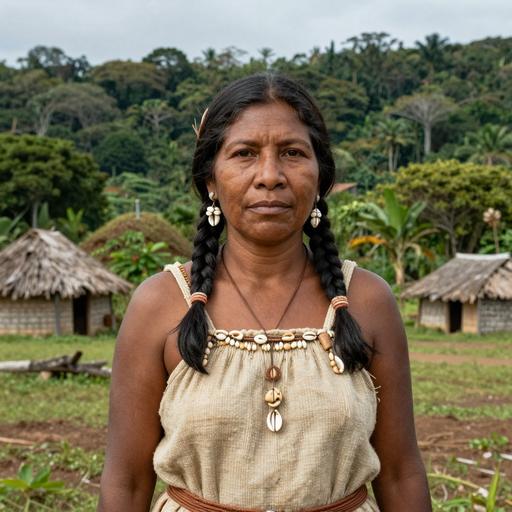
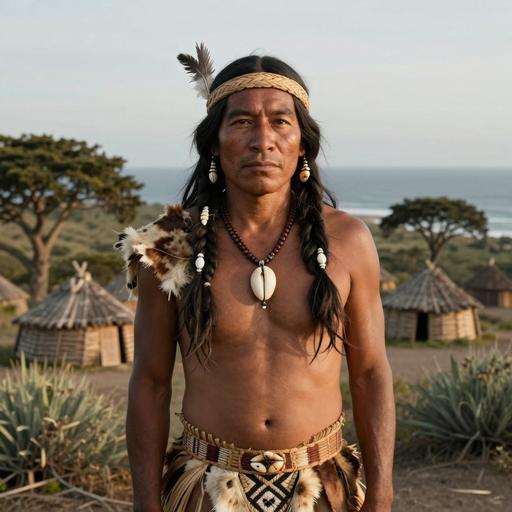
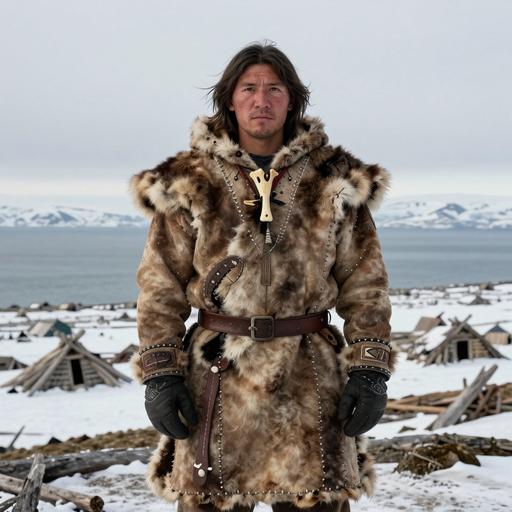
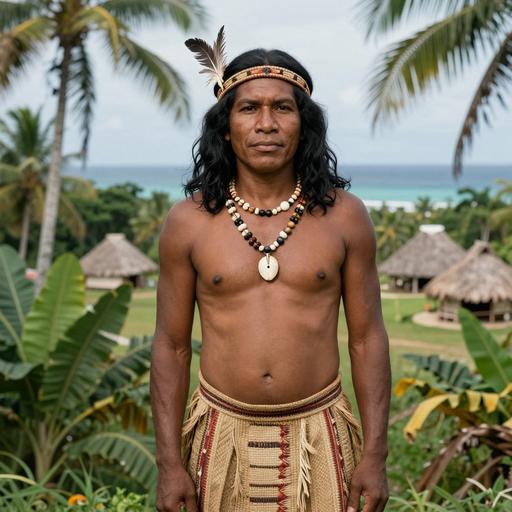
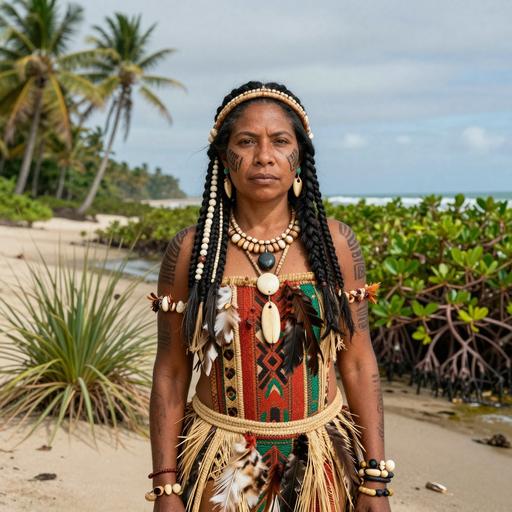
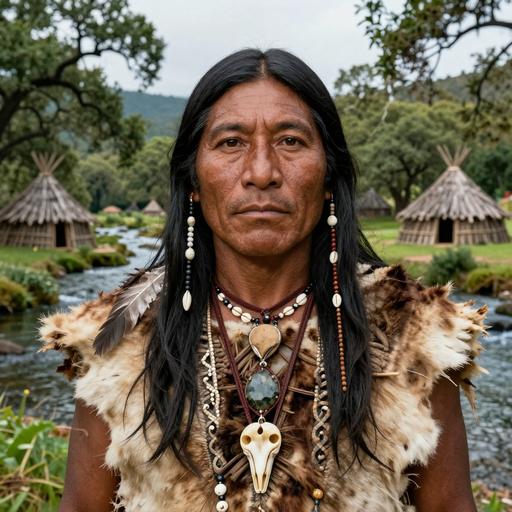
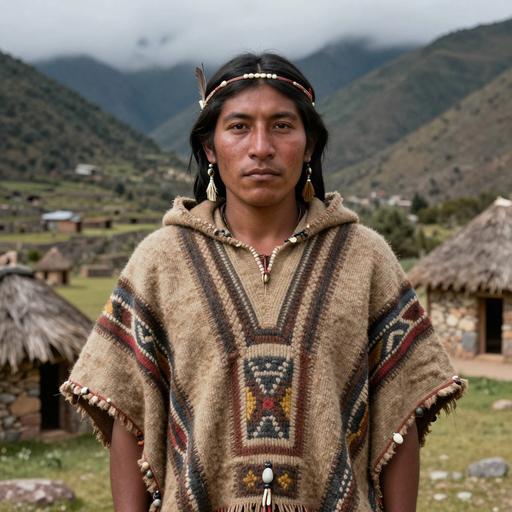
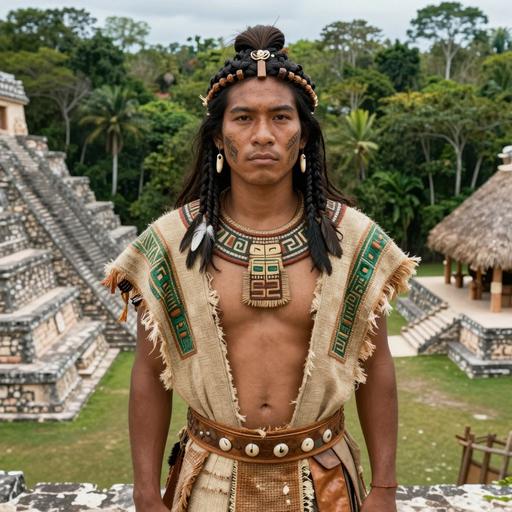
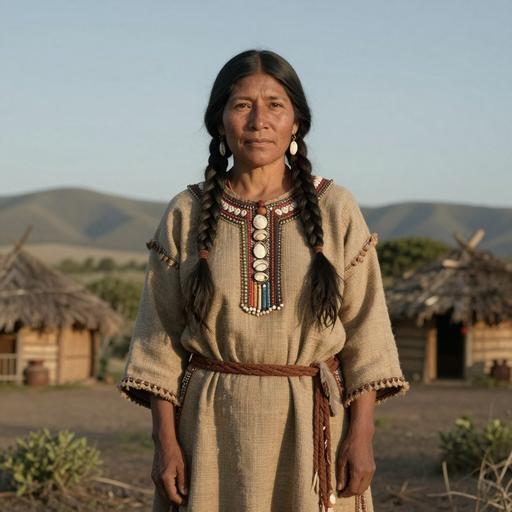
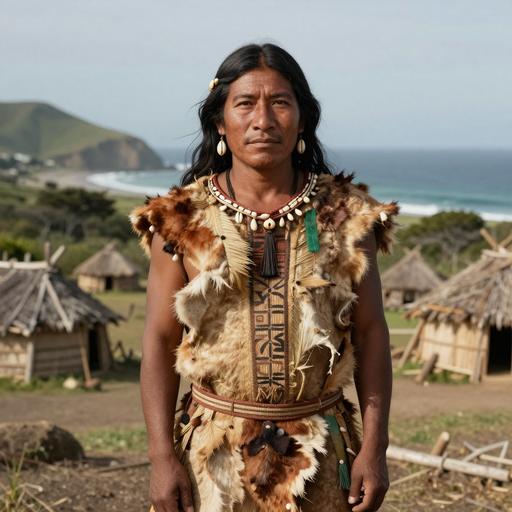
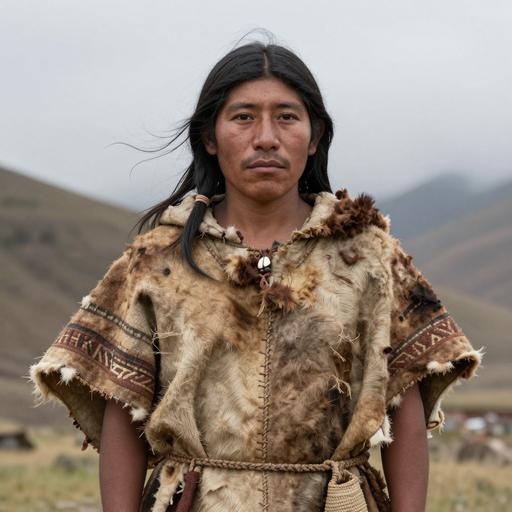
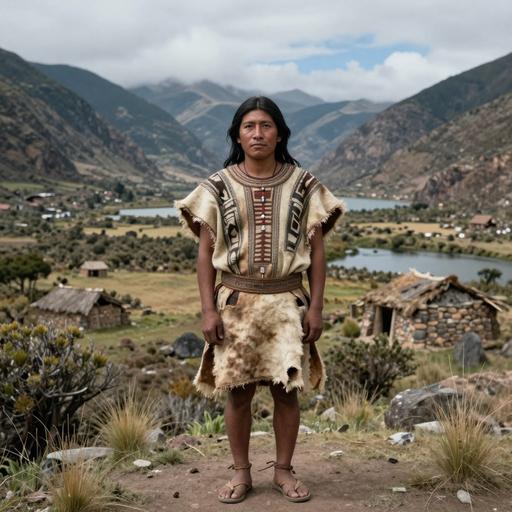
Les portraits sont des illustrations générées par IA. Les libellés d'échantillon et identifiants d'accès désignent les enregistrements de référence.

Portrait Échantillon Pays Époque Date Culture mtDNA Correspondance
Portrait illustratif généré par IA de East Espirito Santo Late Holocene HG individual, Sambaqui do Limão (Southeast Coast), Brazil (36 BCE-120 CE)
Identifiant d'échantillon : EPS003
Brazil Sambaqui Culture of Limão 36 calBCE - 120 calCE (1976±18, MAMS-40648) Limão Sambaqui A2-A2m Sous-clade
Portrait illustratif généré par IA de California individual, CA-SBA-81 (California, Santa Barbara County, Las Llagas No. 1), USA (805-773 BCE)
Identifiant d'échantillon : I11296
USA Chumash Culture 805-773 calBCE (2590±20 BP, PSUAMS-4900) Chumash A2+(64)+@153 Sous-clade
Portrait illustratif généré par IA de Chukotka Old Bering Sea individual, Uelen Chukotka. Bering Strait, Russia (830-1,260 CE)
Identifiant d'échantillon : I1524
Russia Old Bering Sea Culture Uelen, Russia 830-1260 calCE [union of two dates: 900-1260 calCE (1780±15 BP, PSUAMS-5325), 830-1190 calCE (1825±20 BP, PSUAMS-1906)] Old Bering Sea Culture A2a* Sous-clade
Portrait illustratif généré par IA de Dominican Republic Ceramic individual, El Soco (southeast coast DR, San Pedro de Macorís, Ramón Santana, Playa Nueva Romana), Dominican Republic (850-1,450 CE)
Identifiant d'échantillon : I13200
Dominican Republic Dominican Ceramic Culture 850-1450 CE Dominican Ceramic A2+(64)+@16111 Sous-clade
Portrait illustratif généré par IA de East Espirito Santo Late Holocene HG individual, Sambaqui do Limão (Southeast Coast), Brazil (850 BCE-1,650 CE)
Identifiant d'échantillon : EPS011
Brazil Sambaqui Culture of Limão 850 BCE - 1650 CE Limão Sambaqui A2-A2m Sous-clade
Portrait illustratif généré par IA de California individual, CA-SBA-477 (California, Lake Cachuma, Tequepis Creek), USA (1,300-1,800 CE)
Identifiant d'échantillon : I11285
USA Chumash 1300-1800 CE Chumash A2+(64)+@153 Sous-clade
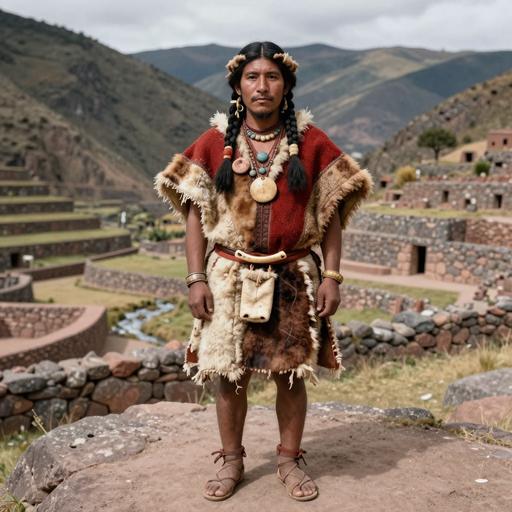
Portrait illustratif généré par IA de Andean Civilizations individual, Lauricocha. Highlands, Peru (1,660-1,500 BCE)
Identifiant d'échantillon : I0039
Peru Lauricocha, Peru 3,500 Years Ago 1660-1500 calBCE (3340±22 BP, MAMS-14389) Lauricocha Culture A2-a* Sous-clade
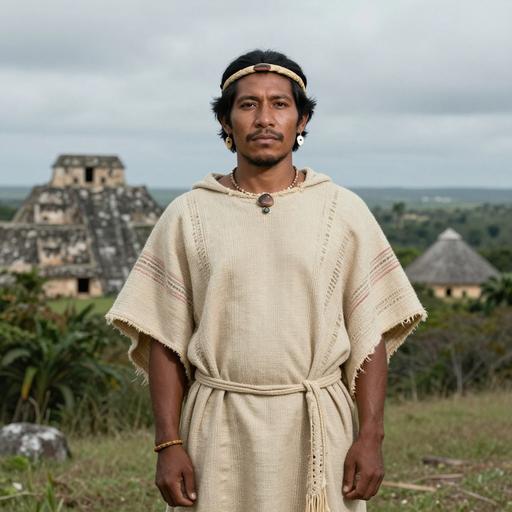
Portrait illustratif généré par IA de Archaic Maya individual, Mayahak Cab Pek, Belize (2,204-2,038 BCE)
Identifiant d'échantillon : I8041
Belize Belize 4,000 Years Ago 2204-2038 calBCE (3735±20 BP, PSUAMS-2681) Archaic Belize A2+(64)+@16111 Sous-clade
Portrait illustratif généré par IA de Archaic Maya individual, Mayahak Cab Pek, Belize (2,837-2,472 BCE)
Identifiant d'échantillon : I6235
Belize Belize 4,600 Years Ago 2837-2472 calBCE (4050±30 BP, PSUAMS-1401) Archaic Belize A2+(64)+@16111 Sous-clade
Portrait illustratif généré par IA de California individual, CA-SBA-52 (California, Goleta, Campbell No. 2), USA (2,907-2,774 BCE)
Identifiant d'échantillon : I11289
USA Chumash Culture 2907-2774 calBCE (4240±20 BP, PSUAMS-4899) Chumash A2+(64)+@153 Sous-clade
LIGNÉE MATERNELLE · ADN ANTIQUE

Carte des preuves de lignées antiques

Suivez les clades parents jusqu'à cette branche et explorez où des porteurs antiques ont été identifiés.

Chargement des observations antiques…

Les marqueurs indiquent des lieux de découvertes archéologiques. Un trait pointillé représente une transition géographique proposée et incertaine entre branches consécutives, appuyée sur plusieurs observations datées ; ce n'est pas un itinéraire exact, un lieu de naissance ni une preuve de descendance directe. Des échantillons de clades parents peuvent appartenir à d'autres branches descendantes. Des lacunes subsistent lorsque les preuves sont insuffisantes. Les dates d'échantillon diffèrent des dates de formation des haplogroupes.

Profil de référence

Carte de répartition des porteurs

Répartition géographique de 14 échantillons d'ADN ancien (porteurs directs et de sous-clade de A2)

Porteur de sous-clade
Filtre de période
Toutes les périodes
Affichage de tous les échantillons
Profil de référence

Répartition temporelle

Répartition des porteurs selon les périodes archéologiques

Profil de référence

Répartition géographique

Effectifs par pays d'échantillon consigné. Ils reflètent la sélection de référence disponible, pas des fréquences de population.

Profil de référence

Répartition pays × époque

Comparez les effectifs d'échantillons consignés selon les pays et les périodes archéologiques. Sélectionnez une cellule renseignée pour examiner un échantillon.

Données

Données et provenance

Informations sur les sources et qualité des données

Dernière mise à jour 2026-06-14

Source des données

La classification, les dates estimées et le contexte géographique reflètent les données de référence consignées et peuvent évoluer lorsque les éléments sont révisés. La couverture d'échantillons est inégale ; les lieux consignés et les associations archéologiques n'établissent pas une origine personnelle ni une identité culturelle.