Profil de référence pour une branche de lignée. Des haplogroupes partagés n'établissent pas de lien familial ni d'identité culturelle.
Profil de référence
Contexte de la branche
Contexte historique de la branche de lignée mtDNA A2A
Origins and Evolution
mtDNA haplogroup A2A is a descendant subclade of the broader Indigenous American lineage A2, itself derived from East Asian/Northeast Asian haplogroup A. Given the parent A2's estimated emergence around ~15 kya in Beringia or nearby regions, A2A most likely arose in the terminal Pleistocene to early Holocene (roughly ~12 kya, within the uncertainty ranges used in ancient DNA studies). The formation of A2A is consistent with an early maternal diversification after the Beringian standstill and the first migrations into the Americas, followed by regional differentiation as groups moved into northern North America and the Arctic margins.
Subclades
As a named subclade of A2, A2A may include further internal branches identified by one or more diagnostic control-region or coding-region mutations; however, the fine-scale phylogeny and the number of downstream sub-branches depend on sampling density and published mitogenomes. Many A2 sublineages show regional structure (for example, some A2 branches are concentrated in the Arctic, others in South America). A2A is best understood as part of that post‑migration diversification, with some internal variation seen in regional datasets and ancient samples.
Geographical Distribution
A2A is principally a northern American lineage in modern and ancient datasets. Its highest frequencies and most characteristic diversity are observed in:
Northern North America and the Arctic — including Inuit, Yup'ik, Aleut and some coastal First Nations groups, where A2-derived lineages frequently persist as maternal markers of long-term residency.
Broad Indigenous American presence — while concentration is northern, sublineages related to A2A can appear at low-to-moderate frequencies in other parts of North, Central, and South America as a consequence of ancient dispersals and later demographic movements.
Low-frequency occurrences in northeastern Siberia and circumpolar Eurasia — reflecting the shared Beringian ancestry and occasional backflow or retained ancestral diversity.
These patterns are supported by both modern population surveys and ancient DNA from Holocene archaeological contexts, which document the deep time continuity of A2-derived maternal lineages in the Americas.
Historical and Cultural Significance
A2A and related A2 subclades are markers of the earliest maternal colonization of the Americas. Their presence in Arctic and sub-Arctic groups ties them to adaptations to high-latitude coastal and marine-resource economies after the Last Glacial Maximum. In archaeological contexts, A2A-associated remains help trace routes and timing of post‑glacial expansions (for example, coastal and interior dispersals during the Early Holocene) and can inform debates about the peopling of the Arctic, the spread of Paleo‑Eskimo and later Thule/Neo‑Eskimo populations, and genealogical continuity in Indigenous communities.
Conclusion
mtDNA A2A represents a regional branch of the foundational A2 maternal lineage of Indigenous Americans. Its inferred origin shortly after the initial Beringian/American colonization and its concentration in northern and circumpolar populations make it a useful lineage for studying early post‑glacial population structure, mobility, and the maternal history of Arctic and sub‑Arctic peoples. Continued high-resolution mitogenome sequencing and ancient DNA sampling are refining the internal structure and historical narrative of A2A and allied A2 subclades.
Points clés
Origins and Evolution
Subclades
Geographical Distribution
Historical and Cultural Significance
Conclusion
Profil de référence
Arbre et relations
Contexte phylogénétique et sous-clades
Voie évolutive
Suivez les branches parentes consignées jusqu'à A2A. Les dates sont des estimations et peuvent évoluer lorsque les données de référence sont révisées.
The populations where mtDNA haplogroup A2A is found include:
Indigenous Native American groups across North, Central, and South America
Northern North American populations including Na‑Dene, Algonquian, and other northern First Nations
Arctic and sub‑Arctic peoples (Inuit, Yup'ik, Aleut) with regionally specific A2A variants
Selected Indigenous Siberian and circumpolar Eurasian groups at low frequencies (e.g., Chukotkan, some Tungusic groups)
Modern admixed populations in the Americas (e.g., Latin American mestizo and other groups) carrying Indigenous maternal ancestry
Contexte historique
Une branche dans le temps
Formation estimée sur une chronologie historique large. Les repères de période servent de contexte et n'impliquent pas de lien avec des cultures particulières.
Il y a ~12k ans
Haplogroupe A2A
Formation estimée de cette branche mtDNA ; les dates et les lieux sont des estimations de référence.
Cette branche
Il y a ~10k ans
Révolution néolithique
Début de l'agriculture et émergence de communautés sédentaires
Il y a ~5k ans
Âge du bronze
Travail des métaux, écriture et premières civilisations
Il y a ~3k ans
Âge du fer
Outils en fer, réseaux d'échanges élargis
Il y a ~2.5k ans
Antiquité classique
Floraison des civilisations grecque et romaine
Aujourd'hui
Aujourd'hui
Époque moderne
Profil de référence
Contexte archéologique
Associations archéologiques consignées pour la branche mtDNA A2A
Associations consignées
Ces libellés décrivent des contextes archéologiques consignés pour des échantillons de référence liés à A2A. Une association n'établit pas que tous les porteurs appartenaient à une culture ni qu'ils ont suivi une route migratoire précise.
Les attributions culturelles reposent sur le contexte archéologique des échantillons d'ADN ancien et peuvent refléter des associations régionales à certaines périodes.
Profil de référence
Catalogue d'échantillons
37 porteurs directs et 21 porteurs de sous-clade de l'haplogroupe A2A
10 affiché(s) · 50 échantillons correspondants
Aucun échantillon ne correspond à ces filtres. Essayez un autre libellé, lieu ou période.
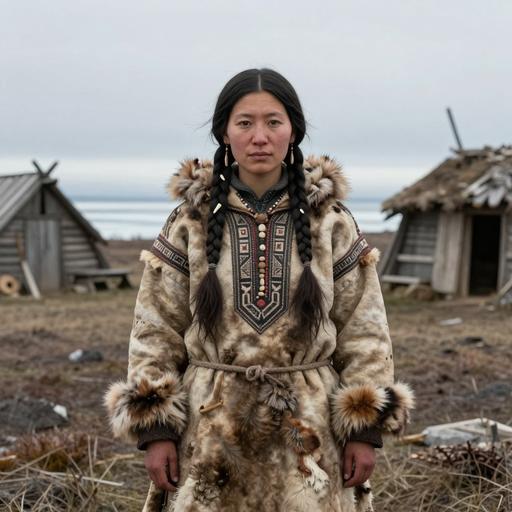
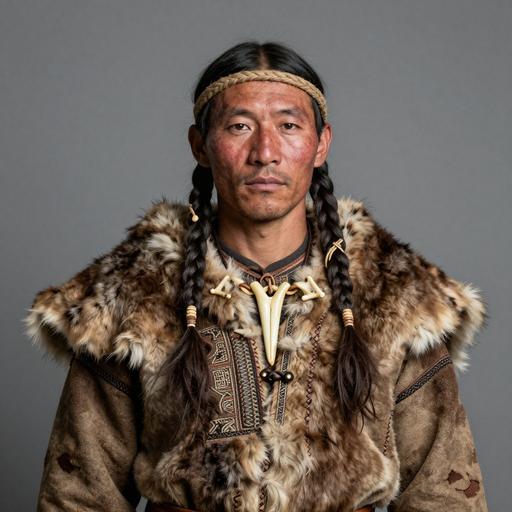
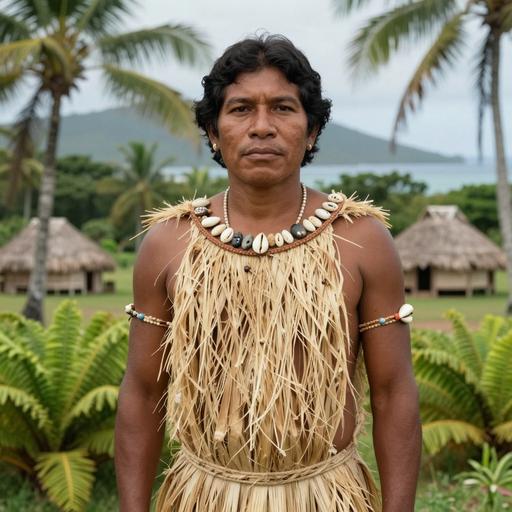
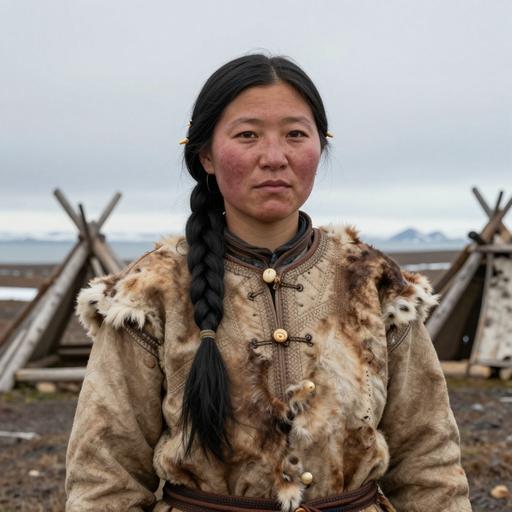
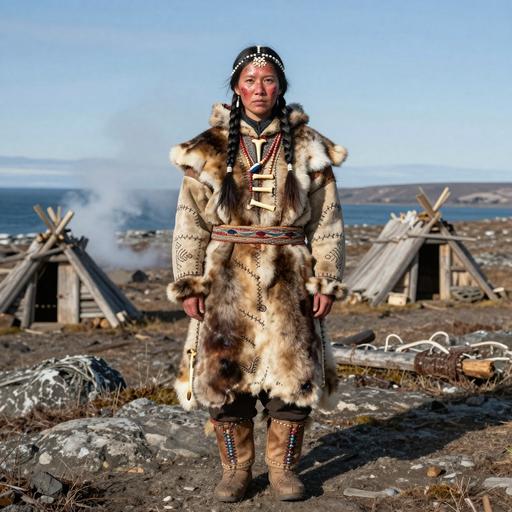
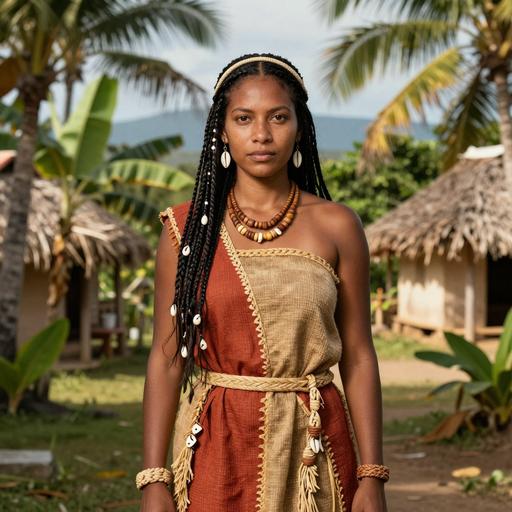
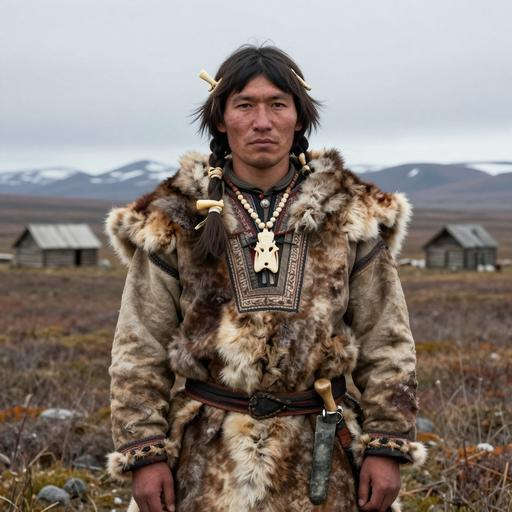
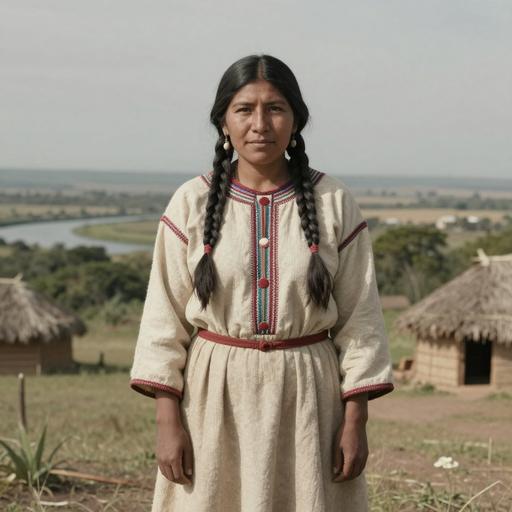
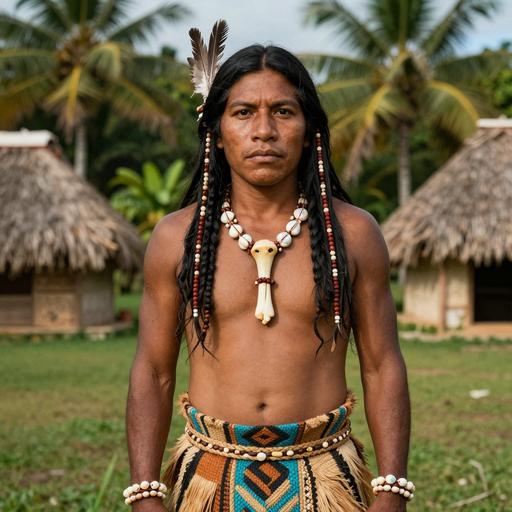
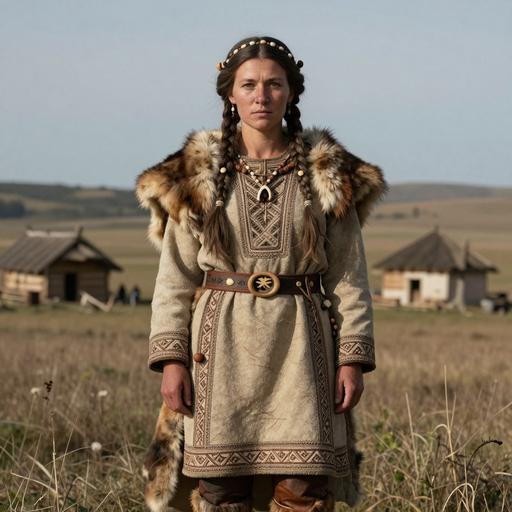
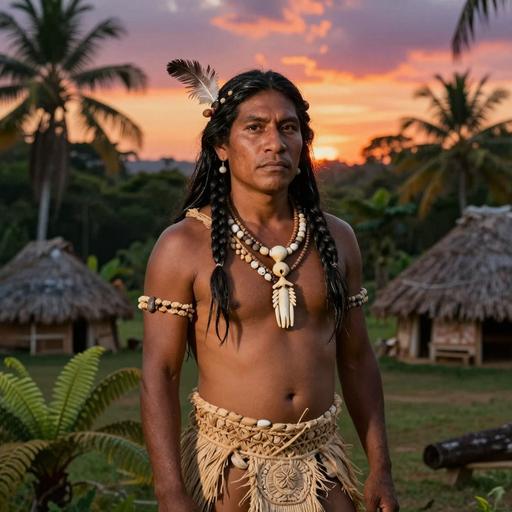
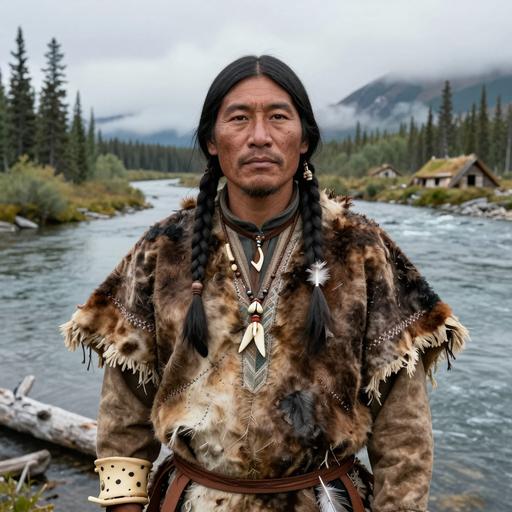
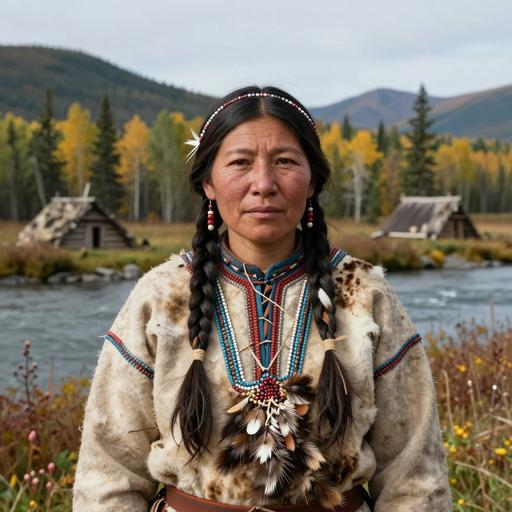
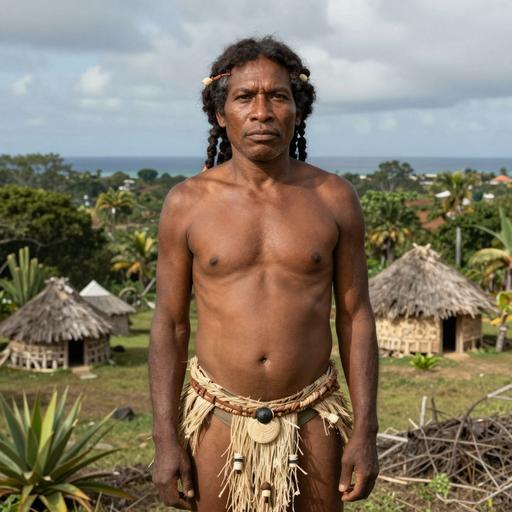
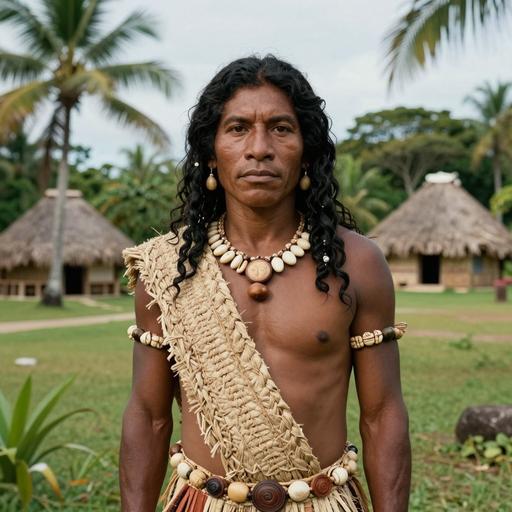
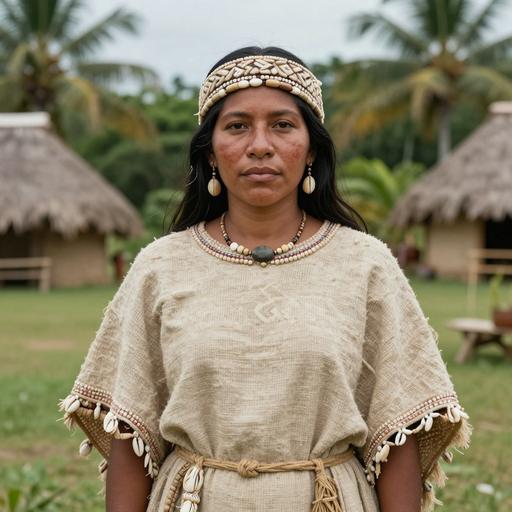
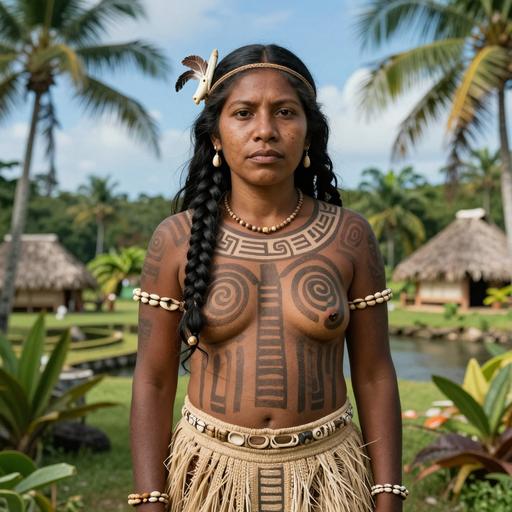
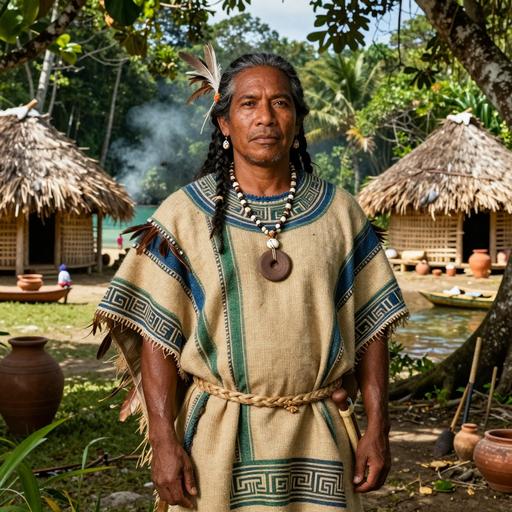
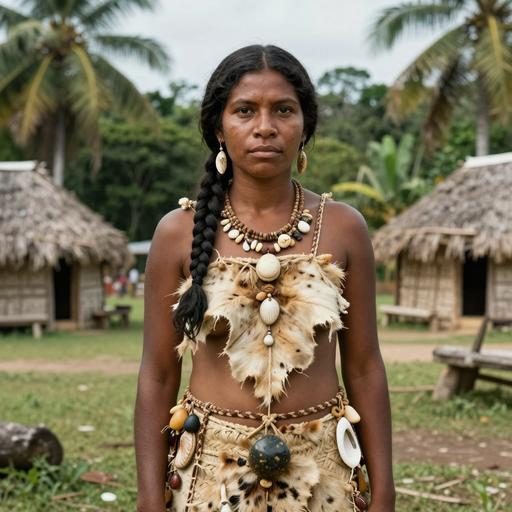
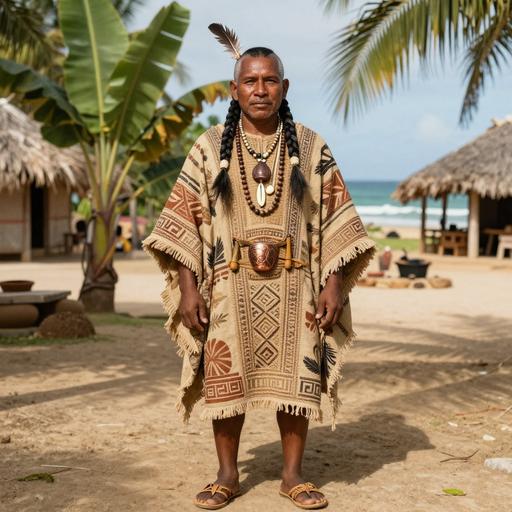
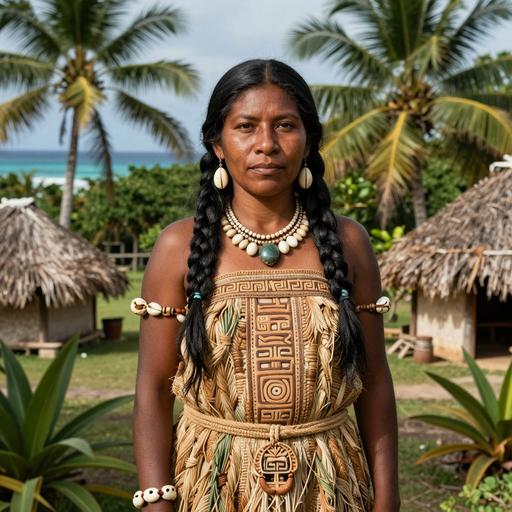
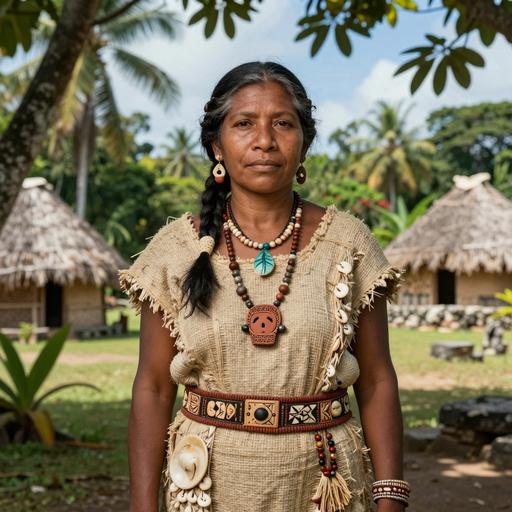
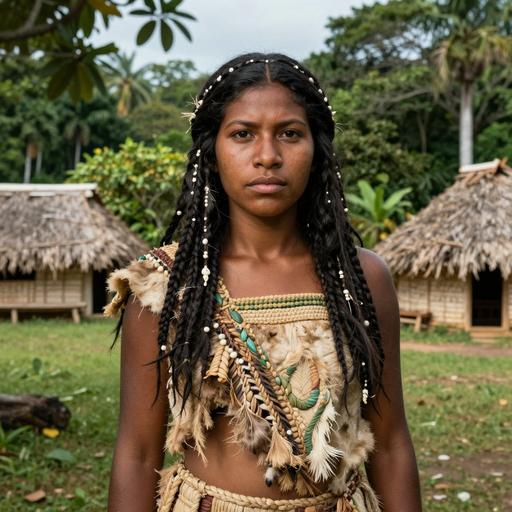
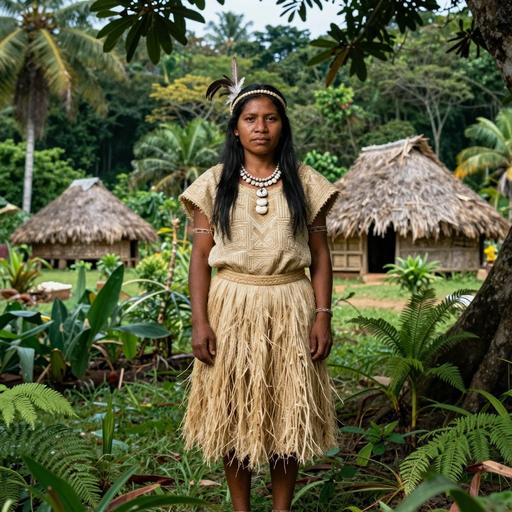
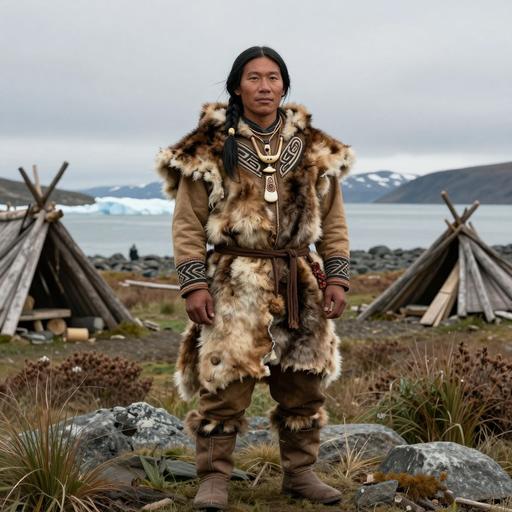
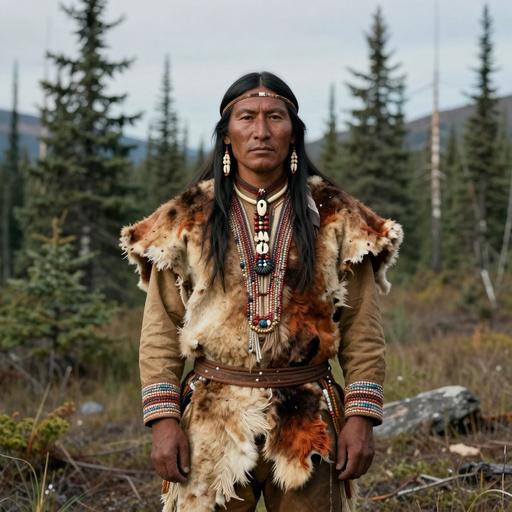
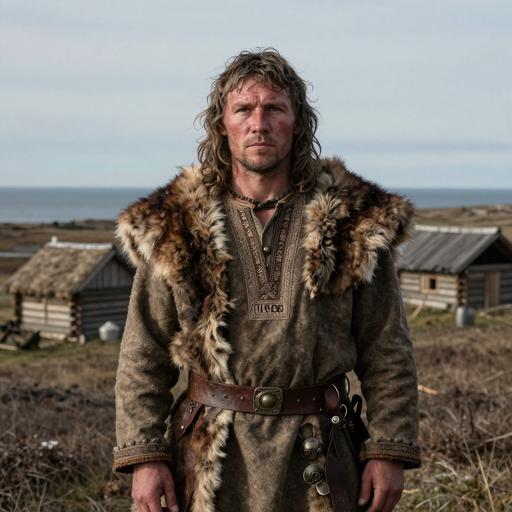
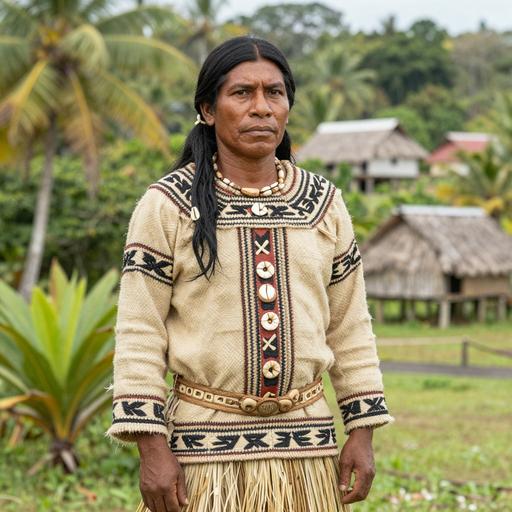
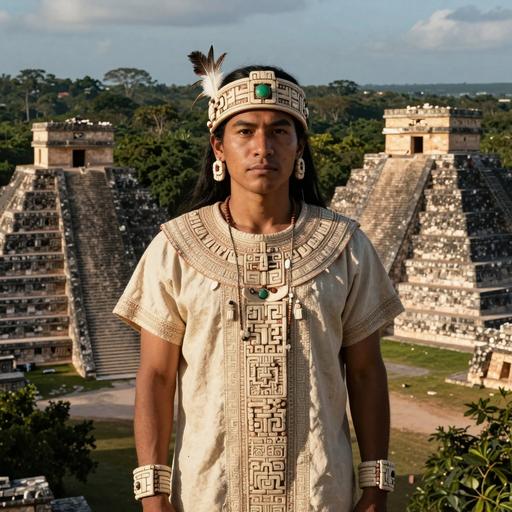
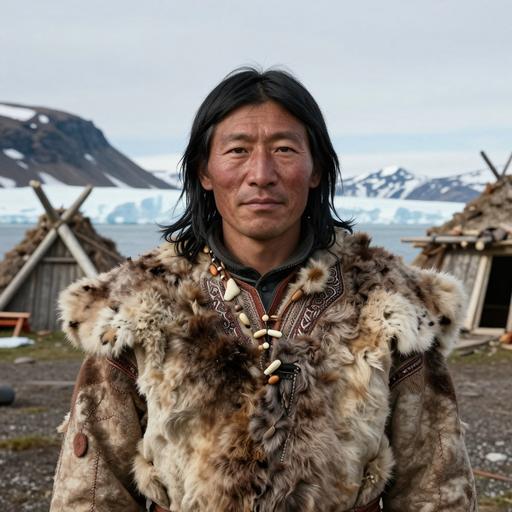
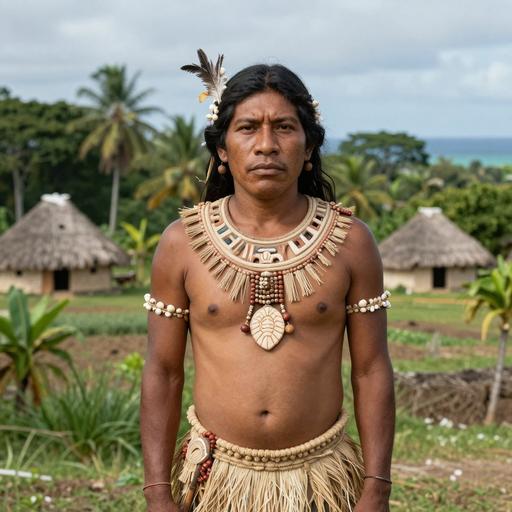
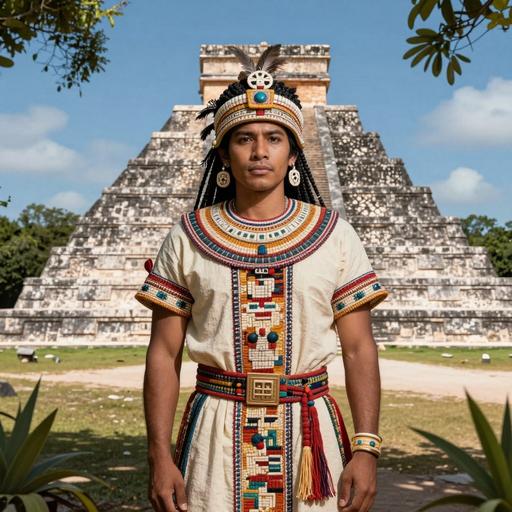
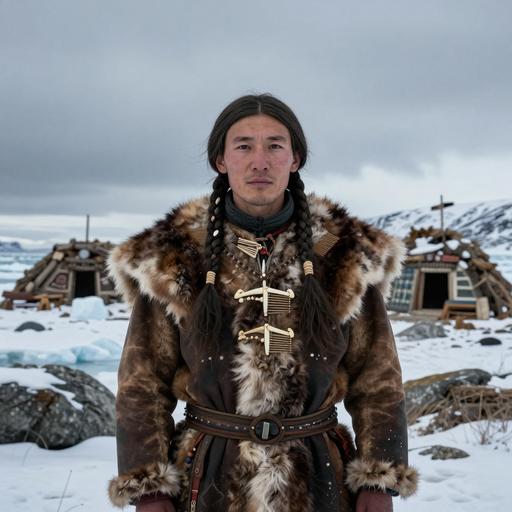
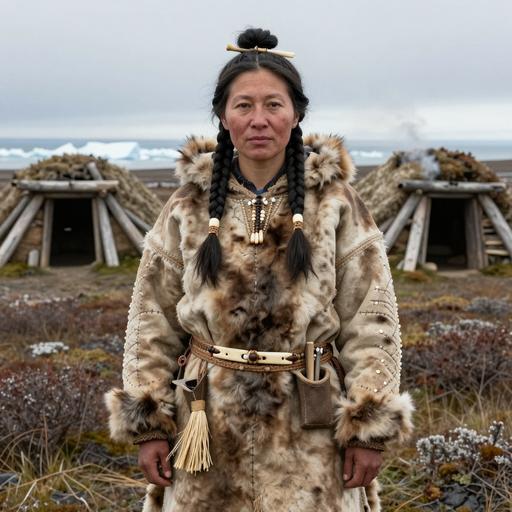
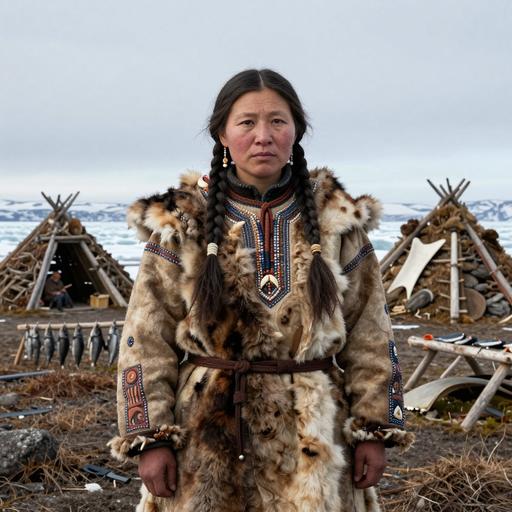
Les portraits sont des illustrations générées par IA. Les libellés d'échantillon et identifiants d'accès désignent les enregistrements de référence.
Portrait
Échantillon
Pays
Époque
Date
Culture
mtDNA
Correspondance
Identifiant d'échantillon : I1525
Russia
Old Bering Sea Culture Uelen, Russia
60 CE - 450 CE
Old Bering Sea Culture
A2a
Direct
Identifiant d'échantillon : NEO242
Russia
Iron Age Ekven, Russia
122 CE - 303 CE
Ekven
A2a
Direct
Identifiant d'échantillon : NEO242
Russia
Iron Age Beringia
122 CE - 303 CE
A2a
Direct
Identifiant d'échantillon : I7342
Russia
Old Bering Sea Culture Ekven, Russia
348 BCE - 24 CE
Old Bering Sea
A2a
Direct
Identifiant d'échantillon : I7342
Russia
Iron Age Beringia
348 BCE - 24 CE
A2a
Direct
Identifiant d'échantillon : I7342
Russia
Iron Age Beringia
348 BCE - 24 CE
A2a
Direct
Identifiant d'échantillon : PCA002
Puerto Rico
Ceramic Period Punta Candelero, Puerto Rico
500-1050 CE
Punta Candelero Culture
A2a
Direct
Identifiant d'échantillon : I7333
Russia
Old Bering Sea Culture Ekven, Russia
510 CE - 890 CE
Old Bering Sea
A2a
Direct
Identifiant d'échantillon : I7349
Russia
Old Bering Sea Culture Ekven, Russia
640 CE - 980 CE
Old Bering Sea
A2a
Direct
Identifiant d'échantillon : I7349
Russia
Medieval Beringia
640 CE - 980 CE
A2a
Direct
Identifiant d'échantillon : I7349
Russia
Medieval Beringia
640 CE - 980 CE
A2a
Direct
Identifiant d'échantillon : I8550
Dominican Republic
Ceramic Period Andres, Dominican Republic
651-772 calCE (1340±15 BP, PSUAMS-8176)
Andres Ceramic
A2-a
Direct
Identifiant d'échantillon : I7332
Russia
Old Bering Sea Culture Ekven, Russia
690 CE - 1070 CE
Old Bering Sea
A2a
Direct
Identifiant d'échantillon : I12376
Argentina
Laguna Toro Site 2400 Years Ago
736-194 calBCE (2369±52 BP, UGAMS-16601)
Laguna Toro
A2-a
Direct
Identifiant d'échantillon : PDI012013
Puerto Rico
Ceramic Period Paso del Indio, Puerto Rico
901-1159 calCE (1010±42 BP, AA-75124)
Paso del Indio Culture
A2-a
Direct
Identifiant d'échantillon : NEO234
Russia
Iron Age Uelen, Russia
975 BCE - 801 BCE
Uelen Culture
A2a
Direct
Identifiant d'échantillon : NEO234
Russia
Iron Age Beringia
975 BCE - 801 BCE
A2a
Direct
Identifiant d'échantillon : PI-51
Puerto Rico
Ceramic Period Paso del Indio, Puerto Rico
994-1163 calCE (973±41 BP)
Paso del Indio Culture
A2-a
Direct
Identifiant d'échantillon : I5320
USA
Ancient Athabaskan, Alaska, USA 1,100 Years Ago
1000-1450 CE
Athabaskan Culture
A2-a
Direct
Identifiant d'échantillon : I5321
USA
Ancient Athabaskan, Alaska, USA 1,100 Years Ago
1000-1450 CE
Athabaskan Culture
A2-a
Direct
Identifiant d'échantillon : I10759
Curacao
Ceramic Period de Savaan, Curacao
1200-1400 CE
de Savaan
A2-a
Direct
Identifiant d'échantillon : I13204
Dominican Republic
Ceramic Period Juan Dolio, Dominican Republic
1200-1650 CE
Juan Dolio
A2-a
Direct
Identifiant d'échantillon : I13207
Dominican Republic
Ceramic Period Juan Dolio, Dominican Republic
1200-1650 CE
Juan Dolio
A2-a
Direct
Identifiant d'échantillon : I14994
Dominican Republic
Ceramic Period Los Corniel, Dominican Republic
1222-1273 calCE (793±20 BP, DSH-7155)
Los Corniel
A2-a
Direct
Identifiant d'échantillon : I8549
Dominican Republic
Ceramic Period Andres, Dominican Republic
1228-1280 calCE (765±15 BP, PSUAMS-8189)
Andres Ceramic
A2-a
Direct
Identifiant d'échantillon : MARC1492
Canada
Canada 700BP
1231 CE - 1295 CE
Late Prehistoric Canadian
A2-a
Direct
Identifiant d'échantillon : MARC1492
Canada
North America Colonial Era
1231 CE - 1295 CE
A2-a
Direct
Identifiant d'échantillon : CAO020
Cuba
Archaic Period Canimar Abajo, Cuba
1258-1055 calBCE (2952±22 BP, MAMS-44075)
Canimar Abajo
A2-a
Direct
Identifiant d'échantillon : I13208
Dominican Republic
Ceramic Period Juan Dolio, Dominican Republic
1271-1378 calCE (710±20 BP, PSUAMS-7354)
Juan Dolio
A2-a
Direct
Identifiant d'échantillon : I13201
Dominican Republic
Ceramic Period Juan Dolio, Dominican Republic
1307-1407 calCE (590±20 BP, PSUAMS-8806)
Juan Dolio
A2-a
Direct
Identifiant d'échantillon : I17907
Dominican Republic
Ceramic Period Atajadizo, Dominican Republic
1322-1410 calCE (570±15 BP, PSUAMS-8970)
Atajadizo Ceramic
A2-a
Direct
Identifiant d'échantillon : CAO016
Cuba
Archaic Period Canimar Abajo, Cuba
1400 BCE - 1300 CE
Canimar Abajo
A2-a
Direct
Identifiant d'échantillon : I13199
Dominican Republic
Ceramic Period Juan Dolio, Dominican Republic
1402-1431 calCE (525±15 BP, PSUAMS-8179)
Juan Dolio
A2-a
Direct
Identifiant d'échantillon : I1123
USA
Neo-Aleut Culture, Alaska, USA
1450 CE - 1820 CE
Neo-Aleut Culture
A2a
Direct
Identifiant d'échantillon : I1123
USA
Medieval Beringia
1450 CE - 1820 CE
A2a
Direct
Identifiant d'échantillon : 523a
USA
Athabaskan Culture, Alaska, USA
1800 CE - 1900 CE
Athabaskan Culture
A2a
Direct
Identifiant d'échantillon : 523a
USA
The First Peoples of North America
1800 CE - 1900 CE
A2a
Direct
Identifiant d'échantillon : NEO243
Russia
Iron Age Ekven, Russia
376 BCE - 119 BCE
Ekven
A2a2
Sous-clade
Identifiant d'échantillon : NEO243
Russia
Iron Age Beringia
376 BCE - 119 BCE
A2a2
Sous-clade
Identifiant d'échantillon : I13441
Puerto Rico
Ceramic Period Cabo Rojo 11, Puerto Rico
500-1500 CE
Cabo Rojo Culture
A2-a1
Sous-clade
Identifiant d'échantillon : YCH023
Mexico
Maya Lowland Classic
550 CE - 1200 CE
Maya Classic
A2a3
Sous-clade
Identifiant d'échantillon : YCH023
Mexico
Maya Lowland Classic
550 CE - 1200 CE
Maya Classic
A2a3
Sous-clade
Identifiant d'échantillon : I7337
Russia
Old Bering Sea Culture Ekven, Russia
620 CE - 980 CE
Old Bering Sea
A2a2
Sous-clade
Identifiant d'échantillon : I7965
Dominican Republic
Ceramic Period Cueva Juana, Dominican Republic
661-775 calCE (1305±20 BP, PSUAMS-8830)
Cueva Juana Ceramic
A2-a4
Sous-clade
Identifiant d'échantillon : YCH037
Mexico
Maya Lowland Classic
667-774 calCE (1289±22 BP; MAMS-35824)
Maya Classic
A2a3
Sous-clade
Identifiant d'échantillon : I7341
Russia
Old Bering Sea Culture Ekven, Russia
710 CE - 990 CE
Old Bering Sea
A2a1
Sous-clade
Identifiant d'échantillon : I7341
Russia
Medieval Beringia
710 CE - 990 CE
A2a1
Sous-clade
Identifiant d'échantillon : I7341
Russia
Medieval Beringia
710 CE - 990 CE
A2a1
Sous-clade
Identifiant d'échantillon : I7344
Russia
Old Bering Sea Culture Ekven, Russia
730 CE - 1010 CE
Old Bering Sea
A2a1
Sous-clade
Identifiant d'échantillon : I8294
Russia
Old Bering Sea Culture Uelen, Russia
990 CE - 1320 CE
Old Bering Sea Culture
A2a2
Sous-clade
Identifiant d'échantillon : I1525
Old Bering Sea Culture Uelen, Russia - Russia - Uelen Chukotka. Bering Strait
Russia Old Bering Sea Culture Uelen, Russia 60 CE - 450 CE
A2aDirect
Identifiant d'échantillon : NEO242
Iron Age Ekven, Russia - Russia - Ekven
Russia Iron Age Ekven, Russia 122 CE - 303 CE
A2aDirect
Identifiant d'échantillon : NEO242
Russia Iron Age Beringia 122 CE - 303 CE
A2aDirect
Identifiant d'échantillon : I7342
Old Bering Sea Culture Ekven, Russia - Russia - Chukotka. Bering Strait. Ekven
Russia Old Bering Sea Culture Ekven, Russia 348 BCE - 24 CE
A2aDirect
Identifiant d'échantillon : I7342
Russia Ekven OldBeringSea lc - Chukotka. Bering Strait. Ekven
Russia Iron Age Beringia 348 BCE - 24 CE
A2aDirect
Identifiant d'échantillon : I7342
Russia Iron Age Beringia 348 BCE - 24 CE
A2aDirect
Identifiant d'échantillon : PCA002
Ceramic Period Punta Candelero, Puerto Rico - Puerto Rico - Humacao. Punta Candelero
Puerto Rico Ceramic Period Punta Candelero, Puerto Rico 500-1050 CE
A2aDirect
Identifiant d'échantillon : I7333
Old Bering Sea Culture Ekven, Russia - Russia - Chukotka. Bering Strait. Ekven
Russia Old Bering Sea Culture Ekven, Russia 510 CE - 890 CE
A2aDirect
Identifiant d'échantillon : I7349
Old Bering Sea Culture Ekven, Russia - Russia - Chukotka. Bering Strait. Ekven
Russia Old Bering Sea Culture Ekven, Russia 640 CE - 980 CE
A2aDirect
Identifiant d'échantillon : I7349
Russia Medieval Beringia 640 CE - 980 CE
A2aDirect
Identifiant d'échantillon : I7349
Russia Ekven OldBeringSea dup.I7349.SG - Chukotka. Bering Strait. Ekven
Russia Medieval Beringia 640 CE - 980 CE
A2aDirect
Identifiant d'échantillon : I8550
Ceramic Period Andres, Dominican Republic - Dominican Republic - Andres
Old Bering Sea Culture Ekven, Russia - Russia - Chukotka. Bering Strait. Ekven
Russia Old Bering Sea Culture Ekven, Russia 710 CE - 990 CE
A2a1Sous-clade
Identifiant d'échantillon : I7341
Russia Medieval Beringia 710 CE - 990 CE
A2a1Sous-clade
Identifiant d'échantillon : I7341
Russia Ekven OldBeringSea - Chukotka. Bering Strait. Ekven
Russia Medieval Beringia 710 CE - 990 CE
A2a1Sous-clade
Identifiant d'échantillon : I7344
Old Bering Sea Culture Ekven, Russia - Russia - Chukotka. Bering Strait. Ekven
Russia Old Bering Sea Culture Ekven, Russia 730 CE - 1010 CE
A2a1Sous-clade
Identifiant d'échantillon : I8294
Old Bering Sea Culture Uelen, Russia - Russia - Uelen Chukotka. Bering Strait
Russia Old Bering Sea Culture Uelen, Russia 990 CE - 1320 CE
A2a2Sous-clade
LIGNÉE MATERNELLE · ADN ANTIQUE
Carte des preuves de lignées antiques
Suivez les clades parents jusqu'à cette branche et explorez où des porteurs antiques ont été identifiés.
Chargement des observations antiques…
La réduction des animations est activée. Utilisez la chronologie ou Tout afficher pour explorer à votre rythme.
Lire les observations sous forme de tableau
Observations antiques affichées par branche, période et date médiane
Branche
Période
Plage de dates
Échantillon
Identifiant d'échantillon
Emplacement
Haplogroupe
Relation
Les marqueurs indiquent des lieux de découvertes archéologiques. Un trait pointillé représente une transition géographique proposée et incertaine entre branches consécutives, appuyée sur plusieurs observations datées ; ce n'est pas un itinéraire exact, un lieu de naissance ni une preuve de descendance directe. Des échantillons de clades parents peuvent appartenir à d'autres branches descendantes. Des lacunes subsistent lorsque les preuves sont insuffisantes. Les dates d'échantillon diffèrent des dates de formation des haplogroupes.
Le regroupement par période historique reflète quand chaque individu antique a vécu, en combinant toutes les branches de cette chaîne de lignée ; ce n'est pas une séquence migratoire ni une chronologie personnelle entre périodes.
Profil de référence
Carte de répartition des porteurs
Répartition géographique de 58 échantillons d'ADN ancien (porteurs directs et de sous-clade de A2A)
Porteur direct Porteur de sous-clade
Filtre de période
Toutes les périodes
Affichage de tous les échantillons
Profil de référence
Répartition temporelle
Répartition des porteurs selon les périodes archéologiques
Profil de référence
Répartition géographique
Effectifs par pays d'échantillon consigné. Ils reflètent la sélection de référence disponible, pas des fréquences de population.
Profil de référence
Répartition pays × époque
Comparez les effectifs d'échantillons consignés selon les pays et les périodes archéologiques. Sélectionnez une cellule renseignée pour examiner un échantillon.
Données
Données et provenance
Informations sur les sources et qualité des données
Dernière mise à jour2026-02-16
Score de confiance50/100
CouvertureLow
Source des données
La classification, les dates estimées et le contexte géographique reflètent les données de référence consignées et peuvent évoluer lorsque les éléments sont révisés. La couverture d'échantillons est inégale ; les lieux consignés et les associations archéologiques n'établissent pas une origine personnelle ni une identité culturelle.