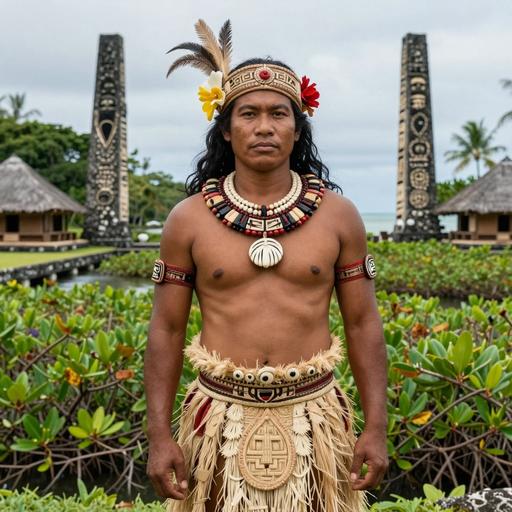
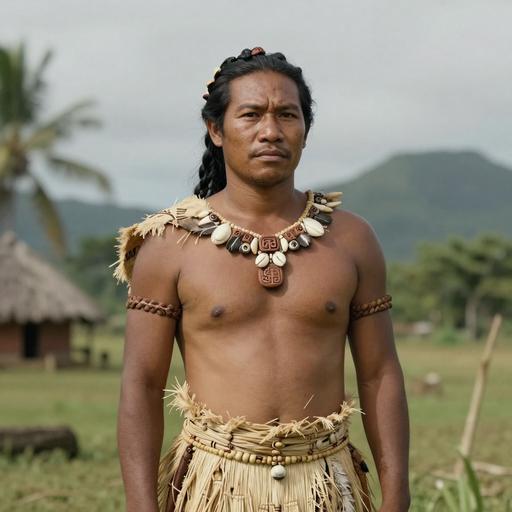
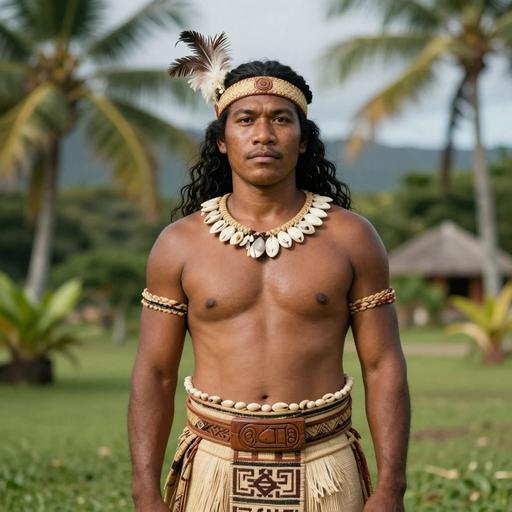
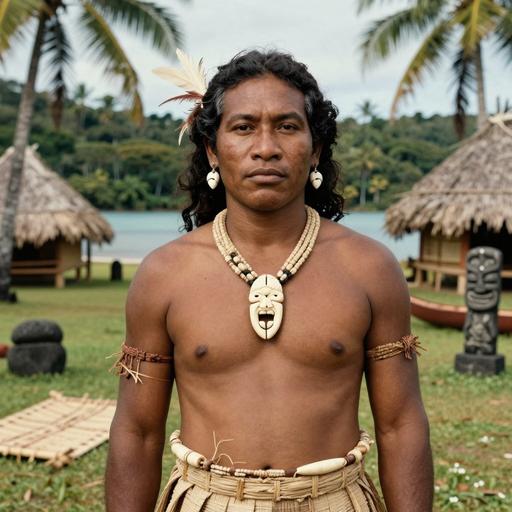
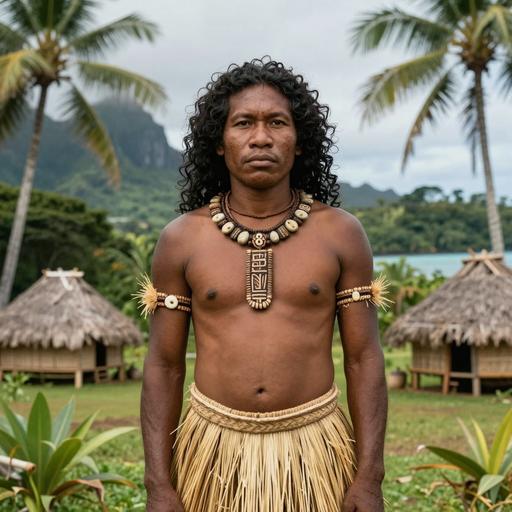
Profil de référence pour une branche de lignée. Des haplogroupes partagés n'établissent pas de lien familial ni d'identité culturelle.
Profil de référence
Contexte de la branche
Contexte historique de la branche de lignée mtDNA B4A1A1
Origins and Evolution
mtDNA haplogroup B4A1A1 is a downstream lineage of B4A1A and likely arose in Island Southeast Asia or Taiwan during the mid-Holocene, roughly around 5,000 years ago (± a couple thousand years depending on mutation-rate calibration). As a maternal lineage nested within the broader B4 clade, B4A1A1 shows the phylogenetic signature expected for populations involved in coastal and seafaring dispersals. Its emergence postdates the initial B4 diversification and aligns chronologically and geographically with Neolithic maritime expansions that carried Austronesian languages and material culture across Island Southeast Asia and into Remote Oceania.
Subclades
B4A1A1 itself gives rise to further derived motifs that are better-known in Pacific contexts (for example, the Polynesian motif is a closely related downstream branch often labeled in the literature as B4a1a1a or a similarly named terminal clade depending on the phylogeny used). These downstream subclades show strong founder effects in Remote Oceania (Micronesia and Polynesia) and reduced diversity consistent with serial bottlenecks during long-distance voyaging and island colonization.
Geographical Distribution
The distribution of B4A1A1 is tightly linked to Austronesian-speaking populations and coastal/island groups of Southeast Asia and the Pacific. Highest frequencies and haplotype diversity occur in Formosan (indigenous Taiwanese) groups, parts of the Philippines, eastern Indonesia and in many Pacific island populations (Micronesia and Polynesia). In Island Melanesia the lineage appears at moderate frequencies where Austronesian-speaking groups admixed with Papuan-speaking peoples. Low to moderate frequencies are observed in some mainland southern East Asian groups (e.g., southern Han Chinese and neighboring populations) and in coastal Southeast Asia, reflecting either ancient coastal contact or more recent gene flow. Modern appearances at low frequency in the Americas are generally the result of recent East/Southeast Asian admixture rather than pre-Holocene presence.
Genetic surveys and ancient DNA data show B4A1A1 present in archaeological and prehistoric contexts consistent with Austronesian-associated sites; in our referenced database this lineage appears in 27 ancient samples, many associated with early island-hopping and Lapita-related contexts in the Pacific.
Historical and Cultural Significance
B4A1A1 is strongly associated with the demographic processes that spread Austronesian languages, agriculture, and seafaring technology from Taiwan/Island Southeast Asia into the wider Pacific. Its presence in Polynesia and Micronesia—often as part of the so-called "Polynesian motif" complex of maternal lineages—provides a maternal genetic signature for long-range voyaging and serial founder events. Archaeologically, B4A1A1 and its subclades are often discussed alongside the Lapita cultural complex (the pottery-bearing early Pacific expansion) and earlier Neolithic coastal dispersals in ISEA and Taiwan.
Conclusion
As a maternal lineage, B4A1A1 is a key marker for tracking Austronesian maritime dispersals and the peopling of Remote Oceania. Its phylogenetic position as a subclade of B4A1A, its geographic concentration in Island Southeast Asia and the Pacific, and its presence in ancient samples together make it an informative haplogroup for studies of Holocene migration, founder effects, and the maternal component of Austronesian expansions.
Points clés
Origins and Evolution
Subclades
Geographical Distribution
Historical and Cultural Significance
Conclusion
Profil de référence
Arbre et relations
Contexte phylogénétique et sous-clades
Voie évolutive
Suivez les branches parentes consignées jusqu'à B4A1A1. Les dates sont des estimations et peuvent évoluer lorsque les données de référence sont révisées.
Parts of Island Melanesia (in communities with Austronesian admixture)
Mainland East Asian populations at low to moderate frequency (southern Han Chinese and neighboring groups)
Coastal Southeast Asian populations (Vietnamese-adjacent, Malay-adjacent groups)
Modern populations in the Americas where recent East/Southeast Asian admixture introduced B4-derived lineages (low frequency)
Contexte historique
Une branche dans le temps
Formation estimée sur une chronologie historique large. Les repères de période servent de contexte et n'impliquent pas de lien avec des cultures particulières.
Il y a ~10k ans
Révolution néolithique
Début de l'agriculture et émergence de communautés sédentaires
Il y a ~5k ans
Âge du bronze
Travail des métaux, écriture et premières civilisations
Il y a ~5k ans
Haplogroupe B4A1A1
Formation estimée de cette branche mtDNA ; les dates et les lieux sont des estimations de référence.
Cette branche
Il y a ~3k ans
Âge du fer
Outils en fer, réseaux d'échanges élargis
Il y a ~2.5k ans
Antiquité classique
Floraison des civilisations grecque et romaine
Aujourd'hui
Aujourd'hui
Époque moderne
Profil de référence
Contexte archéologique
Associations archéologiques consignées pour la branche mtDNA B4A1A1
Associations consignées
Ces libellés décrivent des contextes archéologiques consignés pour des échantillons de référence liés à B4A1A1. Une association n'établit pas que tous les porteurs appartenaient à une culture ni qu'ils ont suivi une route migratoire précise.
Les attributions culturelles reposent sur le contexte archéologique des échantillons d'ADN ancien et peuvent refléter des associations régionales à certaines périodes.
Profil de référence
Catalogue d'échantillons
25 porteurs directs et 24 porteurs de sous-clade de l'haplogroupe B4A1A1
10 affiché(s) · 49 échantillons correspondants
Aucun échantillon ne correspond à ces filtres. Essayez un autre libellé, lieu ou période.
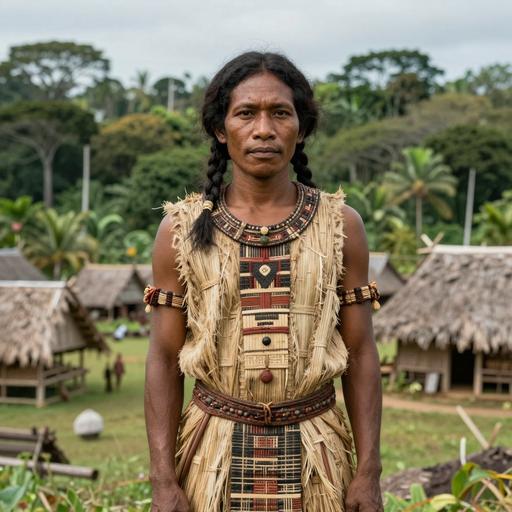
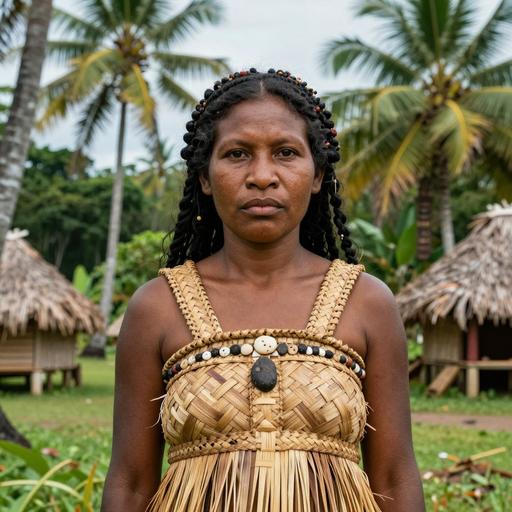
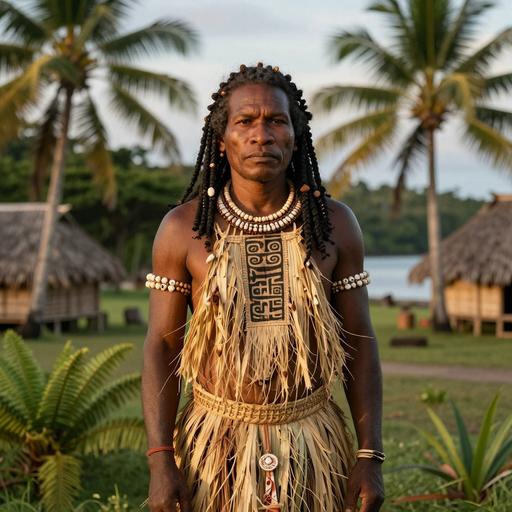
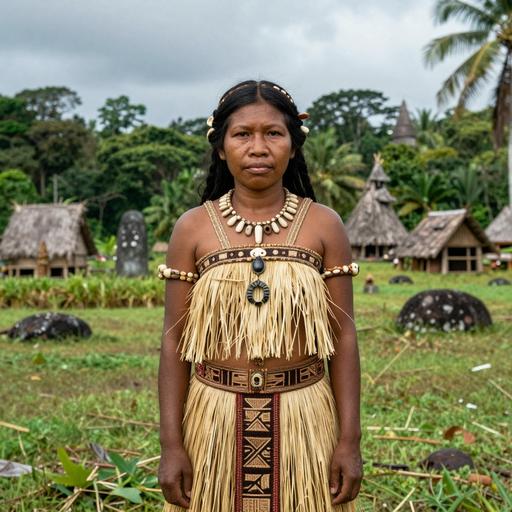
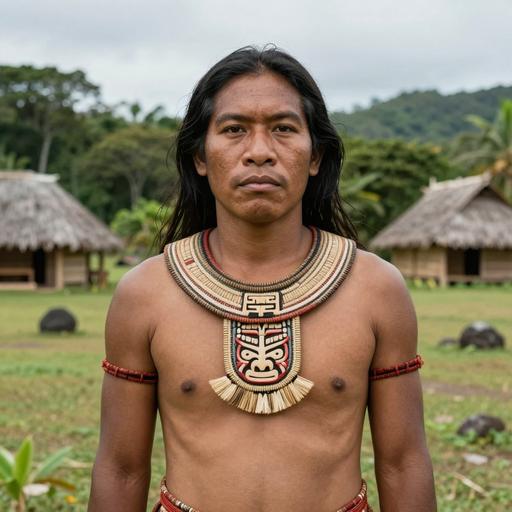
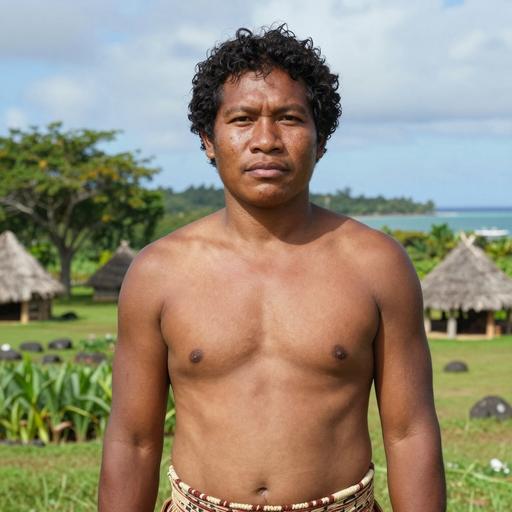
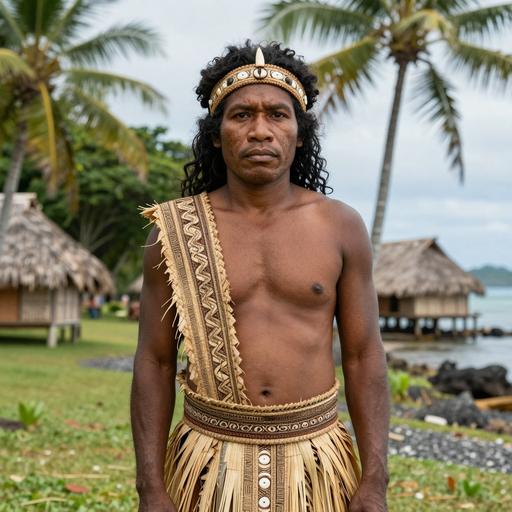
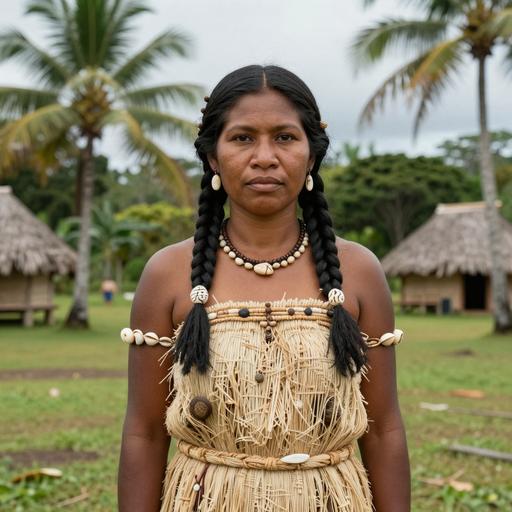
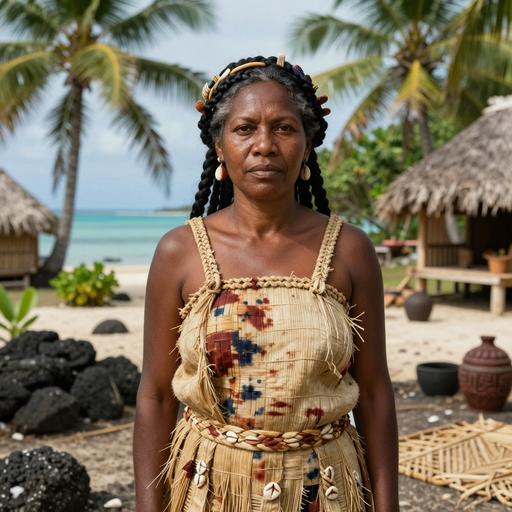
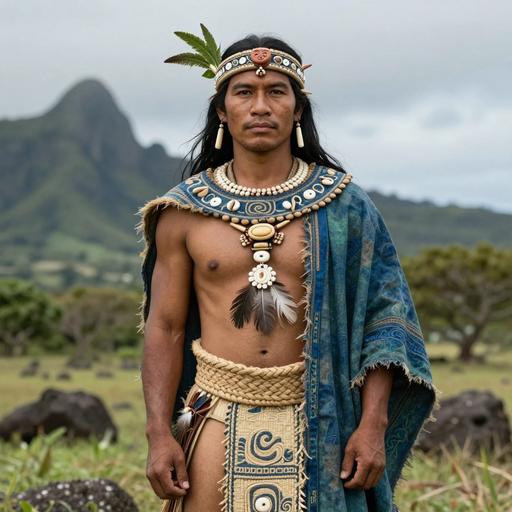
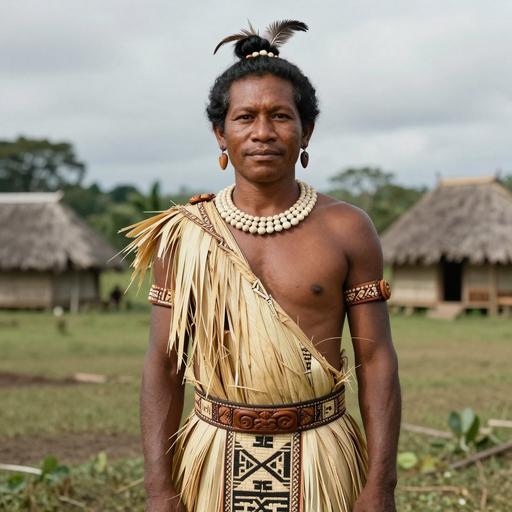
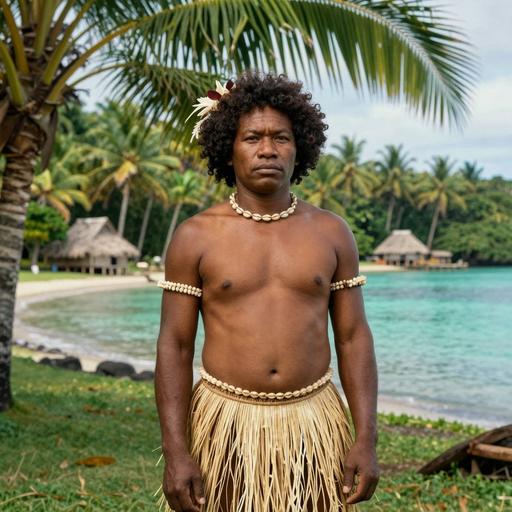
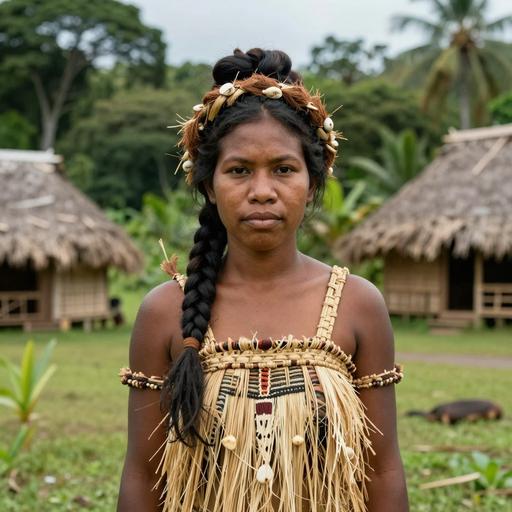
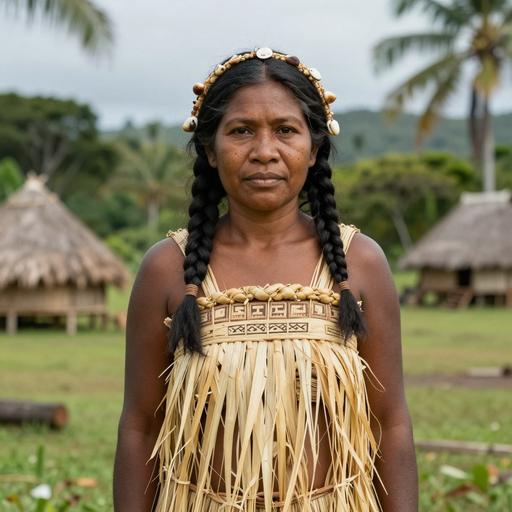
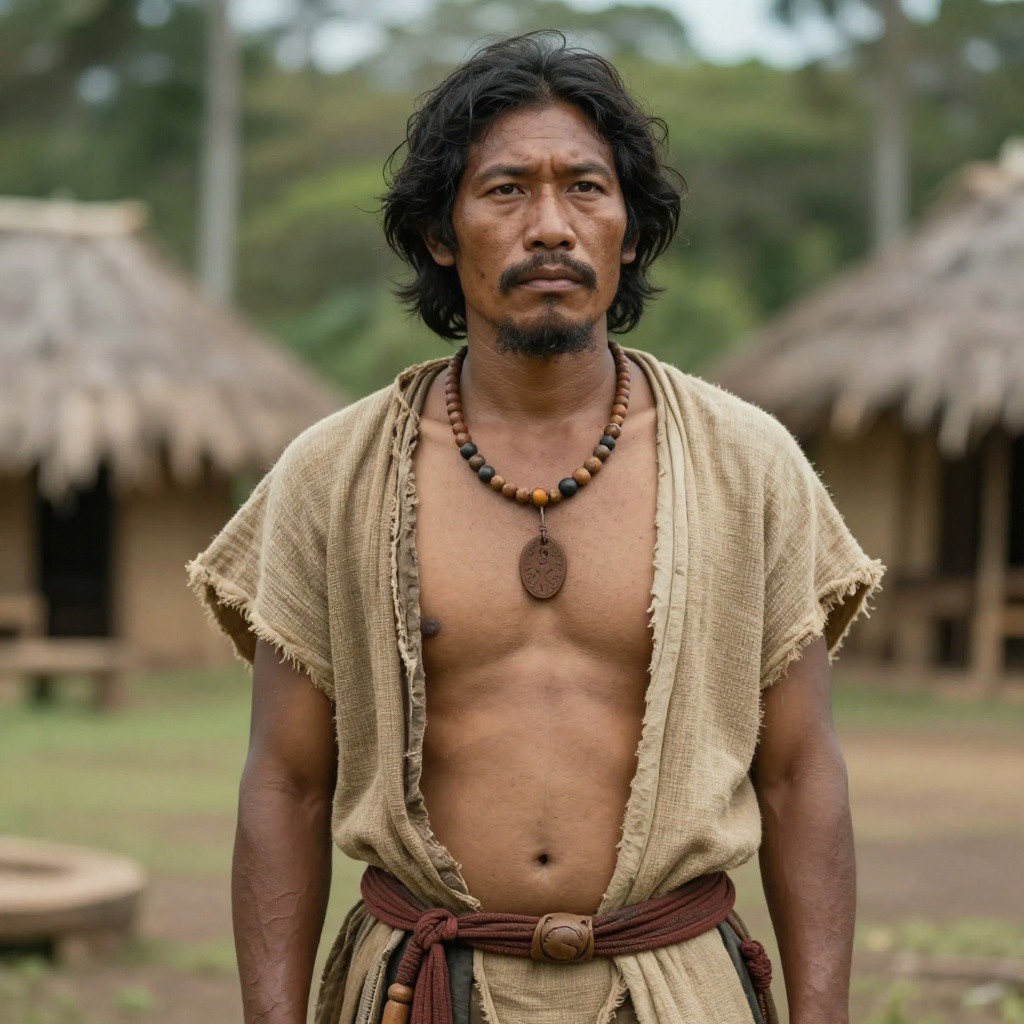
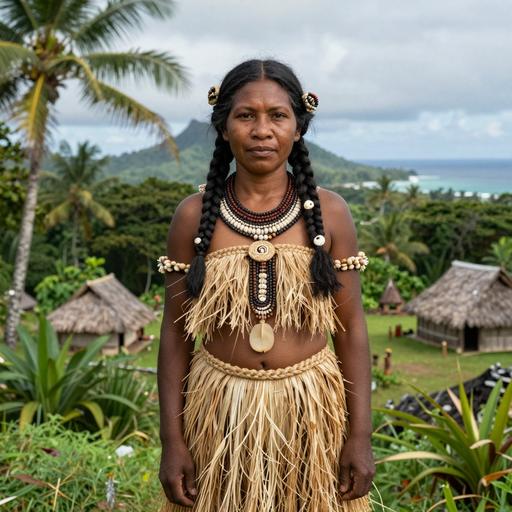
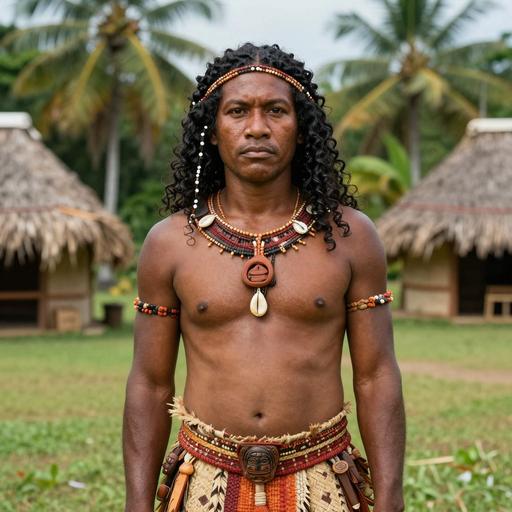
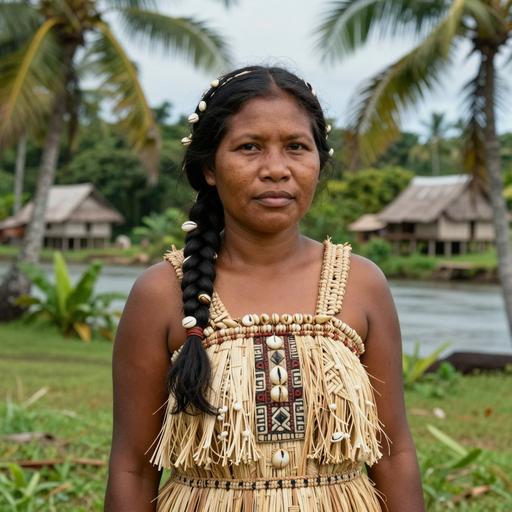
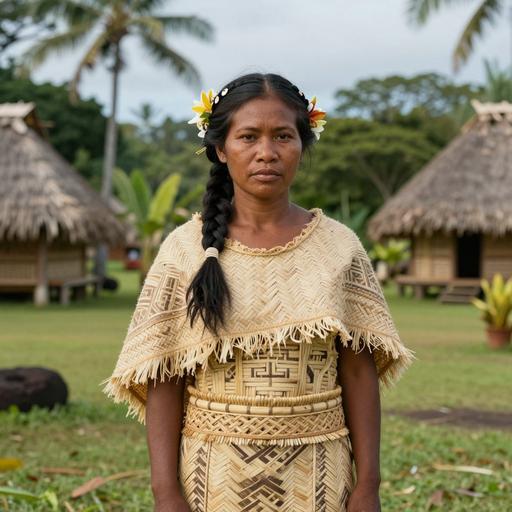
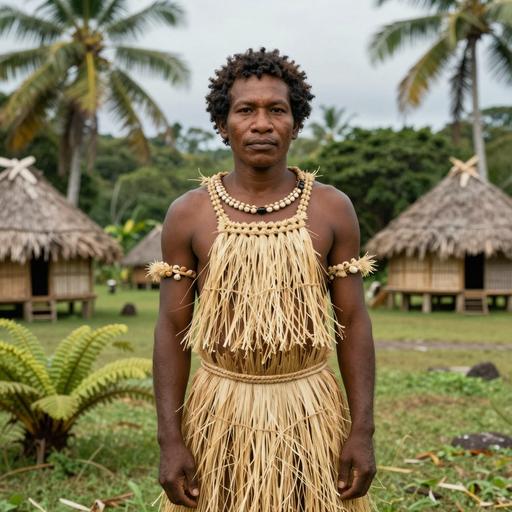
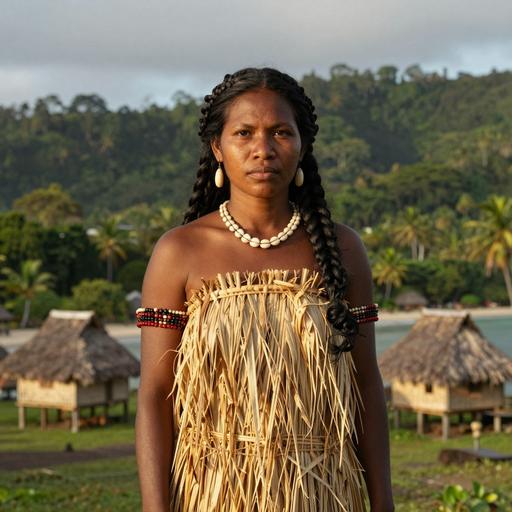
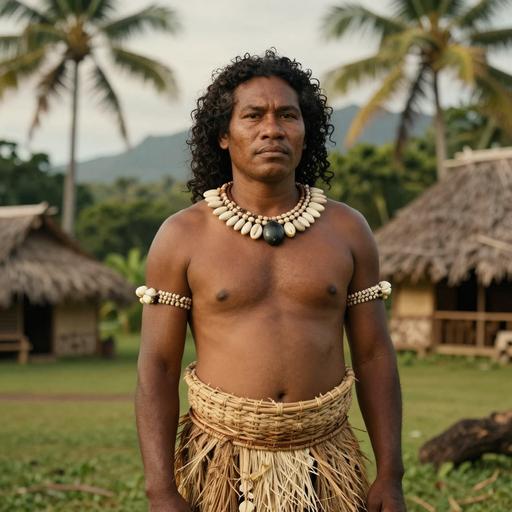
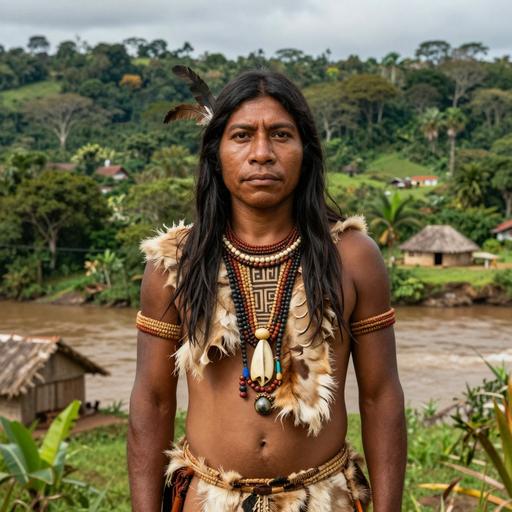
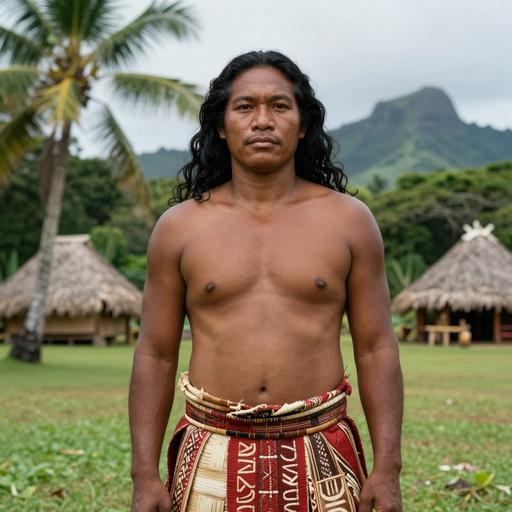
Les portraits sont des illustrations générées par IA. Les libellés d'échantillon et identifiants d'accès désignent les enregistrements de référence.
Tonga 2,500 Years Ago - Tonga - Talasiu site. Tongatapu
Tonga Tonga 2500BP 850 BCE - 500 BCE
B4a1a1aSous-clade
Identifiant d'échantillon : TON001
Tonga Ancient Oceania 850 BCE - 500 BCE
B4a1a1aSous-clade
Identifiant d'échantillon : I5266
Vanuatu 3,000 Years Ago - Vanuatu - Efate. Teouma
Vanuatu Vanuatu 3000BP 1250-750 BCE
B4a1a1cSous-clade
Identifiant d'échantillon : MAI002
Solomon Islands 500 Years Ago - Solomon Islands - Malaita
Solomon Islands SolomonIslands 500BP 1431 CE - 1617 CE
B4a1a1aSous-clade
Identifiant d'échantillon : MAI002
Solomon Islands Ancient Oceania 1431 CE - 1617 CE
B4a1a1aSous-clade
Identifiant d'échantillon : I10968
Vanuatu 400 Years Ago - Vanuatu - Retoka
Vanuatu Vanuatu 400BP 1450-1650 CE
B4a1a1cSous-clade
Identifiant d'échantillon : Botocudo15
Botocudo People, Brazil - Brazil - Rio Doce Valley
Brazil Botocudo People, Brazil 1450-1850 CE
B4a1a1aSous-clade
Identifiant d'échantillon : TAP003
French Polynesia 400 Years Ago - French Polynesia - French Polynesia. Ra'iatea
French Polynesia FrenchPolynesia 400BP 1508-1654 calCE (318±18 BP, MAMS-30076)
B4a1a1cSous-clade
Identifiant d'échantillon : I30477
The Saudeleur Dynasty in Micronesia - Federated States of Micronesia - Caroline Islands. Pohnpei. Temwen Island. Man Nadol. Pahndauwas
Federated States of Micronesia The Saudeleur Dynasty in Micronesia 1644-1797 calCE (235±15 BP, PSUAMS-11009)
B4a1a1a18Sous-clade
Identifiant d'échantillon : I30478
The Saudeleur Dynasty in Micronesia - Federated States of Micronesia - Caroline Islands. Pohnpei. Temwen Island. Man Nadol. Pahndauwas
Federated States of Micronesia The Saudeleur Dynasty in Micronesia 1644-1797 calCE (235±15 BP, PSUAMS-12040)
B4a1a1a18Sous-clade
Identifiant d'échantillon : TAP004
French Polynesia 200 Years Ago - French Polynesia - French Polynesia. Ra'iatea
French Polynesia FrenchPolynesia 200BP 1645 CE - 1800 CE
B4a1a1-cSous-clade
Identifiant d'échantillon : TAP004
French Polynesia Historical Polynesia 1645 CE - 1800 CE
B4a1a1-cSous-clade
Identifiant d'échantillon : TAP002
French Polynesia 200 Years Ago - French Polynesia - French Polynesia. Ra'iatea
French Polynesia FrenchPolynesia 200BP 1657 CE - 1803 CE
B4a1a1m1Sous-clade
Identifiant d'échantillon : TAP002
French Polynesia Historical Polynesia 1657 CE - 1803 CE
B4a1a1m1Sous-clade
Identifiant d'échantillon : I4106
Vanuatu 150 Years Ago - Vanuatu - Epi Island. Wam Bay
Vanuatu Vanuatu 150BP 1670 CE - 1950 CE
B4a1a1a11Sous-clade
Identifiant d'échantillon : I4106
Vanuatu The First Peoples of Vanuatu 1670 CE - 1950 CE
B4a1a1a11Sous-clade
LIGNÉE MATERNELLE · ADN ANTIQUE
Carte des preuves de lignées antiques
Suivez les clades parents jusqu'à cette branche et explorez où des porteurs antiques ont été identifiés.
Chargement des observations antiques…
La réduction des animations est activée. Utilisez la chronologie ou Tout afficher pour explorer à votre rythme.
Lire les observations sous forme de tableau
Observations antiques affichées par branche, période et date médiane
Branche
Période
Plage de dates
Échantillon
Identifiant d'échantillon
Emplacement
Haplogroupe
Relation
Les marqueurs indiquent des lieux de découvertes archéologiques. Un trait pointillé représente une transition géographique proposée et incertaine entre branches consécutives, appuyée sur plusieurs observations datées ; ce n'est pas un itinéraire exact, un lieu de naissance ni une preuve de descendance directe. Des échantillons de clades parents peuvent appartenir à d'autres branches descendantes. Des lacunes subsistent lorsque les preuves sont insuffisantes. Les dates d'échantillon diffèrent des dates de formation des haplogroupes.
Le regroupement par période historique reflète quand chaque individu antique a vécu, en combinant toutes les branches de cette chaîne de lignée ; ce n'est pas une séquence migratoire ni une chronologie personnelle entre périodes.
Profil de référence
Carte de répartition des porteurs
Répartition géographique de 49 échantillons d'ADN ancien (porteurs directs et de sous-clade de B4A1A1)
Porteur direct Porteur de sous-clade
Filtre de période
Toutes les périodes
Affichage de tous les échantillons
Profil de référence
Répartition temporelle
Répartition des porteurs selon les périodes archéologiques
Profil de référence
Répartition géographique
Effectifs par pays d'échantillon consigné. Ils reflètent la sélection de référence disponible, pas des fréquences de population.
Profil de référence
Répartition pays × époque
Comparez les effectifs d'échantillons consignés selon les pays et les périodes archéologiques. Sélectionnez une cellule renseignée pour examiner un échantillon.
Données
Données et provenance
Informations sur les sources et qualité des données
Dernière mise à jour2026-02-16
Score de confiance50/100
CouvertureLow
Source des données
La classification, les dates estimées et le contexte géographique reflètent les données de référence consignées et peuvent évoluer lorsque les éléments sont révisés. La couverture d'échantillons est inégale ; les lieux consignés et les associations archéologiques n'établissent pas une origine personnelle ni une identité culturelle.