Profil de référence pour une branche de lignée. Des haplogroupes partagés n'établissent pas de lien familial ni d'identité culturelle.
Profil de référence
Contexte de la branche
Contexte historique de la branche de lignée mtDNA H1
Origins and Evolution
mtDNA haplogroup H1 is a daughter clade of haplogroup H and is widely interpreted as a post‑Last Glacial Maximum (LGM) lineage that expanded across western and parts of northern Europe. Coalescence estimates for H1 cluster in the Late Upper Paleolithic to the early Holocene (roughly ~15 kya, with study‑dependent ranges from ≈11–18 kya), consistent with emergence in or near the Franco‑Cantabrian/Iberian refugial zone followed by rapid demographic expansion as ice sheets retreated. Phylogenetically, H1 branches from the broader H radiation and accumulated private mutations that define its substructure during or soon after this post‑LGM demographic pulse.
Subclades
H1 contains multiple downstream subclades (for example H1a, H1b, H1c and further sublineages identified in full mtDNA sequencing studies). Subclade diversity is non‑uniform: the highest internal diversity of H1 is observed in southwestern Europe (particularly Iberia), which supports a local origin and long‑term presence there. Some subclades show more restricted or later distributions (e.g., sublineages relatively enriched in northwest Africa or in Atlantic fringe populations), reflecting separate founder events and drift.
Geographical Distribution
H1 demonstrates a strong western‑Atlantic distributional focus. Highest frequencies are seen in the Iberian Peninsula (including Basques) and in parts of northwest Africa (Maghreb), with substantial representation across western and southern Europe (France, Iberia, Italy, Sardinia) and detectable levels in northern Europe (British Isles, Scandinavia) and parts of the Near East at lower frequencies. The pattern—high frequency plus high diversity in Iberia and presence along Atlantic coasts and across the Mediterranean—matches a scenario of post‑glacial recolonization from southwestern European refugia, with later mobility during the Neolithic and Bronze Age diffusing some lineages further inland and into adjacent regions.
Historical and Cultural Significance
H1 is widely used in population genetics as a marker of post‑LGM hunter‑gatherer expansions in western Europe. Ancient DNA studies have recovered H1 in Mesolithic and later prehistoric European remains, linking it to local continuity in some regions and to demographic events such as Atlantic peopling and coastal recolonization. H1 also appears in archaeological contexts later associated with Neolithic and Bronze Age cultures (including occurrences among Bell Beaker‑associated individuals), indicating admixture of local maternal lineages with incoming farming or steppe‑derived groups rather than wholesale replacement in all regions. In northwestern Africa, elevated frequencies of H1 reflect ancient trans‑Mediterranean connections and possible bidirectional gene flow across the sea.
Conclusion
In summary, H1 is a key maternal lineage for reconstructing Western European prehistory, emblematic of a post‑glacial expansion from Iberian/Atlantic refugia with persistent regional substructure. Its geographic pattern and subclade diversity make H1 informative for studies of Mesolithic recolonization, later prehistoric mobility (including Neolithic and Bronze Age interactions), and historical connections between Europe and northwest Africa.
Points clés
Origins and Evolution
Subclades
Geographical Distribution
Historical and Cultural Significance
Conclusion
Profil de référence
Arbre et relations
Contexte phylogénétique et sous-clades
Voie évolutive
Suivez les branches parentes consignées jusqu'à H1. Les dates sont des estimations et peuvent évoluer lorsque les données de référence sont révisées.
The populations where MTDNA haplogroup H1 is found include:
Iberian populations (Spain, Portugal, including Basques)
Western European populations (France, Britain, Ireland)
Southern Europe (Italy, Sardinia, Sicily)
Northwest Africa (Morocco, Algeria, Berber groups)
Scandinavian populations (Norway, Sweden, Denmark) at moderate frequencies
Central and Eastern European populations at lower to moderate frequencies (e.g., Germany, Poland)
Near Eastern populations (Anatolia, Levant) at low frequencies
Present sporadically in some Jewish and Mediterranean island communities
Contexte historique
Une branche dans le temps
Formation estimée sur une chronologie historique large. Les repères de période servent de contexte et n'impliquent pas de lien avec des cultures particulières.
Il y a ~20k ans
Dernier maximum glaciaire
Apogée de la dernière période glaciaire, populations isolées
Il y a ~15k ans
Haplogroupe H1
Formation estimée de cette branche mtDNA ; les dates et les lieux sont des estimations de référence.
Cette branche
Il y a ~10k ans
Révolution néolithique
Début de l'agriculture et émergence de communautés sédentaires
Il y a ~5k ans
Âge du bronze
Travail des métaux, écriture et premières civilisations
Il y a ~3k ans
Âge du fer
Outils en fer, réseaux d'échanges élargis
Il y a ~2.5k ans
Antiquité classique
Floraison des civilisations grecque et romaine
Aujourd'hui
Aujourd'hui
Époque moderne
Profil de référence
Contexte archéologique
Associations archéologiques consignées pour la branche mtDNA H1
Associations consignées
Ces libellés décrivent des contextes archéologiques consignés pour des échantillons de référence liés à H1. Une association n'établit pas que tous les porteurs appartenaient à une culture ni qu'ils ont suivi une route migratoire précise.
Cardial CultureFrench NeolithicLinear Pottery CultureMiddle Neolithic French
Les attributions culturelles reposent sur le contexte archéologique des échantillons d'ADN ancien et peuvent refléter des associations régionales à certaines périodes.
Profil de référence
Catalogue d'échantillons
5 porteurs directs et 68 porteurs de sous-clade de l'haplogroupe H1
Les échantillons de clade parent sont facultatifs et sont étiquetés séparément.
10 affiché(s) · 50 échantillons correspondants
Aucun échantillon ne correspond à ces filtres. Essayez un autre libellé, lieu ou période.
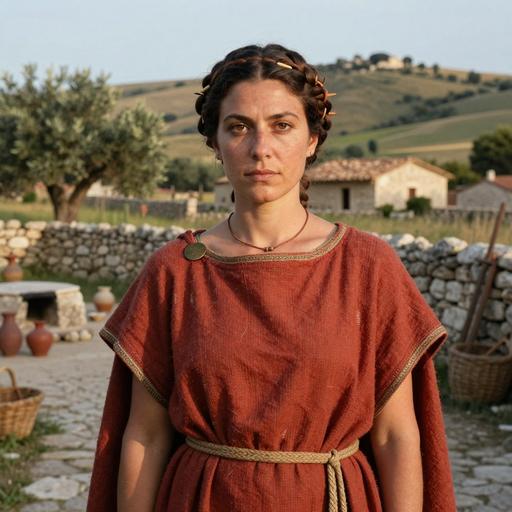
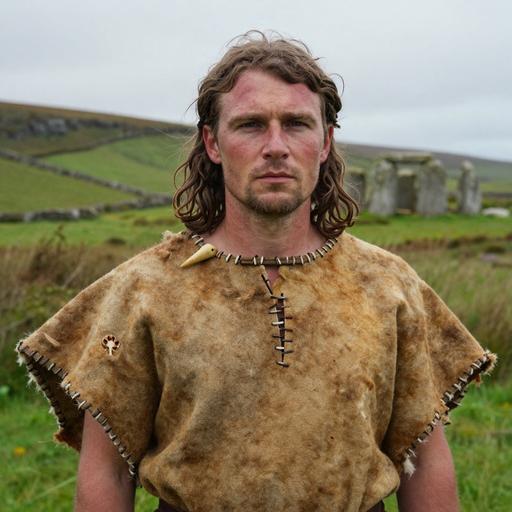
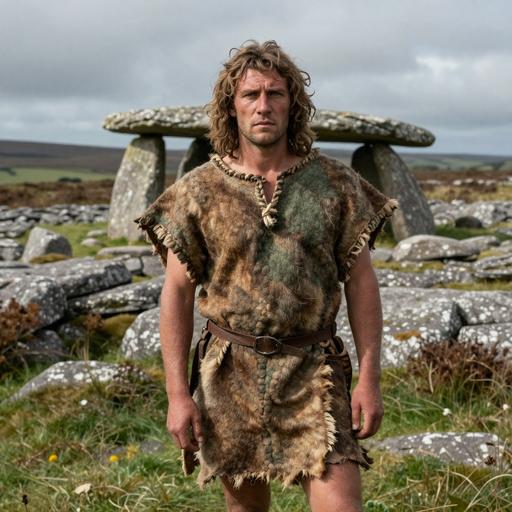
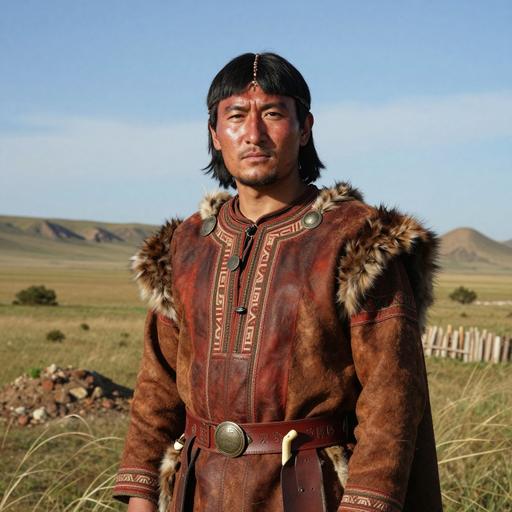
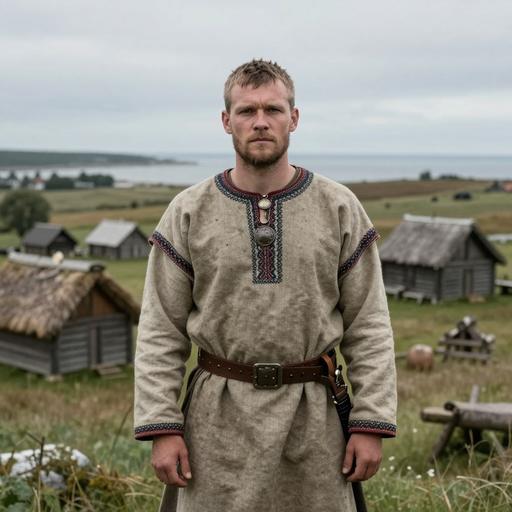
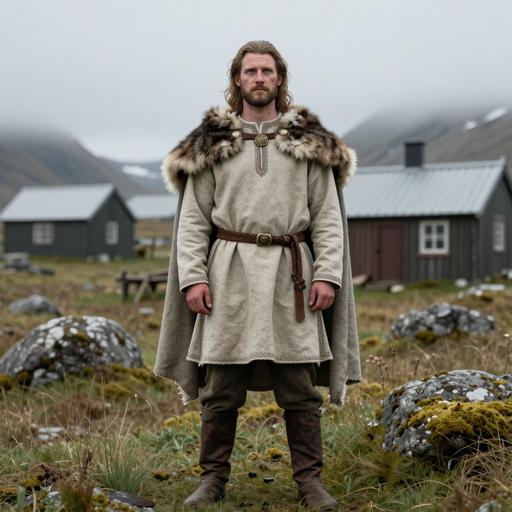
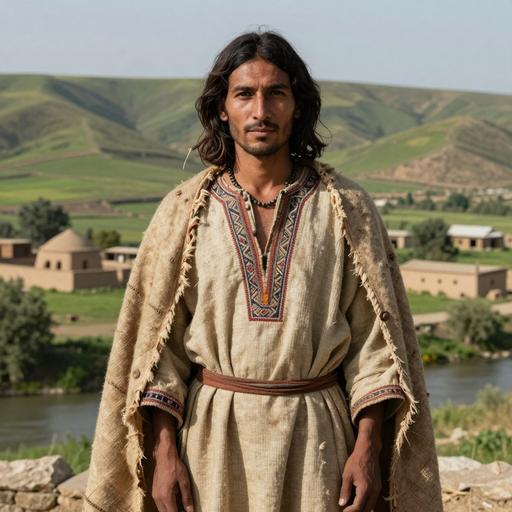
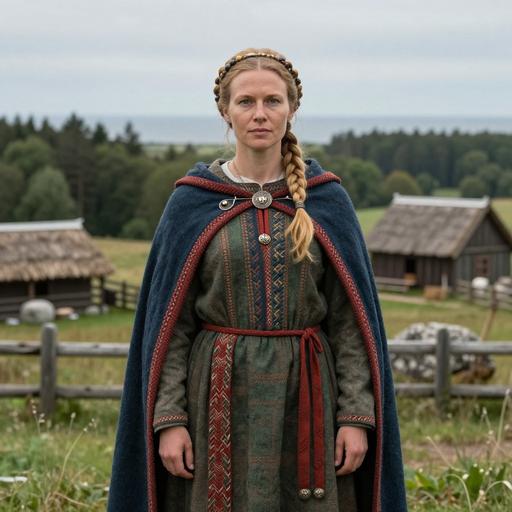
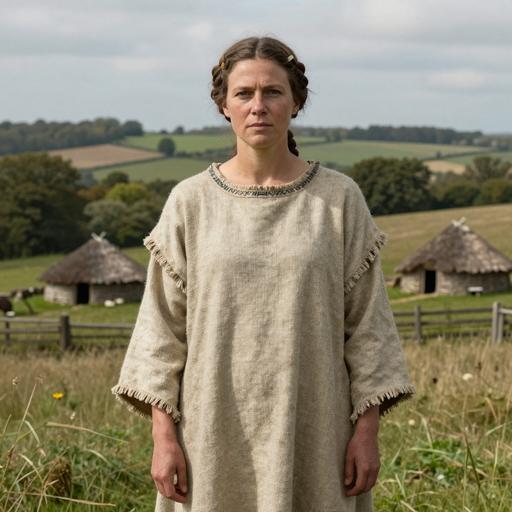
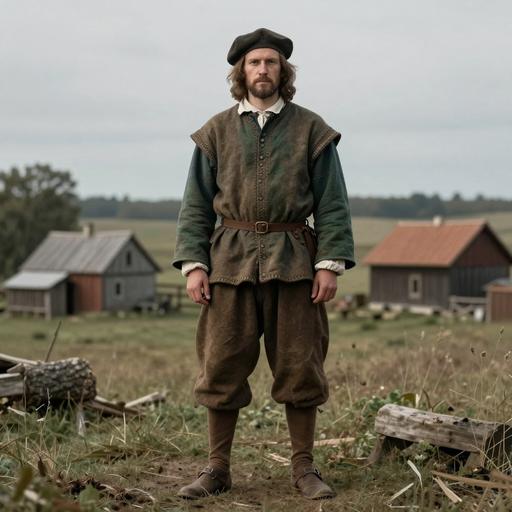
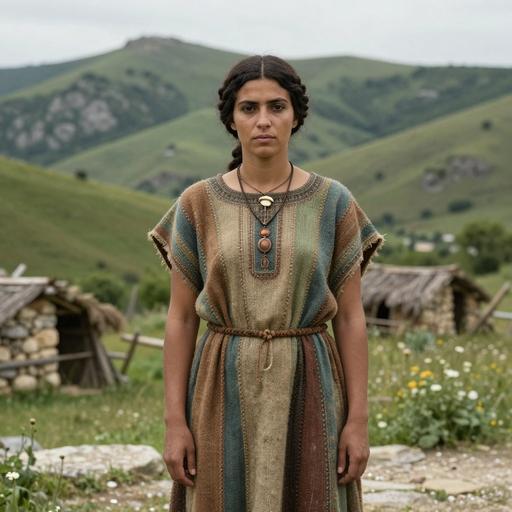
Les portraits sont des illustrations générées par IA. Les libellés d'échantillon et identifiants d'accès désignent les enregistrements de référence.
Portrait
Échantillon
Pays
Époque
Date
Culture
mtDNA
Correspondance
Identifiant d'échantillon : SGR003
Italy
Iron Age San Giovanni, Italy
368-177 calBCE (2205±26 BP, UBA-45183)
San Giovanni Culture
H1
Direct
Identifiant d'échantillon : I0806
Germany
Bell Beaker Culture, Germany
2433-2147 calBCE (3824±25 BP, MAMS-22820)
Bell Beaker
H1
Direct
Identifiant d'échantillon : I0805
Germany
Bell Beaker Culture, Germany
2465-2142 calBCE (3839±55 BP, Erl-8558)
Bell Beaker
H1
Direct
Identifiant d'échantillon : CH448
Ireland
Ireland MN
3646-3383 calBCE (4790±41 BP, UBA-35070)
Irish Middle Neolithic
H1
Direct
Identifiant d'échantillon : PN04
Ireland
Ireland EN
3946-3653 calBCE (4999±48 BP, UBA-38312)
Irish Neolithic
H1
Direct
Identifiant d'échantillon : VK521
Denmark
Denmark IA
200 CE - 400 CE
Danish Iron Age
H16b
Sous-clade
Identifiant d'échantillon : VK521
Denmark
Iron Age Nordic Region
200 CE - 400 CE
H16b*
Sous-clade
Identifiant d'échantillon : ATT3
France
Iron Age Culture of Oise
350-200 BCE
Oise Culture
H1 ?
Sous-clade
Identifiant d'échantillon : R437
Italy
Iron Age Roman Republic
400-200 BCE
Roman Republic
H10
Sous-clade
Identifiant d'échantillon : LAK016
United Kingdom
Early Medieval Anglo-Saxon Suffolk, England
410-535 calCE (1626±15 BP)
Anglo-Saxon
H1 (?)
Sous-clade
Identifiant d'échantillon : AED432b
Germany
Early Medieval Germany
480 CE - 530 CE
Early Medieval German
H1h1
Sous-clade
Identifiant d'échantillon : AED432b
Germany
The Germanic Tribes
480 CE - 530 CE
H1h1*
Sous-clade
Identifiant d'échantillon : STR248b
Germany
Early Medieval Germany
530 CE - 560 CE
Early Medieval German
H11a2*
Sous-clade
Identifiant d'échantillon : STR248b
Germany
The Germanic Tribes
530 CE - 560 CE
H11a2*
Sous-clade
Identifiant d'échantillon : R435
Italy
Iron Age Roman Republic
600-200 BCE
Roman Republic
H11a
Sous-clade
Identifiant d'échantillon : VK349
Sweden
Sweden Viking
690 CE - 977 CE
Viking
H1e2a
Sous-clade
Identifiant d'échantillon : VK349
Sweden
The Viking Age
690 CE - 977 CE
H1e2a*
Sous-clade
Identifiant d'échantillon : R58
Italy
Medieval to Early Modern Italy
700 CE - 1500 CE
Medieval Italian
H1c3e
Sous-clade
Identifiant d'échantillon : KKM001
Kazakhstan
Early Iron Age Tasmola Culture, Kazakhstan
700-500 BCE
Tasmola Culture
H15b1
Sous-clade
Identifiant d'échantillon : VK359
Sweden
Sweden EarlyViking
700 CE - 800 CE
Viking Culture
H1f-a
Sous-clade
Identifiant d'échantillon : VK509
Estonia
Early Viking Age Estonia
700 CE - 800 CE
Viking
H1n-a
Sous-clade
Identifiant d'échantillon : VK359
Sweden
The Viking Age
700 CE - 800 CE
H1f-a
Sous-clade
Identifiant d'échantillon : VK509
Estonia
The Viking Age
700 CE - 800 CE
H1n-a*
Sous-clade
Identifiant d'échantillon : ORD006
Italy
Daunian Culture Ordona, Italy
770-426 calBCE (2476±29 BP, UBA-45174)
Daunian Culture
H+16291T
Sous-clade
Identifiant d'échantillon : R1283
Italy
Medieval to Early Modern Italy
772 CE - 955 CE
Medieval Italian
H12
Sous-clade
Identifiant d'échantillon : VK176
United Kingdom
England Viking
880 CE - 1000 CE
Viking
H10
Sous-clade
Identifiant d'échantillon : VK145
United Kingdom
England Viking
880 CE - 1000 CE
Viking
H17
Sous-clade
Identifiant d'échantillon : VK145
United Kingdom
The Viking Age
880 CE - 1000 CE
H17*
Sous-clade
Identifiant d'échantillon : VK176
United Kingdom
The Viking Age
880 CE - 1000 CE
H10*
Sous-clade
Identifiant d'échantillon : stg018
Sweden
Late Viking Age Culture of Central Sweden
892-1031 calCE
Late Viking
H1_T152C:H1_T16189C:H1cf
Sous-clade
Identifiant d'échantillon : VK468
Sweden
Sweden Viking
900 CE - 1050 CE
Viking
H1a1
Sous-clade
Identifiant d'échantillon : VK400
Sweden
Sweden Viking
900 CE - 1200 CE
Viking
H1-a
Sous-clade
Identifiant d'échantillon : VK110
Iceland
Iceland Viking
900 CE - 1300 CE
Norse
H10-a
Sous-clade
Identifiant d'échantillon : VK186
Greenland
Greenland EarlyNorse
900 CE - 1200 CE
Norse Greenland
H1ao-a
Sous-clade
Identifiant d'échantillon : VK110
Iceland
The Viking Age
900 CE - 1300 CE
H10-a*
Sous-clade
Identifiant d'échantillon : VK186
Greenland
The Viking Age
900 CE - 1200 CE
H1ao-a*
Sous-clade
Identifiant d'échantillon : VK400
Sweden
The Viking Age
900 CE - 1200 CE
H1-a*
Sous-clade
Identifiant d'échantillon : VK468
Sweden
The Viking Age
900 CE - 1050 CE
H1a1*
Sous-clade
Identifiant d'échantillon : I10854
Spain
Spain Medieval
990 CE - 1154 CE
Spanish Medieval
H1n-a
Sous-clade
Identifiant d'échantillon : I10854
Spain
Medieval Iberia
990 CE - 1154 CE
H1n-a
Sous-clade
Identifiant d'échantillon : I12982
Pakistan
The Loebanr Iron Age Culture of Pakistan
1000-800 BCE
Loebanr Culture
H14
Sous-clade
Identifiant d'échantillon : hav001
Sweden
Late Viking Age Culture of Gotland
1000-1100 CE
Late Viking Gotland
H1b1_T16362C:H1b1a
Sous-clade
Identifiant d'échantillon : SAL001
Italy
Daunian Culture Salapia, Italy
1260-1048 calBCE (2946±30 BP, UBA-45178)
Daunian Culture
H1+16189!
Sous-clade
Identifiant d'échantillon : I7574
United Kingdom
England MBA
1408-1226 calBCE (3055±30 BP, SUERC-38250)
British Middle Bronze Age
H1a3
Sous-clade
Identifiant d'échantillon : R1221
Italy
Medieval to Early Modern Italy
1480 CE - 1490 CE
Medieval Italian
H1e2*
Sous-clade
Identifiant d'échantillon : kro010
Sweden
Southern Swedish Post-Medieval Culture
1676 CE
Post-Medieval Swedish
H11a4:H11a
Sous-clade
Identifiant d'échantillon : kro014
Sweden
Southern Swedish Post-Medieval Culture
1676 CE
Post-Medieval Swedish
H1_T16311C
Sous-clade
Identifiant d'échantillon : I4563
Spain
Spain EBA
1700-1500 BCE
Early Bronze Age Iberian
H1/H84
Sous-clade
Identifiant d'échantillon : I4561
Spain
Spain EBA
1700-1500 BCE
Early Bronze Age Iberian
H1/H84
Sous-clade
Identifiant d'échantillon : WEHR_1415adult
Germany
Early Bronze Age Lech Valley, Germany
2014 BCE - 1830 BCE
Lech Valley Bronze Age
H13a2b2a*
Sous-clade
Identifiant d'échantillon : BRC010
Italy
Early Bronze Age Broion, Italy
1954-1746 calBCE (3532±35 BP, UBA-41608)
Broion
H
Clade parent
Identifiant d'échantillon : SGR003
Iron Age San Giovanni, Italy - Italy - Apulia. SanGiovanniRotondo
Italy Iron Age San Giovanni, Italy 368-177 calBCE (2205±26 BP, UBA-45183)
H1Direct
Identifiant d'échantillon : I0806
Bell Beaker Culture, Germany - Germany - Quedlinburg Site VII
Germany Bell Beaker Culture, Germany 2433-2147 calBCE (3824±25 BP, MAMS-22820)
H1Direct
Identifiant d'échantillon : I0805
Bell Beaker Culture, Germany - Germany - Quedlinburg Site VII
Germany Bell Beaker Culture, Germany 2465-2142 calBCE (3839±55 BP, Erl-8558)
Middle Bronze Age England - United Kingdom - England. Cambridgeshire. Trumpington. Clay Farm
United Kingdom England MBA 1408-1226 calBCE (3055±30 BP, SUERC-38250)
H1a3Sous-clade
Identifiant d'échantillon : R1221
Medieval to Early Modern Italy - Italy - Cancelleria
Italy Medieval to Early Modern Italy 1480 CE - 1490 CE
H1e2*Sous-clade
Identifiant d'échantillon : kro010
Southern Swedish Post-Medieval Culture - Sweden - Kronan (Kalmar län, Mörbylånga)
Sweden Southern Swedish Post-Medieval Culture 1676 CE
H11a4:H11aSous-clade
Identifiant d'échantillon : kro014
Southern Swedish Post-Medieval Culture - Sweden - Kronan (Kalmar län, Mörbylånga)
Sweden Southern Swedish Post-Medieval Culture 1676 CE
H1_T16311CSous-clade
Identifiant d'échantillon : I4563
Early Bronze Age Spain - Spain - Tarragona. Galls Carboners
Spain Spain EBA 1700-1500 BCE
H1/H84Sous-clade
Identifiant d'échantillon : I4561
Early Bronze Age Spain - Spain - Tarragona. Galls Carboners
Spain Spain EBA 1700-1500 BCE
H1/H84Sous-clade
Identifiant d'échantillon : WEHR_1415adult
Early Bronze Age Lech Valley, Germany - Germany - Wehringen - Hochfeld
Germany Early Bronze Age Lech Valley, Germany 2014 BCE - 1830 BCE
H13a2b2a*Sous-clade
Identifiant d'échantillon : BRC010
Early Bronze Age Broion, Italy - Italy - Vicenza. Berici Hills. Grottina dei Covoloni del Broion
Italy Early Bronze Age Broion, Italy 1954-1746 calBCE (3532±35 BP, UBA-41608)
HClade parent
LIGNÉE MATERNELLE · ADN ANTIQUE
Carte des preuves de lignées antiques
Suivez les clades parents jusqu'à cette branche et explorez où des porteurs antiques ont été identifiés.
Chargement des observations antiques…
La réduction des animations est activée. Utilisez la chronologie ou Tout afficher pour explorer à votre rythme.
Lire les observations sous forme de tableau
Observations antiques affichées par branche, période et date médiane
Branche
Période
Plage de dates
Échantillon
Identifiant d'échantillon
Emplacement
Haplogroupe
Relation
Les marqueurs indiquent des lieux de découvertes archéologiques. Un trait pointillé représente une transition géographique proposée et incertaine entre branches consécutives, appuyée sur plusieurs observations datées ; ce n'est pas un itinéraire exact, un lieu de naissance ni une preuve de descendance directe. Des échantillons de clades parents peuvent appartenir à d'autres branches descendantes. Des lacunes subsistent lorsque les preuves sont insuffisantes. Les dates d'échantillon diffèrent des dates de formation des haplogroupes.
Le regroupement par période historique reflète quand chaque individu antique a vécu, en combinant toutes les branches de cette chaîne de lignée ; ce n'est pas une séquence migratoire ni une chronologie personnelle entre périodes.
Profil de référence
Carte de répartition des porteurs
Répartition géographique de 73 échantillons d'ADN ancien (porteurs directs et de sous-clade de H1)
Direct Sous-clade Clade parent
Filtre de période
Toutes les périodes
Affichage de tous les échantillons
Profil de référence
Répartition temporelle
Répartition des porteurs selon les périodes archéologiques
Profil de référence
Répartition géographique
Effectifs par pays d'échantillon consigné. Ils reflètent la sélection de référence disponible, pas des fréquences de population.
Profil de référence
Répartition pays × époque
Comparez les effectifs d'échantillons consignés selon les pays et les périodes archéologiques. Sélectionnez une cellule renseignée pour examiner un échantillon.
Données
Données et provenance
Informations sur les sources et qualité des données
Dernière mise à jour2026-02-09
Source des données
La classification, les dates estimées et le contexte géographique reflètent les données de référence consignées et peuvent évoluer lorsque les éléments sont révisés. La couverture d'échantillons est inégale ; les lieux consignés et les associations archéologiques n'établissent pas une origine personnelle ni une identité culturelle.