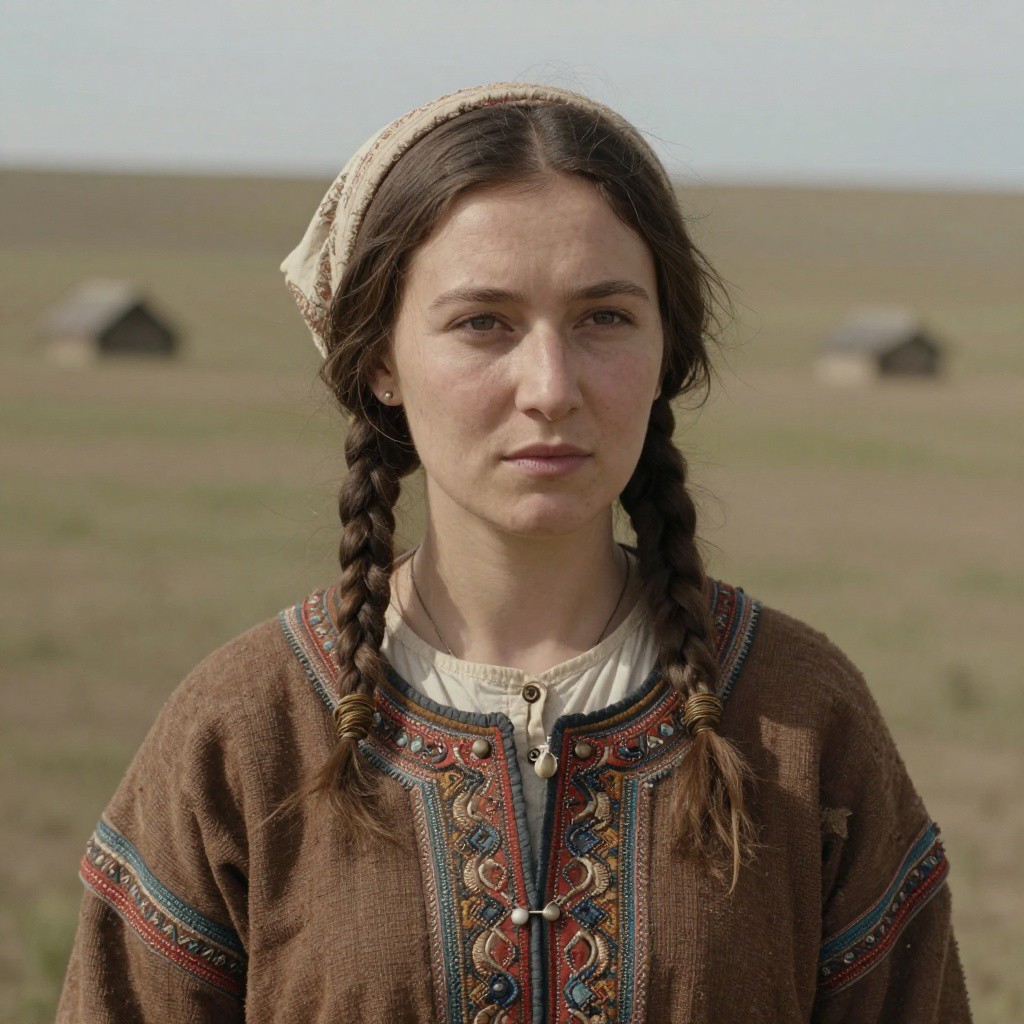
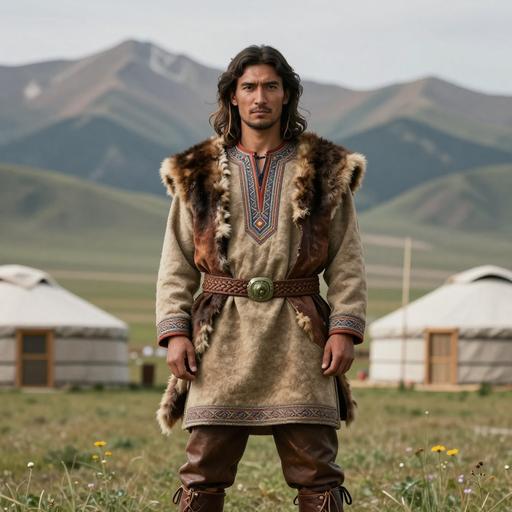
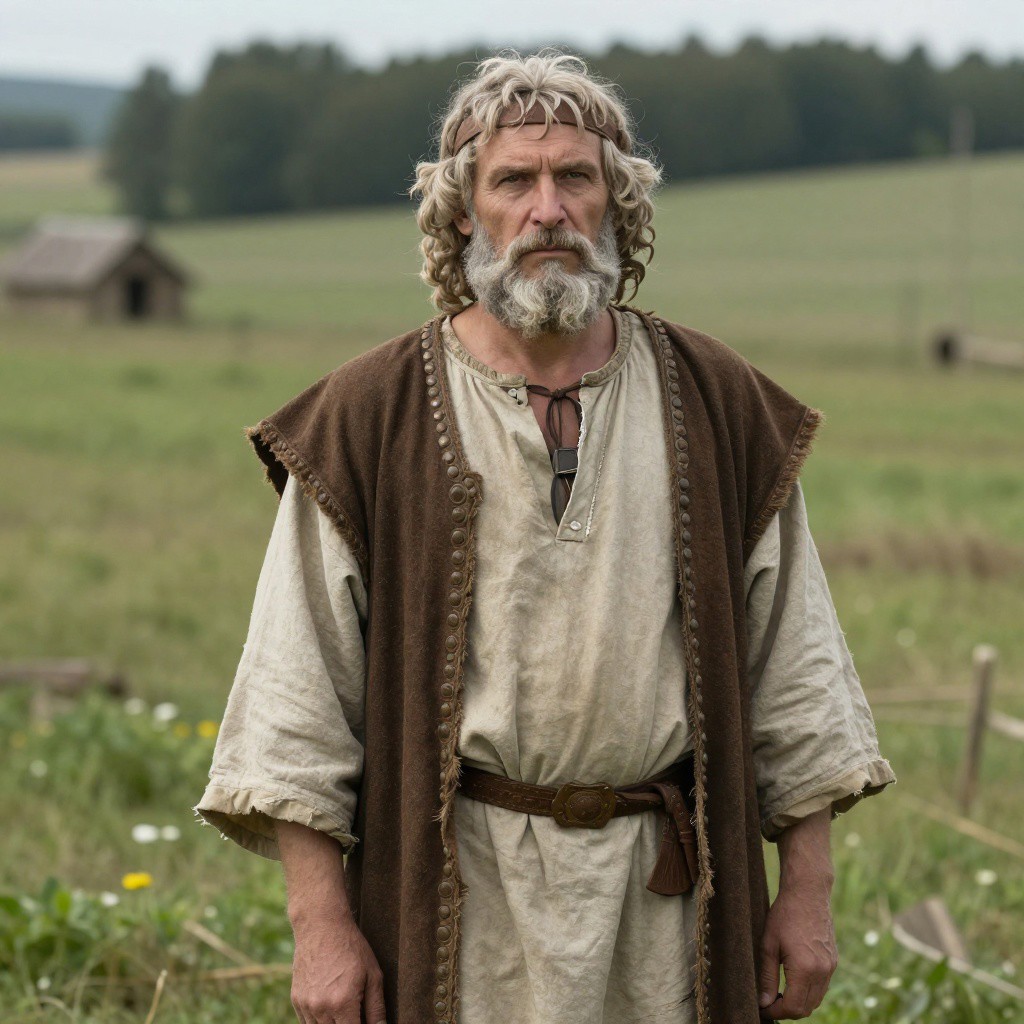
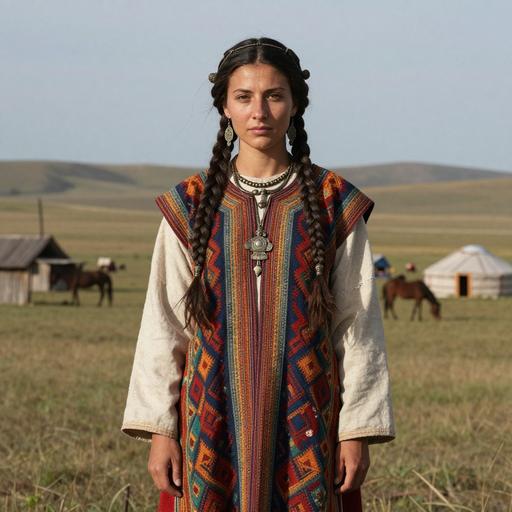
Profil de référence pour une branche de lignée. Des haplogroupes partagés n'établissent pas de lien familial ni d'identité culturelle.
Profil de référence
Contexte de la branche
Contexte historique de la branche de lignée mtDNA H2A1
Origins and Evolution
mtDNA haplogroup H2A1 is a downstream lineage of H2A, itself a branch of macro-haplogroup H that expanded across West Eurasia after the Last Glacial Maximum and into the Holocene. Based on the parent clade's chronology and the phylogenetic depth of H2A1 relative to H2A, H2A1 most plausibly arose in the Near East / West Asia during the early Holocene (approximately 8–10 kya). Its emergence fits the pattern of diversification seen in maternal lineages associated with post-glacial population expansions and the spread of early farming communities.
Subclades (if applicable)
H2A1 sits as a defined subclade beneath H2A; depending on future dense mitogenome sampling, H2A1 may be further subdivided into younger branches with more localized geography. At present, many reports treat H2A1 as a relatively shallow clade within H2A with limited internal substructure in published datasets. Further full mitogenome sequencing from the Near East, the Caucasus and Neolithic European contexts will refine internal branching and coalescence dates.
Geographical Distribution
The modern distribution of H2A1 mirrors that of its parent H2A but at generally lower or patchy frequencies. It is observed at low-to-moderate frequencies across the Mediterranean and parts of Europe, with stronger representation in the Near East and the Caucasus. H2A1 appears sporadically in North Africa and in some Central and South Asian samples likely reflecting historical gene flow along Mediterranean and overland routes. Archaeological ancient DNA indicates H2A lineages (including H2A1-level diversity) present in Neolithic and later contexts across Europe and West Asia, consistent with demic movements associated with early farming and subsequent regional migrations.
Historical and Cultural Significance
H2A1 is not typically a high-frequency marker that defines any single archaeological culture, but it is informative as part of the maternal genetic signature of early Neolithic farmer-associated populations originating in Anatolia and the Levant and spreading into Europe. Its presence in aDNA from Neolithic sites and in later Bronze Age and historic samples suggests continuity and local persistence rather than sweeping replacement. H2A1 can therefore help trace maternal lineages involved in the Neolithic transition, Mediterranean coastal exchanges, and later demographic processes such as Bronze Age population movements and historic-era migrations across the Near East, Caucasus and North Africa.
Conclusion
H2A1 is a geographically informative, low-to-moderate frequency subclade of H2A that likely arose in the Near East in the early Holocene and dispersed into Europe, the Caucasus and North Africa largely in association with Neolithic and post-Neolithic demographic processes. While not dominant in any single modern population, it provides useful resolution for studies of maternal ancestry tied to Near Eastern farmer expansions and subsequent regional movements. Ongoing dense mitogenome sequencing and expanded ancient DNA sampling will further clarify its internal structure, exact age, and fine-grained geographic history.
Points clés
Origins and Evolution
Subclades (if applicable)
Geographical Distribution
Historical and Cultural Significance
Conclusion
Profil de référence
Arbre et relations
Contexte phylogénétique et sous-clades
Voie évolutive
Suivez les branches parentes consignées jusqu'à H2A1. Les dates sont des estimations et peuvent évoluer lorsque les données de référence sont révisées.
Some Central Asian and South Asian communities (lower to moderate frequencies)
Jewish communities (Sephardic and Mizrahi lineages at low frequencies)
Contexte historique
Une branche dans le temps
Formation estimée sur une chronologie historique large. Les repères de période servent de contexte et n'impliquent pas de lien avec des cultures particulières.
Il y a ~10k ans
Révolution néolithique
Début de l'agriculture et émergence de communautés sédentaires
Il y a ~9k ans
Haplogroupe H2A1
Formation estimée de cette branche mtDNA ; les dates et les lieux sont des estimations de référence.
Cette branche
Il y a ~5k ans
Âge du bronze
Travail des métaux, écriture et premières civilisations
Il y a ~3k ans
Âge du fer
Outils en fer, réseaux d'échanges élargis
Il y a ~2.5k ans
Antiquité classique
Floraison des civilisations grecque et romaine
Aujourd'hui
Aujourd'hui
Époque moderne
Profil de référence
Contexte archéologique
Associations archéologiques consignées pour la branche mtDNA H2A1
Associations consignées
Ces libellés décrivent des contextes archéologiques consignés pour des échantillons de référence liés à H2A1. Une association n'établit pas que tous les porteurs appartenaient à une culture ni qu'ils ont suivi une route migratoire précise.
Cernavoda CultureChalcolithic ArmenianCorded Ware CultureFatyanovoKhvalynsk CultureMaikop CultureMoldova_EBA_YamnayaMoldova_Eneolithic_UsatoveRussia_Eneolithic_EBA_CaucasusRussia_MBA_CaucasusRussia_Rostov_EMBA_Don_YamnayaRussia_Saratov_EneolithicRussia_Saratov_Eneolithic_KhvalynskRussia_Volgograd_EBA_Yamnaya
Les attributions culturelles reposent sur le contexte archéologique des échantillons d'ADN ancien et peuvent refléter des associations régionales à certaines périodes.
Profil de référence
Catalogue d'échantillons
68 porteurs directs et 32 porteurs de sous-clade de l'haplogroupe H2A1
10 affiché(s) · 50 échantillons correspondants
Aucun échantillon ne correspond à ces filtres. Essayez un autre libellé, lieu ou période.
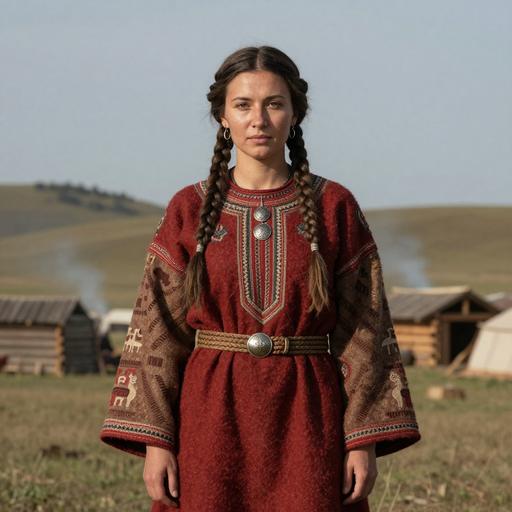
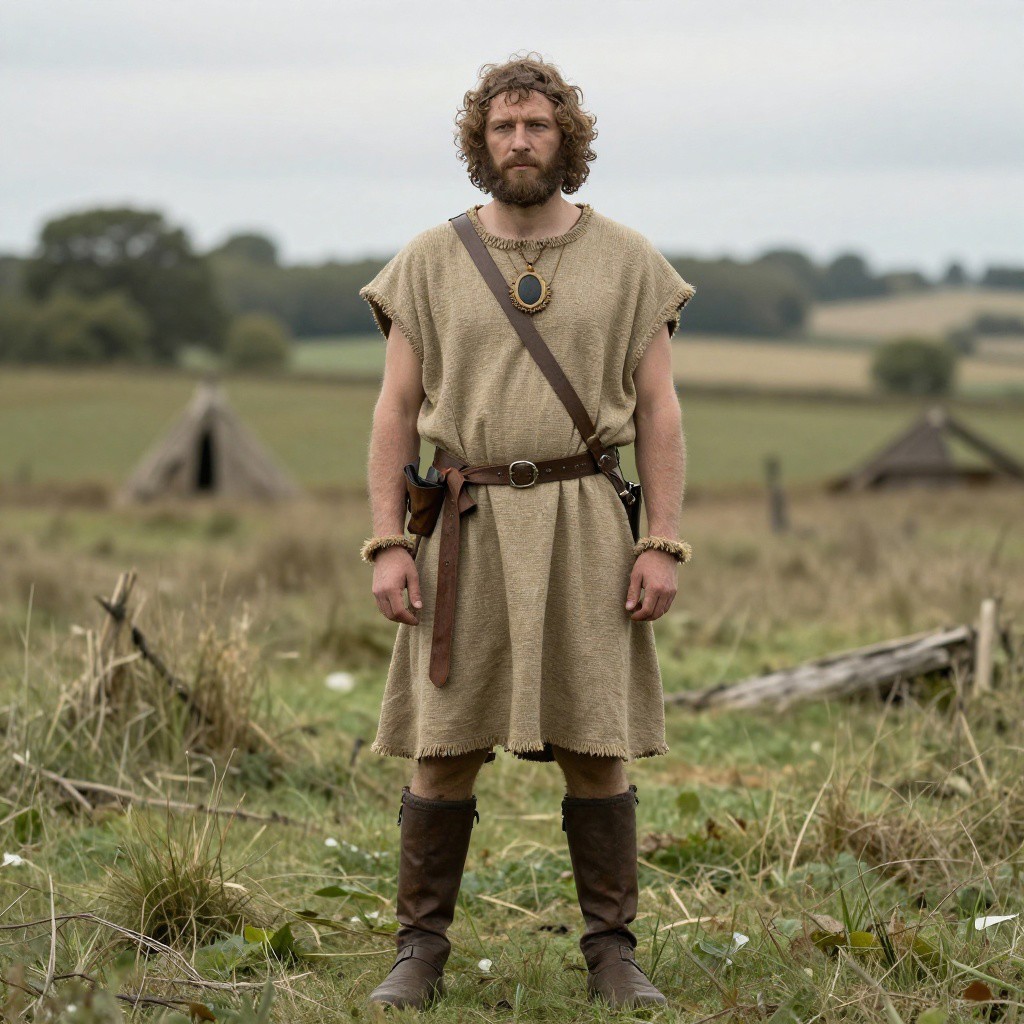
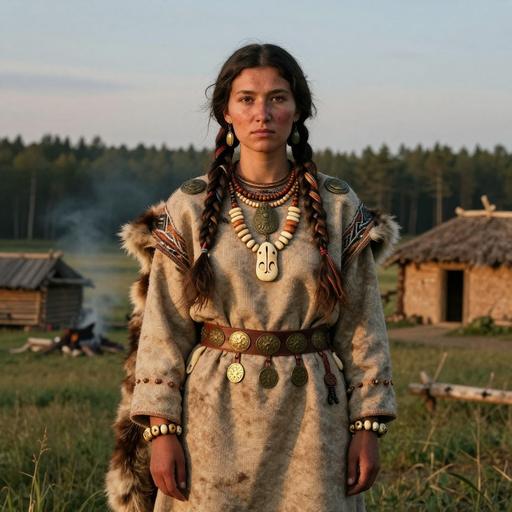
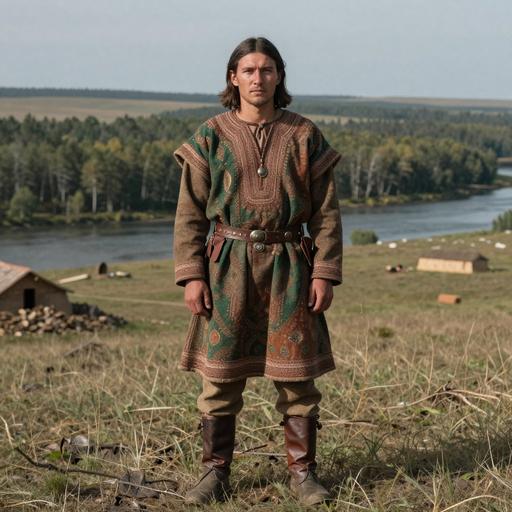
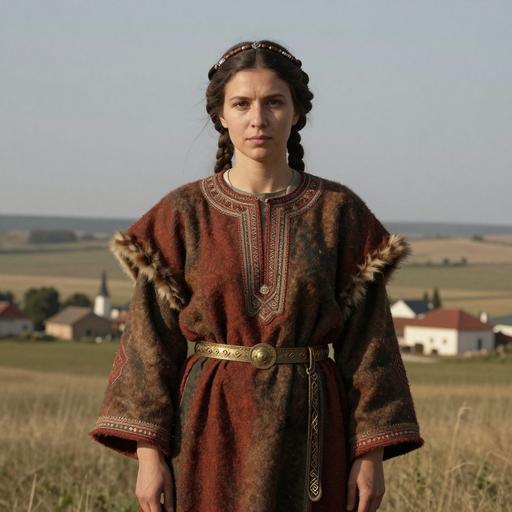
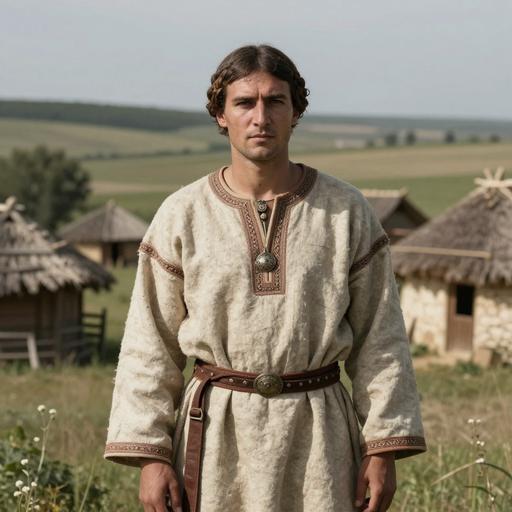
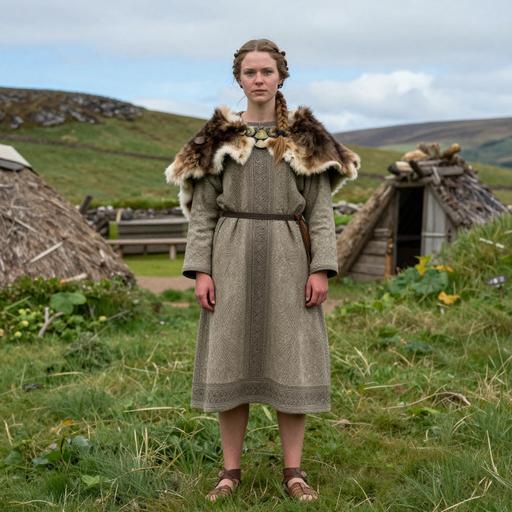
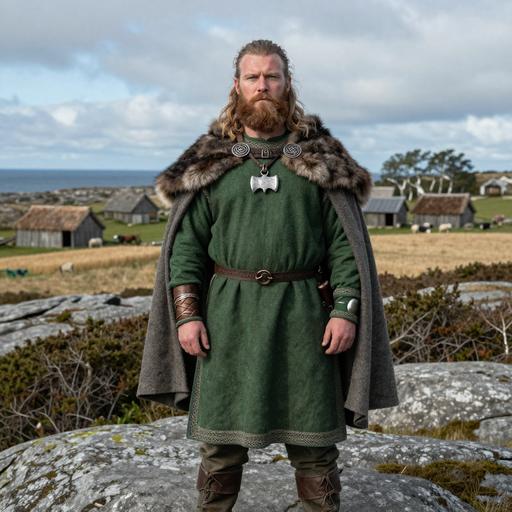
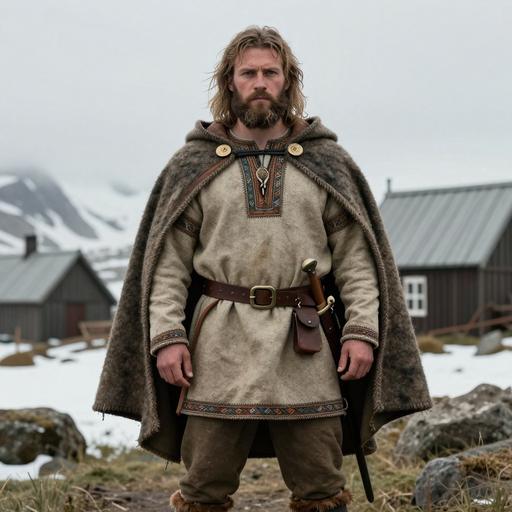
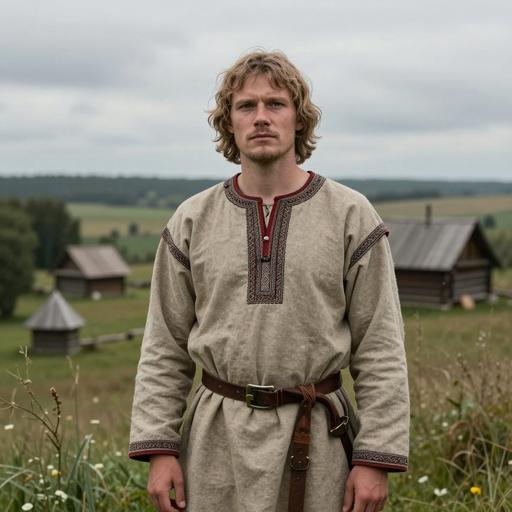
Les portraits sont des illustrations générées par IA. Les libellés d'échantillon et identifiants d'accès désignent les enregistrements de référence.
Portrait
Échantillon
Pays
Époque
Date
Culture
mtDNA
Correspondance
Identifiant d'échantillon : chy001
Russia
Russia LateSarmatian
27 CE - 210 CE
Sarmatian Culture
H2a1
Direct
Identifiant d'échantillon : chy001
Russia
The Sarmatian Culture
27 CE - 210 CE
H2a1
Direct
Identifiant d'échantillon : DA171
Lithuania
Late Antiquity Lithuania
50 CE - 650 CE
Lithuanian Late Antiquity
H2a1
Direct
Identifiant d'échantillon : DA171
Lithuania
Late Iron Age Baltic Region
50 CE - 650 CE
H2a1
Direct
Identifiant d'échantillon : WBK43
United Kingdom
England IA
160 calBCE - 20 calCE (2057±29 BP, CIRAM-7952)
British Iron Age
H2a1
Direct
Identifiant d'échantillon : BGD001
Russia
Iron Age Sargat Culture, Russia
200-1 BCE
Sargat Culture
H2a1
Direct
Identifiant d'échantillon : R32
Italy
Late Antiquity Italy
300-700 CE
Late Roman
H2a1
Direct
Identifiant d'échantillon : BIY010
Russia
Iron Age Sargat Culture, Russia
300-100 BCE
Sargat Culture
H2a1
Direct
Identifiant d'échantillon : I25510
Hungary
Hungary IA LaTene
300-100 BCE
La Tene Culture
H2a1
Direct
Identifiant d'échantillon : I30386
Russia
Russia Omsk EIA Irtysh Sargatka
300 BCE - 200 CE
Russia_Omsk_EIA_Irtysh_Sargatka
H2a1
Direct
Identifiant d'échantillon : I2695
United Kingdom
Middle to Late Iron Age Scotland
364-121 calBCE (2180±30 BP, SUERC-21990)
Scottish Iron Age
H2a1
Direct
Identifiant d'échantillon : I14803
United Kingdom
England MIA
370-175 calBCE (2204±30 BP, SUERC-95011)
Middle Iron Age British
H2a1
Direct
Identifiant d'échantillon : DA51
Kyrgyzstan
Kyrgyzstan TianShan Saka
386 BCE - 178 BCE
Saka Culture
H2a1
Direct
Identifiant d'échantillon : DA51
Kyrgyzstan
The Scythian and Saka Cultures
386 BCE - 178 BCE
H2a1
Direct
Identifiant d'échantillon : I12790
United Kingdom
Middle to Late Iron Age England
400-100 BCE
Late Iron Age British
H2a1
Direct
Identifiant d'échantillon : I12793
United Kingdom
Middle to Late Iron Age England
400-100 BCE
Late Iron Age British
H2a1
Direct
Identifiant d'échantillon : I12792
United Kingdom
Middle to Late Iron Age England
400-100 BCE
Late Iron Age British
H2a1
Direct
Identifiant d'échantillon : snb012
Sweden
Southern Swedish Pre-Viking Culture
450-500 CE
Pre-Viking Swedish
H2a1
Direct
Identifiant d'échantillon : CSN005
Italy
Etruscan Grosseto, Italy
600-200 BCE
Etruscan
H2a1
Direct
Identifiant d'échantillon : MGS344
Austria
Austria Avar
650-800 CE
Austria_Avar
H2a1
Direct
Identifiant d'échantillon : HNJ015
Hungary
Hungary MiddleAvar
650-750 CE
Avar Culture
H2a1+146
Direct
Identifiant d'échantillon : HNJ026
Hungary
Hungary MiddleAvar
650-750 CE
Avar Culture
H2a1+146
Direct
Identifiant d'échantillon : HNJ011
Hungary
Hungary MiddleAvar
662-672 calCE
Avar Culture
H2a1+146
Direct
Identifiant d'échantillon : I2692
United Kingdom
Scotland EIA
727-396 calBCE (2395±30 BP, SUERC-21988)
Scottish Iron Age
H2a1
Direct
Identifiant d'échantillon : I16498
United Kingdom
Scotland EIA
750-404 calBCE (2430±30 BP, SUERC-24246)
Scottish Iron Age
H2a1
Direct
Identifiant d'échantillon : JHT-30
Hungary
Hungary LateAvar
774-882 calCE (1206±17 BP, DeA-26546)
Avar Culture
H2a1
Direct
Identifiant d'échantillon : VPB-307
Hungary
Hungary LateAvar
750-850 CE
Avar Culture
H2a1
Direct
Identifiant d'échantillon : I14056
Armenia
Late Bronze Age to Early Iron Age Armenia
800-650 BCE
Armenian LBA-EIA
H2a1
Direct
Identifiant d'échantillon : VK342
Sweden
Sweden Viking
800 CE - 1100 CE
Viking
H2a1
Direct
Identifiant d'échantillon : VK342
Sweden
The Viking Age
800 CE - 1100 CE
H2a1
Direct
Identifiant d'échantillon : VK354
Sweden
Sweden Viking
892 CE - 1153 CE
Viking
H2a1
Direct
Identifiant d'échantillon : VK354
Sweden
The Viking Age
892 CE - 1153 CE
H2a1
Direct
Identifiant d'échantillon : VK431
Sweden
Sweden Viking
900 CE - 1050 CE
Viking
H2a1
Direct
Identifiant d'échantillon : VK182
Greenland
Greenland EarlyNorse
900 CE - 1200 CE
Norse Greenland
H2a1
Direct
Identifiant d'échantillon : VK182
Greenland
The Viking Age
900 CE - 1200 CE
H2a1
Direct
Identifiant d'échantillon : VK431
Sweden
The Viking Age
900 CE - 1050 CE
H2a1
Direct
Identifiant d'échantillon : KPN004
Denmark
Saxon Medieval Zealand, Denmark
1000-1100 CE
Zealand Saxon
H2a1
Direct
Identifiant d'échantillon : WEZ57
Germany
Bronze Age Tollense Valley, Germany
1300 BCE - 1200 BCE
Tollense Culture
H2a1
Direct
Identifiant d'échantillon : WEZ57
Germany
Middle to Late Bronze Age Central Europe
1300 BCE - 1200 BCE
H2a1
Direct
Identifiant d'échantillon : IVLS09KT
Estonia
Estonia Medieval
1570 CE - 1600 CE
Estonian Medieval
H2a1
Direct
Identifiant d'échantillon : IVLS09KT
Estonia
Medieval Baltic Region
1570 CE - 1600 CE
H2a1
Direct
Identifiant d'échantillon : LAR11
France
Late Paleolithic Southern Provence
1629-1630 CE
Provence Paleolithic
H2a1
Direct
Identifiant d'échantillon : mur001
Russia
Srubnaya-Alakul Culture, Russia
1740 BCE - 1539 BCE
Srubnaya-Alakul
H2a1
Direct
Identifiant d'échantillon : mur001
Russia
The Srubnaya Culture
1740 BCE - 1539 BCE
H2a1
Direct
Identifiant d'échantillon : mur001_srubnaya
Russia
Russia Bashkortostan LBA
1740-1539 calBCE (3360±30 BP, Beta-497470)
Russia_Bashkortostan_LBA
H2a1
Direct
Identifiant d'échantillon : I4236
Iran
The Transition from Bronze Age to Iron Age in Iran
2000-1000 BCE
Iranian Bronze-Iron Transition
H2a1
Direct
Identifiant d'échantillon : RISE483
Hungary
Hungary MBA Vatya
2000 BCE - 1500 BCE
Vatya Culture
H2a1
Direct
Identifiant d'échantillon : RISE483
Hungary
Bronze Age Balkans
2000 BCE - 1500 BCE
H2a1
Direct
Identifiant d'échantillon : UNTA58_147
Germany
Early Bronze Age Lech Valley, Germany
2035 BCE - 1891 BCE
Lech Valley Bronze Age
H2a1
Direct
Identifiant d'échantillon : UNTA58_147
Germany
Early Bronze Age Central Europe
2035 BCE - 1891 BCE
H2a1
Direct
Identifiant d'échantillon : chy001
Late Sarmatian Culture, Russia - Russia - Orenburg Regio. Southern Urals. Cherniy Yar
Russia Russia LateSarmatian 27 CE - 210 CE
H2a1Direct
Identifiant d'échantillon : chy001
Russia The Sarmatian Culture 27 CE - 210 CE
H2a1Direct
Identifiant d'échantillon : DA171
Late Antiquity Lithuania - Lithuania -
Lithuania Late Antiquity Lithuania 50 CE - 650 CE
H2a1Direct
Identifiant d'échantillon : DA171
Lithuania Late Iron Age Baltic Region 50 CE - 650 CE
H2a1Direct
Identifiant d'échantillon : WBK43
WBK43
United Kingdom England IA 160 calBCE - 20 calCE (2057±29 BP, CIRAM-7952)
H2a1Direct
Identifiant d'échantillon : BGD001
Iron Age Sargat Culture, Russia - Russia - Bashkortostan. Zianchurinsky District. Bogdanovka #228/1
Russia Iron Age Sargat Culture, Russia 200-1 BCE
H2a1Direct
Identifiant d'échantillon : R32
Late Antiquity Italy - Italy - Mausoleo di Augusto
Italy Late Antiquity Italy 300-700 CE
H2a1Direct
Identifiant d'échantillon : BIY010
Iron Age Sargat Culture, Russia - Russia - Western Siberia. Bitiya Burial Ground. Bitiya#228/26. mound 4
Russia Iron Age Sargat Culture, Russia 300-100 BCE
H2a1Direct
Identifiant d'échantillon : I25510
The La Tene Culture in Hungary - Hungary - Somogy county. Kútvölgyi-dűlő. Zamárdi (sites 56 and 89)
Hungary Hungary IA LaTene 300-100 BCE
H2a1Direct
Identifiant d'échantillon : I30386
I30386
Russia Russia Omsk EIA Irtysh Sargatka 300 BCE - 200 CE
H2a1Direct
Identifiant d'échantillon : I2695
Middle to Late Iron Age Scotland - United Kingdom - Scotland. East Lothian. Broxmouth
United Kingdom Middle to Late Iron Age Scotland 364-121 calBCE (2180±30 BP, SUERC-21990)
H2a1Direct
Identifiant d'échantillon : I14803
Middle Iron Age England - United Kingdom - England. Oxfordshire. Thame
United Kingdom England MIA 370-175 calBCE (2204±30 BP, SUERC-95011)
H2a1Direct
Identifiant d'échantillon : DA51
Saka Culture in Kyrgyzstan - Kyrgyzstan - Tian Shan. Central Steppe
Kyrgyzstan Kyrgyzstan TianShan Saka 386 BCE - 178 BCE
H2a1Direct
Identifiant d'échantillon : DA51
Kyrgyzstan The Scythian and Saka Cultures 386 BCE - 178 BCE
H2a1Direct
Identifiant d'échantillon : I12790
Middle to Late Iron Age England - United Kingdom - England. Cornwall. Newquay. Tregunnel
United Kingdom Middle to Late Iron Age England 400-100 BCE
H2a1Direct
Identifiant d'échantillon : I12793
Middle to Late Iron Age England - United Kingdom - England. Cornwall. Newquay. Tregunnel
United Kingdom Middle to Late Iron Age England 400-100 BCE
H2a1Direct
Identifiant d'échantillon : I12792
Middle to Late Iron Age England - United Kingdom - England. Cornwall. Newquay. Tregunnel
United Kingdom Middle to Late Iron Age England 400-100 BCE
H2a1Direct
Identifiant d'échantillon : snb012
Southern Swedish Pre-Viking Culture - Sweden - Sandby Borg (Kalmar län, Mörbylånga)
Sweden Southern Swedish Pre-Viking Culture 450-500 CE
Germany Early Bronze Age Central Europe 2035 BCE - 1891 BCE
H2a1Direct
LIGNÉE MATERNELLE · ADN ANTIQUE
Carte des preuves de lignées antiques
Suivez les clades parents jusqu'à cette branche et explorez où des porteurs antiques ont été identifiés.
Chargement des observations antiques…
La réduction des animations est activée. Utilisez la chronologie ou Tout afficher pour explorer à votre rythme.
Lire les observations sous forme de tableau
Observations antiques affichées par branche, période et date médiane
Branche
Période
Plage de dates
Échantillon
Identifiant d'échantillon
Emplacement
Haplogroupe
Relation
Les marqueurs indiquent des lieux de découvertes archéologiques. Un trait pointillé représente une transition géographique proposée et incertaine entre branches consécutives, appuyée sur plusieurs observations datées ; ce n'est pas un itinéraire exact, un lieu de naissance ni une preuve de descendance directe. Des échantillons de clades parents peuvent appartenir à d'autres branches descendantes. Des lacunes subsistent lorsque les preuves sont insuffisantes. Les dates d'échantillon diffèrent des dates de formation des haplogroupes.
Le regroupement par période historique reflète quand chaque individu antique a vécu, en combinant toutes les branches de cette chaîne de lignée ; ce n'est pas une séquence migratoire ni une chronologie personnelle entre périodes.
Profil de référence
Carte de répartition des porteurs
Répartition géographique de 100 échantillons d'ADN ancien (porteurs directs et de sous-clade de H2A1)
Porteur direct Porteur de sous-clade
Filtre de période
Toutes les périodes
Affichage de tous les échantillons
Profil de référence
Répartition temporelle
Répartition des porteurs selon les périodes archéologiques
Profil de référence
Répartition géographique
Effectifs par pays d'échantillon consigné. Ils reflètent la sélection de référence disponible, pas des fréquences de population.
Profil de référence
Répartition pays × époque
Comparez les effectifs d'échantillons consignés selon les pays et les périodes archéologiques. Sélectionnez une cellule renseignée pour examiner un échantillon.
Données
Données et provenance
Informations sur les sources et qualité des données
Dernière mise à jour2026-02-16
Score de confiance50/100
CouvertureLow
Source des données
La classification, les dates estimées et le contexte géographique reflètent les données de référence consignées et peuvent évoluer lorsque les éléments sont révisés. La couverture d'échantillons est inégale ; les lieux consignés et les associations archéologiques n'établissent pas une origine personnelle ni une identité culturelle.