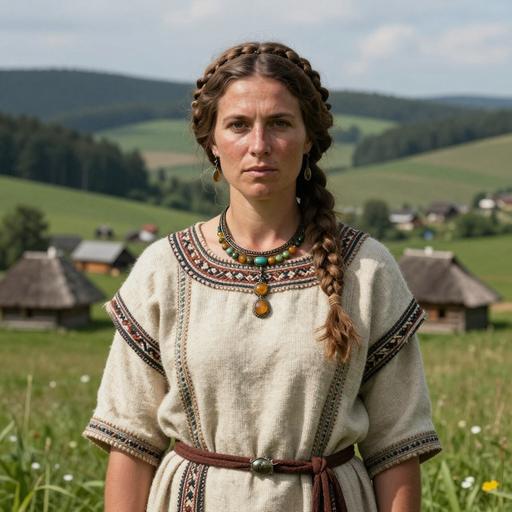
Profil de référence pour une branche de lignée. Des haplogroupes partagés n'établissent pas de lien familial ni d'identité culturelle.
Profil de référence
Contexte de la branche
Contexte historique de la branche de lignée mtDNA T1A
Origins and Evolution
mtDNA haplogroup T1A is a subclade of T1, itself a branch of haplogroup T within macrohaplogroup N. Based on its phylogenetic position under T1 and patterns seen in modern and ancient samples, T1A likely diversified in the Near East during the early Neolithic (around 9 kya) or shortly thereafter. The lineage expanded with Neolithic farmer movements into adjacent regions and underwent further regional diversification in Europe, North Africa, and parts of Central Asia.
Genetic studies and ancient DNA analyses indicate that T1 lineages, including T1A, are associated with demic diffusion of early agricultural populations from the Near East into Europe and North Africa, and later with historical population movements that redistributed maternal lineages across the Mediterranean and beyond.
Subclades
T1A itself contains downstream sublineages (often reported in the literature as T1a1, T1a2, etc., with differing nomenclature across studies). These subclades show additional geographic structure: some are more common in Europe (especially southern and eastern regions), others retain higher frequencies in the Near East and North Africa. The diversity of T1A subclades in a region is a useful indicator of either local continuity or multiple migration events bringing the lineage into that region.
Geographical Distribution
T1A today is most frequent and most diverse in the Near East, with moderate frequencies across the Mediterranean rim and lower frequencies into inland Europe and Central Asia. Key modern population occurrences include Middle Eastern groups, North African coastal populations, Southern and Eastern Europeans, and documented presence in Jewish maternal lineages (including several lineages found among Ashkenazi Jews). Ancient DNA has recovered T1/T1A-class lineages in a number of Neolithic and later archaeological contexts, consistent with spread during the Neolithic and persisting presence through subsequent eras. In many regions T1A is a minority haplogroup but contributes to the maternal signature of Neolithic-derived and Mediterranean populations.
Historical and Cultural Significance
The distribution of T1A aligns with major episodes in prehistory and history: the Neolithic agricultural expansion from the Near East into Europe and North Africa, and later historic-era migrations and demographic processes around the Mediterranean. The presence of T1A in Jewish communities likely reflects Near Eastern maternal ancestry with later founder and drift effects altering frequencies in specific diasporic groups. Because T1A occurs in both ancient farmer-associated contexts and in modern populations across the Mediterranean, it serves as a marker for maternal lineages that link Near Eastern origins with European and North African demographic history.
Conclusion
mtDNA haplogroup T1A is a Near Eastern-rooted maternal lineage that diversified during or shortly after the early Neolithic and dispersed with farming and later migrations into Europe, North Africa, and Central Asia. While typically not a majority lineage in any large modern population, its presence across multiple regions and in ancient DNA makes it a useful marker for tracing Neolithic and post-Neolithic maternal ancestry in the Mediterranean and adjacent regions.
Points clés
Origins and Evolution
Subclades
Geographical Distribution
Historical and Cultural Significance
Conclusion
Profil de référence
Arbre et relations
Contexte phylogénétique et sous-clades
Voie évolutive
Suivez les branches parentes consignées jusqu'à T1A. Les dates sont des estimations et peuvent évoluer lorsque les données de référence sont révisées.
The populations where mtDNA haplogroup T1A is found include:
Middle Eastern populations
North African populations (Mediterranean coast)
Southern European populations (Italy, Greece, Iberia)
Eastern European populations (Balkans, parts of the Black Sea region)
Central Asian populations (sporadic occurrence)
Jewish populations, notably some Ashkenazi maternal lineages
Contexte historique
Une branche dans le temps
Formation estimée sur une chronologie historique large. Les repères de période servent de contexte et n'impliquent pas de lien avec des cultures particulières.
Il y a ~10k ans
Révolution néolithique
Début de l'agriculture et émergence de communautés sédentaires
Il y a ~9k ans
Haplogroupe T1A
Formation estimée de cette branche mtDNA ; les dates et les lieux sont des estimations de référence.
Cette branche
Il y a ~5k ans
Âge du bronze
Travail des métaux, écriture et premières civilisations
Il y a ~3k ans
Âge du fer
Outils en fer, réseaux d'échanges élargis
Il y a ~2.5k ans
Antiquité classique
Floraison des civilisations grecque et romaine
Aujourd'hui
Aujourd'hui
Époque moderne
Profil de référence
Contexte archéologique
Associations archéologiques consignées pour la branche mtDNA T1A
Associations consignées
Ces libellés décrivent des contextes archéologiques consignés pour des échantillons de référence liés à T1A. Une association n'établit pas que tous les porteurs appartenaient à une culture ni qu'ils ont suivi une route migratoire précise.
Alföld Linear PotteryArmenian NeolithicBulgarian NeolithicGhassulianLinear Pottery CulturePeloponnesian NeolithicPPNBTisza CultureVarna
Les attributions culturelles reposent sur le contexte archéologique des échantillons d'ADN ancien et peuvent refléter des associations régionales à certaines périodes.
Profil de référence
Catalogue d'échantillons
10 porteurs directs et 90 porteurs de sous-clade de l'haplogroupe T1A
10 affiché(s) · 50 échantillons correspondants
Aucun échantillon ne correspond à ces filtres. Essayez un autre libellé, lieu ou période.
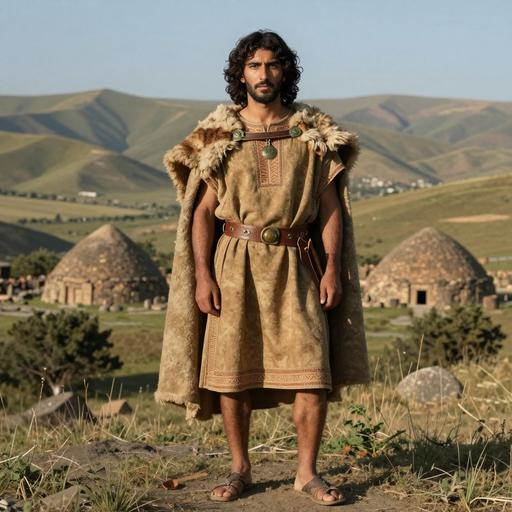
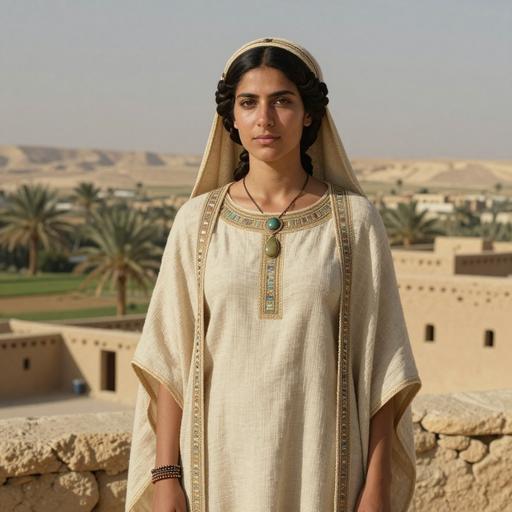
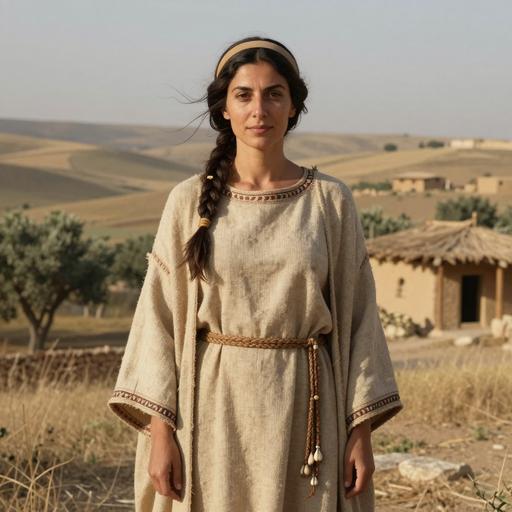
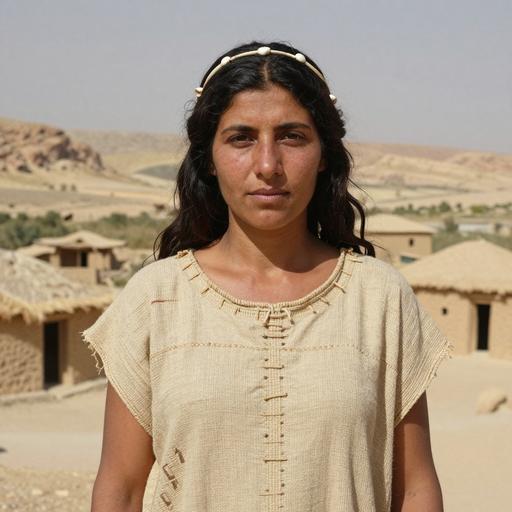
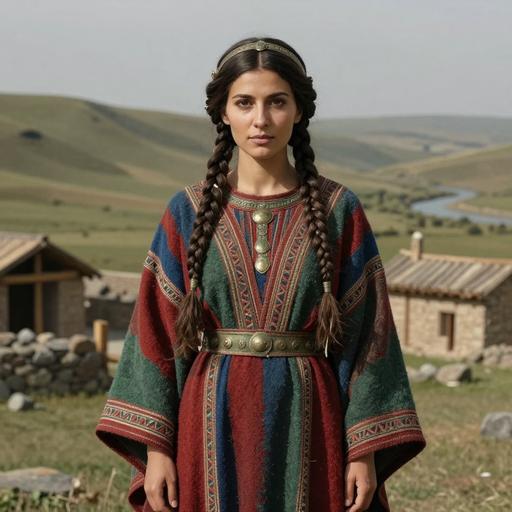
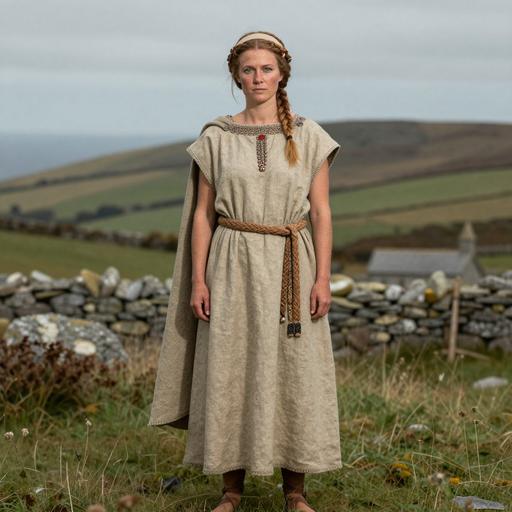
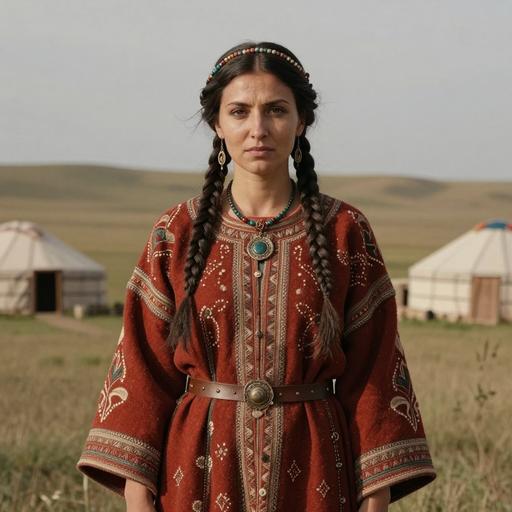
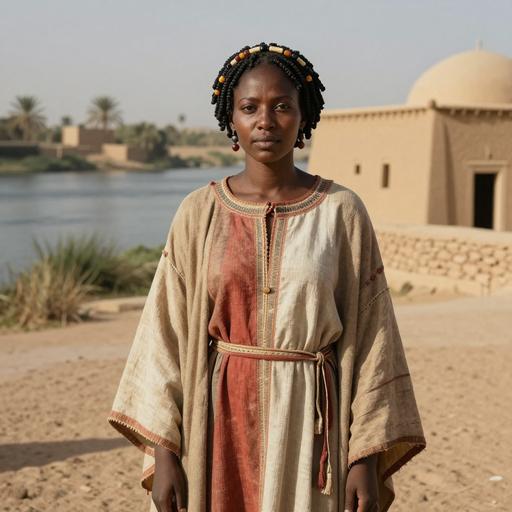
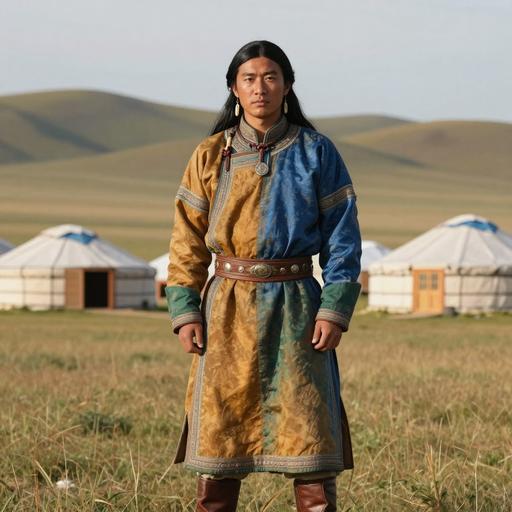
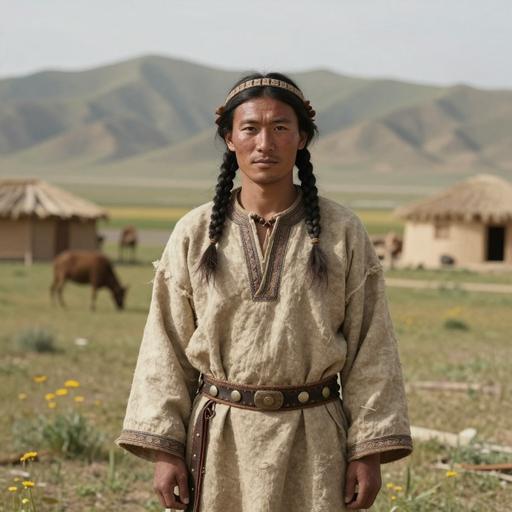
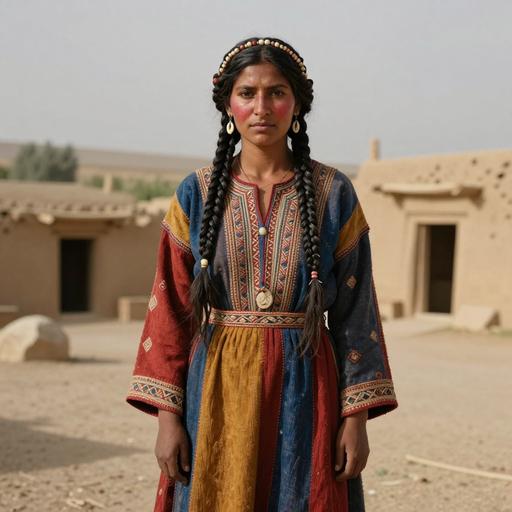
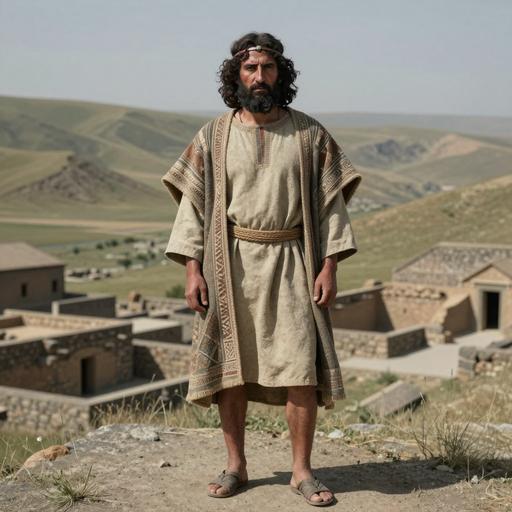
Les portraits sont des illustrations générées par IA. Les libellés d'échantillon et identifiants d'accès désignent les enregistrements de référence.
Portrait
Échantillon
Pays
Époque
Date
Culture
mtDNA
Correspondance
Identifiant d'échantillon : VEN006
Italy
Basilicata Venosa Culture
600-800 CE
Venosa
T1a
Direct
Identifiant d'échantillon : I19348
Armenia
Late Bronze Age Armenia
1400-900 BCE
Late Bronze Age Armenian
T1a
Direct
Identifiant d'échantillon : I10097
Israel
Israel MLBA
1600-1500 BCE
Canaanite
T1a
Direct
Identifiant d'échantillon : I10347
France
France EBA
1684-1503 calBCE (3310±35 BP, Poz-138294)
Early French Bronze Age
T1a
Direct
Identifiant d'échantillon : I2870
India
India Roopkund B
1698-1910 calCE (30±20 BP, PSUAMS-5429)
Roopkund B Group
T1a
Direct
Identifiant d'échantillon : I10264
Israel
Israel MLBA
1881-1697 calBCE (3470±20 BP, OS-139224)
Canaanite
T1a
Direct
Identifiant d'échantillon : I7180
Israel
Israel MLBA
2000-1550 BCE
Canaanite
T1a
Direct
Identifiant d'échantillon : I1882
Hungary
Hungary MN LBK
5300-4900 BCE
Linear Pottery Culture
T1a
Direct
Identifiant d'échantillon : I3708
Greece
Greece Peloponnese N
5500-3600 BCE
Peloponnesian Neolithic
T1a
Direct
Identifiant d'échantillon : I1704
Jordan
Jordan PPNB
7451 BCE - 7056 BCE
PPNB
T1a
Direct
Identifiant d'échantillon : R131
Italy
Imperial Rome
1-200 CE
Roman Empire
T1a12
Sous-clade
Identifiant d'échantillon : I20437
Armenia
Late Bronze Age to Early Iron Age Armenia
157 calBCE - 7 calCE (2065±20 BP, PSUAMS-8417)
Armenian LBA-EIA
T1a9
Sous-clade
Identifiant d'échantillon : I19869
United Kingdom
England LIA
175 calBCE - 8 calCE (2080±30 BP, SUERC-40286)
British Late Iron Age
T1a1
Sous-clade
Identifiant d'échantillon : I19870
United Kingdom
England LIA
200-1 BCE
British Late Iron Age
T1a1
Sous-clade
Identifiant d'échantillon : C393
China
Historical Period Hetian, Xinjiang, China
200-400 CE
Hetian Culture
T1a1
Sous-clade
Identifiant d'échantillon : I16386
United Kingdom
Middle to Late Iron Age England
300 BCE - 100 CE
Late Iron Age British
T1a1
Sous-clade
Identifiant d'échantillon : I16450
United Kingdom
Middle to Late Iron Age England
300 BCE - 100 CE
Late Iron Age British
T1a1
Sous-clade
Identifiant d'échantillon : I16457
United Kingdom
Middle to Late Iron Age England
300 BCE - 100 CE
Late Iron Age British
T1a1
Sous-clade
Identifiant d'échantillon : I14987
Czech Republic
Iron Age La Tène Culture, Czech Republic
350-250 BCE
La Tène Culture
T1a1
Sous-clade
Identifiant d'échantillon : I20625
United Kingdom
Middle to Late Iron Age England
343-49 calBCE (2120±30 BP, SUERC-31498)
Late Iron Age British
T1a1
Sous-clade
Identifiant d'échantillon : CHN001
Mongolia
Early Iron Age to Xiongnu to Late Medieval Uvs, Mongolia
356 BCE - 173 BCE
Uvs Multi-Period
T1a1
Sous-clade
Identifiant d'échantillon : I5728
Croatia
Croatia EIA
361-200 calBCE (2210±15 BP, PSUAMS-2870)
Croatian Iron Age
T1a5
Sous-clade
Identifiant d'échantillon : SEI-5
Hungary
Hungary Hun
350-500 CE
Hun Culture
T1a1
Sous-clade
Identifiant d'échantillon : SEI-1
Hungary
Hungary Hun
350-500 CE
Hun Culture
T1a1
Sous-clade
Identifiant d'échantillon : I13727
United Kingdom
England MIA
389-208 calBCE (2249±20 BP, SUERC-41926)
Middle Iron Age British
T1a1
Sous-clade
Identifiant d'échantillon : I14807
United Kingdom
England MIA
391-204 calBCE (2247±30 BP, SUERC-95018)
Middle Iron Age British
T1a1
Sous-clade
Identifiant d'échantillon : I7027
Mongolia
Mongolia EIA Sagly 4
398 BCE - 228 BCE
Sagly Culture
T1a1
Sous-clade
Identifiant d'échantillon : R36
Italy
Late Antiquity Italy
400-600 CE
Late Roman
T1a1
Sous-clade
Identifiant d'échantillon : I5504
United Kingdom
Anglian Period East Yorkshire, England
400-800 CE
Anglian
T1a1
Sous-clade
Identifiant d'échantillon : C1360
China
China Xinjiang Jirentaigoukou EIA
450-200 BCE
Early Iron Age Chinese
T1a1
Sous-clade
Identifiant d'échantillon : SZ2
Hungary
Langobard Period Hungary
400-650 CE
Langobard Culture
T1a1
Sous-clade
Identifiant d'échantillon : BSB003
Kazakhstan
Iron Age Sarmatian, Kazakhstan
500-200 BCE
Sarmatian Culture
T1a1
Sous-clade
Identifiant d'échantillon : I15462
Croatia
Croatia Medieval
677-824 calCE (1256±17 BP, MAMS-38379)
Croatian Medieval
T1a1
Sous-clade
Identifiant d'échantillon : I6333
Sudan
Early Christian Era in Sudan
682-878 calCE (1240±22 BP, UGAMS-34399)
Nubian Christian
T1a7
Sous-clade
Identifiant d'échantillon : OLN002
Mongolia
Mongolia Arkhangai EarlyMedieval
700-1000 CE
Early Medieval Mongolian
T1a1
Sous-clade
Identifiant d'échantillon : I5690
Slovenia
Slovenia EIA
763-425 calBCE (2470±25 BP, KIA-37315)
Hallstatt Culture
T1a1
Sous-clade
Identifiant d'échantillon : OLN003
Mongolia
Mongolia Arkhangai EarlyMedieval
772-950 calCE (1166±15 BP, GrM-12924)
Early Medieval Mongolian
T1a1
Sous-clade
Identifiant d'échantillon : BSB001
Kazakhstan
Iron Age Sarmatian, Kazakhstan
773-541 calBCE (2493±24 BP)
Sarmatian Culture
T1a1
Sous-clade
Identifiant d'échantillon : C4272
China
China Xinjiang Abusanteer IA
800-200 BCE
Abusanteer Culture
T1a1
Sous-clade
Identifiant d'échantillon : C4131
China
China Xinjiang Abusanteer IA
789-544 calBCE
Abusanteer Culture
T1a1
Sous-clade
Identifiant d'échantillon : SE-64
Hungary
Conqueror Elite Hungary
950-1000 CE
Magyar Elite Culture
T1a1
Sous-clade
Identifiant d'échantillon : I25507
Hungary
Hungary EIA
978-831 calBCE (2760±20 BP, PSUAMS-10140)
Early Hungarian Iron Age
T1a5
Sous-clade
Identifiant d'échantillon : I12979
Pakistan
The Loebanr Iron Age Culture of Pakistan
1000-800 BCE
Loebanr Culture
T1a1
Sous-clade
Identifiant d'échantillon : I13220
Pakistan
The Loebanr Iron Age Culture of Pakistan
1000-800 BCE
Loebanr Culture
T1a1
Sous-clade
Identifiant d'échantillon : TSA001
Mongolia
Mongolia Dornod LateMedieval
1000-1500 CE
Late Medieval Mongolian
T1a1
Sous-clade
Identifiant d'échantillon : I14648
Turkey
Southeast Byzantine Turkey
1031-1158 calCE (955±20 BP, PSUAMS-6840)
Byzantine Anatolia
T1a7
Sous-clade
Identifiant d'échantillon : I14620
Armenia
Late Bronze Age to Early Iron Age Armenia
1042-906 calBCE (2815±20 BP, PSUAMS-7158)
Armenian LBA-EIA
T1a1
Sous-clade
Identifiant d'échantillon : I13781
Czech Republic
Late Bronze Age to Iron Age Knoviz-Hallstatt Culture, Czech Republic
1117-931 calBCE (2860±25 BP, PSUAMS-10016)
Knoviz-Hallstatt Culture
T1a1
Sous-clade
Identifiant d'échantillon : I7628
United Kingdom
England LBA
1212-983 calBCE (2895±35 BP, SUERC-25541)
British Late Bronze Age
T1a1
Sous-clade
Identifiant d'échantillon : R52
Italy
Medieval to Early Modern Italy
1280 CE - 1430 CE
Medieval Italian
T1a1
Sous-clade
Identifiant d'échantillon : VEN006
Basilicata Venosa Culture - Italy - Basilicata. Potenza. Venosa
Italy Basilicata Venosa Culture 600-800 CE
T1aDirect
Identifiant d'échantillon : I19348
Late Bronze Age Armenia - Armenia - Karashamb Cemetery
Armenia Late Bronze Age Armenia 1400-900 BCE
T1aDirect
Identifiant d'échantillon : I10097
Middle to Late Bronze Age Israel - Israel - Megiddo. Jezreel Valley
Israel Israel MLBA 1600-1500 BCE
T1aDirect
Identifiant d'échantillon : I10347
Early Bronze Age France - France - Lauzet-Ubaye. Villard
France France EBA 1684-1503 calBCE (3310±35 BP, Poz-138294)
T1aDirect
Identifiant d'échantillon : I2870
Roopkund Skeletons B - India - Uttaranchal. Himalaya. Roopkund
India India Roopkund B 1698-1910 calCE (30±20 BP, PSUAMS-5429)
T1aDirect
Identifiant d'échantillon : I10264
Middle to Late Bronze Age Israel - Israel - Megiddo. Jezreel Valley
Israel Israel MLBA 1881-1697 calBCE (3470±20 BP, OS-139224)
Late Bronze Age to Early Iron Age Armenia - Armenia - Bagheri Tchala Archaeological Complex
Armenia Late Bronze Age to Early Iron Age Armenia 1042-906 calBCE (2815±20 BP, PSUAMS-7158)
T1a1Sous-clade
Identifiant d'échantillon : I13781
Late Bronze Age to Iron Age Knoviz-Hallstatt Culture, Czech Republic - Czech Republic - NW Bohemia. Teplice. Bílina (Rudiay I/Maxim Gorkij)
Czech Republic Late Bronze Age to Iron Age Knoviz-Hallstatt Culture, Czech Republic 1117-931 calBCE (2860±25 BP, PSUAMS-10016)
T1a1Sous-clade
Identifiant d'échantillon : I7628
Late Bronze Age England - United Kingdom - England. Bedfordshire. Biddenham Loop
United Kingdom England LBA 1212-983 calBCE (2895±35 BP, SUERC-25541)
T1a1Sous-clade
Identifiant d'échantillon : R52
Medieval to Early Modern Italy - Italy - Villa Magna
Italy Medieval to Early Modern Italy 1280 CE - 1430 CE
T1a1Sous-clade
LIGNÉE MATERNELLE · ADN ANTIQUE
Carte des preuves de lignées antiques
Suivez les clades parents jusqu'à cette branche et explorez où des porteurs antiques ont été identifiés.
Chargement des observations antiques…
La réduction des animations est activée. Utilisez la chronologie ou Tout afficher pour explorer à votre rythme.
Lire les observations sous forme de tableau
Observations antiques affichées par branche, période et date médiane
Branche
Période
Plage de dates
Échantillon
Identifiant d'échantillon
Emplacement
Haplogroupe
Relation
Les marqueurs indiquent des lieux de découvertes archéologiques. Un trait pointillé représente une transition géographique proposée et incertaine entre branches consécutives, appuyée sur plusieurs observations datées ; ce n'est pas un itinéraire exact, un lieu de naissance ni une preuve de descendance directe. Des échantillons de clades parents peuvent appartenir à d'autres branches descendantes. Des lacunes subsistent lorsque les preuves sont insuffisantes. Les dates d'échantillon diffèrent des dates de formation des haplogroupes.
Le regroupement par période historique reflète quand chaque individu antique a vécu, en combinant toutes les branches de cette chaîne de lignée ; ce n'est pas une séquence migratoire ni une chronologie personnelle entre périodes.
Profil de référence
Carte de répartition des porteurs
Répartition géographique de 100 échantillons d'ADN ancien (porteurs directs et de sous-clade de T1A)
Porteur direct Porteur de sous-clade
Filtre de période
Toutes les périodes
Affichage de tous les échantillons
Profil de référence
Répartition temporelle
Répartition des porteurs selon les périodes archéologiques
Profil de référence
Répartition géographique
Effectifs par pays d'échantillon consigné. Ils reflètent la sélection de référence disponible, pas des fréquences de population.
Profil de référence
Répartition pays × époque
Comparez les effectifs d'échantillons consignés selon les pays et les périodes archéologiques. Sélectionnez une cellule renseignée pour examiner un échantillon.
Données
Données et provenance
Informations sur les sources et qualité des données
Dernière mise à jour2026-02-16
Score de confiance50/100
CouvertureLow
Source des données
La classification, les dates estimées et le contexte géographique reflètent les données de référence consignées et peuvent évoluer lorsque les éléments sont révisés. La couverture d'échantillons est inégale ; les lieux consignés et les associations archéologiques n'établissent pas une origine personnelle ni une identité culturelle.