Aller au contenu principal
Y-DNA · lignée Paternelle

C2A1A1

Y-DNA Haplogroup C2A1A1

Profil de référence pour une branche de lignée. Des haplogroupes partagés n'établissent pas de lien familial ni d'identité culturelle.

Profil de référence

Contexte de la branche

Contexte historique de la branche de lignée Y-DNA C2A1A1

Origins and Evolution

Y-DNA haplogroup C2A1A1 (a downstream branch of C2A1A, itself derived from the M217 lineage) arose in the Holocene within Central–East Asia. Based on the phylogenetic position under C2A1A and comparative coalescent dates from related C2 subclades, a formation time in the mid-Holocene (~4.5 kya) is plausible. The lineage diversified within populations of the East Eurasian steppe and adjacent forest-steppe and boreal zones, where it acquired a pattern of regional subclades associated with later demographic events.

Genetic evidence for lineages under C2 (M217) shows strong continuity among Mongolic and Tungusic-speaking groups and northern Siberian peoples; C2A1A1 represents one of the branches that expanded locally and sometimes broadly during the Bronze Age, Iron Age and historic nomadic periods. Like other C2 lineages, its present-day distribution reflects both deep Holocene structure and more recent male-biased migrations.

Subclades (if applicable)

C2A1A1 itself contains internal substructure that can be resolved further by high-resolution SNP testing and ancient DNA. Some downstream clusters are geographically localized — for example, subclades concentrated in the Lake Baikal–Mongolia region vs. subclades enriched in Yakutia and northeastern Siberia. The detailed naming and branching order are subject to ongoing revision as more sequence data and targeted SNP discovery are published. Higher-resolution testing (sequencing or expanded SNP panels) is required to assign samples to the finest subclades and to link those subclades with specific archaeological horizons.

Geographical Distribution

The highest frequencies and diversity of C2A1A1 occur in Central–East Asian and northern Asian populations: Mongolic-speaking groups (Mongols, Buryats), many Tungusic peoples (Evenks, Evens, Oroqen), Yakut (Sakha) and other North Siberian populations, plus measurable presence in southern Siberian Turkic groups (Tuvans, some Altai and Kazakh clans). Low-frequency occurrences are reported in neighboring Northeast Asian populations (Koreans, some Japanese lineages) and very rare, possibly secondary, occurrences relate to Beringian connections into parts of North America in pre-contact contexts.

The observed distribution is shaped by historical steppe mobility: localized high-frequency pockets reflect founder effects and patrilineal expansions (e.g., elite-driven or clan expansions), while lower-frequency occurrences along peripheries reflect gene flow and assimilation.

Historical and Cultural Significance

The demographic history implied by C2A1A1 is consistent with male-biased expansions on the Eurasian steppe. Archaeologically and historically, the lineage likely participated in the demographic processes behind Bronze Age steppe pastoralism and later Iron Age and historical nomadic confederations. Associations can be drawn between C2 subclades and groups such as the Xiongnu and later steppe polities (Xianbei, various Turkic and Mongolic polities) though direct attribution of a single Y-haplogroup to any archaeological culture must be cautious.

In historic times, notably during Mongol expansions and previously documented northward movements (e.g., the medieval migration that founded the modern Yakut population in northeastern Siberia), C2 lineages, including C2A1A1 subclades, show signatures of rapid increases in frequency consistent with founder effects and social structures that could amplify particular paternal lines.

Conclusion

C2A1A1 is a regionally important branch of the M217-derived C2 family reflecting Central–East Asian origins in the mid-Holocene and subsequent localization and expansions among Mongolic, Tungusic and northern Siberian peoples. Its study benefits from dense SNP resolution and ancient DNA to tie subclades to specific migrations and archaeological contexts; current evidence supports a narrative of steppe and forest-steppe continuity with episodes of pronounced male-line founder effects during the Bronze–Iron Age and historical nomadic expansions.

Research caveat: nomenclature and phylogenetic placement of subclades evolve as new sequencing and ancient DNA data become available; reported frequencies vary with sampling density and marker resolution.

Points clés

  • Origins and Evolution
  • Subclades (if applicable)
  • Geographical Distribution
  • Historical and Cultural Significance
  • Conclusion
Profil de référence

Arbre et relations

Contexte phylogénétique et sous-clades

Voie évolutive

Suivez les branches parentes consignées jusqu'à C2A1A1. Les dates sont des estimations et peuvent évoluer lorsque les données de référence sont révisées.

Étapes Haplogroupe Âge estimé Époque archéologique Temps écoulé Descendants immédiats Descendants modernes testés Liens anciens
1 C2A1A1 Actuel ~4,000 years ago Bronze Age 4,500 ans 1 0 0
2 C2A1A ~6,000 years ago Chalcolithic 6,000 ans 4 3 0
3 C2A1 ~12,000 years ago Neolithic 12,000 ans 1 3 0
4 C2A ~18,000 years ago Mesolithic 18,000 ans 1 38 0
5 C2 ~40,000 years ago Paleolithic 40,000 ans 2 99 24
6 C ~60,000 years ago Paleolithic 60,000 ans 3 406 35

Branches sœurs (3)

Autres branches issues du même haplogroupe parent

Profil de référence

Dans le monde

Distribution géographique et présence moderne

Origine consignée

Central–East Asia

Distribution moderne

The populations where Y-DNA haplogroup C2A1A1 is found include:

  1. Mongolic-speaking groups (e.g., Mongols, Buryats)
  2. Tungusic peoples of Siberia (e.g., Evenks, Evens, Oroqen)
  3. Yakut (Sakha) and other North Siberian populations
  4. Southern Siberian Turkic groups (e.g., Tuvans, some Altai/Kazakh clans)
  5. Selected Northeast Asian populations (low-frequency occurrences in Korean and Japanese lineages)
  6. Very rare Beringian-derived or low-frequency occurrences in some Indigenous North American groups (secondary/rare)

Présence régionale

Siberia (southern) High
Northeast Asia (Mongolia, NE China, Korea) High
Central Asia Moderate
Northern Asia (Siberia) High
East Asia (Northeast Asia) Low
North America (Beringia-linked, rare) Low
Contexte historique

Une branche dans le temps

Formation estimée sur une chronologie historique large. Les repères de période servent de contexte et n'impliquent pas de lien avec des cultures particulières.

  1. Il y a ~10k ans

    Révolution néolithique

    Début de l'agriculture et émergence de communautés sédentaires

  2. Il y a ~5k ans

    Âge du bronze

    Travail des métaux, écriture et premières civilisations

  3. Il y a ~4.5k ans

    Haplogroupe C2A1A1

    Formation estimée de cette branche Y-DNA ; les dates et les lieux sont des estimations de référence.

    Cette branche
  4. Il y a ~3k ans

    Âge du fer

    Outils en fer, réseaux d'échanges élargis

  5. Il y a ~2.5k ans

    Antiquité classique

    Floraison des civilisations grecque et romaine

  6. Aujourd'hui

    Aujourd'hui

    Époque moderne

Profil de référence

Contexte archéologique

Associations archéologiques consignées pour la branche Y-DNA C2A1A1

Associations consignées

Ces libellés décrivent des contextes archéologiques consignés pour des échantillons de référence liés à C2A1A1. Une association n'établit pas que tous les porteurs appartenaient à une culture ni qu'ils ont suivi une route migratoire précise.

Altai-Sayan Lokomotiv Culture Mongolian Neolithic Northern Mongolian Culture Ob River Culture Russia_AltaiKrai_Eneolithic Russia_Sakha_Mesolithic Ulgii Culture
Les attributions culturelles reposent sur le contexte archéologique des échantillons d'ADN ancien et peuvent refléter des associations régionales à certaines périodes.
Profil de référence

Catalogue d'échantillons

8 porteurs de sous-clade de l'haplogroupe C2A1A1 (aucun porteur direct dans la sélection de référence actuelle)

8 affiché(s) · 8 échantillons correspondants

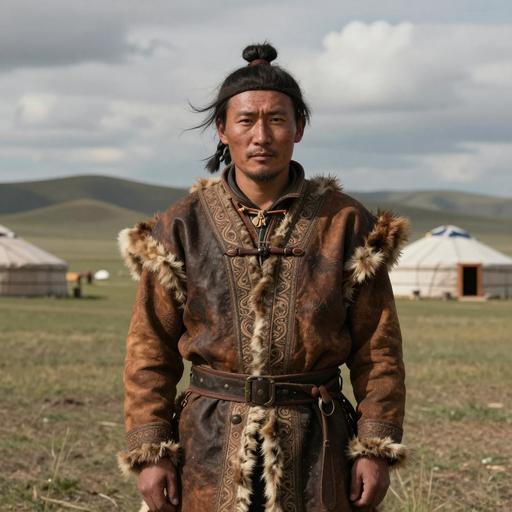
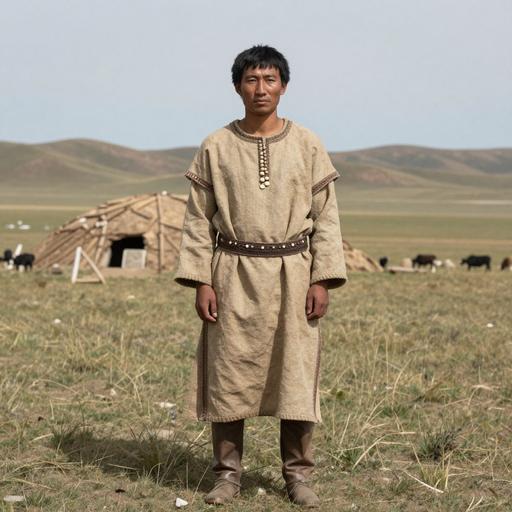
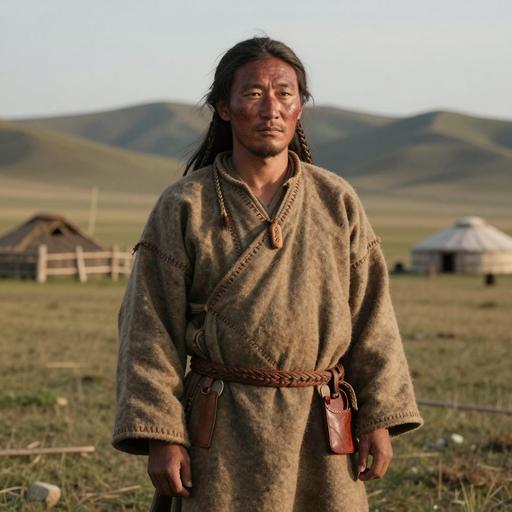
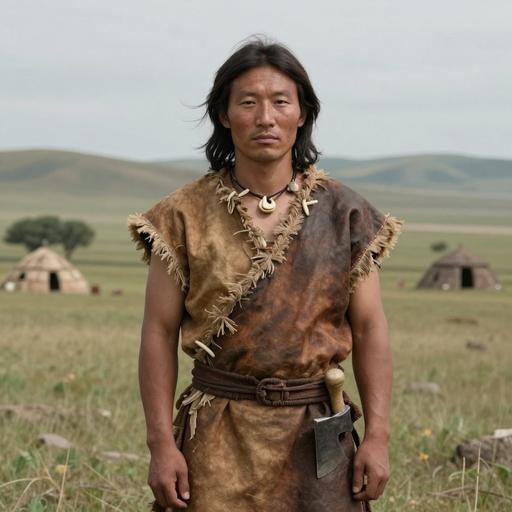
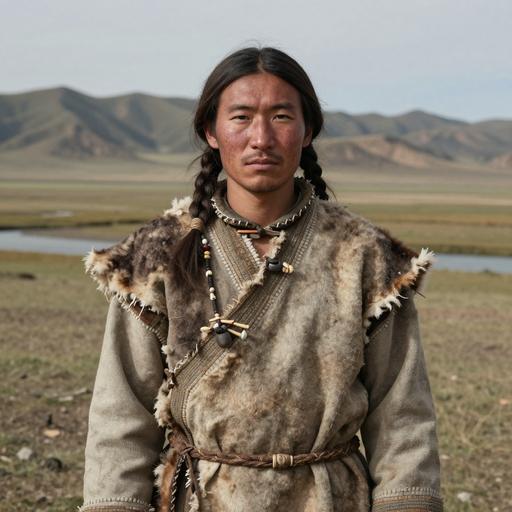
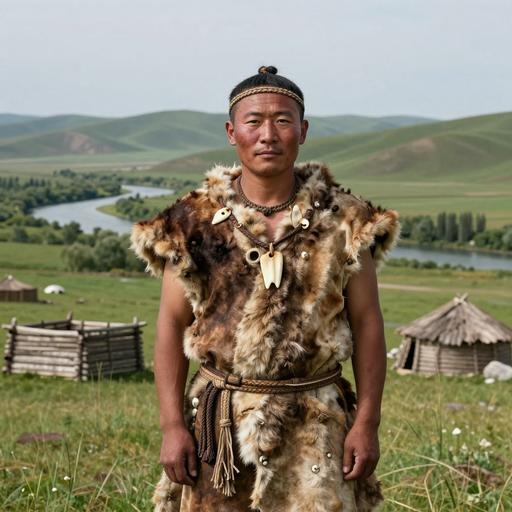
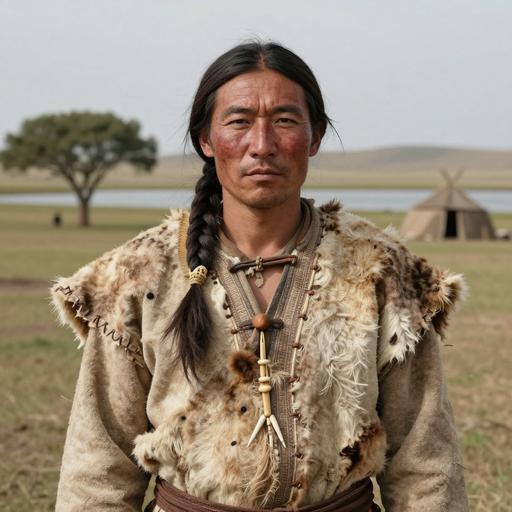
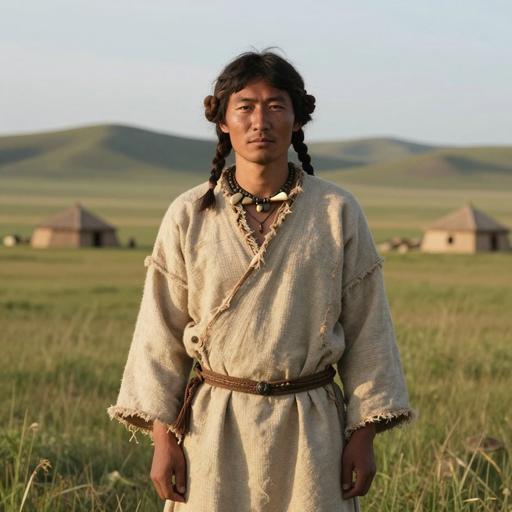
Les portraits sont des illustrations générées par IA. Les libellés d'échantillon et identifiants d'accès désignent les enregistrements de référence.

Portrait Échantillon Pays Époque Date Culture Y-DNA Correspondance
Portrait illustratif généré par IA de Xiongnu Empire individual, Uvs aimag. Ulaangom sum. Chandman Uul. Ulaangom cemetery Grave #44, Mongolia (40 BCE-109 CE)
Identifiant d'échantillon : I6228
Mongolia Early Iron Age Xiongnu Culture 7, Mongolia 40 BCE - 109 CE Xiongnu Culture C2a1a1b1b-Y11605 Sous-clade
Portrait illustratif généré par IA de Afanasievo2-2 individual, Bayan-Ulgii aimag. Ulaankhus sum. Kurgak govi barrow 1. infant burial in main grave, Mongolia (2,857-2,501 BCE)
Identifiant d'échantillon : I13957
Mongolia Chalcolithic Afanasievo Culture 2, Mongolia 2857-2501 calBCE (4095±25 BP, PSUAMS-6942) Afanasievo Culture C2a1a1-Z18161 Sous-clade
Portrait illustratif généré par IA de EBA Ulgii-1 individual, Bayan-Ulgii aimag. Ulaankhus sum. Kulala Ula barrow 1. secondary burial, Mongolia (2,913-2,710 BCE)
Identifiant d'échantillon : I12977
Mongolia Mongolia EBA Ulgii 1 2913-2710 calBCE (4250±25 BP, UCIAMS-226551, PSUG-5466) Ulgii Culture C2a1a1-Z18161 Sous-clade
Portrait illustratif généré par IA de East N individual, Dornod aimag. Bulgan sum. Norovlin Uul burial, Mongolia (5,211-4,995 BCE)
Identifiant d'échantillon : I7021
Mongolia Mongolia East N 5211-4995 calBCE (6145±35 BP, PSUAMS-3931) Mongolian Neolithic C2a1a1-Z18161 Sous-clade
Portrait illustratif généré par IA de N individual, Bulgan. Khutag-Undur sum. Marzyn khutul. Tomb 1-055-1. skeleton 4, Mongolia (5,620-5,481 BCE)
Identifiant d'échantillon : I11697
Mongolia Neolithic Northern Mongolia 5620-5481 calBCE (6610±30 BP, UCIAMS-226524, PSUG-5427) Northern Mongolian Culture C2a1a1-Z18161 Sous-clade
Portrait illustratif généré par IA de N individual, Bulgan. Khutag-Undur sum. Egiin-gol river valley. Marzyn Khutul. tomb 1-055-1. skeleton 2, Mongolia (5,621-5,482 BCE)
Identifiant d'échantillon : I13698
Mongolia Neolithic Northern Mongolia 5621-5482 calBCE (6615±25 BP, PSUAMS-8435) Northern Mongolian Culture C2a1a1-Z18161 Sous-clade
Portrait illustratif généré par IA de Siberian individual, Bulgan. Khutag-Undur sum. Marzyn khutul. Tomb 1-055-1. skeleton 2, Mongolia (5,630-5,483 BCE)
Identifiant d'échantillon : I11698
Mongolia Neolithic Northern Mongolia 5630 BCE - 5483 BCE Northern Mongolian Culture C2a1a1-Z18161 Sous-clade
Portrait illustratif généré par IA de N individual, Bulgan. Khutag-Undur sum. Marzyn khutul. Tomb 1-055-1. skeleton 1, Mongolia (5,632-5,484 BCE)
Identifiant d'échantillon : I11696
Mongolia Neolithic Northern Mongolia 5632-5484 calBCE (6655±30 BP, UCIAMS-226523, PSUG-5426) Northern Mongolian Culture C2a1a1-Z18161 Sous-clade
LIGNÉE PATERNELLE · ADN ANTIQUE

Carte des preuves de lignées antiques

Suivez les clades parents jusqu'à cette branche et explorez où des porteurs antiques ont été identifiés.

Chargement des observations antiques…

Les marqueurs indiquent des lieux de découvertes archéologiques. Un trait pointillé représente une transition géographique proposée et incertaine entre branches consécutives, appuyée sur plusieurs observations datées ; ce n'est pas un itinéraire exact, un lieu de naissance ni une preuve de descendance directe. Des échantillons de clades parents peuvent appartenir à d'autres branches descendantes. Des lacunes subsistent lorsque les preuves sont insuffisantes. Les dates d'échantillon diffèrent des dates de formation des haplogroupes.

Profil de référence

Carte de répartition des porteurs

Répartition géographique de 8 échantillons d'ADN ancien (porteurs directs et de sous-clade de C2A1A1)

Porteur de sous-clade
Filtre de période
Toutes les périodes
Affichage de tous les échantillons
Profil de référence

Répartition temporelle

Répartition des porteurs selon les périodes archéologiques

Profil de référence

Répartition géographique

Effectifs par pays d'échantillon consigné. Ils reflètent la sélection de référence disponible, pas des fréquences de population.

Profil de référence

Répartition pays × époque

Comparez les effectifs d'échantillons consignés selon les pays et les périodes archéologiques. Sélectionnez une cellule renseignée pour examiner un échantillon.

Données

Données et provenance

Informations sur les sources et qualité des données

Dernière mise à jour 2026-06-15
Score de confiance 50/100
Couverture Low

Source des données

La classification, les dates estimées et le contexte géographique reflètent les données de référence consignées et peuvent évoluer lorsque les éléments sont révisés. La couverture d'échantillons est inégale ; les lieux consignés et les associations archéologiques n'établissent pas une origine personnelle ni une identité culturelle.