Aller au contenu principal
Y-DNA · lignée Paternelle

CF

Y-DNA Haplogroup CF

Profil de référence pour une branche de lignée. Des haplogroupes partagés n'établissent pas de lien familial ni d'identité culturelle.

Profil de référence

Contexte de la branche

Contexte historique de la branche de lignée Y-DNA CF

Origins and Evolution

Haplogroup CF sits immediately downstream of the major non‑African clade CT and upstream of the two principal descendant branches, C and F. Its formation likely occurred during the Upper Paleolithic soon after the out‑of‑Africa dispersal of anatomically modern humans. Based on the phylogenetic position and coalescent ages of descendant lineages, CF most plausibly arose around ~60–70 kya in South or Southeast Asia during early coastal and interior expansions that populated Eurasia and Sahul.

Subclades

The two primary descendant lines that define CF are:

  • Haplogroup C (M130 and downstream) — a diverse set of lineages with deep representation in Oceania, parts of East and Southeast Asia, and northern Eurasia (Siberia). C lineages mark ancient coastal and interior Paleolithic expansions and have several regionally restricted subclades.

  • Haplogroup F (M89 and downstream) — a remarkably prolific lineage that gave rise to most of the later West Eurasian, South Asian and parts of East Eurasian Y‑chromosome diversity (for example, haplogroups G, H, I, J, K and downstream branches including P→R/Q). Although CF itself as an unbranched lineage (CF*) is rarely found in modern samples, its descendant subclades dominate non‑African male lineages.

Because CF is an upstream node, genetic evidence for CF* (lineages carrying CF-defining markers but not derived markers of C or F) is extremely rare; most modern and ancient observations are of descendant C and F lineages.

Geographical Distribution

While CF as an independent, unbranched lineage is seldom observed in modern populations, the geographic footprint of its descendants is broad:

  • Haplogroup C descendants are frequent in Sahul (Indigenous Australians, Papuans), parts of Island Southeast Asia and Oceania, and occur among East and northern Asian populations (including some Japanese, Koreans, and Siberian groups).
  • Haplogroup F and its downstream branches are widespread across South Asia, West Eurasia, Central Asia and much of Europe, because many major Eurasian haplogroups (for example, G, H, I, J, and the large K→P→R/Q branches) descend from F.

This distribution reflects an early split where one branch (C) largely followed coastal and island routes into Australasia and parts of East Asia, while the other branch (F) radiated and diversified across mainland Eurasia and later gave rise to the paternal lineages associated with many historical populations.

Historical and Cultural Significance

CF itself predates identifiable archaeological cultures, but its descendant lineages are associated with multiple major demographic events:

  • Paleolithic dispersals: C lineages trace deep Paleolithic presence in Sahul and parts of coastal Asia, marking some of the earliest human settlements outside Africa.
  • Neolithic and post‑Neolithic transformations: Many of the lineages derived from F expanded or were redistributed during farming expansions, Bronze Age migrations and later historical movements (for example, branches of F lead ultimately to haplogroups that are dominant in Europe and South Asia).
  • Bronze Age and Iron Age migrations: Some F‑descended lineages (through K→P→R and other routes) were major players in steppe‑associated expansions (e.g., the spread of R1a/R1b associated with various Bronze Age phenomena), linking CF’s deeper legacy to later cultural shifts.

Conclusion
Haplogroup CF is best understood as a pivotal early branching point in the non‑African Y‑chromosome tree: though CF* is rare in modern samples, the split that produced C and F shaped the subsequent demographic history of Eurasia and Oceania. The CF node provides critical context for interpreting the contrasting distributions of Paleolithic coastal specialists (C) and the highly diverse, continent‑spanning descendants of F that underpin much of modern Eurasian paternal diversity.

Points clés

  • Origins and Evolution
  • Subclades
  • Geographical Distribution
  • Historical and Cultural Significance
  • Conclusion
Profil de référence

Arbre et relations

Contexte phylogénétique et sous-clades

Voie évolutive

Suivez les branches parentes consignées jusqu'à CF. Les dates sont des estimations et peuvent évoluer lorsque les données de référence sont révisées.

Étapes Haplogroupe Âge estimé Époque archéologique Temps écoulé Descendants immédiats Descendants modernes testés Liens anciens
1 CF Actuel ~65,000 years ago Paleolithic 65,000 ans 0 120 76
2 C ~60,000 years ago Paleolithic 60,000 ans 3 406 35

Sous-clades (0)

Branche terminale, aucune sous-clade consignée

Branches sœurs (2)

Autres branches issues du même haplogroupe parent

Profil de référence

Dans le monde

Distribution géographique et présence moderne
Origine consignée

South or Southeast Asia

Distribution moderne

The populations where Y-DNA haplogroup CF is found include:

  1. Indigenous Australian populations (through C-derived lineages)
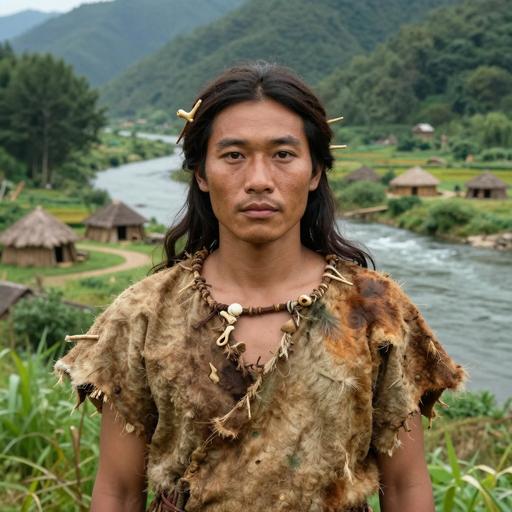
  2. Papuan and Melanesian populations (C-derived lineages)
  3. East Asian populations (e.g., some Japanese, Korean, Chinese groups via C and F descendants)
  4. Northern Asian and Siberian groups (e.g., Yakut, Evenks, Mongolic and Tungusic peoples via C subclades)
  5. Austronesian-speaking populations of Island Southeast Asia and Oceania (both C and F-derived lineages)
  6. Selected Central Asian groups (primarily F-derived lineages)
  7. Western Eurasian and South Asian populations (primarily via F and its downstream haplogroups)
  8. Native American groups (via descendant lineages of C and other branches in specific instances)

Présence régionale

West Asia High
South Asia High
Central Asia High
Western Europe High
East Asia Moderate
Oceania Moderate
North America (Indigenous) Low
Northern Europe (via descendant lineages) Moderate
Southeast Asia High
East Asia Moderate
Northeast Africa Low
Contexte historique

Une branche dans le temps

Formation estimée sur une chronologie historique large. Les repères de période servent de contexte et n'impliquent pas de lien avec des cultures particulières.

  1. Il y a ~70k ans

    Sortie d'Afrique

    Grande migration des humains modernes hors d'Afrique

  2. Il y a ~65k ans

    Haplogroupe CF

    Formation estimée de cette branche Y-DNA ; les dates et les lieux sont des estimations de référence.

    Cette branche
  3. Il y a ~50k ans

    Paléolithique supérieur

    Outils avancés, art et essor culturel

  4. Il y a ~20k ans

    Dernier maximum glaciaire

    Apogée de la dernière période glaciaire, populations isolées

  5. Il y a ~10k ans

    Révolution néolithique

    Début de l'agriculture et émergence de communautés sédentaires

  6. Il y a ~5k ans

    Âge du bronze

    Travail des métaux, écriture et premières civilisations

  7. Il y a ~3k ans

    Âge du fer

    Outils en fer, réseaux d'échanges élargis

  8. Il y a ~2.5k ans

    Antiquité classique

    Floraison des civilisations grecque et romaine

  9. Aujourd'hui

    Aujourd'hui

    Époque moderne

Profil de référence

Contexte archéologique

Associations archéologiques consignées pour la branche Y-DNA CF

Associations consignées

Ces libellés décrivent des contextes archéologiques consignés pour des échantillons de référence liés à CF. Une association n'établit pas que tous les porteurs appartenaient à une culture ni qu'ils ont suivi une route migratoire précise.

Argentina_Catamarca_1200BP Buran-Kaya Chinese Paleolithic Iron Age II Culture Kostenki Culture Moldova_Eneolithic Palau_KororQuarry_1500BP Primorsky Culture Rabat Culture Sunghir Culture
Les attributions culturelles reposent sur le contexte archéologique des échantillons d'ADN ancien et peuvent refléter des associations régionales à certaines périodes.
Profil de référence

Catalogue d'échantillons

2 porteurs directs et 74 porteurs de sous-clade de l'haplogroupe CF

10 affiché(s) · 50 échantillons correspondants

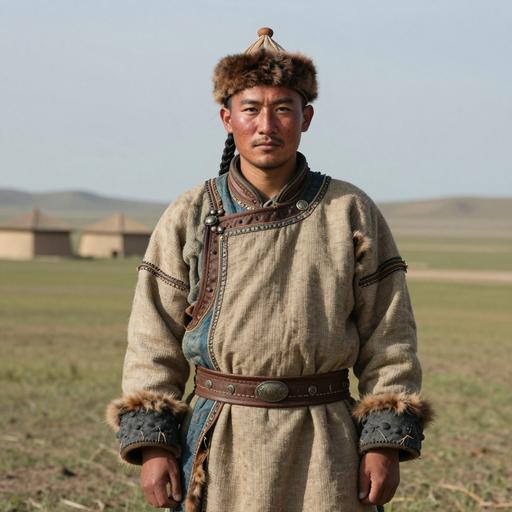
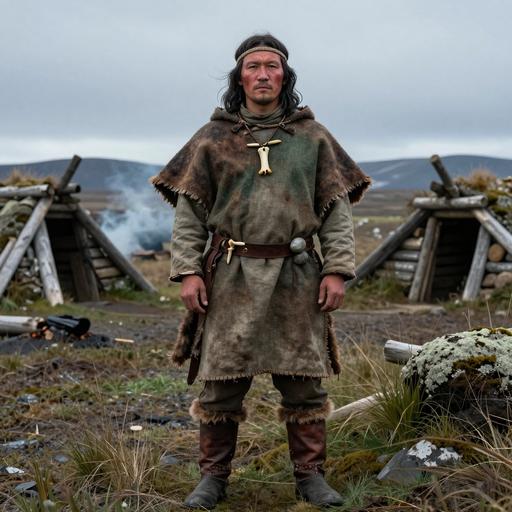
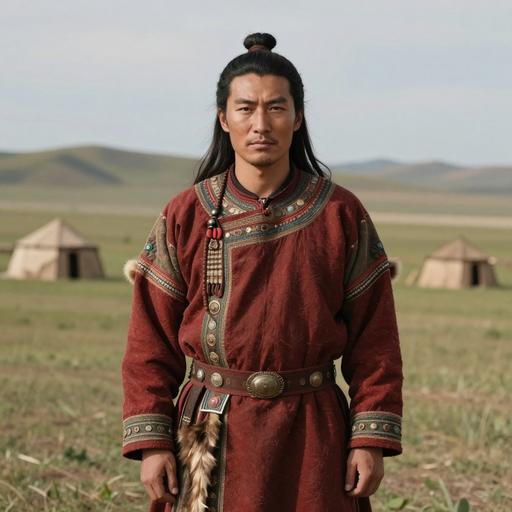
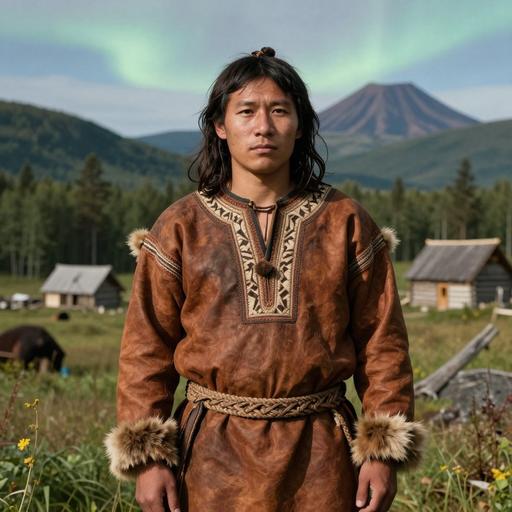
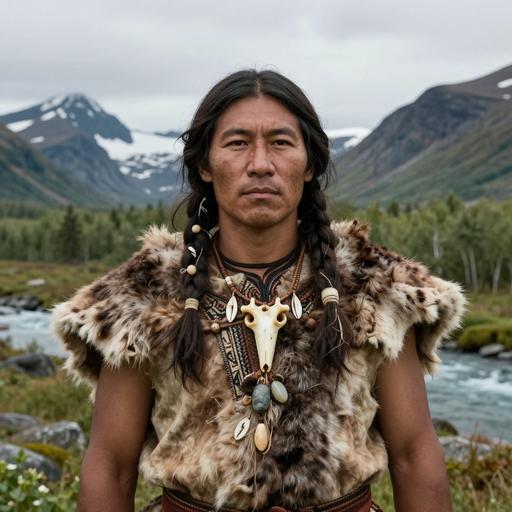
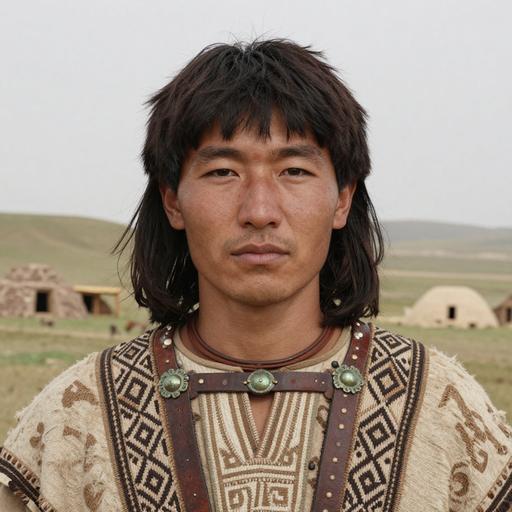
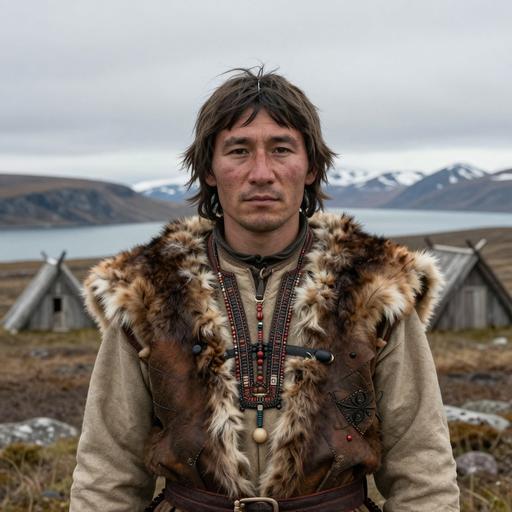
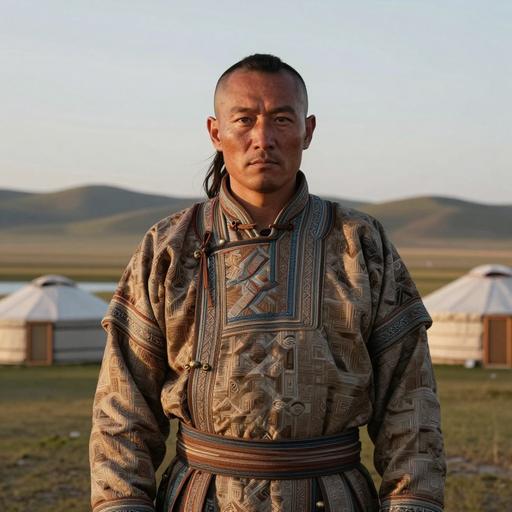
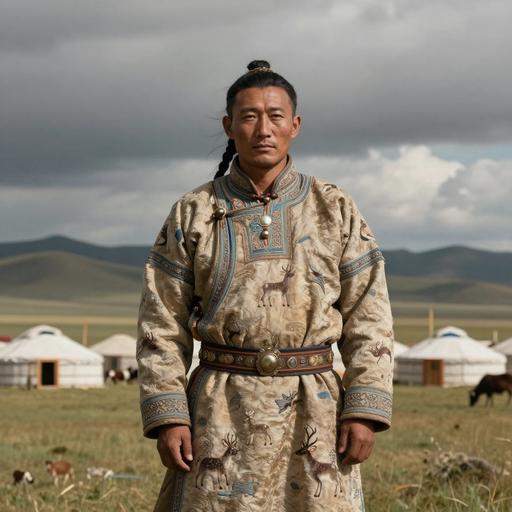
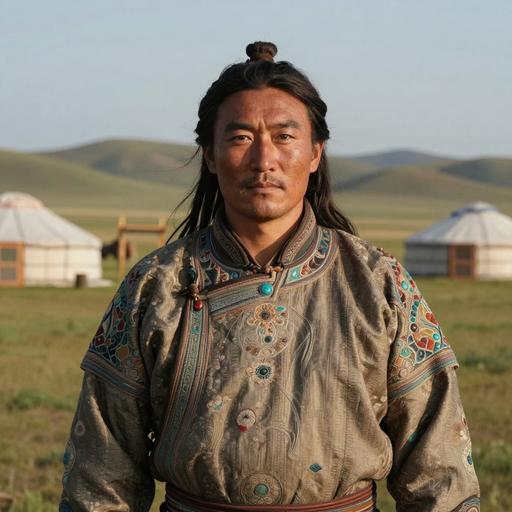
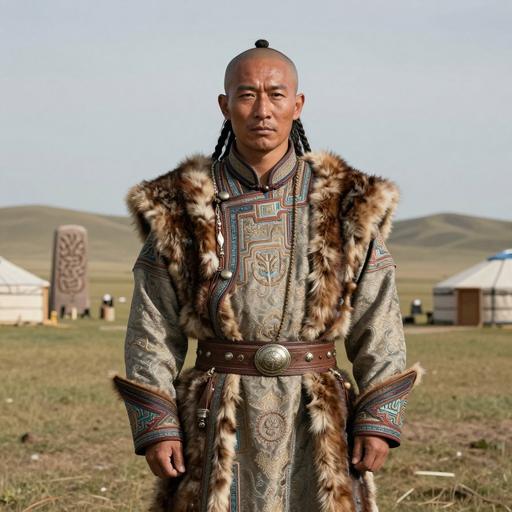
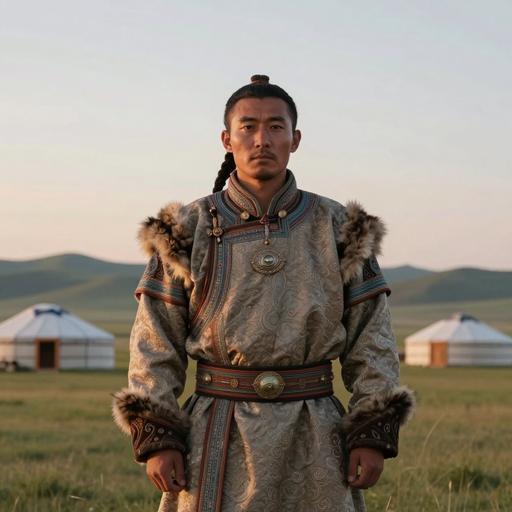
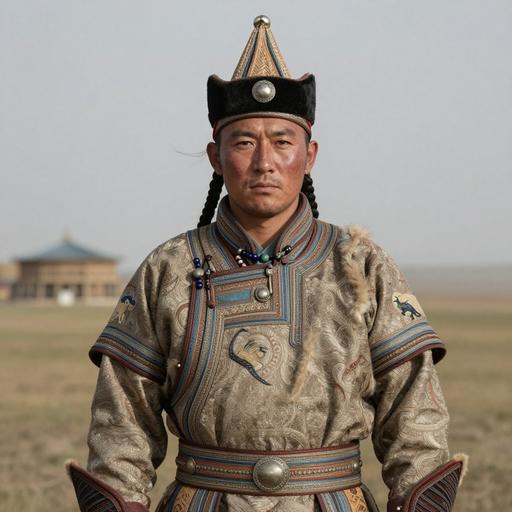
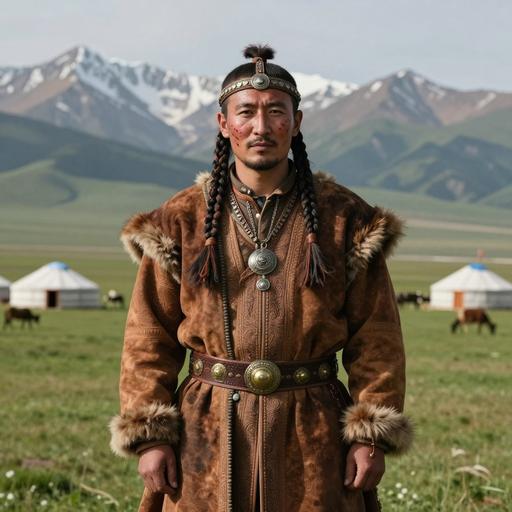
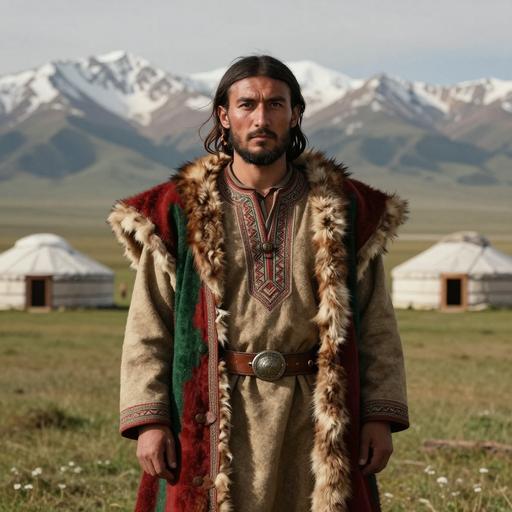
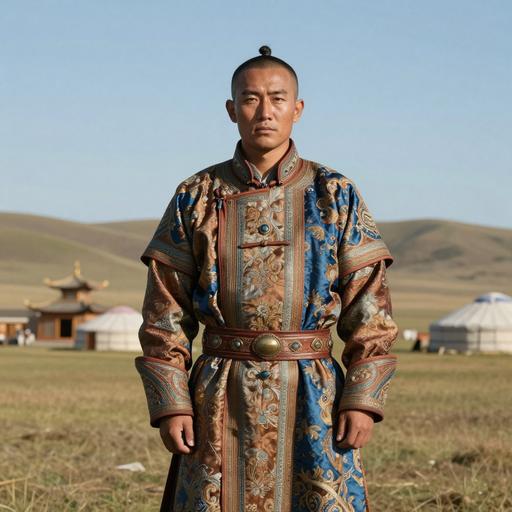
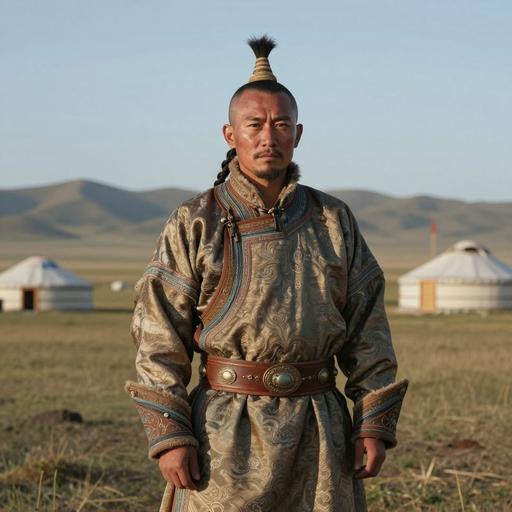
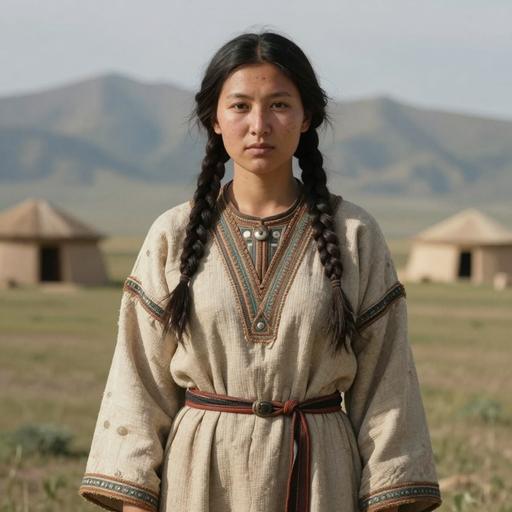
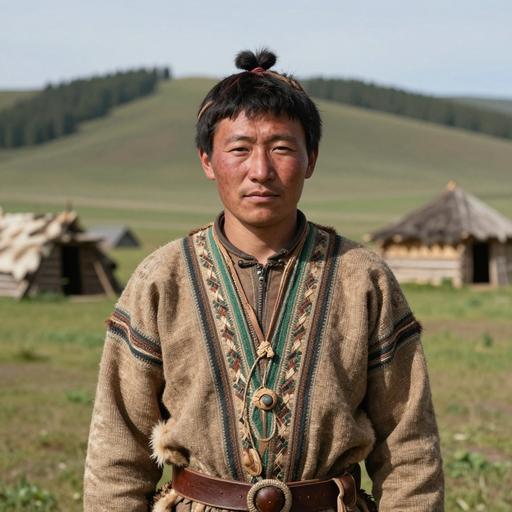
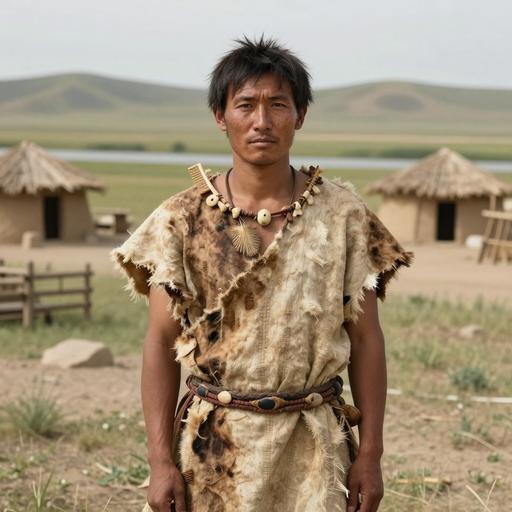
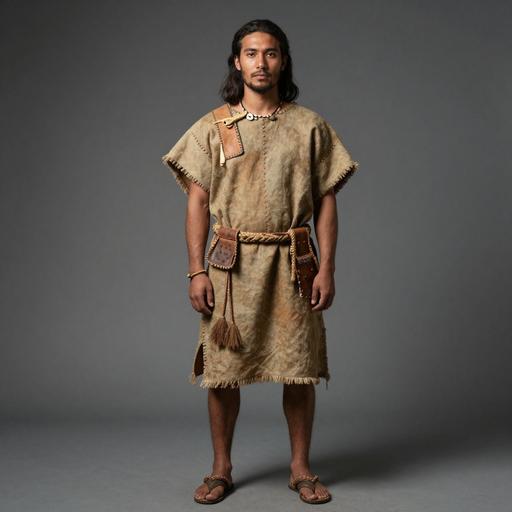
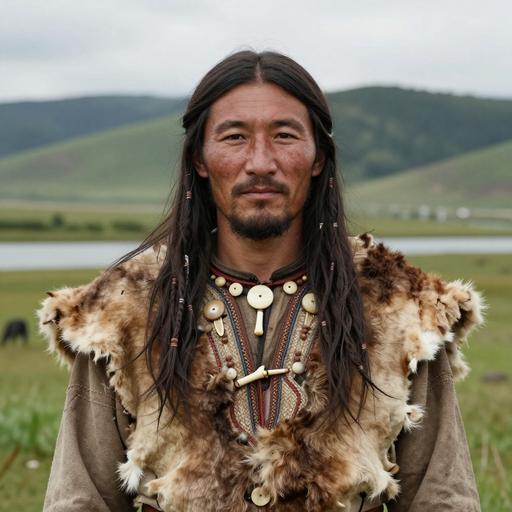
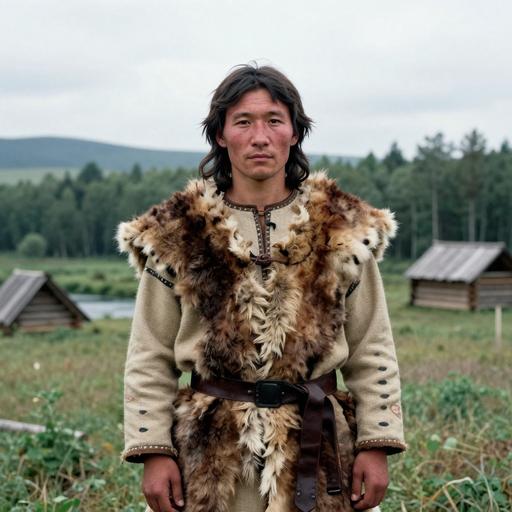
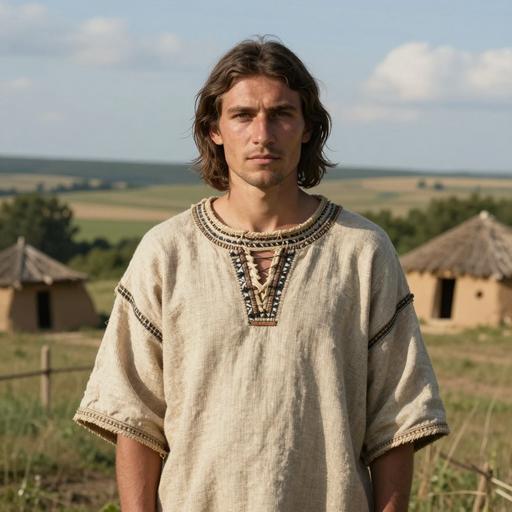
Les portraits sont des illustrations générées par IA. Les libellés d'échantillon et identifiants d'accès désignent les enregistrements de référence.

Portrait Échantillon Pays Époque Date Culture Y-DNA Correspondance
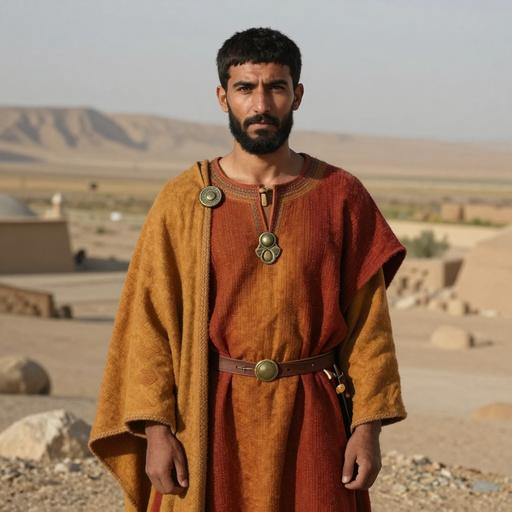
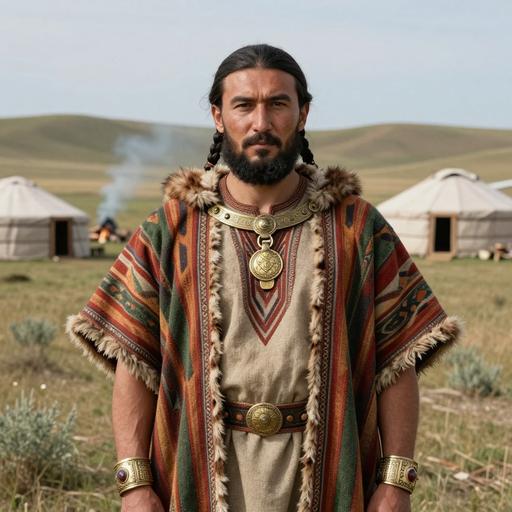
Portrait illustratif généré par IA de Antiquity individual, Surxondaryo Region, Rabat, Uzbekistan (150 BCE-50 CE)
Identifiant d'échantillon : L5139
Uzbekistan Iron Age Rabat Culture of Surxondaryo 150 BCE - 50 CE Rabat Culture CF Direct
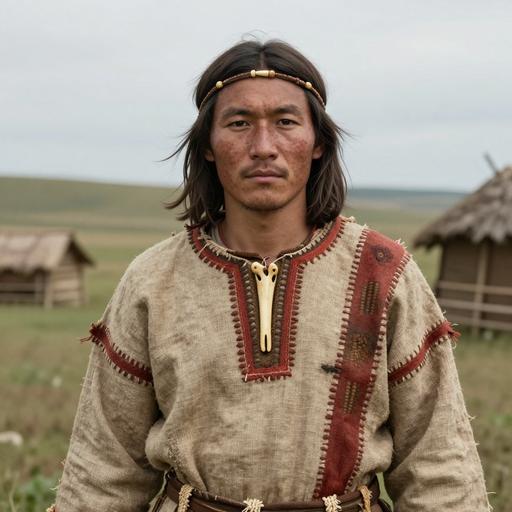
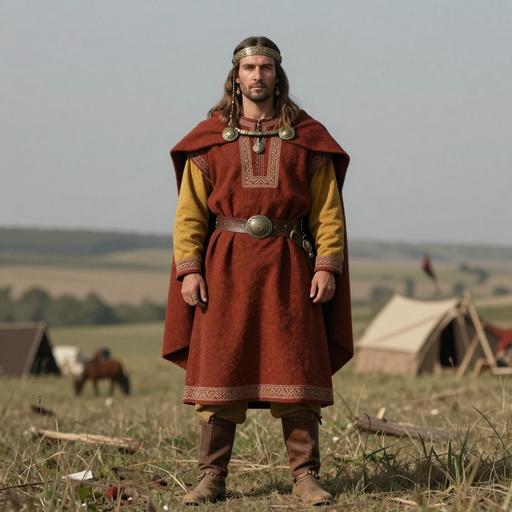
Portrait illustratif généré par IA de Early Russian individual, .. (Primorsky Krai, Partizansky District), Russia (4,935-4,729 BCE)
Identifiant d'échantillon : LM16
Russia Russian Primorsky Krai 4935 BCE - 4729 BCE Primorsky Culture CF Direct
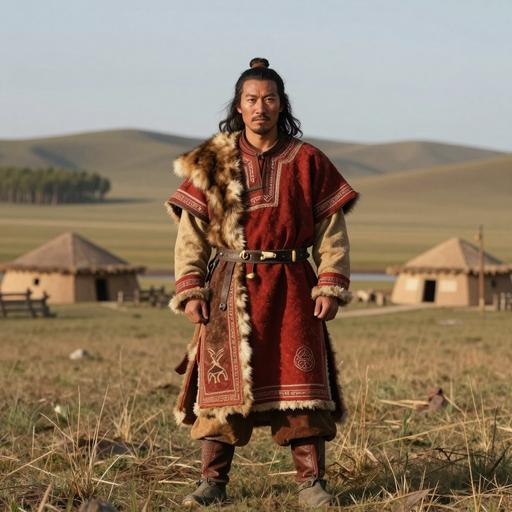
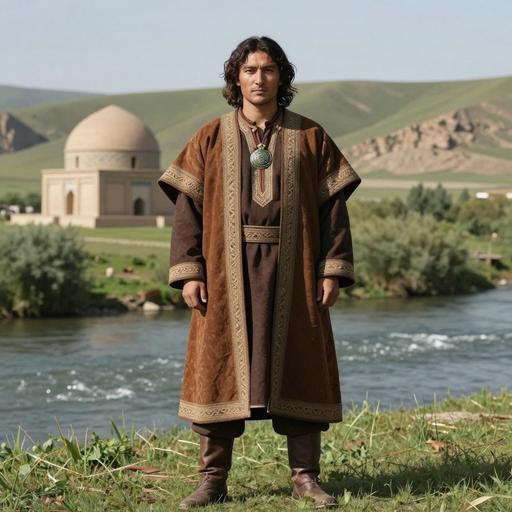
Portrait illustratif généré par IA de China Xianbei individual, Inner Mongolia. Hulunbuir. Mogushan Xianbei site, China (50-250 CE)
Identifiant d'échantillon : MGS-M6
China The Xianbei People 50 CE - 250 CE C-F1756 Sous-clade
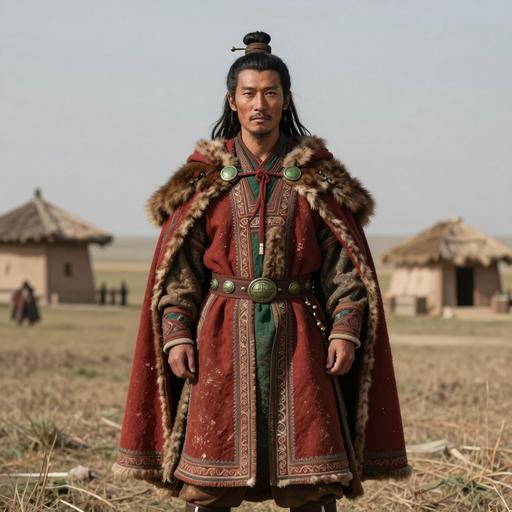
Portrait illustratif généré par IA de China Xianbei individual, Inner Mongolia. Hulunbuir. Mogushan Xianbei site, China (50-250 CE)
Identifiant d'échantillon : MGS-M7L
China The Xianbei People 50 CE - 250 CE C-F1756 Sous-clade
Portrait illustratif généré par IA de China Ia individual, Inner Mongolia. Hulunbuir. Zhalainuoer. Zhalainuoer mining site, China (81-236 CE)
Identifiant d'échantillon : ZLNR-1
China Iron Age China 81 CE - 236 CE C-F1756 Sous-clade
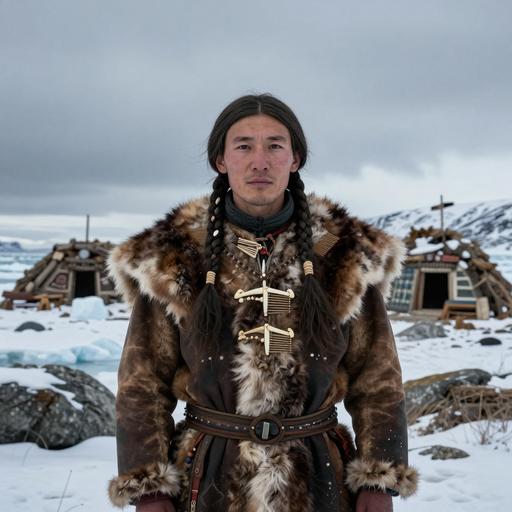
Portrait illustratif généré par IA de Eurasian Nomadic individual, Ekven, Russia (125-330 CE)
Identifiant d'échantillon : NEO253
Russia Iron Age Ekven, Russia 125 CE - 330 CE Ekven C-F6301 Sous-clade
Portrait illustratif généré par IA de Beringia Ia individual, Ekven, Russia (125-330 CE)
Identifiant d'échantillon : NEO253
Russia Iron Age Beringia 125 CE - 330 CE C-F6301 Sous-clade
Portrait illustratif généré par IA de Arkhangai Xiongnu Period Early Medieval-3 individual, Arkhangai. Tamiryn Ulaan Khoshuu. Burkhan Tolgoi, Mongolia (150 BCE-450 CE)
Identifiant d'échantillon : TUH001
Mongolia Early Medieval Xiongnu 150 BCE - 450 CE Xiongnu C-F6379 Sous-clade
Portrait illustratif généré par IA de Kamchatka Krai IA individual, .. (Kamchatka Krai, Milkovsky District), Russia (404-600 CE)
Identifiant d'échantillon : KMT002
Russia Itelmens of Kamchatka (450 CE) 404-600 calCE (1578±52 BP) Itelmen C-F3918 Sous-clade
Portrait illustratif généré par IA de IA Sarmatian-3 individual, Aktobe Region. Martuk District. Bisoba. mound 8, Kazakhstan (500-200 BCE)
Identifiant d'échantillon : BSB004
Kazakhstan Iron Age Sarmatian, Kazakhstan 500-200 BCE Sarmatian Culture C-F1906 Sous-clade
LIGNÉE PATERNELLE · ADN ANTIQUE

Carte des preuves de lignées antiques

Suivez les clades parents jusqu'à cette branche et explorez où des porteurs antiques ont été identifiés.

Chargement des observations antiques…

Les marqueurs indiquent des lieux de découvertes archéologiques. Un trait pointillé représente une transition géographique proposée et incertaine entre branches consécutives, appuyée sur plusieurs observations datées ; ce n'est pas un itinéraire exact, un lieu de naissance ni une preuve de descendance directe. Des échantillons de clades parents peuvent appartenir à d'autres branches descendantes. Des lacunes subsistent lorsque les preuves sont insuffisantes. Les dates d'échantillon diffèrent des dates de formation des haplogroupes.

Profil de référence

Carte de répartition des porteurs

Répartition géographique de 76 échantillons d'ADN ancien (porteurs directs et de sous-clade de CF)

Porteur direct Porteur de sous-clade
Filtre de période
Toutes les périodes
Affichage de tous les échantillons
Profil de référence

Répartition temporelle

Répartition des porteurs selon les périodes archéologiques

Profil de référence

Répartition géographique

Effectifs par pays d'échantillon consigné. Ils reflètent la sélection de référence disponible, pas des fréquences de population.

Profil de référence

Répartition pays × époque

Comparez les effectifs d'échantillons consignés selon les pays et les périodes archéologiques. Sélectionnez une cellule renseignée pour examiner un échantillon.

Données

Données et provenance

Informations sur les sources et qualité des données

Dernière mise à jour 2026-06-15
Score de confiance 50/100
Couverture Low

Source des données

La classification, les dates estimées et le contexte géographique reflètent les données de référence consignées et peuvent évoluer lorsque les éléments sont révisés. La couverture d'échantillons est inégale ; les lieux consignés et les associations archéologiques n'établissent pas une origine personnelle ni une identité culturelle.