Profil de référence pour une branche de lignée. Des haplogroupes partagés n'établissent pas de lien familial ni d'identité culturelle.
Profil de référence
Contexte de la branche
Contexte historique de la branche de lignée Y-DNA L
Origins and Evolution
Y-DNA haplogroup L is a major paternal lineage descended from the broader LT branch of the Y-chromosome phylogenetic tree. It is generally regarded as an old lineage that diversified in South Asia, the Iranian plateau, or a nearby region of western South Asia / eastern Near East, likely during the late Paleolithic or early Holocene.
Most phylogenetic and population genetic studies place the age of haplogroup L at roughly 40,000 years ago, with subsequent diversification into several regional subclades during the early agricultural and post-glacial periods. Its internal structure suggests long-term regional continuity in parts of the Indian subcontinent and surrounding areas, alongside multiple later dispersals.
Subclades
Haplogroup L has several important downstream branches, including lineages often discussed in relation to South Asian and Iranian ancestry. Notable subclades include:
L1 and L2, which contain geographically distinctive regional branches.
Subclades found at appreciable frequencies in India, Pakistan, Iran, Afghanistan, and the Arabian Peninsula.
Some derived branches show stronger associations with specific endogamous communities in South Asia, reflecting founder effects and drift rather than a single cultural origin.
Because haplogroup L is an intermediate clade, it serves as an important connector between the ancestral LT macrobranch and later regional Y-lineages.
Geographical Distribution
Today, haplogroup L is found at its highest frequencies in South Asia, especially in Pakistan, northwestern India, western India, and parts of southern India. It is also present at lower to moderate frequencies in Iran, Afghanistan, the Caucasus, Central Asia, and the Arabian Peninsula, with occasional occurrences in the broader Middle East.
Its distribution is best interpreted as the result of both deep regional ancestry and later demographic expansions associated with Neolithic and post-Neolithic societies. In South Asia, it is often found among both caste and tribal populations, as well as in some isolated or endogamous groups.
Historical and Cultural Significance
Haplogroup L is significant because it provides evidence for very early paternal diversification in the region spanning South Asia and the western edge of Inner Asia. Its presence in multiple ancient and modern populations suggests that it may reflect ancestry from early resident populations predating later large-scale expansions of steppe, Indo-Iranian, and historical-era lineages.
In archaeogenetic terms, haplogroup L is sometimes discussed in connection with Neolithic and Bronze Age population structure in South Asia and the Iranian plateau, though no single archaeological culture can be assigned to it exclusively. Its broad spread and deep substructure indicate a lineage shaped by regional continuity, migration, and founder effects over tens of millennia.
Conclusion
Y-DNA haplogroup L is an ancient and informative paternal lineage with a likely origin in South Asia or the adjacent Near East, and a long history of diversification across the Indian subcontinent and surrounding regions. It is a valuable marker for studying prehistoric population structure, regional continuity, and the complex paternal ancestry of South and Central Asia.
Points clés
Origins and Evolution
Subclades
Geographical Distribution
Historical and Cultural Significance
Conclusion
Profil de référence
Arbre et relations
Contexte phylogénétique et sous-clades
Voie évolutive
Suivez les branches parentes consignées jusqu'à L. Les dates sont des estimations et peuvent évoluer lorsque les données de référence sont révisées.
The populations where Y-DNA haplogroup L is found include:
Punjabi, Sindhi, Gujarati, and other North and West Indian populations
Pakistani populations, including groups from Punjab, Sindh, and Balochistan
Iranian populations, especially in western and eastern Iran
Afghan populations and some Central Asian groups
Arabian Peninsula populations at lower frequencies
Southern Indian populations, including some Dravidian-speaking and tribal groups
Présence régionale
South AsiaHigh
Central AsiaModerate
Western AsiaModerate
Middle EastLow
Contexte historique
Une branche dans le temps
Formation estimée sur une chronologie historique large. Les repères de période servent de contexte et n'impliquent pas de lien avec des cultures particulières.
Il y a ~50k ans
Paléolithique supérieur
Outils avancés, art et essor culturel
Il y a ~40k ans
Haplogroupe L
Formation estimée de cette branche Y-DNA ; les dates et les lieux sont des estimations de référence.
Cette branche
Il y a ~20k ans
Dernier maximum glaciaire
Apogée de la dernière période glaciaire, populations isolées
Il y a ~10k ans
Révolution néolithique
Début de l'agriculture et émergence de communautés sédentaires
Il y a ~5k ans
Âge du bronze
Travail des métaux, écriture et premières civilisations
Il y a ~3k ans
Âge du fer
Outils en fer, réseaux d'échanges élargis
Il y a ~2.5k ans
Antiquité classique
Floraison des civilisations grecque et romaine
Aujourd'hui
Aujourd'hui
Époque moderne
Profil de référence
Contexte archéologique
Associations archéologiques consignées pour la branche Y-DNA L
Associations consignées
Ces libellés décrivent des contextes archéologiques consignés pour des échantillons de référence liés à L. Une association n'établit pas que tous les porteurs appartenaient à une culture ni qu'ils ont suivi une route migratoire précise.
Les attributions culturelles reposent sur le contexte archéologique des échantillons d'ADN ancien et peuvent refléter des associations régionales à certaines périodes.
Profil de référence
Catalogue d'échantillons
3 porteurs directs et 74 porteurs de sous-clade de l'haplogroupe L
10 affiché(s) · 50 échantillons correspondants
Aucun échantillon ne correspond à ces filtres. Essayez un autre libellé, lieu ou période.
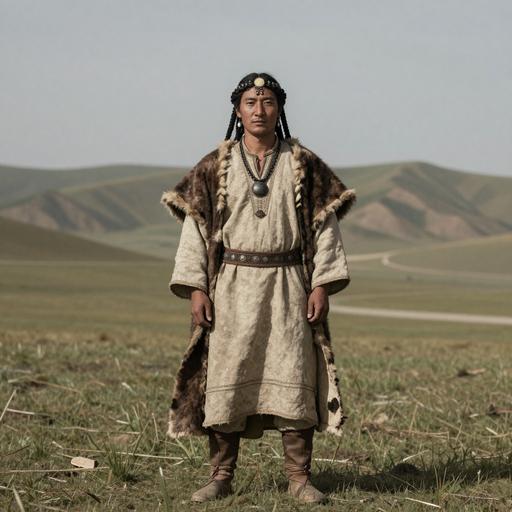
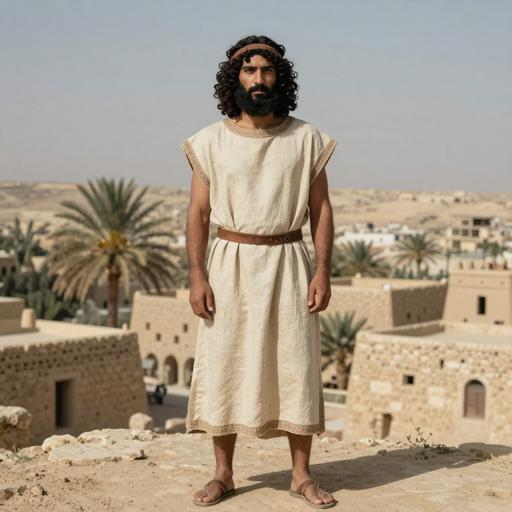
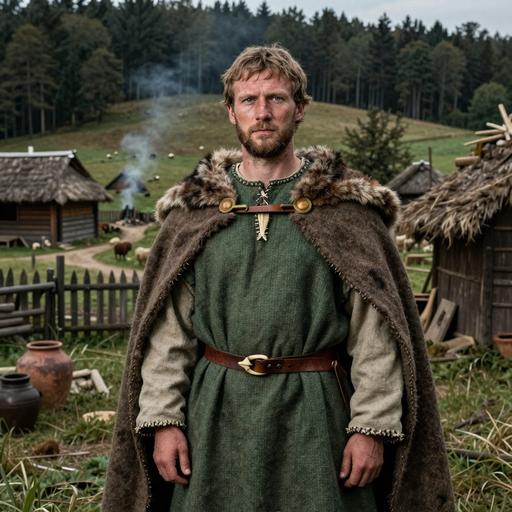
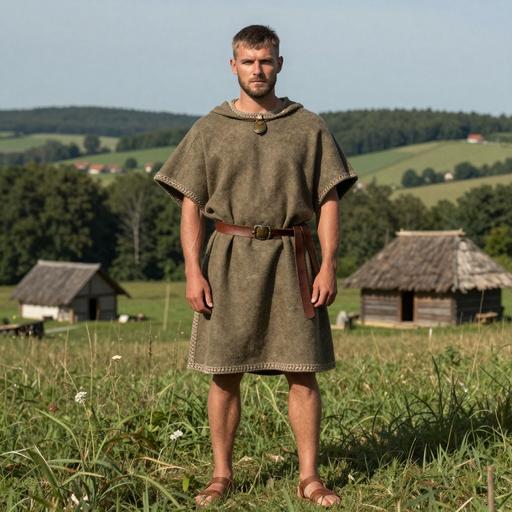
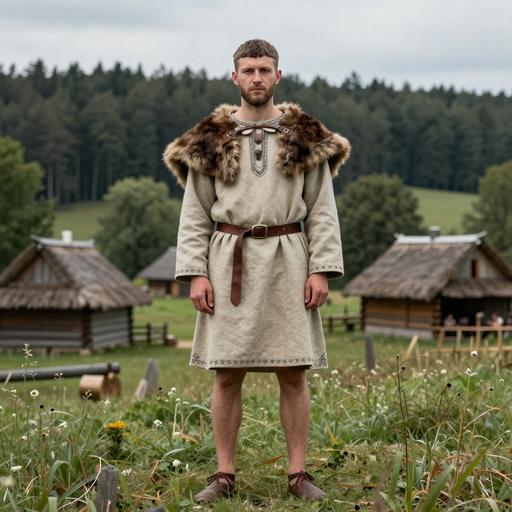
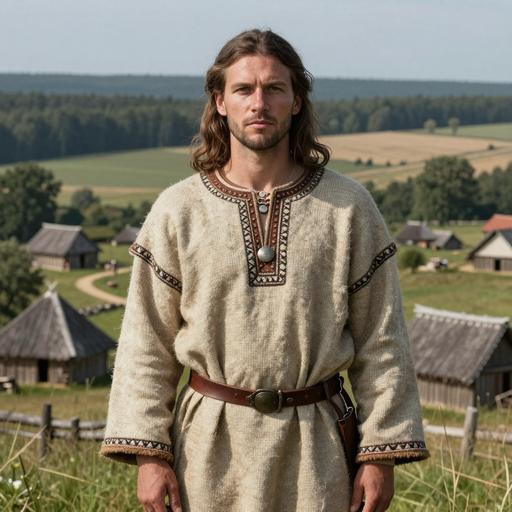
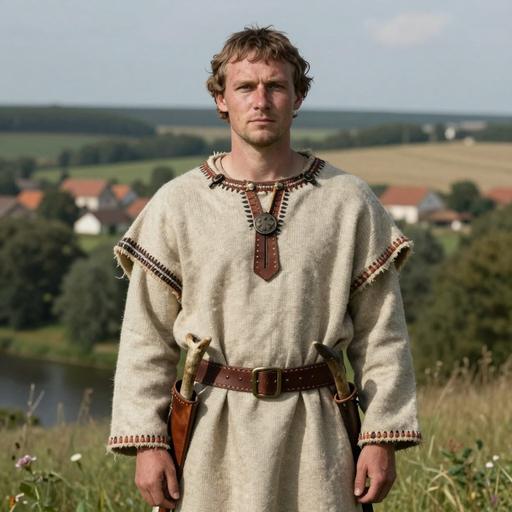
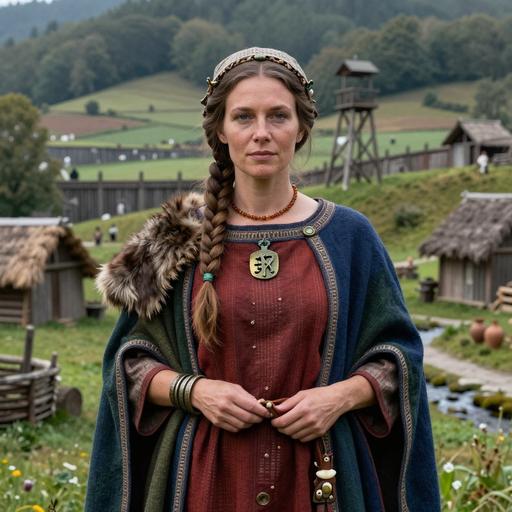
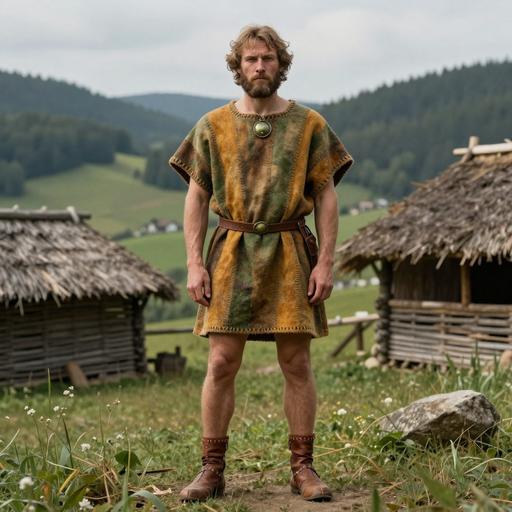
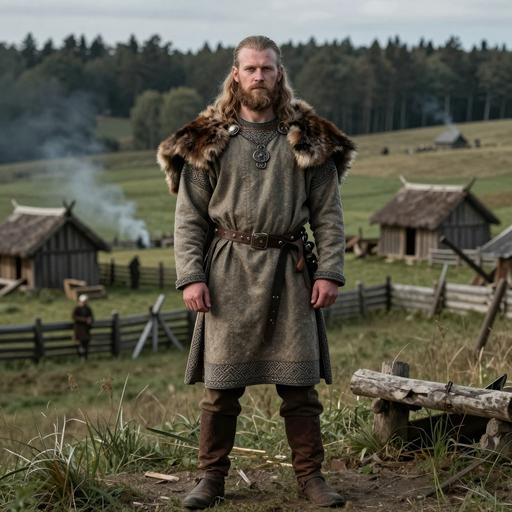
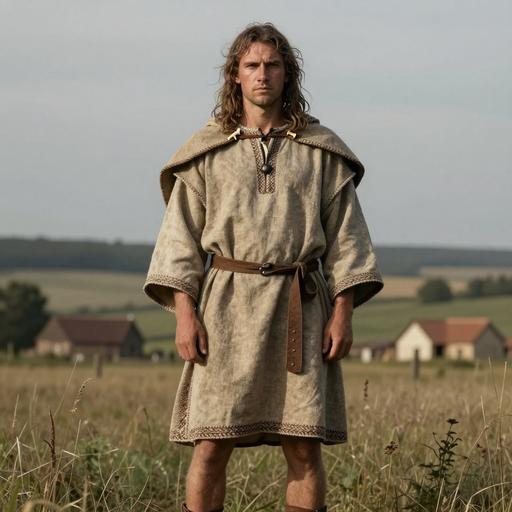
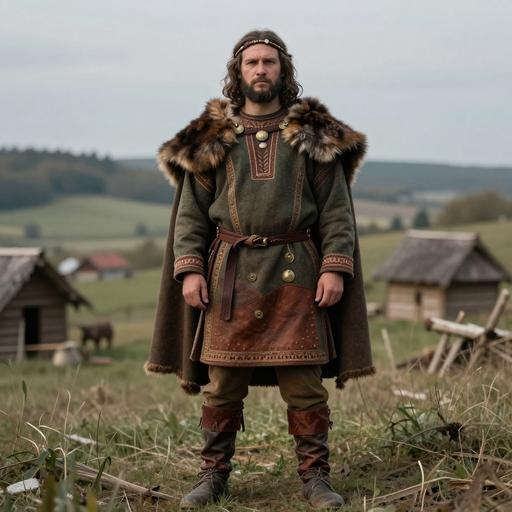
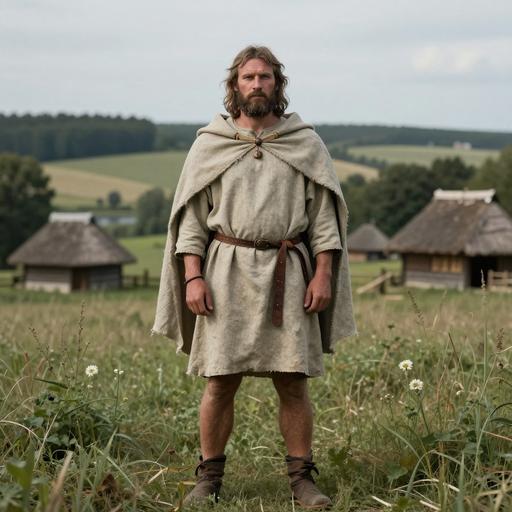
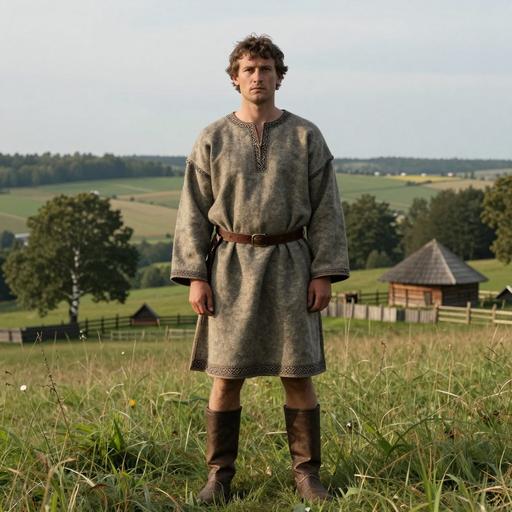
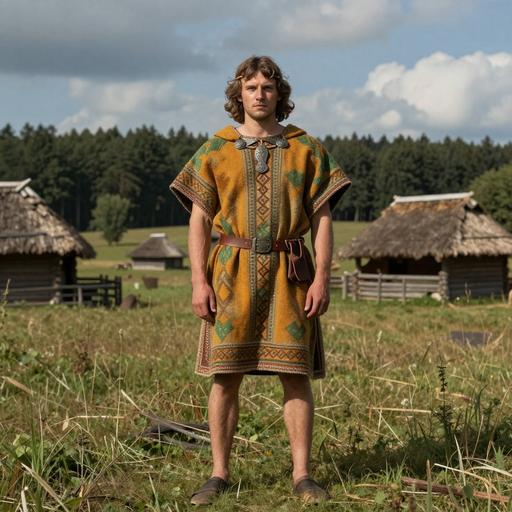
Les portraits sont des illustrations générées par IA. Les libellés d'échantillon et identifiants d'accès désignent les enregistrements de référence.
Iron Age Markowice Culture - Poland - Markowice (Kuyavian-Pomeranian Province, Mogilno County, Strzelno)
Poland Iron Age Markowice Culture 1000 CE - 1200 CE
L573Sous-clade
Identifiant d'échantillon : PCA0165
Iron Age Legowo Culture - Poland - Łęgowo (Greater Poland Province, Wągrowiec)
Poland Iron Age Legowo Culture 1000 CE - 1200 CE
L1029Sous-clade
Identifiant d'échantillon : PCA0181
Iron Age Lusatian culture of Poland - Poland - Ląd (Greater Poland Province, Słupca County, Lądek)
Poland Iron Age Lusatian culture of Poland 1000-1200 CE
L1029Sous-clade
Identifiant d'échantillon : PCA0186
Iron Age Lusatian culture of Poland - Poland - Ląd (Greater Poland Province, Słupca County, Lądek)
Poland Iron Age Lusatian culture of Poland 1000-1200 CE
L145Sous-clade
Identifiant d'échantillon : PCA0187
Iron Age Lusatian culture of Poland - Poland - Ląd (Greater Poland Province, Słupca County, Lądek)
Poland Iron Age Lusatian culture of Poland 1000-1200 CE
L168Sous-clade
Identifiant d'échantillon : PCA0200
Iron Age Lusatian culture of Poland - Poland - Ląd (Greater Poland Province, Słupca County, Lądek)
Poland Iron Age Lusatian culture of Poland 1000-1200 CE
L63Sous-clade
Identifiant d'échantillon : PCA0213
Iron Age Lusatian culture of Poland - Poland - Ląd (Greater Poland Province, Słupca County, Lądek)
Poland Iron Age Lusatian culture of Poland 1000-1200 CE
L1029Sous-clade
Identifiant d'échantillon : PCA0218
Iron Age Oblaczkowo Culture - Poland - Obłaczkowo (Greater Poland Province, Września)
Poland Iron Age Oblaczkowo Culture 1000-1200 CE
L168Sous-clade
Identifiant d'échantillon : PCA0230
Iron Age Golun Culture of Poland - Poland - Gołuń (Greater Poland Province, Poznań, Pobiedziska)
Poland Iron Age Golun Culture of Poland 1000-1200 CE
L969Sous-clade
Identifiant d'échantillon : PCA0233
Iron Age Poznań Środka Culture - Poland - Poznań-Śródka (Greater Poland Province, Poznań)
Poland Iron Age Poznań Środka Culture 1000-1200 CE
L1280Sous-clade
Identifiant d'échantillon : PCA0236
Iron Age Poznań Środka Culture - Poland - Poznań-Śródka (Greater Poland Province, Poznań)
Poland Iron Age Poznań Środka Culture 1000-1200 CE
L856Sous-clade
Identifiant d'échantillon : PCA0255
Iron Age Poznań Środka Culture - Poland - Poznań-Śródka (Greater Poland Province, Poznań)
Poland Iron Age Poznań Środka Culture 1000-1200 CE
L17Sous-clade
Identifiant d'échantillon : PCA0302
Iron Age Culture of Końskie - Poland - Końskie (Świętokrzyskie Province, Końskie County, Końskie)
Poland Iron Age Culture of Końskie 1000-1200 CE
L1280Sous-clade
Identifiant d'échantillon : PCA0309
Iron Age Culture of Końskie - Poland - Końskie (Świętokrzyskie Province, Końskie County, Końskie)
Poland Iron Age Culture of Końskie 1000-1200 CE
L260Sous-clade
Identifiant d'échantillon : PCA0314
Iron Age Płońsk Culture - Poland - Płońsk (Masovian Province, Płońsk)
Poland Iron Age Płońsk Culture 1000-1200 CE
L146Sous-clade
Identifiant d'échantillon : PCA0334
Iron Age Ostrów Lednicki Culture - Poland - Ostrów Lednicki (Greater Poland Province, Gniezno, Łubowo)
Poland Iron Age Ostrów Lednicki Culture 1000-1200 CE
L146Sous-clade
Identifiant d'échantillon : PCA0335
Iron Age Ostrów Lednicki Culture - Poland - Ostrów Lednicki (Greater Poland Province, Gniezno, Łubowo)
Poland Iron Age Ostrów Lednicki Culture 1000-1200 CE
L260Sous-clade
Identifiant d'échantillon : PCA0336
Iron Age Ostrów Lednicki Culture - Poland - Ostrów Lednicki (Greater Poland Province, Gniezno, Łubowo)
Poland Iron Age Ostrów Lednicki Culture 1000-1200 CE
L1029Sous-clade
Identifiant d'échantillon : PCA0378
Iron Age Santok Culture - Poland - Santok (Lubusz Province, Gorzów Wielkopolski, Santok)
Poland Iron Age Santok Culture 1000-1200 CE
L118Sous-clade
Identifiant d'échantillon : PCA0379
Iron Age Santok Culture - Poland - Santok (Lubusz Province, Gorzów Wielkopolski, Santok)
Poland Iron Age Santok Culture 1000-1200 CE
L708Sous-clade
Identifiant d'échantillon : PCA0380
Iron Age Santok Culture - Poland - Santok (Lubusz Province, Gorzów Wielkopolski, Santok)
Poland Iron Age Santok Culture 1000-1200 CE
L260Sous-clade
Identifiant d'échantillon : PCA0383
Iron Age Santok Culture - Poland - Santok (Lubusz Province, Gorzów Wielkopolski, Santok)
Poland Iron Age Santok Culture 1000-1200 CE
L1029Sous-clade
Identifiant d'échantillon : PCA0391
Iron Age Santok Culture - Poland - Santok (Lubusz Province, Gorzów Wielkopolski, Santok)
Poland Iron Age Santok Culture 1000-1200 CE
L2Sous-clade
Identifiant d'échantillon : PCA0394
Iron Age Santok Culture - Poland - Santok (Lubusz Province, Gorzów Wielkopolski, Santok)
Poland Iron Age Santok Culture 1000-1200 CE
L1029Sous-clade
Identifiant d'échantillon : PCA0396
Iron Age Santok Culture - Poland - Santok (Lubusz Province, Gorzów Wielkopolski, Santok)
Poland Iron Age Santok Culture 1000-1200 CE
L118Sous-clade
Identifiant d'échantillon : PCA0399
Iron Age Santok Culture - Poland - Santok (Lubusz Province, Gorzów Wielkopolski, Santok)
Poland Iron Age Santok Culture 1000-1200 CE
L1029Sous-clade
Identifiant d'échantillon : PCA0502
Iron Age Milicz Culture - Poland - Milicz (Lower Silesian Province, Milicz)
Poland Iron Age Milicz Culture 1000-1200 CE
L260Sous-clade
LIGNÉE PATERNELLE · ADN ANTIQUE
Carte des preuves de lignées antiques
Suivez les clades parents jusqu'à cette branche et explorez où des porteurs antiques ont été identifiés.
Chargement des observations antiques…
La réduction des animations est activée. Utilisez la chronologie ou Tout afficher pour explorer à votre rythme.
Lire les observations sous forme de tableau
Observations antiques affichées par branche, période et date médiane
Branche
Période
Plage de dates
Échantillon
Identifiant d'échantillon
Emplacement
Haplogroupe
Relation
Les marqueurs indiquent des lieux de découvertes archéologiques. Un trait pointillé représente une transition géographique proposée et incertaine entre branches consécutives, appuyée sur plusieurs observations datées ; ce n'est pas un itinéraire exact, un lieu de naissance ni une preuve de descendance directe. Des échantillons de clades parents peuvent appartenir à d'autres branches descendantes. Des lacunes subsistent lorsque les preuves sont insuffisantes. Les dates d'échantillon diffèrent des dates de formation des haplogroupes.
Le regroupement par période historique reflète quand chaque individu antique a vécu, en combinant toutes les branches de cette chaîne de lignée ; ce n'est pas une séquence migratoire ni une chronologie personnelle entre périodes.
Profil de référence
Carte de répartition des porteurs
Répartition géographique de 77 échantillons d'ADN ancien (porteurs directs et de sous-clade de L)
Porteur direct Porteur de sous-clade
Filtre de période
Toutes les périodes
Affichage de tous les échantillons
Profil de référence
Répartition temporelle
Répartition des porteurs selon les périodes archéologiques
Profil de référence
Répartition géographique
Effectifs par pays d'échantillon consigné. Ils reflètent la sélection de référence disponible, pas des fréquences de population.
Profil de référence
Répartition pays × époque
Comparez les effectifs d'échantillons consignés selon les pays et les périodes archéologiques. Sélectionnez une cellule renseignée pour examiner un échantillon.
Données
Données et provenance
Informations sur les sources et qualité des données
Dernière mise à jour2026-06-17
Source des données
La classification, les dates estimées et le contexte géographique reflètent les données de référence consignées et peuvent évoluer lorsque les éléments sont révisés. La couverture d'échantillons est inégale ; les lieux consignés et les associations archéologiques n'établissent pas une origine personnelle ni une identité culturelle.