Aller au contenu principal
Y-DNA · lignée Paternelle

Q1A

Y-DNA Haplogroup Q1A

Profil de référence pour une branche de lignée. Des haplogroupes partagés n'établissent pas de lien familial ni d'identité culturelle.

Profil de référence

Contexte de la branche

Contexte historique de la branche de lignée Y-DNA Q1A

Origins and Evolution

Y-DNA haplogroup Q1A is a derived branch within haplogroup Q1, itself part of the wider haplogroup Q macro-lineage. Haplogroup Q is especially important in human population genetics because it represents one of the major paternal lineages that expanded across northern Eurasia and gave rise to lineages carried into the Americas during late Pleistocene dispersals.

As a subclade of Q1, Q1A likely arose in North Eurasia sometime in the late Upper Paleolithic or early Holocene, after the initial diversification of Q1. Its phylogenetic position suggests ancestry connected to populations inhabiting Siberia and adjacent regions, with later spread through population movements associated with the peopling and internal diversification of northern Eurasian and American groups.

Because haplogroup nomenclature and phylogenetic resolution can vary as new Y-chromosome sequencing studies refine the tree, the exact internal structure of Q1A may be incompletely resolved in some public datasets. Nevertheless, its placement within Q1 indicates a deep lineage rooted in the broader northern Eurasian paternal history.

Subclades

The internal branching of Q1A may include multiple descendant lineages depending on the phylogenetic version used. In general, downstream subclades of Q1A are expected to reflect regional differentiation across Siberia, Central Asia, and the Americas.

Key points about subclades:

  • Q1A is a daughter clade of Q1, so it shares ancestry with other Q1 branches that were also shaped by northern Eurasian population structure.
  • Some descendant lineages may be enriched in Indigenous American groups, while others remain more common in Siberian or Central Asian populations.
  • Low-frequency occurrences in West Eurasian and European populations may reflect ancient gene flow, later migrations, or founder effects.

Geographical Distribution

The broad distribution of Q1A is consistent with the historical spread of Q lineages across the Arctic and sub-Arctic zones of Eurasia and into the Americas. It is generally uncommon globally, but can appear at meaningful frequencies in populations with ancestry linked to northern Eurasian or Native American paternal lineages.

Main regions of occurrence

  • Indigenous peoples of the Americas: often through deeper Q-related ancestry
  • Siberian indigenous populations: especially in northern and eastern Siberia
  • Central Asian populations: usually at low to moderate frequencies
  • Some northern European populations: low-frequency presence, often due to historical admixture or ancient persistence
  • Some West Eurasian and Middle Eastern populations: typically rare, but detectable in specific populations

Historical and Cultural Significance

Haplogroup Q1A is significant because it belongs to a paternal lineage framework that is central to the study of human dispersals across Beringia and the early peopling of the Americas. While Q1 as a whole is strongly tied to Indigenous American and Siberian ancestry, Q1A represents one of the intermediate branches that help reconstruct how these broader patterns formed.

In archaeological and population-history contexts, Q1A may be associated broadly with:

  • Late Upper Paleolithic northern Eurasian foragers
  • Paleo-Siberian population structure
  • Beringian and post-Beringian expansions
  • Founder events in Native American ancestry

Its presence in later West Eurasian or European contexts is generally best interpreted as a secondary phenomenon rather than a primary homeland signal.

Conclusion

Y-DNA haplogroup Q1A is a deeply rooted northern Eurasian paternal lineage nested within haplogroup Q1. Its distribution across Siberia, Central Asia, and Indigenous American populations reflects ancient population movements and founder effects that played a major role in the genetic history of the Northern Hemisphere.

Points clés

  • Origins and Evolution
  • Subclades
  • Geographical Distribution
  • Historical and Cultural Significance
  • Conclusion
Profil de référence

Arbre et relations

Contexte phylogénétique et sous-clades

Voie évolutive

Suivez les branches parentes consignées jusqu'à Q1A. Les dates sont des estimations et peuvent évoluer lorsque les données de référence sont révisées.

Étapes Haplogroupe Âge estimé Époque archéologique Temps écoulé Descendants immédiats Descendants modernes testés Liens anciens
1 Q1A Actuel ~20,000 years ago Mesolithic 20,000 ans 2 334 10
2 Q1 ~25,000 years ago Paleolithic 25,000 ans 2 568 33
3 Q ~30,000 years ago Paleolithic 30,000 ans 2 663 4

Branches sœurs (1)

Autres branches issues du même haplogroupe parent

Profil de référence

Dans le monde

Distribution géographique et présence moderne

Origine consignée

North Eurasia

Distribution moderne

The populations where Y-DNA haplogroup Q1A is found include:

  1. Indigenous peoples of the Americas
  2. Siberian indigenous populations
  3. Central Asian populations
  4. Some northern European populations
  5. Some West Eurasian and Middle Eastern populations

Présence régionale

Central Asia High
Siberia & Northeast Asia High
North America (Indigenous) High
South & Central America (Indigenous) High
East Asia Low
Eastern Europe Low
Northern Europe / Scandinavia Low
Middle East Low
South Asia Low
Northern Asia High
Western Asia Low
Contexte historique

Une branche dans le temps

Formation estimée sur une chronologie historique large. Les repères de période servent de contexte et n'impliquent pas de lien avec des cultures particulières.

  1. Il y a ~20k ans

    Dernier maximum glaciaire

    Apogée de la dernière période glaciaire, populations isolées

  2. Il y a ~20k ans

    Haplogroupe Q1A

    Formation estimée de cette branche Y-DNA ; les dates et les lieux sont des estimations de référence.

    Cette branche
  3. Il y a ~10k ans

    Révolution néolithique

    Début de l'agriculture et émergence de communautés sédentaires

  4. Il y a ~5k ans

    Âge du bronze

    Travail des métaux, écriture et premières civilisations

  5. Il y a ~3k ans

    Âge du fer

    Outils en fer, réseaux d'échanges élargis

  6. Il y a ~2.5k ans

    Antiquité classique

    Floraison des civilisations grecque et romaine

  7. Aujourd'hui

    Aujourd'hui

    Époque moderne

Profil de référence

Contexte archéologique

Associations archéologiques consignées pour la branche Y-DNA Q1A

Associations consignées

Ces libellés décrivent des contextes archéologiques consignés pour des échantillons de référence liés à Q1A. Une association n'établit pas que tous les porteurs appartenaient à une culture ni qu'ils ont suivi une route migratoire précise.

Angara River Culture Lena River Culture Liushui Culture Murzikha Russia_AltaiKrai_N Russia_Omsk_Eneolithic_Chernoozersky Russia_Tatarstan_Eneolithic
Les attributions culturelles reposent sur le contexte archéologique des échantillons d'ADN ancien et peuvent refléter des associations régionales à certaines périodes.
Profil de référence

Catalogue d'échantillons

4 porteurs directs et 6 porteurs de sous-clade de l'haplogroupe Q1A

10 affiché(s) · 10 échantillons correspondants

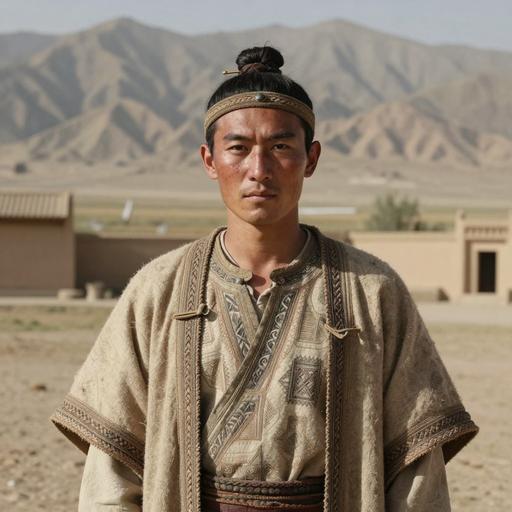
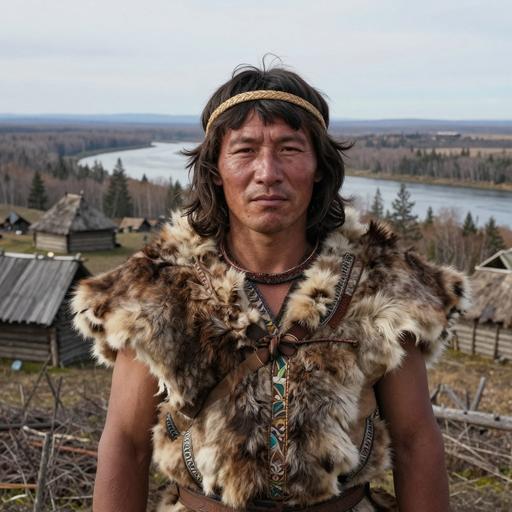
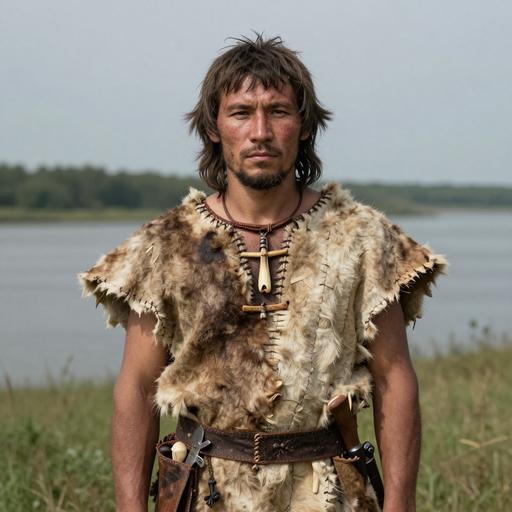
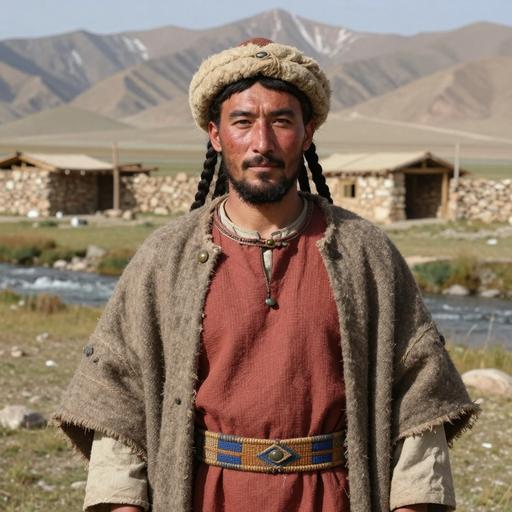
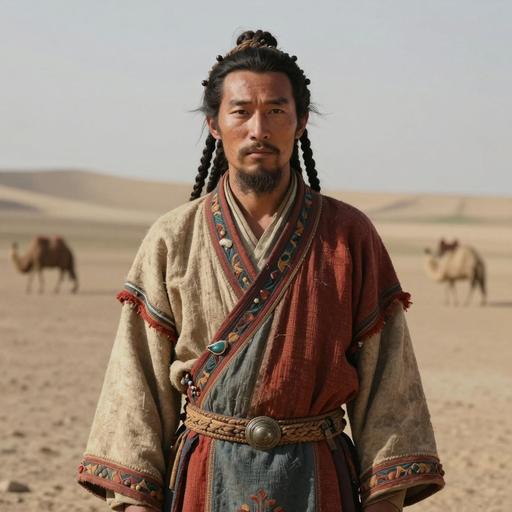
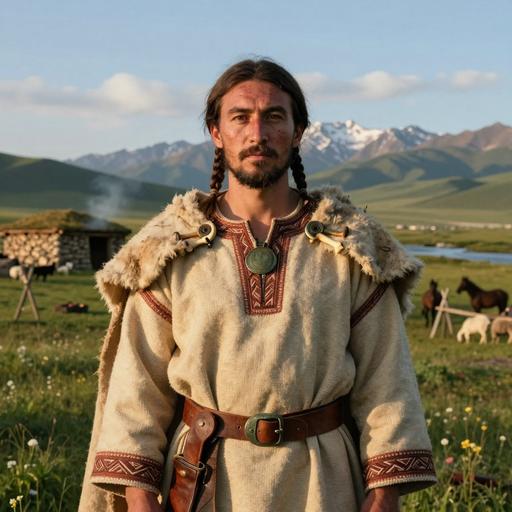
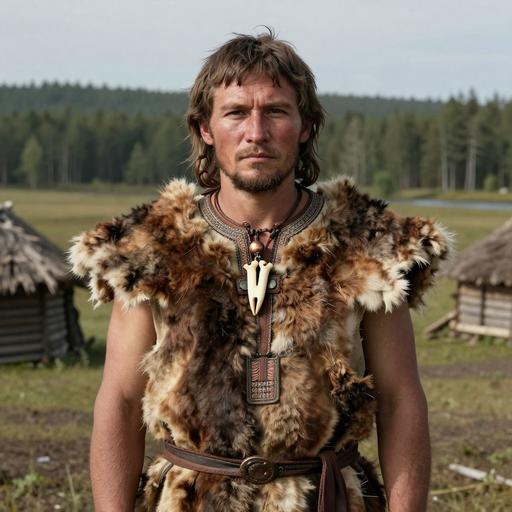
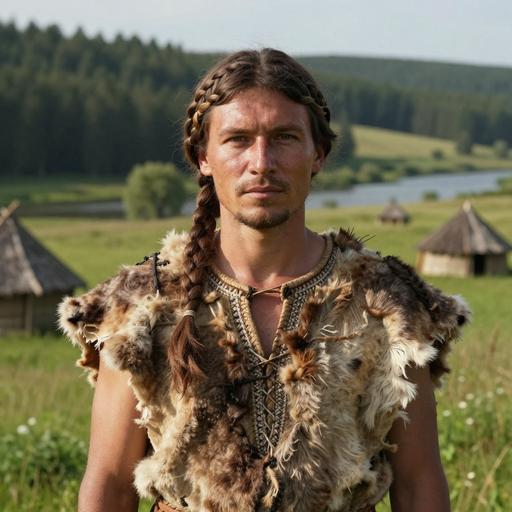
Les portraits sont des illustrations générées par IA. Les libellés d'échantillon et identifiants d'accès désignent les enregistrements de référence.

Portrait Échantillon Pays Époque Date Culture Y-DNA Correspondance
Portrait illustratif généré par IA de Xinjiang Caishichang IA individual, Xinjiang. Yili Region. Nileke County. Caishichang, China (395-209 BCE)
Identifiant d'échantillon : C3313
China China Xinjiang Caishichang IA 400-200 BCE Caishichang Culture Q1a Direct
Portrait illustratif généré par IA de Xinjiang Liushui IA individual, Xinjiang. Hetian Region. Yutian County. Liushui, China (1,042-848 BCE)
Identifiant d'échantillon : C1258
China China Xinjiang Liushui IA 1042-848 calBCE Liushui Culture Q1a Direct
Portrait illustratif généré par IA de Irkutsk EBA individual, Siberia. Upper Lena river. Khaptsagai, Russia (1,891-1,757 BCE)
Identifiant d'échantillon : KPT004
Russia Early Bronze Age Lena River, Siberia, Russia 1891-1757 calBCE (3728±20 BP) Lena River Culture Q1a Direct
Portrait illustratif généré par IA de Circum-Arctic individual, Siberian Federal District. Cis-Baikal. Angara River. Chastaja Padi, Russia (3,011-2,876 BCE)
Identifiant d'échantillon : irk033
Russia Neolithic Angara River, Russia 3011 BCE - 2876 BCE Angara River Culture Q1a Direct
Portrait illustratif généré par IA de Xinjiang Jierzankale Jirzankal IA individual, Xinjiang. Kashi (Kashgar) Region. Tashikuergan(Taxkorgan) County. Jierzankale(Jirzankal), China (733-397 BCE)
Identifiant d'échantillon : C1192
China Iron Age Jierzankale, Xinjiang, China 750-350 BCE Jierzankale Culture Q1a2 Sous-clade
Portrait illustratif généré par IA de Xinjiang Liushui IA-o West Eurasia individual, Xinjiang. Hetian Region. Yutian County. Liushui, China (893-795 BCE)
Identifiant d'échantillon : C1246
China China Xinjiang Liushui IA 893-795 calBCE Liushui Culture Q1a2 Sous-clade
Portrait illustratif généré par IA de Xinjiang Wutulan LBA Andronovo-o Siberia individual, Xinjiang. Yili Region. Nileke County. Wutulan, China (1,620-1,462 BCE)
Identifiant d'échantillon : C1639
China China Xinjiang Wutulan LBA Andronovo 1620-1462 calBCE Andronovo Culture Q1a2 Sous-clade
Portrait illustratif généré par IA de Irkutsk EBA individual, Siberia. Lena river. Kachug, Russia (1,878-1,697 BCE)
Identifiant d'échantillon : KAG002
Russia Early Bronze Age Lena River, Siberia, Russia 1878-1697 calBCE (3730±19 BP) Lena River Culture Q1a2 Sous-clade
Portrait illustratif généré par IA de Siberian individual, Siberian Federal District. Cis-Baikal. Angara River. Podostrozhnoe N 3, Russia (2,566-2,305 BCE)
Identifiant d'échantillon : irk057
Russia The Angara River Broze Age Culture of Russia 2566 BCE - 2305 BCE Angara River Culture Q1a2 Sous-clade
Portrait illustratif généré par IA de Circum-Pontic Neolithic individual, Ust'-Ida, Russia (3,644-3,372 BCE)
Identifiant d'échantillon : DA355
Russia Late Neolithic Ust-Ida, Russia 3644 BCE - 3372 BCE Ust-Ida Culture Q1a2 Sous-clade
LIGNÉE PATERNELLE · ADN ANTIQUE

Carte des preuves de lignées antiques

Suivez les clades parents jusqu'à cette branche et explorez où des porteurs antiques ont été identifiés.

Chargement des observations antiques…

Les marqueurs indiquent des lieux de découvertes archéologiques. Un trait pointillé représente une transition géographique proposée et incertaine entre branches consécutives, appuyée sur plusieurs observations datées ; ce n'est pas un itinéraire exact, un lieu de naissance ni une preuve de descendance directe. Des échantillons de clades parents peuvent appartenir à d'autres branches descendantes. Des lacunes subsistent lorsque les preuves sont insuffisantes. Les dates d'échantillon diffèrent des dates de formation des haplogroupes.

Profil de référence

Carte de répartition des porteurs

Répartition géographique de 10 échantillons d'ADN ancien (porteurs directs et de sous-clade de Q1A)

Porteur direct Porteur de sous-clade
Filtre de période
Toutes les périodes
Affichage de tous les échantillons
Profil de référence

Répartition temporelle

Répartition des porteurs selon les périodes archéologiques

Profil de référence

Répartition géographique

Effectifs par pays d'échantillon consigné. Ils reflètent la sélection de référence disponible, pas des fréquences de population.

Profil de référence

Répartition pays × époque

Comparez les effectifs d'échantillons consignés selon les pays et les périodes archéologiques. Sélectionnez une cellule renseignée pour examiner un échantillon.

Données

Données et provenance

Informations sur les sources et qualité des données

Dernière mise à jour 2026-06-17
Score de confiance 50/100
Couverture Low

Source des données

La classification, les dates estimées et le contexte géographique reflètent les données de référence consignées et peuvent évoluer lorsque les éléments sont révisés. La couverture d'échantillons est inégale ; les lieux consignés et les associations archéologiques n'établissent pas une origine personnelle ni une identité culturelle.