Aller au contenu principal
Y-DNA · lignée Paternelle

R1a

Y-DNA Haplogroup R1a

Profil de référence pour une branche de lignée. Des haplogroupes partagés n'établissent pas de lien familial ni d'identité culturelle.

Profil de référence

Contexte de la branche

Contexte historique de la branche de lignée Y-DNA R1a

Origins and Evolution

Y-DNA haplogroup R1a is a prominent subclade of R1, itself a descendant of the broader R branch of the Y-chromosome phylogeny. It likely emerged in Eurasia during the late Upper Paleolithic or early Mesolithic, with most phylogenetic and ancient-DNA studies placing its diversification around the Last Glacial Maximum/post-glacial period. While the exact geographic cradle remains debated, the strongest evidence points to the Eurasian steppe and adjacent forest-steppe zones as a major center of early R1a expansion.

R1a is especially notable for its deep internal structure, with major descendant branches that expanded in different historical contexts. Its present-day distribution reflects both ancient demographic expansions and more recent founder effects, making it one of the most informative paternal lineages for tracing population history across northern and central Eurasia.

Subclades

R1a includes several important downstream branches, with R1a-Z282 and R1a-Z93 being the most widely discussed major lineages. These two branches are often associated with different broad geographic histories:

  • R1a-Z282 is most frequent in Eastern Europe and parts of Northern/Central Europe.
  • R1a-Z93 is more common in Central Asia, South Asia, and parts of West and South Asia.

Other notable sublineages contribute to regional patterns in populations such as Slavs, Balts, Iranians, Indo-Aryan speakers, and some Uralic- and Turkic-speaking groups, though linguistic affiliation and haplogroup are not identical and should not be conflated.

Geographical Distribution

Today, R1a reaches high frequencies in many populations across Eastern Europe, including Poles, Ukrainians, Belarusians, Russians, and some Baltic and Balkan groups. It is also widespread in South Asia, where it is particularly common in some Indo-Aryan-speaking populations, and in Central Asia, where it appears among several populations with complex steppe-related ancestry.

R1a is also found at lower frequencies in Scandinavia, Western Europe, West Asia, and Siberia. Its distribution is best understood as the result of repeated expansions from a Eurasian source region, followed by regional founder effects, elite dominance in some historical settings, and later admixture.

Historical and Cultural Significance

Ancient DNA studies have linked R1a to populations associated with the Pontic-Caspian steppe and the spread of Corded Ware-related ancestry into much of northern and eastern Europe. Later expansions of R1a are also relevant to the history of Andronovo, Sintashta, and related Bronze Age steppe cultures, which are frequently discussed in relation to Indo-Iranian language dispersals.

In Europe, especially in the east, R1a became common through prehistoric and early historic population processes that shaped Slavic and Baltic regional histories. In South Asia, R1a-Z93 lineages are often studied in the context of Bronze Age steppe ancestry and later demographic movements, though the haplogroup does not by itself determine language, ethnicity, or culture.

Population Genetics Perspective
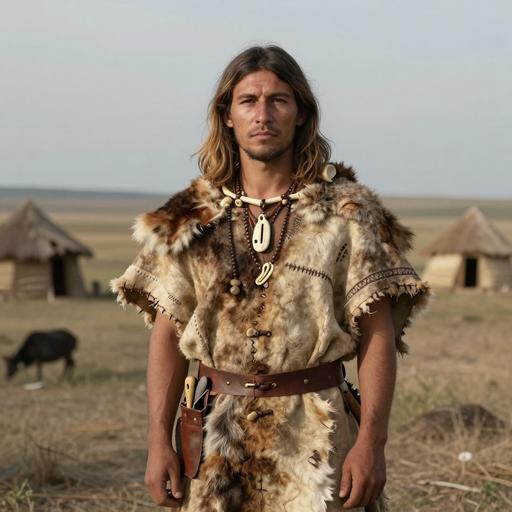
From a population genetics standpoint, R1a is a classic example of a lineage that experienced rapid expansions from a relatively small ancestral pool. This pattern is visible in its high regional frequency, star-like substructure in some branches, and strong founder effects in certain populations. The haplogroup's broad spread across Eurasia makes it one of the most important paternal markers for reconstructing prehistoric mobility, while its internal diversity helps distinguish between ancient dispersals and more recent demographic events.

Conclusion

Y-DNA haplogroup R1a is a major Eurasian paternal lineage with deep roots in prehistoric population history and major expansions during the Bronze Age and later periods. Its widespread distribution across Eastern Europe, Central Asia, and South Asia, together with its rich subclade structure, makes it one of the most studied and historically significant Y-chromosome haplogroups.

Points clés

  • Origins and Evolution
  • Subclades
  • Geographical Distribution
  • Historical and Cultural Significance
  • Population Genetics Perspective

Profil de référence

Arbre et relations

Contexte phylogénétique et sous-clades

Voie évolutive
Suivez les branches parentes consignées jusqu'à R1a. Les dates sont des estimations et peuvent évoluer lorsque les données de référence sont révisées.

Étapes Haplogroupe Âge estimé Époque archéologique Temps écoulé Descendants immédiats Descendants modernes testés Liens anciens
1 R1a Actuel ~22,000 years ago Mesolithic 22,000 ans 2 2,176 37
Profil de référence

Dans le monde

Distribution géographique et présence moderne

Origine consignée

Eurasian Steppe

Distribution moderne

The populations where Y-DNA haplogroup R1a is found include:

  1. Poles, Ukrainians, Belarusians, and Russians
  2. Baltic populations such as Lithuanians and Latvians
  3. Scandinavians, especially in Sweden and Norway
  4. Some Central Asian populations, including Kazakhs and Kyrgyz
  5. Many Indo-Aryan-speaking populations in South Asia
  6. Some Iranian-speaking groups and other West Eurasian populations
  7. Selected Siberian and Uralic-speaking populations

Présence régionale

Eastern Europe High
South Asia High
Central Asia High
Northern Europe Moderate
West Asia Low
Siberia Low
Contexte historique

Une branche dans le temps

Formation estimée sur une chronologie historique large. Les repères de période servent de contexte et n'impliquent pas de lien avec des cultures particulières.

  1. Il y a ~22k ans

    Haplogroupe R1a

    Formation estimée de cette branche Y-DNA ; les dates et les lieux sont des estimations de référence.

    Cette branche
  2. Il y a ~20k ans

    Dernier maximum glaciaire

    Apogée de la dernière période glaciaire, populations isolées

  3. Il y a ~10k ans

    Révolution néolithique

    Début de l'agriculture et émergence de communautés sédentaires

  4. Il y a ~5k ans

    Âge du bronze

    Travail des métaux, écriture et premières civilisations

  5. Il y a ~3k ans

    Âge du fer

    Outils en fer, réseaux d'échanges élargis

  6. Il y a ~2.5k ans

    Antiquité classique

    Floraison des civilisations grecque et romaine

  7. Aujourd'hui

    Aujourd'hui

    Époque moderne

Profil de référence

Contexte archéologique

Associations archéologiques consignées pour la branche Y-DNA R1a

Associations consignées

Ces libellés décrivent des contextes archéologiques consignés pour des échantillons de référence liés à R1a. Une association n'établit pas que tous les porteurs appartenaient à une culture ni qu'ils ont suivi une route migratoire précise.

Don-Mariupol Culture Malak Preslavets Culture Mesolithic Ukrainian Minino Russia_KrasnodarKrai_N Russia_Voronezh_N Veretye
Les attributions culturelles reposent sur le contexte archéologique des échantillons d'ADN ancien et peuvent refléter des associations régionales à certaines périodes.
Profil de référence

Catalogue d'échantillons

8 porteurs directs et 29 porteurs de sous-clade de l'haplogroupe R1a

10 affiché(s) · 37 échantillons correspondants

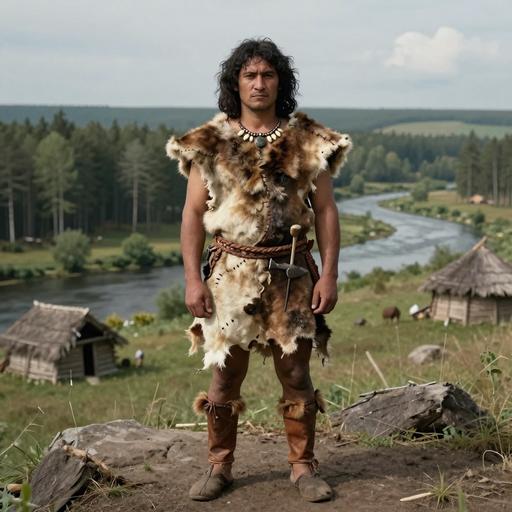
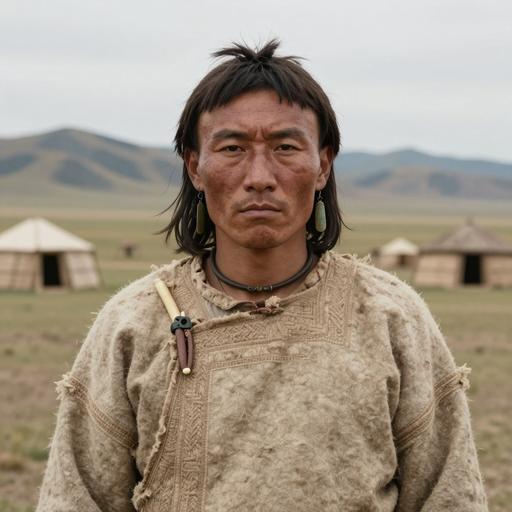
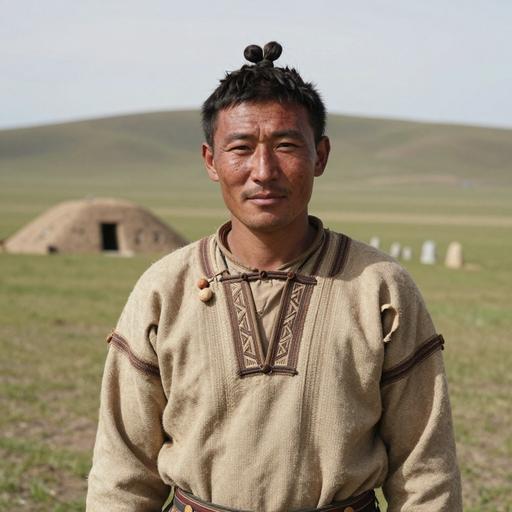
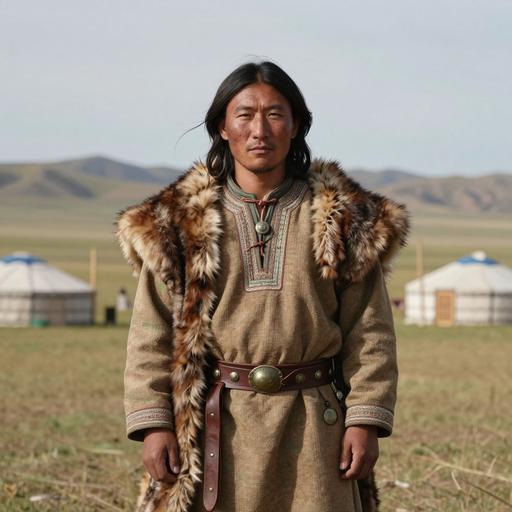
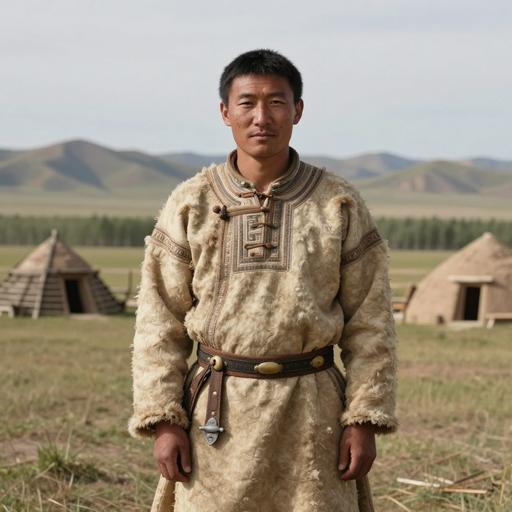
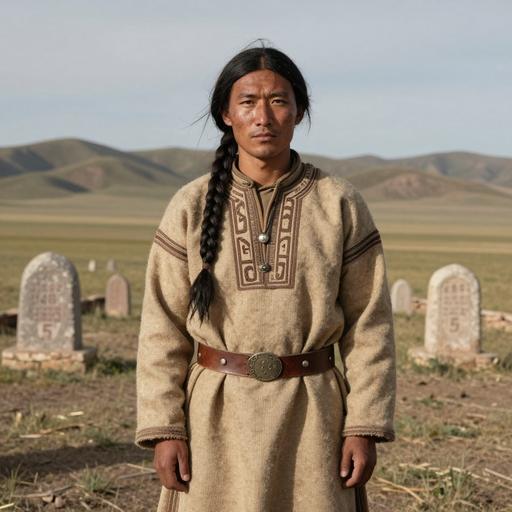
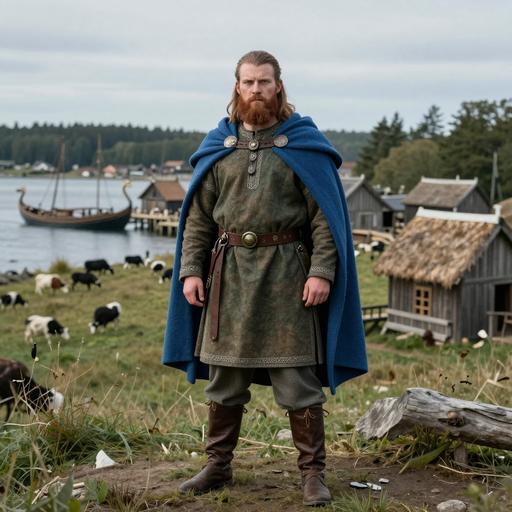
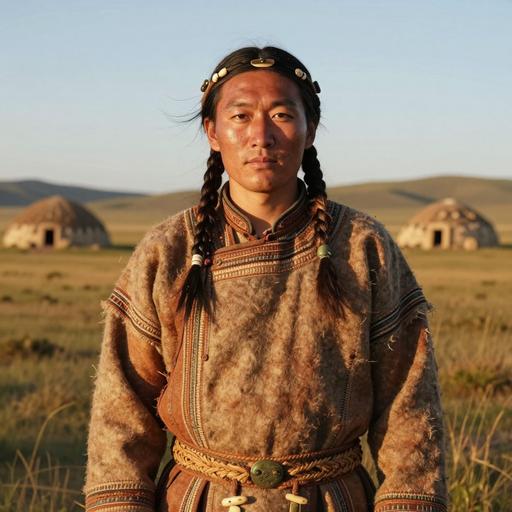
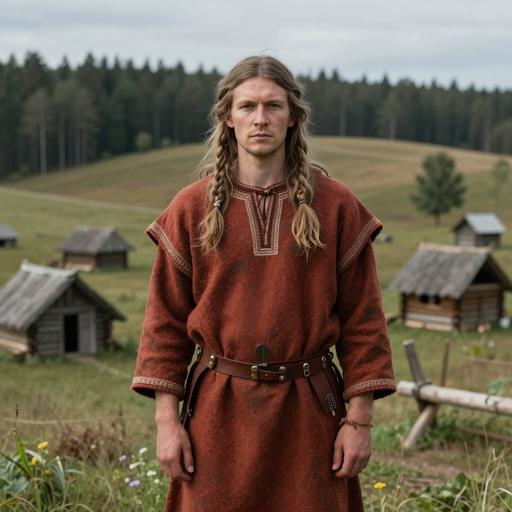
Les portraits sont des illustrations générées par IA. Les libellés d'échantillon et identifiants d'accès désignent les enregistrements de référence.

Portrait Échantillon Pays Époque Date Culture Y-DNA Correspondance
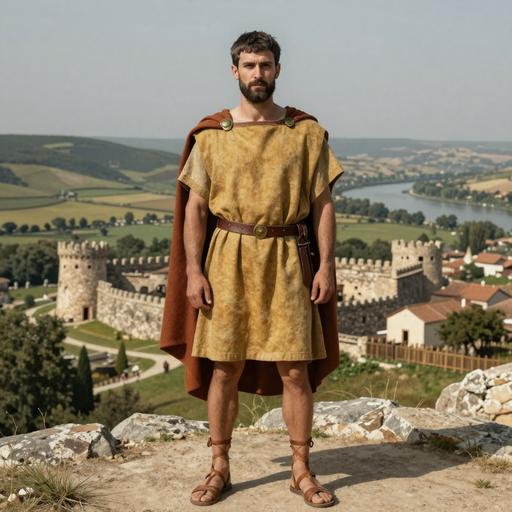
Portrait illustratif généré par IA de Late Antiquity Imperial Roman individual, Viminacium-Pirivoj (Braničevo District, Požarevac Municipality, Kostolac), Serbia (1-400 CE)
Identifiant d'échantillon : I15498
Serbia Serbia Roman 1-400 CE Roman Provincial R1a Direct
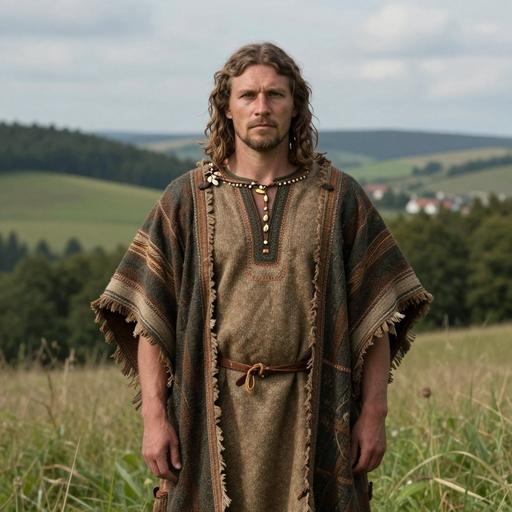
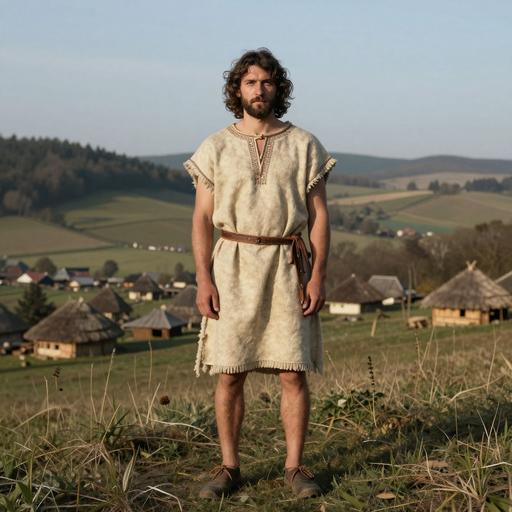
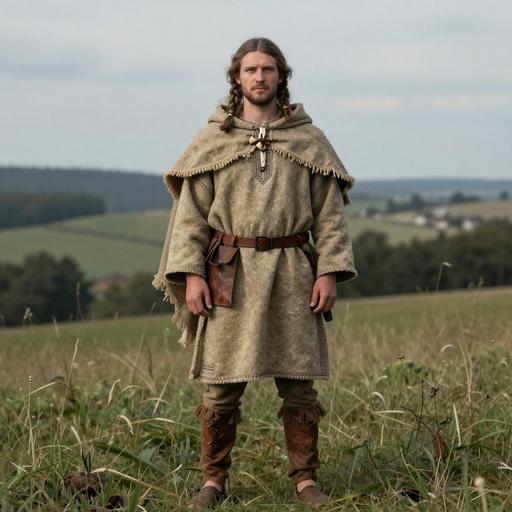
Portrait illustratif généré par IA de Schortens Early Medieval individual, Lower Saxony. Schortens, Germany (700-900 CE)
Identifiant d'échantillon : SRS003
Germany Saxon Early Medieval Schortens, Germany 700-900 CE Saxon Schortens R1a Direct
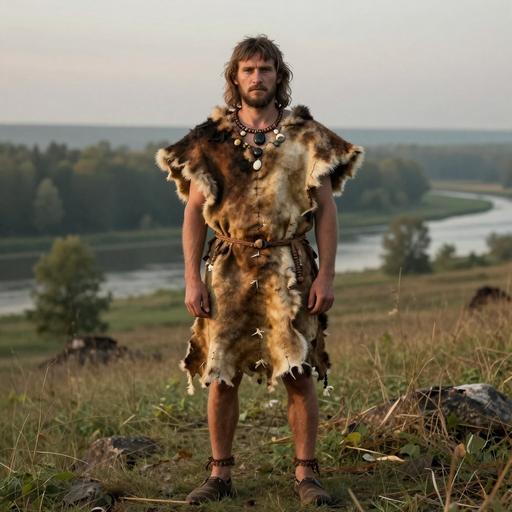
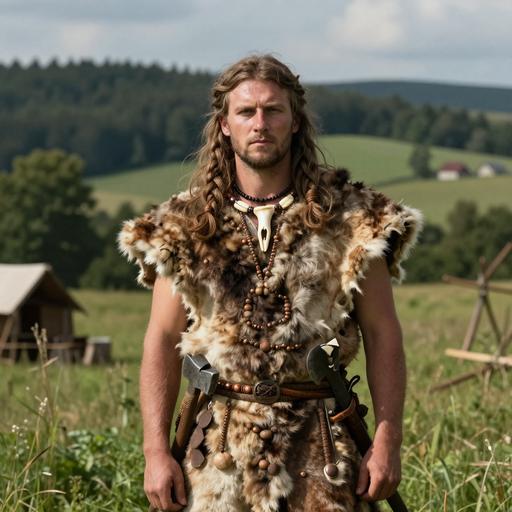
Portrait illustratif généré par IA de Czechia EBA Corded Ware individual, Bohemia. Trmice, Czech Republic (2,900-2,500 BCE)
Identifiant d'échantillon : TRM001
Czech Republic Corded Ware Culture, Bohemia, Czech Republic 2900-2500 BCE Corded Ware R1a Direct
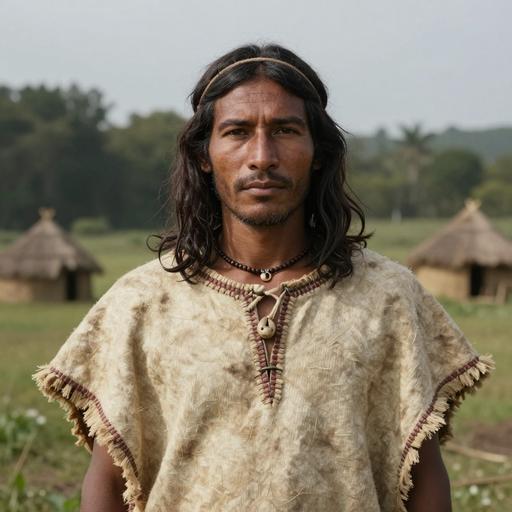
Portrait illustratif généré par IA de Voronezh N Mariupol individual, Golubaya-Krinitsa (Voronezh Oblast, Rossoshansky District, Golubaya Krinitsa Village), Russia (5,664-5,540 BCE)
Identifiant d'échantillon : NEO210
Russia Don Culture of Northern Mariupol 5664-5540 calBCE (6687±29 BP, OxA-39311) Don-Mariupol Culture R1a Direct
Portrait illustratif généré par IA de Eastern European Hunter-Gatherers individual, Deriivka (Kirovohrad Oblast, Oleksandriia District), Ukraine (6,471-6,397 BCE)
Identifiant d'échantillon : ukr102
Ukraine Ukraine Mesolithic 6471 BCE - 6397 BCE Mesolithic Ukrainian R1a Direct
Portrait illustratif généré par IA de Vologda Mesolithic individual, Karavaikha (Vologda Oblast, Kirillovsky District, Karavaikha Village), Russia (6,472-6,246 BCE)
Identifiant d'échantillon : NEO558
Russia Veretye culture 6472-6246 calBCE (7540±56 BP, UBA-40073) Veretye R1a Direct
Portrait illustratif généré par IA de Vologda Mesolithic individual, Minino-2 (Vologda Oblast, Vologda District, Minino Village), Russia (8,799-8,626 BCE)
Identifiant d'échantillon : MN2002
Russia Minino Culture 8799-8626 calBCE (9432±31 BP, MAMS-39002) Minino R1a Direct
Portrait illustratif généré par IA de Pre-Finnic individual, Peschanitsa (Arkhangelsk Oblast, Kargopolsky District), Russia (9,858-9,331 BCE)
Identifiant d'échantillon : NEO202
Russia Veretye culture 9858 BCE - 9331 BCE Veretye R1a Direct
Portrait illustratif généré par IA de Late Antiquity Imperial Roman Roman individual, Osijek. Beli Manastir-Popova zemlja, Croatia (261-415 CE)
Identifiant d'échantillon : POP23
Croatia Roman Period Popova, Croatia 261-415 calCE (1692±18 BP) [R_Combine: (1714±25 BP, OxA-38000), (1670±25 BP, OxA-38001)] Popova Settlement R1a1a1b2a2b1-F1345 Sous-clade
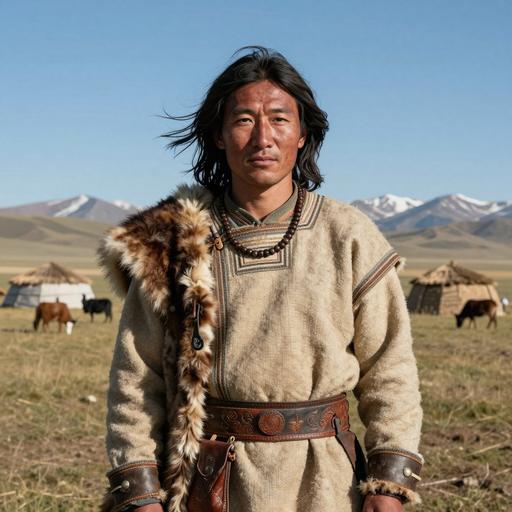
Portrait illustratif généré par IA de Nomadic Steppe Cultures individual, Uvs aimag. Ulaangom sum. Chandman Uul. Ulaangom cemetery Grave #33. Burial 3, Mongolia (370-197 BCE)
Identifiant d'échantillon : I6224
Mongolia Mongolia EIA Sagly 4 370 BCE - 197 BCE Sagly Culture R1a1a1b2a2-Z2121 Sous-clade
LIGNÉE PATERNELLE · ADN ANTIQUE

Carte des preuves de lignées antiques

Suivez les clades parents jusqu'à cette branche et explorez où des porteurs antiques ont été identifiés.

Chargement des observations antiques…

Les marqueurs indiquent des lieux de découvertes archéologiques. Un trait pointillé représente une transition géographique proposée et incertaine entre branches consécutives, appuyée sur plusieurs observations datées ; ce n'est pas un itinéraire exact, un lieu de naissance ni une preuve de descendance directe. Des échantillons de clades parents peuvent appartenir à d'autres branches descendantes. Des lacunes subsistent lorsque les preuves sont insuffisantes. Les dates d'échantillon diffèrent des dates de formation des haplogroupes.

Profil de référence

Carte de répartition des porteurs

Répartition géographique de 37 échantillons d'ADN ancien (porteurs directs et de sous-clade de R1a)

Porteur direct Porteur de sous-clade
Filtre de période
Toutes les périodes
Affichage de tous les échantillons
Profil de référence

Répartition temporelle

Répartition des porteurs selon les périodes archéologiques

Profil de référence

Répartition géographique

Effectifs par pays d'échantillon consigné. Ils reflètent la sélection de référence disponible, pas des fréquences de population.

Profil de référence

Répartition pays × époque

Comparez les effectifs d'échantillons consignés selon les pays et les périodes archéologiques. Sélectionnez une cellule renseignée pour examiner un échantillon.

Données

Données et provenance

Informations sur les sources et qualité des données

Dernière mise à jour 2026-06-17

Source des données

La classification, les dates estimées et le contexte géographique reflètent les données de référence consignées et peuvent évoluer lorsque les éléments sont révisés. La couverture d'échantillons est inégale ; les lieux consignés et les associations archéologiques n'établissent pas une origine personnelle ni une identité culturelle.