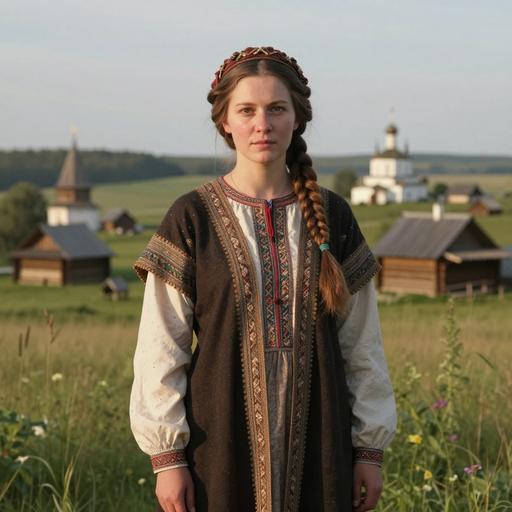
Modern Russian culture, as seen in places like Kideksha, is a fascinating blend of historical legacy and contemporary influences. Kideksha, while a small village situated near the more famous town of Suzdal, provides a snapshot of the broader Russian cultural evolution, enriched by historical continuity, traditional values, and modern transformation. Here's an extensive look at this unique cultural tapestry:
Historical Context
Kideksha is noted for its rich historical backdrop, primarily its association with the early Russian principalities and the development of ancient Rus. The village is particularly famous for the Church of Saints Boris and Gleb, an architectural monument that stands as a testament to the area's medieval past. This historical context provides a foundational cultural layer, influencing modern identity in the area.
Architectural Heritage
The architectural scene in Kideksha still reflects its medieval roots, with structures that echo the grandeur and simplicity of Russian Orthodox ecclesiastical architecture. The white stone Church of Saints Boris and Gleb is an exemplar of 12th-century architecture, demonstrating the intricate craftsmanship and religious devotion of that era. Modern Russian culture continues to honor this heritage by preserving such sites and drawing inspiration in contemporary architectural practices.
Religious Influence
The Russian Orthodox Church remains a vital component of cultural identity in Kideksha. Religious traditions influence daily life, festivals, and community gatherings. Despite modern secular tendencies, Orthodox Christianity provides a spiritual and moral framework that continues to guide social values and practices. Holidays like Easter and Christmas are celebrated with traditional ceremonies, reflecting a deep sense of continuity and reverence for ancestral customs.
Language and Literature
The Russian language is a crucial element of cultural identity, praised for its depth and expressiveness. Modern Russian literature and poetry continue to thrive, drawing from the rich literary tradition of figures like Tolstoy, Dostoevsky, and Pushkin. Today, Russian authors and poets explore themes of identity, modernity, and the socio-political landscape, contributing to an ever-evolving literary culture.
Arts and Crafts
Kideksha and the surrounding regions are known for their traditional arts and crafts, such as pottery, wood carving, and icon painting. These crafts not only serve as a vehicle for aesthetic expression but also as a means of preserving cultural heritage. Modern Russian artisans often integrate these traditional techniques into their contemporary works, creating a dialogue between the past and present.
Cuisine
Russian cuisine reflects a combination of rustic ingredients and hearty dishes, with regional variations adding to its diversity. In places like Kideksha, traditional foods such as borscht, pelmeni, and blini are staples. The resurgence of interest in organic and locally sourced foods aligns with traditional practices and supports a sustainable approach to modern living.
Social Dynamics
Modern Russian society is characterized by a complex interaction between Western influences and traditional Russian values. This dynamic is evident in Kideksha, where community life often revolves around shared cultural and historic experiences. Social gatherings, local festivals, and community events are crucial in maintaining a sense of belonging and cultural continuity.
Technological and Economic Changes
Like much of modern Russia, Kideksha experiences the impact of technological advancements and economic changes. While retaining its historical charm, the village has access to modern amenities, connecting residents to broader national and global networks. This blending of old and new is reflected in everyday life, from education systems to economic activities.
Challenges and Opportunities
Modern Russian culture faces several challenges, including balancing tradition with innovation, addressing socio-economic disparities, and navigating the global political landscape. However, these challenges also present opportunities for cultural enrichment, dialogue, and growth. Communities like Kideksha can lead the way in embracing sustainable development, cultural preservation, and intercultural exchanges.
Conclusion
The modern Russian culture of Kideksha is a microcosm of broader Russian society. It showcases the resilience and adaptability of a people deeply rooted in their heritage while open to the possibilities of the future. Through a harmonious blend of tradition and modernity, Kideksha exemplifies how cultural identity can thrive amidst change.