Profil de référence pour une branche de lignée. Des haplogroupes partagés n'établissent pas de lien familial ni d'identité culturelle.
Profil de référence
Contexte de la branche
Contexte historique de la branche de lignée mtDNA K1c
Origins and Evolution
mtDNA haplogroup K1c is a subclade of K1 (itself a branch of haplogroup K, derived from U8b'K) that likely arose in the early Holocene after the Last Glacial Maximum. Given the estimated age of K1 (~13 kya) and the phylogenetic position of K1c within that clade, K1c most plausibly formed in the Near East / Anatolia region roughly ~9 kya (early Neolithic period) and diversified as populations associated with early farming expanded into Europe. The phylogenetic pattern — a small number of downstream lineages and wide but generally low-to-moderate geographic spread — is consistent with a Neolithic expansion followed by regional founder effects and drift in localized groups.
Subclades
K1c contains a handful of downstream lineages (often named in high-resolution phylogenies as K1c1, K1c2, etc.), some of which show localized clustering in parts of Europe and the Near East. Subclades of K1c are generally less frequent and more geographically restricted than the major K1 sub-branches, which suggests that K1c experienced modest population growth with subsequent isolation and drift in particular regions (islands, isolated mountain or coastal communities, and some ethnoreligious groups).
Geographical Distribution
Today K1c is detected at low to moderate frequencies across a broad swath of western Eurasia. Highest concentrations are generally in parts of Southern Europe (Italy, Greece, Iberia) and Anatolia, with moderate presence in Central and Western Europe and detectable frequencies in the Caucasus and Levant. Small but notable frequencies occur in some island and isolated populations (for example Sardinia and certain Mediterranean islands), reflecting founder effects. K1c is also reported in some Jewish communities (including Ashkenazi samples in some studies), typically at low-to-moderate frequency and sometimes represented by a restricted subclade consistent with founder events.
Ancient DNA from Early Neolithic sites in Central and Southern Europe has recovered lineages of haplogroup K (including K1 subclades) associated with early farming groups (LBK and related cultures), supporting the scenario that K1c and related K1 branches moved into Europe with Anatolian-derived farmers.
Historical and Cultural Significance
Because K1c likely diversified during the early Neolithic, it serves as a maternal marker of the farmer-related ancestry stream that entered Europe from Anatolia. Its presence in modern European, Near Eastern and some Jewish populations reflects both the initial demographic movements of early agriculturalists and subsequent localized demographic processes (founder effects, isolation, and admixture). In genetic genealogy and population history, detection of K1c in a modern individual can suggest maternal ancestry tracing to Neolithic farmer-related populations of the Near East or their descendants in Europe, though precise geographic inference requires high-resolution subclade testing and comparative population data.
Conclusion
mtDNA K1c is a mid-Holocene maternal lineage tied to the Neolithic expansions from Anatolia/Near East into Europe. It has a broad but generally low-to-moderate modern distribution, with regional concentrations produced by founder effects and isolation. K1c therefore provides useful information for reconstructing maternal-lineage movements associated with early farming and later demographic events in Europe and the Near East.
Points clés
Origins and Evolution
Subclades
Geographical Distribution
Historical and Cultural Significance
Conclusion
Profil de référence
Arbre et relations
Contexte phylogénétique et sous-clades
Voie évolutive
Suivez les branches parentes consignées jusqu'à K1c. Les dates sont des estimations et peuvent évoluer lorsque les données de référence sont révisées.
The populations where mtDNA haplogroup K1c is found include:
Ashkenazi Jewish communities (at low-to-moderate frequency in some studies)
Anatolian (modern Turkey) populations
European Early Neolithic farmer-descended populations (e.g., LBK and related groups)
Southern European populations (Iberia, Italy, Greece)
Western and Northern European populations (British Isles, Scandinavia) at low-to-moderate frequencies
Caucasus populations (Armenians, Georgians) at detectable levels
Levantine and Iranian populations (Near East)
North African coastal groups with Near Eastern gene flow (low frequencies)
Island and isolated Mediterranean populations (e.g., Sardinians, other islands)
Small traces in parts of Central Asia due to historical west–east contacts
Contexte historique
Une branche dans le temps
Formation estimée sur une chronologie historique large. Les repères de période servent de contexte et n'impliquent pas de lien avec des cultures particulières.
Il y a ~10k ans
Révolution néolithique
Début de l'agriculture et émergence de communautés sédentaires
Il y a ~9k ans
Haplogroupe K1c
Formation estimée de cette branche mtDNA ; les dates et les lieux sont des estimations de référence.
Cette branche
Il y a ~5k ans
Âge du bronze
Travail des métaux, écriture et premières civilisations
Il y a ~3k ans
Âge du fer
Outils en fer, réseaux d'échanges élargis
Il y a ~2.5k ans
Antiquité classique
Floraison des civilisations grecque et romaine
Aujourd'hui
Aujourd'hui
Époque moderne
Profil de référence
Contexte archéologique
Associations archéologiques consignées pour la branche mtDNA K1c
Associations consignées
Ces libellés décrivent des contextes archéologiques consignés pour des échantillons de référence liés à K1c. Une association n'établit pas que tous les porteurs appartenaient à une culture ni qu'ils ont suivi une route migratoire précise.
Les attributions culturelles reposent sur le contexte archéologique des échantillons d'ADN ancien et peuvent refléter des associations régionales à certaines périodes.
Profil de référence
Catalogue d'échantillons
4 porteurs directs et 52 porteurs de sous-clade de l'haplogroupe K1c
10 affiché(s) · 50 échantillons correspondants
Aucun échantillon ne correspond à ces filtres. Essayez un autre libellé, lieu ou période.
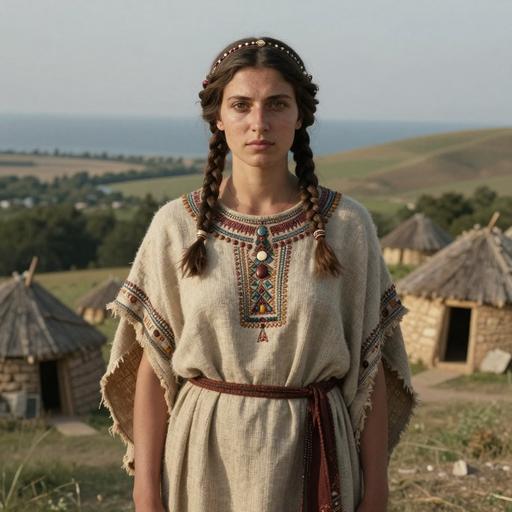
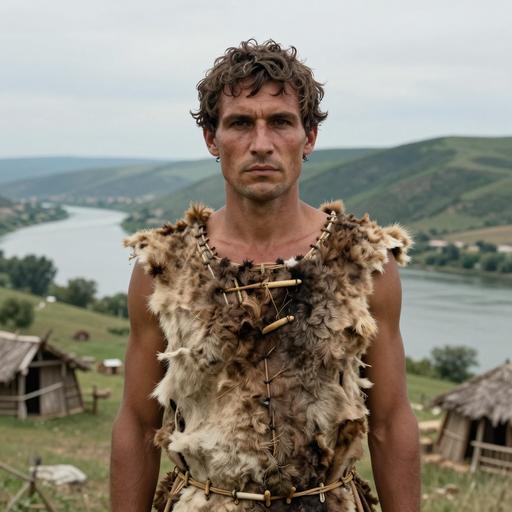
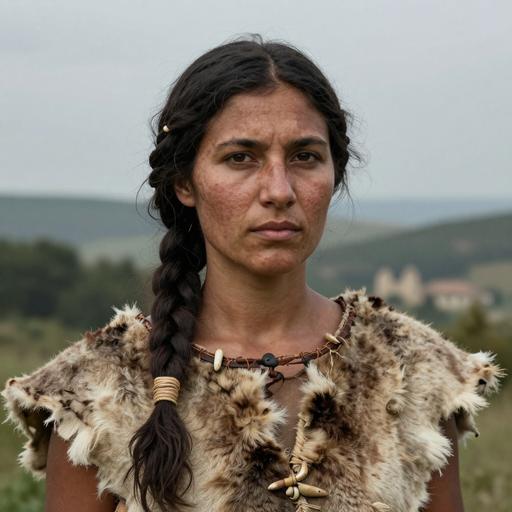
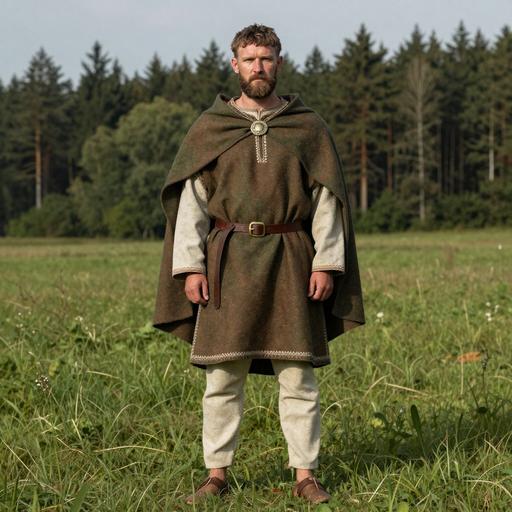
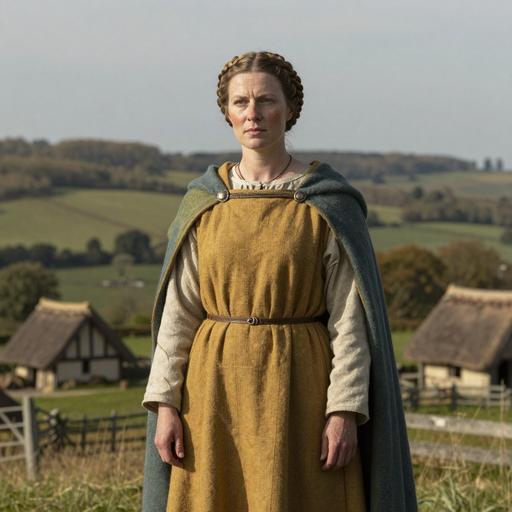
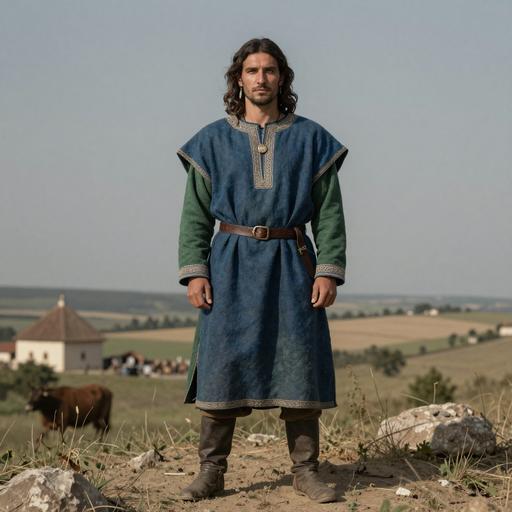
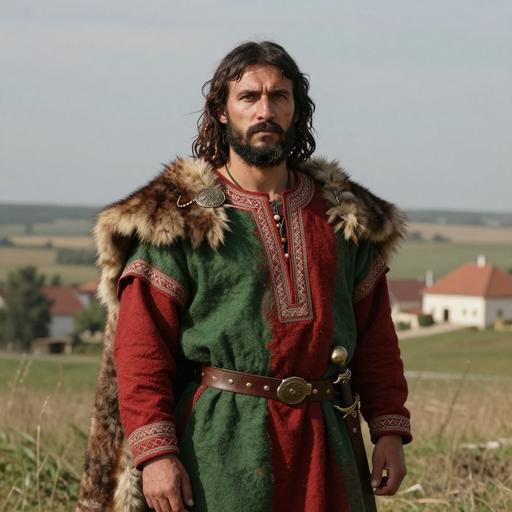
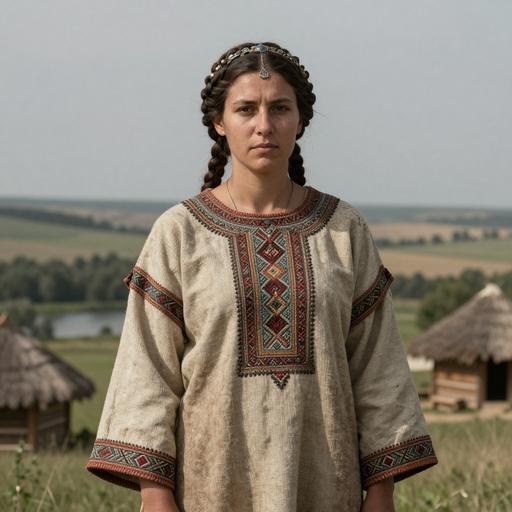
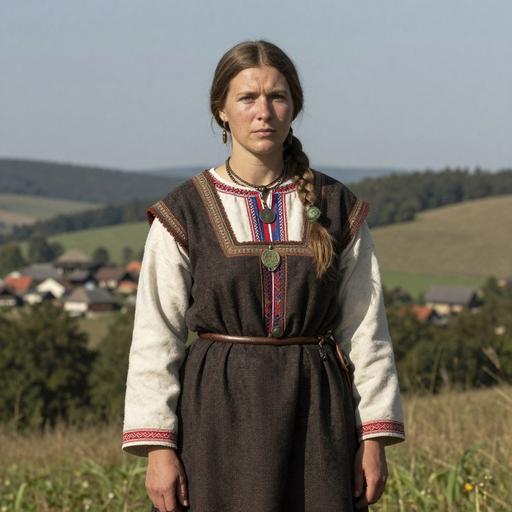
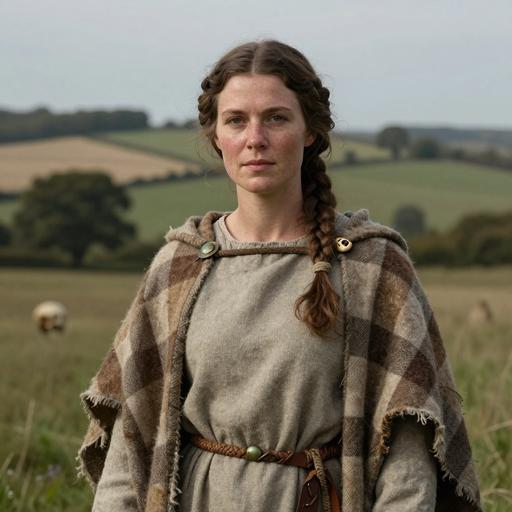
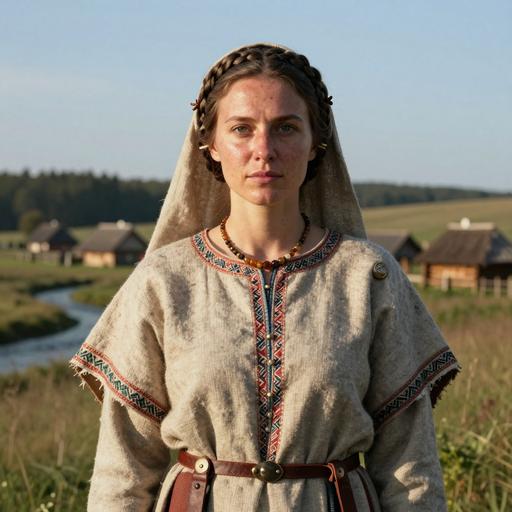
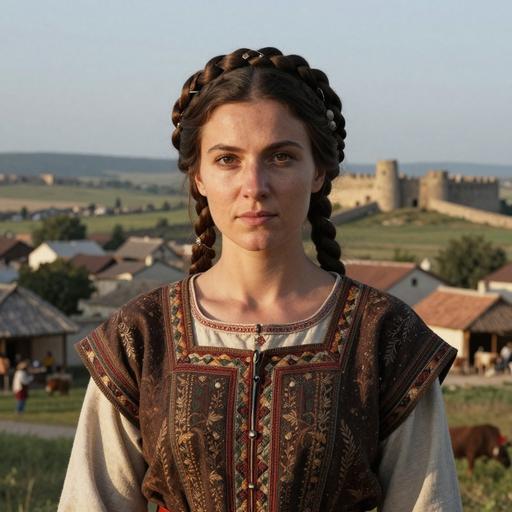
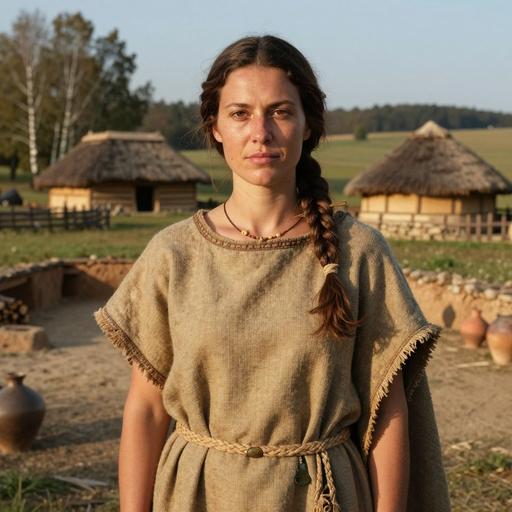
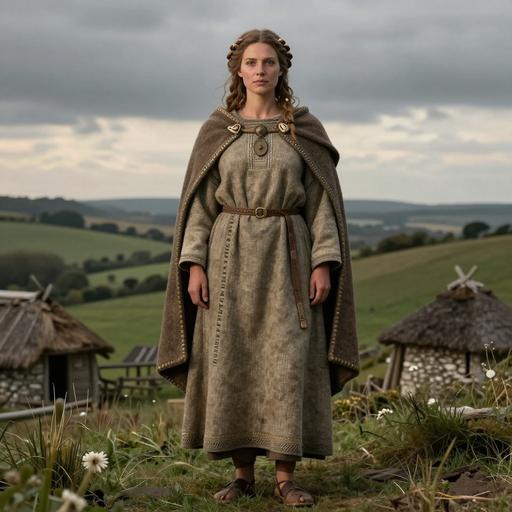
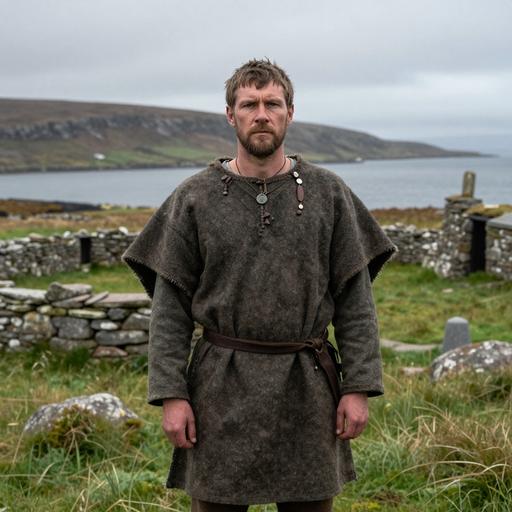
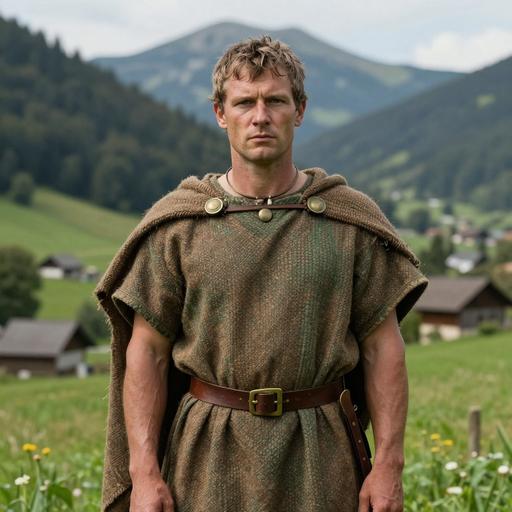
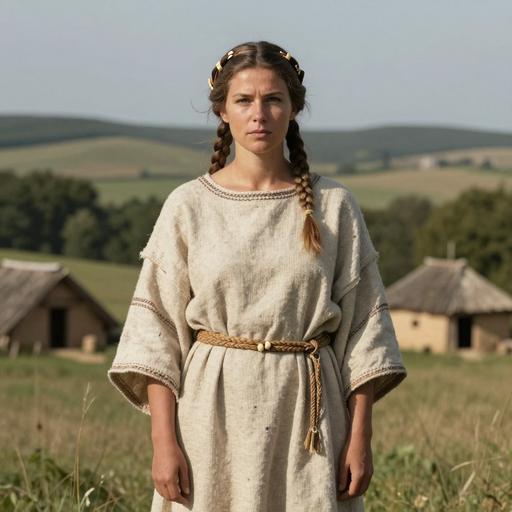
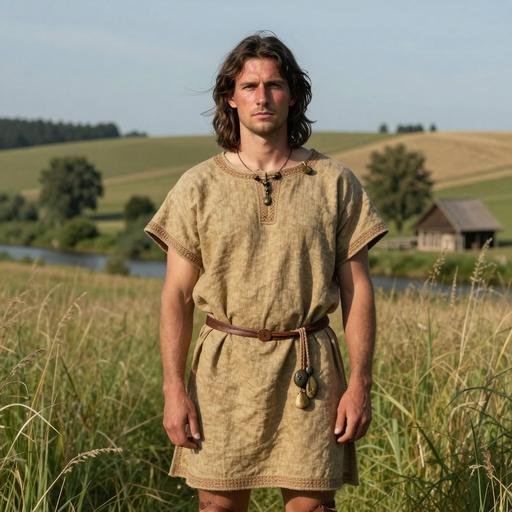
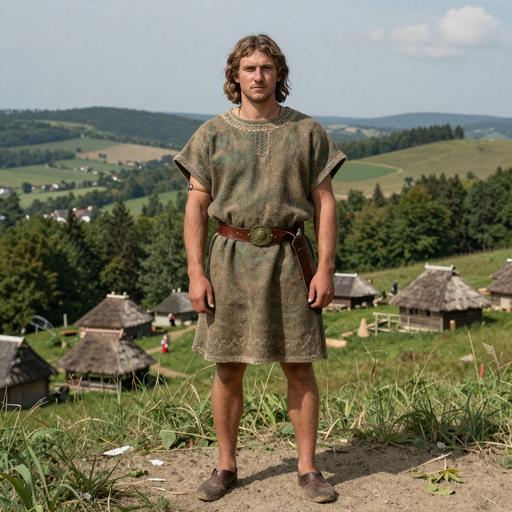
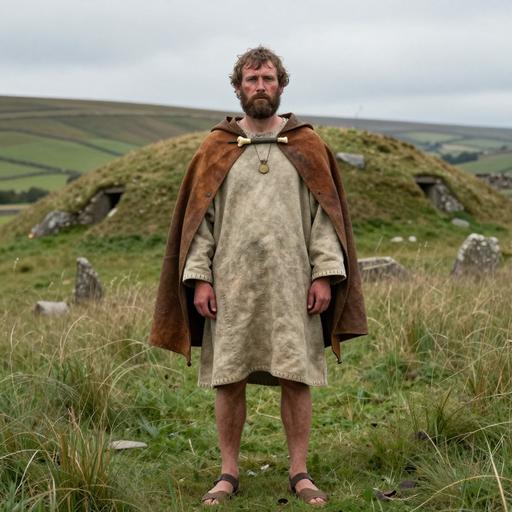
Les portraits sont des illustrations générées par IA. Les libellés d'échantillon et identifiants d'accès désignent les enregistrements de référence.
Portrait
Échantillon
Pays
Époque
Date
Culture
mtDNA
Correspondance
Identifiant d'échantillon : VAR017
Bulgaria
Varna Culture
4672-4458 calBCE (5714±24 BP, MAMS-51324)
Varna
K1c
Direct
Identifiant d'échantillon : I4870
Serbia
Serbia IronGates Mesolithic
7045-6535 calBCE (7870±78 BP, PSUAMS-2295)
Iron Gates Culture
K1c
Direct
Identifiant d'échantillon : I4657
Serbia
Serbia IronGates Mesolithic
9755 BCE - 9275 BCE
Iron Gates Culture
K1c
Direct
Identifiant d'échantillon : I4657
Serbia
Ancient Hunter-Gatherers of the Iron Gates
9755 BCE - 9275 BCE
K1c
Direct
Identifiant d'échantillon : PCA0479
Poland
Wielbark Culture
100-300 CE
Wielbark
K1c1
Sous-clade
Identifiant d'échantillon : I6490
Spain
Roman Period Spain
200-500 CE
Roman Hispania
K1c2
Sous-clade
Identifiant d'échantillon : I15507
Serbia
Serbia Roman
200-300 CE
Roman Provincial
K1c2
Sous-clade
Identifiant d'échantillon : PCA0102
Poland
Wielbark Culture
200-400 CE
Wielbark
K1c1
Sous-clade
Identifiant d'échantillon : I33891
Croatia
Croatia LateAntiquity
300-500 CE
Late Antique
K1c1
Sous-clade
Identifiant d'échantillon : I20989
United Kingdom
Middle to Late Iron Age England
354-59 calBCE (2157±26 BP, OxA-25955)
Late Iron Age British
K1c1
Sous-clade
Identifiant d'échantillon : I20653
United Kingdom
England EarlyMedieval Saxon
400-600 CE
Anglo-Saxon
K1c2
Sous-clade
Identifiant d'échantillon : I14536
United Kingdom
England EarlyMedieval
500-700 CE
Anglo-Saxon
K1c2
Sous-clade
Identifiant d'échantillon : RKF115
Hungary
Hungary EarlyAvar
550-700 CE
Early Avar
K1c1
Sous-clade
Identifiant d'échantillon : CL94
Italy
Early Medieval Langobards, Northern Italy
550-650 CE
Langobard
K1c1
Sous-clade
Identifiant d'échantillon : MS-45
Hungary
Hungary EarlyAvar
603-653 calCE (1420±17 BP, DeA-26560)
Early Avar
K1c2
Sous-clade
Identifiant d'échantillon : MS-43
Hungary
Hungary EarlyAvar
600-700 CE
Early Avar
K1c2
Sous-clade
Identifiant d'échantillon : I11721
Slovakia
The Vekerzug Culture in Slovakia
650-500 BCE
Vekerzug Culture
K1c2
Sous-clade
Identifiant d'échantillon : KIL019
Ireland
Anglo-Saxon Early Medieval Kilteasheen, Ireland
700-1300 CE
Kilteasheen
K1c2
Sous-clade
Identifiant d'échantillon : SZM-332
Hungary
Hungary LateAvar
700-750 CE
Avar Culture
K1c1
Sous-clade
Identifiant d'échantillon : I20585
United Kingdom
England EIA
800-400 BCE
Early British Iron Age
K1c1
Sous-clade
Identifiant d'échantillon : VK268
Sweden
Sweden Viking
800 CE - 1100 CE
Viking
K1c1
Sous-clade
Identifiant d'échantillon : VK268
Sweden
The Viking Age
800 CE - 1100 CE
K1c1
Sous-clade
Identifiant d'échantillon : VK87
Denmark
Denmark Viking
850 CE - 900 CE
Viking Denmark
K1c2
Sous-clade
Identifiant d'échantillon : VK87
Denmark
The Viking Age
850 CE - 900 CE
K1c2
Sous-clade
Identifiant d'échantillon : PCA0083
Poland
Sowinki Iron Age Culture
1000-1100 CE
Sowinki Culture
K1c1
Sous-clade
Identifiant d'échantillon : PCA0390
Poland
Iron Age Santok Culture
1000-1200 CE
Santok Culture
K1c1
Sous-clade
Identifiant d'échantillon : I20180
Bulgaria
Early Iron Age Bulgaria
1100-500 BCE
Bulgarian EIA
K1c1
Sous-clade
Identifiant d'échantillon : SWG003
Germany
Saxon Late Medieval Schleswig, Germany
1100-1200 CE
Saxon Schleswig
K1c2
Sous-clade
Identifiant d'échantillon : I32300
Serbia
Medieval Serbian Slavs
1100-1300 CE
Serbian Medieval
K1c1
Sous-clade
Identifiant d'échantillon : I16615
United Kingdom
England LBA
1259-912 calBCE (2890±60 BP, BM-2919)
British Late Bronze Age
K1c1
Sous-clade
Identifiant d'échantillon : I20516
Czech Republic
Late Bronze Age Knoviz Culture, Czech Republic
1300-800 BCE
Knoviz Culture
K1c1
Sous-clade
Identifiant d'échantillon : WEZ35
Germany
Bronze Age Tollense Valley, Germany
1300 BCE - 1200 BCE
Tollense Culture
K1c1
Sous-clade
Identifiant d'échantillon : CGG100749
Denmark
Denmark Medieval
1300-1350 CE
Danish Medieval
K1c2
Sous-clade
Identifiant d'échantillon : WEZ35
Germany
Middle to Late Bronze Age Central Europe
1300 BCE - 1200 BCE
K1c1
Sous-clade
Identifiant d'échantillon : I13514
Greece
Mycenaean Greece
1400-1050 BCE
Mycenaean
K1c1
Sous-clade
Identifiant d'échantillon : I5440
United Kingdom
Wales MBA
1500-1322 calBCE (3156±28 BP, OxA-V-2271-28)
Welsh Bronze Age
K1c1
Sous-clade
Identifiant d'échantillon : I19915
United Kingdom
England MBA
1519-1422 calBCE (3210±30 BP, SUERC-40300)
British Middle Bronze Age
K1c1
Sous-clade
Identifiant d'échantillon : KD061
United Kingdom
Middle Bronze Age Orkney, Scotland
1700-1400 BCE
Orcadian Bronze Age
K1c2
Sous-clade
Identifiant d'échantillon : AITI_55
Germany
Early Bronze Age Lech Valley, Germany
1926 BCE - 1703 BCE
Lech Valley Bronze Age
K1c1
Sous-clade
Identifiant d'échantillon : I10562
Romania
Romania BA Arman
2150-1850 BCE
Arman
K1c1
Sous-clade
Identifiant d'échantillon : BR1
Hungary
Early Bronze Age Makó Culture, Hungary
2195 BCE - 1973 BCE
Makó
K1c1
Sous-clade
Identifiant d'échantillon : BNL006
Czech Republic
Early Bronze Age Unetice Culture, Bohemia, Czech Republic
Germany Middle to Late Bronze Age Central Europe 1300 BCE - 1200 BCE
K1c1Sous-clade
Identifiant d'échantillon : I13514
Mycenaean Greece - Greece - Pylos. Palace of Nestor
Greece Mycenaean Greece 1400-1050 BCE
K1c1Sous-clade
Identifiant d'échantillon : I5440
Middle Bronze Age Wales - United Kingdom - Wales. Glamorgan. St. Fagan's
United Kingdom Wales MBA 1500-1322 calBCE (3156±28 BP, OxA-V-2271-28)
K1c1Sous-clade
Identifiant d'échantillon : I19915
Middle Bronze Age England - United Kingdom - England. Kent. East Kent Access Road
United Kingdom England MBA 1519-1422 calBCE (3210±30 BP, SUERC-40300)
K1c1Sous-clade
Identifiant d'échantillon : KD061
Middle Bronze Age Orkney, Scotland - United Kingdom - Orkney. Westray. Links of Noltland
United Kingdom Middle Bronze Age Orkney, Scotland 1700-1400 BCE
K1c2Sous-clade
Identifiant d'échantillon : AITI_55
Early Bronze Age Lech Valley, Germany - Germany - Kleinaitingen - Gewerbegebiet Nord
Germany Early Bronze Age Lech Valley, Germany 1926 BCE - 1703 BCE
K1c1Sous-clade
Identifiant d'échantillon : I10562
Bronze Age Arman, Romania - Romania - CRL Arman
Romania Romania BA Arman 2150-1850 BCE
K1c1Sous-clade
Identifiant d'échantillon : BR1
Early Bronze Age Makó Culture, Hungary - Hungary - Kompolt-Kigyoser (Jász-Nagykun-Szolnok County, Karcag)
Hungary Early Bronze Age Makó Culture, Hungary 2195 BCE - 1973 BCE
K1c1Sous-clade
Identifiant d'échantillon : BNL006
Early Bronze Age Unetice Culture, Bohemia, Czech Republic - Czech Republic - Bohemia. Brandýs nad Labem
Czech Republic Early Bronze Age Unetice Culture, Bohemia, Czech Republic 2200-2000 BCE
K1c1Sous-clade
Identifiant d'échantillon : I14185
Early Bronze Age Unetice Culture, Czech Republic - Czech Republic - Central Bohemia. Prague 5. Prague-Jinonice (Holmanʼs Garden Centre)
Czech Republic Early Bronze Age Unetice Culture, Czech Republic 2200-1600 BCE
K1c1Sous-clade
Identifiant d'échantillon : I16394
Chalcolithic to Early Bronze Age England - United Kingdom - England. North Yorkshire. Grassington. 3 Barrow Sites
United Kingdom Chalcolithic to Early Bronze Age England 2400-1600 BCE
K1c1Sous-clade
Identifiant d'échantillon : I2575
Bell Beaker Culture, France - France - Forcalquier. La Fare
France France BellBeaker 2471 BCE - 2209 BCE
K1c1Sous-clade
Identifiant d'échantillon : I2575
France The Bell Beaker Culture 2471 BCE - 2209 BCE
K1c1Sous-clade
Identifiant d'échantillon : I4144
Bell Beaker Culture, Germany - Germany - Osterhofen-Altenmarkt
Germany Bell Beaker Culture, Germany 2573 BCE - 2310 BCE
K1c1Sous-clade
Identifiant d'échantillon : RISE563
Bell Beaker Culture, Germany - Germany - Osterhofen-Altenmarkt (Lower Bavaria, Deggendorf, Osterhofen)
Germany Bell Beaker Culture, Germany 2573 BCE - 2310 BCE
K1c1Sous-clade
Identifiant d'échantillon : I4144
Germany The Bell Beaker Culture 2573 BCE - 2310 BCE
K1c1Sous-clade
Identifiant d'échantillon : I4144
Germany BellBeaker - Osterhofen-Altenmarkt
Germany The Bell Beaker Culture 2573 BCE - 2310 BCE
K1c1Sous-clade
LIGNÉE MATERNELLE · ADN ANTIQUE
Carte des preuves de lignées antiques
Suivez les clades parents jusqu'à cette branche et explorez où des porteurs antiques ont été identifiés.
Chargement des observations antiques…
La réduction des animations est activée. Utilisez la chronologie ou Tout afficher pour explorer à votre rythme.
Lire les observations sous forme de tableau
Observations antiques affichées par branche, période et date médiane
Branche
Période
Plage de dates
Échantillon
Identifiant d'échantillon
Emplacement
Haplogroupe
Relation
Les marqueurs indiquent des lieux de découvertes archéologiques. Un trait pointillé représente une transition géographique proposée et incertaine entre branches consécutives, appuyée sur plusieurs observations datées ; ce n'est pas un itinéraire exact, un lieu de naissance ni une preuve de descendance directe. Des échantillons de clades parents peuvent appartenir à d'autres branches descendantes. Des lacunes subsistent lorsque les preuves sont insuffisantes. Les dates d'échantillon diffèrent des dates de formation des haplogroupes.
Le regroupement par période historique reflète quand chaque individu antique a vécu, en combinant toutes les branches de cette chaîne de lignée ; ce n'est pas une séquence migratoire ni une chronologie personnelle entre périodes.
Profil de référence
Carte de répartition des porteurs
Répartition géographique de 56 échantillons d'ADN ancien (porteurs directs et de sous-clade de K1c)
Porteur direct Porteur de sous-clade
Filtre de période
Toutes les périodes
Affichage de tous les échantillons
Profil de référence
Répartition temporelle
Répartition des porteurs selon les périodes archéologiques
Profil de référence
Répartition géographique
Effectifs par pays d'échantillon consigné. Ils reflètent la sélection de référence disponible, pas des fréquences de population.
Profil de référence
Répartition pays × époque
Comparez les effectifs d'échantillons consignés selon les pays et les périodes archéologiques. Sélectionnez une cellule renseignée pour examiner un échantillon.
Données
Données et provenance
Informations sur les sources et qualité des données
Dernière mise à jour2026-02-09
Source des données
La classification, les dates estimées et le contexte géographique reflètent les données de référence consignées et peuvent évoluer lorsque les éléments sont révisés. La couverture d'échantillons est inégale ; les lieux consignés et les associations archéologiques n'établissent pas une origine personnelle ni une identité culturelle.