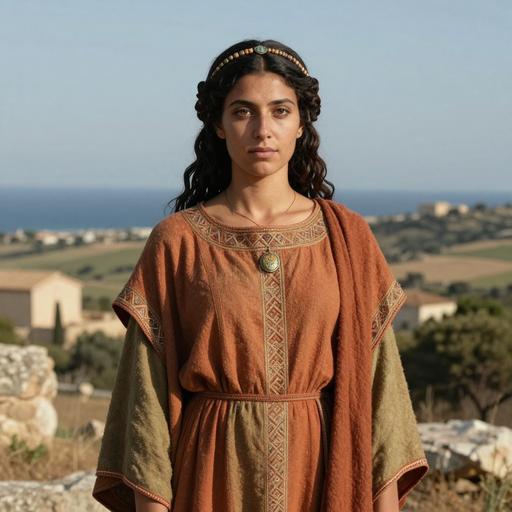
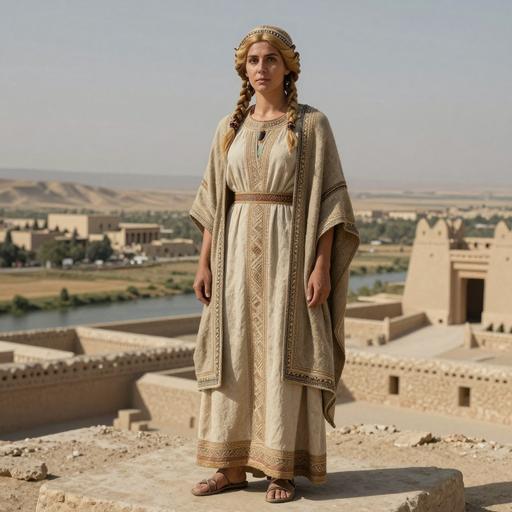
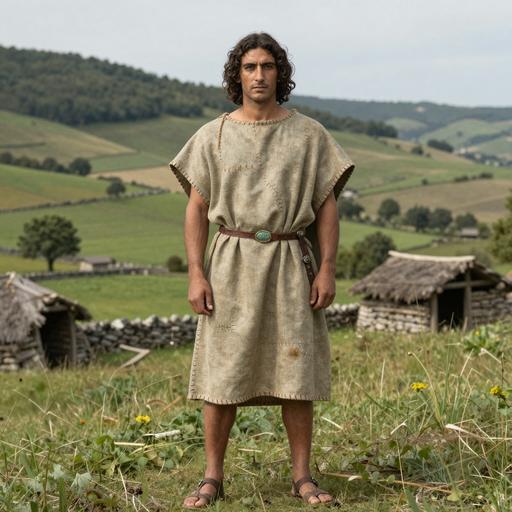
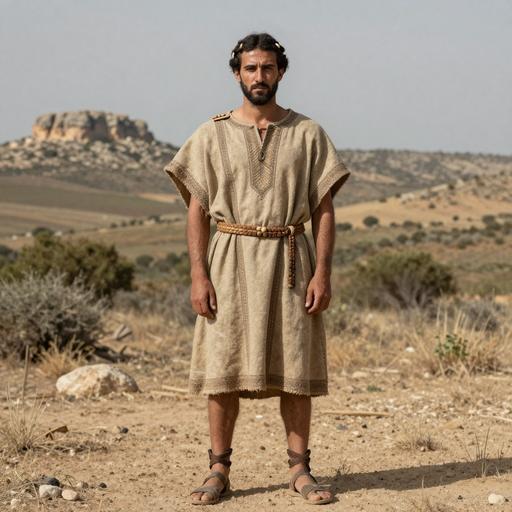
Profil de référence pour une branche de lignée. Des haplogroupes partagés n'établissent pas de lien familial ni d'identité culturelle.
Profil de référence
Contexte de la branche
Contexte historique de la branche de lignée mtDNA K1
Origins and Evolution
mtDNA haplogroup K1 is a primary subclade of haplogroup K, which itself derives from U8b. Based on phylogenetic relationships and ancient DNA evidence, K1 likely coalesced in the Late Glacial to Early Holocene (roughly ~13 kya) in the Near East / Anatolia region. From that core area K1 diversified into multiple lineages before and during the early Neolithic period and spread westward into Europe with migrating farming populations.
K1 sits within a broader maternal clade (K) that shows a clear signal of expansion associated with the spread of agriculture from Anatolia into Europe. The timing and geographic pattern are consistent with an origin in post-glacial Near Eastern refugia followed by dispersal linked to Neolithic demic diffusion.
Subclades
K1 comprises several distinguishable sublineages (commonly catalogued in literature as K1a, K1b, K1c, and downstream branches). K1a is the most widespread in Europe and is the dominant K1 branch found in many modern European and Ashkenazi Jewish samples; other subclades (K1b, K1c, etc.) show more restricted and patchy distributions. Several sub-subclades within K1a show signatures of population bottlenecks and founder events (for example, particular K1a sublineages are highly overrepresented among Ashkenazi maternal founder lineages).
Geographical Distribution
Today K1 is found across the Near East, Europe, parts of North Africa, and at low frequencies into Central Asia. Its highest concentrations and diversity are observed in regions that acted as Neolithic source areas (Anatolia and the Levant) and in parts of Southern and Western Europe where early farming communities established. Island and isolated populations (e.g., Sardinia and some Mediterranean islands) can show elevated frequencies for particular K1 subclades due to founder effects and genetic drift. Low but detectable frequencies in North Africa and Central Asia reflect historical gene flow and long-range contacts between west and east Eurasian populations.
Historical and Cultural Significance
The distribution and age of K1 link it tightly to the Neolithic transition in Europe. Ancient DNA from early farmers in Central Europe (Linearbandkeramik, LBK) and Anatolia frequently includes K1 lineages, supporting the role of K1 as part of the maternal signature of migrating Neolithic farmer communities. Later cultural complexes in Europe (e.g., Bell Beaker, Corded Ware, Bronze Age groups) show variable incorporation of K1 depending on local admixture with farmer-descended and hunter-gatherer populations.
K1 also features prominently in studies of modern founder populations: several K1 sublineages are among the maternal founders of Ashkenazi Jewish mitochondrial diversity, where specific K1a subclades reached high frequency through small founder groups followed by demographic expansion.
Conclusion
mtDNA haplogroup K1 is a Near Eastern–derived maternal lineage that expanded into Europe with early farmers during the Neolithic and persisted into modern populations through a combination of continued gene flow, local drift, and founder events. Its phylogeographic pattern makes K1 a useful marker for tracing Anatolian–Neolithic ancestry in ancient and modern maternal lineages and for identifying population-specific founder events in groups such as Ashkenazi Jews and some Mediterranean island communities.
Points clés
Origins and Evolution
Subclades
Geographical Distribution
Historical and Cultural Significance
Conclusion
Profil de référence
Arbre et relations
Contexte phylogénétique et sous-clades
Voie évolutive
Suivez les branches parentes consignées jusqu'à K1. Les dates sont des estimations et peuvent évoluer lorsque les données de référence sont révisées.
The populations where mtDNA haplogroup K1 is found include:
Ashkenazi Jewish communities
Anatolian (modern Turkey) populations
European Early Neolithic farmer-descended populations (e.g., Central Europe LBK descendants)
Southern European populations (Iberia, Italy, Greece)
Western and Northern European populations (British Isles, Scandinavia) at moderate frequencies
Caucasus populations (Armenians, Georgians)
North African groups (coastal communities and groups with Near Eastern admixture)
Iranian and Levantine populations
Island and isolated populations (e.g., Sardinians and some Mediterranean islands)
Small but detectable frequencies in parts of Central Asia due to west–east contacts
Contexte historique
Une branche dans le temps
Formation estimée sur une chronologie historique large. Les repères de période servent de contexte et n'impliquent pas de lien avec des cultures particulières.
Il y a ~13k ans
Haplogroupe K1
Formation estimée de cette branche mtDNA ; les dates et les lieux sont des estimations de référence.
Cette branche
Il y a ~10k ans
Révolution néolithique
Début de l'agriculture et émergence de communautés sédentaires
Il y a ~5k ans
Âge du bronze
Travail des métaux, écriture et premières civilisations
Il y a ~3k ans
Âge du fer
Outils en fer, réseaux d'échanges élargis
Il y a ~2.5k ans
Antiquité classique
Floraison des civilisations grecque et romaine
Aujourd'hui
Aujourd'hui
Époque moderne
Profil de référence
Contexte archéologique
Associations archéologiques consignées pour la branche mtDNA K1
Associations consignées
Ces libellés décrivent des contextes archéologiques consignés pour des échantillons de référence liés à K1. Une association n'établit pas que tous les porteurs appartenaient à une culture ni qu'ils ont suivi une route migratoire précise.
Les attributions culturelles reposent sur le contexte archéologique des échantillons d'ADN ancien et peuvent refléter des associations régionales à certaines périodes.
Profil de référence
Catalogue d'échantillons
1 porteur direct et 99 porteurs de sous-clade de l'haplogroupe K1
10 affiché(s) · 50 échantillons correspondants
Aucun échantillon ne correspond à ces filtres. Essayez un autre libellé, lieu ou période.
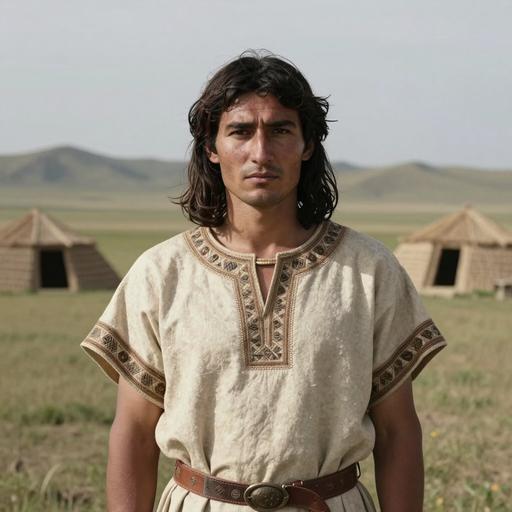
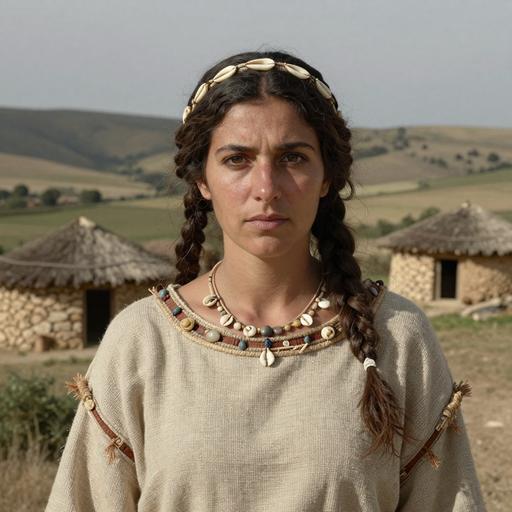
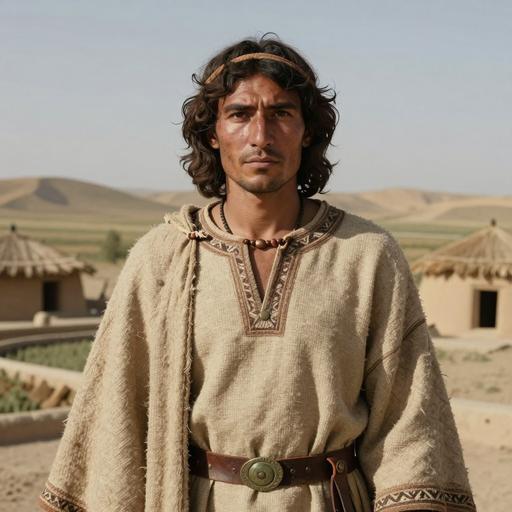
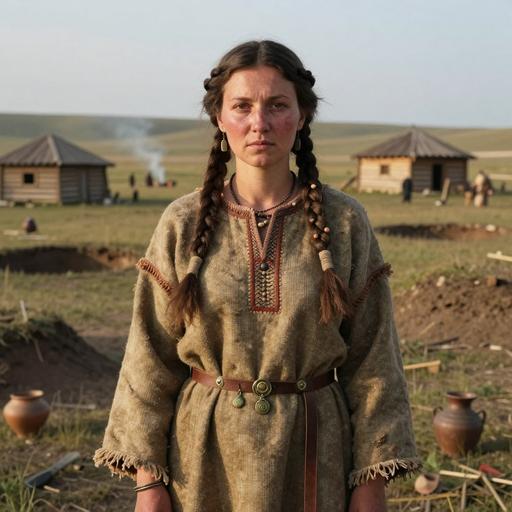
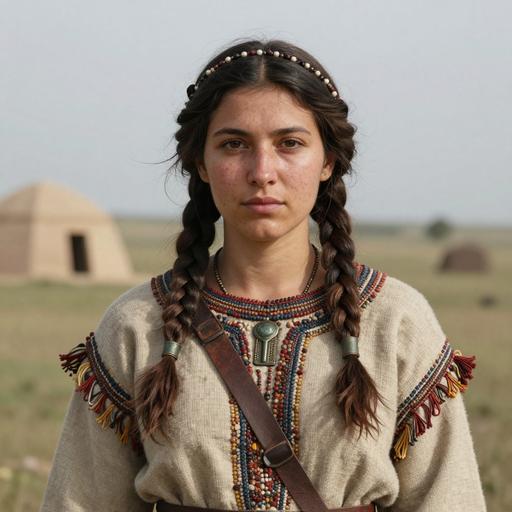
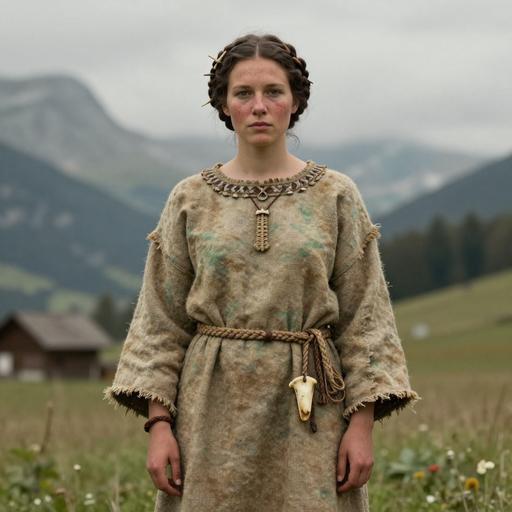
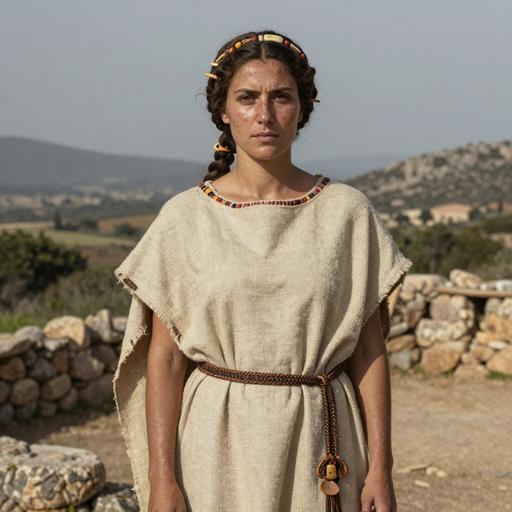
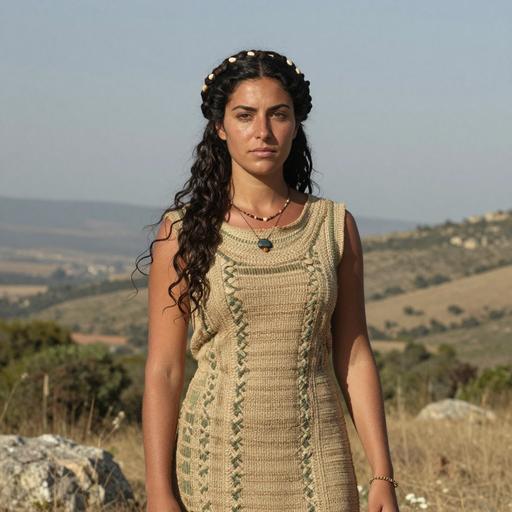
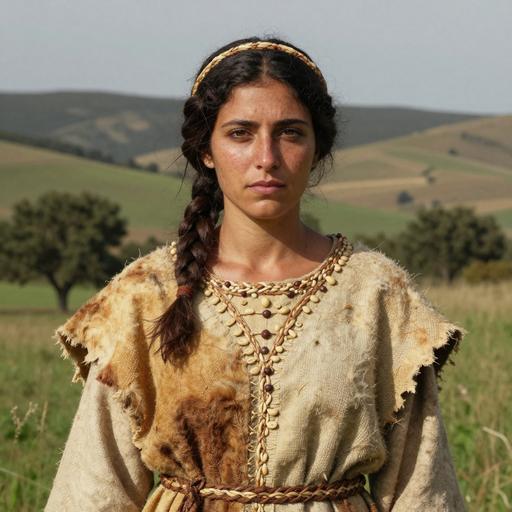
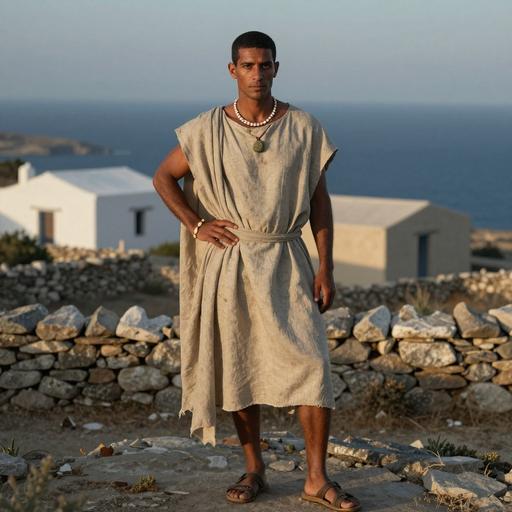
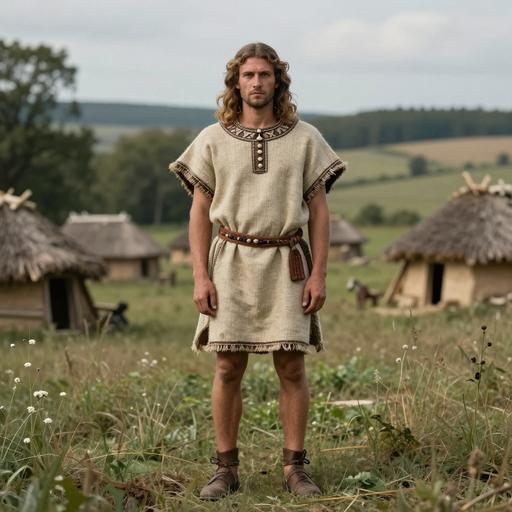
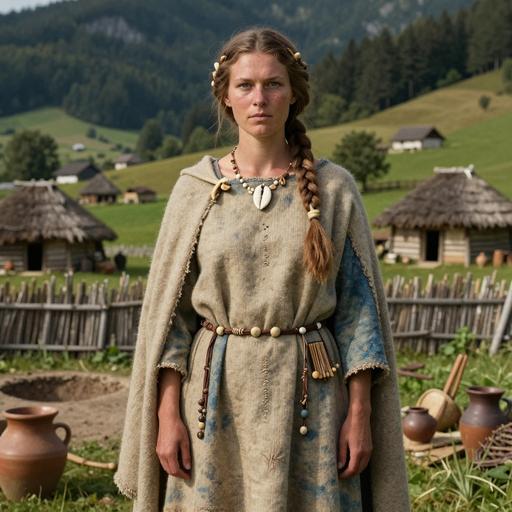
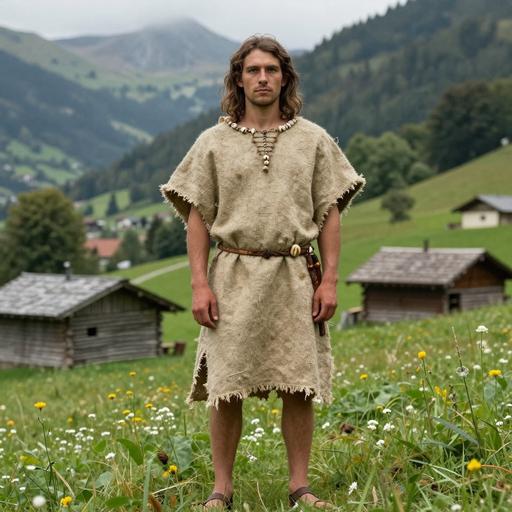
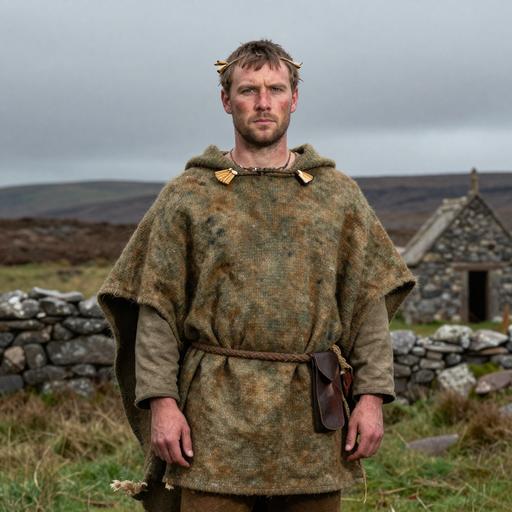
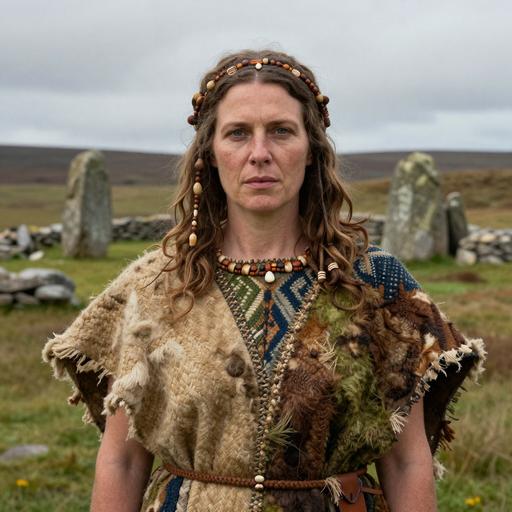
Les portraits sont des illustrations générées par IA. Les libellés d'échantillon et identifiants d'accès désignent les enregistrements de référence.
Portrait
Échantillon
Pays
Époque
Date
Culture
mtDNA
Correspondance
Identifiant d'échantillon : I5244
Serbia
Serbia IronGates Mesolithic
9115 BCE - 8555 BCE
Iron Gates Culture
K1
Direct
Identifiant d'échantillon : I8339
Spain
Roman Period Spain
125-220 calCE (1870±15 BP, PSUAMS-8175)
Roman Hispania
K1a-a4
Sous-clade
Identifiant d'échantillon : R31
Italy
Late Antiquity Italy
261-535 calCE (1655±25 BP, UCIAMS-213627)
Late Roman
K1c1
Sous-clade
Identifiant d'échantillon : R33
Italy
Late Antiquity Italy
300-700 CE
Late Roman
K1a1
Sous-clade
Identifiant d'échantillon : I8340
Spain
Greek Period Spain
500-350 BCE
Hellenic Iberian
K1a-a4
Sous-clade
Identifiant d'échantillon : HOC002
Germany
Hallstatt Culture
550-500 BCE
Hallstatt
K1a4c1*1
Sous-clade
Identifiant d'échantillon : VK190
Greenland
Greenland LateNorse
1035 CE - 1211 CE
Norse Greenland
K1a-a4
Sous-clade
Identifiant d'échantillon : SAL007
Italy
Daunian Culture Salapia, Italy
1300 BCE - 200 BCE
Daunian Culture
K1a+195T!
Sous-clade
Identifiant d'échantillon : I3878
Italy
Italy Sicily LBA
1382-1134 calBCE (3015±20 BP, PSUAMS-3995)
Sicilian Bronze Age
K1a-a4
Sous-clade
Identifiant d'échantillon : I10373
Italy
Italy Sicily LBA
1400-1150 BCE
Sicilian Bronze Age
K1a-a4
Sous-clade
Identifiant d'échantillon : ALA039
Turkey
Middle to Late Bronze Age Turkey
1491-1301 calBCE (3125±24 BP, MAMS-33700)
Anatolian Bronze Age
K1a-a
Sous-clade
Identifiant d'échantillon : I2472
Spain
Spain MBA
1533-1427 calBCE (3220±30 BP, Beta-299309)
Iberian Middle Bronze
K1a-a4
Sous-clade
Identifiant d'échantillon : I1856
Russia
Mid-Late Bronze Krasnoyarsk
1686-1518 calBCE (3330±25 BP, PSUAMS-2067)
Krasnoyarsk Culture
K1a-a4
Sous-clade
Identifiant d'échantillon : I12855
Spain
Spain EBA
1900-1750 BCE
Early Bronze Age Iberian
K1a-a4
Sous-clade
Identifiant d'échantillon : I4262
Kazakhstan
Mid-Late Bronze Karagash
1881-1693 calBCE (3465±25 BP, PSUAMS-2122)
Karagash Culture
K1a-a4
Sous-clade
Identifiant d'échantillon : I6610
Spain
Spain C
2008-1744 calBCE (3530±40 BP, Ua-35014)
Los Millares
K1a-a4
Sous-clade
Identifiant d'échantillon : I7492
Uzbekistan
Bronze Age Sapalli Tepe
2010 BCE - 1779 BCE
Sapalli
K1-a
Sous-clade
Identifiant d'échantillon : OBKR_9A
Germany
Early Bronze Age Lech Valley, Germany
2026 BCE - 1888 BCE
Lech Valley Bronze Age
K1a2a*
Sous-clade
Identifiant d'échantillon : I1062
Russia
Russia MLBA Sintashta
2050-1700 BCE
Sintashta Culture
K1a-a4
Sous-clade
Identifiant d'échantillon : I1013
Russia
Russia MLBA Sintashta
2050-1700 BCE
Sintashta Culture
K1a-a4
Sous-clade
Identifiant d'échantillon : I8140
Spain
Spain C
2121 BCE - 1777 BCE
Los Millares
K1a-a4
Sous-clade
Identifiant d'échantillon : I8140
Spain
Copper Age Iberia
2121 BCE - 1777 BCE
K1a-a4
Sous-clade
Identifiant d'échantillon : I1502
Hungary
Early Bronze Age Makó Culture, Hungary
2195 BCE - 1973 BCE
Makó
K1c1
Sous-clade
Identifiant d'échantillon : I1502
Hungary
Early Bronze Age Balkans
2195 BCE - 1973 BCE
K1c1*
Sous-clade
Identifiant d'échantillon : I1502
Hungary
Early Bronze Age Balkans
2195 BCE - 1973 BCE
K1c1*
Sous-clade
Identifiant d'échantillon : RISE98
Sweden
Sweden LN
2278 BCE - 2032 BCE
Nordic Late Neolithic
K1b1a1
Sous-clade
Identifiant d'échantillon : RISE98
Sweden
Late Neolithic Nordic Countries
2278 BCE - 2032 BCE
K1b1a1*
Sous-clade
Identifiant d'échantillon : MX193
Switzerland
Switzerland EBA 1
2283-2030 calBCE (3738±37 BP, BE-7446.1.1)
Swiss Early Bronze
K1a-a4
Sous-clade
Identifiant d'échantillon : SUC004
Italy
Italy Sardinia EBA
2296 BCE - 2144 BCE
Early Bronze Age Sardinian
K1a-a4
Sous-clade
Identifiant d'échantillon : SUC004
Italy
Early Bronze Age Sardinia
2296 BCE - 2144 BCE
K1a-a4
Sous-clade
Identifiant d'échantillon : I5037
Czech Republic
Early Bronze Age Proto-Unetice Culture, Czech Republic
2300-2000 BCE
Proto-Unetice Culture
K1a-a
Sous-clade
Identifiant d'échantillon : I7212
Czech Republic
Bell Beaker Culture, Czech Republic
2454-2201 calBCE (3840±25 BP, PSUAMS-4346)
Bell Beaker
K1b1a1-a
Sous-clade
Identifiant d'échantillon : I4936
Italy
Italy Sicily BellBeaker
2500 BCE - 1900 BCE
Bell Beaker
K1a-a4
Sous-clade
Identifiant d'échantillon : I0462
Spain
Spain C
2569-2344 calBCE (3950±26 BP, MAMS-25936)
Los Millares
K1a-a4
Sous-clade
Identifiant d'échantillon : Kou01
Greece
Early Bronze Age Cycladic Koufonisi, Greece
2600-2000 BCE
Cycladic Culture
K1a2c
Sous-clade
Identifiant d'échantillon : Kou03
Greece
Early Bronze Age Cycladic Koufonisi, Greece
2600-2000 BCE
Cycladic Culture
K1a1
Sous-clade
Identifiant d'échantillon : I7196
Czech Republic
Early Bronze Age Czech Republic
2800-1800 BCE
Únětice Culture
K1a-a4
Sous-clade
Identifiant d'échantillon : RISE1246
Poland
Globular Amphora Culture Ksiaznice, Poland
2895 BCE - 2632 BCE
Globular Amphora
K1a-a4
Sous-clade
Identifiant d'échantillon : R4
Italy
Chalcolithic Italy
2906-2880 calBCE (4260±15 BP, UCIAMS-198576)
Italian Chalcolithic
K1-a4l
Sous-clade
Identifiant d'échantillon : Aes10
Switzerland
Switzerland LN
2912-2784 calBCE (4256±23 BP, BE-9179.1.1)
Swiss Neolithic
K1a-a4
Sous-clade
Identifiant d'échantillon : RA44
Switzerland
Switzerland LN
2913-2779 calBCE (4253±24 BP, BE-8007.1.1)
Swiss Neolithic
K1a-a4
Sous-clade
Identifiant d'échantillon : MX211
Switzerland
Switzerland LN
3264-2923 calBCE (4415±21 BP, BE-8003.1.1)
Swiss Neolithic
K1a-a4
Sous-clade
Identifiant d'échantillon : I3138
United Kingdom
Scotland N
3312 BCE - 2920 BCE
Scottish Neolithic
K1a4a1
Sous-clade
Identifiant d'échantillon : I2606
United Kingdom
England N
3350-2900 BCE
British Neolithic
K1a-a4
Sous-clade
Identifiant d'échantillon : I2069
Russia
Russia Afanasievo
3331-2921 calBCE (4430±40 BP, Poz-83425)
Afanasievo
K1b2a
Sous-clade
Identifiant d'échantillon : I2979
United Kingdom
Scotland N
3334-2935 calBCE (4447±29 BP, SUERC-68726)
Scottish Neolithic
K1a-a4
Sous-clade
Identifiant d'échantillon : I2978
United Kingdom
Scotland N
3336 BCE - 3024 BCE
Scottish Neolithic
K1b1a1
Sous-clade
Identifiant d'échantillon : MX187
Switzerland
Switzerland LN
3337-2909 calBCE (4416±69 BP, BE-5451.1.1)
Swiss Neolithic
K1a-a4
Sous-clade
Identifiant d'échantillon : I3085
United Kingdom
Scotland N
3340-3027 calBCE (4471±29 BP, SUERC-68724)
Scottish Neolithic
K1a-a4
Sous-clade
Identifiant d'échantillon : MX183
Switzerland
Switzerland LN
3344-3036 calBCE (4486±28 BP, MAMS-27568)
Swiss Neolithic
K1a-a4
Sous-clade
Identifiant d'échantillon : I5244
Mesolithic Iron Gates, Serbia - Serbia - Padina
Serbia Serbia IronGates Mesolithic 9115 BCE - 8555 BCE
K1Direct
Identifiant d'échantillon : I8339
Roman Period Spain - Spain - Girona. Empuries. necropolis Centre de Visitants
Spain Roman Period Spain 125-220 calCE (1870±15 BP, PSUAMS-8175)
K1a-a4Sous-clade
Identifiant d'échantillon : R31
Late Antiquity Italy - Italy - Mausoleo di Augusto
Italy Late Antiquity Italy 261-535 calCE (1655±25 BP, UCIAMS-213627)
K1c1Sous-clade
Identifiant d'échantillon : R33
Late Antiquity Italy - Italy - Mausoleo di Augusto
Italy Late Antiquity Italy 300-700 CE
K1a1Sous-clade
Identifiant d'échantillon : I8340
Greek Period Spain - Spain - Girona. Empuries. necropolis Centre de Visitants
Suivez les clades parents jusqu'à cette branche et explorez où des porteurs antiques ont été identifiés.
Chargement des observations antiques…
La réduction des animations est activée. Utilisez la chronologie ou Tout afficher pour explorer à votre rythme.
Lire les observations sous forme de tableau
Observations antiques affichées par branche, période et date médiane
Branche
Période
Plage de dates
Échantillon
Identifiant d'échantillon
Emplacement
Haplogroupe
Relation
Les marqueurs indiquent des lieux de découvertes archéologiques. Un trait pointillé représente une transition géographique proposée et incertaine entre branches consécutives, appuyée sur plusieurs observations datées ; ce n'est pas un itinéraire exact, un lieu de naissance ni une preuve de descendance directe. Des échantillons de clades parents peuvent appartenir à d'autres branches descendantes. Des lacunes subsistent lorsque les preuves sont insuffisantes. Les dates d'échantillon diffèrent des dates de formation des haplogroupes.
Le regroupement par période historique reflète quand chaque individu antique a vécu, en combinant toutes les branches de cette chaîne de lignée ; ce n'est pas une séquence migratoire ni une chronologie personnelle entre périodes.
Profil de référence
Carte de répartition des porteurs
Répartition géographique de 100 échantillons d'ADN ancien (porteurs directs et de sous-clade de K1)
Porteur direct Porteur de sous-clade
Filtre de période
Toutes les périodes
Affichage de tous les échantillons
Profil de référence
Répartition temporelle
Répartition des porteurs selon les périodes archéologiques
Profil de référence
Répartition géographique
Effectifs par pays d'échantillon consigné. Ils reflètent la sélection de référence disponible, pas des fréquences de population.
Profil de référence
Répartition pays × époque
Comparez les effectifs d'échantillons consignés selon les pays et les périodes archéologiques. Sélectionnez une cellule renseignée pour examiner un échantillon.
Données
Données et provenance
Informations sur les sources et qualité des données
Dernière mise à jour2026-02-09
Source des données
La classification, les dates estimées et le contexte géographique reflètent les données de référence consignées et peuvent évoluer lorsque les éléments sont révisés. La couverture d'échantillons est inégale ; les lieux consignés et les associations archéologiques n'établissent pas une origine personnelle ni une identité culturelle.