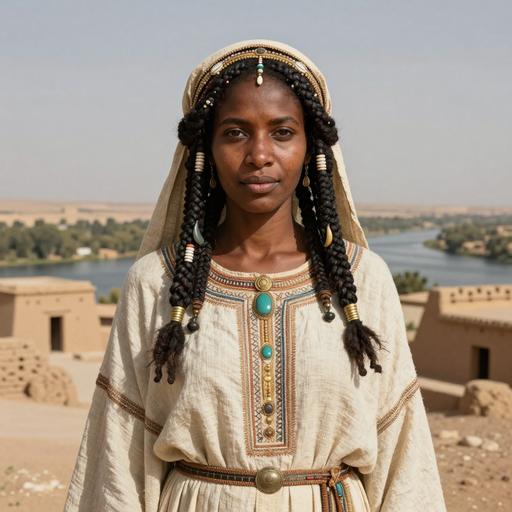
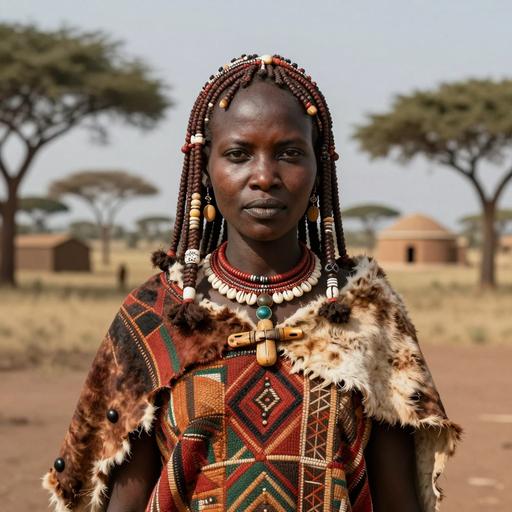
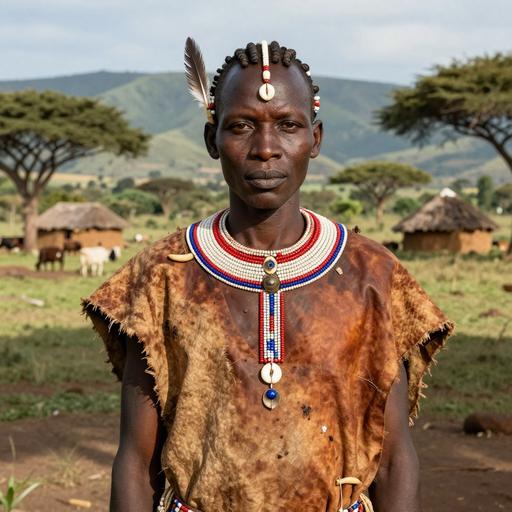
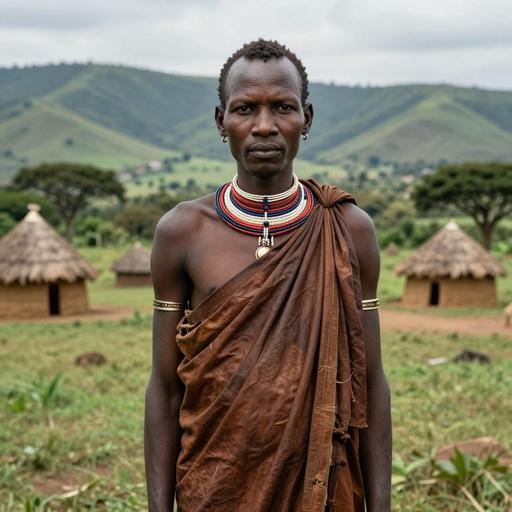
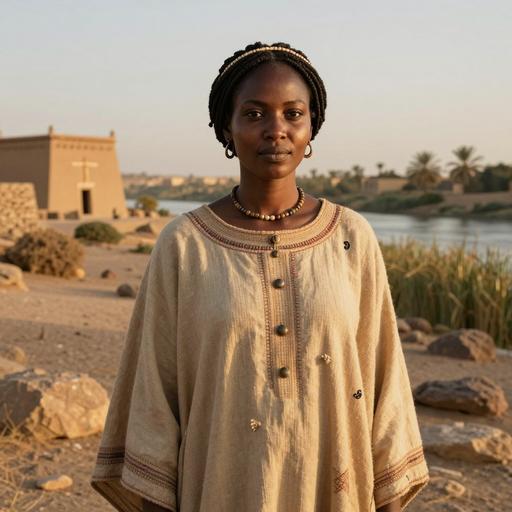
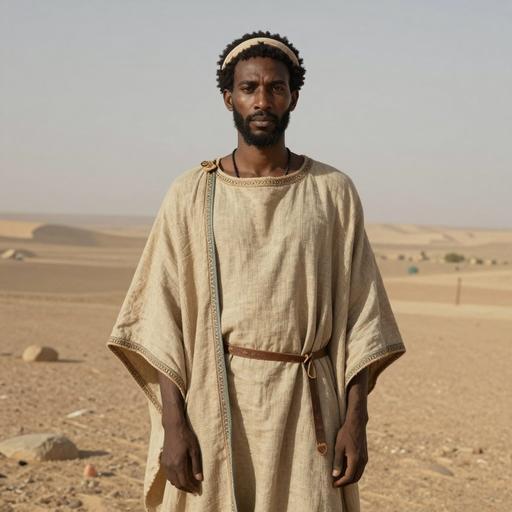
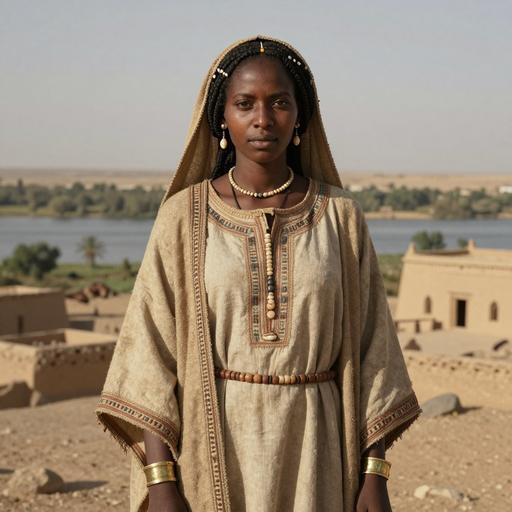
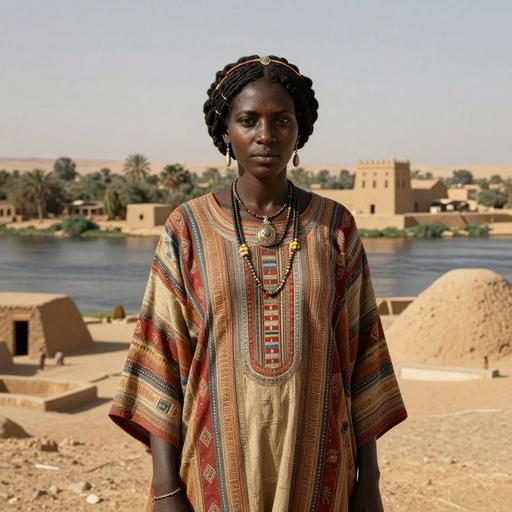
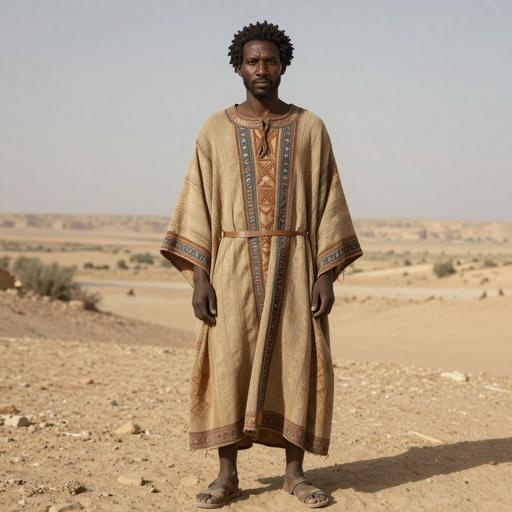
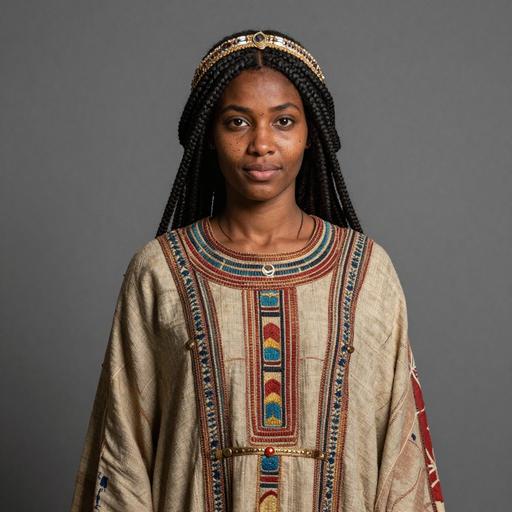
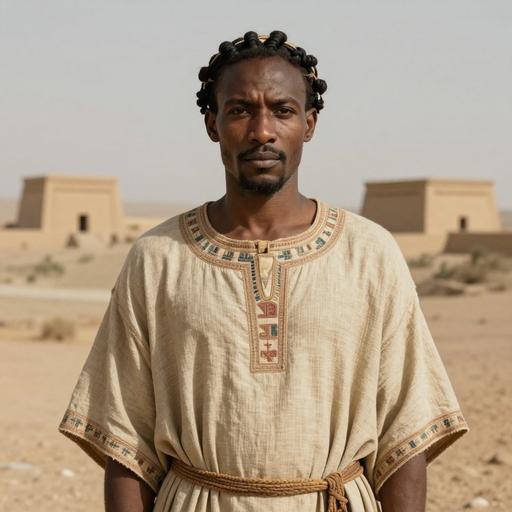
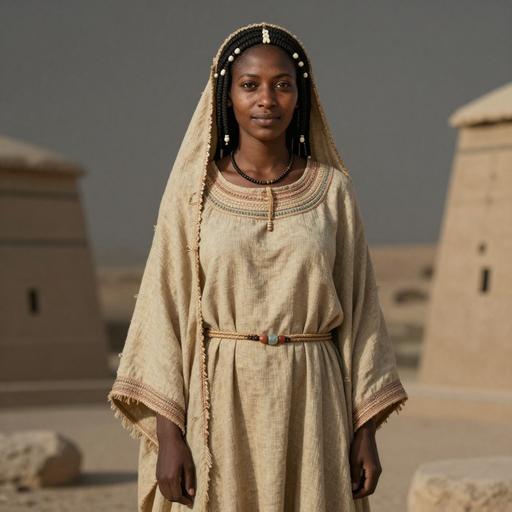
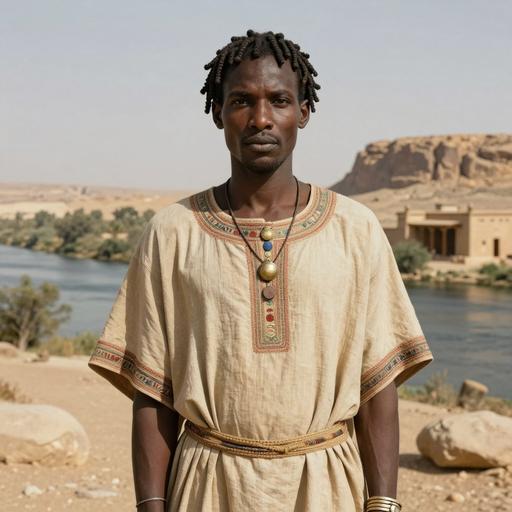
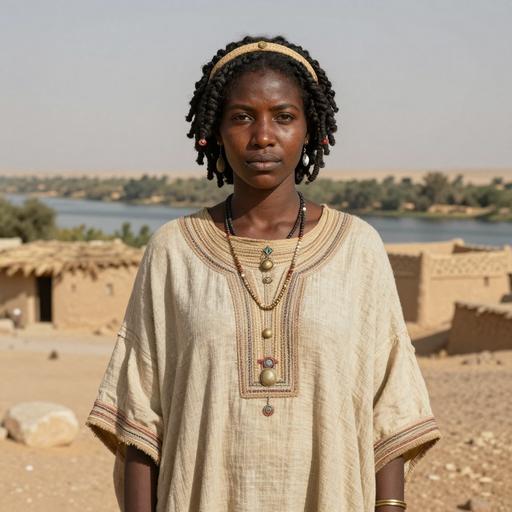
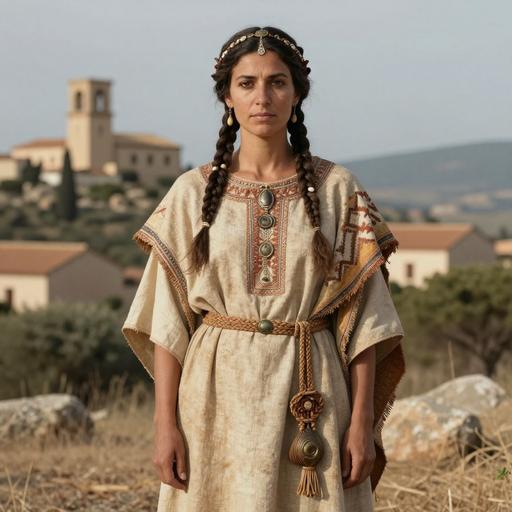
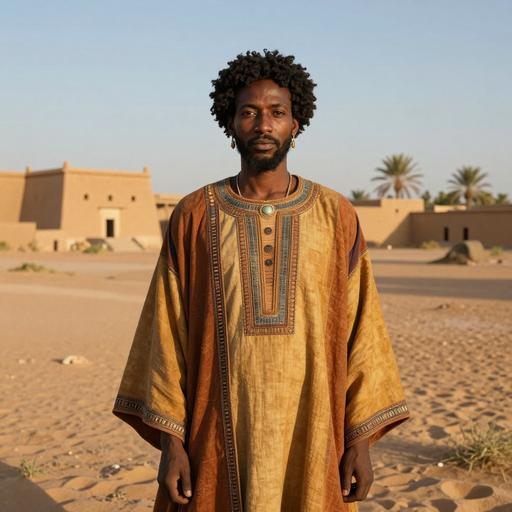
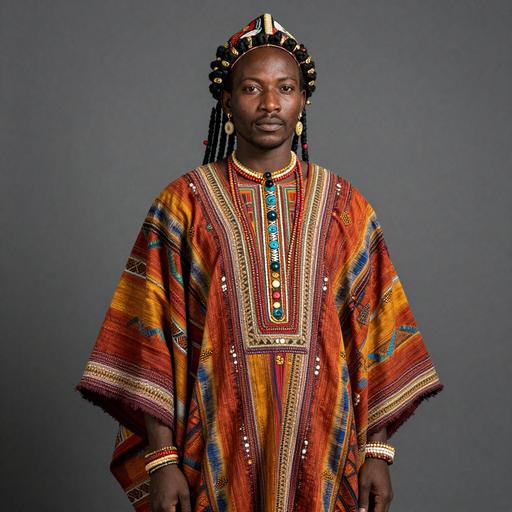
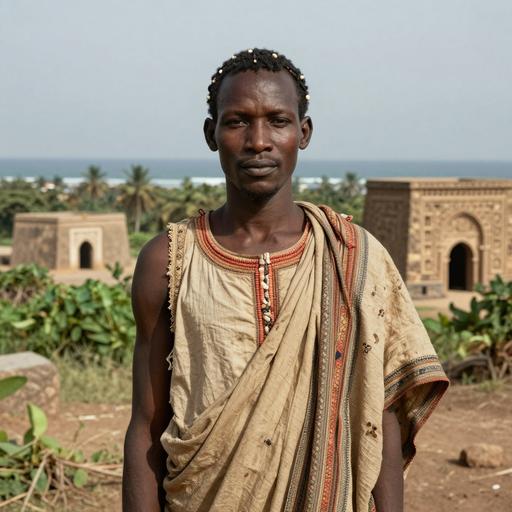
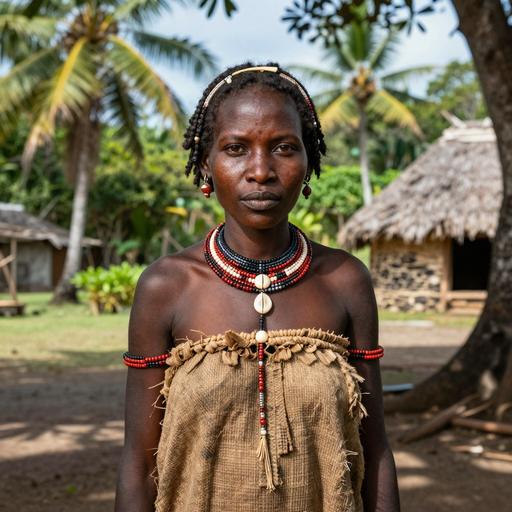
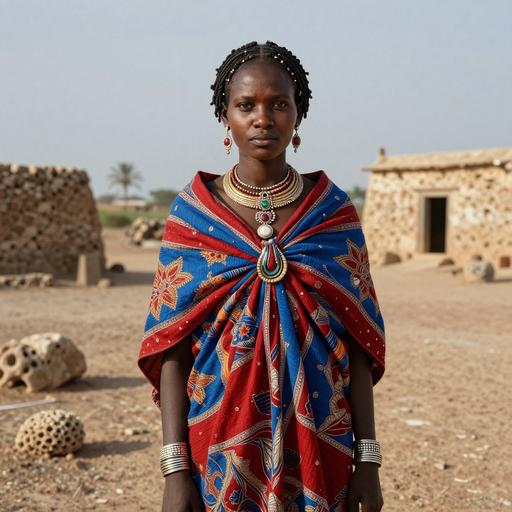
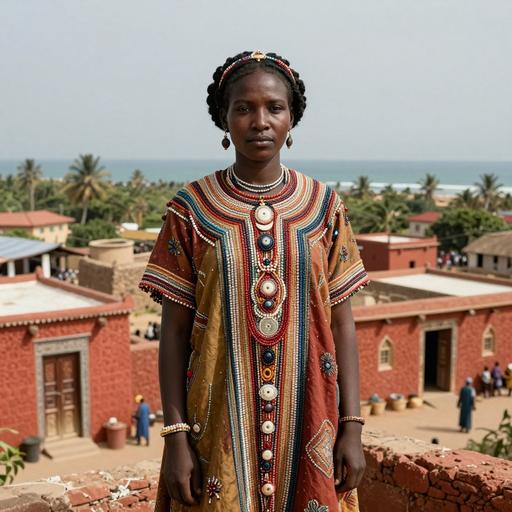
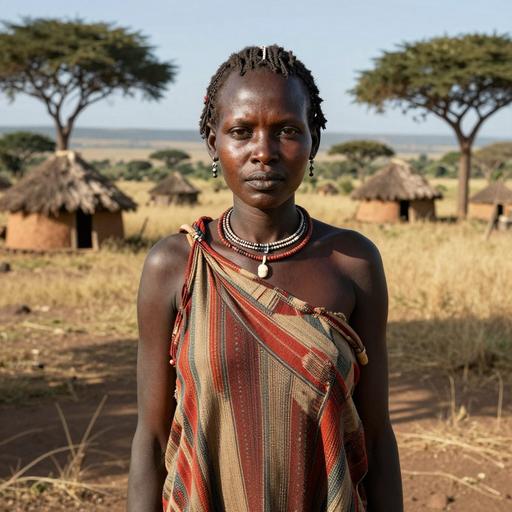
Profil de référence pour une branche de lignée. Des haplogroupes partagés n'établissent pas de lien familial ni d'identité culturelle.
Profil de référence
Contexte de la branche
Contexte historique de la branche de lignée mtDNA L2A1
Origins and Evolution
mtDNA haplogroup L2a1 sits within the well-established African maternal macro-haplogroup L2, a deep sub-Saharan clade that diversified during the Late Pleistocene and Holocene. As a downstream lineage of L2a, L2a1 likely split from closely related L2a subclades in West or Central Africa during the Late Pleistocene to early Holocene (order-of-magnitude estimate ~20 kyr, acknowledging uncertainty). Its position in the phylogeny as an intermediate node (often represented in Phylotree as L2a1'2'3'4 or similar intermediate branching) means it helps connect parent L2a diversity to more derived local subclades.
Phylogenetic and coalescent-based studies of L2 and L2a show multiple diversification pulses tied to climatic amelioration after the Last Glacial Maximum and subsequent demographic expansions in Holocene Africa. Because L2a and its subclades are frequent among many West and Central African groups, L2a1 is best interpreted as part of this wider regional diversification rather than as an isolated founding lineage.
Subclades
As an intermediate node, L2a1 branches into multiple downstream subclades in some phylogenies (the precise naming and resolution depend on the version of Phylotree and the datasets sampled). These downstream lineages can show local population structuring in Central and West Africa and are often detectable as distinct motifs in full mitogenome analyses. Many child subclades remain undersampled in the literature, so continued whole-mitochondrial sequencing in diverse African populations is needed to resolve the internal topology and age estimates more precisely.
Geographical Distribution
L2a1 and closely related L2a sublineages are most common in West and Central Africa, with appreciable presence among Bantu-speaking populations across Central, Eastern and Southern Africa due to Holocene agricultural expansions. The lineage is also present, at lower but measurable frequencies, among African-descended populations in the Americas and the Caribbean as a consequence of the transatlantic slave trade. Small, sporadic occurrences have been reported in North Africa and parts of the Near East, generally interpreted as the result of historic gene flow.
Historical and Cultural Significance
Because L2a1 is embedded within the widely distributed L2a complex, it participates in demographic signals associated with key Holocene cultural processes in Africa. These include the spread of food-producing and agropastoral societies during the Bantu expansions (beginning ~3–5 kya), which redistributed many maternal lineages across broad swaths of sub-Saharan Africa. In addition, the movement of people during the last 500 years has dispersed L2a1 into the Atlantic diaspora, where it contributes to the mitochondrial diversity of African-descended communities in the Americas.
While L2a1 itself is not tied to a single archaeological culture in the same way some Eurasian mtDNA clades are (e.g., specific Neolithic farmer lineages), its frequency patterns are consistent with population expansions, language spread, and historic migration events across the region.
Conclusion
L2a1 is a typical example of a Holocene–Late Pleistocene African mtDNA lineage: regionally concentrated in West and Central Africa, diversified into multiple subclades, and dispersed through both prehistoric expansions (notably Bantu-associated movements) and historical events (transatlantic slave trade). Current knowledge is limited by sampling density and mitogenome resolution in many parts of Africa, so further whole-mtDNA sequencing across underrepresented populations will improve our understanding of L2a1's internal structure, precise age, and fine-scale geographic history.
Points clés
Origins and Evolution
Subclades
Geographical Distribution
Historical and Cultural Significance
Conclusion
Profil de référence
Arbre et relations
Contexte phylogénétique et sous-clades
Voie évolutive
Suivez les branches parentes consignées jusqu'à L2A1. Les dates sont des estimations et peuvent évoluer lorsque les données de référence sont révisées.
The populations where mtDNA haplogroup L2A1 is found include:
West African groups (e.g., Yoruba, Mende, Akan)
Central African rainforest populations and Bantu-speaking groups (e.g., Kongo, Luba)
Southern and Eastern African Bantu-speaking populations (dispersed through the Bantu expansion)
African-descended populations in the Americas and Caribbean (resulting from the transatlantic slave trade)
Scattered occurrences in North Africa and the Near East (low frequency, likely historic gene flow)
Contexte historique
Une branche dans le temps
Formation estimée sur une chronologie historique large. Les repères de période servent de contexte et n'impliquent pas de lien avec des cultures particulières.
Il y a ~20k ans
Dernier maximum glaciaire
Apogée de la dernière période glaciaire, populations isolées
Il y a ~18k ans
Haplogroupe L2A1
Formation estimée de cette branche mtDNA ; les dates et les lieux sont des estimations de référence.
Cette branche
Il y a ~10k ans
Révolution néolithique
Début de l'agriculture et émergence de communautés sédentaires
Il y a ~5k ans
Âge du bronze
Travail des métaux, écriture et premières civilisations
Il y a ~3k ans
Âge du fer
Outils en fer, réseaux d'échanges élargis
Il y a ~2.5k ans
Antiquité classique
Floraison des civilisations grecque et romaine
Aujourd'hui
Aujourd'hui
Époque moderne
Profil de référence
Contexte archéologique
Associations archéologiques consignées pour la branche mtDNA L2A1
Associations consignées
Ces libellés décrivent des contextes archéologiques consignés pour des échantillons de référence liés à L2A1. Une association n'établit pas que tous les porteurs appartenaient à une culture ni qu'ils ont suivi une route migratoire précise.
El ArgarLuxmanda CultureMakwasinyiModern PeriodMtwapaNubian ChristianRoman ProvincialRoman Sardinian
Les attributions culturelles reposent sur le contexte archéologique des échantillons d'ADN ancien et peuvent refléter des associations régionales à certaines périodes.
Profil de référence
Catalogue d'échantillons
9 porteurs directs et 39 porteurs de sous-clade de l'haplogroupe L2A1
10 affiché(s) · 48 échantillons correspondants
Aucun échantillon ne correspond à ces filtres. Essayez un autre libellé, lieu ou période.
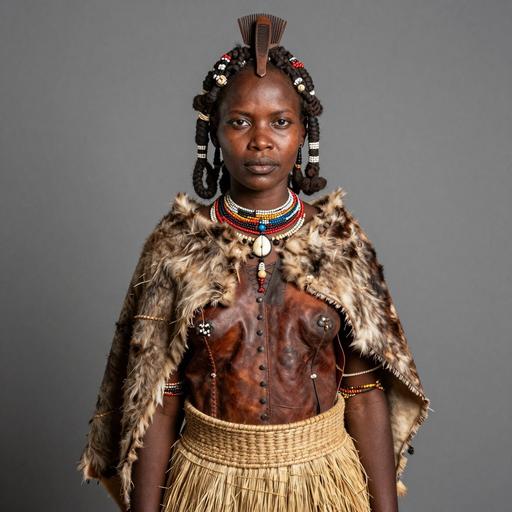
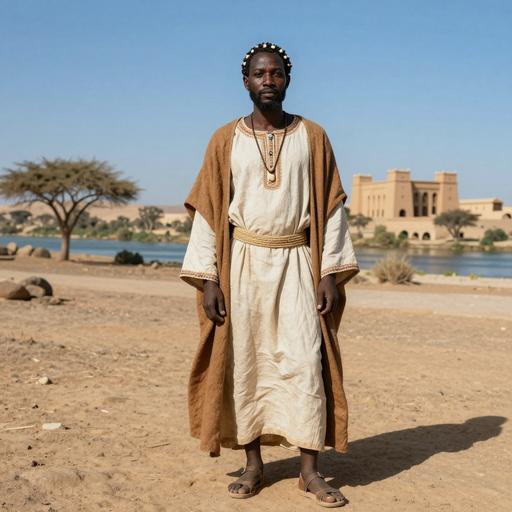
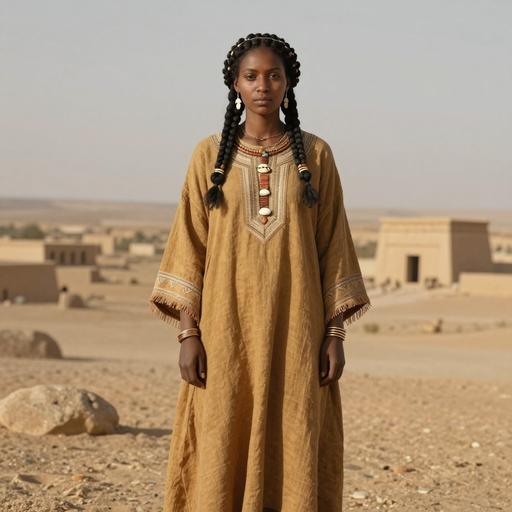
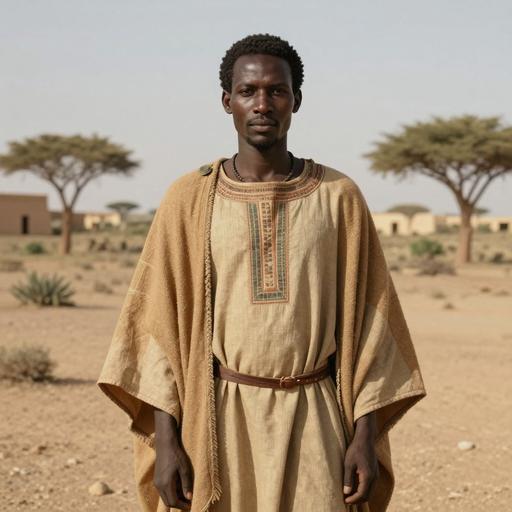
Les portraits sont des illustrations générées par IA. Les libellés d'échantillon et identifiants d'accès désignent les enregistrements de référence.
Roman Period Sardinia, Italy - Italy - Alghero. SS. Aho M. Carru
Italy Roman Period Sardinia, Italy 100-250 CE
L2a1Direct
Identifiant d'échantillon : I15546
Roman Serbia - Serbia - Timacum-Minus-Slog (Zaječar District, Knjaževac Municipality, Ravna)
Serbia Serbia Roman 350-450 CE
L2a1+143+16189 (16192)Direct
Identifiant d'échantillon : I6141
Early Christian Era in Sudan - Sudan - Nubia. Kulubnarti. Cemetery R
Sudan Early Christian Era in Sudan 772-957 calCE (1170±22 BP, UGAMS-34388)
L2a1Direct
Identifiant d'échantillon : I3726
Luxmanda 3000 Years Before Present in Tanzania - Tanzania - Luxmanda. UVS40
Tanzania Luxmanda 3000 Years Before Present in Tanzania 1204 BCE - 937 BCE
L2a1Direct
Identifiant d'échantillon : I3726
Tanzania Ancient East Africa 1204 BCE - 937 BCE
L2a1Direct
Identifiant d'échantillon : I13873
Makwasinyi (Kenya) - Kenya - Makwasinyi (Taita-Taveta)
Kenya Makwasinyi (Kenya) 1650-1950 CE
L2a1+143Direct
Identifiant d'échantillon : I13875
Makwasinyi (Kenya) - Kenya - Makwasinyi (Taita-Taveta)
Kenya Makwasinyi (Kenya) 1667-1843 calCE (200±15 BP, PSUAMS-10331)
L2a1+143Direct
Identifiant d'échantillon : COV20126
Bronze Age Spain - Spain - Lucena. Covacha del Angel
Spain Spain BA 1751 BCE - 1615 BCE
L2a1Direct
Identifiant d'échantillon : COV20126
Spain Bronze Age Iberia 1751 BCE - 1615 BCE
L2a1Direct
Identifiant d'échantillon : I15499
Roman Serbia - Serbia - Viminacium-Pirivoj (Braničevo District, Požarevac Municipality, Kostolac)
Serbia Serbia Roman 80-215 calCE (1895±20 BP, PSUAMS-8552)
L2a1jSous-clade
Identifiant d'échantillon : I19143
Early Christian Era in Sudan - Sudan - Nubia. Kulubnarti. Cemetery R
Sudan Early Christian Era in Sudan 650 CE - 1050 CE
L2a1d1Sous-clade
Identifiant d'échantillon : I19145
Early Christian Era in Sudan - Sudan - Nubia. Kulubnarti. Cemetery R
Sudan Early Christian Era in Sudan 650 CE - 1050 CE
L2a1d1Sous-clade
Identifiant d'échantillon : I19142
Early Christian Era in Sudan - Sudan - Nubia. Kulubnarti. Cemetery R
Sudan Early Christian Era in Sudan 650 CE - 1050 CE
L2a1d1Sous-clade
Identifiant d'échantillon : I17449
Early Christian Era in Sudan - Sudan - Nubia. Kulubnarti. Cemetery S
Sudan Early Christian Era in Sudan 650 CE - 1050 CE
L2a1d1Sous-clade
Identifiant d'échantillon : I18505
Early Christian Era in Sudan - Sudan - Nubia. Kulubnarti. Cemetery S
Sudan Early Christian Era in Sudan 650 CE - 1050 CE
L2a1d1Sous-clade
Identifiant d'échantillon : I18520
Early Christian Era in Sudan - Sudan - Nubia. Kulubnarti. Cemetery S
Sudan Early Christian Era in Sudan 650 CE - 1050 CE
L2a1d1Sous-clade
Identifiant d'échantillon : I18522
Early Christian Era in Sudan - Sudan - Nubia. Kulubnarti. Cemetery S
Sudan Early Christian Era in Sudan 650 CE - 1050 CE
L2a1d1Sous-clade
Identifiant d'échantillon : I18538
Early Christian Era in Sudan - Sudan - Nubia. Kulubnarti. Cemetery S
Sudan Early Christian Era in Sudan 650-950 CE
L2a1d1Sous-clade
Identifiant d'échantillon : I18540
Early Christian Era in Sudan - Sudan - Nubia. Kulubnarti. Cemetery S
Sudan Early Christian Era in Sudan 650 CE - 1050 CE
L2a1d1Sous-clade
Identifiant d'échantillon : I17478
Early Christian Era in Sudan - Sudan - Nubia. Kulubnarti. Cemetery S
Sudan Early Christian Era in Sudan 650 CE - 950 CE
L2a1d1Sous-clade
Identifiant d'échantillon : I18509
Early Christian Era in Sudan - Sudan - Nubia. Kulubnarti. Cemetery S
Sudan Early Christian Era in Sudan 700-950 CE
L2a1d1Sous-clade
Identifiant d'échantillon : I6325
Early Christian Era in Sudan - Sudan - Nubia. Kulubnarti. Cemetery S
Sudan Early Christian Era in Sudan 669-820 calCE (1270±22 BP, UGAMS-34406)
L2a1d1Sous-clade
Identifiant d'échantillon : I6326
Early Christian Era in Sudan - Sudan - Nubia. Kulubnarti. Cemetery S
Sudan Early Christian Era in Sudan 676-773 calCE (1272±12 BP) [R_combine: (1260±22 BP, UGAMS-34409), (1250±25 BP, PSUAMS-3908), (1285±15 BP, PSUAMS-4253)]
L2a1d1Sous-clade
Identifiant d'échantillon : NQO002
Nqoma Early Iron Age in Botswana - Botswana - Nqoma
Botswana Nqoma Early Iron Age in Botswana 700-1100 CE
L2a1fSous-clade
Identifiant d'échantillon : I6257
Early Christian Era in Sudan - Sudan - Nubia. Kulubnarti. Cemetery S
Sudan Early Christian Era in Sudan 710-886 calCE (1210±22 BP, UGAMS-34408)
L2a1d1Sous-clade
Identifiant d'échantillon : I6324
Early Christian Era in Sudan - Sudan - Nubia. Kulubnarti. Cemetery S
Sudan Early Christian Era in Sudan 710-886 calCE (1210±22 BP, UGAMS-34396)
L2a1d1Sous-clade
Identifiant d'échantillon : I17475
Early Christian Era in Sudan - Sudan - Nubia. Kulubnarti. Cemetery S
Sudan Early Christian Era in Sudan 750-900 CE
L2a1d1Sous-clade
Identifiant d'échantillon : I6332
Early Christian Era in Sudan - Sudan - Nubia. Kulubnarti. Cemetery S
Sudan Early Christian Era in Sudan 772-892 calCE (1190±22 BP, UGAMS-34398)
L2a1d1Sous-clade
Identifiant d'échantillon : I6256
Early Christian Era in Sudan - Sudan - Nubia. Kulubnarti. Cemetery S
Sudan Early Christian Era in Sudan 773-887 calCE (1200±22 BP, UGAMS-34405)
L2a1d1Sous-clade
Identifiant d'échantillon : VIL006
Iron Age Punic 1 Sardinia, Italy - Italy - Sardinia. Villamar. VS. Villamar
Italy Iron Age Punic 1 Sardinia, Italy 788-551 calBCE (2530±20 BP)
Swahili Culture of Mtwapa - Kenya - Mtwapa (Kilifi)
Kenya Swahili Culture of Mtwapa 1651-1801 calCE (245±20 BP, ISGS-A2126)
L2a1aSous-clade
Identifiant d'échantillon : I24665
Swahili Culture of Mtwapa - Kenya - Mtwapa (Kilifi)
Kenya Swahili Culture of Mtwapa 1250-1650 CE
L2a1f1Sous-clade
Identifiant d'échantillon : I8816
Swahili Culture of Kilwa - Tanzania - Kilwa (Kilwa District)
Tanzania Swahili Culture of Kilwa 1300-1600 CE
L2a1hSous-clade
Identifiant d'échantillon : I2298
Pemba 600 Years Before Present in Tanzania - Tanzania - Zanzibar. Pemba Island. Mapangani Cave
Tanzania Pemba 600 Years Before Present in Tanzania 1319 CE - 1411 CE
L2a1a2Sous-clade
Identifiant d'échantillon : I2298
Tanzania Ancient East Africa 1319 BCE - 1411 BCE
L2a1a2Sous-clade
Identifiant d'échantillon : I7938
Swahili Culture of Manda Island - Kenya - Manda (Lamu)
Kenya Swahili Culture of Manda Island 1437-1482 calCE (470±15 BP, PSUAMS-5512)
L2a1b1Sous-clade
Identifiant d'échantillon : I19387
Swahili Culture of Mtwapa - Kenya - Mtwapa (Kilifi)
Kenya Swahili Culture of Mtwapa 1457-1626 calCE (395±20 BP, PSUAMS-12668)
L2a1b1aSous-clade
Identifiant d'échantillon : KPL002
Kakapel Late Iron Age in Kenya - Kenya - Kakapel
Kenya Kakapel Late Iron Age in Kenya 1640-1950 calCE (222±28 BP, SUERC-86058)
L2a1fSous-clade
Identifiant d'échantillon : STM3
Saint Martin (Philipsburg) - The Netherlands - Saint Martin, Philipsburg
The Netherlands Saint Martin (Philipsburg) 1600-1700 CE
L2a1fSous-clade
Identifiant d'échantillon : I8086
Modern Era - USA - Maryland's Catoctin Furnace African American Cemetery
USA Modern Era 1800-1850 CE
L2a1a1Sous-clade
Identifiant d'échantillon : STH_253
St. Helena - St. Helena - Rupert’s Valley
St. Helena St. Helena 1840 CE - 1940 CE
L2a1f1Sous-clade
Identifiant d'échantillon : STH_347
St. Helena - St. Helena - Rupert’s Valley
St. Helena St. Helena 1840-1940 CE
L2a1fSous-clade
Identifiant d'échantillon : STH_441
St. Helena - St. Helena - Rupert’s Valley
St. Helena St. Helena 1840 CE - 1940 CE
L2a1fSous-clade
Identifiant d'échantillon : STH_514
St. Helena - St. Helena - Rupert’s Valley
St. Helena St. Helena 1840 CE - 1940 CE
L2a1f1Sous-clade
Identifiant d'échantillon : STH_524
St. Helena - St. Helena - Rupert’s Valley
St. Helena St. Helena 1840-1940 CE
L2a1a3cSous-clade
LIGNÉE MATERNELLE · ADN ANTIQUE
Carte des preuves de lignées antiques
Suivez les clades parents jusqu'à cette branche et explorez où des porteurs antiques ont été identifiés.
Chargement des observations antiques…
La réduction des animations est activée. Utilisez la chronologie ou Tout afficher pour explorer à votre rythme.
Lire les observations sous forme de tableau
Observations antiques affichées par branche, période et date médiane
Branche
Période
Plage de dates
Échantillon
Identifiant d'échantillon
Emplacement
Haplogroupe
Relation
Les marqueurs indiquent des lieux de découvertes archéologiques. Un trait pointillé représente une transition géographique proposée et incertaine entre branches consécutives, appuyée sur plusieurs observations datées ; ce n'est pas un itinéraire exact, un lieu de naissance ni une preuve de descendance directe. Des échantillons de clades parents peuvent appartenir à d'autres branches descendantes. Des lacunes subsistent lorsque les preuves sont insuffisantes. Les dates d'échantillon diffèrent des dates de formation des haplogroupes.
Le regroupement par période historique reflète quand chaque individu antique a vécu, en combinant toutes les branches de cette chaîne de lignée ; ce n'est pas une séquence migratoire ni une chronologie personnelle entre périodes.
Profil de référence
Carte de répartition des porteurs
Répartition géographique de 48 échantillons d'ADN ancien (porteurs directs et de sous-clade de L2A1)
Porteur direct Porteur de sous-clade
Filtre de période
Toutes les périodes
Affichage de tous les échantillons
Profil de référence
Répartition temporelle
Répartition des porteurs selon les périodes archéologiques
Profil de référence
Répartition géographique
Effectifs par pays d'échantillon consigné. Ils reflètent la sélection de référence disponible, pas des fréquences de population.
Profil de référence
Répartition pays × époque
Comparez les effectifs d'échantillons consignés selon les pays et les périodes archéologiques. Sélectionnez une cellule renseignée pour examiner un échantillon.
Données
Données et provenance
Informations sur les sources et qualité des données
Dernière mise à jour2026-06-14
Score de confiance50/100
CouvertureLow
Source des données
La classification, les dates estimées et le contexte géographique reflètent les données de référence consignées et peuvent évoluer lorsque les éléments sont révisés. La couverture d'échantillons est inégale ; les lieux consignés et les associations archéologiques n'établissent pas une origine personnelle ni une identité culturelle.