Menu
Currency
mtDNA Haplogroup • Maternal Lineage

L2A1

mtDNA Haplogroup L2A1

~18,000 years ago
West/Central Africa
2 subclades
Scroll to explore
Chapter I

The Story

The journey of mtDNA haplogroup L2A1

Origins and Evolution

mtDNA haplogroup L2a1 sits within the well-established African maternal macro-haplogroup L2, a deep sub-Saharan clade that diversified during the Late Pleistocene and Holocene. As a downstream lineage of L2a, L2a1 likely split from closely related L2a subclades in West or Central Africa during the Late Pleistocene to early Holocene (order-of-magnitude estimate ~20 kyr, acknowledging uncertainty). Its position in the phylogeny as an intermediate node (often represented in Phylotree as L2a1'2'3'4 or similar intermediate branching) means it helps connect parent L2a diversity to more derived local subclades.

Phylogenetic and coalescent-based studies of L2 and L2a show multiple diversification pulses tied to climatic amelioration after the Last Glacial Maximum and subsequent demographic expansions in Holocene Africa. Because L2a and its subclades are frequent among many West and Central African groups, L2a1 is best interpreted as part of this wider regional diversification rather than as an isolated founding lineage.

Subclades

As an intermediate node, L2a1 branches into multiple downstream subclades in some phylogenies (the precise naming and resolution depend on the version of Phylotree and the datasets sampled). These downstream lineages can show local population structuring in Central and West Africa and are often detectable as distinct motifs in full mitogenome analyses. Many child subclades remain undersampled in the literature, so continued whole-mitochondrial sequencing in diverse African populations is needed to resolve the internal topology and age estimates more precisely.

Geographical Distribution

L2a1 and closely related L2a sublineages are most common in West and Central Africa, with appreciable presence among Bantu-speaking populations across Central, Eastern and Southern Africa due to Holocene agricultural expansions. The lineage is also present, at lower but measurable frequencies, among African-descended populations in the Americas and the Caribbean as a consequence of the transatlantic slave trade. Small, sporadic occurrences have been reported in North Africa and parts of the Near East, generally interpreted as the result of historic gene flow.

Historical and Cultural Significance

Because L2a1 is embedded within the widely distributed L2a complex, it participates in demographic signals associated with key Holocene cultural processes in Africa. These include the spread of food-producing and agropastoral societies during the Bantu expansions (beginning ~3–5 kya), which redistributed many maternal lineages across broad swaths of sub-Saharan Africa. In addition, the movement of people during the last 500 years has dispersed L2a1 into the Atlantic diaspora, where it contributes to the mitochondrial diversity of African-descended communities in the Americas.

While L2a1 itself is not tied to a single archaeological culture in the same way some Eurasian mtDNA clades are (e.g., specific Neolithic farmer lineages), its frequency patterns are consistent with population expansions, language spread, and historic migration events across the region.

Conclusion

L2a1 is a typical example of a Holocene–Late Pleistocene African mtDNA lineage: regionally concentrated in West and Central Africa, diversified into multiple subclades, and dispersed through both prehistoric expansions (notably Bantu-associated movements) and historical events (transatlantic slave trade). Current knowledge is limited by sampling density and mitogenome resolution in many parts of Africa, so further whole-mtDNA sequencing across underrepresented populations will improve our understanding of L2a1's internal structure, precise age, and fine-scale geographic history.

Key Points

  • Origins and Evolution
  • Subclades
  • Geographical Distribution
  • Historical and Cultural Significance
  • Conclusion

Chapter II

Tree & Relationships

Phylogenetic context and subclades

Evolution Path
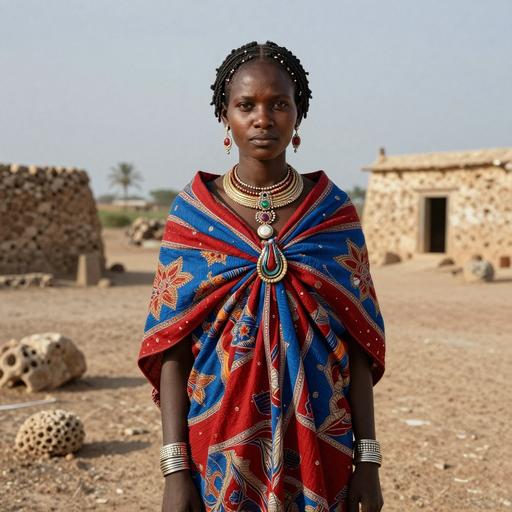
This haplogroup's evolutionary journey from its earliest ancestor to the present.

Steps Haplogroup Age Estimate Archaeology Era Time Passed Immediate Descendants Tested Modern Descendants Ancient Connections
1 L2A1 Current ~18,000 years ago 🏹 Mesolithic 18,000 years 2 435 0
2 L2A1'2'3'4 2 435 0
3 L2A ~50,000 years ago 🦴 Paleolithic 50,000 years 2 466 12
4 L2A'B'C'D 2 757 0
5 L2 ~70,000 years ago 🦴 Paleolithic 70,000 years 4 809 7
6 L2'3'4'6 2 24,475 0
7 L2'3'4'5'6'7 2 24,488 0
8 L1'2'3'4'5'6'7 2 24,903 0
9 L ~160,000 years ago 🦴 Paleolithic 160,000 years 2 25,205 5

Siblings (1)

Other branches from the same parent haplogroup

Chapter III

Where in the World

Geographic distribution and modern presence


Place of Origin

West/Central Africa

Modern Distribution

The populations where mtDNA haplogroup L2A1 is found include:

  1. West African groups (e.g., Yoruba, Mende, Akan)
  2. Central African rainforest populations and Bantu-speaking groups (e.g., Kongo, Luba)
  3. Southern and Eastern African Bantu-speaking populations (dispersed through the Bantu expansion)
  4. African-descended populations in the Americas and Caribbean (resulting from the transatlantic slave trade)
  5. Scattered occurrences in North Africa and the Near East (low frequency, likely historic gene flow)
CHAPTER IV

When in Time

Your haplogroup in the context of human history

~20k years ago

Last Glacial Maximum

Peak of the last ice age, populations isolated

~18k years ago

Haplogroup L2A1

Your mtDNA haplogroup emerged in West/Central Africa

West/Central Africa
~10k years ago

Neolithic Revolution

Agriculture begins, settled communities form

~5k years ago

Bronze Age

Metalworking, writing, and early civilizations

~3k years ago

Iron Age

Iron tools, expanded trade networks

~2k years ago

Classical Antiquity

Greek and Roman civilizations flourish

Present

Present Day

Modern era

Your Haplogroup
Historical Era
Chapter IV-B

Linked Cultures

Ancient cultures associated with mtDNA haplogroup L2A1

Cultural Heritage

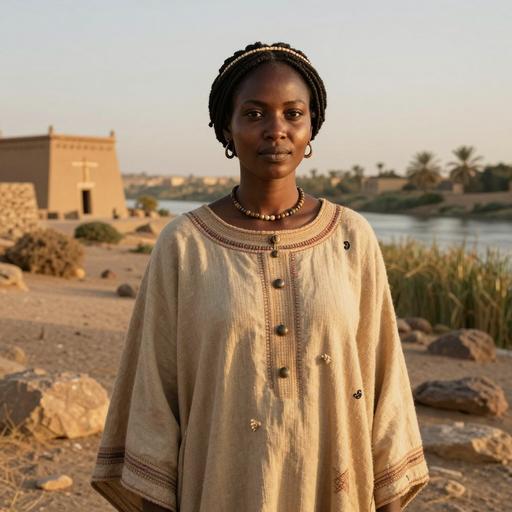
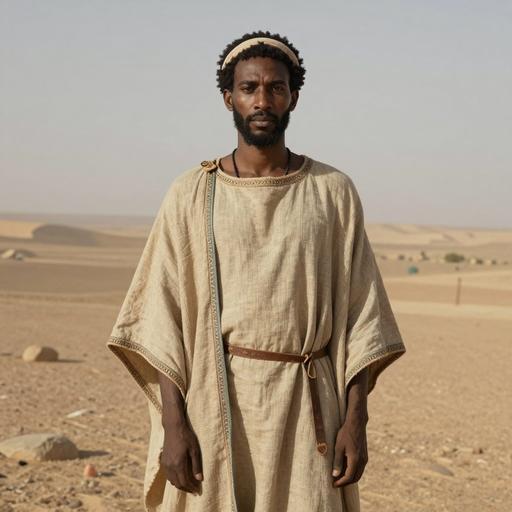
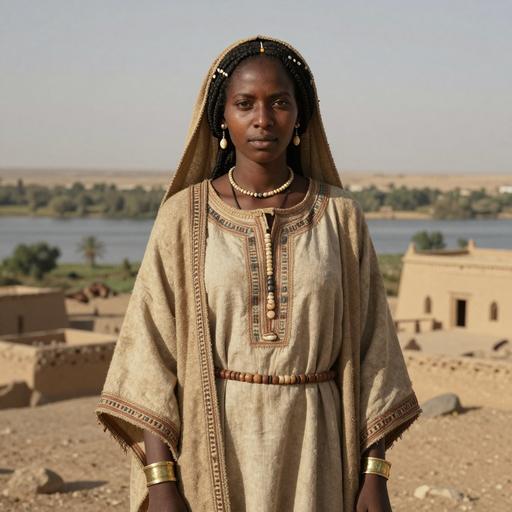
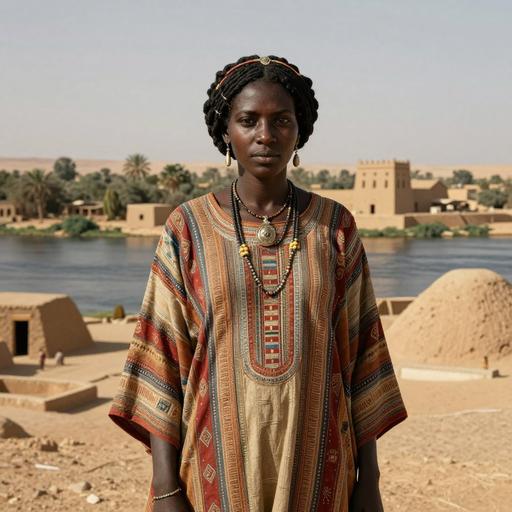
These ancient cultures have been linked to haplogroup L2A1 based on matching ancient DNA samples from archaeological excavations. The presence of this haplogroup in these cultures provides insights into the migrations and population movements of populations carrying this haplogroup.

El Argar Luxmanda Culture Makwasinyi Modern Period Mtwapa Nubian Christian Roman Provincial Roman Sardinian
Culture assignments are based on archaeological context of ancient DNA samples and may represent regional associations during specific time periods.
Chapter V

Sample Catalog

9 direct carriers and 39 subclade carriers of haplogroup L2A1

48 / 48 samples
Portrait Sample Country Era Date Culture mtDNA Match
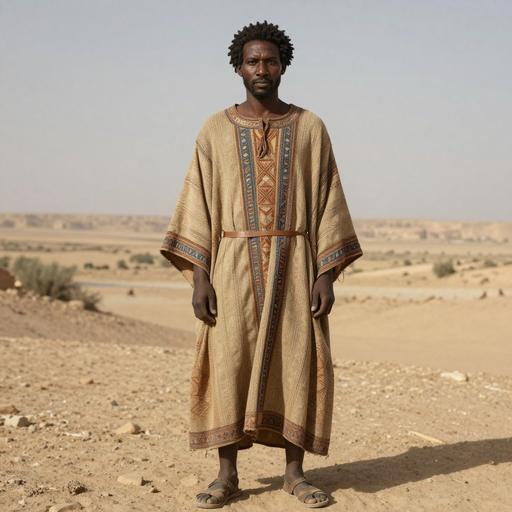
Portrait of ancient individual AMC005 from Italy, dated 100 CE - 250 CE
AMC005
Italy Roman Period Sardinia, Italy 100 CE - 250 CE Roman Sardinian L2a1 Direct
Portrait of ancient individual I15546 from Serbia, dated 380 CE - 410 CE
I15546
Serbia Roman Serbia 380 CE - 410 CE Roman Provincial L2a1+143+16189 (16192) Direct
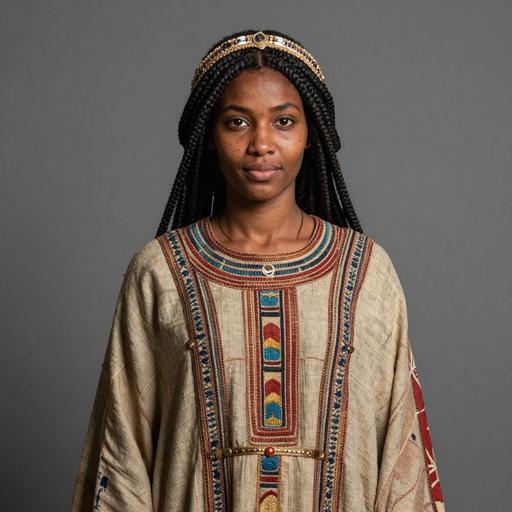
Portrait of ancient individual I6141 from Sudan, dated 772 CE - 957 CE
I6141
Sudan Early Christian Era in Sudan 772 CE - 957 CE Nubian Christian L2a1+143+16189 (16192) Direct
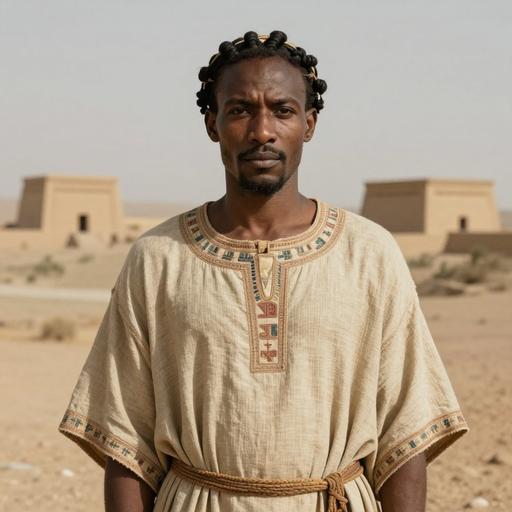
Portrait of ancient individual I3726 from Tanzania, dated 1204 BCE - 937 BCE
I3726
Tanzania Luxmanda 3000 Years Before Present in Tanzania 1204 BCE - 937 BCE Luxmanda Culture L2a1 Direct
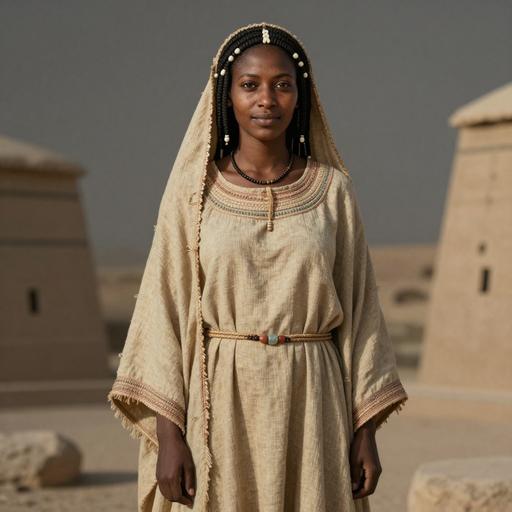
Portrait of ancient individual I3726 from Tanzania, dated 1204 BCE - 937 BCE
I3726
Tanzania Ancient East Africa 1204 BCE - 937 BCE L2a1 Direct
Portrait of ancient individual I13873 from Kenya, dated 1650 CE - 1950 CE
I13873
Kenya Makwasinyi (Kenya) 1650 CE - 1950 CE Makwasinyi L2a1+143 Direct
Portrait of ancient individual I13875 from Kenya, dated 1667 CE - 1843 CE
I13875
Kenya Makwasinyi (Kenya) 1667 CE - 1843 CE Makwasinyi L2a1+143 Direct
Portrait of ancient individual COV20126 from Spain, dated 1751 BCE - 1615 BCE
COV20126
Spain Bronze Age Spain 1751 BCE - 1615 BCE El Argar L2a1 Direct
Portrait of ancient individual COV20126 from Spain, dated 1751 BCE - 1615 BCE
COV20126
Spain Bronze Age Iberia 1751 BCE - 1615 BCE L2a1 Direct
Portrait of ancient individual I15499 from Serbia, dated 80 CE - 215 CE
I15499
Serbia Roman Serbia 80 CE - 215 CE Roman Provincial L2a1j Downstream
Chapter VI

Carrier Distribution Map

Geographic distribution of 48 ancient DNA samples (direct and subclade carriers of L2A1)

Direct carrier Subclade carrier
Time Period Filter
All Time Periods
Showing all samples
Chapter VII

Temporal Distribution

Distribution of carriers across archaeological periods

Chapter VIII

Geographic Distribution

Distribution by country of origin (direct and subclade carriers shown by default)

Chapter IX

Country × Era Distribution

Cross-tabulation of carrier countries and archaeological periods (direct and subclade carriers shown by default)

Data

Data & Provenance

Source information and data quality

Last Updated 2026-06-14
Confidence Score 50/100
Coverage Low
Data Source

We use the latest phylotree for MTDNA haplogroup classification and data.